Super IPO, super wealth transfer
In June, the global stock market stands at a very delicate juncture: the impact of the slightest hint can be magnified, magnified, and magnified again by those at the market's peak.
The market has an extremely high level of consensus on the "AI revolution" and the "continuation of the interest - rate cut cycle". The highly crowded optimistic expectations mean that almost all those who are bullish have already entered the market.
Therefore, we can see that the CAPE of the S&P 500 and the Nasdaq have reached extremely high historical levels. The South Korean Composite Index and the Nikkei 225 have broken through historical highs, and in the A - share market, there has been a continuous bull run in technology stocks.
Whether in the primary and secondary markets or other markets, the AI industry chain is the leading "money - printing machine", attracting all those who want to become wealthier.
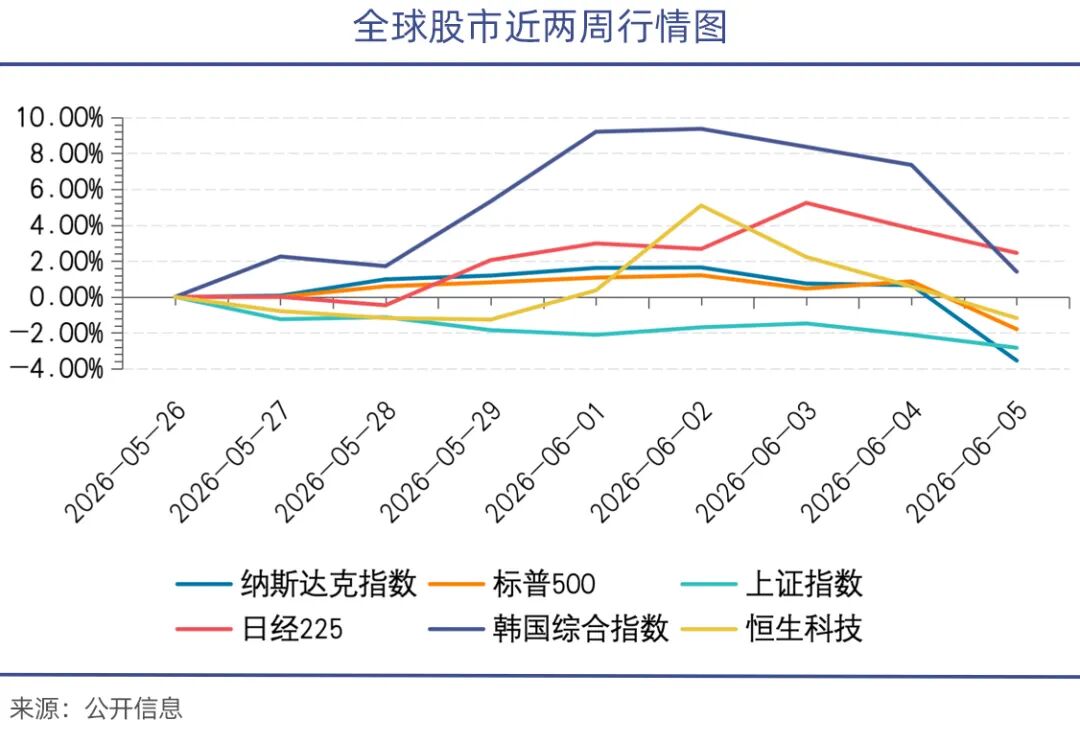
Once the money game starts, it cannot be stopped voluntarily. The super IPO wave that the global stock market is experiencing this month is the concrete manifestation of this game rule.
From memory chips to large AI models, from humanoid robots to space exploration, many technology giants are intensively rushing to go public. The total fundraising scale of just three companies, SpaceX, OpenAI, and Anthropic, may exceed $200 billion. It's hard not to think that some investors are preparing funds for SpaceX during the correction of the US stock market last week.
However, the far - reaching impact brought by these super IPO projects is far more than just extracting liquidity from the stock market.
01
Financing for Survival
Looking through the prospectuses of these super IPO companies, the word "money - burning" is written all over them.
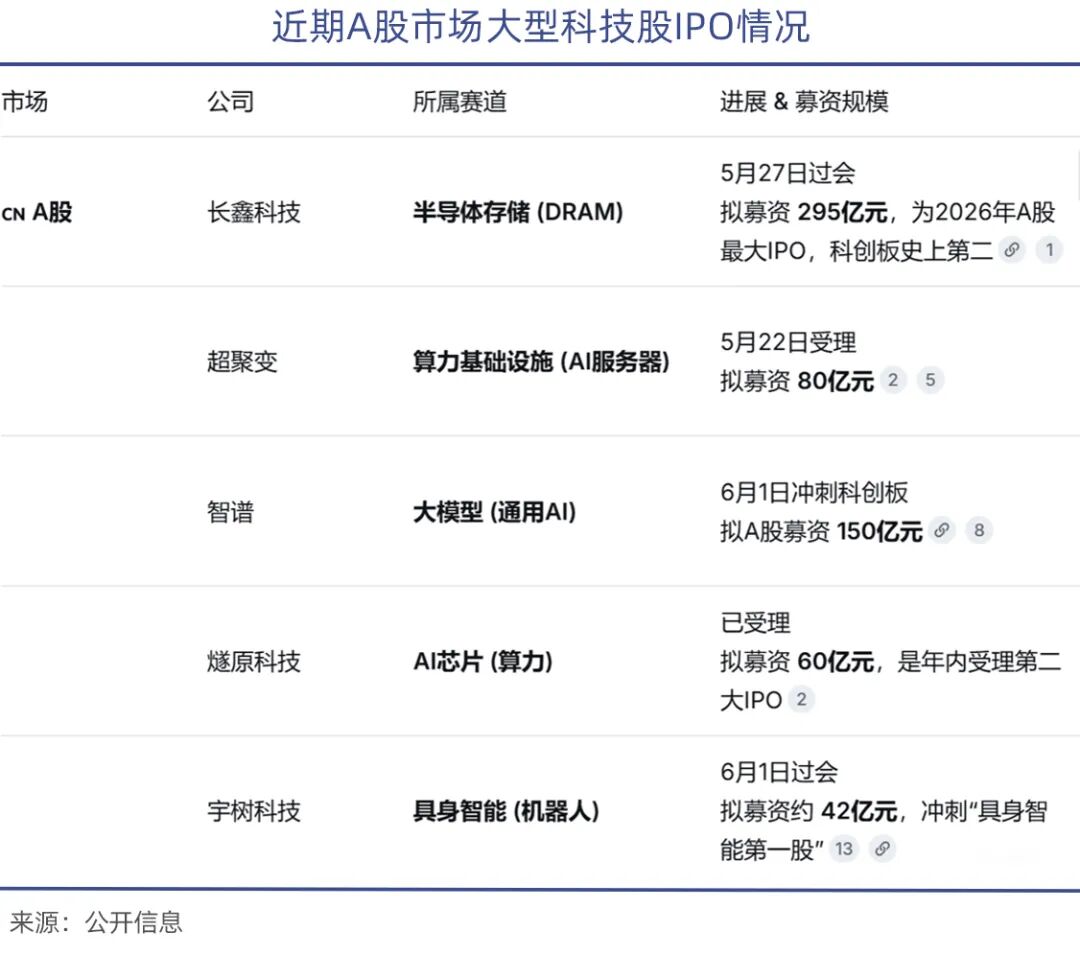
Changxin Technology, the leading DRAM memory chip company, achieved an annual revenue of 61.799 billion yuan in 2025, a year - on - year increase of 155.6%. Its net profit after deducting non - recurring items was 5.316 billion yuan, and the gross profit margin was as high as 41%. Its performance continued to explode in Q1 of 2026, with a single - quarter revenue of 50.8 billion yuan and a net profit of 33 billion yuan, which was enough to make up for the losses of the previous two years.
Although Changxin Technology, with strong profitability, doesn't seem to be short of money, it still launched a fundraising plan of 29.5 billion yuan for memory technology upgrading and forward - looking technology R & D.
Unitree Technology, the most well - known humanoid robot company in China, achieved a revenue of 1.708 billion yuan in 2025, a year - on - year increase of 335%. Its net profit after deducting non - recurring items was 600 million yuan, and the gross profit margin was as high as 60.27%. Judging from the profit side alone, it seems to be a "small but beautiful" profitable enterprise.
However, looking at Unitree Technology's R & D expenditure, it's not difficult to find the contradiction. The company's R & D expenses in the first three quarters of 2025 were only 90.2 million yuan, and the R & D expense ratio was less than 8%, less than one - third of the industry average. It was quite "restrained" in R & D investment.
However, when it came to the IPO, Unitree Technology said that it would invest 85% of the 4.2 billion yuan in fundraising in R & D, as if admitting indirectly that the company's previous profits were "squeezed out" by cutting R & D expenses.
Zhipu also had astonishing R & D investment. The company achieved a revenue of 724 million yuan in 2025, a year - on - year increase of 132%. However, its R & D investment in the same period was 3.18 billion yuan, 4.4 times the revenue in the same period. Finally, Zhipu's first financial report after going public still showed a loss, with an annual loss of about 4.7 billion yuan.
A pattern is emerging - although the revenues of these super IPO companies may be eye - catching, every single cent of their income is supported by huge capital expenditures. This pattern is even more obvious in US stock IPOs compared to A - share IPOs.
Previously, according to reports from authoritative media such as Reuters, JRJ.com, and STCN, SpaceX's EBITDA last year was about $8 billion, its revenue scale reached $15 - 16 billion, and the profit margin was about 50%. Among them, the Starlink business contributed the majority of the profits.
However, before SpaceX went public, Musk let it acquire his another company, xAI. In this transaction, SpaceX was valued at $1 trillion, xAI was valued at $250 billion, and the overall valuation after the merger reached $1.25 trillion, setting a global record for high - valuation corporate mergers and acquisitions.
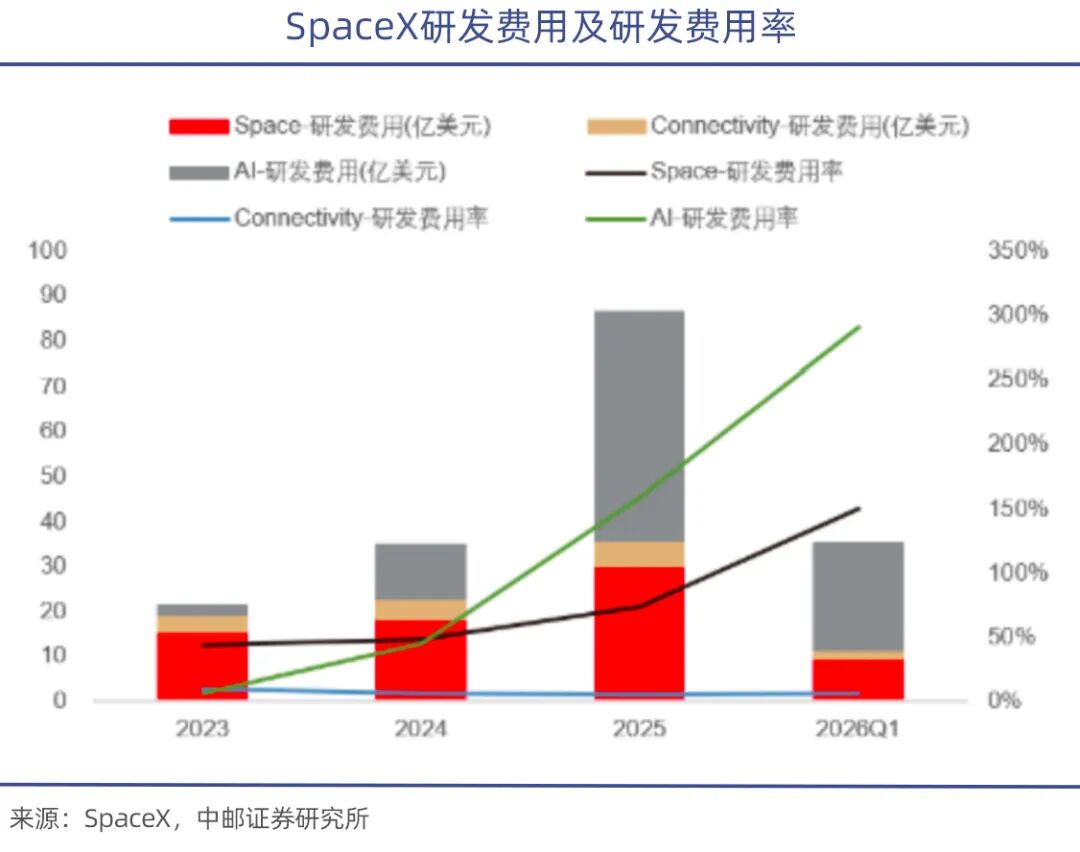
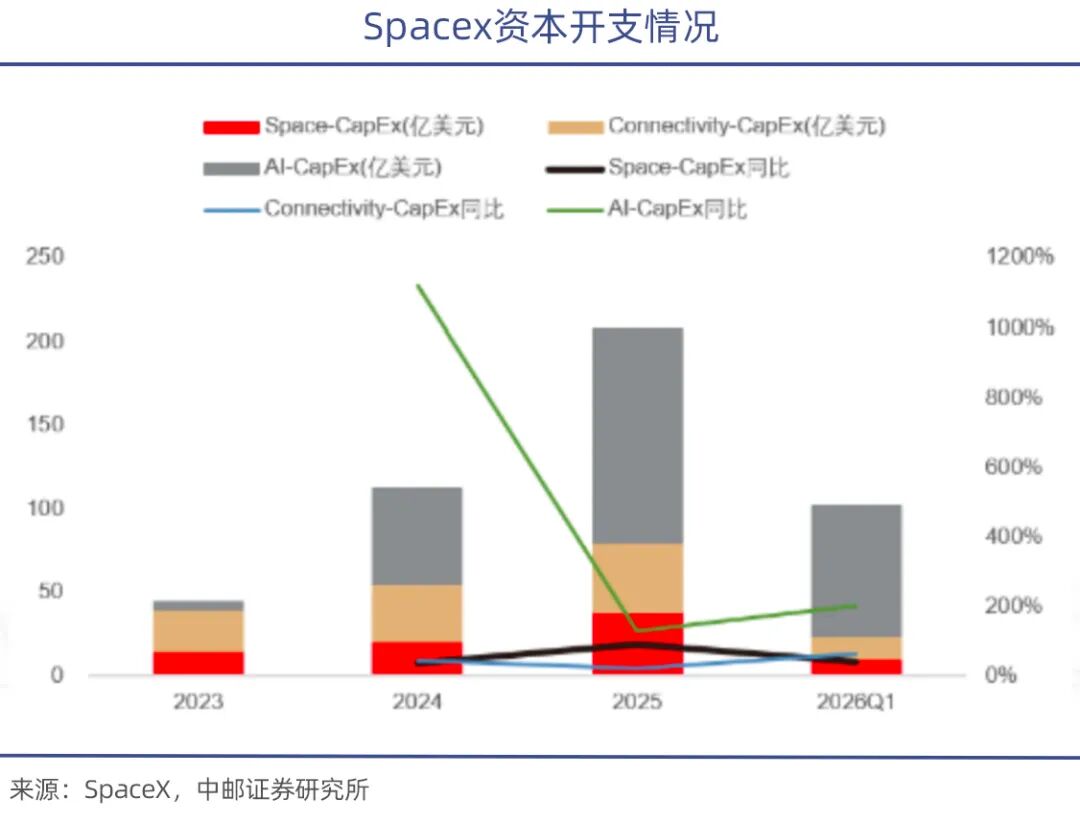
xAI's chip procurement and data center construction expenditures reached as high as $13 billion, not including the depreciation costs of the chips. Franco Granda, a senior research analyst at PitchBook, pointed out that "SpaceX was an excellent company in many aspects, but after merging with xAI, it has changed beyond recognition, and the spending speed is worrying."
OpenAI, which hasn't considered the issue of profitability yet, has even more astonishing capital expenditures. The company's capital expenditures in 2025 were about $40 - 50 billion, and it is expected to reach $600 billion in 2030. Altman seems to be telling the entire market that there is no upper limit to the money burned in the AI industry chain.
From the perspective of the AI arms race and great - power competition, burning money is indeed necessary. Without continuous capital input, any AI - related company cannot maintain its iteration rhythm. If you don't move forward, you'll fall behind. Therefore, the IPOs of these companies have become a necessity rather than an option.
02
Astounding Expansion
The worrying expansion of capital expenditures is not only reflected in the financial reports of several leading AI companies but also truly exists in the entire industrial chain spanning computing power, chips, and cloud services.
This is a capital resonance and spiral rise triggered by AI, and its exaggeration makes any previous industrial expansion in history pale in comparison.
More notably, even non - AI industry practitioners and investors will see a debt curve that almost inevitably leads to a crisis taking shape.
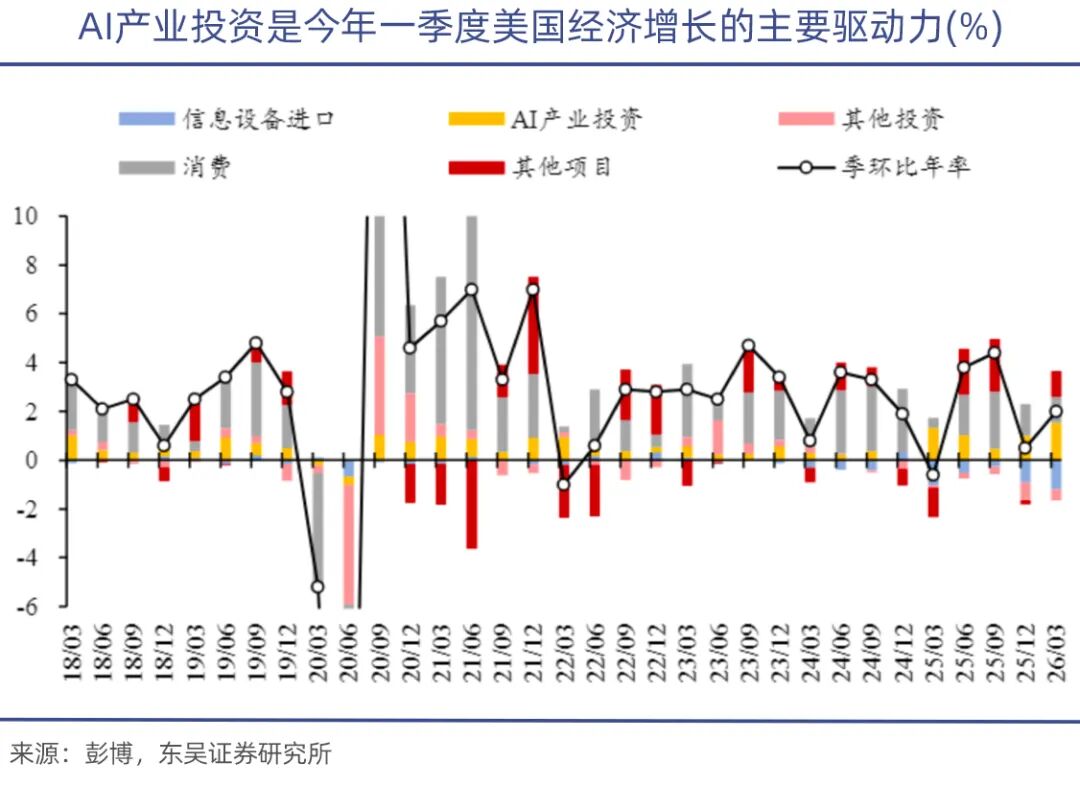
The starting point of this industrial chain is the almost limitless demand for computing power from large models. Taking China as an example, the daily average Token consumption has soared from 100 billion at the beginning of 2024 to 180 trillion in February 2026. Moreover, JPMorgan Chase predicts that the AI inference Token consumption in China will increase by 370 times compared to 2025 by 2030.
Because the computational load of generative AI is completely different from that of traditional Internet services, each conversation and each image generation requires tens of thousands of matrix operations to be completed within a few seconds. The peak power consumption demand can reach dozens or even hundreds of Tops, and the difference in computing power levels between the two is between 10,000 and 100,000 times.
The explosion of computing power demand has spread to the AI chip field, making NVIDIA seem to be the center of the world.
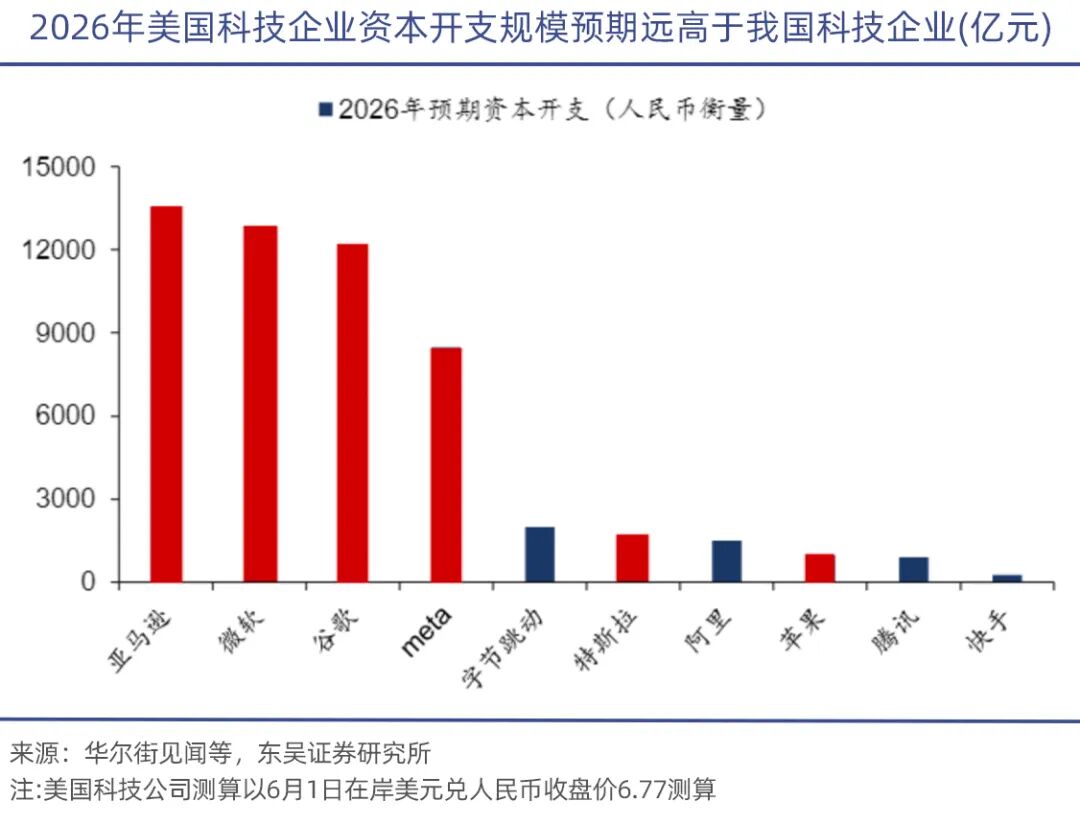
Before Huang Renxun, the four major technology giants, Meta, Amazon, Google, and Microsoft, had announced that their total capital expenditures in 2026 would reach $660 billion, and most of it would be used to purchase NVIDIA's high - performance AI chips. They also asserted that "the expenditure level is moderate and sustainable".
It should be noted that last year, TrendForce predicted that the total capital expenditures of the world's eight major cloud service providers (CSPs) in 2026 would be $600 billion. However, the expected expenditures of four of these CSPs have already exceeded this figure.
China's CSPs are also not to be outdone. Alibaba Cloud announced an investment of 380 billion yuan in three years to build AI infrastructure, and ByteDance's capital expenditures in 2026 are rumored to be as high as $16 billion.
However, even if global CSPs are frantically building data centers and buying GPUs at a rate of nearly one trillion dollars per year, the gap in AI computing power supply is still expanding. Because it takes time for memory manufacturers to expand production capacity, and this is not something that can be solved by simply throwing money at it.
The construction cycle of clean rooms and the supply of EUV lithography machines are both physical ceilings that memory manufacturers cannot bypass on their way to expand production. Some analysts predict that this will lead to a supply - demand imbalance for 2 - 3 years. Moreover, the wafer production capacity consumed by HBM (High - Bandwidth Memory) is also limited by TSMC's production expansion speed.
Some people may regret that the speed of capital expenditures and production capacity expansion in the AI industry chain is not fast enough. However, a more worrying question is whether the current expenditures match the future revenues?
According to industry research statistics, the ratio of capital expenditures to revenues in the US AI industry in 2025 was as high as 6:1. In comparison, this ratio was 2:1 during the US railway bubble and only 4:1 during the Internet bubble.
With such a high ratio of expenditures to revenues, what can support the company's investment is not just internal cash flow but external financing. IPOs, private placements, corporate bonds, and more complex and hidden financial derivatives will all become tools for external financing.
Every record - breaking equity financing or debt financing is worth making the market think about whether we are standing at the starting point of a new round of financial crisis?
03
Wealth Transfer
While the super IPOs are attracting most of the attention, more capital operations are hidden within, quietly completing one wealth transfer after another.
On the 1st of this month, Alphabet, the parent company of Google, announced a secondary offering of $80 billion to replenish funds for the expansion of AI infrastructure, which is one of the largest equity financing cases in Silicon Valley history.
The subsequent sharp drop in the stock price more intuitively reflects investors' resistance to the dilution of EPS. But when can the resistance of ordinary people really change the decisions of capital?
According to Dealogic data, global technology companies issued a total of $428.3 billion in bonds in 2025, of which US companies issued $341.8 billion.
The five major AI core giants in the US stock market (Microsoft, Google, Meta, Amazon, and Oracle) have become the main issuers of bonds. The scale of their US bonds alone has exceeded $120 billion, which is five times the average annual bond financing scale from 2020 - 2024.
Chinese Internet companies with AI businesses are also accelerating bond issuance. Since the beginning of this year, Kuaishou has issued three bonds, with a total borrowing of about $2 billion; Tencent restarted domestic debt financing after a four - year hiatus and issued 9 billion yuan in notes; Alibaba issued zero - coupon convertible bonds, raising HK$12.023 billion and $3.2 billion respectively.
Some hidden and gray tricks that were popular during the subprime mortgage crisis seem to be playing out in the bond market in the AI era.
For example, CLO (Collateralized Loan Obligation) is a financial tool that packages leveraged loans invested in high - risk areas and divides them into different risk - level shares, dispersing the pressure among investors with different risk preferences. According to JPMorgan Chase, currently, a large number of underlying assets in the US CLO market are invested in the AI industry.
Once these AI companies encounter problems, the risks will be quickly transmitted through the financial chain. Each layer of leverage will double the damage caused by the bursting of the bubble and, like the subprime mortgage crisis, make ordinary people bear the cost. Don't forget, the shadow of the AI bubble always looms over the market.
The price - to - earnings ratio of the AI sector is no longer within the scope that traditional valuation models can explain. After more than two years of rising, there are many stocks in the AI sector with a price - to - earnings ratio of more than 100 times, far exceeding the valuation level on the eve of the Internet bubble burst in 2000.
According to the Morningstar research team, in the US stock market, since the end of 2024, 63 stocks have had a return rate of more than 100%, and about half of them are directly related to AI. Nine out of the top 10 stocks with the highest return rates are AI concept stocks.
In the A - share market, as of the end of May, among the 224 stocks whose stock prices have doubled in recent years, more than 60% are related to AI, optical modules, computing power, chips, or robots. More than 70% have a dynamic price - to - earnings ratio of more than 50 times, and more than half even exceed 100 times.
Meanwhile, the extreme AI - focused market sentiment in the global stock market is giving rise to a higher degree of capital concentration. In the US stock market, the seven giants account for 40% of the index weight, and their institutional shareholding ratio generally exceeds 70%. In the A - share market, the trading volume of the TMT sector accounts for more than 40% of the total market trading volume, higher than the degree of market - concentration on liquor stocks back then.
Behind the capital concentration, some capital is cashing out. Early institutional investors were the first to turn around. Since