SpaceX is about to go public, but don't pop the champagne just yet: a group of "shareholders" may find that what they bought is worthless paper
Abstract:
In China, if you want to buy the original shares of an unlisted tech giant, the regulators will politely but firmly keep most people out. The high minimum investment threshold, the qualification of investors based on financial assets, and the screening by licensed institutions form a seemingly cold but effective firewall. However, when you look across the Pacific, a very different picture is unfolding. There, the regulatory door is more open, but the path behind it is darker.
Now, ordinary American investors can also buy unlisted shares of OpenAI, Anthropic, and SpaceX - at least they think they can. However, on the way to the company's listing and investors' getting rich overnight, there lies a gray intermediary network with opaque operations. These middlemen are all eager to take a cut, and many of them are just trying to make money out of thin air. Suppose an investor invests $2 million to buy a share of a three - tier nested SPV, and each tier charges a 2% management fee and a 20% profit share. If the company goes public two years later and the value of this asset increases to $10 million, nearly $5 million will go into the pockets of the middlemen. This does not include taxes.
In the summer of 2020, Adam Crawley, a former trader at Morgan Stanley, was traveling in Indonesia, Thailand, and Australia, practicing qigong under a master surnamed Yang. At this time, a networking message on LinkedIn pulled him back to reality.
The sender was Noel Moldvai, a man who is keen on cryptocurrencies and fond of Canadian rock music from the early 2000s. He introduced Crawley to the hottest area in the current private placement market.
Crawley had no intention of returning to the financial industry at first, but the market described by Moldvai intrigued him: the access opportunities in this area are scarce, but the market demand is extremely enthusiastic. The trading targets are the pre - listing shares of the world's largest and most popular startups, including Anthropic, SpaceX, and OpenAI, which are planning to go public with a valuation of trillions of dollars. Such shares are basically not open to individual retail investors, but they are highly sought - after by everyone.
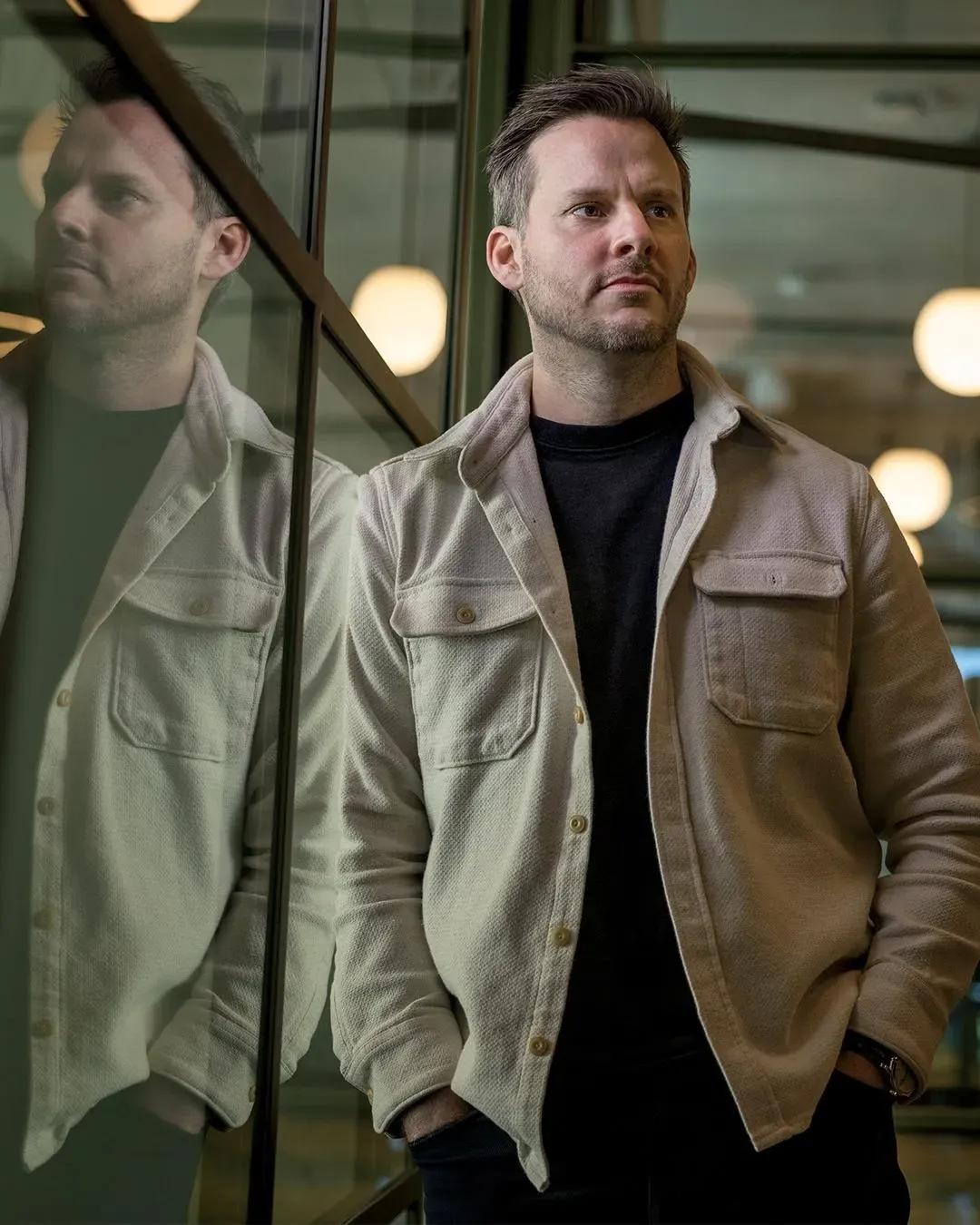
Bubble Brokers: Adam Crawley, the president of Augment, said that the market's demand for pre - listing equity is extremely high. Some investors even lend money to Augment and entrust it to search for shares of popular companies. Photo source: TREVOR PAULHUS FOR FORBES
In February 2022, the two founded Augment together in Austin, Texas. The company specializes in searching for such unlisted shares, integrating and packaging them, and then selling them to institutional investors and individual retail investors who originally had no purchasing channels. Almost all of its assets are pre - listing shares of technology startups. Crawley said that in the past year, Augment's asset scale has increased significantly, from less than $200 million to more than $1 billion, mainly due to the soaring valuation of Anthropic.
01 Augment Didn't Blaze a New Trail
Long before Facebook went public in 2012, the trading of shares of non - listed companies already existed. But with the rising popularity of artificial intelligence, this non - mainstream trading channel has now become the mainstream. The reason is simple: popular technology companies stay unlisted for longer, and most of the value - added benefits have fallen into the pockets of venture capital institutions. In the past, buying Apple stocks at the offering price and holding them for decades was enough to ensure a comfortable retirement. But now, it is unrealistic to buy a company with a trillion - dollar market value when it goes public and expect the stock price to triple. Currently, the biggest profit margins appear several years before the company submits its prospectus.
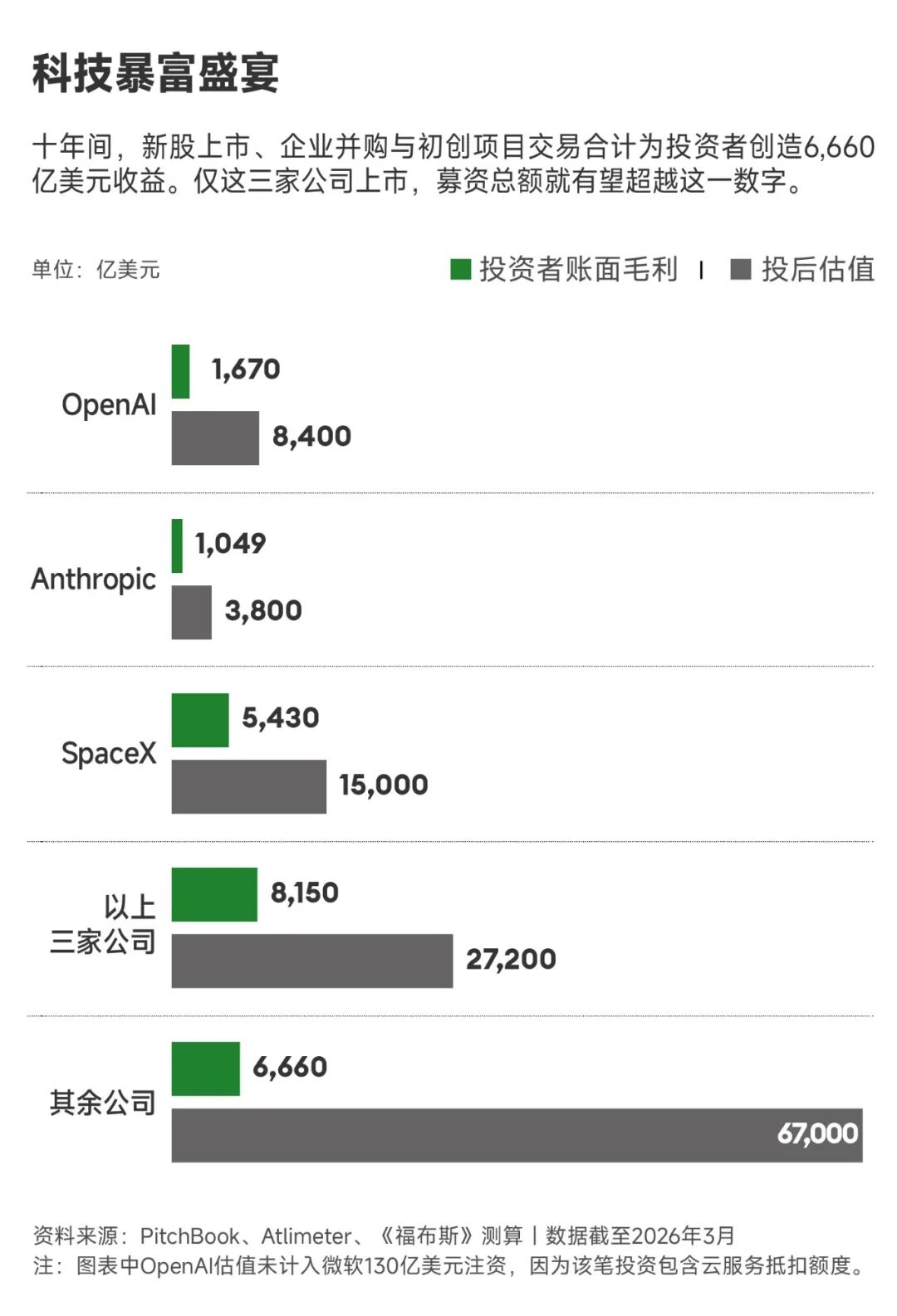
Policy changes are a major incentive. The U.S. Securities and Exchange Commission (SEC) revised relevant rules in 2012. Previously, when a company's asset scale reached $10 million or the number of shareholders reached 500, it had to start the listing process. This was also part of the reason for Facebook's listing that year. Now the upper limit of the number of shareholders has been raised to 2,000. SpaceX, Anthropic, and OpenAI all plan to enter the capital market with a valuation of trillions or more, which also means that after they go public, it is difficult for their stock prices to show exponential growth.
Thus, Special Purpose Entities (SPVs) emerged. These funds pool funds from multiple parties and invest them in a single asset. The target is sometimes the company's shares, sometimes another layer of special purpose equity holding the company's shares, and there are even multi - tier nested situations: on top of the entity holding the shares, there are two more layers of SPVs. Each layer is an independent legal entity, and each layer will charge fees.
With the help of SPVs, companies can bypass regulatory requirements, extend their unlisted status, and do not need to disclose financial data because the shares of hundreds of investors can be integrated into one entity and registered on the share register. More importantly, through such trading channels, insiders of the company (including founders worth billions) can cash out privately without causing market panic.
All parties in the trading chain will take a cut, including management fees, profit shares, and sometimes referral fees. Affected by investors' Fear of Missing Out (FOMO) mentality and the relatively difficult transfer of unlisted shares, the SPV business has become an increasingly prosperous "toll - collecting" business, and the institutions and intermediaries operating such businesses have all profited from it. Sim Desai, the CEO of the SPV trading platform Hiive, estimates that the scale of unlisted equity of venture - backed companies held by various SPVs currently amounts to hundreds of billions of dollars.
The original intention of developing this model is to make private equity accessible to the public, and this goal itself is of positive significance. It is naturally a good thing to allow more people to share the huge benefits of the private placement market. However, if there is a lack of unified rules and effective supervision, the pre - listing share trading market can easily become a paradise for fraudsters.
02 Everyone Wants a Piece of This Market
Among them are founders of startups in their twenties, lawyers who have changed careers, small and medium - sized venture capital institutions, and established financial institutions such as Morgan Stanley and Charles Schwab, which promote SPV investment products to high - net - worth clients. Even on social platforms such as Instagram, WhatsApp, and Telegram, there are touts specifically for promoting SPV business.
On one end of the market, there is a gray network composed of individual intermediaries, and some of them have no professional qualifications. On the other end, many "traditional" venture capital firms also use SPVs as a regular investment method. The scale of early - stage financing rounds of companies is constantly expanding, and investors with insufficient capital strength have no way to participate. And later - stage financing is split into various special transactions, and investors can select their favorite companies separately, but they need to pay a fee for this privilege.
Antonio Gracias, a billionaire ranked 32nd on this year's Global Best Venture Capitalists List (Midas List), holds about $30 billion worth of SpaceX shares through a single - target investment vehicle in his investment company, Valor Equity Partners. Alex Davis, the head of the Dallas investment institution Disruptive, manages assets of about $10 billion, most of which are invested in SPVs holding shares of companies such as Groq, Palantir, and Shield AI.
Institutions such as Augment and Hiive are in the middle of the market.
Hiive's latest valuation is $650 million, and it is expected to have a revenue of $120 million in 2026. It claims to have achieved profitability. In January this year, Morgan Stanley acquired the New York SPV intermediary EquityZen. AngelList, which focuses on assisting clients in setting up and transferring SPV equity, has earned about $200 million in service fees just by building such vehicles. Sydecar, an SPV operation service provider headquartered in Houston, has increased its asset management scale from $3.5 billion six months ago to $5.5 billion now. These institutions assist in corporate financing, conduct secondary - market transactions, and build a complete financial operation system around those high - growth companies (which are the ones that have made the star venture capitalists on the 2026 Midas List).
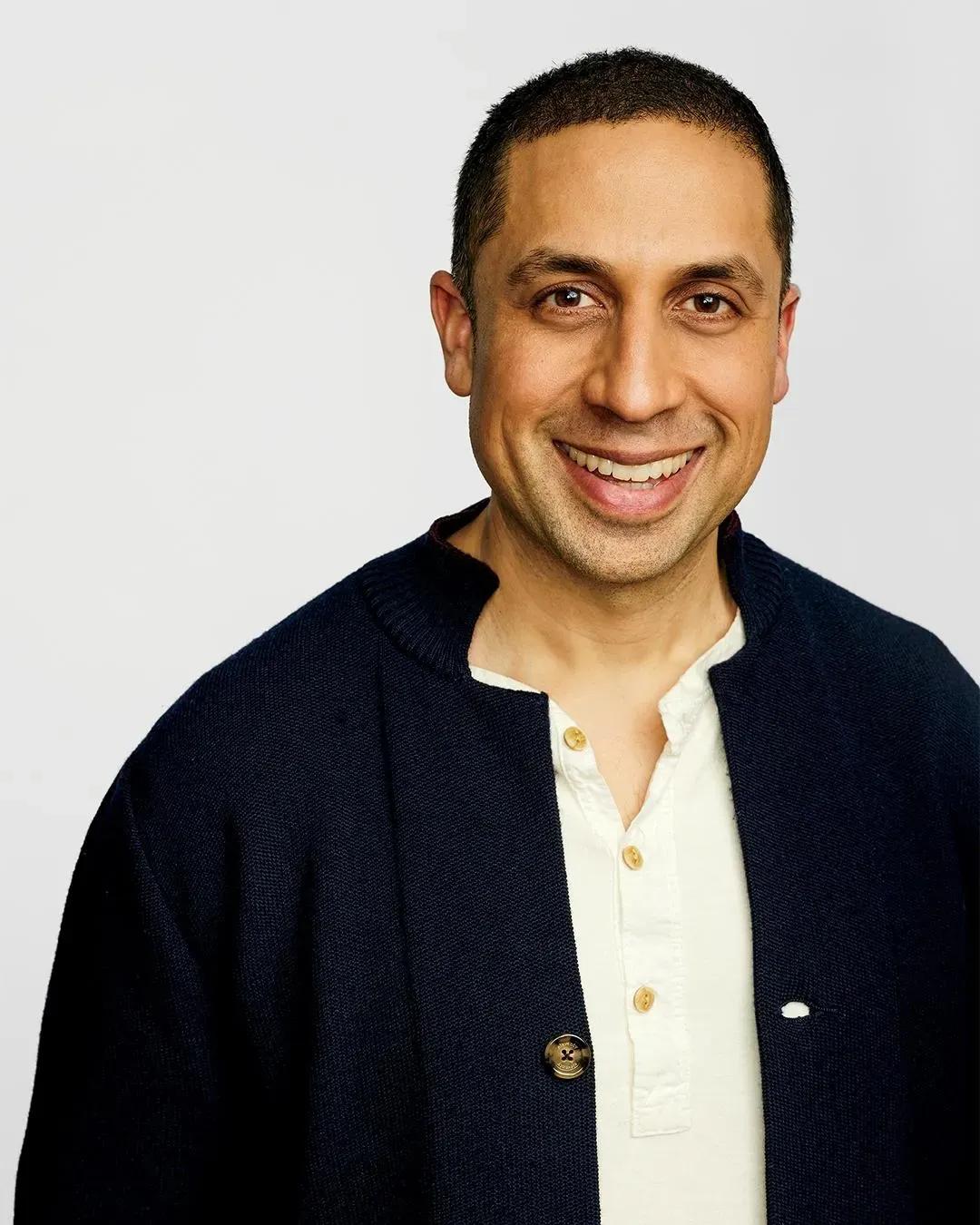
Photo source: HIIVE
Nik Talreja, the co - founder and CEO of Sydecar, said: "We have exceeded all our previous expectations." He expects that within the next 12 months, the company's asset management scale is expected to double again, reaching $10 billion.
Individual investors must be vigilant. In the next few years, many people will find that investing in unlisted companies through SPVs is much more expensive than directly holding shares. Multi - tier nested vehicles will result in superimposed fees, and there is also an access fee that is generally close to 5% and can reach up to 18%. This does not include the common "2 and 20" model in the venture capital field, that is, a 2% management fee and a 20% profit share. Of course, not all SPVs charge management fees. Sydecar said that its products on average take a 12% profit share.
After all the fees are added up, investors' returns will be greatly eroded. Suppose an investor invests $2 million to buy a share of a three - tier nested SPV, and each tier charges a 2% management fee and a 20% profit share. If the company goes public two years later and the value of this asset increases to $10 million, nearly $5 million will go into the pockets of the middlemen. This does not include taxes.
The risk of equity transfer also exists objectively. Unlisted companies such as Anthropic, Anduril, and OpenAI have set restrictions on share transfers, which means that investors in SPVs can never directly hold the company's shares, and the path to cashing out has thus become full of obstacles.
In addition, there is no shortage of fraud and improper operations in the market: some SPVs just claim to have share resources, and many vehicles themselves are not set up in compliance with regulations. There are already lawsuits in the judicial process, and there will probably be more cases in the future.
From a certain perspective, the prevalence of SPVs in 2026 is similar to the Special Purpose Acquisition Company (SPAC) boom in previous years. This kind of market that emerges around investment opportunities is very hot and does have investment value, which can attract large - scale funds. However, it is also easy for fund - raising organizers to make profits, and the cost is borne by ordinary investors. The subsequent disputes will also keep lawyers busy. The similarity between the two is not accidental: SPAC is itself a branch of SPV.
03 Back to Augment
Crawley introduced that when the bankrupt cryptocurrency trading platform FTX auctioned its assets at a low price in 2024, he and Moldvai, with the permission of Anthropic, bought $35 million worth of the company's shares. Sam Bankman - Fried, the co - founder of FTX, is now in prison and was an early investor in Anthropic. After that, the company continued to acquire shares of various popular unlisted companies from venture capital institutions through a combination of equity and debt, and then packaged them into SPV products for sale. Crawley said that Augment has now achieved profitability, and the regular transaction fee rate is 5%. Although the company's revenue scale is not high, it is growing rapidly: the revenue was $12 million in 2025, and it is expected to reach $40 million this year, with a target of $100 million next year.
Crawley regarded FTX as an industry model, but although he said it casually, listeners can detect the hidden problems from this analogy. He said: "The cryptocurrency industry has set a precedent in creating trading channels for non - publicly traded assets. Before its collapse, FTX made this operating model very successful... They really understood the tricks."
Of course, the ending of FTX also warns the world: Once financial operations deviate from the foundation of integrity, it will eventually lead to bad results.
Matt Grimm, who co - founded the military drone company Anduril with Palmer Luckey and others, revealed the industry chaos in a recent podcast: "How many investors in the United States think they own SpaceX shares, but in fact, the current boyfriend of their former roommate is squandering their money in Miami?"
In April this year, Jeff Weinstein of the New York venture capital firm FJ Labs received a WhatsApp message from an unknown company offering to sell him Anthropic shares, with a total amount of up to $2 billion. The valuation range given by the other party was between $800 billion and $1 trillion, almost three times the valuation of this artificial intelligence company in the previous round of financing. In addition, an additional 10% upfront fee was required.
Weinstein asked for more information, and the other party said it was a single - tier SPV, that is, the vehicle would directly hold the shares. Then the other party sent an offer letter, asking him to sign it and provide proof of funds on the same day. Anthropic clearly stipulates that without permission, SPVs are not allowed to acquire its shares, and private transfers are invalid. So Weinstein asked the other party for the names of the actual shareholders and relevant proof of Anthropic's new - round financing quota, but he never got a response. Since he couldn't be sure what he would get, he finally refused the deal.
Weinstein said: "The most offensive thing is that the other party blatantly lied." He is worried that once ordinary investors are urged by the other party, they may not carefully examine such investment plans.
This incident also exposes the core risk of this model: investors in SPVs usually cannot verify the actual holders of the underlying shares. Ellen Tang, an investment - related YouTube blogger, planned to invest in Groq through Hiive's SPV last November. At that time, she also raised the same question. She recalled: "The other party said that such information was not convenient to disclose."
Weinstein advised investors who are interested in participating to clarify one question: "Is the person you are dealing with just trying to be an intermediary in the transaction and take a cut?" He believes that most practitioners are like this. "Half or more of the people in this industry do not have the qualifications of a regular broker - dealer. The whole operation is just a money - making scam and is itself suspected of being illegal."
04 So Far, the Most Typical Precedent Is Linqto
This Bay Area company was founded in 2010. At its peak, it managed pre - listing private placement assets worth more than $500 million, most of which were related to the cryptocurrency company Ripple. Linqto once launched a seemingly too - good - to - be - true business: investors only needed a minimum of $1,000 to buy shares of more than a hundred unlisted companies such as SpaceX, Anthropic, and Ripple, and the platform claimed not to charge management fees or profit shares.
Meanwhile, Linqto was deeply involved in multiple lawsuits. There was a class - action lawsuit against the former CEO Bill Sarris, and also a lawsuit initiated by the former chief revenue officer Geno Zawrotny as a "whistle - blower". Now he works with Crawley at Augment. Currently, the U.S. Securities and Exchange Commission, the Department of Justice, and the Financial Industry Regulatory Authority have also launched investigations into Linqto. Multiple accusations against its former management include: falsely claiming to investors that they can directly buy shares of pre - listing companies, but actually selling SPV equity with non - compliant setup processes; while promoting "no hidden fees", secretly increasing the price, with a premium of up to more than 150%; and hiring online influencers to create a hype, causing investors' FOMO and hyping up the so - called scarce investment channels for unlisted companies.
Last year, the company got a new management team. The new team quickly realized that the original business model