The end of AI computing power turns out to be a piece of glass.
Recently, the internet speed has been struggling to keep up with the pace of changes in the technology industry.
The popularity of AI is understandable, and the shortage of computing power is also understandable. Then, there's a lack of memory, energy, and communication bandwidth. It seems that every link in the AI industrial chain has become a short - board and a hot topic one by one recently. Retail investors have been studying cutting - edge technologies based on the market trends round after round.
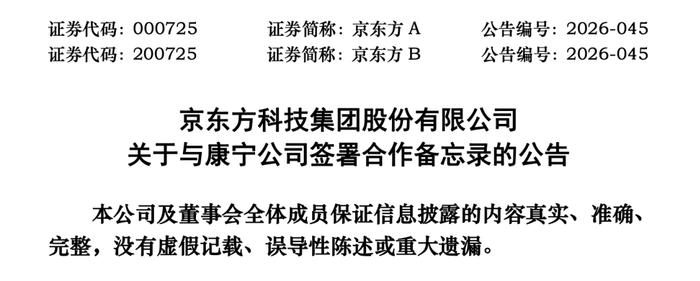
Recently, I came across another piece of news: BOE and Corning signed a cooperation memorandum, saying they will jointly produce glass, specifically for chip packaging, called glass substrates.

Wait a minute. I know BOE, which makes panels, and I also know Corning, which makes glass. I can understand them joining forces to make glass, but how does it relate to chips?
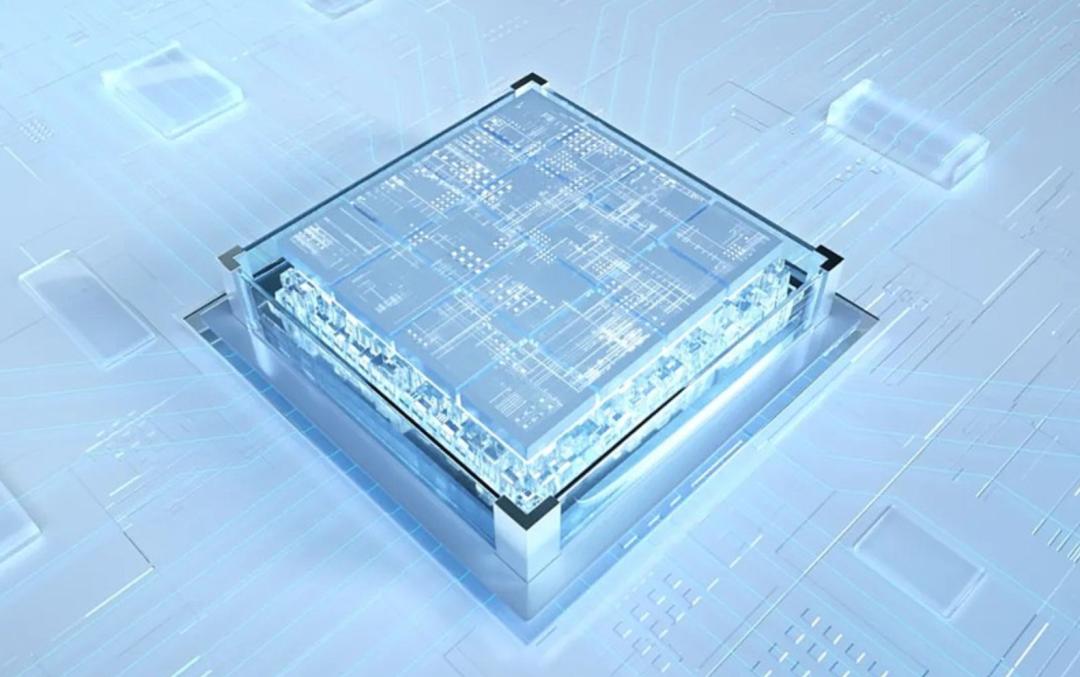
After some research, I found that many companies are involved in this. NVIDIA, Intel, Samsung, TSMC, almost all the well - known companies are in. Trillion - dollar giants are leading a group of companies worth tens or hundreds of billions, saying they will jointly produce glass for chip packaging. Otherwise, it will become a bottleneck.
Then I discovered that the target they aim to disrupt is Ajinomoto, that Japanese company which makes MSG.
The world's most cutting - edge technology companies are making a big splash, saying they're going to do something significant. Their core concern is that the products made by a MSG company are no longer sufficient, so they want to produce glass themselves.
The story behind this is worth exploring.
01 Old Partners Team Up Again
The market's excitement about the cooperation between BOE and Corning is obvious. The day after the news came out, not only did BOE's stock price fluctuate sharply, but the entire glass substrate - related sector also had a rally. Later, BOE issued a risk warning, saying it's just a cooperation intention and the new business hasn't reached mass production yet, so people shouldn't get too excited.
However, there's a reason for the outside world's reaction. These two companies mainly engage in To B business and are not very consumer - oriented. Most people don't have an intuitive understanding of them. But in the field of glass substrates, they both have their own strengths.
First, Corning. Most people may know Corning because of Gorilla Glass on mobile phones, but the company's foundation is much deeper than just mobile phone cover glass.
Corning was founded more than 170 years ago. Its work can be summarized as using glass science to solve the world's most difficult material problems. One of its most important inventions is low - loss optical fiber. Corning developed optical fiber that allows optical signals to be transmitted over long distances with low loss in glass filaments. Without this optical fiber, there would be no Internet and global communication networks later. One layer of the infrastructure of the entire information age is built on Corning's glass.

In the display field, Corning is the absolute leader in global panel substrate glass, with a market share of over half. Moreover, the two companies have been cooperating for more than 20 years. Corning is BOE's largest glass supplier.
Interestingly, just two weeks before signing with BOE, Corning signed another important cooperation agreement with NVIDIA, expanding its optical connection manufacturing capacity in the United States by 10 times and optical fiber capacity by more than 50%, all for building optical communication infrastructure for AI data centers. This also explains why there were various rumors in the market, forcing BOE to clarify that it has not yet carried out business cooperation with NVIDIA.
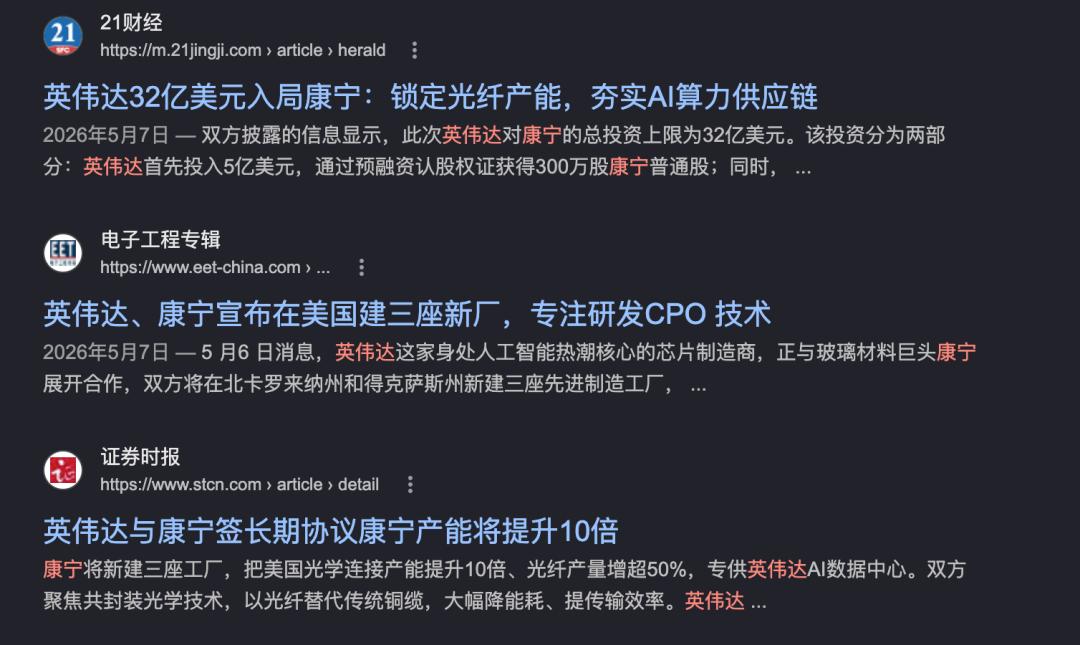
Now, BOE. BOE has been making panels for 30 years. By 2024, its global panel shipments ranked first in all five major terminals: TVs, monitors, tablets, laptops, and mobile phones. Over the years, its core capabilities can be roughly divided into semiconductor display technology, glass - based processing, and large - scale integrated manufacturing.
The essence of making panels is to perform semiconductor - level precision processing on large - area glass - cleaning, photolithography, coating, etching, wiring. These processes have similar underlying capabilities to what's needed for chip packaging.
BOE clearly realized this early on. In 2018, the company quietly established a sensing department and began to explore the semiconductor field, which hardly attracted the outside world's attention. More intriguingly, BOE has been secretly operating a 6/8 - inch compatible sensing pilot line for years, investing hundreds of millions of yuan to support the development of silicon MEMS sensors and glass - based passive devices.
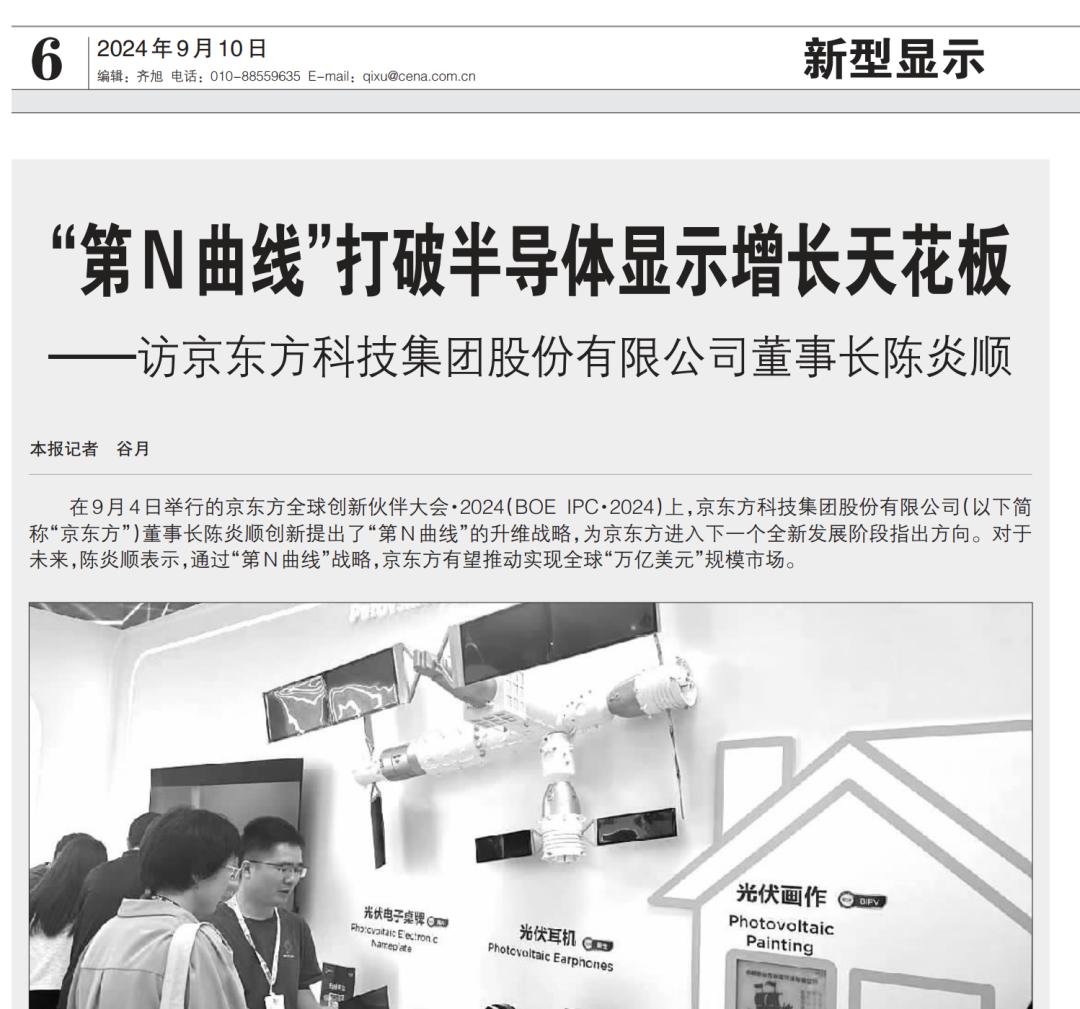
In 2024, BOE decided to reveal its strategy. That year, BOE's Chairman Chen Yanshun officially proposed the "Nth Curve" upgrading strategy. The core logic is simple: Instead of chasing after whatever is hot, start from BOE's three core capabilities and expand into new fields such as advanced packaging and perovskite photovoltaics. At the same conference, BOE exhibited glass - based panel - level packaging substrates for semiconductor packaging, and it was also known as the first Chinese mainland enterprise to enter the semiconductor packaging field from the display field.
In the same year, BOE invested 993 million yuan to build a glass - based packaging substrate test line, achieved breakthroughs in key technologies, and delivered board - level samples to some domestic customers. According to industry media reports, in 2025, the Beijing Yizhuang project entered the equipment moving - in and installation stage. According to the roadmap at that time, it was expected to achieve mass production in 2027 and reach a new level in 2029.
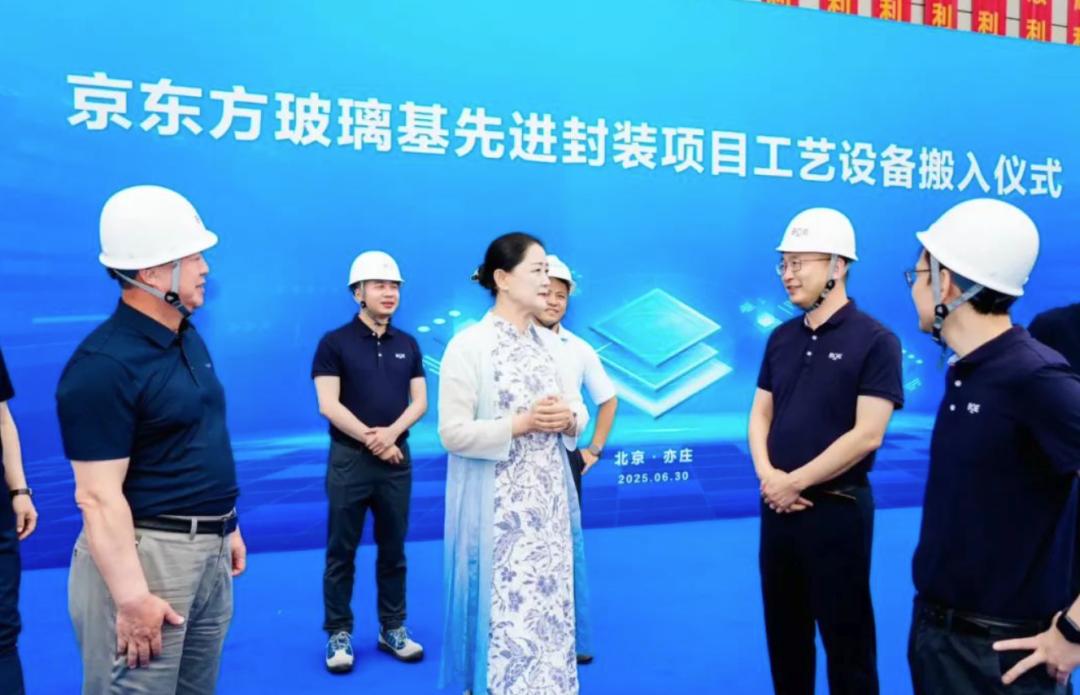
Note that the initial production capacity is targeted at display driver chips. Instead of starting with CPUs and GPUs, BOE is starting from the field it's most familiar with and gradually moving up. A chip equipment supplier said in an interview with Nikkei: Many panel manufacturers want to enter the semiconductor field, but BOE has the highest chance of success because it has sufficient resources and is proactive in technological advancement.
A company that has been making panels for 30 years is migrating its underlying capabilities to the new field of chip packaging, with its 170 - year - old partner Corning by its side. The money has been invested, and the roadmap has been drawn, but mass production has not yet been achieved.
However, glass - based packaging definitely has potential. Let's first understand the significance of this in the entire semiconductor field, or rather, why the substrate material for chip packaging has to be changed.
02 Plastic Has Lasted for Nearly Thirty Years, but Can't Keep Up with AI
First of all, chips can't be used naked after they're manufactured. They need a base to fix them, connect the signals, and dissipate heat. This base is the substrate, which can be understood as the foundation of the chip and also the bridge for the chip to communicate with the outside world.
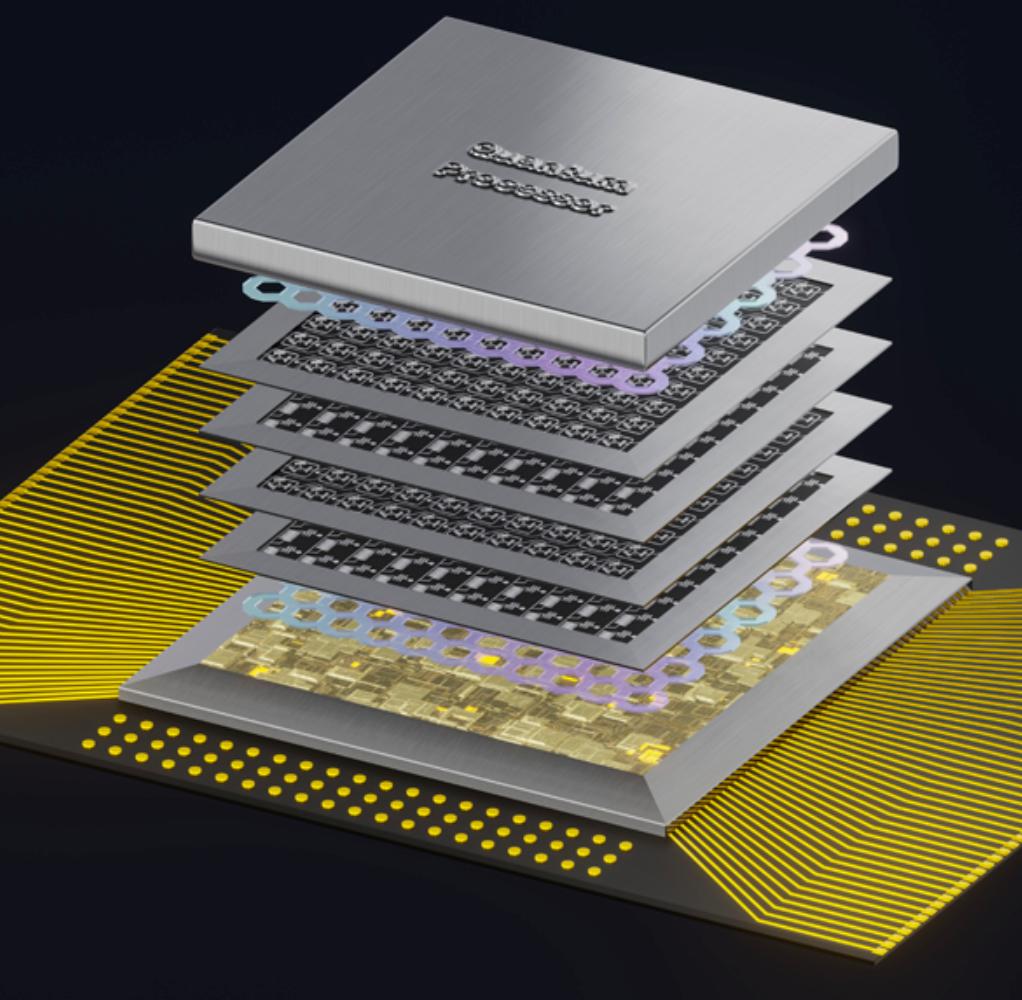
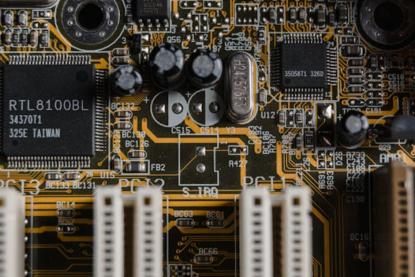
The substrate material has changed several generations over the years. In the 1970s, lead frames were used. In the 1990s, it was replaced by ceramics. And now, the mainstream is organic materials, that is, plastic.
In the 1990s, Intel was the main driving force behind the change, leading the industry from ceramics to organic materials. Then, a Japanese company that makes MSG entered the scene.
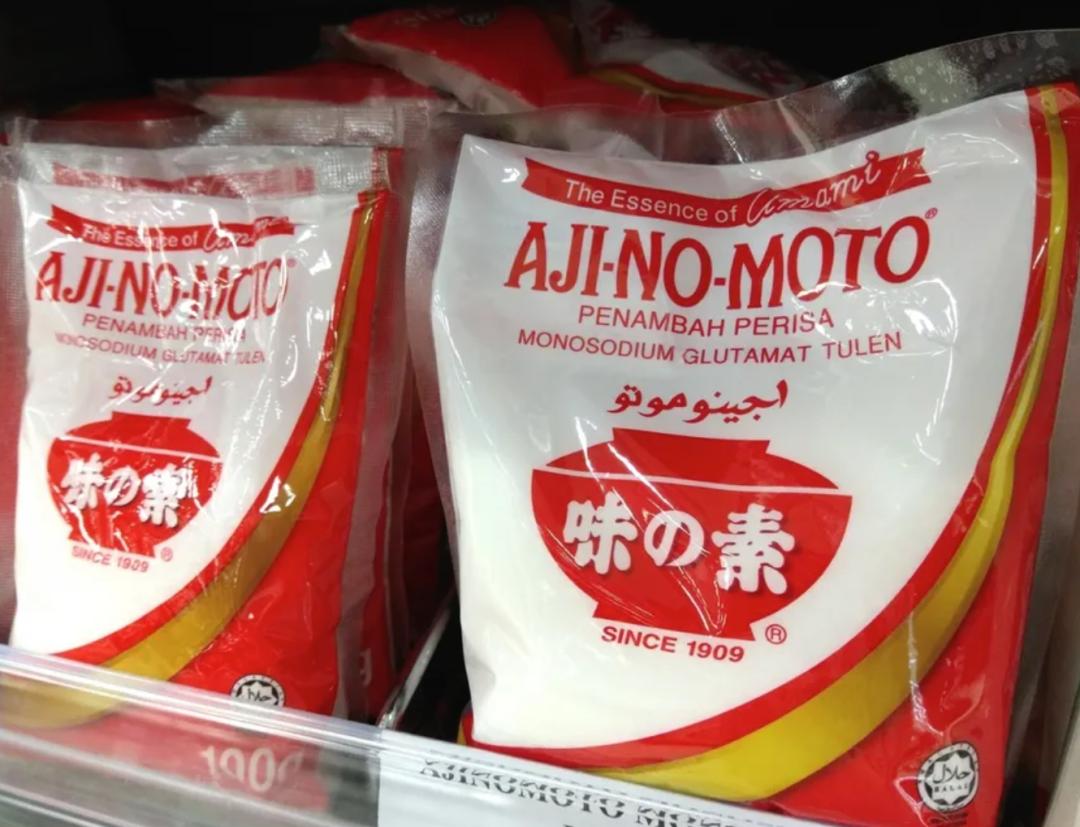
Ajinomoto. You may have seen products of this brand in the seasoning section of the supermarket. The company's main business is indeed making MSG and amino acids. But it has accumulated decades of technology in amino acid chemistry and later applied this technology to the field of electronic materials, creating an insulating film called ABF, Ajinomoto Build - up Film.
In 1999, ABF was adopted by a major semiconductor manufacturer. In the following two decades, almost all high - end CPU substrates globally used it as the insulating layer. Whether it's Intel, AMD, or NVIDIA, the chips in your computers and mobile phones are likely lying on the film made by Ajinomoto.
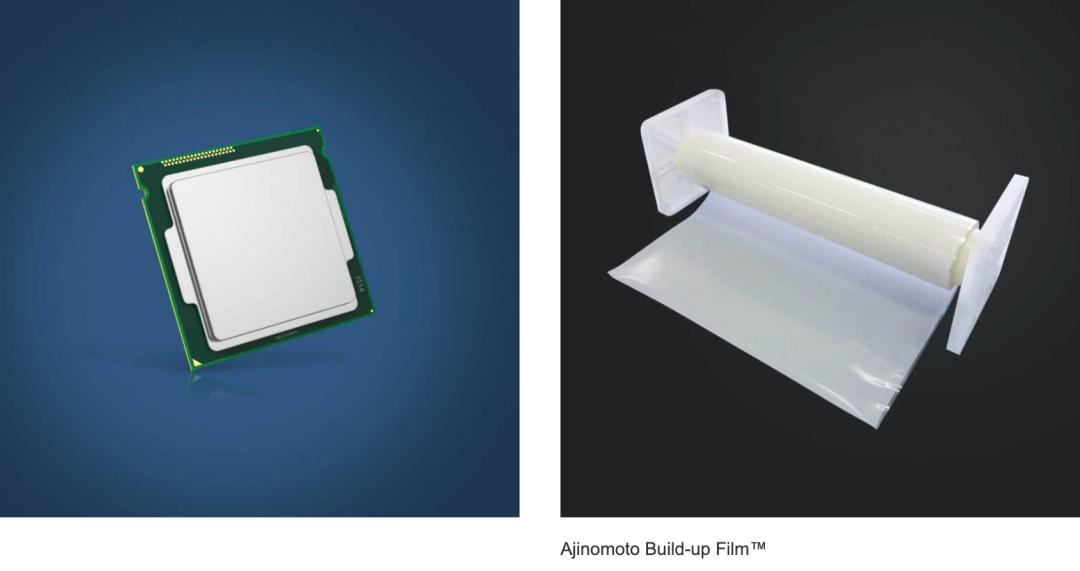
Picture | ABF
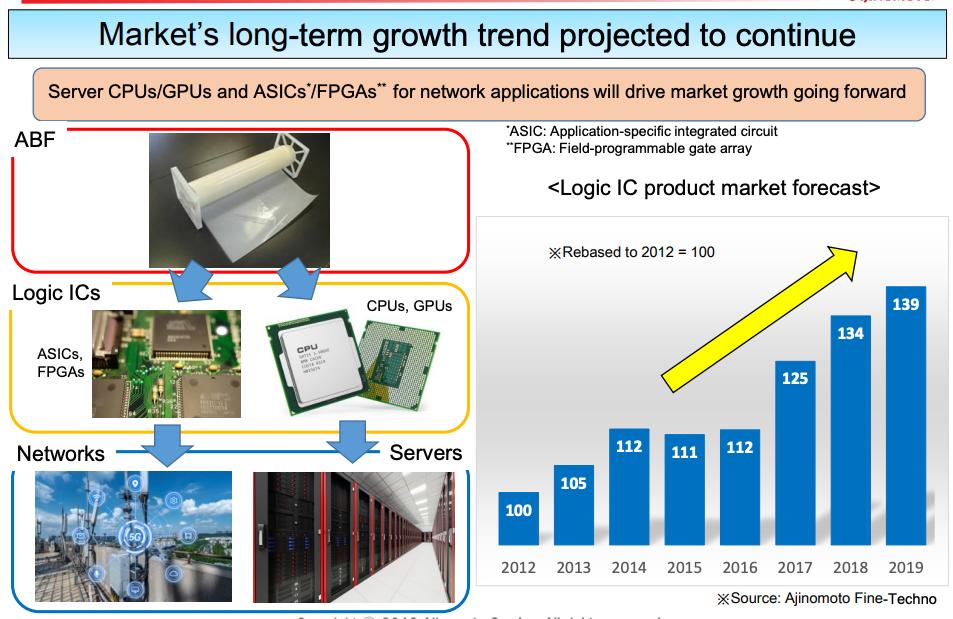
A MSG company has quietly been a key supplier in the chip packaging field for more than 20 years. You can feel its position from the product name: ABF's full name directly includes Ajinomoto. In this industry, the substrate insulating film is almost equivalent to ABF, and ABF is equivalent to Ajinomoto. You'll never know what kind of companies are hidden deep in the industrial chain.
However, there are three insurmountable physical problems with organic substrates, that is, plastic substrates. In the past, when chips were smaller and had lower power, these problems weren't fatal and could be tolerated. But with the arrival of AI chips, these problems have been magnified to the extreme.
It warps when heated. The thermal expansion coefficients of plastic and silicon chips are very different. Simply put, when the temperature rises, plastic expands faster than silicon chips. The two materials deform out of sync, causing the substrate to bend. In the past, when chips were small and had low power, a little warp didn't matter. But AI chips are getting larger and their power is approaching the kilowatt level, and the packaging area is also expanding rapidly. Once the substrate bends, the tiny solder joints connecting the chip and the substrate will be cracked, and the entire chip will be scrapped.
