Is the middle class giving up "poor people's beer" this summer?
Summer is the season for beer. When the chilled liquid slides down your throat, most of the day's sweltering heat seems to dissipate.
However, this year's summer drink list for the middle class has almost completely abandoned the big green bottles of beer. The previously popular milk beer and tea beer are also fading out of the trend. Before we knew it, the beer industry has witnessed a revolutionary visual and taste upgrade:
「Fruit puree beer」 has suddenly become the new top - tier in the craft beer circle.
Walking into trendy bars, the taps that used to dispense IPA are now replaced with newly introduced fruit puree beer.
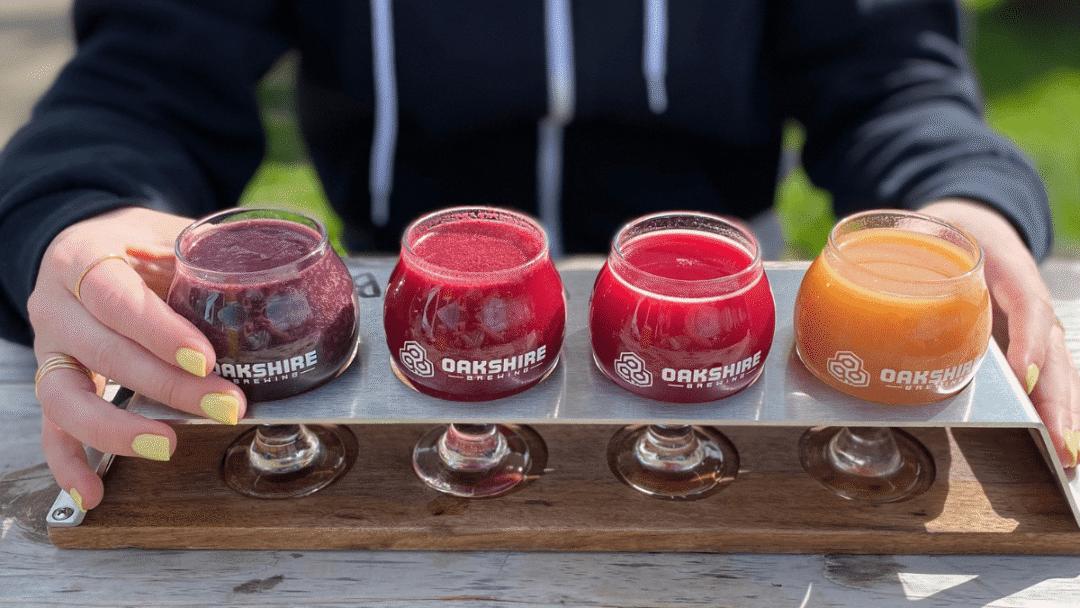
They are either orange - red or deep purple, always as thick as an undiluted jam, topped with a thick layer of cloudy foam. Just looking at them makes you feel a bit parched.
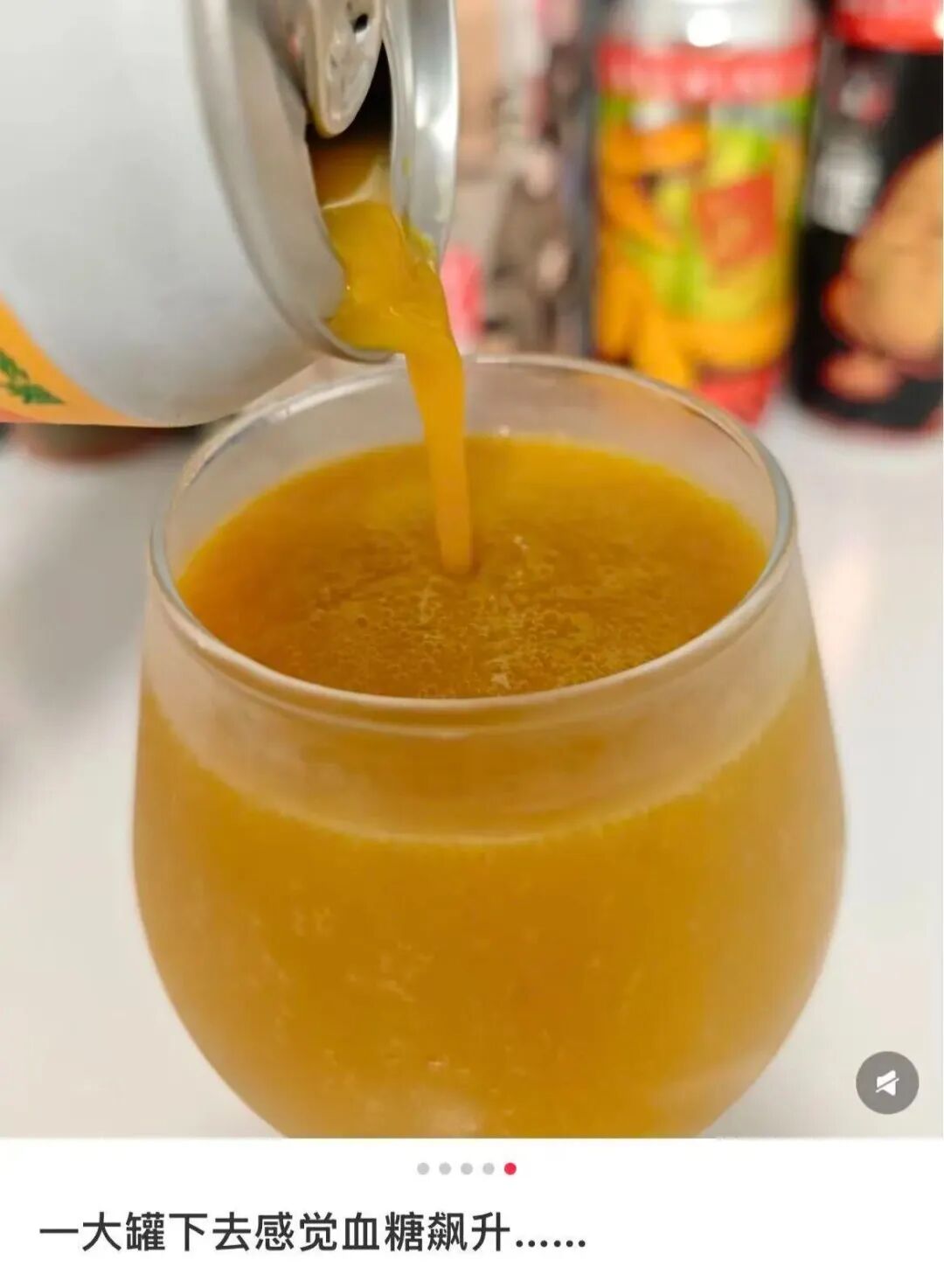
Image source: Xiaohongshu @Craft Beer Roaming Guide
People unfamiliar with the craft beer trend might think it's a milkshake or some trendy bubble drink at first glance. It's not until they see the alcohol content of 8% written on the blackboard that they suddenly realize:
Today's beer has evolved to a level that we can't quite understand.
The calorie - laden 「fruit puree beer」 is being snapped up by the middle class
Chugging down industrial beer has become a relic of the old era for the middle class.
Now, the small blackboards in bars are filled with the names of various fruits.
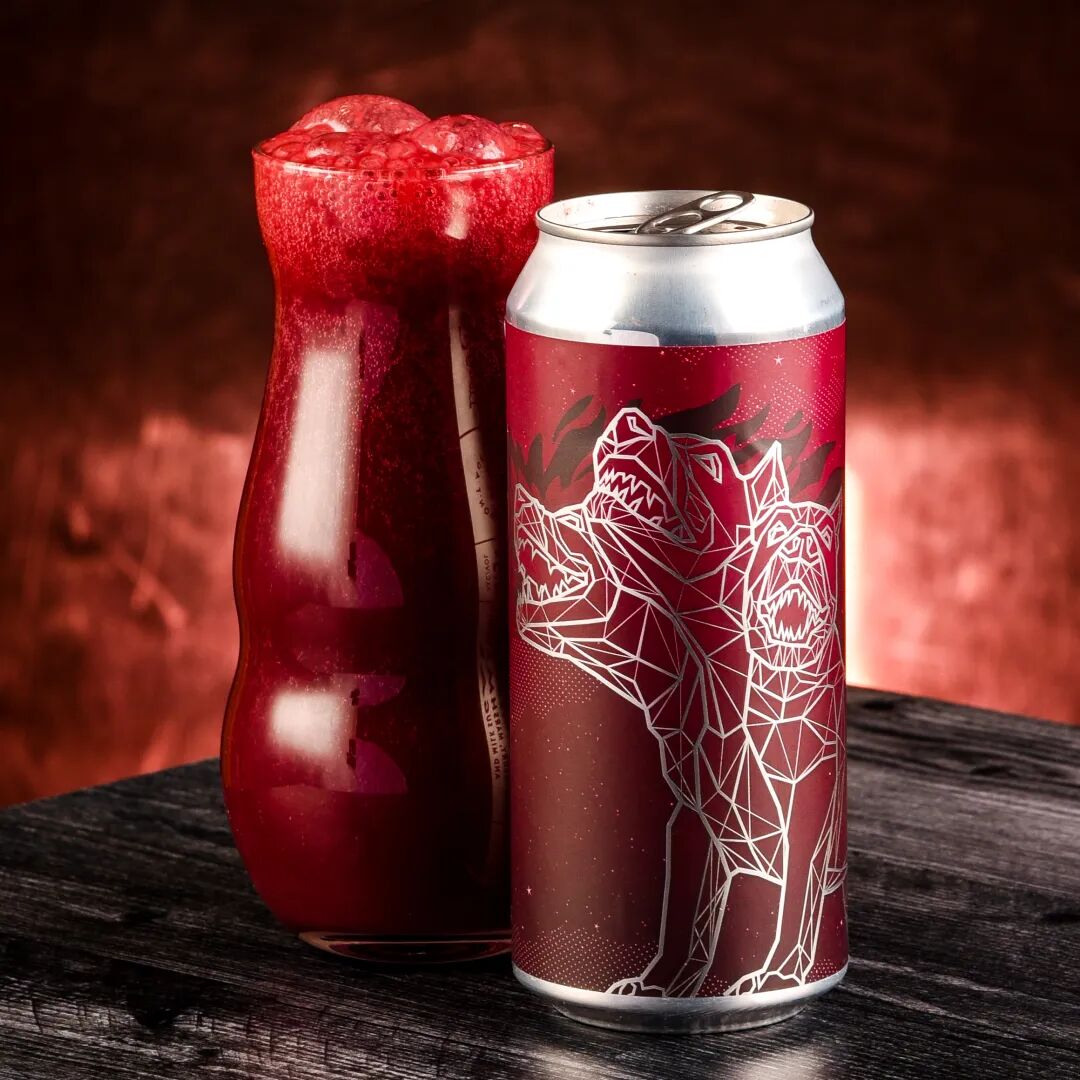
Fruit puree beer comes in a full spectrum of colors, from red to purple.
Red represents passion. When cherries and raspberries are added during brewing, it can mimic a Bloody Mary:
Yellow represents wildness. The colors of pineapples and mangoes blend into the glass, and the aroma is like the wild growth in a tropical rainforest:
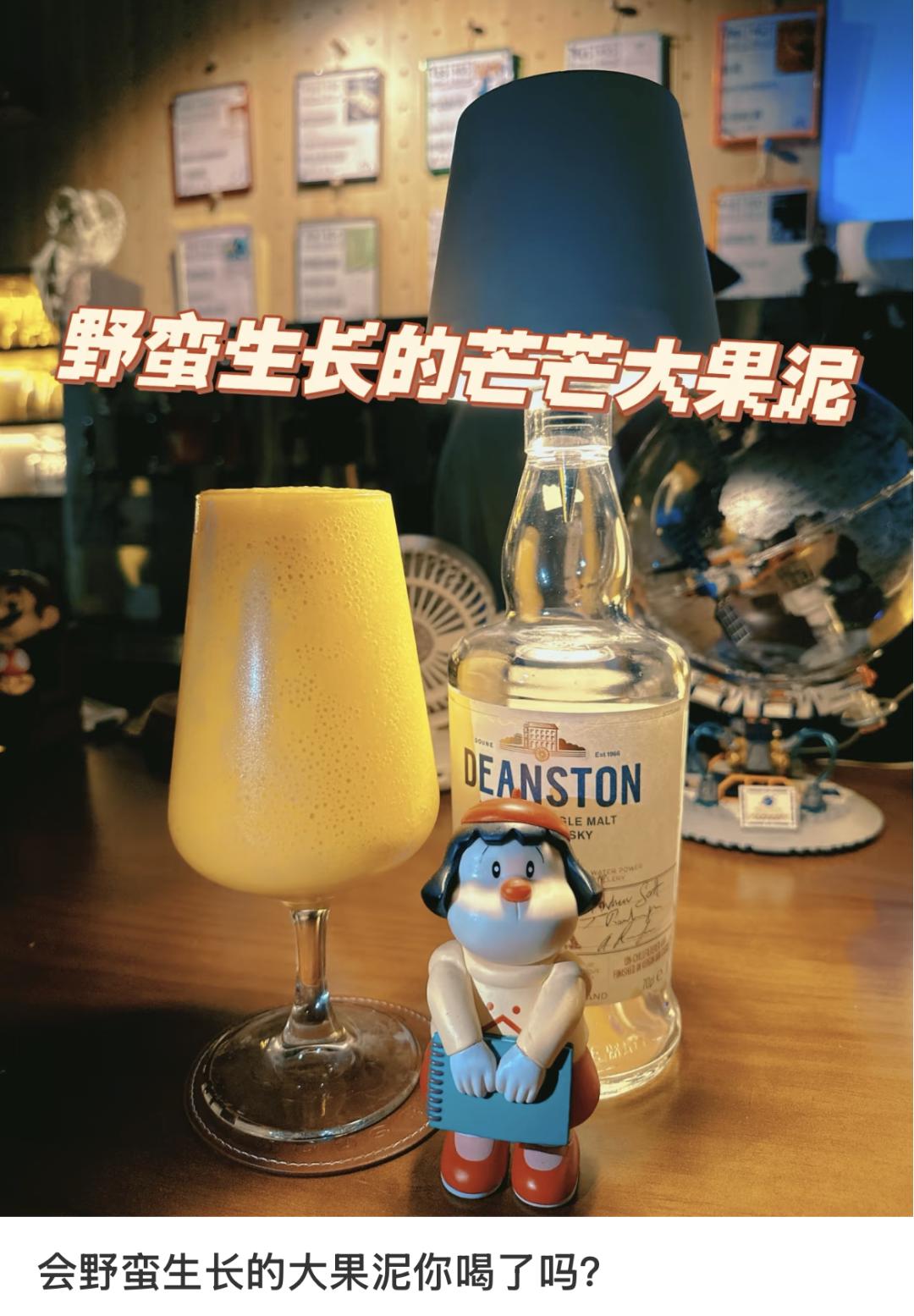
Image source: Xiaohongshu @Sleep Until It's Time to Cook in the World
Gray means not wanting to talk, and blue represents melancholy.
When the melancholy is too thick to disperse, it looks a bit like disinfectant.
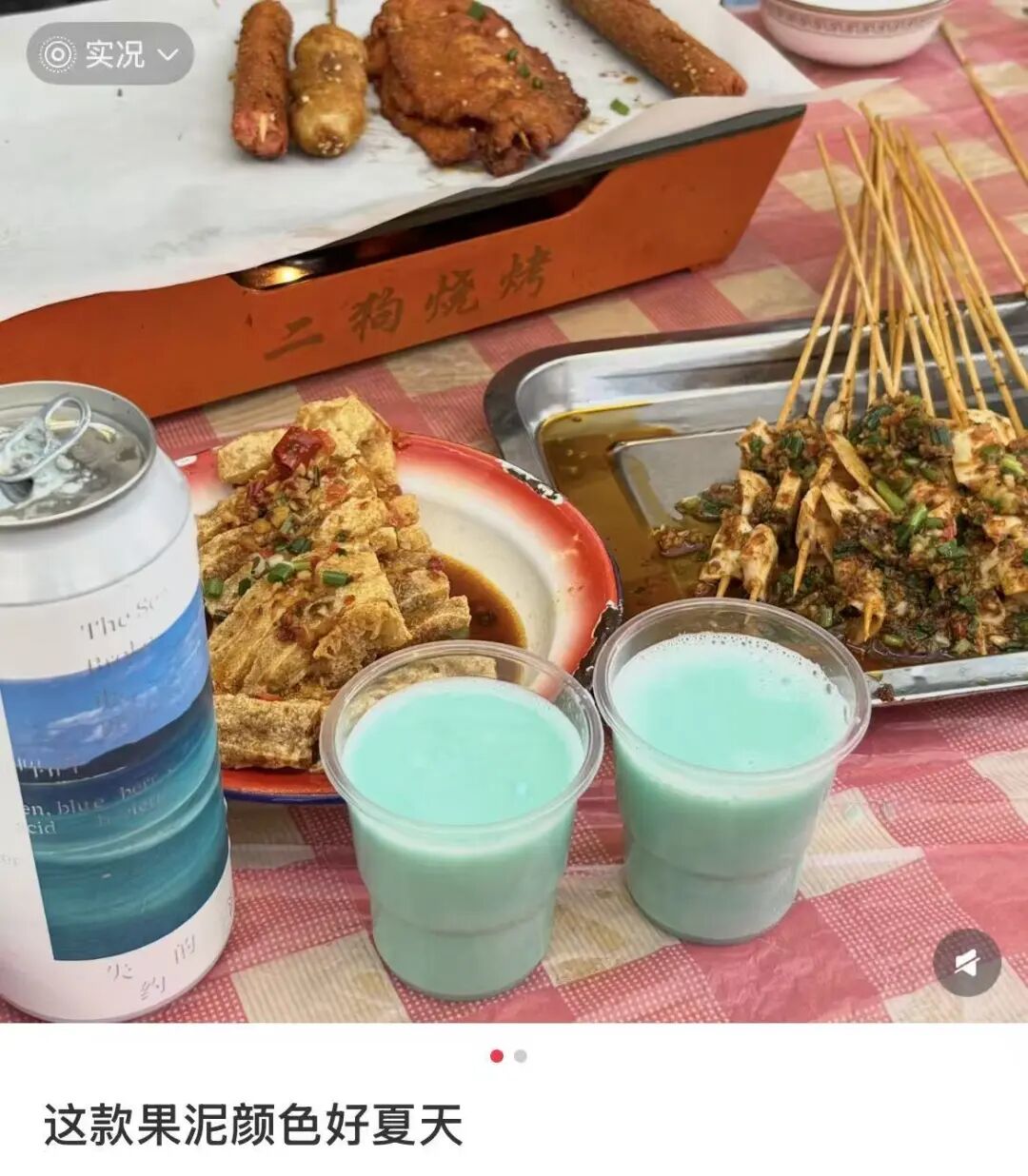
Image source: Xiaohongshu @Tomato - to
After adding cantaloupe and mung beans, it looks like a mysterious potion born from alchemy or a matcha ice cream from the Green Pasture.
Anyway, it doesn't look like beer.
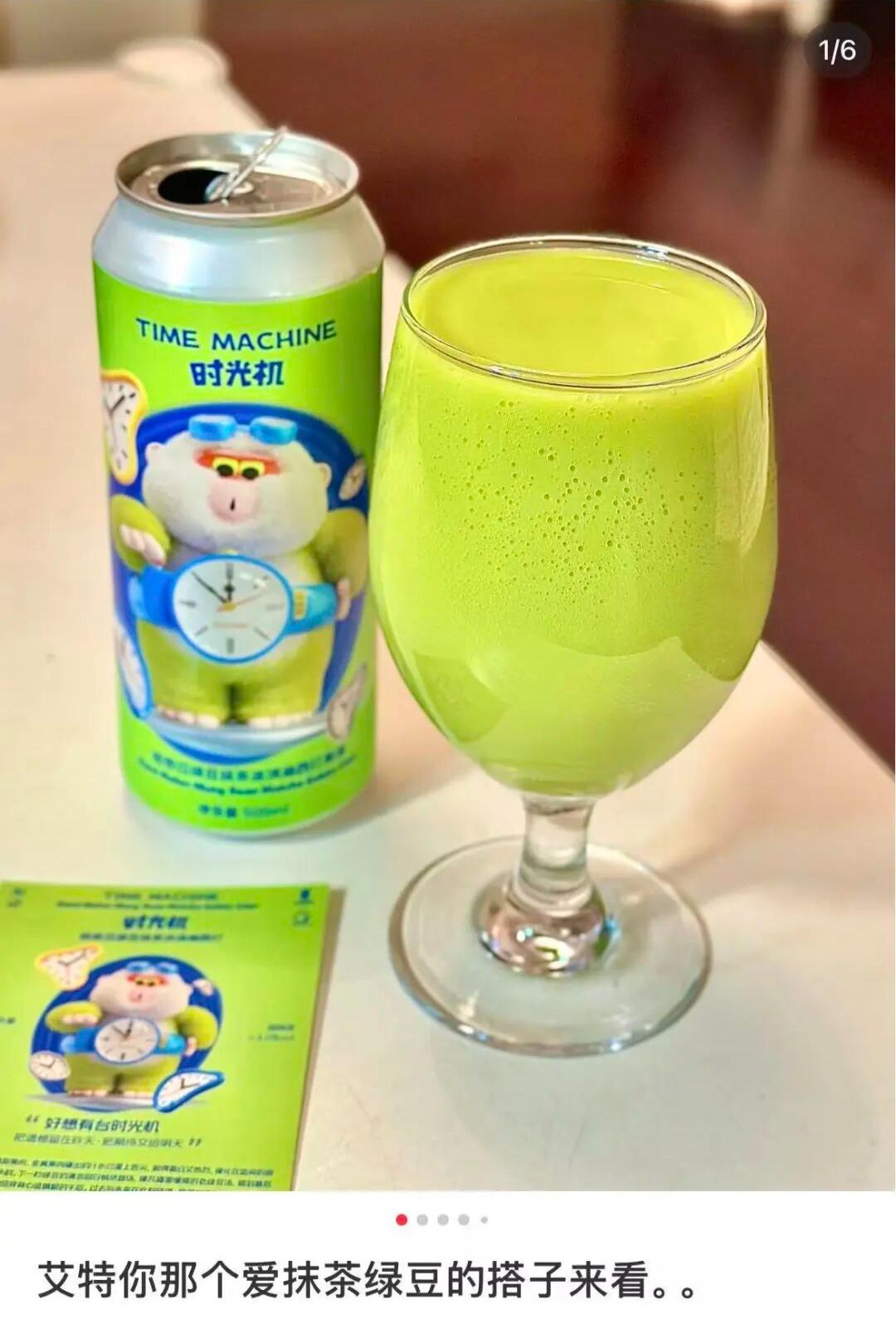
Image source: Xiaohongshu @You'll Never Guess
The orange fruit puree beer makes you feel dazed. It's like the sea under the afterglow of the setting sun, like a band, or like a mobile phone.
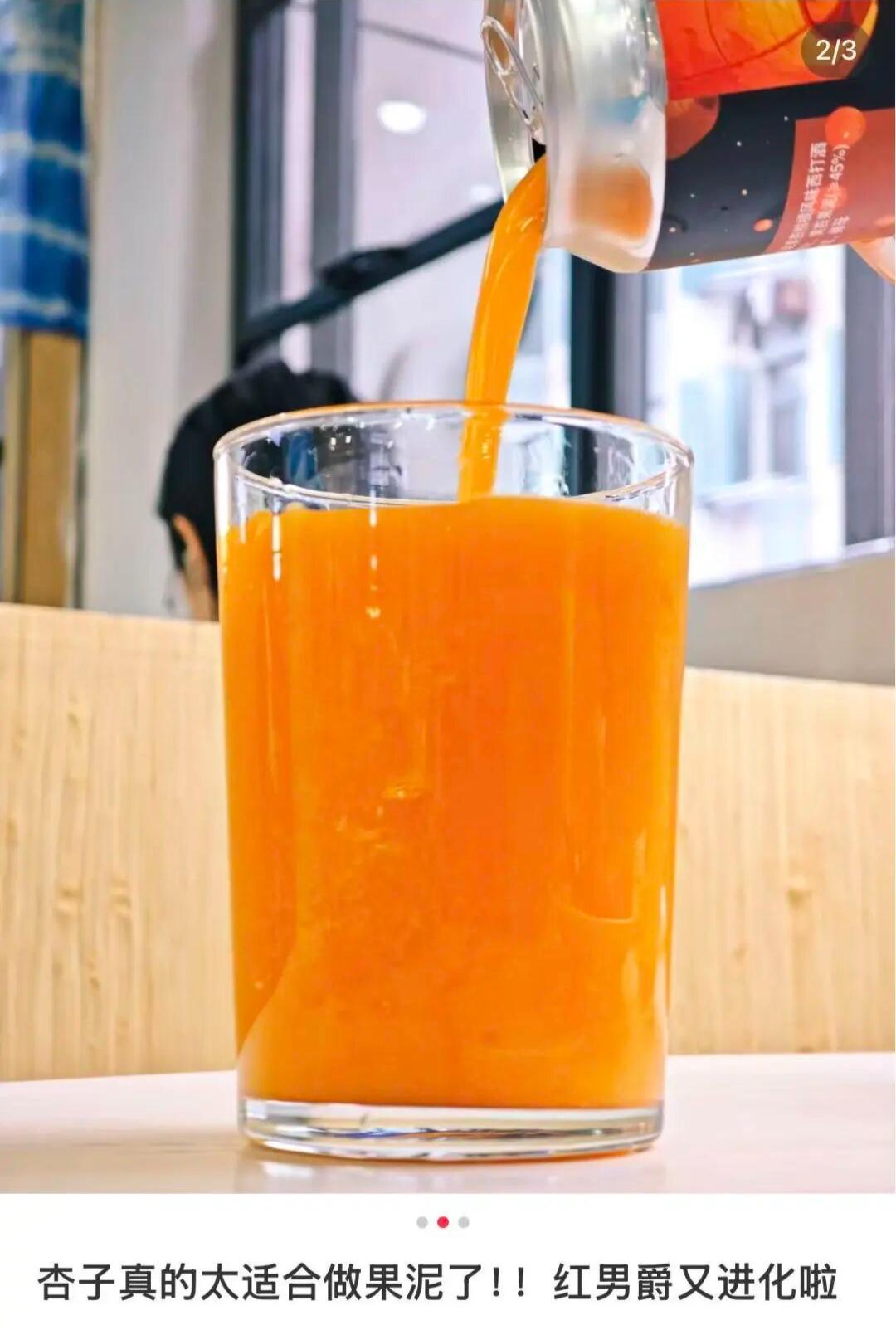
Image source: Xiaohongshu @Spring Vending Machine
Never forget the basic style:
White has been absent from the beer world for too long, and now fruit puree beer has brought it back.
At first glance, it looks like coconut milk or foamy milk. The color is deceiving, but the alcohol content is potent.
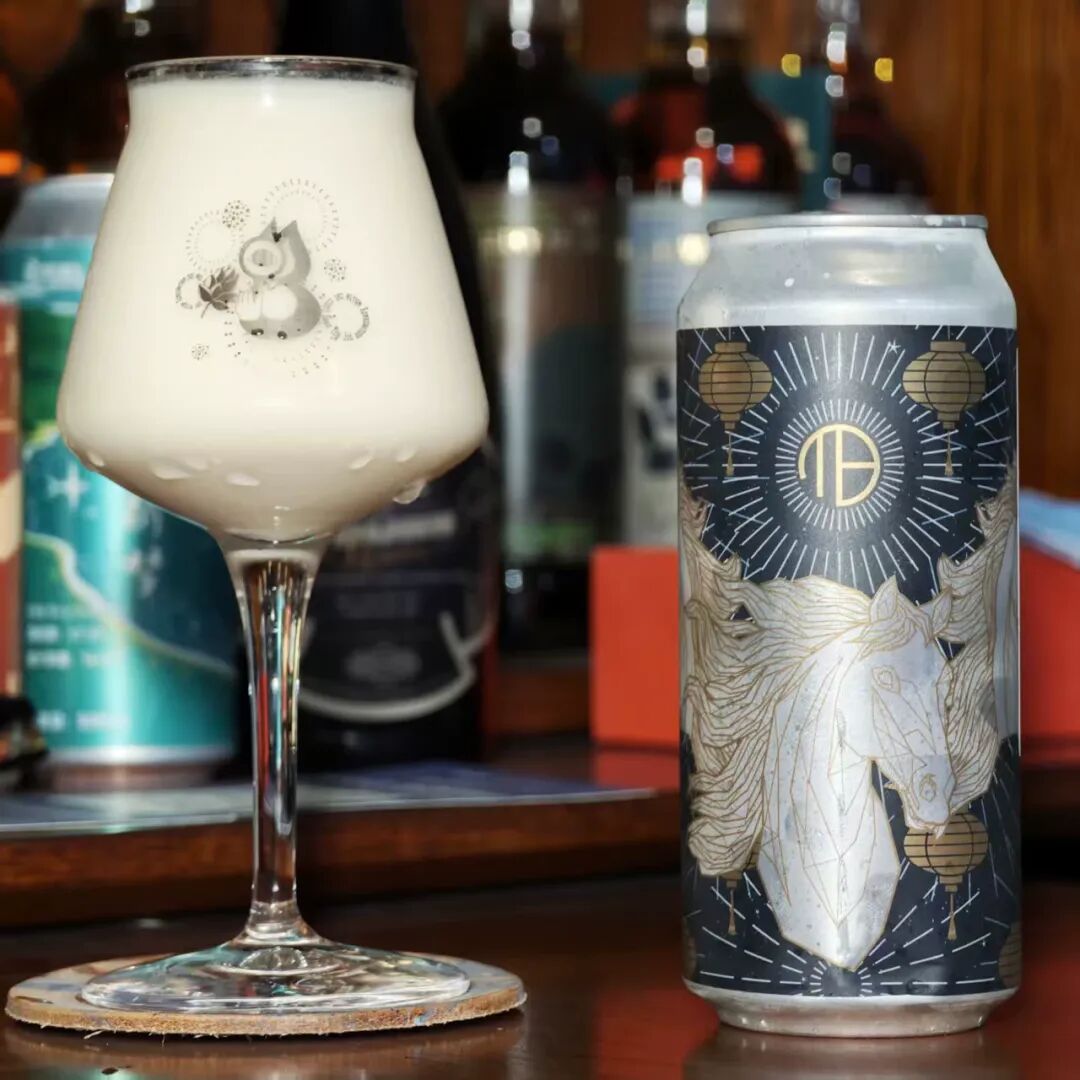
In the era of the photo - worthy economy, good looks are a form of productivity.
The logic behind the good looks of fruit puree beer is simple: a high proportion of fruit juice is added, directly maximizing the color saturation of a can of beer.
It naturally fits the aesthetic preferences of social media. You don't need a filter, and just holding a can is a picture in itself.

It's very refreshing to gulp down wheat beer from a mug, but it's not suitable for posting on Moments
Fruit puree beer not only doesn't look like beer, but also doesn't taste like it.
Although it is still just a branch of craft beer, its brewing process has made it a rebel in the beer world.
The core method is to add a large amount of fruits during the brewing process.
It's not flavoring or concentrated juice. Real mangoes, passion fruits, lychees, and strawberries are pureed and directly added for fermentation or added later.
The fruit juice content in fruit puree beer can be incredibly high. In some styles, nearly half of it is fruit juice, which is even higher than many 「fruit juices」 on supermarket shelves... Without exaggeration, the middle - class people who are among the first to try 「fruit puree beer」 are destined to fail in their weight - loss attempts.
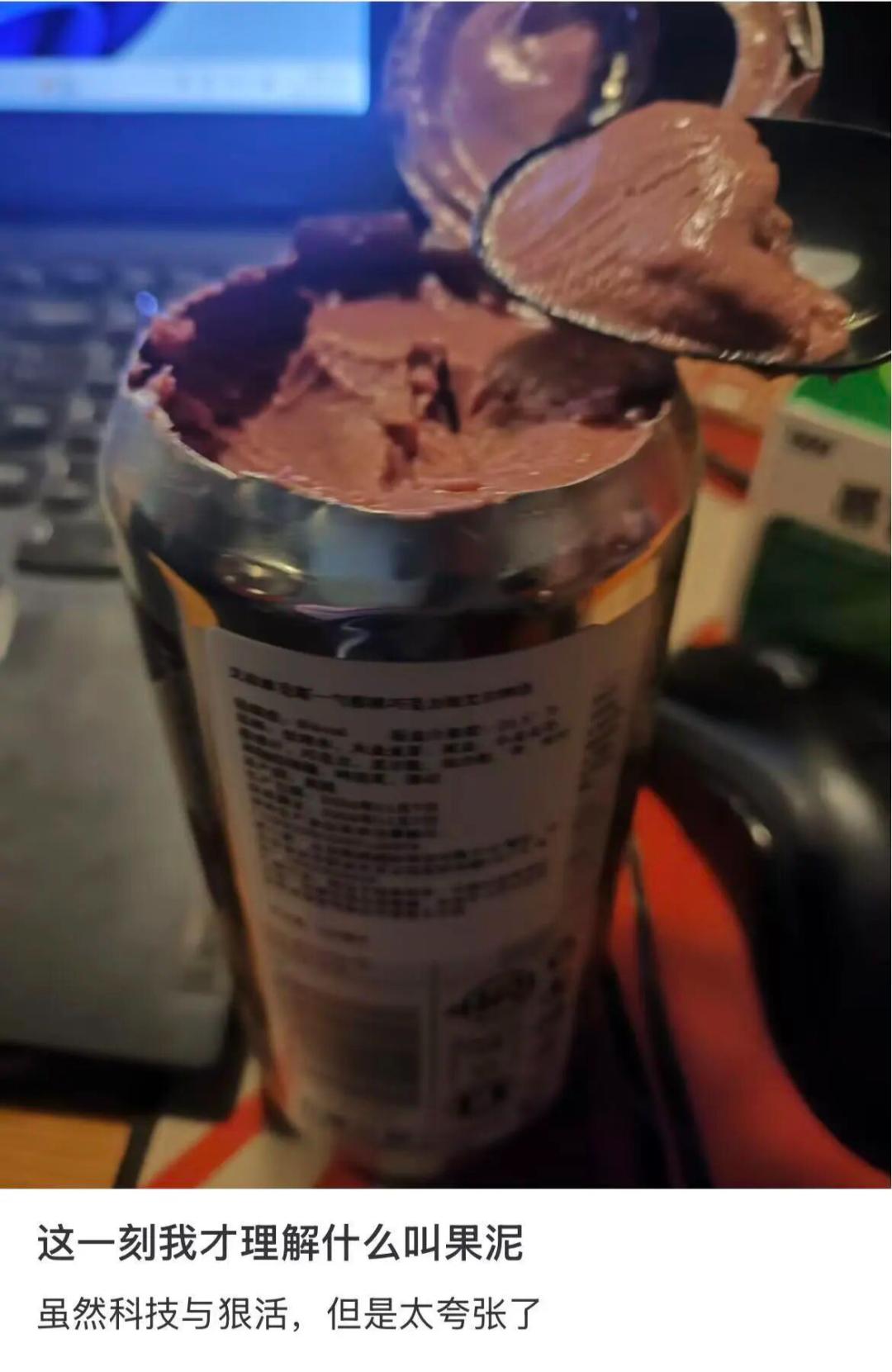
Image source: Xiaohongshu @Just Call Me Ham
When you open the can, what pours out is thick, cloudy, and topped with a thick layer of foam. It smells like freshly squeezed juice and tastes like it too. If it weren't for the alcohol, it could compete in the fruit tea market.
For non - drinkers, all Chinese liquors, whether it's Moutai, Wuliangye, or Laocunzhang, taste spicy. And all beers, whether it's barrel - aged stout or Yanjing Pure Draft, taste bitter.
Beer doesn't bring pleasure. Instead, it brings the bitterness of malt, the bloating of carbon dioxide, and the need to go to the toilet frequently.

Industrial beer has spent decades turning 「bitterness」 into 「lightness」, but it has never really attracted those who don't like drinking.
Fruit puree beer offers a different solution: it uses the fruit aroma to cover the bitterness and leaves a faint alcoholic taste after the sweetness fades, as if you've had a little something without really noticing.
This also explains why fruit puree beer has become so popular in recent years.
Who can resist a glass of juice that brings a slight buzz in the sweetness?
Of course, some people can't stand the taste of fruit puree beer.
People deceived by its good looks may be deceived by its taste again.
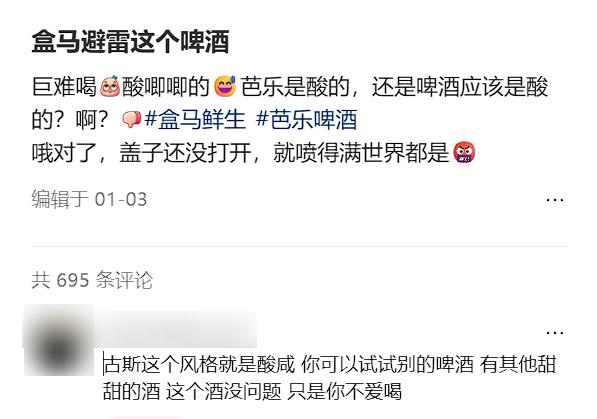
For example, a common base for fruit puree beer is called Gose. This beer originated in Germany, and its flavor can be summarized in two words: sour and salty. Although fruit juice can neutralize this flavor, some people just can't accept it, just like some people can't stand coriander and houttuynia cordata (some Gose beers actually add coriander seeds...).
Many veterans in the craft beer industry also have reservations about fruit puree beer. Their reasons are different from those of newbies:
Fruit puree beer betrays the essence of craft beer.
Beer is an art of yeast and hops, and a friend of temperature and time.
Fruits can be a viable flavor - enhancing element, but turning them into puree is a big no - no.
Adding a large amount of fruit puree is a shortcut. Even inexperienced brewers and small breweries can easily create an appealing beer body, but the flavor of the base beer is masked. The aroma of malt, the flavor of hops, and the fatty aroma of yeast... all give way to the sweet and sour taste of fruits.
It's like a Sichuan cuisine chef giving up the exploration of complex flavors and directly using hot pot base to stir - fry dishes.
Those who love fruit puree beer retort: If the masses like it, who are you to judge?
The middle - class is giving up 「poor people's beer」 in summer
While the craft beer industry is still arguing, the industrial beer industry has already given up.
A little - known fact: China is the world's largest beer - consuming country.
In 2013, China's beer production reached a peak of 49.83 million kiloliters. These beers could fill 20,000 standard swimming pools. If lined up one after another, they would stretch for 1,000 kilometers, roughly equivalent to building another beer canal from Beijing to Nanjing.
But since then, China's beer industry has been on a long - term decline.
In recent years, the sales of Moutai, Wuliangye, etc. have declined. People say it's because young people don't drink Chinese liquor anymore. In fact, young people also don't drink beer.
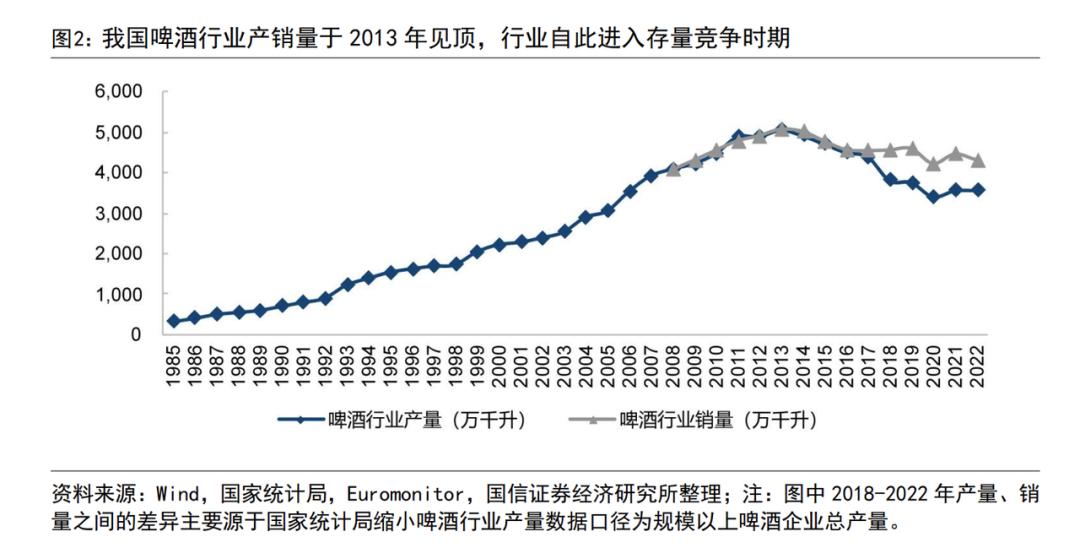
In 2023, the national beer production was about 35.56 million kiloliters, a nearly 30% reduction compared to a decade ago.
Among these more than 30 million liters of beer, 95% are of the same type:
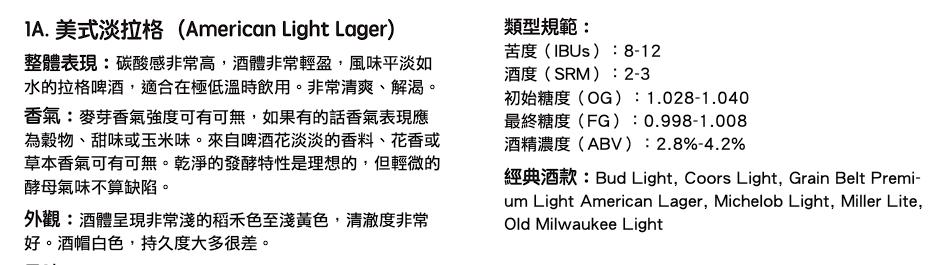
American - style pale lager, commonly known as industrial water beer.
Beer manufacturers are like INFPs, and the products they make always taste mild. This is not an illusion; they do it intentionally:
The milder the taste, the fewer people will dislike it.
American - style pale lager has almost no strong flavor characteristics. It's not too bitter, not too sweet, not too sour, and has no complex aftertaste. It tastes like icy carbonated water with a hint of malt aroma.
Later, even that faint malt aroma became barely perceptible.
The more watery the beer, the better it sells.
Having no distinct character is also an advantage. Pale lager hardly offends anyone and can appear in any occasion and pair with any food.
Whether it's Budweiser and Corona, which have swept the world, or Tsingtao and Yanjing, which dominate the Chinese market, they are all sparing no effort to make beer