Metaverse, why is no one talking about it anymore?
Do you still remember the metaverse?
In 2021, the metaverse reached an unprecedented level of popularity.
Mark Zuckerberg renamed Facebook to Meta and bet all his chips on it. Sky - high - priced NFT avatars could be exchanged for an apartment in Beijing, and expensive virtual lands were frantically pursued by capital and celebrities.
In just a few years, the situation has completely reversed.
Meta's metaverse division has laid off more than a thousand employees. At the beginning of this year, it also shut down the metaverse office project Horizon Workrooms. The prices of most virtual assets have dropped to zero, turning them into complete e - waste.
The metaverse, once the darling of capital, has now become an outcast.
Why did this carnival that claimed to change the world collapse so quickly?
Is it a scam or an over - hyped technological bubble?
A Fruitless Endeavor in Terms of Profit
The concept of the metaverse originated from the 1992 science - fiction novel Snow Crash. Its core is to create a virtual world parallel to the real world.
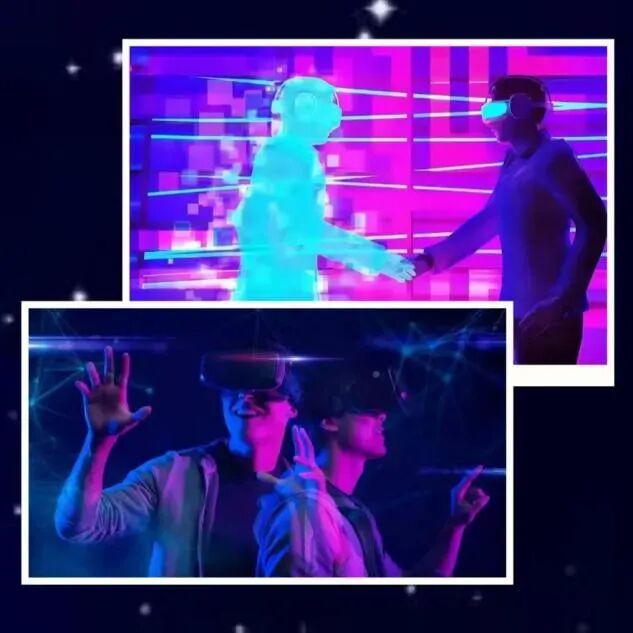
Image source of the metaverse world: V - Meet Metaverse
This concept, which had been dormant in the novel for nearly 30 years, was reignited by Mark Zuckerberg in 2021.
This was not about leading the trend but rather a desperate attempt by Zuckerberg.
At that time, Facebook's user growth had stalled, and a large number of young people had flocked to TikTok. Meanwhile, Apple's new privacy regulations had severely hit the advertising business, causing Zuckerberg to suffer a billion - dollar annual loss. Coupled with negative scandals and a global network outage, the market value plummeted by more than $230 billion in a single day, and the company's reputation hit rock bottom.
With no other options, Mark Zuckerberg seized the metaverse trend and resolutely transformed. He aimed to get out of the business crisis, restore the company's reputation, and develop self - developed hardware to bypass Apple's ecological barriers, creating his own virtual world and seizing the right to speak in the new - generation Internet.
Zuckerberg has global popularity. Once Facebook changed its name, the metaverse became well - known to the public.
Coupled with the listing of "the first metaverse - concept stock" Roblox, whose market value skyrocketed tenfold in a year, it ignited the market sentiment and pushed the metaverse from an in - circle hype to a global trend.
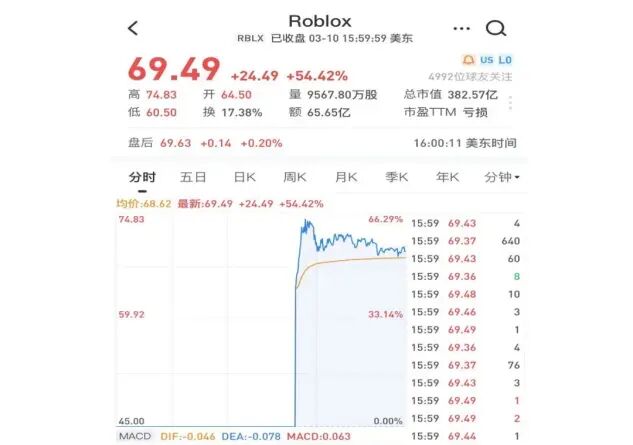
Roblox's stock price in March 2021. Image source: Xueqiu.com
For a while, everyone was certain that digital assets would only appreciate. A large number of investors blindly entered the market with the mentality of getting rich overnight.
Celebrities were no exception. JJ Lin spent 4.3 million yuan on virtual real estate and sky - high - priced NFTs. Jay Chou, Yu Wenle and others also successively made high - priced collections.
Virtual real estate and NFT collections have become new targets for capital speculation.
Meanwhile, major giants have increased their investment. Top institutions such as Sequoia, Hillhouse, Temasek, and a16z have flocked to the market.
From 2021 to 2022, global metaverse investment exceeded $40 billion, and the industry's financing scale soared nearly tenfold within half a year.
Chinese tech giants such as Tencent and ByteDance have also made layouts. The cumulative investment in the metaverse in China has exceeded 200 billion yuan.
Behind the frenzy is all speculation.
Everyone believes that the metaverse will reshape the world, and the earlier you enter, the more money you can make. However, the nature of a bubble is always fragile.
Since 2023, the bubble has accelerated its rupture. The once - popular Bored Ape NFT has dropped from a high of $470,000 to only $35,000, a decline of more than 90%. The virtual real estate has fallen even more sharply. The value of once - star plots has shrunk to one - thousandth of the original, and the platform's trading volume has plummeted from a peak of 12,000 transactions to 200.
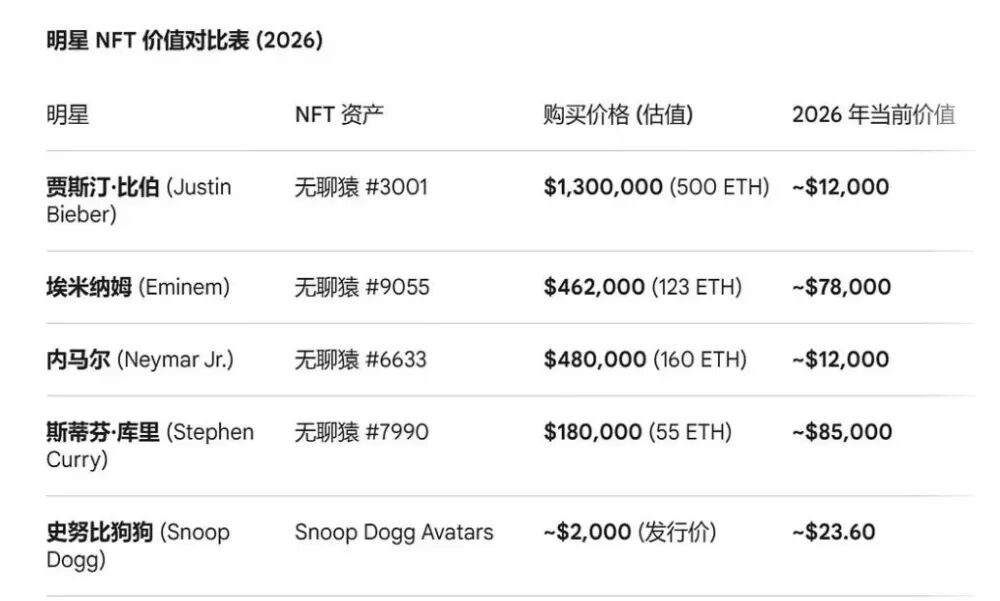
The significant shrinkage of star NFTs. Image source: M - extreme Vision
More than 90% of the hundreds of billions of capital that poured into the metaverse has gone down the drain, and major investment institutions and Internet giants have suffered heavy losses.
The metaverse, once regarded as having a bright future, has ultimately become a costly capital bubble.
The Bubble Burst Due to False Demand
Why did an industry trend that was once favored by everyone end up in a dismal state?
The biggest cause of the metaverse's downfall lies in the mismatch of demand. It fails to solve real problems and offers a worse experience.
What the metaverse can do has already been done by mobile phones, computers, games, and live - streaming: for leisure and entertainment, there are short - videos and popular games; for daily socializing, there are Twitter and TikTok; for office work, there are online meeting cloud tools; and for viewing scenery around the world, there are live - streaming online exhibition halls.
The metaverse does not create new demand. It just moves old demand to the virtual world and adds three thresholds: equipment, network, and computing power. However, even if you spend thousands or even tens of thousands of yuan on a headset, the experience is still terrible.
First of all, the equipment is heavy.
The lightest all - in - one headset weighs nearly half a kilogram. Wearing it for a long time will press on your head, make your face stuffy, and cause dizziness and eye - strain.
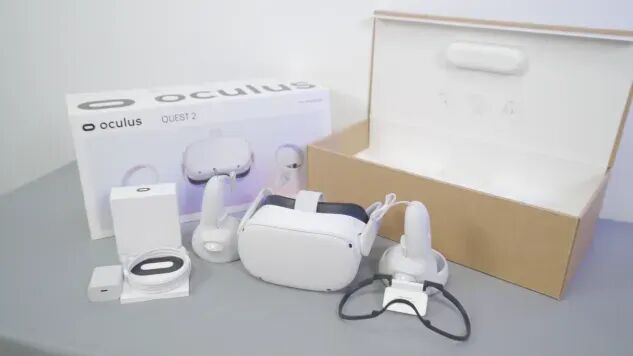
All - in - one headset. Image source: VR Player No. 1
Secondly, the picture quality is poor.
Even the most expensive headsets currently on the market have hard - core computing power limitations and cannot support high - precision real - time picture calculations.
Therefore, in the metaverse's multi - player open social scenarios, you can't see the top - level 3D pictures that are stereoscopic and shocking. The pictures have to be greatly compressed and simplified, resulting in a flat and rigid visual experience with a cheap 2D animation texture.
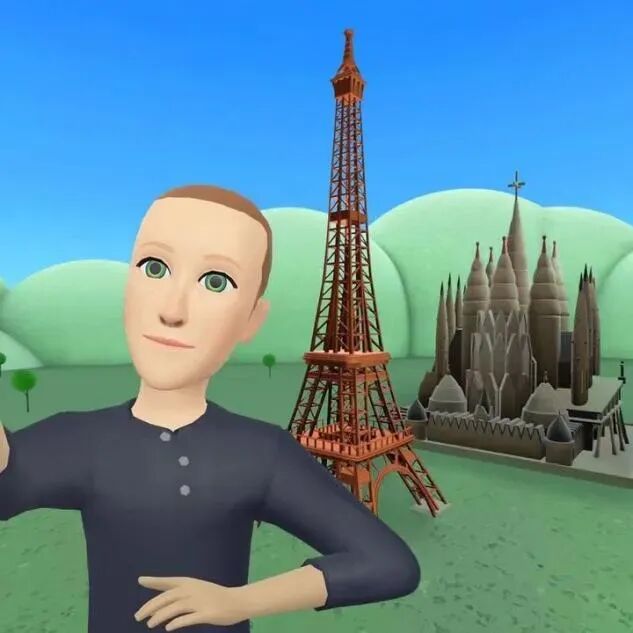
Mark Zuckerberg's selfie in the metaverse. Image source: FACEBOOK
Finally, and most importantly, the cost is outrageously high.
Ordinary people can shoot short - videos with their mobile phones, and a professional commercial video only costs tens of thousands of yuan.
However, in the metaverse, it costs at least 200,000 yuan for players to build a basic virtual scene. The single - second rendering cost of a hyper - realistic virtual human is about $8,000 - $15,000, and the production cost of a 15 - second short video can reach the million - level.
Enduring many discomforts and spending a lot of money for an experience that is even worse than that of ordinary mobile phones and computers, the metaverse, full of false demand, is destined to become a "ghost town".
Meta's R & D department has accumulated losses of more than $80 billion since 2021. The virtual social platform Horizon Worlds, which was built with heavy investment, has dismal popularity, with a maximum daily active user count of only more than 500.
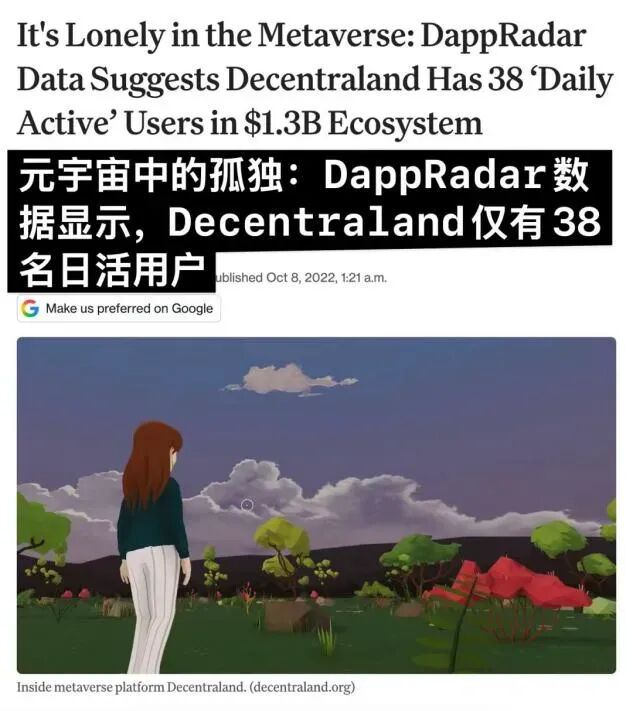
News about the daily active users of Decentraland. Image source: CoinDesk
Decentraland is even worse. The number of daily active on - chain interactive users has once dropped to only 38.
The Changing Tides of Trends
Capital is never stupid. Knowing that it is difficult to implement the metaverse, why do so many investors flock to it?
The key lies in the special node of 2021.
That year, the global mobile Internet traffic dividend was completely exhausted, and the growth of all industries came to a complete standstill:
The overall growth rate of global online retail transactions has dropped to 8%, and the industry has officially entered a period of low - speed growth; the global user penetration rate of the short - video track has exceeded 90%, and the growth of the user scale has reached the industry ceiling; the market patterns of the travel and local - life sectors are fixed, and the gross profit margins of leading enterprises have been compressed to less than 5%. The industry is highly competitive, and it is becoming increasingly difficult to make a profit.
The capital market has hoarded a large amount of idle funds, and high - potential and high - quality investment tracks are extremely scarce.
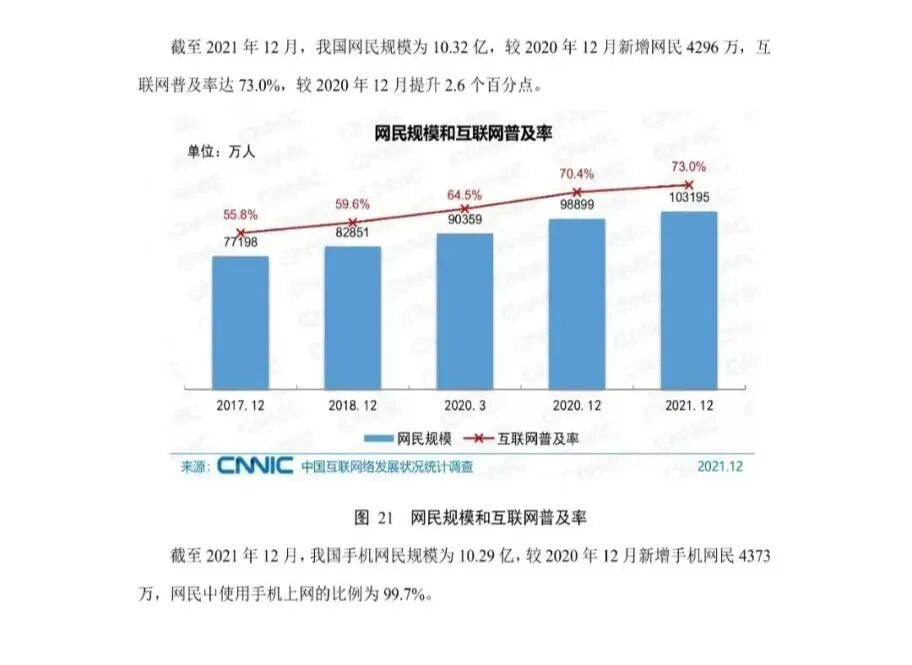
The growth of Chinese Internet users. Image source: Statistical Report on the Development of the Internet in China
Coincidentally, the metaverse was pushed to the forefront, and with the support of hard - core technologies such as VR/AR, blockchain, 3D modeling, digital twin, and cloud computing, it gave the market infinite room for imagination.
Capital knows that in the PC and mobile Internet eras, early players seized the traffic entrance and divided up all the dividends, and it was difficult for latecomers to break through.
In order not to miss this transformation of the Internet form, leading European and American technology giants and global top VCs reached a consensus. They adhered to the concept of making forward - looking layouts and taking risks rather than missing the opportunities of the era, and rushed into the market and placed bets regardless of the cost.
However, at the end of 2022, ChatGPT emerged, and everything changed.
It reached one million users in five days and one hundred million users in two months. In contrast, the search popularity of the metaverse has dropped by about 80% from its peak. Generative AI has a lower threshold, and ordinary people can use it to write copywriting, create images, write code, and make office summaries. It is more practical.
The metaverse will take ten years to be implemented, while AI can start making money in one year.
Capital immediately voted with its feet. Global VC investment in the metaverse field dropped from $4.09 billion in 2022 to $530 million in 2023. In the same period, investment in generative AI soared from $3 billion to $25.2 billion, an increase of nearly eight times.
Technology giants that couldn't see a future in the metaverse had to shrink their metaverse front lines. Microsoft disbanded its industrial metaverse team, and Meta also reduced its related investment and turned to AI.
The AI track has entered a period of rapid development and an arms race.
In 2023, Microsoft injected tens of billions of dollars into OpenAI to strongly support it. In the same year, Elon Musk personally entered the market and founded xAI. In just a few years, it has continuously attracted huge amounts of capital. As of the beginning of 2026, it has raised nearly $50 billion in total, with a valuation exceeding $200 billion, aiming directly at OpenAI.
Almost at the same time, the domestic large - model DeepSeek rose rapidly. With its low cost, strong performance, and ease of use, it quickly became popular and became the new darling of capital.
Taking Zhipu as an example, as the world's first listed independent company of a general large - model, its market value reached 400 billion yuan in less than half a year after listing, exceeding that of many established Internet companies.
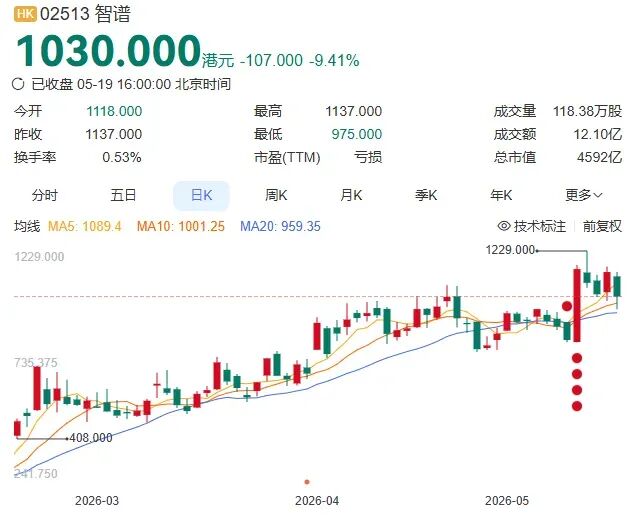
Zhipu
AI has risen with the wind, and the metaverse has become a thing of the past.
At the beginning of 2026, Meta ended its five - year bet: shutting down its flagship office project, disbanding three major VR studios, and cutting star applications, completely shifting from "All in the metaverse" to "All in AI".
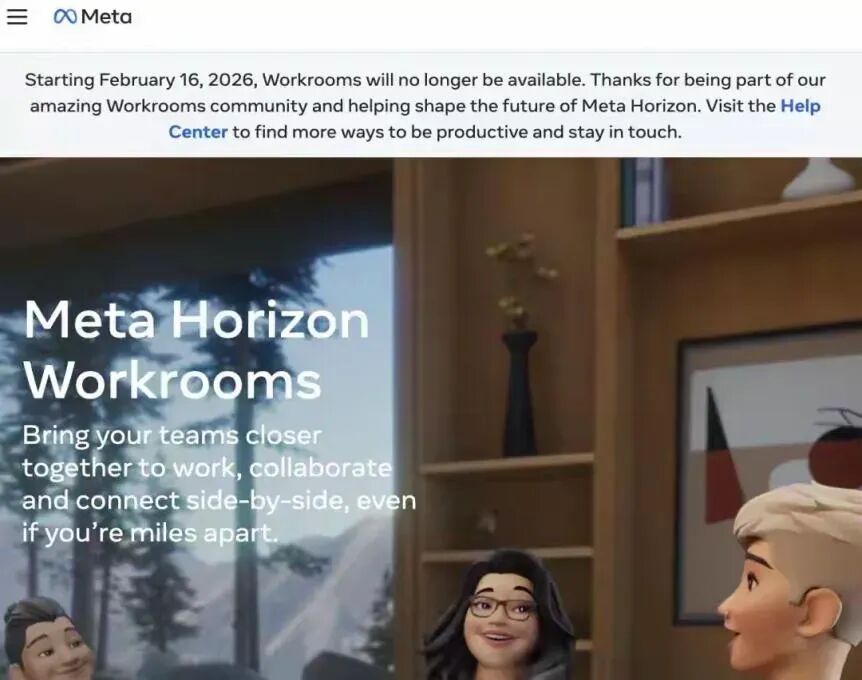
Horizon Workrooms officially closed. Image source: Meta's official website
The changing of trends is always so cruel.
A Different Way of Survival
The metaverse is not a pure capital scam. When its popularity soared in 2021, the hardware equipment, network conditions, high - quality content, and the public's usage needs were not yet mature.