Why do restaurants encourage you to buy group-buying vouchers?
I wonder if anyone has the same doubts as me.
Every time you settle the bill at a restaurant, the merchant will kindly remind you that you can get a 20% discount by purchasing a group - buying coupon on a certain platform.
You're skeptical but decide to give it a try. Guided by the merchant, you complete the operation. Sure enough, you only pay a little over 400 yuan for what would have cost over 500 yuan.
But at this point, your doubts grow even bigger.
Obviously, the merchant receives less money, dropping from over 500 yuan to over 400 yuan. And this doesn't include the platform's commission, withdrawal fees, and the account period for fund recovery.
Logically, no one would be against making money. Merchants should bypass the platform. However, the current situation is that merchants are doing the opposite. They're willing to earn less and pay more costs just to direct their customers to the platform.
This scenario is very similar to what Fang Tangjing said when he kept changing his stance in front of Lord Bao: *****, **!
So, why do merchants do this?
Merchants: Take the business online
Behind merchants' active promotion of group - buying coupons is the fierce group - buying battle among Internet platforms.
Now, besides Meituan's Dianping, there are already seven or eight platforms entering the group - buying market. This includes Douyin, Taobao Flash Sale, JD.com, Xiaohongshu, Gaode Map, Baidu Map, Alipay, etc. There are even rumors that platforms like Fliggy may also enter the group - buying market in the future.
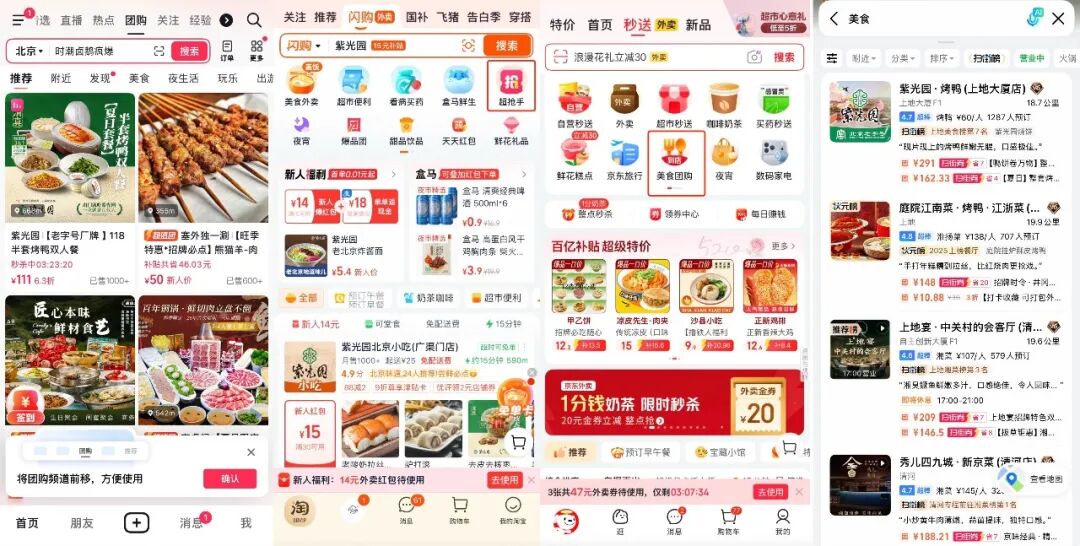
▲ The "Group - buying" entrances on Douyin, Taobao Flash Sale, JD.com Express Delivery, and Gaode Map platforms
The intense competition is reminiscent of the "Hundred - Group War" back then.
In fact, many people compare the current group - buying battle with the previous "Hundred - Group War". However, the competition logic this time is fundamentally different.
During the previous "Hundred - Group War", platforms took the lead in pushing merchants to go online. Now, it's a collusion between merchants and platforms. To some extent, merchants are even more proactive than platforms.
The reason, as a restaurant owner of a mid - to high - end Japanese cuisine restaurant in Hangzhou told "Youjie UnKnown", more than half of the daily customer flow in their restaurant now comes from online group - buying.
So, nowadays, merchants are actually actively taking their business online. The reason lies in the huge changes that online group - buying has brought to the catering industry.
In the past, an ordinary offline restaurant could only serve customers within a few kilometers. Who would come to the restaurant depended on who knew about it and how far people were willing to travel.
However, with the deepening of Internet penetration and the improvement of transportation convenience, the scope of information acquisition and the range of action for consumers have greatly expanded. The service scope of a restaurant has expanded from a few streets to the whole city and even the whole country (for tourists).
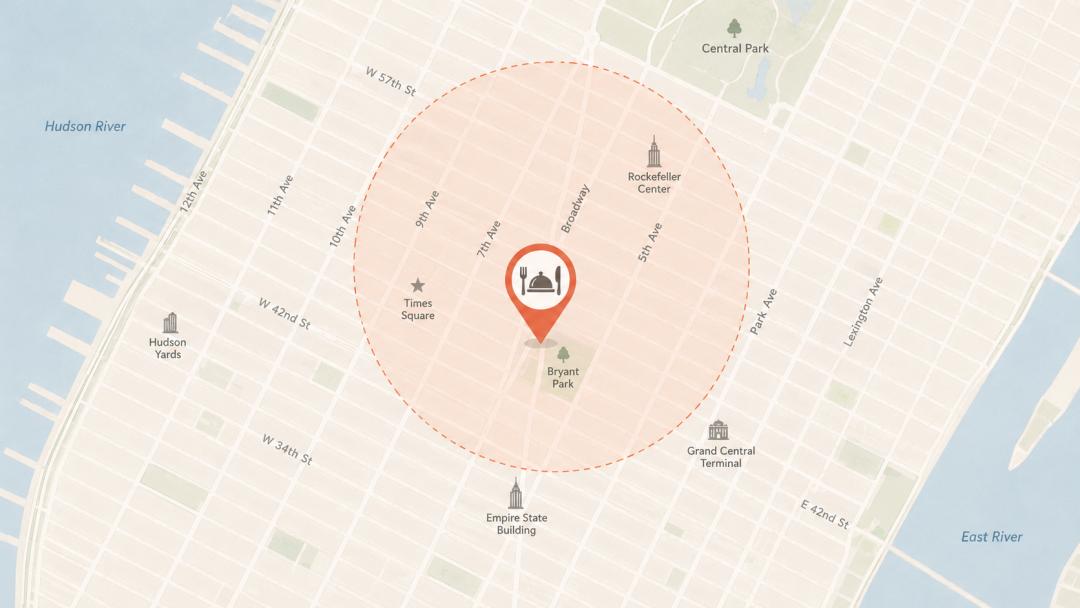
But there's a prerequisite: you need to make everyone aware of your restaurant (refer to some popular online restaurants).
This is the significance of the online world. It has changed the traditional customer - flow logic, especially in tourist cities. The first thing consumers do when making travel plans is often to find out what delicious food is available locally.
So, online traffic is becoming the top priority in current catering operations.
In addition, online group - buying also provides certainty for merchants.
One of the major difficulties in restaurant operation is that the customers each day are non - standard.
Merchants don't know how many people will come to the restaurant each day and what dishes they will order. They can only make a rough estimate based on experience and then stock up on ingredients accordingly.
A good restaurant purchaser can precisely control the ingredients every day, ensuring there are no shortages when there are customers and no waste during slow business days. However, such people are hard to come by.
But online group - buying solves this problem.
For restaurants, the meal combinations in group - buying are fixed packages, and consumers' group - buying makes the consumption demand apparent in advance. For restaurants, this is like an open - book exam.
Restaurants can estimate the next day's ingredient consumption based on the group - buying situation and then make bulk purchases according to the packages. This not only avoids waste but also better controls costs.
That is, through group - buying, restaurants transform the most unpredictable non - standard consumption into a standardized service and procurement process.
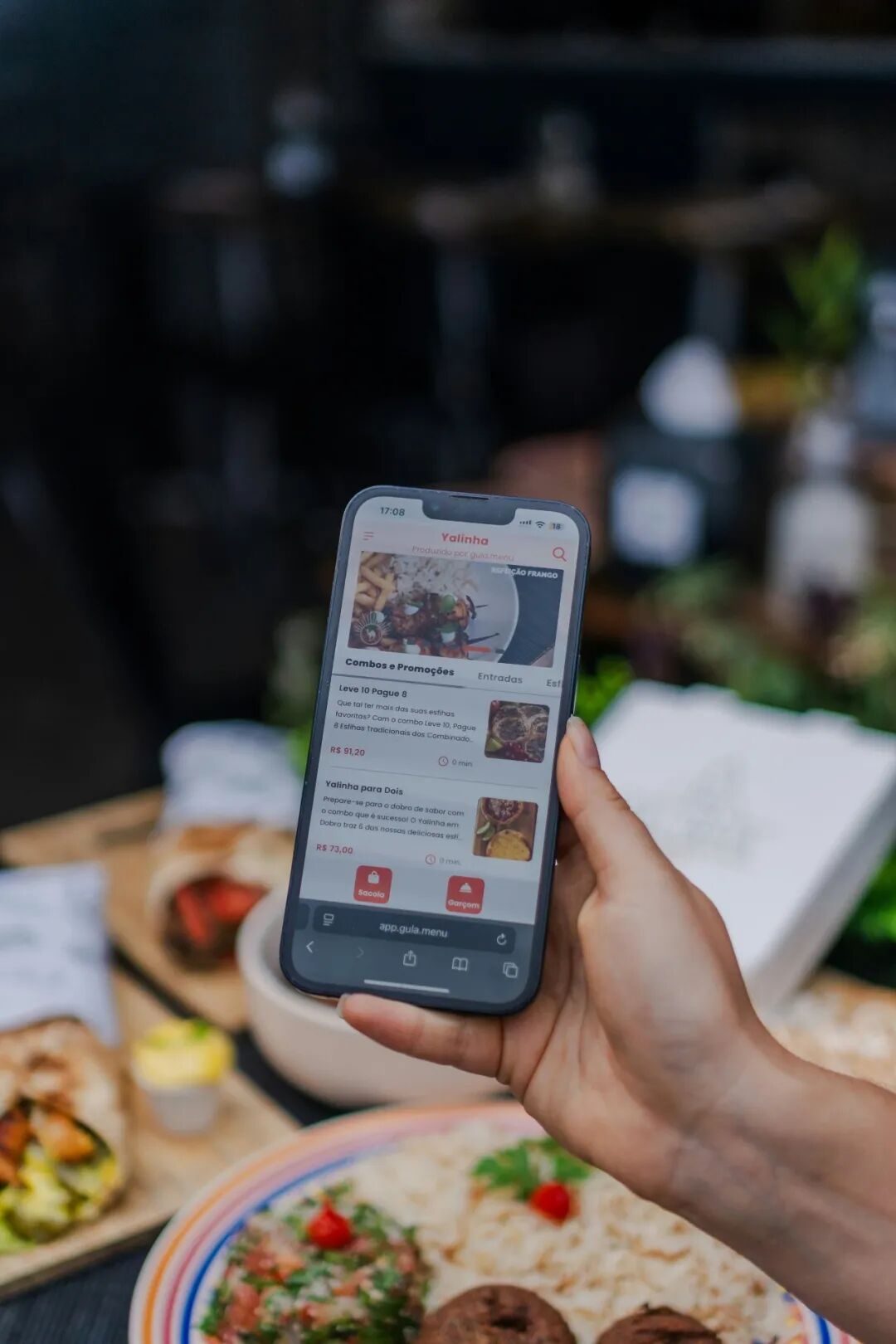
▲ Photo by Rodrigo Rodrigues | WOLF Λ R T on Unsplash
This is why many merchants are willing to earn less to go online.
With group - buying, restaurants can more accurately predict their daily sales. The kitchen can stock up on ingredients in advance according to the packages and even pre - process the dishes. Customers can be served faster after sitting down, and the table - turnover rate is higher...
After going through this set of processes, the restaurant's operating efficiency improves, and the extra money earned is much more than the cost of the discount.
Therefore, if pre - made dishes improve catering efficiency and achieve standardization from the perspective of the backend supply chain, then group - buying ensures stable consumption from the perspective of front - end consumers.
However, different from pre - made dishes, which result from systematic engineering, group - buying is more like a form of PUA for consumers.
Platforms and merchants use discounts, packages, and sorting mechanisms to redirect the highly personalized ordering needs of consumers to a more standardized and manageable consumption path.
Of course, consumers also get real benefits in this process, which is a cheaper meal.
So, why do so many restaurants and large platforms engage in group - buying?
For platforms, in - store group - buying is becoming a new entry point for local life. Whoever controls the decision - making process of "where to eat, where to play, and where to consume" for users will control the distribution right of the next round of urban consumption. As for merchants, they pursue controllability, high efficiency, and a larger customer flow.
So, in essence, this is a two - way effort between merchants and platforms.
Of course, many people will be dissatisfied with such changes, just like many people can't accept pre - made dishes.
But the reality is that, like pre - made dishes, in the face of a more developed information network, more convenient transportation, and a more dispersed acquaintance network, group - buying and online operation are the trends in the catering industry.
What does the group - buying battle ultimately depend on?
After the group - buying battle began, many people in the market analyzed the different gameplay and models of each platform.
For example, some people summarized that the competition logic of Meituan and Douyin is different. Meituan is about users seeking services, while Douyin is about services seeking users. Another example is that Taobao Flash Sale is an ecological flow, while Baidu is an alliance flow, etc.
But at a more fundamental level, the problem is actually much simpler: Most merchants have been deeply involved in Meituan and Dianping for a long time and have reached the ceiling on these platforms. So, they are seeking incremental growth on new platforms.
Whether it's Douyin or JD.com, they are all new channels and a new source of incremental growth for merchants.
Therefore, it's normal to see merchants flowing from Meituan and Dianping to JD.com, Gaode, and Douyin. In the future, no merchant will operate on only one platform. Instead, multi - channel and multi - platform operation will be the trend.
The Japanese cuisine restaurant owner mentioned earlier said that the group - buying prices and meal items they set on multiple platforms across the network are basically the same with no significant differences.
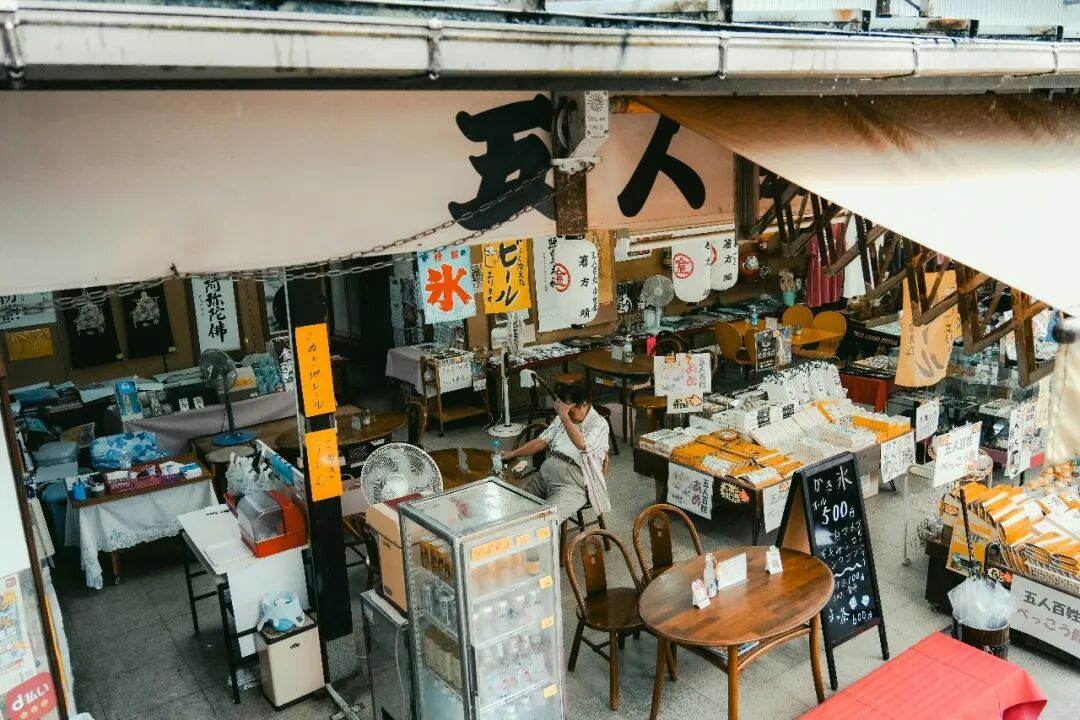
▲ A Japanese cuisine restaurant, photo source: Unsplash
So, from the platform's perspective, competition is inevitable. This is a large market, and each participating platform has its own advantages. As long as they enter the market, they can get a share.
However, it should also be noted that there will probably only be one or two leading platforms that can take the majority of the market share.
Which one or two platforms will become the leaders doesn't depend on the number of merchants but on which platform merchants focus on operating and where users ultimately go and stay. This is the most important problem that platforms need to solve in this group - buying battle.
Many platforms think that doing group - buying is a natural thing. They have traffic, scenarios, and demand. They just need to set aside a space in the APP, add a button, and assign a team, and the thing will succeed.
This logic is actually correct. The real difficulty lies in how to truly connect and roll up this behavior loop.
As mentioned earlier, apart from the leading platforms, merchants won't specifically operate on other platforms.
This means there is no difference among platforms at the consumer level. Therefore, what determines where consumers ultimately group - buy and place orders depends more on consumers' habits, platform content, or the complete consumption chain.
▲ Photo by MChe Lee on Unsplash
The consumption chain here means that for catering merchants to do business online or for users to consume in - store, group - buying is not the only option.
From the overall consumption process of users, group - buying is just the consumption action during package selection or bill settlement. For many restaurants and consumers, services such as reservation, queuing, and evaluation are more complex or in - depth aspects beyond group - buying.
Therefore, the real competition in the group - buying battle is not about winning or losing in one place. It's a long - term battle. It depends on who can form a complete ecosystem, balance these issues, and finally create a closed - loop product that users and merchants are more familiar with and easier to use.
Conclusion
By now, the market pattern of group - buying has changed significantly.
Some merchants' feedback shows that when doing group - buying, the conversion rates of Douyin and Meituan (Dianping) are not very different. The difference lies in the exposure. Douyin has more exposure, while Meituan has longer - lasting exposure. Overall, the effects are similar after balancing.
So, although there are many group - buying players now, the most competitive ones are still Douyin and Meituan.
One is the "old money", and the other is the "newcomer"; one has huge traffic, and the other has cultivated deep - seated user habits. If other platforms can't form clearer differentiating capabilities, they will probably only serve as supplementary channels for merchants and are unlikely to become the main battlefields.
Of course, some people may wonder if the current group - buying battle will end up like another take - out food - style involution.
But the logic this time is not exactly the same.
By 2026, the online rate of the catering industry is only about 37% [1]. That is to say, there is still a huge market space.
This also makes it fundamentally different from the previous take - out food battle.
In addition, the take - out food battle is about "what to eat at home", while the group - buying battle is about "where to spend money after going out". The former focuses on instant delivery, while the latter affects urban consumption decisions.
So, on the surface, this round of group - buying battle is about platforms competing for merchants, users, and subsidies. In fact, it's a re - distribution of the entry points for local life.
Whoever can make users get used to discovering a store, comparing a store, placing an order at a store here, and ultimately coming back here repeatedly will truly get the ticket for the next stage of urban consumption.
Related materials:
[1]: "2026 China Catering Chain Development White Paper"
This article is from the WeChat public account "Youjie UnKnown", author: Shan Cha, editor: Qian Jiang. It is published by 36Kr with authorization.