Returning to the iPhone after three years: It's still good enough, but there isn't much difference from Android flagships anymore.
In the past two years, Xiaolei's main phone has been switching among Android flagships. From Xiaomi, OPPO to vivo and Honor, he has almost tried every generation of flagships. The last time he used an iPhone (excluding trial experiences) was more than two years ago.
Perhaps due to the desire for a change, Xiaolei recently decided to switch back to an iPhone. It's not that he is dissatisfied with Android flagships. Instead, the price of the iPhone Air is really attractive (it costs 5099 yuan after purchase). Moreover, it has been almost three years since he last used an iPhone seriously, and he really misses it.
To be honest, when I picked up the iPhone again, I originally thought I would feel a sense of familiarity like "I'm finally back". After all, in many people's minds, the iPhone still represents the standard answer for the mobile phone experience.
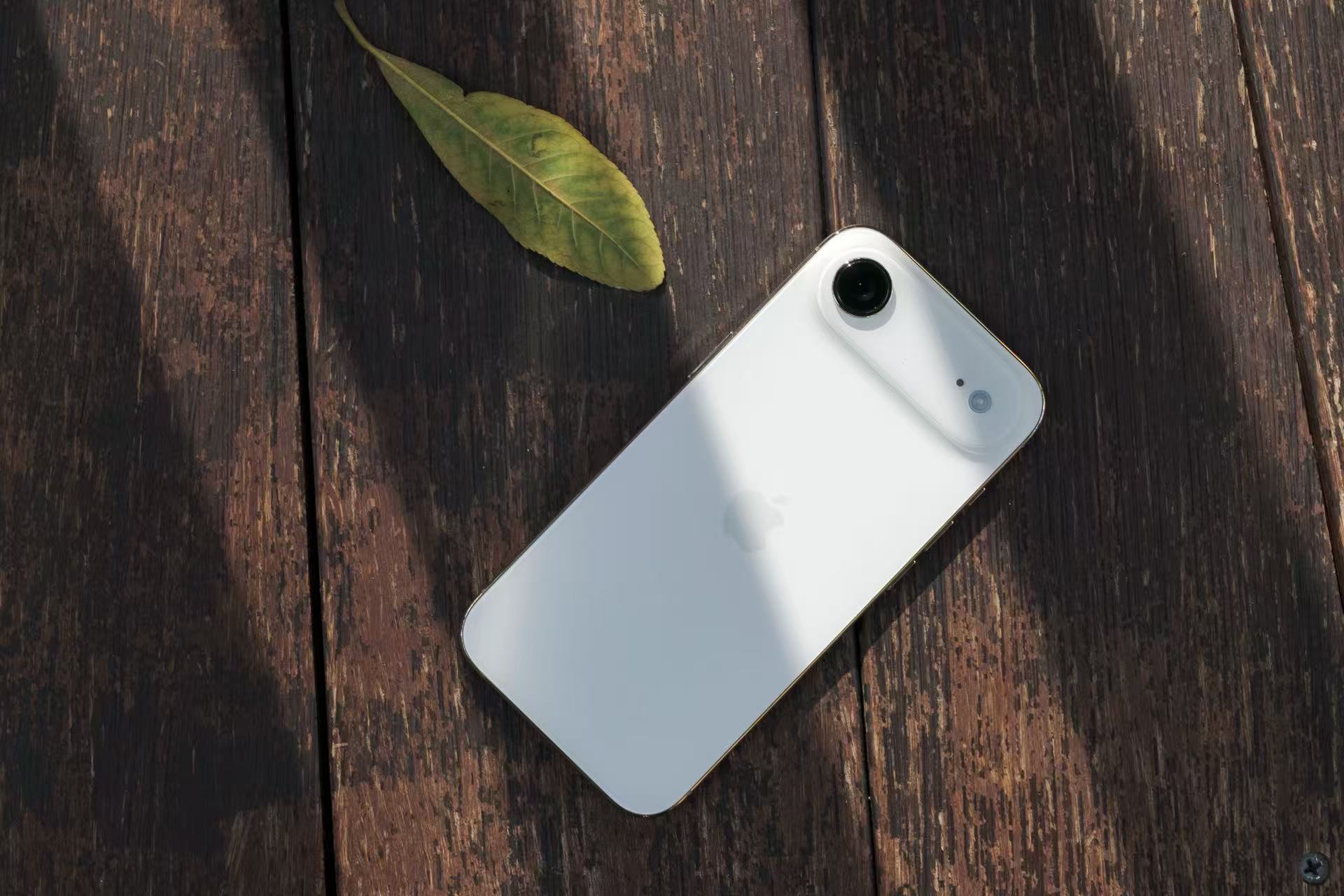
Image source: Lei Technology
However, after using the iPhone for some time, Xiaolei's feelings are rather complicated: it is indeed the same iPhone I'm familiar with. It feels so familiar that I think I haven't switched away from the iPhone in the past two years but have been using it all the time.
The feel of the iPhone Air reminds me of Android phones ten years ago
Let's first mention a point that must be affirmed: the feel of the iPhone Air is really great.
It is 5.64mm thick and weighs 165g. This is a very rare thin and light design in Apple's iPhone product line in recent years. Especially after you are used to flagship phones that often weigh over 200g and have huge imaging modules on the back, the first thought when you pick up the iPhone Air is not "how powerful its performance is", but "so a phone can be this light".
Apple officially defines it as the thinnest iPhone currently and emphasizes that it achieves a balance between a large screen, high performance, and a sturdy body. For someone who has been using phones for more than a decade, this feeling is really long - lost.
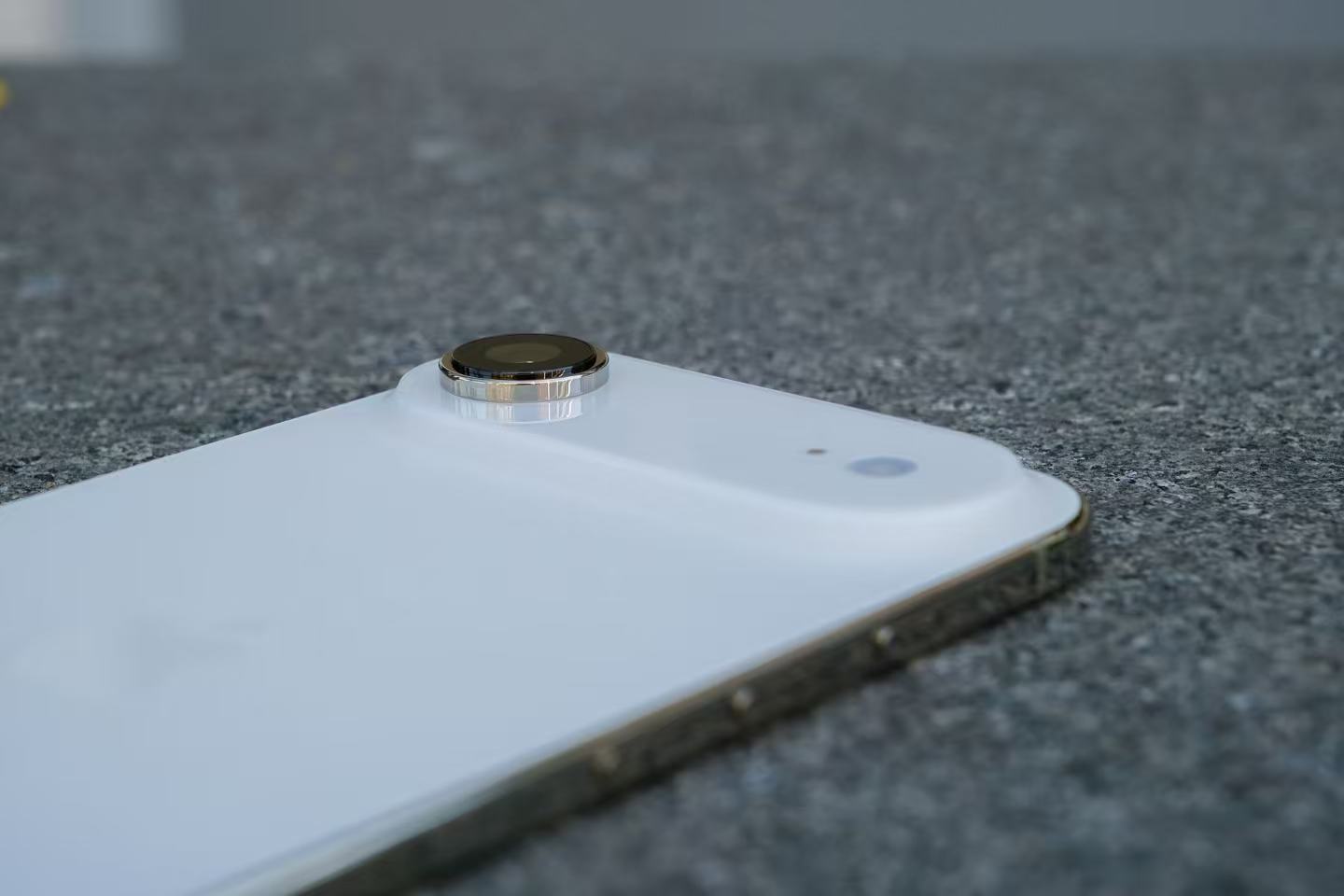
Image source: Lei Technology
This is also the most appealing aspect of the iPhone Air. It doesn't attract me with imaging, fast charging, or performance. Instead, it uses the most direct design to remind users that being thin and light is itself an experience, an experience that is hard to get on other phones nowadays (however, it's worth mentioning the Honor Magic 8 Pro Air, which is one of the few Android flagships with a feel comparable to that of the iPhone Air).
Of course, to make it thinner, the iPhone Air has sacrificed many things, such as battery life (about the same as the iPhone 16 Pro) and imaging performance (single - camera). However, if you are a dual - phone user, these shortcomings don't really matter. It has enough performance for daily use and doesn't add much burden when carrying.
It sacrifices a lot for being thin and light, but the system experience is consistent
Moreover, from the perspective of the system experience alone, it is on par with the latest iPhone 17 Pro, which makes it the best choice for me to return to the iPhone.
I have to say that after using the iPhone again, Xiaolei can still feel the advantages of iOS. Its animations are still very smooth. Whether it's going back (still only the hated left - side swipe to go back), switching apps, multi - tasking view, or unlocking the screen, the animation effects are very natural.
To be honest, the strength of iOS has never been just "speed". Instead, it rarely makes users feel that the system is crudely scheduling resources. Even if you don't understand technology, you can feel the different animation coherence compared to other phones: click, swipe, and open, and there is almost no gap between the action and the feedback.
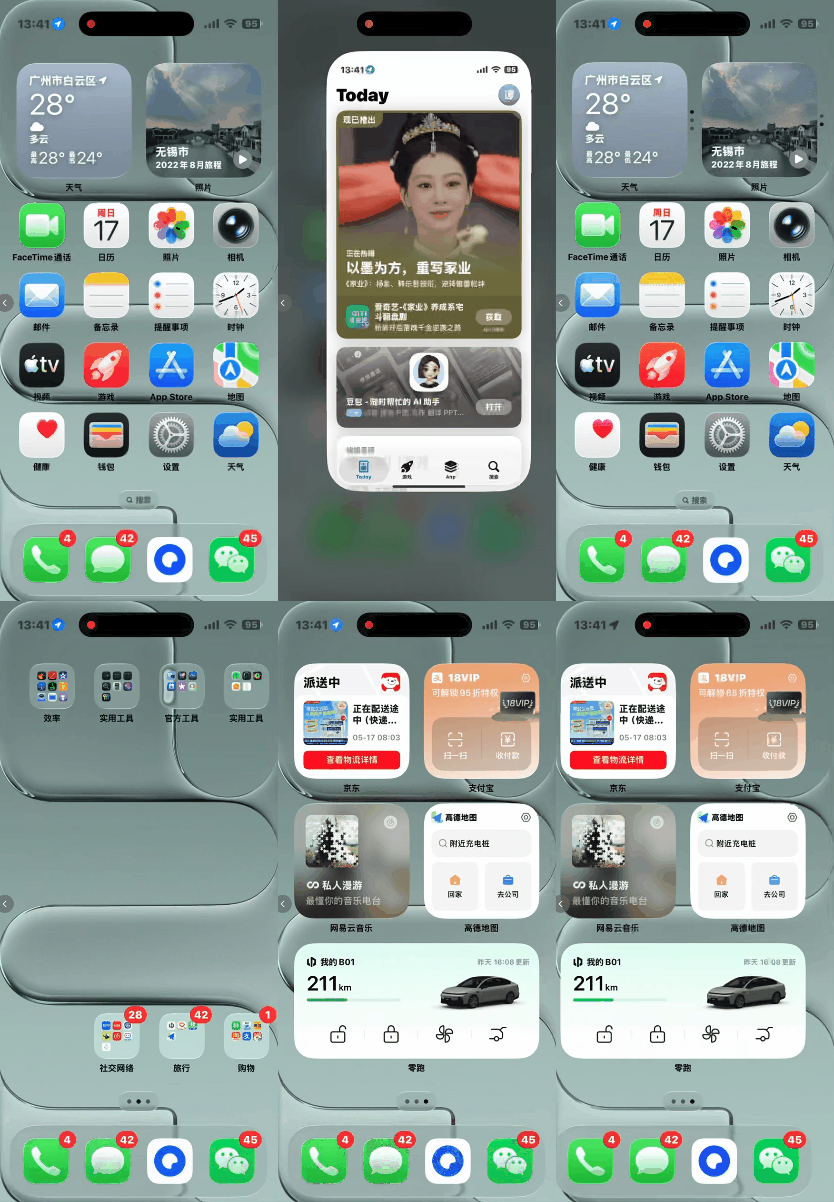
Image source: Lei Technology
This has been the core competitiveness of the iPhone for many years. It may not have the most features in every aspect, but it always makes basic operations seem smoother. Especially after the entire iPhone 17 series was upgraded to high - refresh - rate screens, the real smooth experience is no longer limited to the "Pro series".
This time, I no longer feel a significant gap between the iPhone and Android phones.
Today's Android flagships are indeed comparable to the iPhone in terms of system smoothness. At least on ColorOS, I have experienced stability no less than that of iOS (really not paid to say this). Although the iPhone is indeed more stable in daily use, if you really say there is a big difference, I can only say that you must not have used an Android flagship.
What's more subtle is that the "Dynamic Island", which has been the most distinctive feature of iOS in recent years, has been almost copied by Android manufacturers. OPPO's Fluid Cloud, Xiaomi's system notification capsules, and similar real - time status cards from vivo and Honor are essentially doing the same thing: putting information that needs immediate attention, such as takeout, taxi - hailing, and important events, directly on the top of the screen or the lock screen, so that users don't have to repeatedly enter apps to confirm information and status.
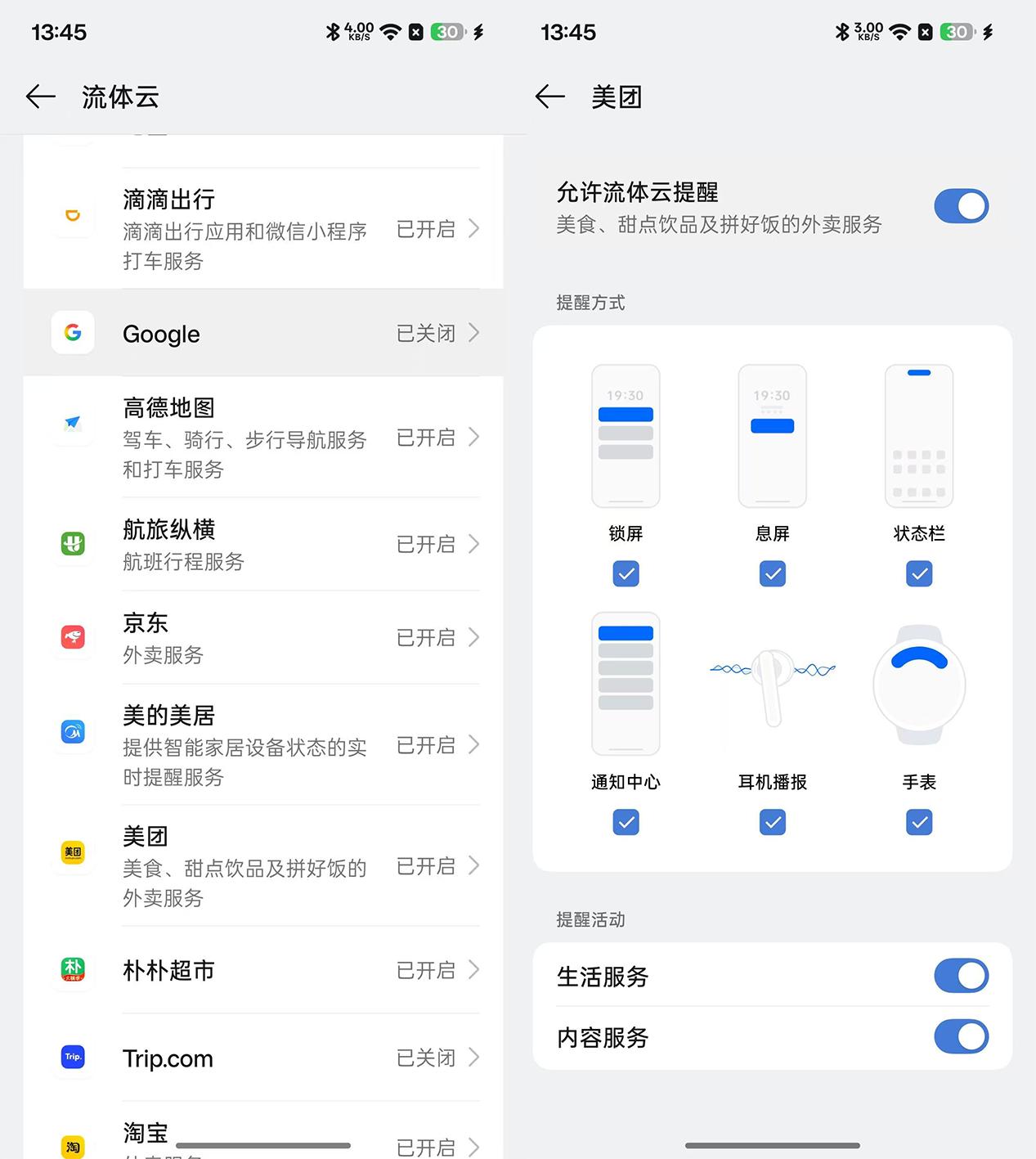
Image source: Lei Technology
This logic was really amazing on the iPhone at first, but today, the experience of most mainstream apps on different phones doesn't have a particularly obvious gap. The difference lies more in the fact that iOS has a wider software adaptation range and more stable status presentation, while on Android, the adaptation rhythm of some apps always lags behind, resulting in an inconsistent experience.
So, saying that iOS is "far ahead" of the Android system is no longer accurate. A more accurate statement is: iOS is still one of the most stable systems, but it is difficult for it to draw a significant gap from Android flagships in terms of smoothness and convenience.
As for why iOS is stable, the reason is simple: it's being complacent.
In the AI era, the iPhone is really too slow
When I used the iPhone again after two years, my biggest feeling was: it hasn't changed at all! Except for the much - criticized liquid glass effect, I could hardly find anything new. On the other hand, with domestic systems, sometimes I would find many interesting new features even if I only stopped using them for half a year.
Of course, some people may say, "I just want stability, and many of those new features are useless." This is understandable, as everyone has different needs. However, from a system perspective, iOS can really only be described as "being complacent". So when Xiaolei asked an Apple expert in a consulting company about the new features of iOS worth paying attention to, he thought for a while and replied, "There's nothing new. You can just use it as before."
However, what really made me re - evaluate the iPhone experience is AI. Although Apple has been talking about Apple Intelligence in the past two years and emphasizing that it will make the iPhone understand users better, the implementation speed of Apple's AI for users is really too slow.
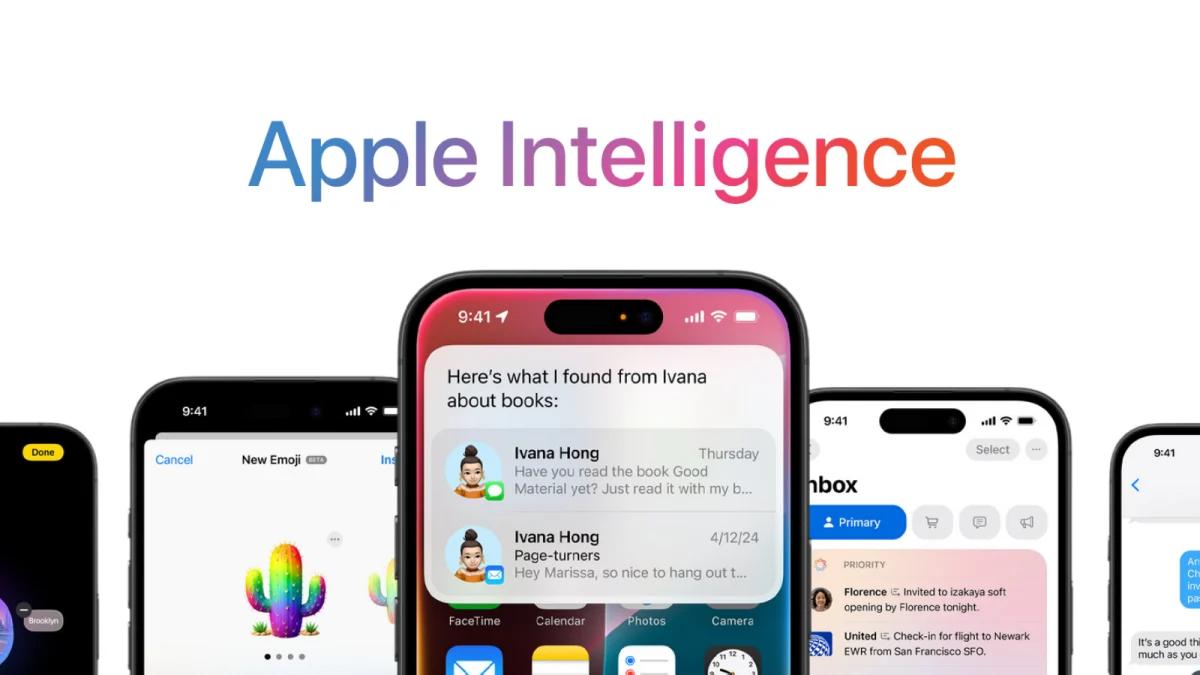
Image source: Lei Technology
Let's not even mention the Chinese mainland where the implementation is still far from reality. Even American users who have access to Apple's AI sued Apple some time ago. The reason is that Apple promised in 2024 that the AI features would be launched soon, but then postponed it to 2025, and the core AI features won't be available until 2026.
American users are not as lenient as Chinese users towards Apple. They directly filed a class - action lawsuit, and the result was announced some time ago. The two sides reached a settlement, and Apple will provide a compensation of $25 per device (up to $95) for eligible users. Of course, Apple still insists that it is not wrong, and the settlement is just to avoid excessive energy consumption in the lawsuit.
While Android flagships have integrated AI into the system's underlying layer, iPhone users are still waiting.
For example, on an Android phone, I can directly select and translate a piece of English; I can circle and ask questions about the content I don't understand on the screen; I can ask the system to extract key points from a screenshot, a chat record, or even a web page, organize them into a memo, and even automatically archive them in the memory bank.
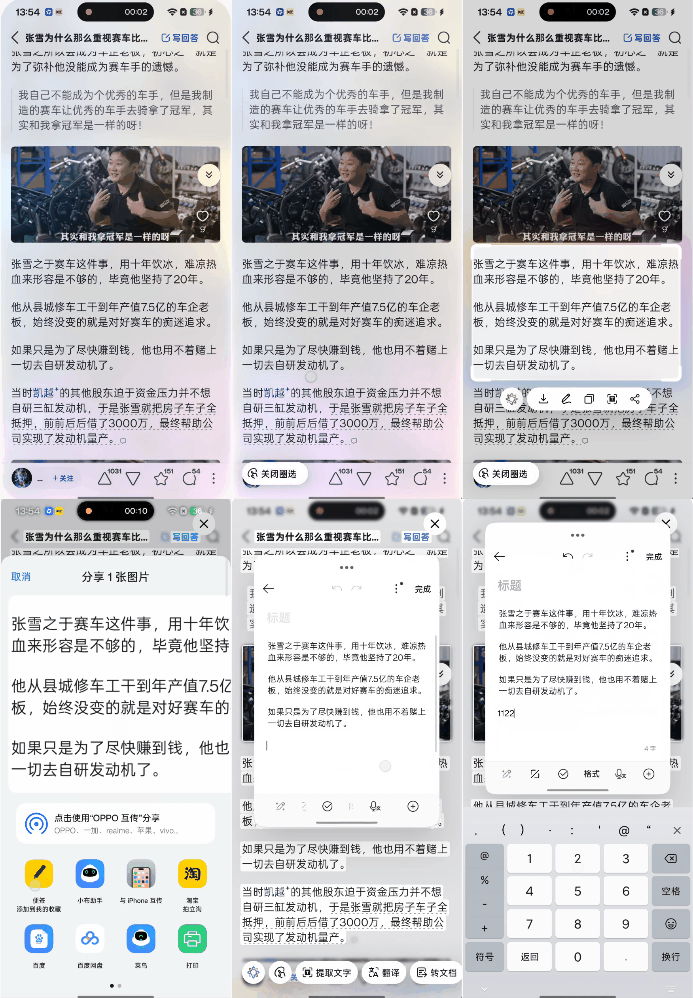
Image source: Lei Technology
In OPPO's official description of ColorOS's AI capabilities, there are already features such as "AI One - Click Flash Memory", "AI One - Click Screen Query", "Xiaobu Memory", and "Intelligent Collection". Some time ago, an automatic accounting function was also updated (although it was restricted due to force majeure). The core idea is to let the phone directly understand the screen content and then record and organize information such as takeout codes, bills, videos, and materials.
Xiaomi is also promoting "Super Xiaoai" towards in - depth system collaboration. Whether it's Super Xiaoai's screen - circling function, in - depth research on the AI assistant, or the ability to directly access functions, AI is gradually becoming a system - level entry. These functions may not sound very cool, but it's really hard to go back after using them. Sometimes, after I instinctively perform operations like long - pressing and copying on the iPhone, I'll wait for a pop - up window. Only when I find there is no pop - up window do I remember that I've switched to another phone.
Especially when I want to save a piece of content, the process on the iPhone may be: long - press, select, copy, open the memo, paste, and change the title. Now, the AI functions on Android flagships can often directly recognize the screen content and help you generate a structured record.
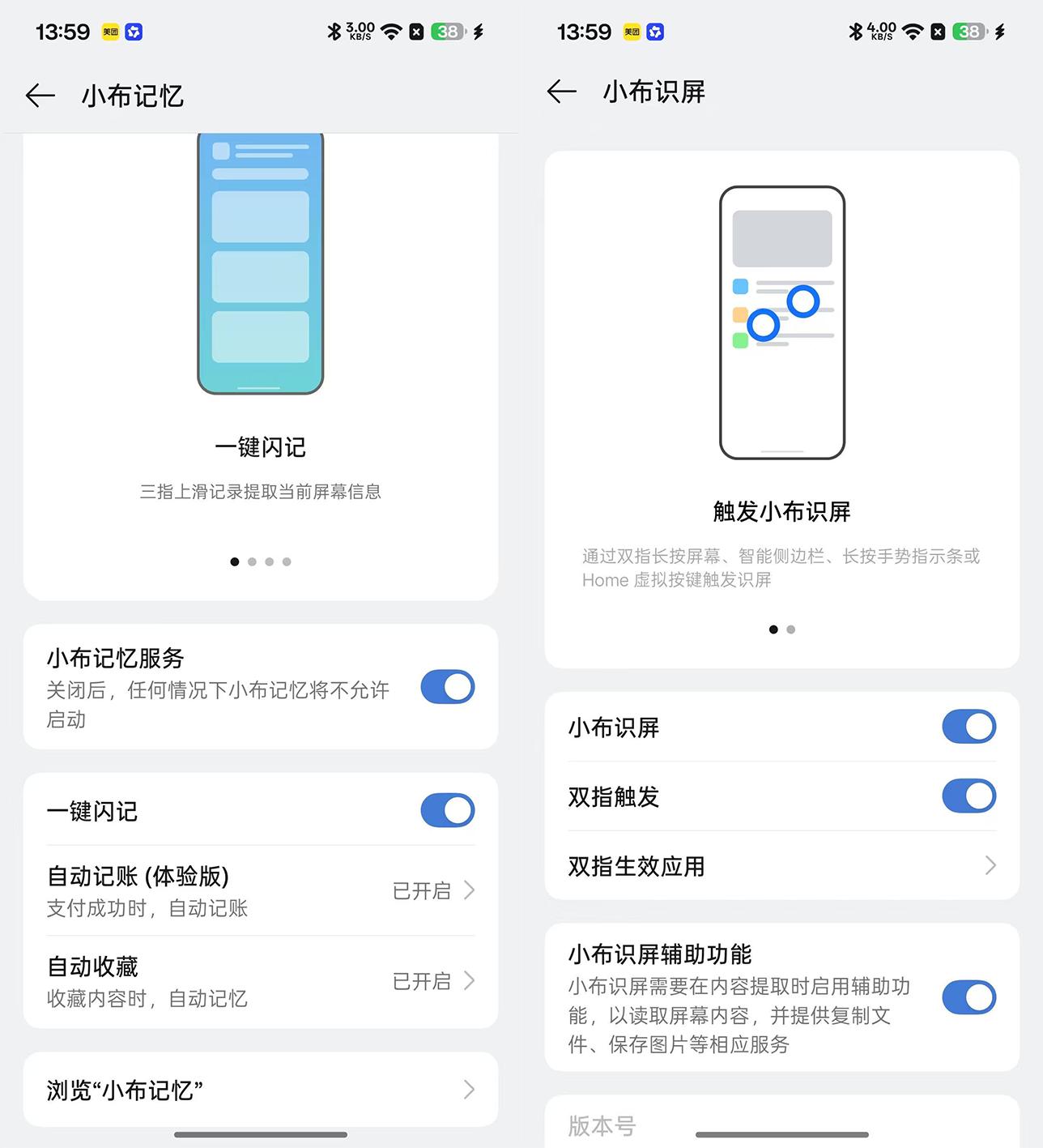
Image source: Lei Technology
The AI functions save me not only a few seconds but also the annoying operation cost of repeatedly switching apps.
This is also the most uncomfortable part for me after using the iPhone again.
I didn't use Siri very often before, but at least I would ask it to set an alarm, check the weather, or set a reminder. However, after using the iPhone again this time, I found that I hardly call Siri anymore. When I encounter a problem, my muscle memory is to call out "Xiaoai Tongxue" or "Xiaobu Xiaobu".
This actually says a lot: in the past, voice assistants were compared based on who could understand commands. Now, they are compared based on who can understand the screen, the context, and what the user is doing. And the iPhone is like the former top student standing at the door of the AI era. It has a solid foundation, but it's a bit behind the times.
Conclusion: The iPhone is good enough, but it won't be my main phone
There is an old problem that has become particularly obvious after using the iPhone again: iOS has almost no resistance to the splash ads of domestic apps.
Especially the "shake - to - jump" ads are really frustrating. You just want to open an app to read something, but if your hand moves a little, you'll be directly redirected to Taobao, JD.com, or other e - commerce apps. Of course, we can't blame Apple entirely for this problem. The root cause is that the advertising ecosystem of domestic apps is too aggressive. But from the consumer's perspective, I bought an expensive phone, but it's hard to avoid accidentally clicking on the splash ads. This experience is really inconsistent.
What's more frustrating is that this problem has been reported for many years, but Apple doesn't seem to show a strong willingness to solve it.
In contrast, Android manufacturers at least make more localized functions for the domestic market. Whether it's blocking ad redirection or managing clipboard access, Android phones have a complete set of coping strategies, and they handle the problems quietly without the users necessarily noticing.
For example, when you copy a piece of content and switch to another app, iOS will ask if you allow the app to access the clipboard. You may think iOS is great and really cares about user privacy. But what about domestic systems? There is no reaction at all. Do they really sell user information secretly? Is that really the case?
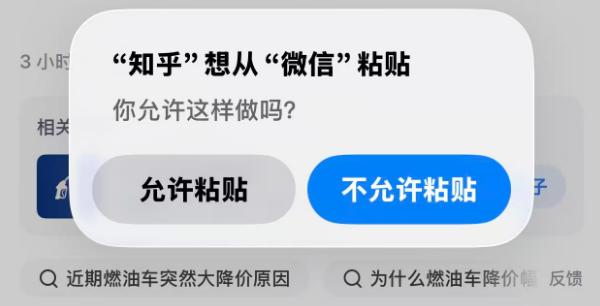
Image source: Lei Technology
In fact, except for common information such as Taobao codes, links, and verification codes, domestic systems will automatically block apps' requests to read ordinary text. The system will only allow the clipboard content to be released when the user manually long - presses and clicks paste. From the user's perspective, it's of course good to have perfect privacy protection. But it's a bit absurd to keep popping up to show off and interrupt the user's normal experience.
Although domestic systems are not perfect, and if you ask me to complain, I can write an article of thousands of words. But at least they know what Chinese users are facing every day.
The problem with the iPhone is that it is sometimes too "detached".
After using the iPhone again for some time, I suddenly realized that there aren't many things that can attract me about it. It still has a simple UI, smooth animations, and a stable software ecosystem. Face ID still works well, and the experience of Apple Watch and AirPods Pro is really comfortable