At Apple's WWDC next month, what if iCloud becomes iClaw...?
There is less than a month left until Apple's Worldwide Developers Conference (WWDC). Bloomberg has once again revealed new information about Apple's new system:
Apple is preparing to make a minor adjustment to the interface of macOS 27, further improving the visual presentation of the "Liquid Glass" design language.
However, the problem is that for today's Macs, in addition to the UI that needs further refinement, the most urgent updates are obviously far more than that.
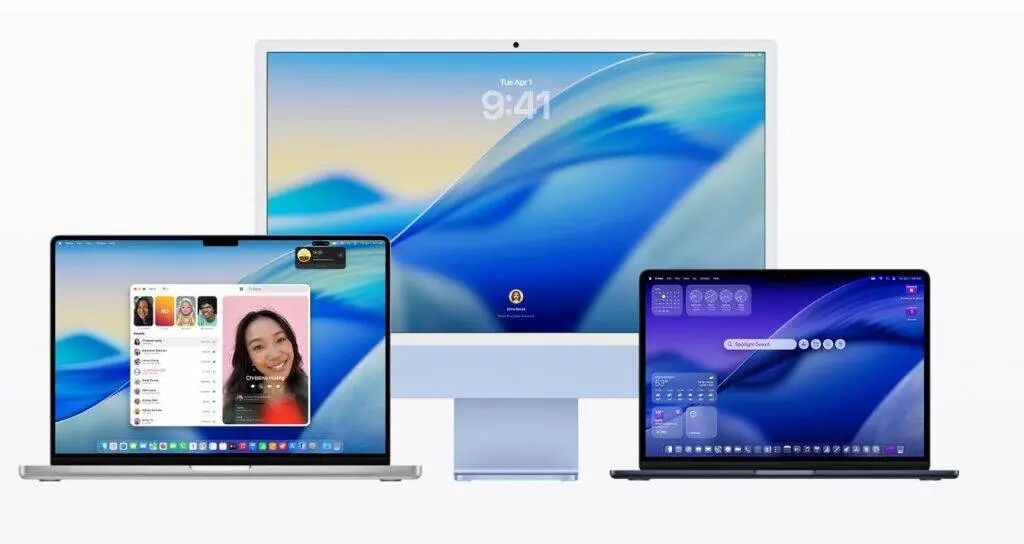
Liquid Glass: Another Year of Patching
Compared with iPhones and iPads, Macs have more surplus in performance and battery life. In fact, the interface of macOS 26 is closer to the "full - fledged" Liquid Glass demonstrated at last year's WWDC.
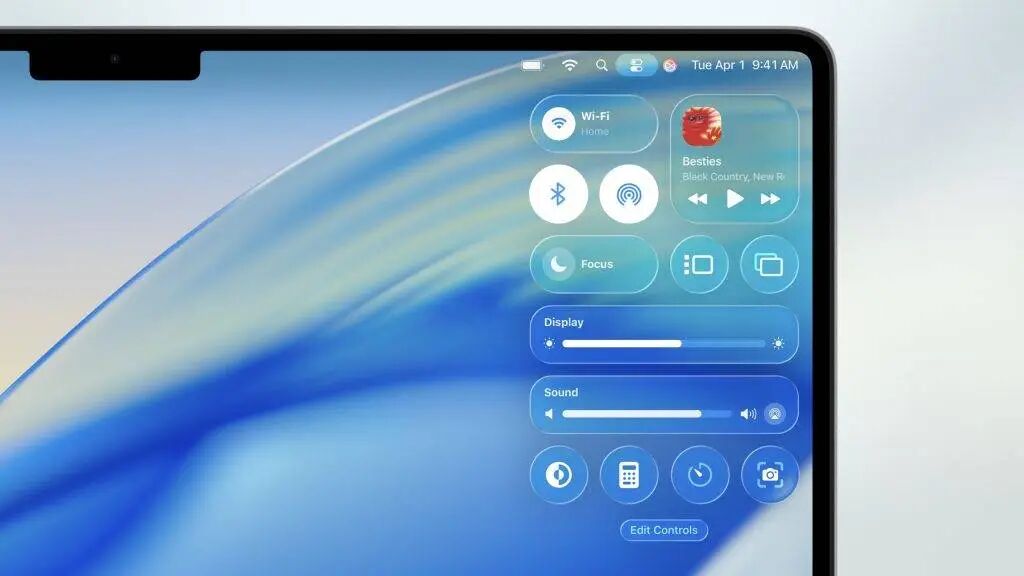
However, the Liquid Glass concept was originally designed specifically for OLED screens. Currently, all Mac products use LCD screens, which are less effective than OLED in presenting translucency, shadows, and glass textures.
As a result, some high - transparency effects and shadows in macOS 26 can reduce the readability of lists and text - this is also the problem that "Liquid Glass" has been criticized for.
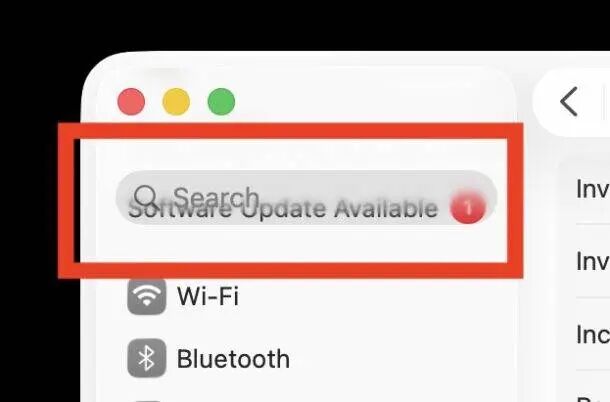
Like iOS 27, macOS 27 will also carefully refine the Liquid Glass to make it closer to the effect Apple originally envisioned: balancing transparency and readability while further optimizing energy consumption.
However, the problems with the UI in macOS 26 are not limited to the Liquid Glass itself. Misaligned rounded corners, a large number of small and distracting icons, and application icons with greatly reduced recognizability after redesign have all had a certain impact on readability and aesthetics.
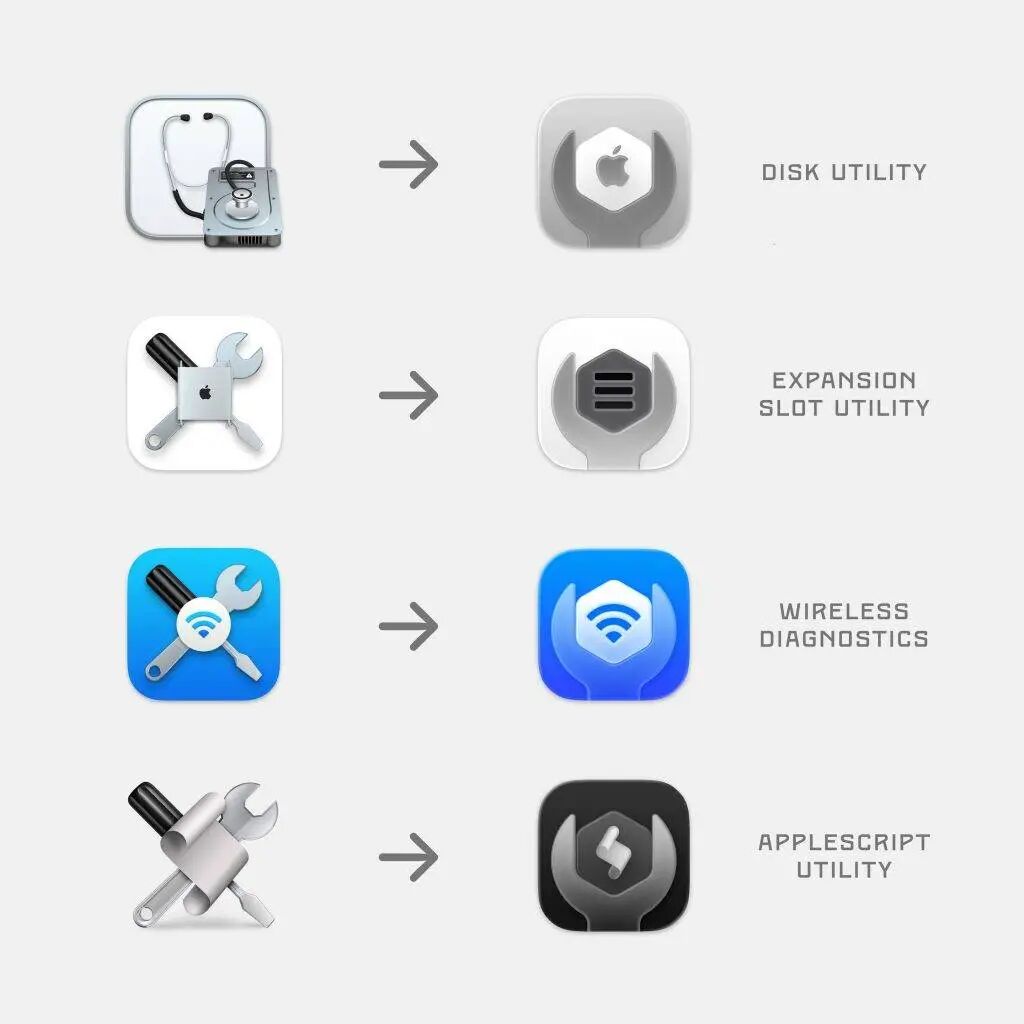
Image source: Daring Fireball
Apple commentator John Gruber's comments on macOS Liquid Glass are quite incisive: As a "content - first" design language, Liquid Glass makes the system UI blend into the background behind the media. It may work on iPhones, but as a desktop platform that emphasizes productivity rather than content consumption, Macs have a large number of windows and groups, so they are more complex. They still require application interfaces to ensure a clear structure, distinct functional areas, and a highly recognizable interface.
After Stephen Lemay took over as the design director, this veteran who has served Apple for nearly 30 years is highly anticipated. Lemay is known for his high reputation and stable performance within the company and may be the person within Apple who understands the Apple system interface best at present.

Under his control, it is really worth looking forward to how macOS 27 and iOS 27 can reverse the mixed reviews of Liquid Glass and return to the direction of combining practicality and aesthetics.
However, for macOS, while "correcting the interface" is necessary, it is no longer the most important update.
For Apple, there are two main lines for future system updates: on the one hand, optimizing system stability; on the other hand, preparing for Apple Intelligence.
The Best AI Carrier Needs an AIOS
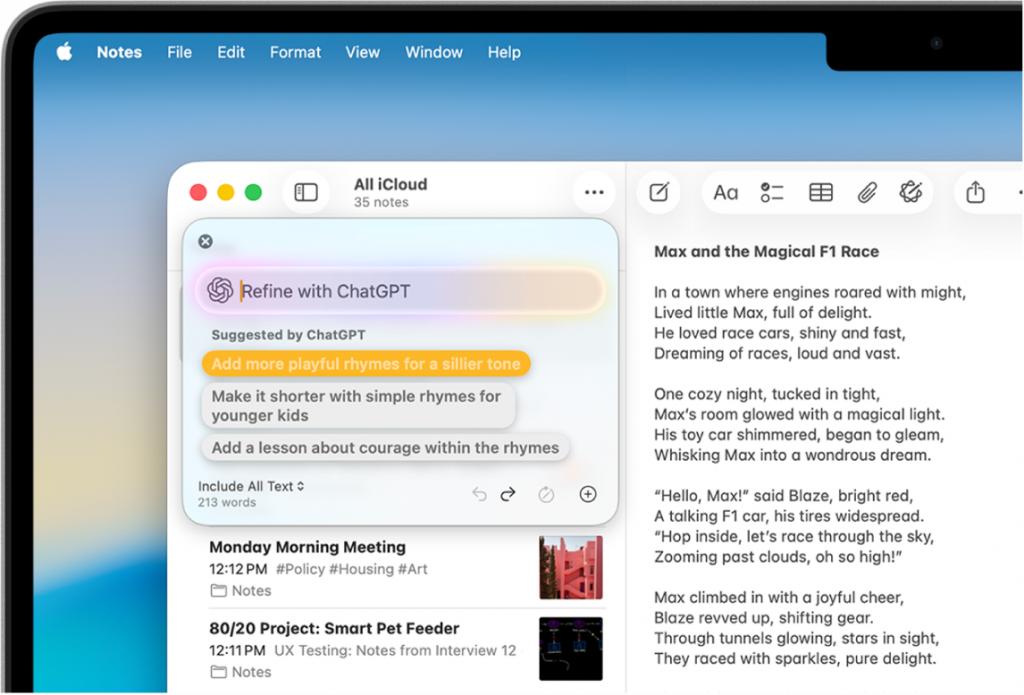
According to Bloomberg, Apple plans to create an "Extensions" function for "Apple Intelligence", allowing users to replace third - party AI models, such as Google Gemini, Claude, etc.
In addition to being integrated into applications such as mail, text messages, and photo albums, Siri will also become a chatbot and a separate application. More AI functions will cover tasks such as text and image generation and editing.
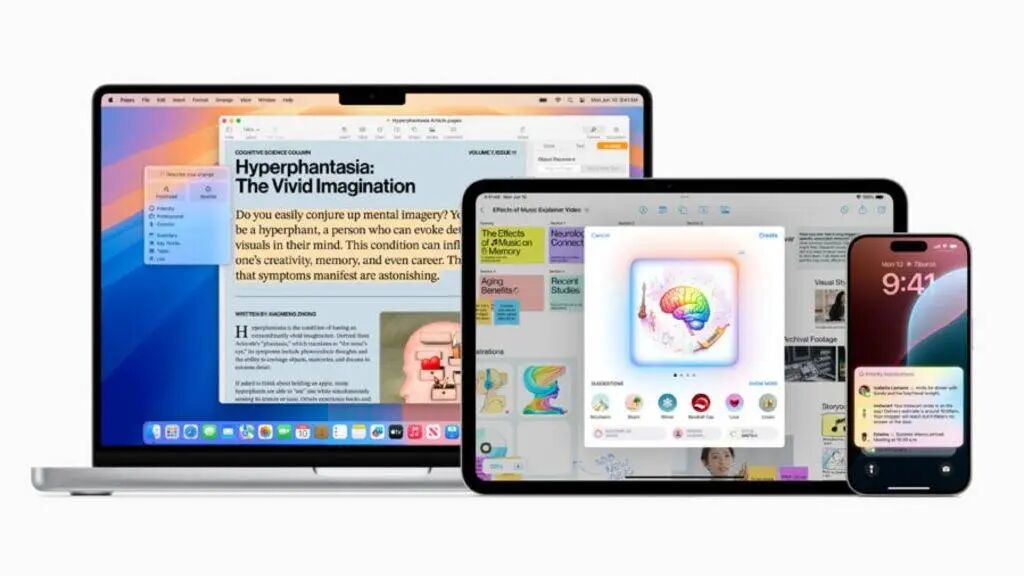
To be honest, these updates are more about single - point AI functions rather than system - level orchestration capabilities and fail to further leverage the advantages of Mac hardware.
The "lobster heat" at the beginning of this year made the Mac mini, a product that was popular the year before last, become popular again. This time, it was so popular that Apple ran out of stock, and the "entry - level" version was completely sold out on the official website.
Macs and Windows have their own advantages and disadvantages in many aspects, but in terms of AI, the assertion that Macs are the "best AI containers" is almost undisputed.
Our website has published an article to discuss this issue in detail. In simple terms, because of the UNIX system foundation and the hardware architecture with integrated memory of Macs, they are very suitable for the operation mode of AI Agents and large models. And due to the characteristics of the ARM architecture, they have low power consumption and are quiet, which is very suitable for AI to run continuously.
This is more like "planting willows by accident and having them grow into shade". Apple didn't originally build its Macs around AI, but accidentally completed all the technical reserves for AI. Strictly speaking, it is an "adaptability advantage".
From this perspective, even if macOS does nothing, Macs are already a good AI platform. Apple can follow the logic of the App Store, let users deploy the third - party AI agents they want, and continue to play the role of "collecting tolls".
This is indeed Apple's long - standing approach: When the mobile Internet emerged, Apple didn't need to build its own search engine and online shopping platform. In the AI era, people's needs are diverse. Some people need an Agent for video editing, and some need an AI for scientific research. These needs must be met by third - parties.
At the earnings conference in May this year, Apple specifically mentioned the intelligent agent product "Personal Computer" of the AI company Perplexity, believing that this product makes good use of the capabilities of the Mac platform.
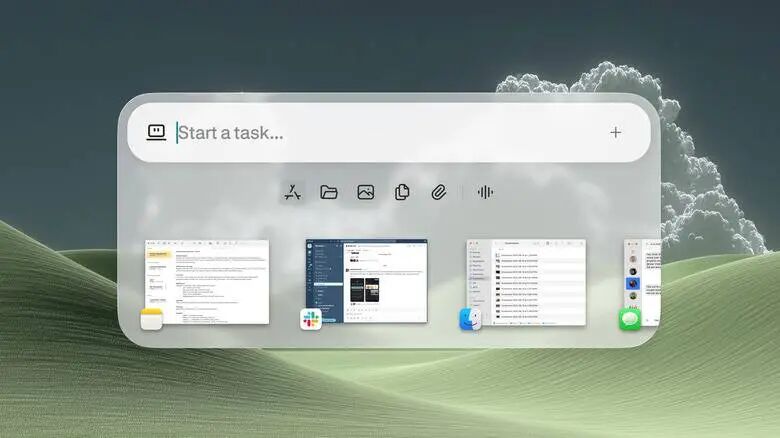
Since Apple thinks others are doing well, why not create an "iClaw" itself?
Although the flourishing of third - party AIs is good, it doesn't conflict with Apple creating its own. And there are many things that only the first - party can do well and make people feel at ease.
No matter how powerful third - party applications are, it is difficult for them to naturally obtain system - level context. Apple will not open the most basic permissions. Only the system itself can know clearly about file locations, window states, and local personal data. And the experience of AI applications often gets stuck at these permission boundaries.
Actually, Apple is not without such an idea. The long - awaited AI Siri actually has a similar concept. It can read users' text and application windows and perform cross - application retrieval and processing.
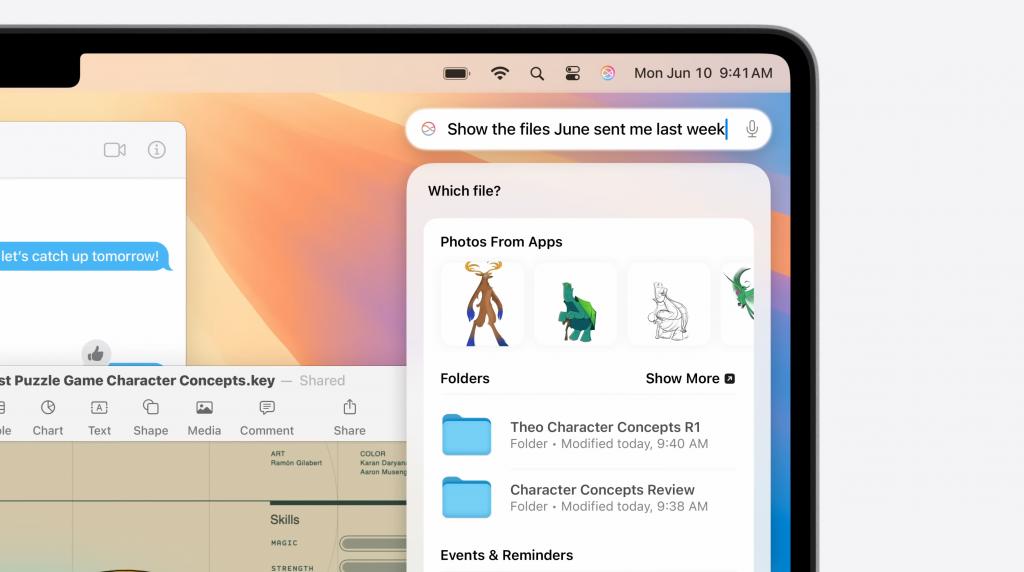
Compared with iPhones and smartphones, the mainstream usage scenarios of AI applications are actually on the desktop. This is why Macs have become the hottest AI hardware this year, but Apple has not given Macs sufficient native AI capabilities at the macOS system level.
The Windows camp next door is much more aggressive in this regard. There are AI function entrances such as "Recall" and "Copilot" at the system level. OEM manufacturers such as Lenovo and Honor even prepare "lobster applications" that are ready to use out of the box for their products, reducing the threshold. And because of the deep integration with the local system, they can save a lot of tokens.
Microsoft itself can't sit still. It is reported that it is transforming Copilot, which was originally only for question - and - answer, into a 24/7 online digital avatar to achieve "lobster - like" capabilities.
To be honest, compared with OpenAI, Anthropic, or Google, I would rather entrust my sensitive data to Apple, which pays more attention to privacy protection.
Furthermore, what macOS lacks the most is not AI applications but the "infrastructure" of the AI era. Macs have prepared fertile ground for AI to thrive, but macOS has not yet become a true "AI system".
Apple can not only develop its own AI agent capabilities but also needs to re - organize models, permissions, context, automation, and cross - application tasks, making the system the native intermediary of AI workflows and a "task distribution center" that controls all AIs.
Just like the "personal knowledge base" required for the operation of agents, we can currently build it with folders, but it is not user - friendly enough.
Apple can take over this task. Users can build and generate a "knowledge base" file using the tools that come with Macs. It can be bound to the Apple ID and transferred through iCloud. In this way, no matter which agent service they use, they can quickly call their own knowledge base without starting from scratch, and at the same time, their content can be protected by Apple's privacy policy.
Moreover, these configured modules can be integrated into Apple's subscription system, and iClaw and tokens can also become value - added services provided by Apple in the AI era.
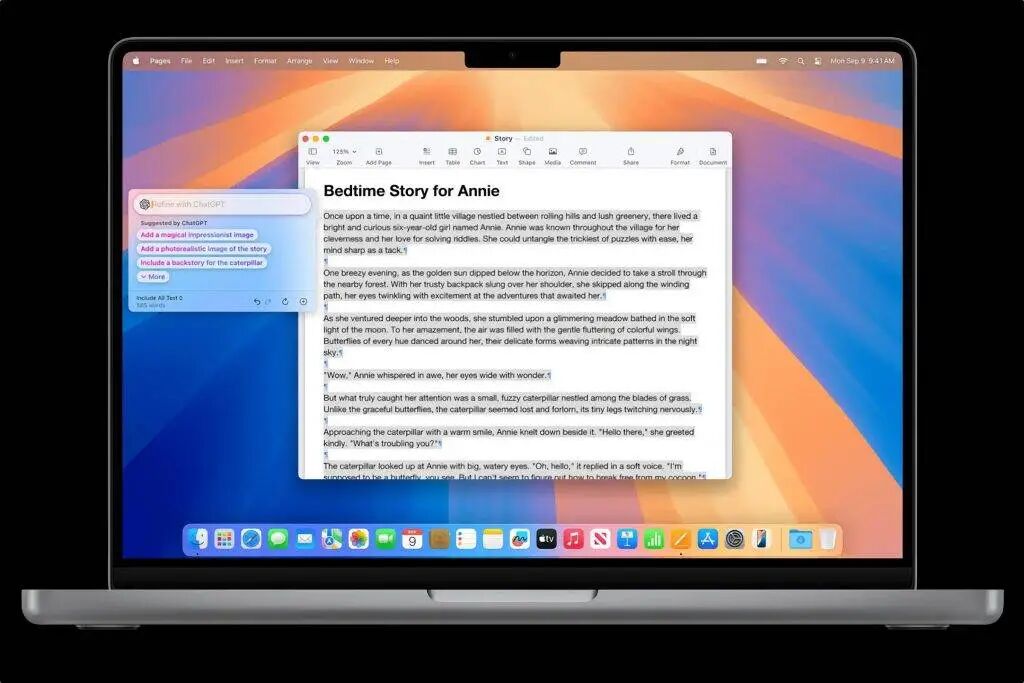
Schematic diagram of iClaw, generated by AI
Actually, Apple has already started such a process. In macOS 26.1, Apple integrated the "Model Context Protocol", a general open standard for different AIs. Agents can access users' personal data through this protocol. Apple's basic model framework allows macOS developers to call the built - in basic models of the system with zero network latency, zero API fees, and the data does not leave the device.
As the pioneer of the computer graphics system, macOS has been a desktop system built around "applications" in the past few decades.
In the next decade, applications and graphical interfaces will still be the mainstream of human - computer interaction. Therefore, it is very important for macOS 27 to improve the interface style.
However, in the next 50 years or even longer, AI will become an inevitable theme. macOS will inevitably be further transformed into an AIOS that operates around "tasks".
This article is from the WeChat official account “ifanr”, author: Su Weihong, published by 36Kr with authorization.