Behind the record-high traffic on high-speed trains during the May Day holiday, Japan and Germany once cut off the supply of high-speed train wheels, but were overtaken by China.
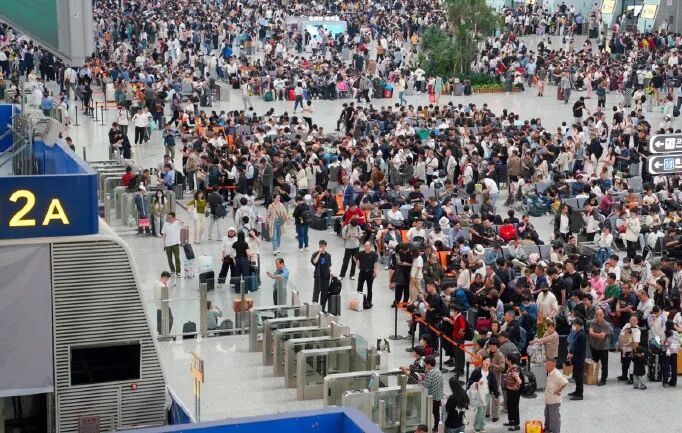
According to the latest data from China State Railway Group, during this year's May Day holiday (from April 29th to May 6th), the national railway passenger flow is expected to reach 158 million, hitting a new historical high.
Nowadays, high - speed railways have become a technological calling card of China and an indispensable means of transportation in our daily lives.
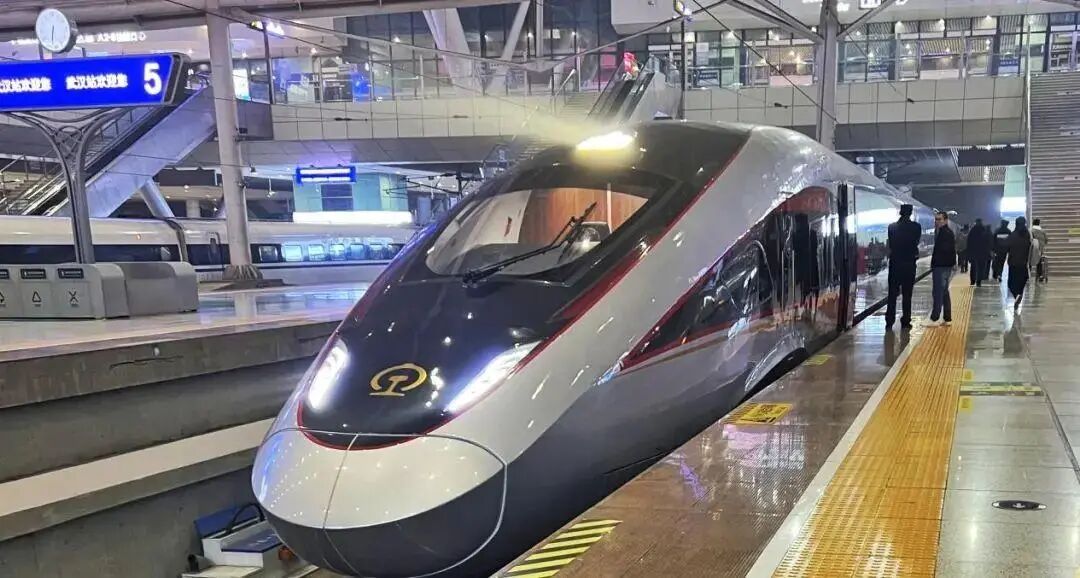
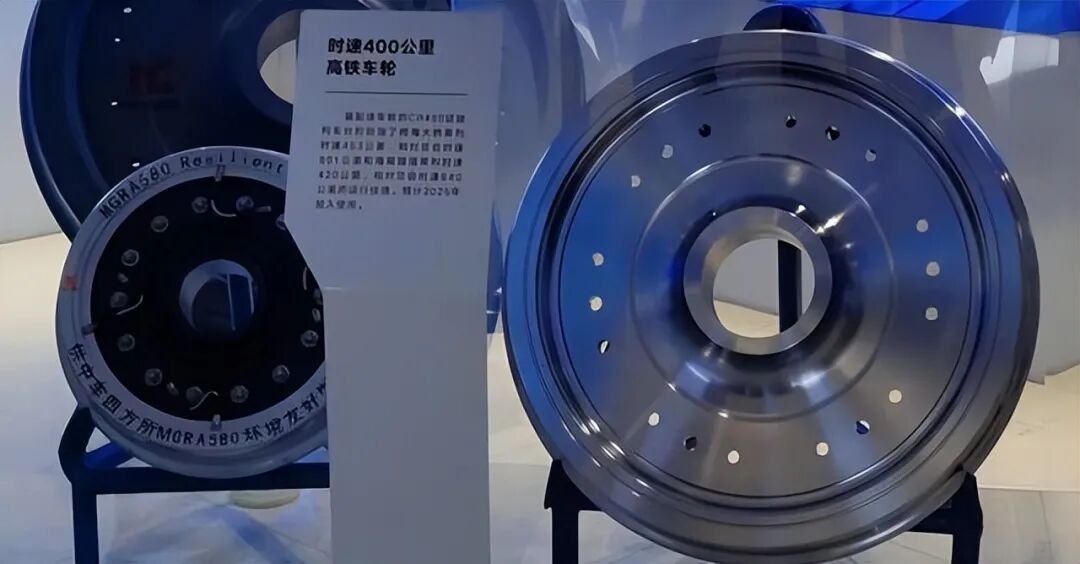
However, it should be noted that the Fuxing Hao, which can now reach a speed of over 400 kilometers per hour, almost became an insurmountable obstacle for us because of a key component - the wheel!
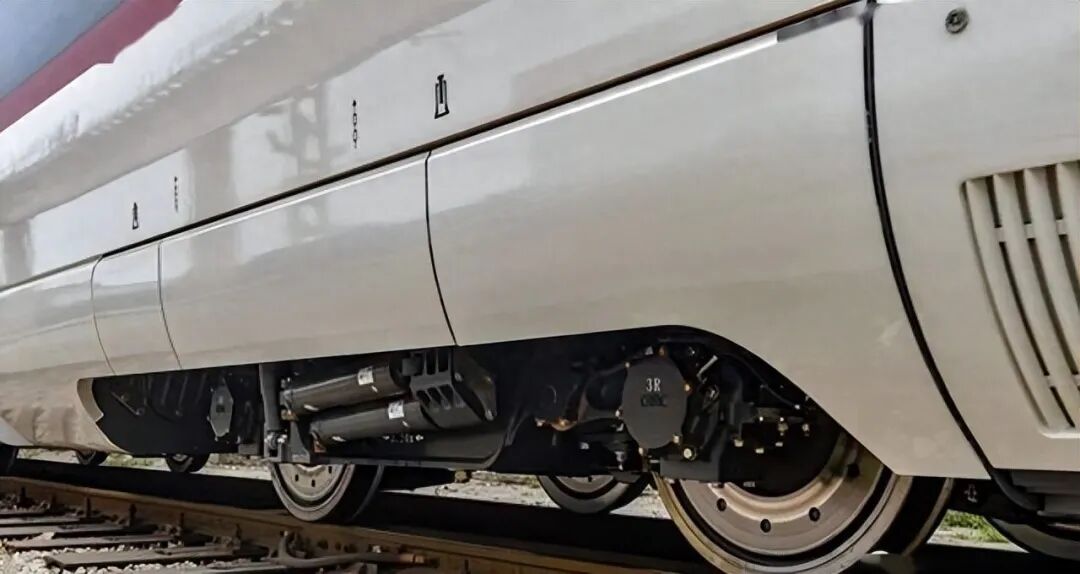
Before 2010, China's high - speed railways were in a crucial stage of "accelerated development". The Beijing - Tianjin Intercity Railway and the Wuhan - Guangzhou High - Speed Railway were put into operation successively, and the prototype of the national high - speed railway network began to take shape.
But few people know that at that time, we faced a fatal shortcoming - we couldn't even produce a qualified blank for high - speed railway wheels.
High - speed railway wheels are not ordinary iron lumps. They need to bear the weight of a carriage of fifty or sixty tons at a speed of 350 kilometers per hour! They need to withstand the impact force of frequent starts and stops and ensure no cracks or wear and deformation during long - term operation. This places very high requirements on the purity of steel, forging accuracy, heat treatment process, toughness, and hardness.
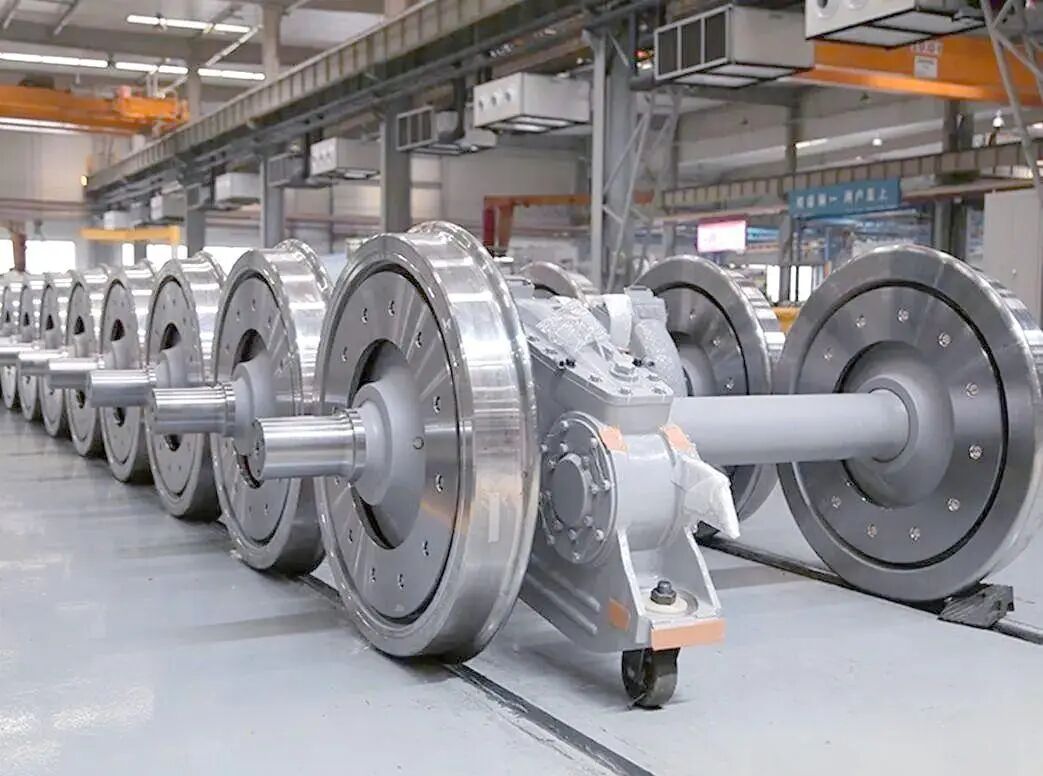
Against the background of an average high - speed railway speed of over 300 km/h, even a tiny error of 0.1 mm could lead to "the destruction of the train and the death of passengers". In 1998, the German ICE - 1 high - speed train derailed due to a tiny notch on the wheel, resulting in 101 deaths and 105 injuries.
In this field, there were only a few companies that could produce high - speed railway wheels at that time: Sumitomo of Japan, BVV of Germany, Vaton of France, and Lucchini of Italy. These four companies almost monopolized the global market.
Companies such as Sumitomo of Japan and BVV of Germany started more than 60 years earlier than China. For a long time, they had a monopoly on high - speed railway wheels.
In the production of high - speed railway wheels, a 0.01% difference in any step, from the purity of molten steel, alloy ratio, forging temperature, to heat treatment process, is not allowed.
At that time, Japan and Germany kept all technical parameters strictly confidential. They regarded steel grades such as ER8 and ER9 as treasures. Even if China bought them back and cut them open for analysis, it couldn't replicate the internal uniform structure. They wouldn't let China see their production lines, wouldn't provide technology, and only sold finished products.
A pair of wheels cost about 600,000 yuan. For an eight - car train, it cost about 20 million yuan to replace a set of wheels. They also forced the wheels to be scrapped after 2.4 million kilometers, with extremely high costs. They easily reaped 2 billion yuan from China every year!
What was even more frustrating was that in 2008, when the Beijing - Shanghai High - Speed Railway project started, China offered to jointly develop 350 km/h wheels at a higher price. Sumitomo Metal of Japan and ThyssenKrupp of Germany, which held the core technology, simply said: The core technology has been accumulated over a century, and they wouldn't sell it to China even for money.
Also in this year, Japan and Germany jointly cut off the supply in a tacit way, tearing up orders worth about 560 million yuan, which put many under - construction railway lines at the risk of suspension.
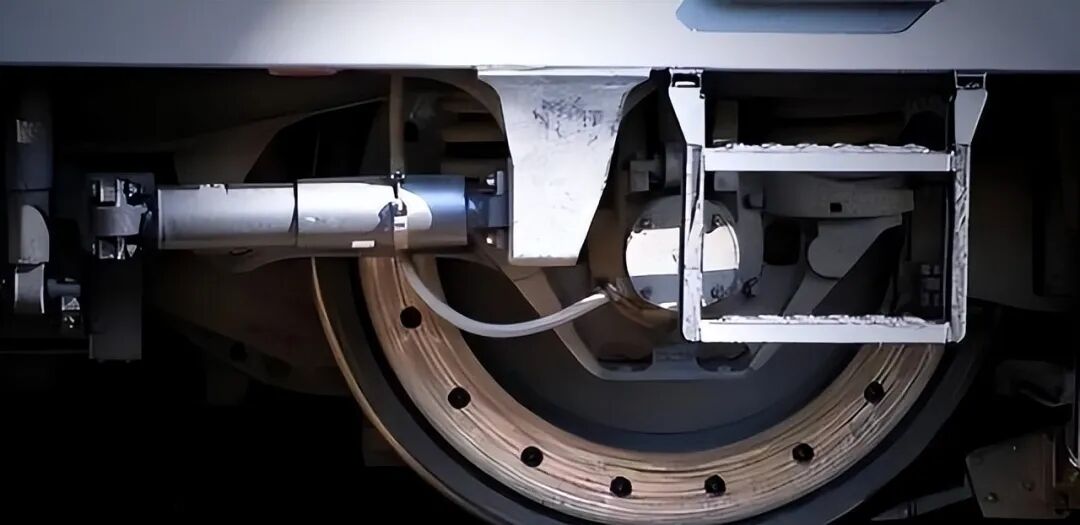
After the supply cut - off, China's high - speed railways were in a dilemma. On one hand, the expanding high - speed railway network urgently needed a large number of wheels; on the other hand, due to the joint blockade by Japan and Germany, China couldn't buy the wheels even with money. Even if it could buy them, the unit price was more than 10 times that of ordinary wheels.
Not bowing to the "strangulation", Chinese enterprises' difficult breakthrough ushers in spring
However, China has never been a country that "bows its head when being strangled". When the news of the supply cut - off came, enterprises such as CRRC and Ansteel Group immediately formed a joint research team and regarded high - speed railway wheels as a key "strangulation" project to break through.
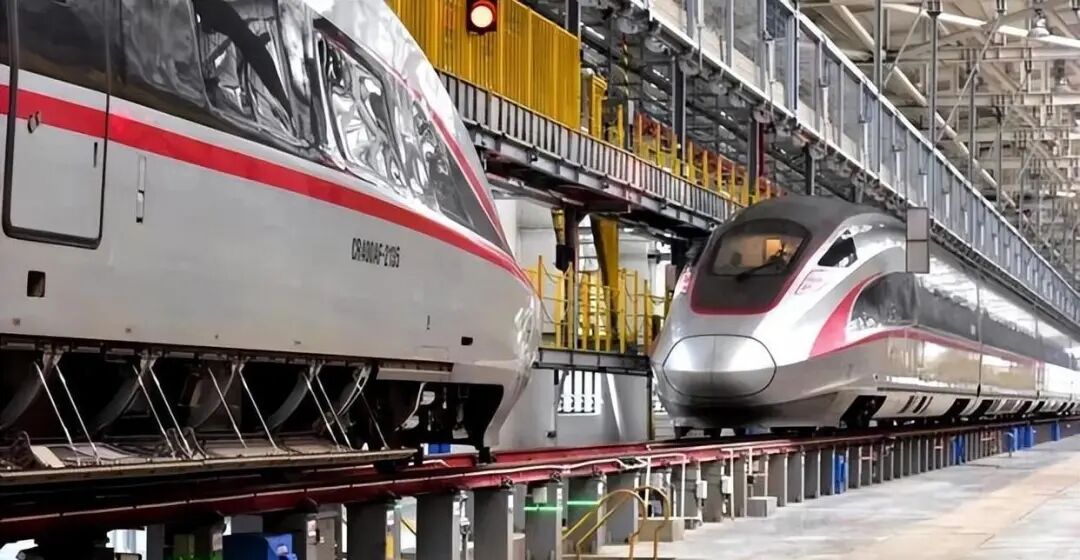
Without technical drawings, the team disassembled imported wheels and analyzed the steel composition bit by bit. Without formulas, they tried again and again. Without processes, they polished them repeatedly. Without data, they conducted actual tests on running trains.
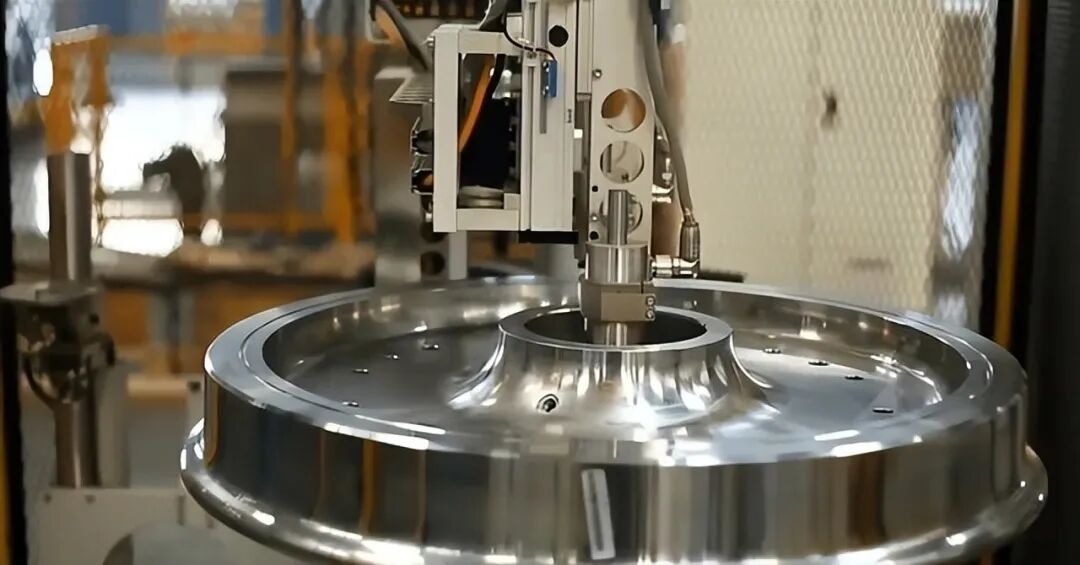
They explored the entire chain from metallurgy, rolling, heat treatment, non - destructive testing, to fatigue testing from scratch.
They repeatedly adjusted the steel composition, conducted thousands of tests in the smelting furnace, continuously optimized the microstructure, with tens of thousands of drawings, thousands of front - line R & D personnel, and hundreds of days and nights of overcoming difficulties...
In 2010, the first - generation D1 wheels were developed, suitable for 250 - kilometer - level trains. After running 640,000 kilometers on the Harmony Express for assessment, the wear was lower than that of imported wheels, and there was zero peeling.
With this step, China finally had medium - speed wheels that could be mass - produced.
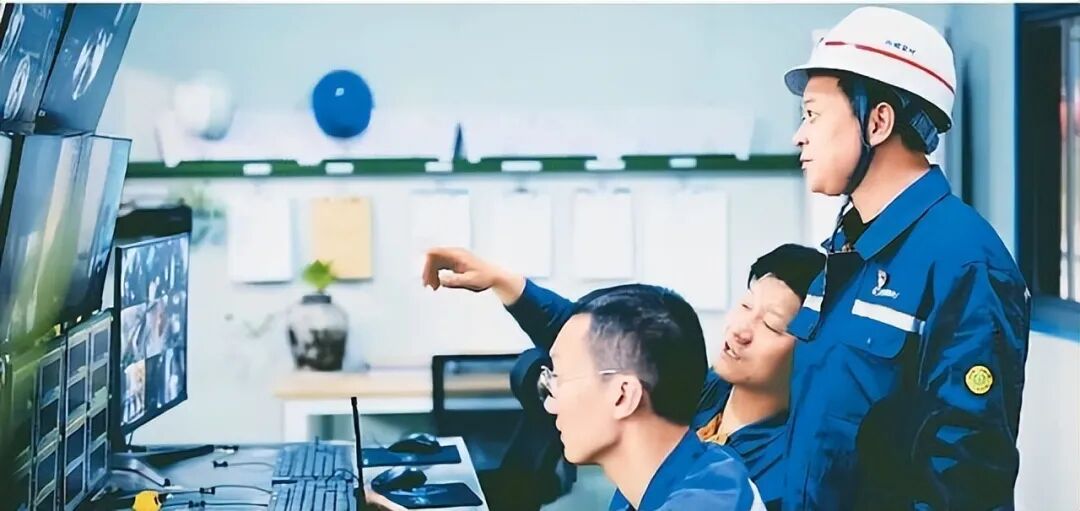
Later, a series of worldwide problems such as easy cracking at high speeds, easy wear over the long - term, uneven stress, and polygonal wear were overcome.
In 2015, Ansteel successfully developed high - strength bearing steel specially for high - speed railway wheels, solving the core problem of "easy cracking of steel".
Subsequently, CRRC overcame the precision forging and heat treatment processes. The wheels produced met or even exceeded the standards of Japanese and German products in terms of wear resistance and impact resistance.
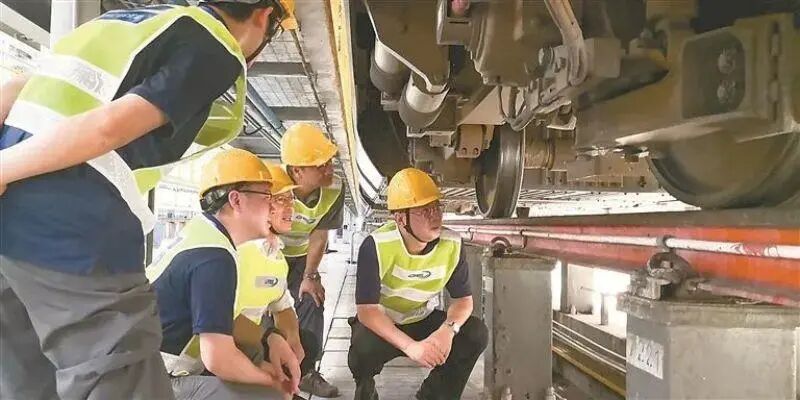
From the qualification of low - speed wheels, to the verification of 250 - kilometer - level trains, and then to the impact on the standards of the 350 - kilometer Fuxing Hao, through rounds of actual line tests and hundreds of thousands or millions of kilometers of safe running tests, the strictness far exceeded the international general standards.
After a long ten - year effort, domestic high - speed railway wheels finally passed the test completely.
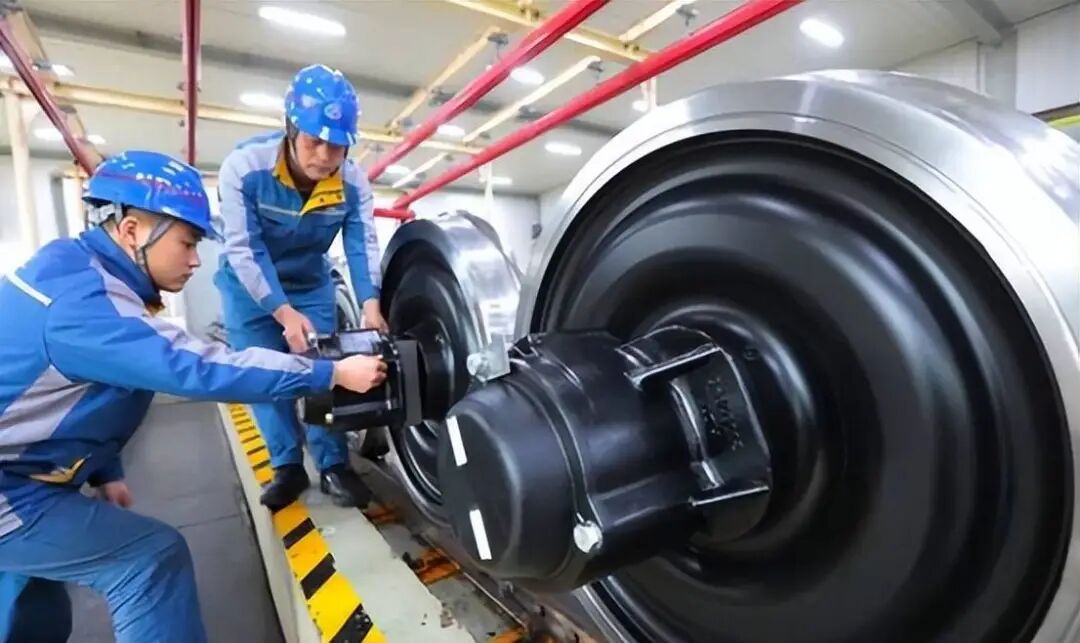
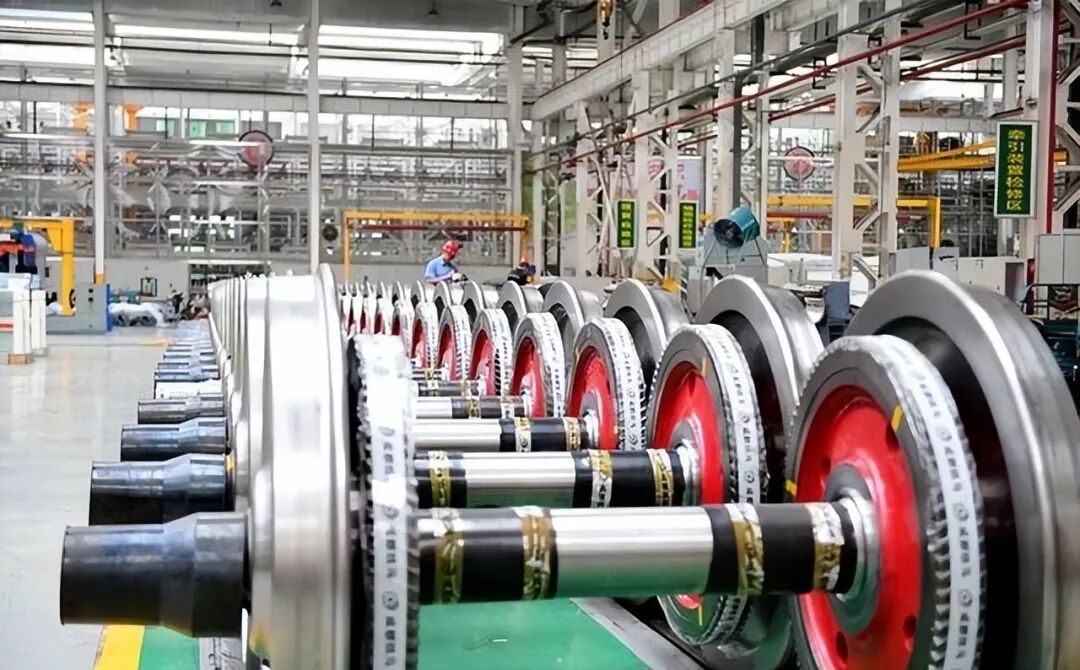
Now, the domestic high - speed railway wheels weigh about 300 kg and have a diameter of about 1 meter. The proportion of materials used in the production of wheels is controlled quite precisely. They can withstand the low - temperature impact toughness test at minus 60°C.
Don't underestimate this set of metal wheels. There are more than 50 key technologies involved behind them, and now these technologies are all domestic.
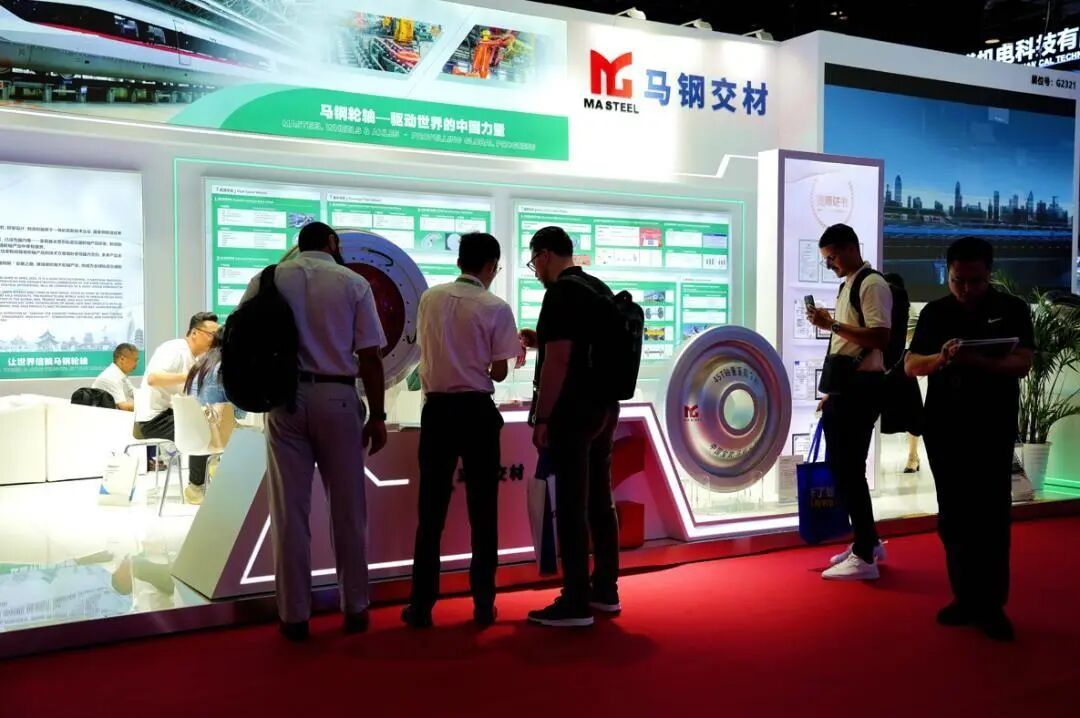
In 2017, the high - speed railway wheels independently produced in China were officially put into use. After long - term operation tests, the failure rate was much lower than that of imported products, and the price was only one - third of that of imported products.
All of a sudden, Japanese and German enterprises that once said "won't sell even for money" actively came to seek cooperation and even offered to supply at a lower price. The BVV factory in Germany was also acquired by a Chinese company in 2017!
This time, China completely took the initiative. This subtle change is the transfer of the right to speak caused by the breakthrough in innovation, and there is an extremely arduous process behind it.
In the past, when we didn't have the technology, others had the final say. They had products and technology, and we had no room for refutation.
For example, there is a module called IGBT in the traction electric drive system that provides continuous power for high - speed trains. Although this device is small, the automatic control and power change of the train all depend on it.
Previously, we didn't have the ability to independently develop it and could only rely on imports.
However, the import price was extremely high. Once, we bought a batch of such device chips at three times the market price. But during the test, the device exploded on its own. Later, we found out that the products sold to us were actually defective.
That is to say, even if we spent a lot of money, we might not be able to buy good products. But at that time, there was no way. The core technology was in the hands of others, and they had absolute pricing power.
Every time we made a deal, they would specifically state that it was only a product transaction and did not involve technology transfer.
But to ensure use, the domestic cost of importing this set of equipment alone exceeded 1.2 billion yuan every year, and the procurement cycle was also very long, ranging from a few months to more than a year at the longest.
Since 2006, we started independent R & D. By 2014, we produced equipment with complete intellectual property rights.
It can be said that the road to localization in the research, development, and production of high - speed railways is a very arduous process. But no matter how difficult it was, in about 10 years, we directly reconstructed the global industrial rules for high - speed railway wheels.
Now, among the 11 system standards in the high - speed railway field of the International Union of Railways, all are formulated under China's leadership. In total, 65 standards are led by China, and 249 standards involve China's participation. In the past, Chinese people listened during meetings. Now, foreigners surround Chinese experts and ask: What new things are coming next?
The orders of Bora in Germany have significantly declined, and there are rumors of lay - offs in the wheel department of Sumitomo in Japan. Chinese wheels are exported to Indonesia, Serbia, and Germany. Customers specifically ask for Chinese products because they can be customized according to local railway lines and are cheap and durable. Japan and Germany have changed from "rule - makers" to "rule - followers".
Later, domestic wheels "100% made in China" were exported back to Germany and installed on Siemens ICE trains, continuing the legend of "Made in China" in the global high - speed railway wheel market.
As the saying goes, "One must be strong oneself to forge iron." High - speed railway wheels are just an epitome. In many fields such as aviation bearings, high - end chips, precision materials, and machine tools, the logic