In the era of intelligent electric vehicles, who "killed" the profits of the automotive industry?
Recently, two statements have caught the attention in the automotive industry.
One is from Zhou Shiying of FAW Group. During an industry exchange, she mentioned that the current situation of Chinese domestic automakers is quite severe. "For every car sold, there is a loss of 20,000 to 30,000 yuan."
The other is from Li Bin of NIO. At another forum on the development of intelligent electric vehicles, he publicly stated that a new iteration of a car model often has to be launched right after the production capacity ramps up. "It's normal to waste hundreds of millions on a single car model."
There was a time when cars were like "money - printing machines on four wheels". Volkswagen, Toyota and other automakers used to earn a stable profit margin of 8% to 10% through their mature platform - based strategies. However, in the era of intelligent electric vehicles, profits seem to have slipped quietly through the fingers of automakers.
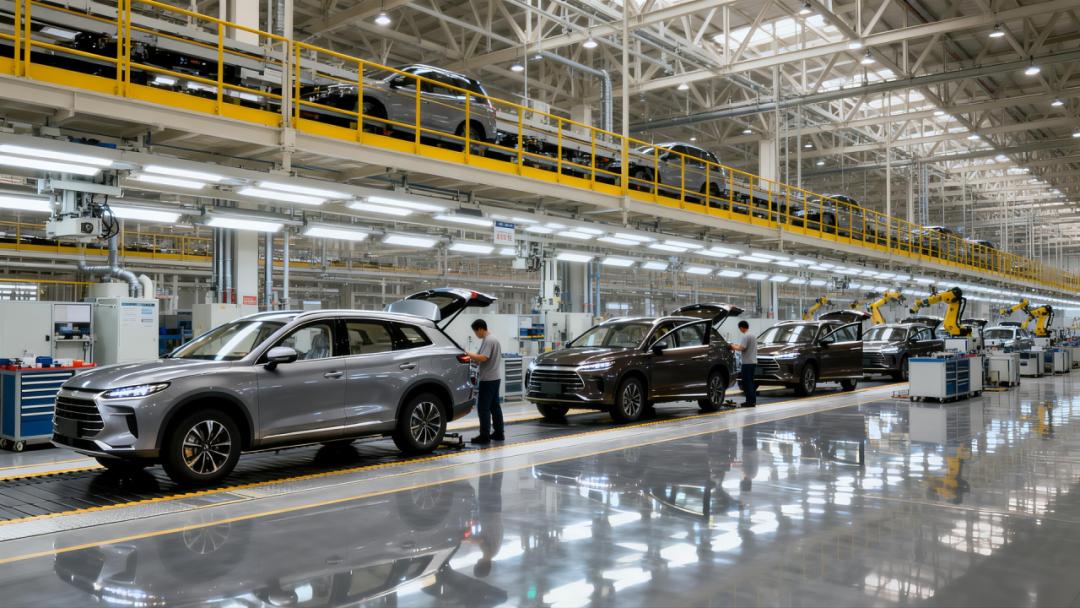
According to the data from the China Passenger Car Association in 2025, last year, the cost of China's automotive industry reached 9.85 trillion yuan, while the profit was only 461 billion yuan, with a profit margin of 4.1%, which is at a historical low.
This phenomenon is particularly obvious among new - force automakers that focus on the R & D of intelligent driving and vehicle electrification.
Only a few Chinese new - energy automakers are profitable, and most are still struggling in the quagmire of losses. NIO's average price per vehicle is over 250,000 yuan, and the loss per vehicle is about 38,000 yuan; XPeng's average price per vehicle is about 159,200 yuan, and the adjusted loss per vehicle is 1,071 yuan. For new - force automakers like NIO and XPeng, the more cars they sell, the more they lose, which has become the norm.
What on earth is going on? Where have the profits of cars gone in the era of intelligent electric vehicles?
The Trap of Losing More as You Sell More
If you look through the financial reports of various automakers in 2025, you will find a strange phenomenon.
The profitability of the entire automotive industry has deteriorated significantly, and the industry's profit margin has dropped to the lowest level in nearly a decade. New - force automakers almost all lose more as they sell more.
NIO sold 326,000 vehicles and lost 14.943 billion yuan; XPeng Motors had a net loss of 1.139 billion yuan in 2025. Although ZEEKR and Deepal did not disclose their annual financial data, they were both in a loss state in the first half of 2025.
Even for profitable enterprises, the profits are extremely meager. BYD's net profit was 32.62 billion yuan, a year - on - year decline of 19%. Great Wall Motor's annual net profit attributable to shareholders in 2025 was 9.865 billion yuan, a year - on - year decrease of 22.07%.
Through this wave of losses and falling profits that has swept the entire industry, we can see some characteristics.
On the one hand, automakers with larger technology investments often have more obvious short - term book losses. Take NIO as an example. Its annual R & D investment exceeds 10 billion yuan, and the cost per vehicle is extremely high. The current sales volume is not large enough to share such huge fixed R & D costs and equipment depreciation. When the revenue scale fails to explode synchronously, the huge R & D amortization creates a gap between "delayed revenue and upfront costs", directly eroding the current profits.
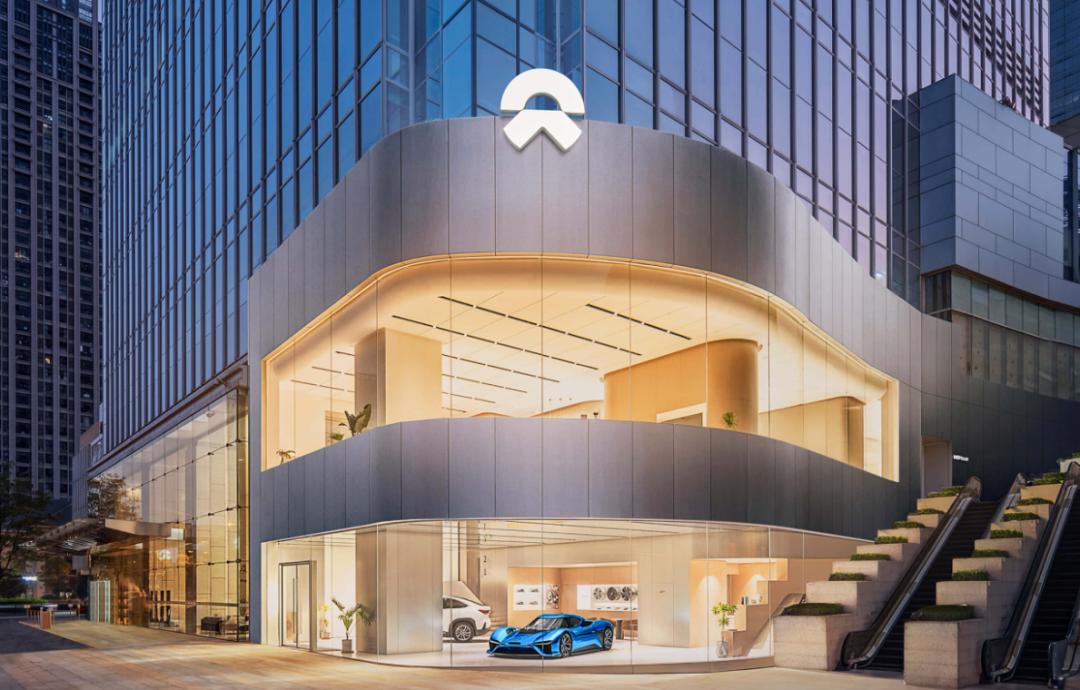
On the other hand, selling more may also lead to faster losses. In the intelligent electric vehicle industry, to support a larger sales volume, more channels need to be established, more stores need to be opened, and more inventory needs to be prepared. When the monthly sales volume of a car model climbs from 5,000 to 20,000, automakers have to invest huge amounts of money to expand production capacity and transform the supply chain. Each additional investment erodes the already meager gross profit, causing dealers and automakers to fall into the strange circle of "losing more as they sell more". The economies of scale brought about by sales expansion are often swallowed up in advance by the synchronously expanding fixed costs and marketing expenses.
Meanwhile, a price war has already begun. In 2025, the average selling price of mainstream electric vehicle models decreased by more than 15% year - on - year, while the costs of core components such as battery raw materials and chips did not decline synchronously. In order to seize market share, automakers have to keep adjusting prices, reducing the price of new models as soon as they are launched and frequently adjusting the prices of old models. In the increasingly fierce price war, the profit per vehicle has been gradually compressed to the limit.
In short, the widespread losses in the intelligent electric vehicle industry are actually an inevitable structural problem. The root of this problem needs to be considered from multiple aspects.
Where Have the Profits Gone?
To understand "where the profits of automakers have gone", we first need to understand one thing: the logic of car - making has changed.
Intelligent electric vehicles are essentially different from traditional fuel - powered vehicles.
Traditional fuel - powered vehicles are mechanical products. The iteration cycle of core technologies such as engines and gearboxes is very long, and it takes five to seven years to make a major breakthrough. This gives automakers enough time to amortize R & D costs and recover their investments. A car model can be sold for five or six years, and the mold costs and production line investments can be gradually digested.
Intelligent electric vehicles are more like electronic products. The computing power of chips doubles every 18 months, the energy density of batteries increases by 5% to 8% every year, and there are new developments in software algorithms every month. A flagship model made this year may become an outdated product next year. The rapid technological iteration has completely changed the cost structure of the automotive industry, and automakers have fallen into the situation of losing more as they sell more.
First of all, disorderly competition has pushed automakers into a technological arms race of "reinventing the wheel".
The "involution - style" competition in the industry means that if you don't do R & D, you will fall behind and be eliminated. So every automaker is frantically investing in self - developed operating systems, building its own computing power centers, forming software teams of thousands of people, and setting up exclusive super - computing clusters. New - force automakers such as NIO, XPeng, Li Auto, and Xiaomi have almost all embarked on the path of "full - stack self - development". In the field of intelligent driving alone, leading automakers invest billions of yuan every year.
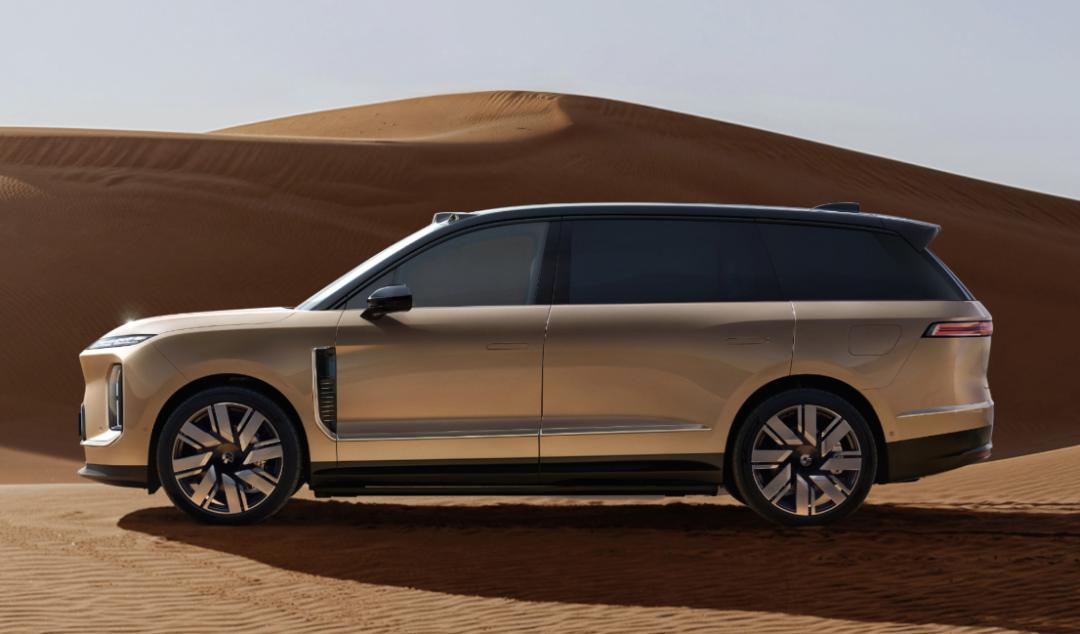
However, the differentiation resulting from these huge investments is not obvious. In actual experience, consumers can hardly tell the essential difference between the urban navigation assistance of automaker A and that of automaker B. The underlying interaction logic and application ecosystems of most self - developed operating systems are highly similar. As a result, each automaker bears high R & D costs independently, but fails to form real technological barriers or user - experience premiums.
Secondly, the rapid change in market popularity has led to a mismatch between supply and demand.
The life cycle of traditional cars is a gentle curve, and stages such as launch, ramp - up, stability, and decline can be planned calmly. However, the market popularity of intelligent electric vehicles is like a steep mountain: it reaches its peak at the time of release and then declines rapidly. The golden sales window for a car model is usually only six to nine months, but it usually takes twelve to eighteen months to build production capacity. When automakers see the booming initial orders and decide to expand production, the peak of popularity may have almost passed. By the time the new production line is finally up and running and the production capacity ramps up, the market has probably already turned to the new models of competitors.
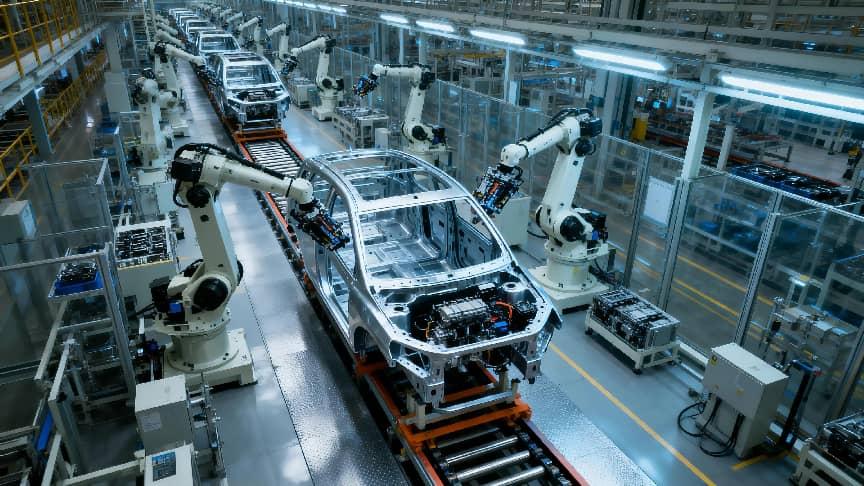
The result of the supply - demand mismatch is that the production lines expanded with huge investments are idle, a large number of parts are piling up in the warehouse, and automakers have to significantly reduce prices to clear the inventory. The loss of a failed car model can reach 500 million to 1 billion yuan. Even for a successful model, the waste caused by the supply - demand rhythm mismatch is also 100 million to 200 million yuan.
Finally, the gap in software monetization has further exacerbated the loss dilemma.
"Software - defined vehicles" has been a slogan in the industry for many years. The R & D cost of high - level autonomous driving systems can easily reach billions. According to the plan, automakers can obtain continuous, high - gross - profit revenue through software subscriptions. The practice of overseas car brands such as Tesla has proved that the gross profit margin of this software revenue can reach 70% to 80%, which can theoretically make up for the losses in hardware.
However, after the slogan of equal rights for intelligent driving was put forward, basic L2 autonomous driving has become a standard configuration. The experience difference of high - level functions is difficult to attract Chinese consumers who are used to the "buy - out" model and are naturally averse to the "subscription system". In addition, autonomous driving technology is still evolving rapidly, and people are worried that "the functions they pay for now will be obsolete next year".
These three traps are intertwined and reinforce each other. The technological arms race has led to a sharp increase in R & D investment. To amortize costs, automakers have to pursue scale; to pursue scale, they have to expand production aggressively, resulting in a supply - demand mismatch. Inventory backlog triggers a price war; software monetization fails to make up for losses; to break the deadlock, they have to increase R & D investment to seek technological breakthroughs.
A self - reinforcing loss loop has thus been formed.
How to Break the Loss Cycle?
Since it is so difficult for automakers to make money in the era of intelligent electric vehicles, can the loss loop be broken?
In fact, some leading enterprises have been exploring ways to break the deadlock. These efforts can be divided into two levels: internal adjustments that automakers can make on their own, and external collaboration that the entire industry needs to promote together.
At the automaker level, enterprises need to make a strategic transformation from extensive expansion to lean management.
In terms of R & D direction, the technology team needs to shift from full - stack self - development to precise self - development.
In the past few years, "full - stack self - development" has almost been the slogan of every new - force automaker, as if you were not qualified to talk about high - end without self - development. However, the reality is that the boundaries of self - development are being re - examined. Things that really determine the differentiation of user experience, such as the overall vehicle control logic, driving control tuning, and brand design, need to be self - developed. While those with high standardization and small differentiation, such as the underlying operating system and general computing power platform, can be purchased or developed through cooperation.
Take Li Auto as an example. In 2024, it adjusted its R & D strategy, shifting from insisting on self - developing all modules to in - depth cooperation with intelligent driving suppliers, and at the same time focusing its self - development resources on differentiated directions such as spatial intelligence and cockpit experience. This precise investment, which knows what to do and what not to do, helped it achieve continuous quarterly profits in 2025. It has become the only new - force automaker in China with annual revenues exceeding 100 billion yuan for three consecutive years and achieving profits for three consecutive years.
In terms of product R & D, product design needs to shift from a multi - model strategy to a focus on blockbuster models.
Many automakers think that the more models they have, the higher the total sales volume will be. However, in fact, each additional model means an additional set of molds, an additional supply chain, and an additional marketing team. If this model fails to become a blockbuster, all these investments will become sunk costs. Even worse, multiple models will disperse the R & D, production, and marketing resources of the enterprise. It is better to concentrate resources on creating blockbuster models.
Specifically for each car model, automakers can use OTA to extend the life cycle of the model. A natural advantage of intelligent electric vehicles is that new functions can be continuously injected into old models through OTA. However, many automakers have not fully utilized this advantage. Instead, they have continued the "annual - model thinking" of traditional fuel - powered vehicles, pushing out a minor facelift every year and a mid - cycle facelift every two years, almost expecting consumers to change cars every three years.
This thinking is no longer effective in the era of intelligent electric vehicles. Frequently launching new models not only consumes huge R & D resources but also makes old car owners feel "stabbed in the back", damaging brand loyalty. A better approach is to continuously optimize the functions of the intelligent cockpit, assisted driving, and energy consumption management of existing models through OTA, extending the life cycle of a car model from the traditional three to five years to six to eight years. The Tesla Model 3 has been on the market since 2017, and it has been almost 9 years. There have been almost no major changes to its hardware, but through dozens of OTA upgrades, its functional experience is not much different from that of a new car. It is still one of the best - selling electric vehicles in the world.
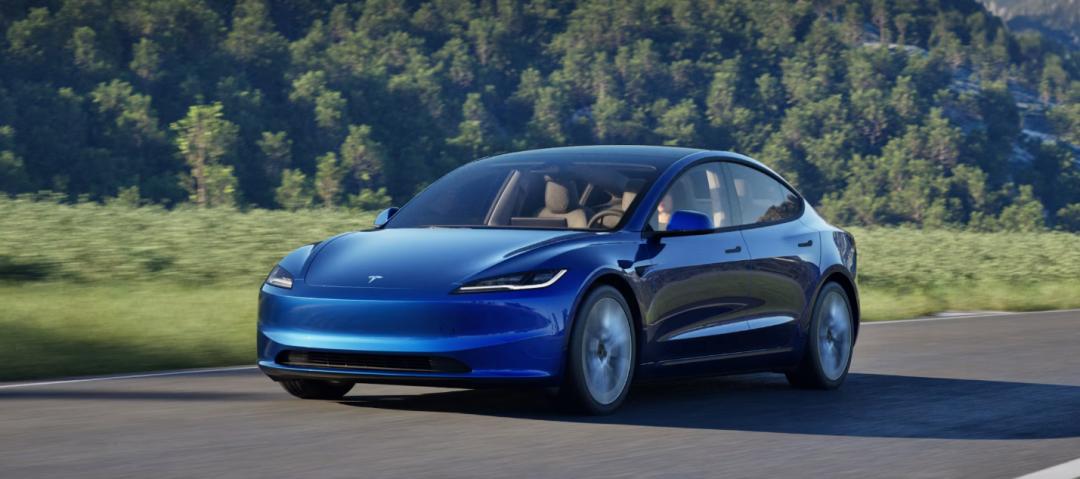
Looking at the industry level, automakers need to move from fighting alone to collaborative symbiosis. Some problems cannot be solved by a single automaker, and the entire industry needs to find solutions together.
"Battery cell standardization" is a typical industry - level problem. Currently, there are more than a hundred different specifications of power battery cells in the Chinese market, each requiring an independent production line, independent molds, and independent management. This fragmentation has caused huge waste. If the industry can unify two or three standard battery cell specifications, battery manufacturers can produce on a large scale to reduce costs, automakers can use them interchangeably to reduce inventory, and the battery - swapping network can be shared across brands. It is estimated that this alone can save 30 billion to 50 billion yuan for the entire industry every year.
The same logic also applies to the field of intelligent driving. Facing the problem of reinventing the wheel, automakers can jointly develop a set of underlying intelligent driving systems or directly cooperate with mature technology providers. Currently, intelligent driving solutions such as Huawei ADS 4.0 and Horizon SuperDrive have been successfully implemented in mass - produced vehicles. Automakers adopting these solutions can quickly make up for their intelligent driving capabilities, and the R &