Schengen visa applications up 20% year-on-year, VFS Global observes recovery in Chinese market | The Frontline
As the global outbound tourism continues to recover, the visa application process, which has long been regarded as a "pre - process," is being re - placed at the core of the travel industry chain.
Recently, VFS Global, the world's largest visa and passport outsourcing service provider for governments and diplomatic missions, has sent out several key signals in the Chinese market: On the one hand, the peak travel season in 2026 has significantly advanced, and the application demand has rebounded rapidly. On the other hand, Chinese applicants' expectations for visa services are shifting from a single efficiency - oriented demand to a composite demand of "efficiency + experience." This change not only amplifies the pressure on the visa system during the peak season but also reshapes the underlying logic of industry competition.
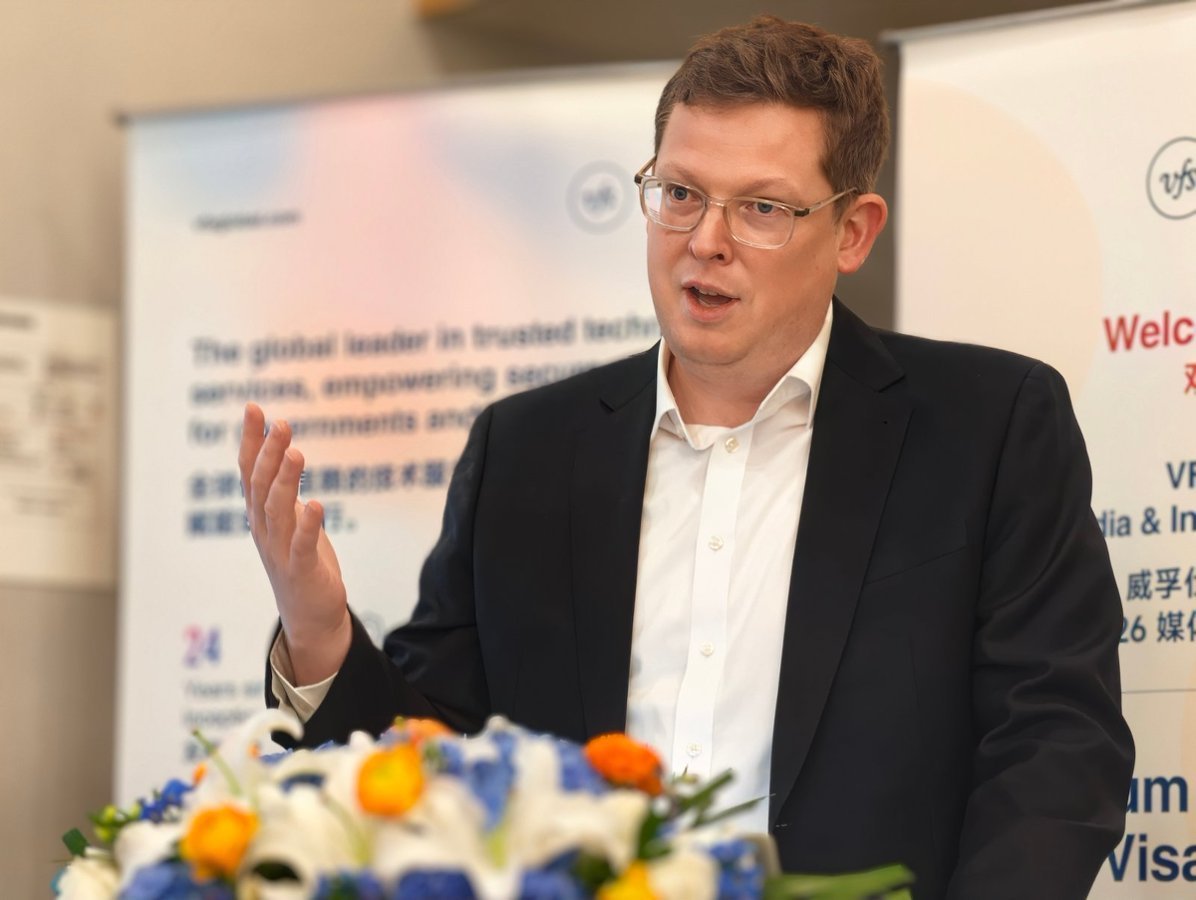
Simon Peachey, Chief Operating Officer of VFS Global in China and the Asia - Pacific region
In terms of rhythm, the seasonal characteristics of the visa market are recovering and even strengthening.
According to the data disclosed by VFS Global, the main cycle of visa applications is from March to September each year, with the peak from April to September. In the first quarter of 2026, the number of visa applications processed by VFS Global in China has achieved a steady year - on - year growth. The number of Schengen visa applications has increased by about 20% year - on - year, and the growth rates of destinations such as Italy and Germany are particularly obvious. Combined with the previous forecast of the UNWTO, the global international tourist volume is expected to recover to more than 95% of the pre - pandemic level in 2026, and the outbound Chinese population is regarded as one of the most important sources of incremental growth. Against the background of the simultaneous recovery of the demand for studying abroad, visiting relatives, and business travel, the pressure on the visa processing system during the peak season is rapidly accumulating.
In this environment, "applying in advance" has changed from a suggestion to a rigid strategy. Most destination countries allow applicants to submit applications 90 to 180 days before travel. Schengen countries allow applicants to submit materials up to 6 months in advance. This provides operational space for service agencies to conduct diversion and scheduling at the front - end and has become an important indicator to measure their operational capabilities. For applicants, whether to plan the visa application in advance directly affects the certainty of the itinerary and cost control. For service providers, how to maintain stable processing efficiency and user experience during the peak season has become a dividing line in competition.
A deeper change comes from the transformation of the demand - side structure. In the past, the core values of visa services were "processing capacity" and "network coverage." Now, with the evolution of the structure of the outbound Chinese population, the proportion of high - frequency business people, trans - national families, and young high - net - worth travelers has increased, and the visa experience itself has begun to be incorporated as part of the overall travel experience. The requirements put forward by this group of people for visa services are no longer limited to "whether the visa can be obtained" but extend to the privacy, time certainty, and comfort of the service environment during the application process.
Under this trend, VFS Global has significantly adjusted its business focus. It has launched multi - level services in the Chinese market, including platinum VIP lounges, exclusive channels, and one - on - one processing spaces. In essence, it transforms the originally non - priced "time cost" and "waiting experience" into tradable value - added products. The "door - to - door visa" service further breaks the restrictions of physical outlets, extending material submission and biometric information collection to user - selected scenarios, directly addressing the core demands of high - net - worth individuals for privacy and efficiency. At the same time, the VIP lounge for family travelers reduces the waiting cost for children and families by optimizing the environment and process. This hierarchical service system is highly similar to the logic of airlines increasing single - customer revenue through cabin class, marking that visa services are shifting from a single B - end outsourcing business to a dual - driven model of "government service + consumption upgrade."
From a competitive perspective, VFS Global's advantages are built on three barriers.
Firstly, it has scale and network advantages. It provides services for 71 national governments and operates more than 4000 visa application centers in 167 countries. Since 2001, it has processed more than 537 million applications in total. This scale not only means processing capacity but also implies a long - term and stable cooperative relationship with embassies and consulates of various countries, which is one of the most difficult - to - replicate resources in the industry.
Secondly, it has compliance and data security capabilities. The visa business is essentially a highly regulated industry. Different countries have strict requirements for data localization, privacy protection, and biometric information collection. Service providers need to maintain consistent security standards in a multi - jurisdiction environment, and this ability directly determines whether they can continuously obtain government customers.
Thirdly, it has technology and process capabilities. With the introduction of artificial intelligence and automated systems, front - end processes such as appointment, material pre - review, and queuing management are being reconstructed. Technology not only improves efficiency but also provides a basis for personalized services and differential pricing.
Meanwhile, on the other side of the industry, there are rising risks and trust issues. The peak travel season is often accompanied by a high incidence of visa fraud. There are a large number of gray services in the market that promote "express channels," "inside connections," and "guaranteed visa approval." In response, VFS Global continuously emphasizes its scope of responsibility - it only undertakes the front - end administrative processes, and the visa approval power completely belongs to the embassies and consulates of various countries. This clear separation of "uncontrollable results" is not only a compliance requirement but also an important means for it to build user trust. From an industry perspective, as information asymmetry is gradually broken, official channels and transparent processes will become new competitive factors. Those who can build higher trust will be more capable of achieving premium in the value - added service market.
Overall, the visa service industry is showing obvious characteristics of "consumption upgrade" and "service stratification": basic services tend to be standardized and large - scale, while profit margins and differential competition are increasingly concentrated on high - end and personalized demands. In this process, the role of VFS Global is also changing, gradually evolving from a traditional visa outsourcing executor to a comprehensive service operator covering processes, technology, and experience. As the demand for Chinese outbound tourism is further released, this transformation ability will be directly translated into market share and profitability.
In other words, a visa is no longer just a pre - departure procedure but is becoming a travel node that can be re - priced and re - designed. Driven by both the recovery of demand and structural upgrading, this originally highly standardized industry is entering a new competitive cycle centered on experience.