Aveda Bets on "Micro-Fermentation Hair Care," and Estée Lauder Group Doubles Down on the High-End Hair Care Track | The Front Line
In the context of the hair care market gradually shifting from "cosmetic effects" to "long-term repair", recently, Aveda, a hair care brand under The Estée Lauder Companies, unveiled a new round of products and technological directions centered around "micro-fermentation technology" at its Shanghai R & D center. This move aims to strengthen its differentiated positioning in the high - end salon hair care segment.
The recent showcase revolved around a hair care essential oil named "Miraculous Oil High - Shine Hair Concentrate". Different from traditional products that mainly rely on silicone oil or surface coating, this product emphasizes changing the molecular structure of oils through fermentation technology to enhance penetration efficiency and repair depth. Technologically, its core lies in converting plant - sourced lipids into smaller - molecule Omega 3/6/9 lipids through microbial fermentation, making them closer to the hair's own lipid structure. This kind of "homologous treatment" is considered one of the important R & D directions for efficacy - oriented hair care products in recent years.
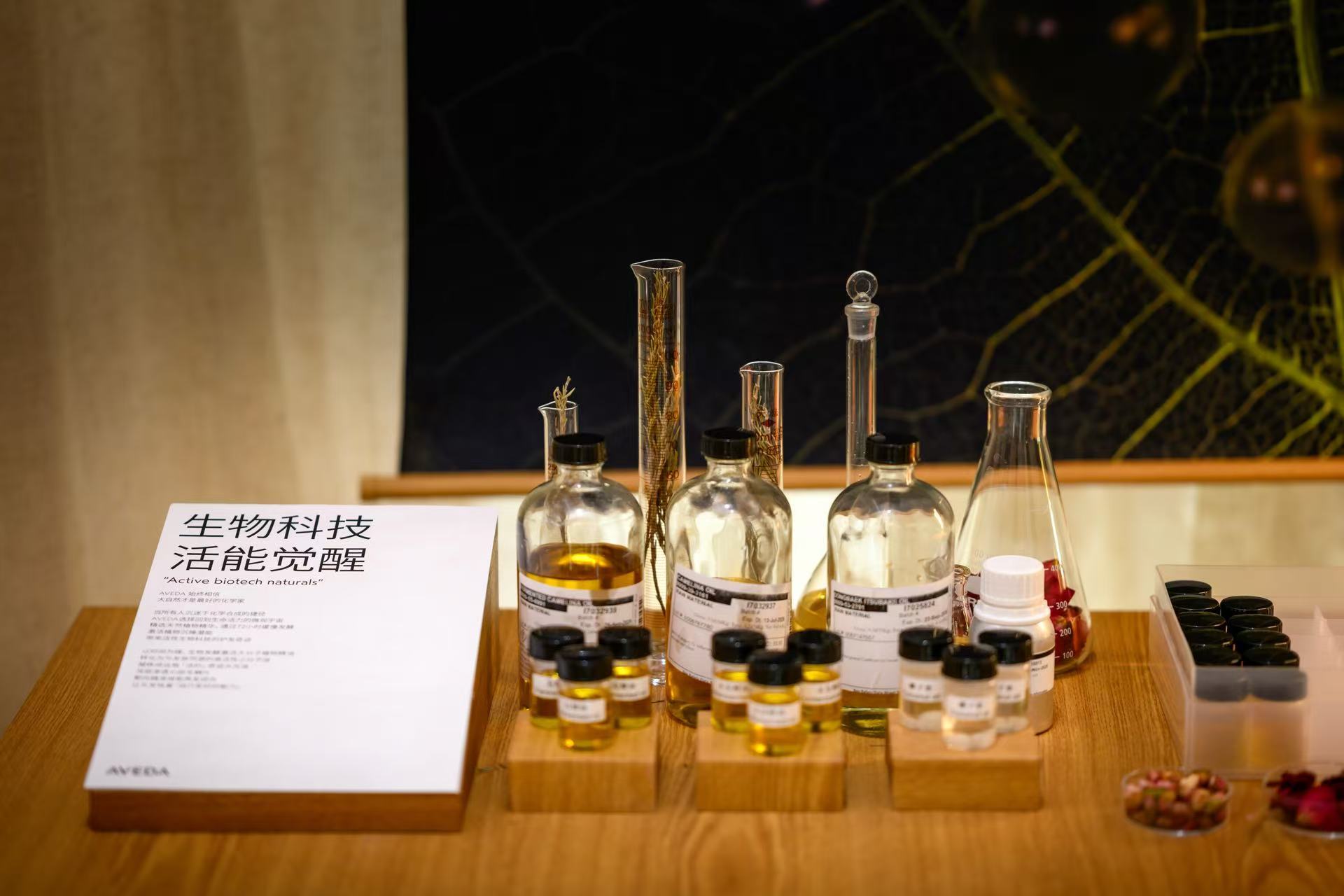
Image source: Brand
The press conference was held on April 17th. The on - site experiment session attempted to explain this difference in a more intuitive way. For example, it demonstrated the impact of molecular size on penetration efficiency through material adsorption comparison. This way of presentation is not common in cosmetic launches and is closer to the "experimental visualization" communication approach commonly seen in the skin care field in recent years, aiming to lower the threshold for understanding technology.
In terms of product claims, this hair care essential oil emphasizes three indicators: penetration speed, repair depth, and lightness after use. The data provided by the brand includes improvements in gloss and users' subjective feelings, but overall, it still falls into the typical scope of internal testing or consumer research.
Aveda was founded by Horst M. Rechelbacher and has long drawn inspiration from Ayurveda, the traditional Indian medical system, with "holistic physical and mental care" as its core concept. This system is gradually overlapping with trends such as "emotional value" and "sensory experience" in the current beauty industry.
In terms of implementation, Aveda combines technology with experience. For example, it strengthens the product's memory points through its scent system. The hair care essential oil launched this time continues its signature "shampure" fragrance, which is composed of various plant essential oils and is part of the brand's long - term assets. From a market perspective, the importance of fragrance in hair care products is increasing. It not only adds additional value beyond functionality but also improves the brand's repurchase rate to a certain extent.
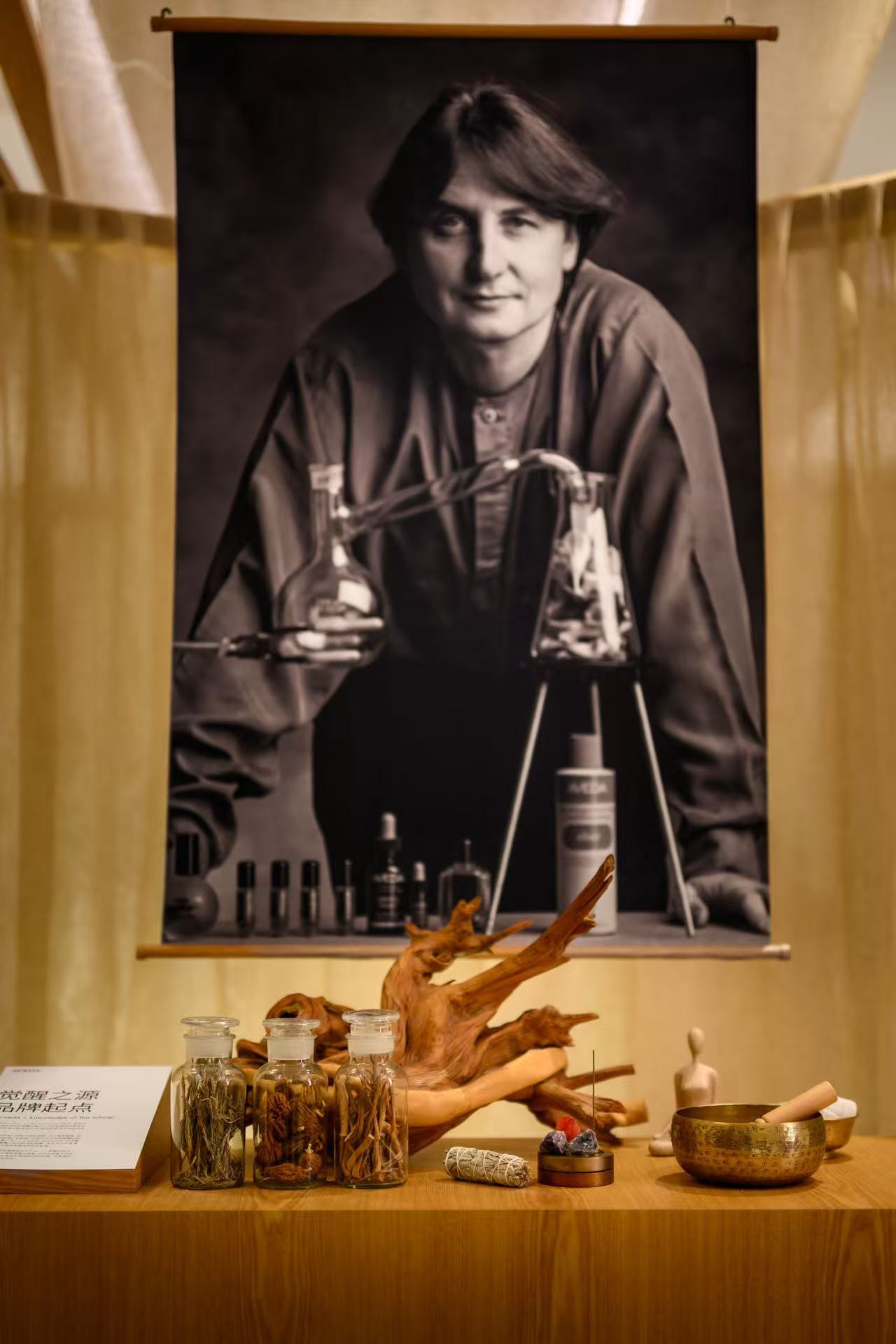
Brand founder Horst M. Rechelbacher
The experiential activities also reflect the brand's strategic changes. In addition to product trials, on - site activities include physical constitution testing and scent customization, aiming to create a more complete consumption scenario. This kind of "immersive experience" has gradually become the norm among high - end beauty brands. In essence, it extends the single - product sales to service and lifestyle output to improve user stickiness.
From the group's perspective, the professional hair care and salon channels where Aveda is located are one of the segments that The Estée Lauder Companies has been continuously investing in in recent years. Although the group's overall core revenue still comes from skin care and cosmetics, in the context of slowing growth, hair care is regarded as a niche area with structural opportunities. Especially in the Chinese market, consumers' attention to scalp health and hair quality repair has significantly increased, driving up the price range of high - end hair care products.
Public financial information shows that The Estée Lauder Companies is still in an adjustment period in the past fiscal year. Affected by fluctuations in the Asian market and channel inventory, the overall revenue and profit are under pressure. In this context, products with technological thresholds and the ability to form a differentiated narrative are regarded as important means to promote the brand's recovery and growth. Aveda's emphasis on the combination of "biotechnology + plant ingredients" is also consistent with the group's strategy of strengthening efficacy in the skin care field in recent years.
From an industry trend perspective, hair care products are undergoing an upgrade similar to what skin care products experienced in the past decade: from basic cleaning and smoothing to systematic care at the levels of ingredients, structure, and even the scalp ecosystem. Concepts such as fermentation technology, small - molecule penetration, and scalp micro - ecology are gradually becoming new focal points of brand competition.
In this process, Aveda's path is relatively clear: based on its existing naturalism and sustainability concepts, it introduces more scientifically explainable technological language and strengthens brand recognition through offline experiences. This combination not only continues its historical assets but also attempts to meet the current market's requirement for "verifiable efficacy".
As of now, Aveda has entered multiple global markets and is expanding through direct - operated stores and salon channels simultaneously. In China, the high - end hair care market is still in a relatively early stage, and the competition among brands is not yet fully solidified. For Aveda, how to build a more convincing perception of efficacy while emphasizing concepts and experiences will determine its growth space in the next stage.