Has Apple's semi-finished product solution unexpectedly become the ultimate answer?
People around Tony's age should have the same feeling. So - called VR, MR, AR, or the more general XR, it seems that every year someone says they're about to take off.
However, the annual sales data is dismal, and in real life, it seems that few people are actually using products in these fields.
However, this time, the "wolf" might really be coming.
One day at the end of 2025, we were taken to a small room in Beijing. The person who arranged this meeting was an informant known to our colleague Milo. He said he would show us an engineering prototype of a pair of glasses.
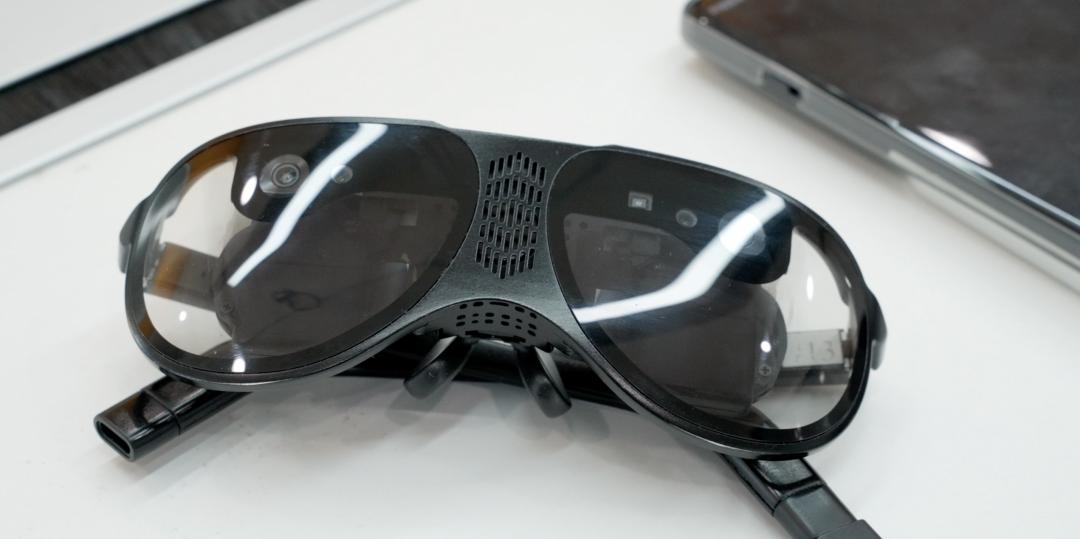
This prototype is not a Birdbath - style glasses like XReal, which can only be connected to external devices for watching movies and playing games.
It is also not the monochromatic green - light waveguide screen mainly promoted by Rokid, Thunderbird, and Quark. Instead, it is a full - featured MR glasses.
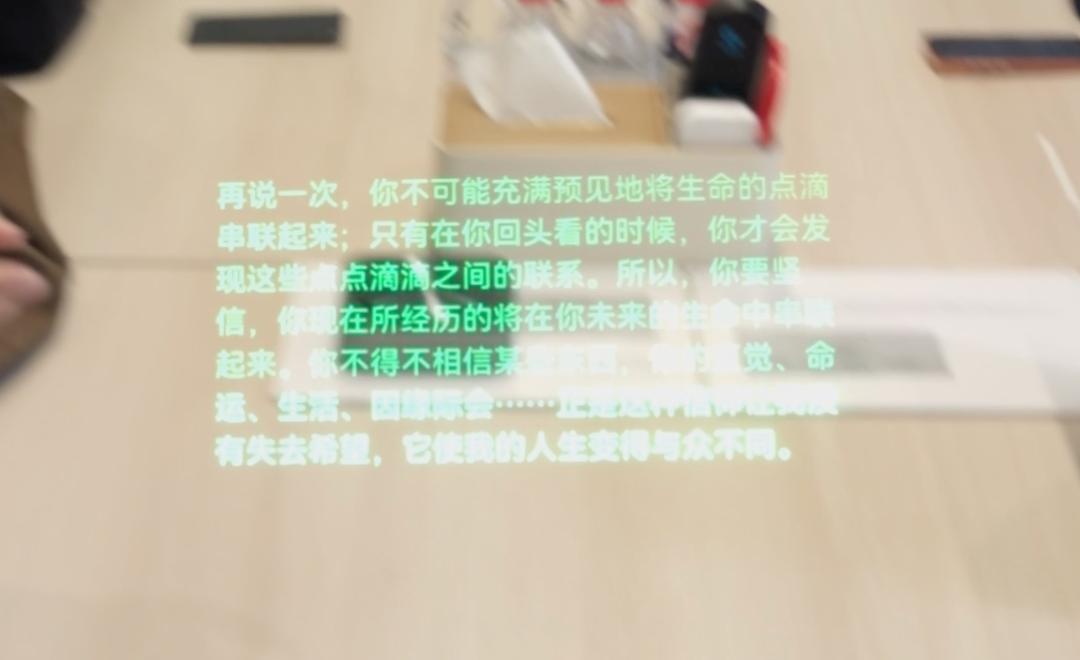
Yes, its real "competitors" are actually true MR products like Vision Pro, PICO 4 Ultra, and Meta Quest ——
There are cameras on the outside to capture the real world, and inside is a full - color MicroOLED display with a monocular 2K resolution. Through algorithms, it achieves the fusion of virtual and real —— which is exactly the same logic as Apple's Vision Pro.
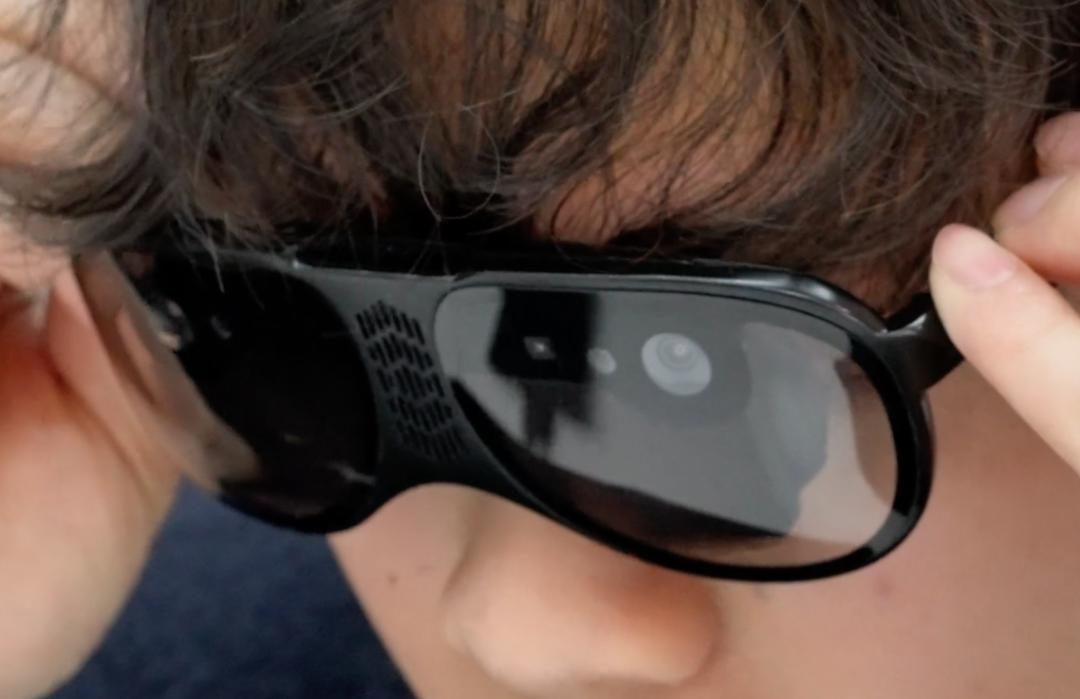
After putting on this engineering prototype, we found that the picture inside is no worse than that of traditional MR. At the same time, it also supports gesture interactions such as pinching, poking, and dragging.
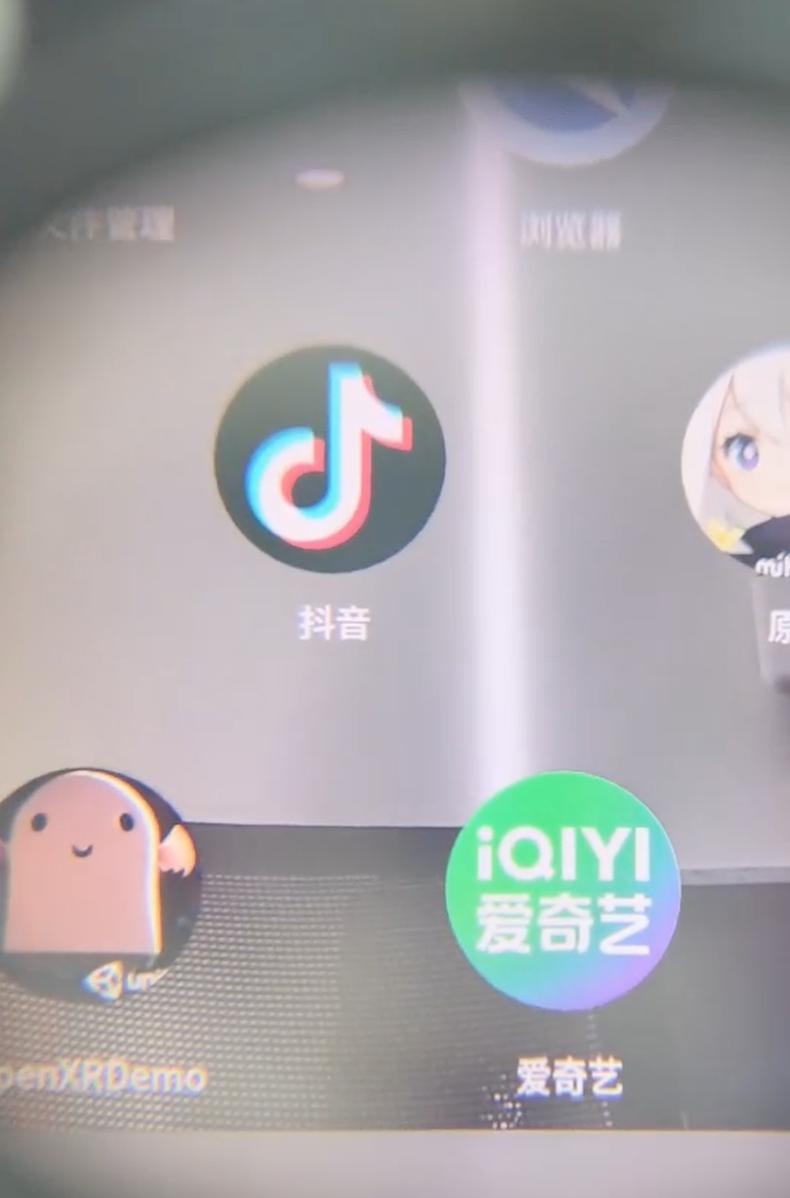
In industry terms, this demo is a genuine VST (Video See - Through) device.
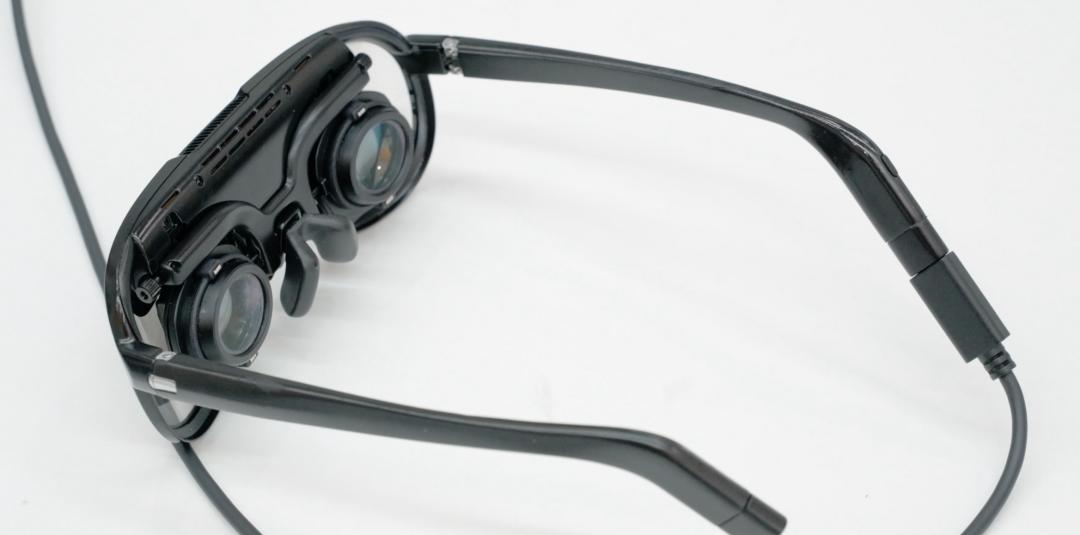
What's even more amazing is: After getting all these advantages, this pair of glasses doesn't become as bulky as Vision Pro.
Could it be that we've really found a product that can beat Apple?
However, after having a more in - depth conversation with this informant, we found that the reason why this seemingly magical pair of glasses is light and easy to use is mainly because of a new approach ——
Compared with all - in - one MR devices like Vision Pro, this pair of glasses is more lightweight. There is only an independent co - processor for spatial data in its main body, while the main processor for running software and the system is placed in an external "power pack".
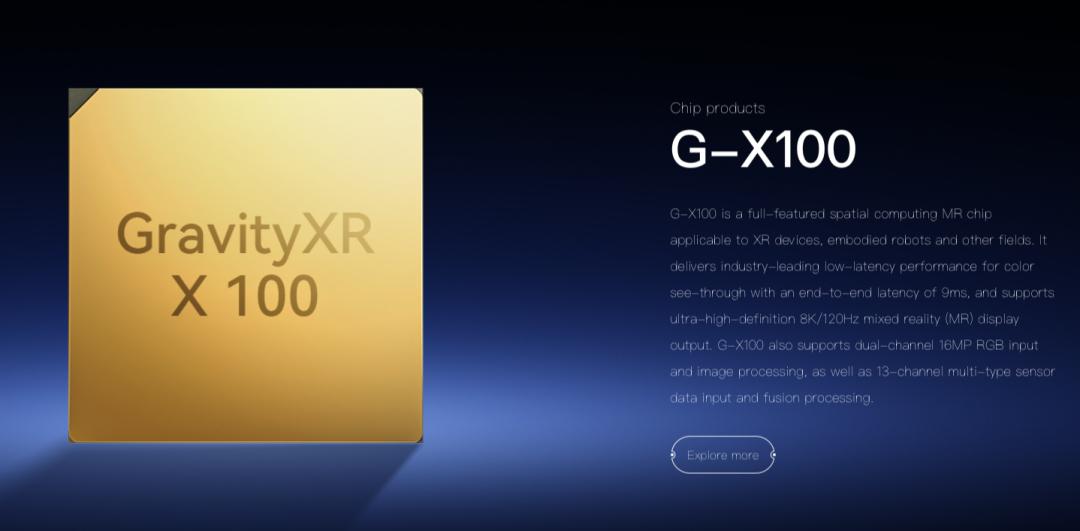
Later, we checked and found that the image - processing chip in the glasses' main body comes from a startup company called GravityXR (GravityXR).
In addition, the XR system is provided by another company called Hongyu Technology.
The informant also told us that this engineering prototype has been thoroughly studied by several leading manufacturers, and they all think that this lightweight design similar to Vision Pro is a good idea.
This means that in the next one to two years, we may see more such split - type and lightweight MR products.
I'm sure many of you are wondering: Isn't it just moving everything to the power pack? Although the glasses are lighter, having an external power pack isn't very elegant.
Is such a small change really worth getting the MR headset manufacturers and market institutions so excited?
It's not that these manufacturers and institutions are being picky. It's just that the MR industry has been having a hard time. It can even be said to be stuck in a "vicious cycle":
Apple's products have top - notch performance, but they are too heavy and expensive to sell well, so the application ecosystem is poor.
Android products are relatively cheaper, but their performance is not good. Poor performance means that it's difficult to develop attractive games and applications, so the ecosystem is even worse, and the sales are abysmal.
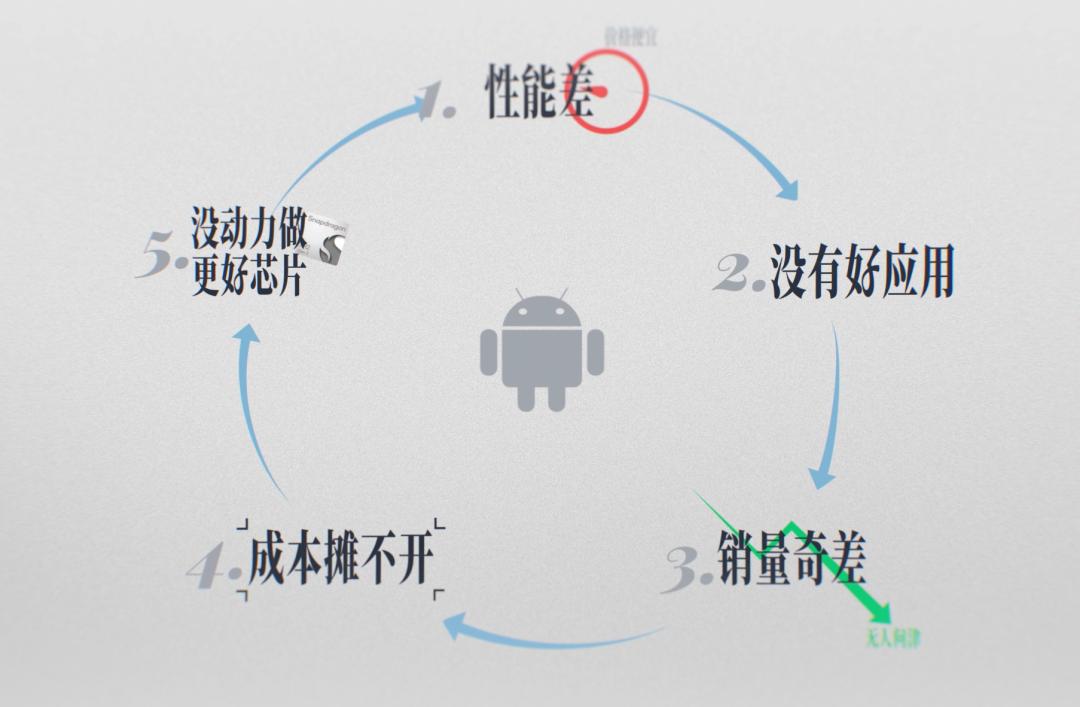
With abysmal sales, it's difficult to spread the cost. The cost can't be spread, and the products can't be sold too expensively, which makes Qualcomm less motivated to launch more powerful XR series processors... Thus, the vicious cycle is complete.
So, headset brands really need a new solution to break this vicious cycle...
After understanding this background, I believe you can see which problems this engineering prototype we've seen has solved...
First, the most obvious problem is the weight and volume.
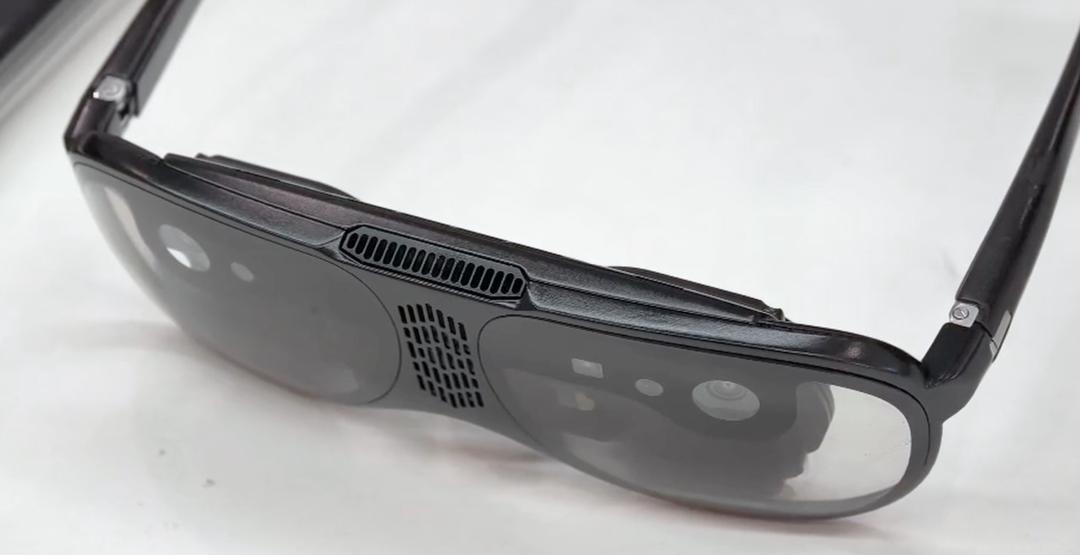
Although this prototype still looks a bit bulkier than the glasses we usually wear, you should know that existing MR headsets on the market are like this:
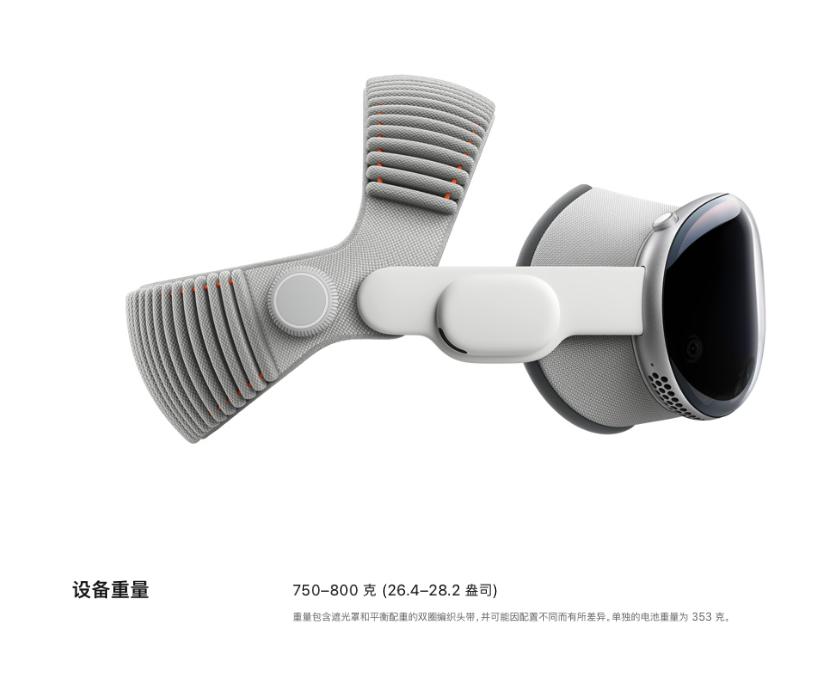
The M2 chip version of Vision Pro already weighs more than 600 grams. The subsequent M5 version, with a new headband, has soared to 750 grams.
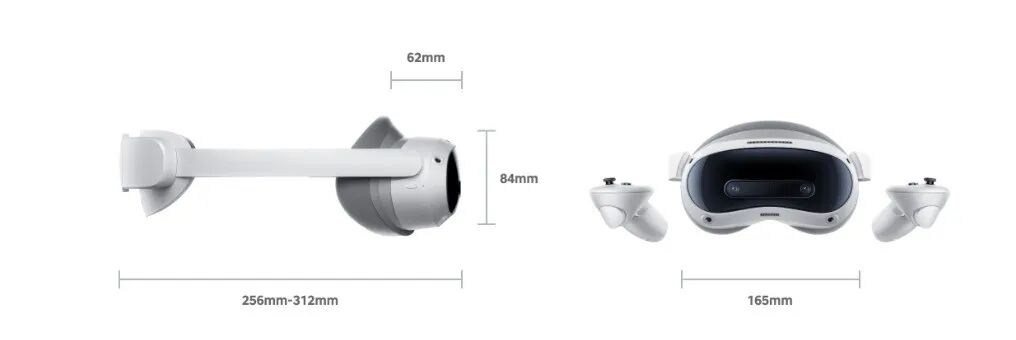
The PICO 4 Ultra that our colleague Milo has been using weighs 580 grams, including the external battery.
Even the vivo Vision, which was optimized for weight last year, still weighs 398 grams, which is like tying two mobile phones to your face.
The reason why MR headsets are so heavy is that, apart from Vision Pro using expensive and heavy glass to pursue a high - end feel, other products basically have too many components to pack in.
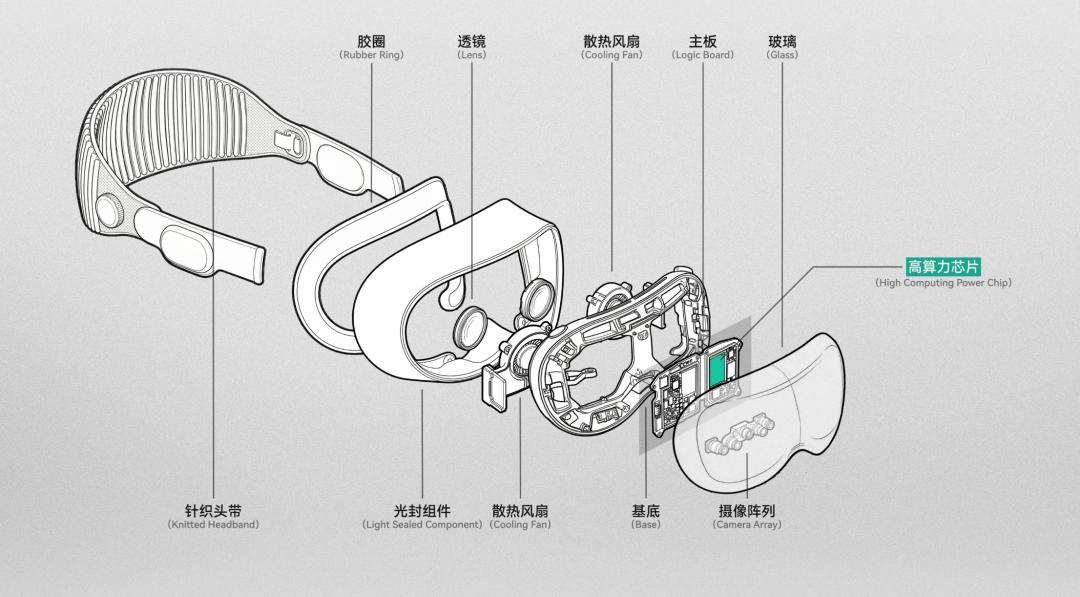
A headset can't run just with a display. It also needs a high - computing - power chip to process video passthrough and render 3D interfaces...
The heaviest part is actually the heat - dissipation system around the processor.
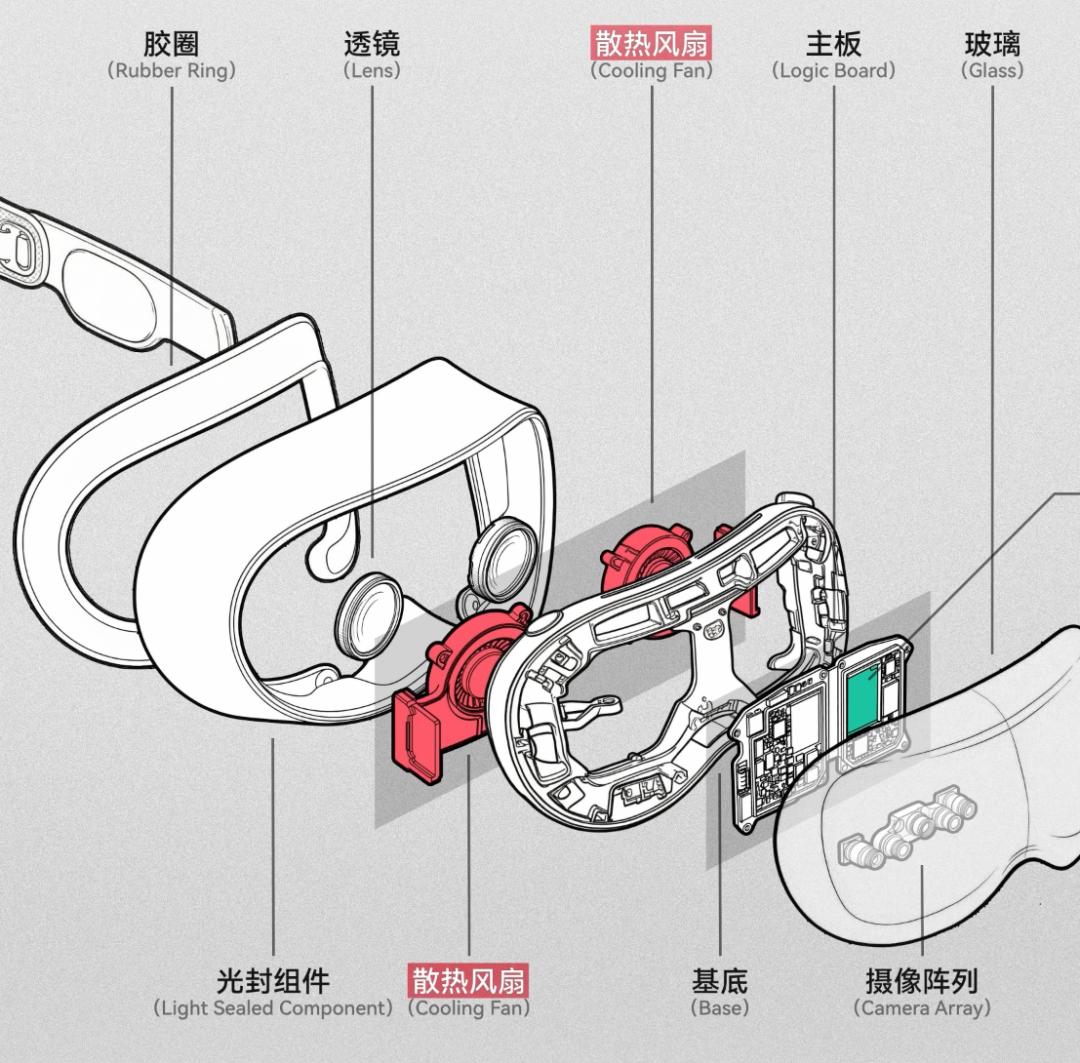
Previously, the well - known foreign institution iFixit disassembled the Meta Quest 3 headset. From the disassembly, we can see that the heat - dissipation module actually takes up a large part of the headset's space.
Image source: iFixit -
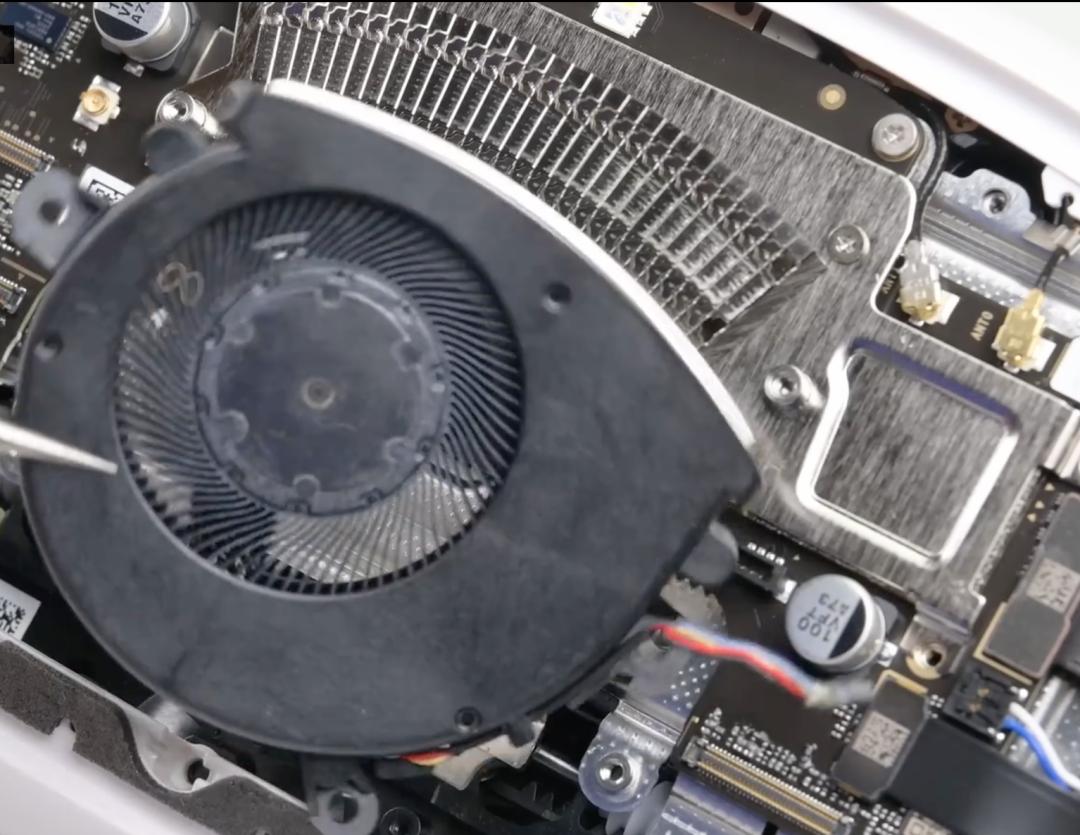
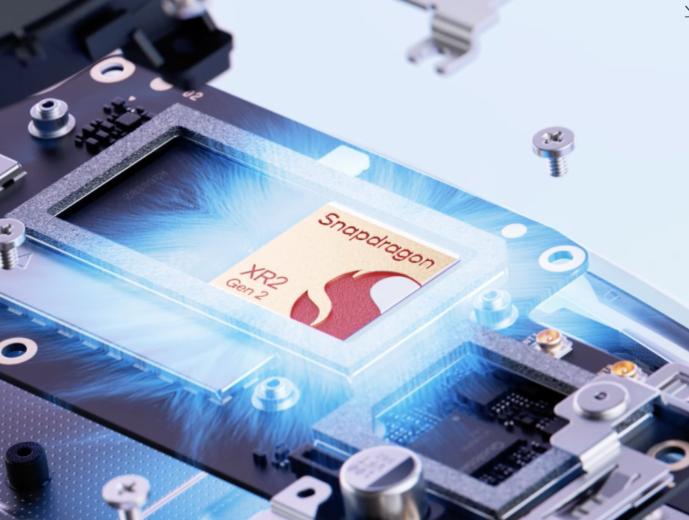
However, these heat - dissipation measures are necessary. Take Apple's Vision Pro for example. The M2 processor, which generates a lot of heat, is stuffed into a limited body. Headsets running the Android system almost all use a Qualcomm Snapdragon XR2 Gen2 chip customized based on the 8Gen2.
If there is less heat - dissipation, the headset will overheat, causing the chip to throttle, and the displayed picture will have frame drops and high latency. This is absolutely not allowed in a headset because it can really make users feel sick...
So, no matter which brand of headset, a large number of heat - dissipation systems are installed on the processor. Naturally, the weight and volume increase.
In contrast, the prototype glasses we saw at the beginning are much simpler.
The main computing - power chip for running the system and software has been externally attached to the "power pack" box.
There is only an image - processing chip in the glasses' main body. When it runs, the heat generation is relatively less exaggerated, so there is no need for a large amount of heat - dissipation.
At most, some accessories such as a light - blocking cover and a headband are added. Anyway, the weight and volume of the glasses' main body will not be as exaggerated as those of previous all - in - one MR devices.
Yes, the weight doesn't disappear; it just moves from your head to your pocket. But isn't it much more comfortable to wear like this?
In addition to the weight and volume issues, another problem solved by this engineering prototype is a bit more complicated —— MR headsets have always faced the problem of insufficient computing power.
Now, mobile phones have developed to the level of 8E Gen5, but the most top - level chip for Android MR headsets is still the XR2 Gen2 customized based on the Snapdragon 8Gen2 ——
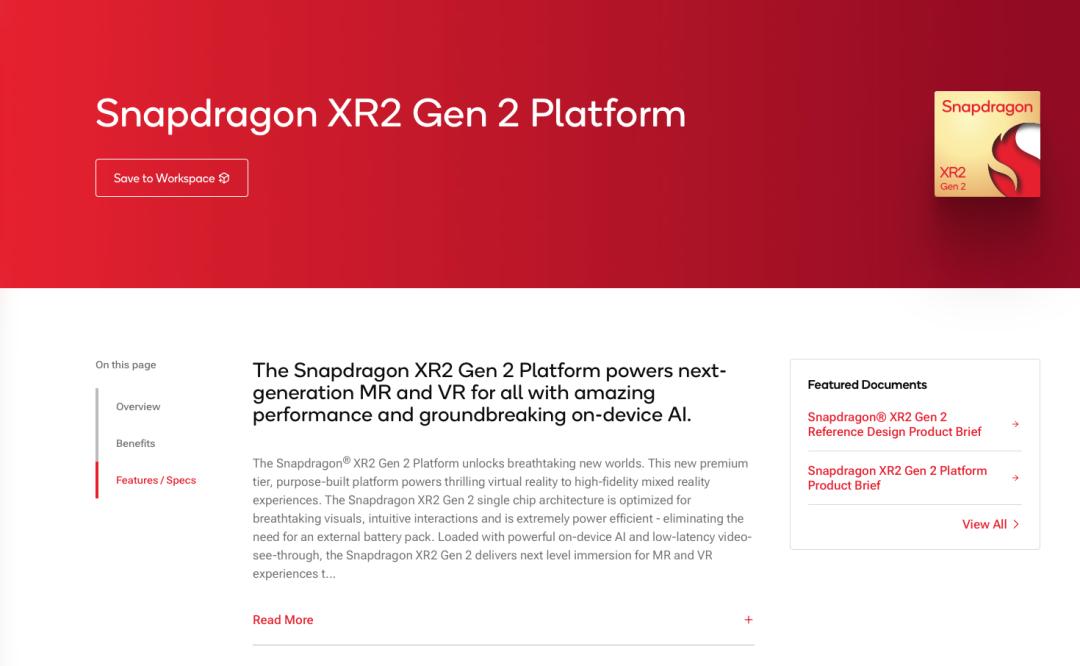
Later, the XR2+ Gen2 was updated, but the computing power remains the same. It only increases the supported screen resolution from monocular 2K to monocular 4K.
This computing power is obviously insufficient. Even the powerful 8 Elite Gen5 can't maintain a full - frame rate in some mobile games, and it will be even more difficult to render 3D content in a headset in batches.
