This year is the last chance to sell pure electric sedans priced at 200,000 yuan well.
This year, it was initially thought that the development of the Chinese automobile market would follow the previous rhythm and forge ahead amidst intense competition. However, the conflict in the Strait of Hormuz has brought the "soaring oil prices" - a black swan event - right in front of us. Since then, the dispute between fuel - powered vehicles and new energy vehicles has entered a new dimension of discussion.
In recent days, the performance in the terminal market has indeed signaled a decline in the sales of fuel - powered vehicles. But does this mean that new energy vehicles, especially pure electric vehicles, can take this opportunity to achieve a new leap in sales?
It is reported that in BYD's product portfolio, the orders for pure electric vehicles have shown a rapid year - on - year growth trend. Given that there is still no conclusion on "when the oil prices will stabilize again", everyone believes that regardless of the market segment, the Chinese automobile market in 2026 should finally be dominated by new energy vehicles.
In fact, looking at the market performance in the past two years, despite the hype in the new energy market, there is a particular market that has been struggling to make a breakthrough. In the market for pure electric sedans priced around 200,000 yuan, new players come and go, but only Tesla Model 3 and Xiaomi SU7 stand at the forefront of sales. Apart from these two giants, other players are almost silent.
There is no shortage of high - quality new cars in this price range. The new XPeng P7, Zhijie S7, and IM L5 can all be considered outstanding. However, who would have thought that when all market segments are showing new trends, those willing to spend 200,000 yuan on a pure electric sedan are still so stubborn, only willing to follow the crowd and choose Tesla and Xiaomi.
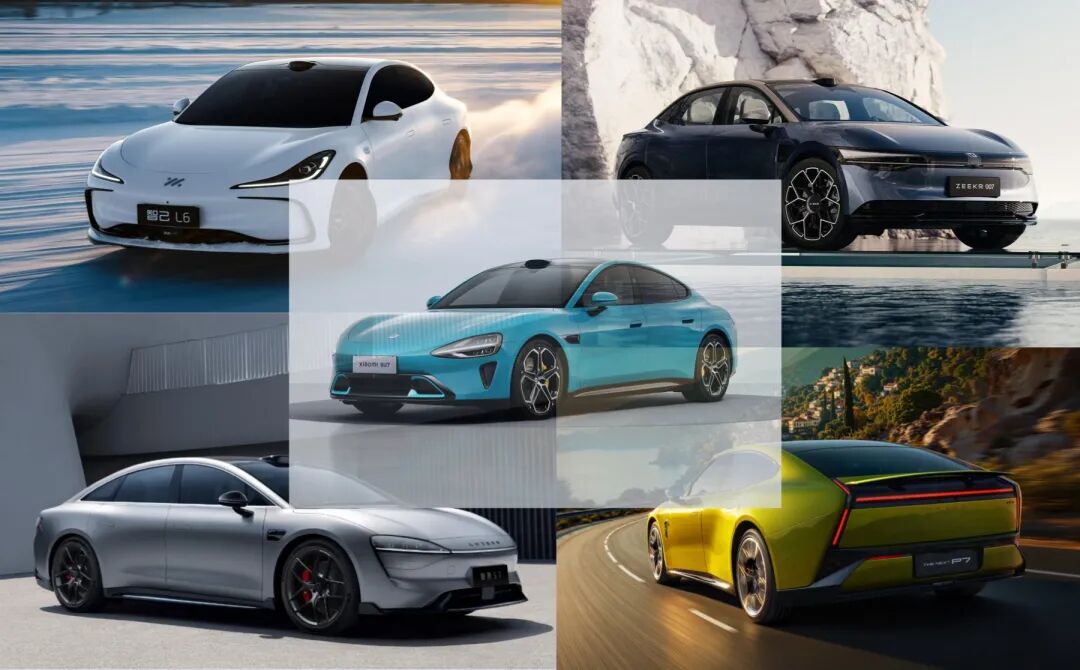
Entering 2026, the external environment is definitely favorable for the new energy electric vehicle market. So, on one hand, we are asking why, in an era when the new energy wave is sweeping the globe, the market for 200,000 - yuan - level pure electric sedans has formed such a solid duopoly? Why have the latecomers who once vowed to disrupt the industry failed one after another?
On the other hand, from the various signs in recent days, can we also read that the latecomers have finally waited for a chance to turn the tables? Especially after the launch of the Toyota bZ3X, will everything in the 200,000 - yuan - level pure electric sedan market be reshaped?
Are fewer and fewer people buying 200,000 - yuan pure electric sedans?
Since the new energy industry began to thrive, the market has been emphasizing that in the price range of 200,000 - 300,000 yuan, the selection logic of Chinese consumers is undergoing profound changes. In the era of traditional fuel - powered vehicles, brand premium, mechanical quality, and vehicle depreciation rate were the core considerations; while in the era of electrification, a sense of technology, intelligent level, and ecological experience have become new value benchmarks.
Over the years, Tesla has established a "technology pioneer" brand image globally with its first - mover advantage; Xiaomi, relying on its large base of "Mi fans" and the concept of "full - ecosystem of people, cars, and homes", has quickly captured the hearts of young Internet users. Especially when there are numerous cases showing that Xiaomi car owners are always loyal users of Xiaomi products, this high - level ecological binding naturally makes it difficult for latecomers to enter the market.
After this kind of foreshadowing, it seems that the industry has recognized a fact: whether it is the electrification transformation of traditional automakers or the second - round entrepreneurship of new players, they all face the challenge of brand reshaping. However, for current consumers, they clearly tend to trust brands and products that have been verified by the market.
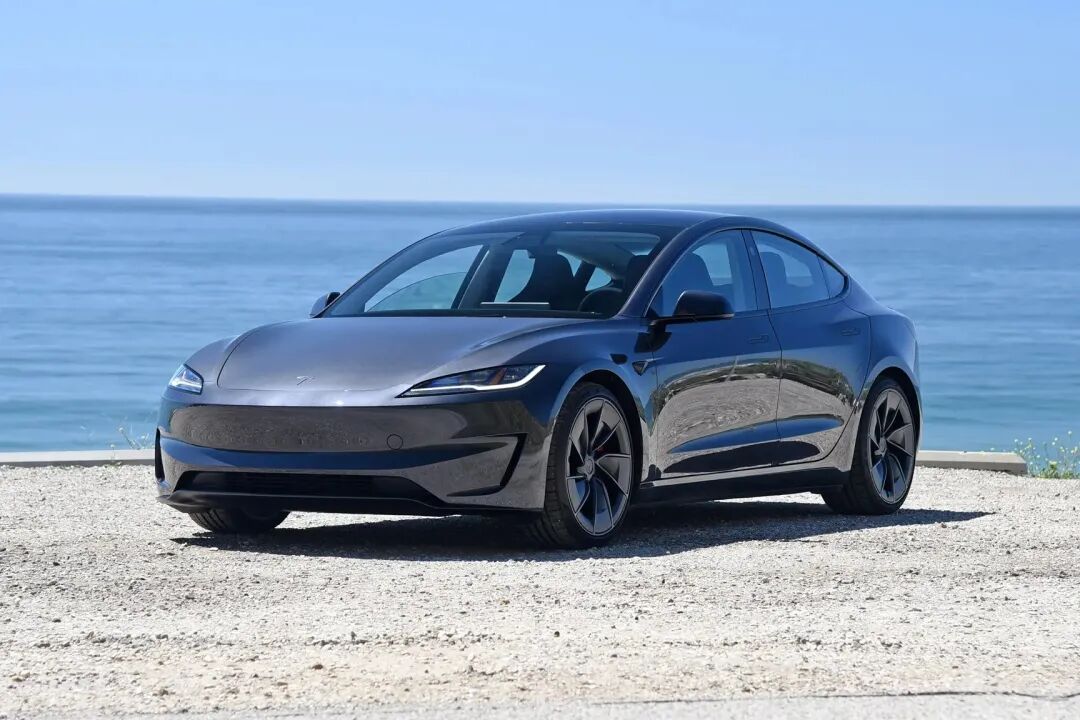
As this "Matthew effect" becomes more and more obvious in the highly competitive 200,000 - yuan - level sedan market, doesn't it block the way for most similar products?
Theoretically, if this trend continues, for competitors, if they cannot obtain price advantages in the procurement of core components such as batteries and chips, and it is also difficult to spread R & D and manufacturing costs through large - scale production. This further indicates that when Tesla and Xiaomi can offer products with the same or even higher configurations at a lower price, the survival space of the latter becomes even more limited.
Moreover, the 200,000 - yuan - level pure electric vehicle market has always been a battleground for automakers.
In the fuel - powered vehicle era, the sedan market gave birth to many well - known and high - quality products, such as the Passat, Magotan, Accord, and Camry. Each of them is a tough competitor for latecomers. In the new energy era, perhaps Model 3 and SU7 play a similar role.
In this new era where traditional and new players coexist, the difficulty of breaking the deadlock has undoubtedly increased exponentially. Additionally, in the current economic environment, practicality has become the main consideration for most families when buying a car. Faced with a large number of large - sized SUVs or MPVs at the same price, as well as many new cars with extended - range and pure - electric options, consumers are less interested in pure electric sedans.
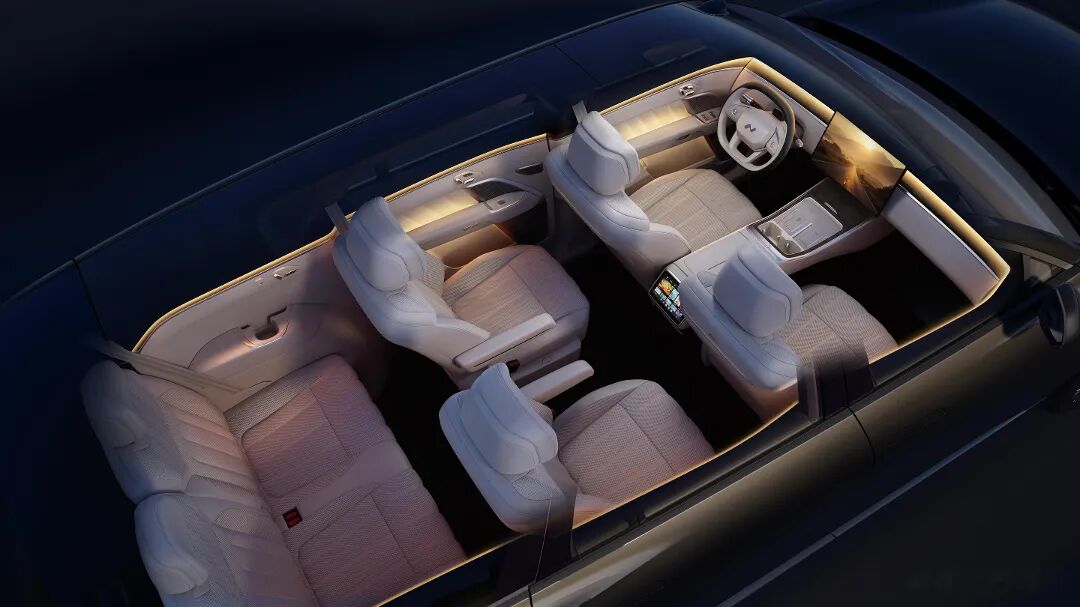
However, the good news is that in the Chinese market, changes in consumer habits are often slow but steady.
Currently, with large - sized bodies, extended - range and plug - in hybrid models have an absolute advantage in the market above 200,000 yuan because they perfectly address consumers' concerns about range and charging. However, with the improvement of charging infrastructure and the advancement of battery technology, the convenience of using pure electric vehicles is bound to gradually increase.
At the policy level, the continuous promotion of the "dual - carbon" goal will provide long - term support for the pure - electric vehicle route. The implementation of the trade - in policy has also reduced the purchase cost for consumers to a certain extent. If more favorable policies are introduced in terms of purchase tax, road rights, and charging facility construction in the future, the popularization of pure electric vehicles will be further accelerated.
More importantly, the younger generation of consumers has a higher acceptance of electrification and a stronger demand for intelligent technology. As this group of consumers gradually becomes the main force in car - buying, the market's preference for pure electric vehicles is expected to continue to grow.
Based on these basic conditions, regardless of whether Tesla entered the market from the high - end niche segment and gradually penetrated downwards to achieve its current success; or whether Xiaomi quickly captured the mainstream market with its ecological advantages and cost - effective strategy. As long as someone can find a new differentiated path or their own solution, there is still hope for breaking the deadlock.
To break through, one must find a new way
Should one buy a sedan with 200,000 yuan?
Globally, this question has long existed. In the years when SUVs were popular, consumers had already made their choices subconsciously.
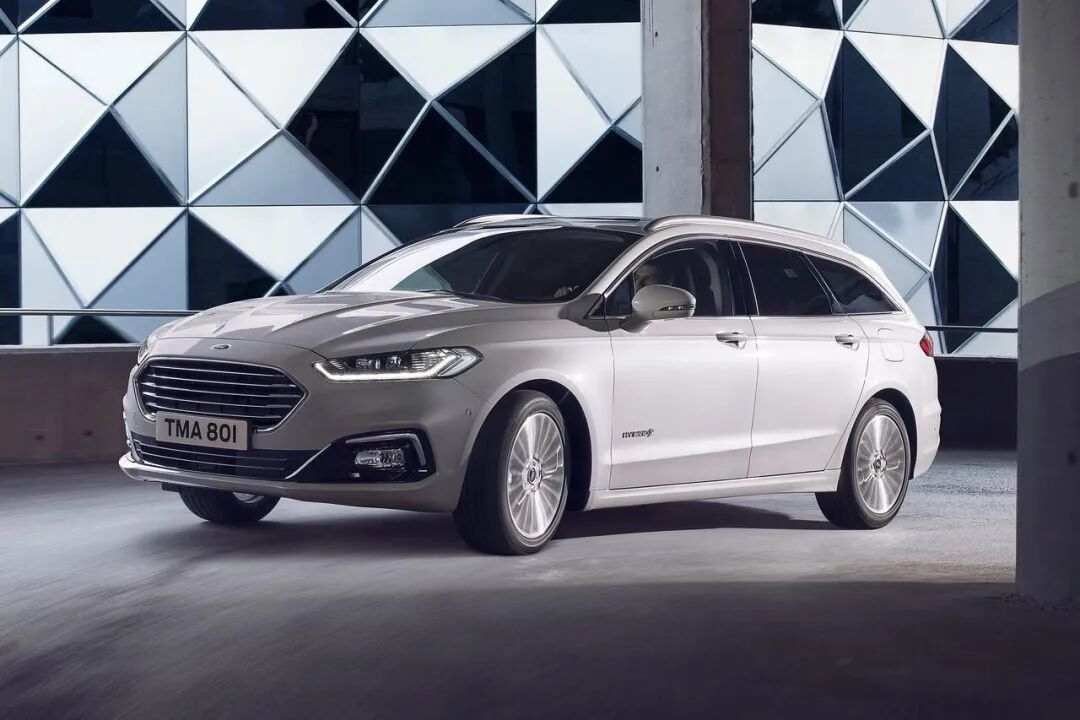
In March 2022, Ford officially announced that it would stop producing the Mondeo in Europe and would not launch a successor model. At that time, it indicated that China would become the only major market where the Mondeo would continue to be sold. Subsequently, Volkswagen announced in 2023 that the new - generation Passat would cancel the sedan version and only offer the station - wagon version. In 2025, Mazda decided to discontinue the Mazda 6...
Considering all these decisions, who can say that the decline of sedans in the 200,000 - yuan price range is just alarmist talk?
Similarly, regardless of whether the Chinese automobile market in 2026 is at a delicate turning point, behind the seemingly unshakable dominance of Tesla and Xiaomi in the 200,000 - yuan - level pure electric sedan market is the reality that the boundaries of the entire market segment are gradually narrowing.
Therefore, even though there is no eternal king in the market, the success of Tesla and Xiaomi is largely due to their first - mover advantage and a specific time window. As technology spreads, the supply chain matures, and consumers' awareness improves, the gap between the pioneers and latecomers is gradually being filled. For most Chinese automakers, simply piling up configurations and launching price wars is not the best way to break the deadlock.
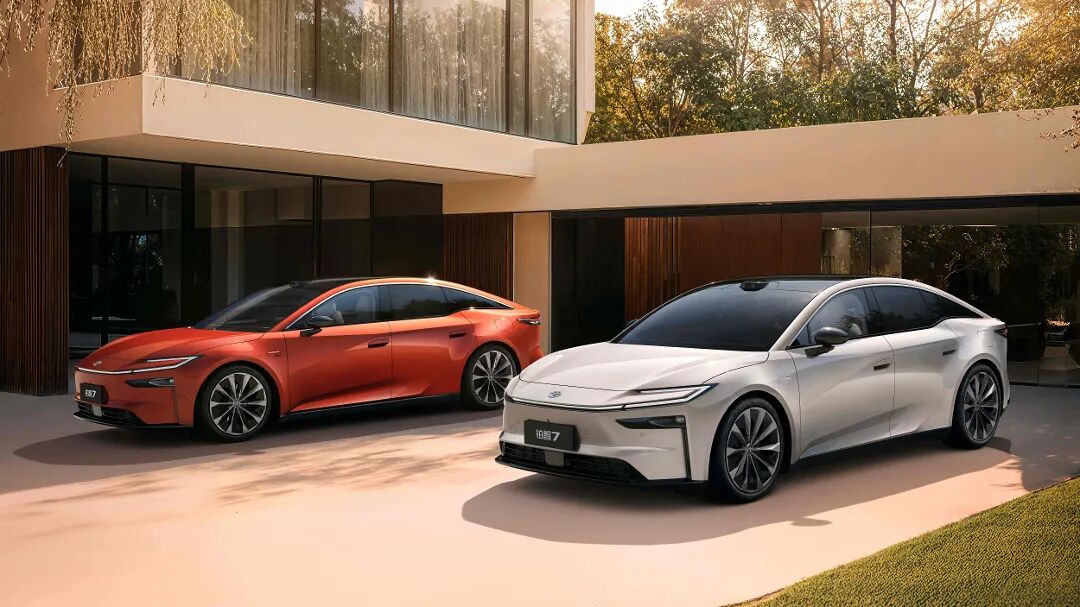
At the end of March, GAC Toyota's bZ3X sounded the rallying call for the 200,000 - yuan pure electric sedan market with its attractive price system and product strength. In just 10 days, it received thousands of orders, giving a boost to the market. However, it goes without saying that in an era when the influence of joint - venture brands is generally declining, GAC Toyota's approach is highly brand - specific and cannot be quickly replicated by other automakers.
Is there a replicable case?
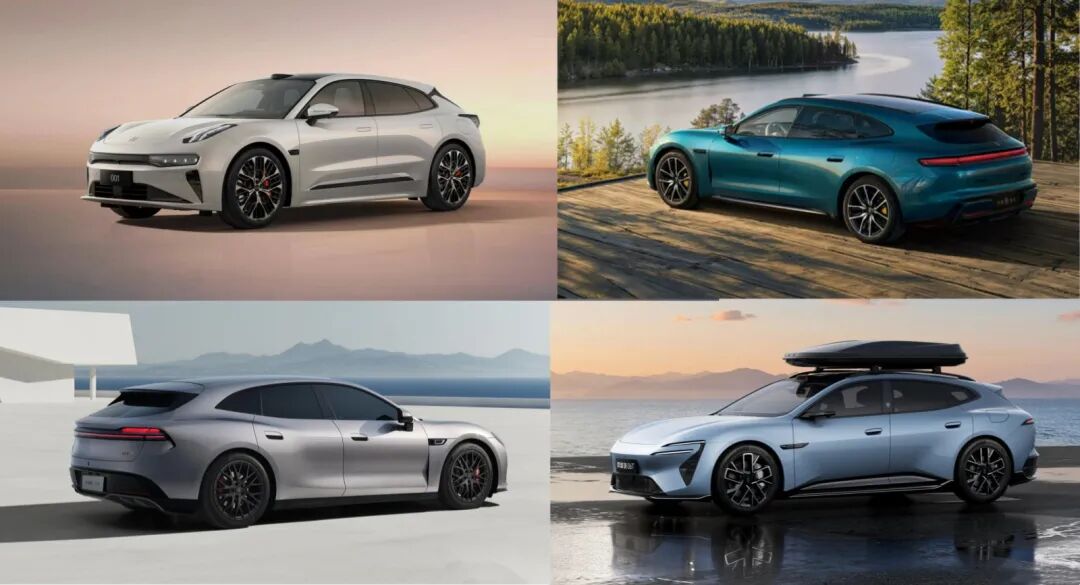
It's hard to imagine that after years of competing in the mid - to - large SUV market, station wagons/hatchbacks have been dug out by Chinese automakers from obscurity and have become a market segment that everyone wants to enter. Is it because they are jealous of the monopoly of the Zeekr 001 and NIO ET5T, or do they really think this market has potential?
Rationally speaking, it's probably a combination of both reasons. When all market segments have become highly competitive, if automakers want their products to stand out, finding a new niche that was previously overlooked seems to be the only way. With successful examples in reality, it all seems more reasonable.
Compared with traditional sedans, station wagons/hatchbacks have always been more expensive than sedans on the same platform. For most people, they have a certain premium. Also, because they are more in line with Western driving contexts, they have more obvious emotional value and personalized attributes.
Currently, new cars such as the Qijing GT7, Shangjie Z7T, and Avatr 06T are all targeting this market. As for the results, considering the absolute market size and the popularity of consumer awareness, can they all achieve the same success as the Zeekr 001? It's still unknown. After all, the NIO ET5 and Xiangjie S9T, which seem to be selling well, have achieved their current status by sacrificing the sales of their sedan versions.
Putting it nicely, these types of vehicles are more like a transitional form in the process of automobile consumption upgrading, meeting the dual needs of some consumers for personalization and functionality, but they cannot replace sedans or SUVs as the first - choice family vehicles. Bluntly speaking, relying on these cars to save the traditional B - class sedan market, compete with SUVs at the same price, or support the long - term development of a brand only exists in theory.
The days of "one sows the seeds, another reaps the benefits" have long disappeared in the Chinese automobile market. In the era of intense competition, in any market, either the winner takes all, or there is a rotation system where new players replace the old. There is no long - term stability.
The development of the high - end pure electric sedan market to date has already made the worst - case scenario predictable.
After the series of events in 2026, if no latecomer can maintain a net monthly sales increase of over 5,000 units in the 200,000 - yuan - level pure electric sedan market, they are not qualified to compete with Tesla and Xiaomi. They may only have a brief confrontation and then be defeated by reality. If this is the case, starting from next year, automakers should focus on SUVs or budget sedans.
This article is from the WeChat official account "Automobile Commune" (ID: iAUTO2010), written by Cao Jiadong and published by 36Kr with authorization.