When humans return to the moon, what people are concerned about is a broken toilet.
Who can understand this?
NASA has spent over $90 billion in total to achieve today's manned space mission, the farthest in human history. However, what everyone remembers is actually a broken toilet.
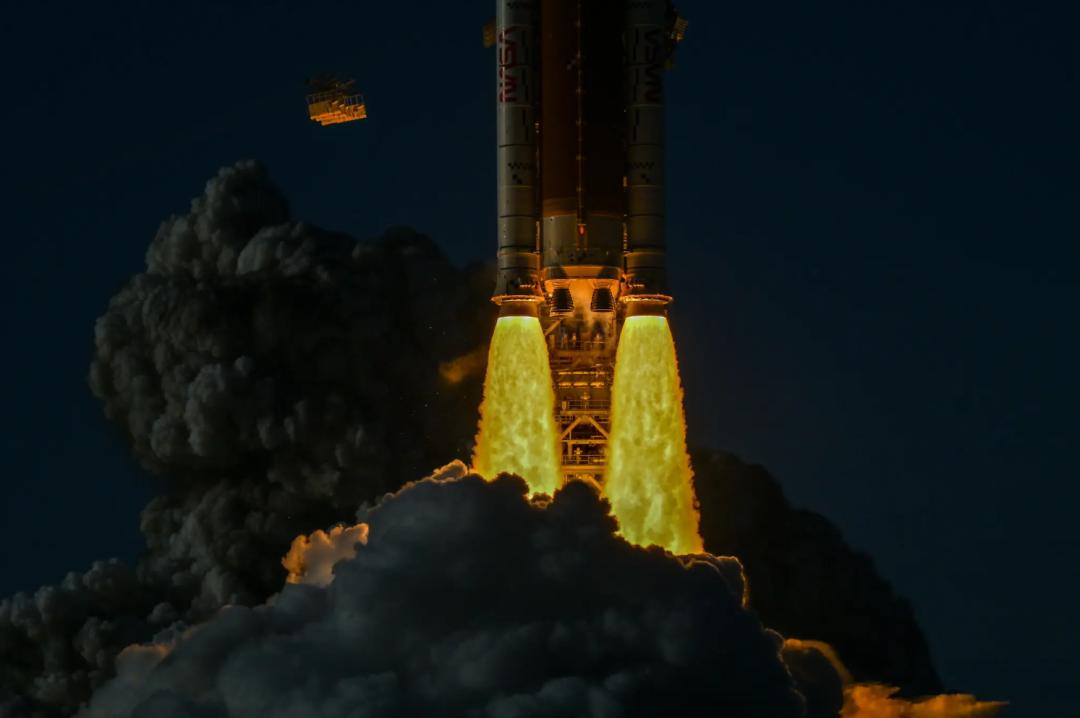
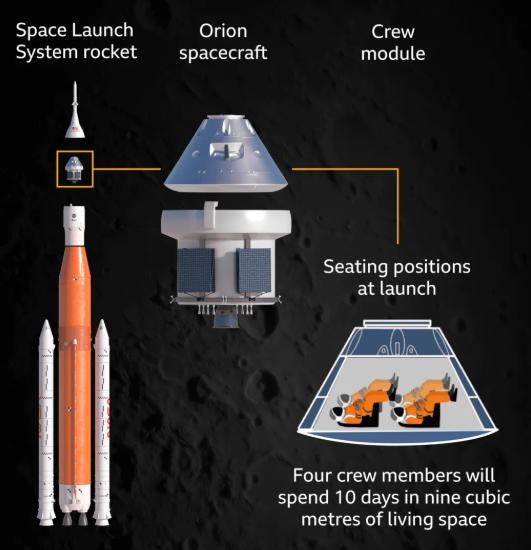
Just this morning, when most people were still sound asleep, the world's most powerful active manned rocket, the SLS (Space Launch System), roared to life, sending four astronauts into space.
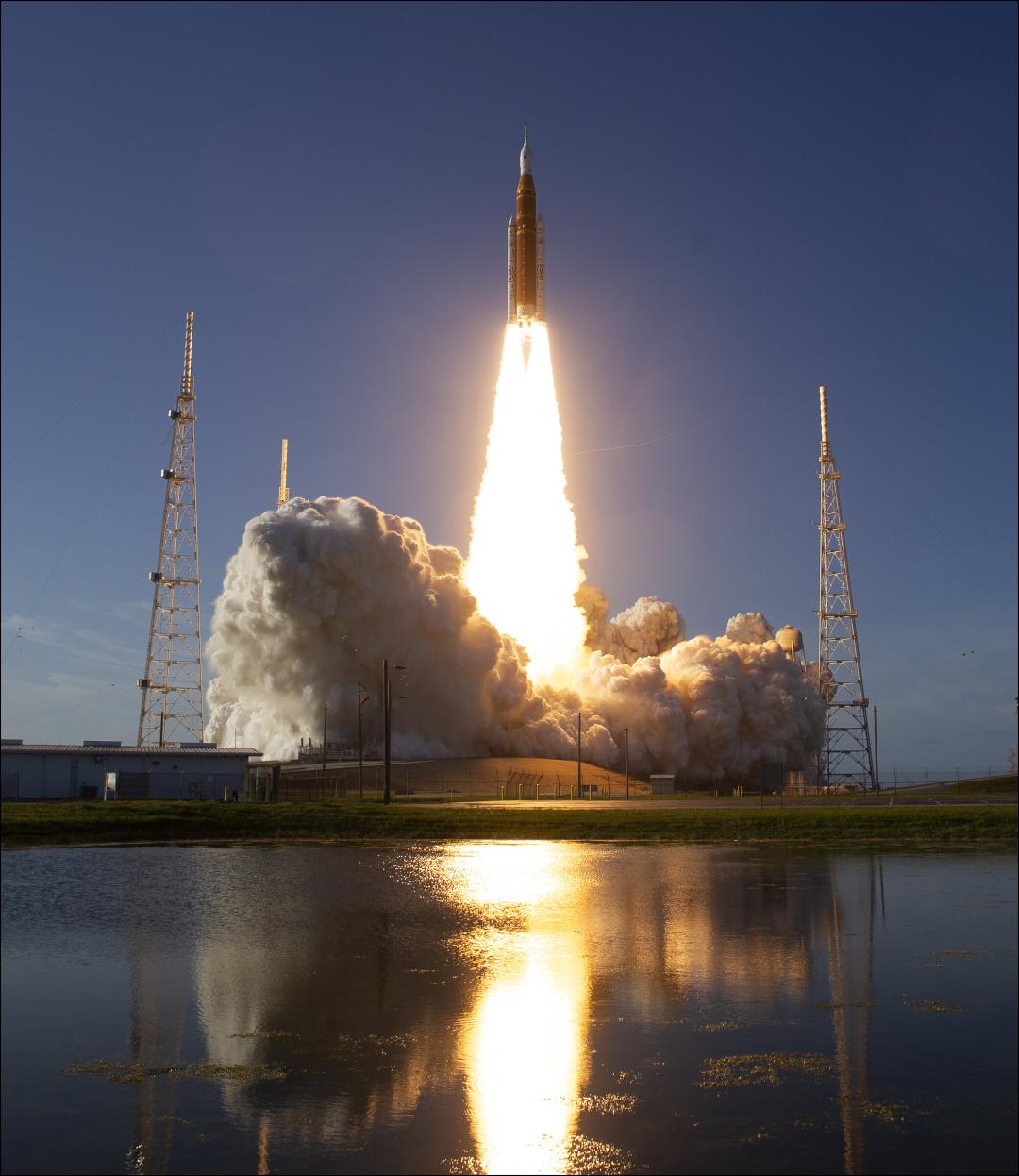
This time, the spacecraft will head straight for the far side of the moon, 410,000 kilometers away from Earth. This distance is even farther than that of the Apollo program.
First, let's clarify one thing: This mission is called Artemis II. Although it is part of the plan, it won't land on the moon. Instead, it will simply fly by the moon with the astronauts on board (for about a few hours).
In fact, the entire flight plan is very much like the learning period of a novice driver.
Right after taking off, it's a period of cautious exploration. The spacecraft won't rush straight to the moon at full speed. Instead, it will orbit the Earth twice first to test the life support system and other "life - saving devices" to see if they work properly. This is like when you first start driving. You always need to adjust your seat and rear - view mirror before stepping on the accelerator.
Once something goes wrong, NASA will act like an experienced driver sitting in the passenger seat, grabbing the steering wheel and safely bringing the astronauts back to Earth.
After getting familiar with the spacecraft's performance, it will separate from the upper stage of the rocket. The astronauts will switch to manual mode and practice "space reverse parking" with the upper stage of the rocket to get a feel for future lunar module docking.
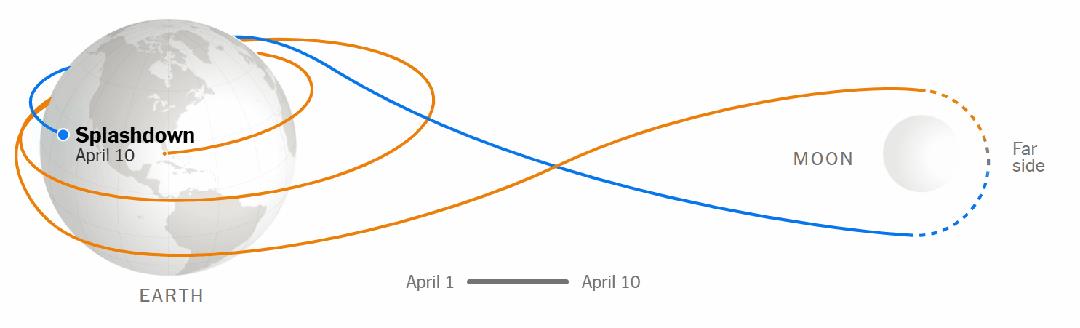
Next Tuesday, the real excitement will begin. The spacecraft will plunge into the far side of the moon, which is completely out of sight from Earth. The astronauts will conduct several hours of "deep - space blind - box observations" there and see the areas of the far side of the moon that have never been visited by humans.
Finally, the spacecraft will use the moon's gravitational slingshot to return directly to Earth.
Compared with 54 years ago, one of the biggest highlights of this journey is that technology has truly changed the story of lunar exploration.
In 1969, when Apollo 11 landed on the moon, the images seen by the whole world were black - and - white and blurry.
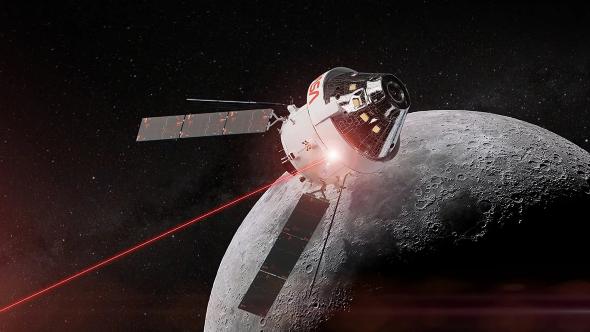
However, the latest O2O laser communication system equipped on the Orion spacecraft has a downlink rate of up to 260 Mbps, which is faster than the broadband of many households.
Together with the Nikon mirrorless camera array on the spacecraft, as well as the GoPro and iPhone brought by the astronauts, this time, it will definitely offer a luxurious package of "4K deep - space live broadcast + full Vlog recording".
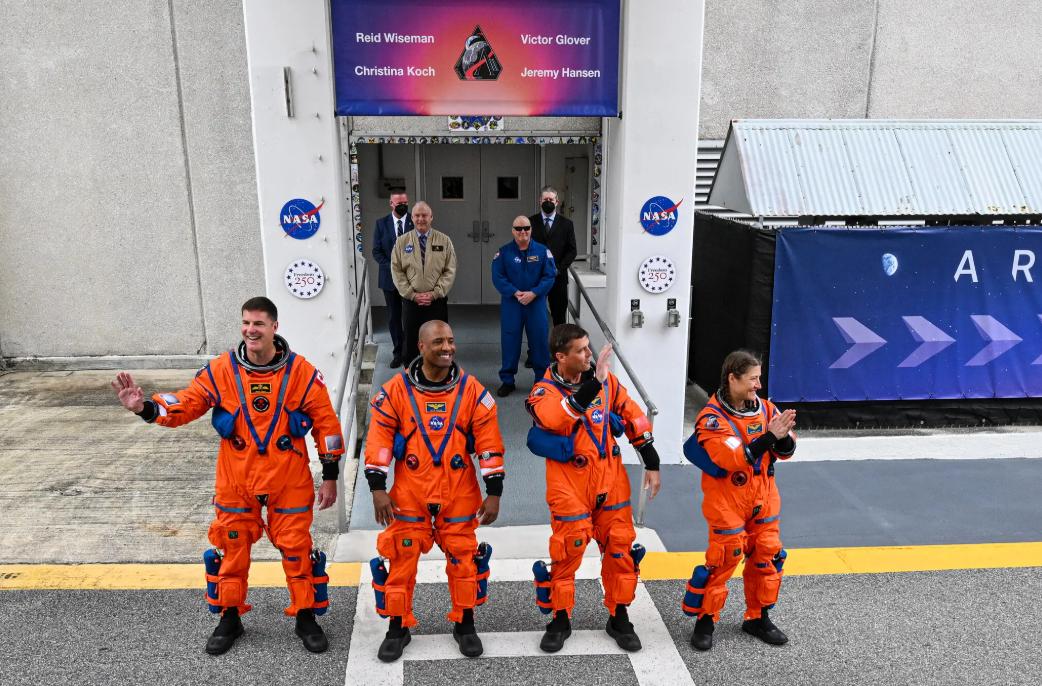
On the other hand, the four astronauts selected for this mission have also set a lot of firsts in the history of space exploration:
For example, the first person of color to reach the moon (yes, all the astronauts in the Apollo program were white), the first woman to fly to the moon (yes, all the astronauts in the Apollo program were men), and the first non - American to fly to the moon (yes, all the astronauts in the Apollo program were Americans).
It seems that everything is well - prepared, but actually, this launch was almost a 7.5% discount.
First, let's briefly explain the launch window. Going to the moon is not a spontaneous trip. The whole plan not only depends on the weather on Earth but also on the position of the moon.
So, there is only about one week at the beginning of each month that is suitable for launch, and the remaining three weeks are just waiting.
However, this once - a - month opportunity has been wasted several times.
NASA originally planned to launch Artemis II in December last year, but they even missed the rehearsal deadline.

The launch was postponed to February this year. At the beginning of February, a liquid hydrogen leak during the wet rehearsal forced the launch to be interrupted.
In March, when they were ready to launch, a helium leak was found, and another month was wasted.

Just one hour before the launch this morning, the engineers were still working overtime to fix the problem with the launch abort system.
This flight termination system is essentially the rocket's "self - destruct button". In case the rocket goes off - course during launch or needs to be decommissioned after completing its mission, this device can detonate it in the air to prevent it from hitting anything.
If this problem is not solved, the launch is not allowed under any circumstances.
Guess how they finally solved it. In desperation, the launch director urgently sent someone to rummage through the warehouse and found an old decommissioned device. Finally, they barely passed the verification with this museum - level relic.

This is not the end. As the launch countdown was approaching the end, NASA made an embarrassing mistake.
The battery in the crew module kept showing overheating, and the launch was almost called off again. After an emergency investigation, they found that it was just a faulty sensor about half an hour before the launch time...
These minor problems also caused the launch to be postponed by 11 minutes.
After the launch, another problem occurred. The ground engineers lost contact with the astronauts unilaterally. The astronauts could hear the instructions from the ground control center, but the ground personnel couldn't hear the astronauts' responses. Fortunately, the communication was restored after a few minutes.
Just when they breathed a sigh of relief, the astronauts encountered a more serious problem.
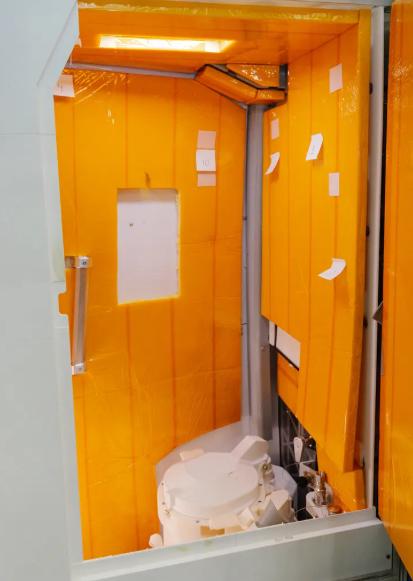
One of the selling points of this spacecraft is that it has an independent toilet with a door, which is more than what the spacecraft in the Apollo program had.
You know, during the Apollo program, the astronauts used urine bags and feces bags on their way to the moon. Later, to reduce the weight and pollution risk on the return journey to Earth, they even left these waste products on the moon (I think the Monkey King was right).
The toilet in the Orion spacecraft is quite "luxurious", equipped with handrails and foot ropes to ensure that the astronauts won't float around when dealing with their physiological needs.
The funnel in the toilet is connected to a hose to collect urine, and there is a seat for solid waste. It also has a "fresh - air system".
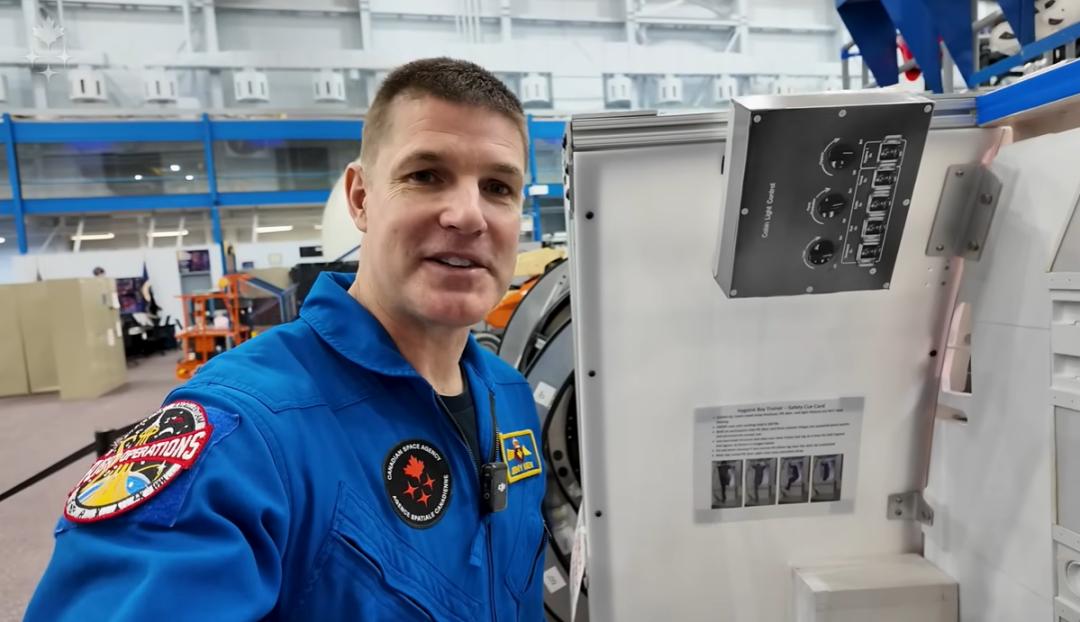
One of the astronauts, Jeremy Hansen, once highly praised this toilet. He said that the toilet was almost the only place in the Orion spacecraft where they could be alone for a while.
Just shortly after the spacecraft entered the Earth's orbit, this highly - anticipated toilet became unusable due to some undisclosed problems.
The astronauts had to urgently activate the backup toilet plan:
They have to use the traditional urine bags for urination;
For defecation, although they can still use the toilet, unfortunately, the ventilation system seems to have failed for the time being.
We don't know if Hansen still wants to be alone in there.
So, after a day's work in space, before going to sleep, the astronauts have an urgent task: to fix their toilet.
Fortunately, according to the latest news, the only female astronaut has fixed the toilet, so everyone can relax.

Besides the toilet fiasco, the world's most powerful rocket, the SLS, on which the astronauts are riding, can also be regarded as the world's most environmentally - friendly example.
Because if you look closely at its configuration, you'll find that it's completely a second - hand patchwork.
From the main engine to the booster shell, and even the main engine of the Orion spacecraft, they are all taken from the old American space shuttles.
The oldest engine has been in service for 15 times, and the oldest booster shell's first flight can be traced back to 1982, which is older than many of us.
However, it may not be really environmentally - friendly.
Because these high - end reusable devices were simply discarded in the Atlantic Ocean after this use.
I understand now. After the Artemis mission, NASA is betting on SpaceX's Starship for the more distant future. So, the SLS is like the Manchu princes after the fall of the Qing Dynasty. Even if they have to break their ancestral rosewood bed boards for firewood, they still have to maintain their dignity in front of others and pretend to be "still capable".
Perhaps traditional rockets like the SLS are just backups in NASA's eyes. In case Elon Musk fails to deliver on his promises, they can still rely on the old technology.
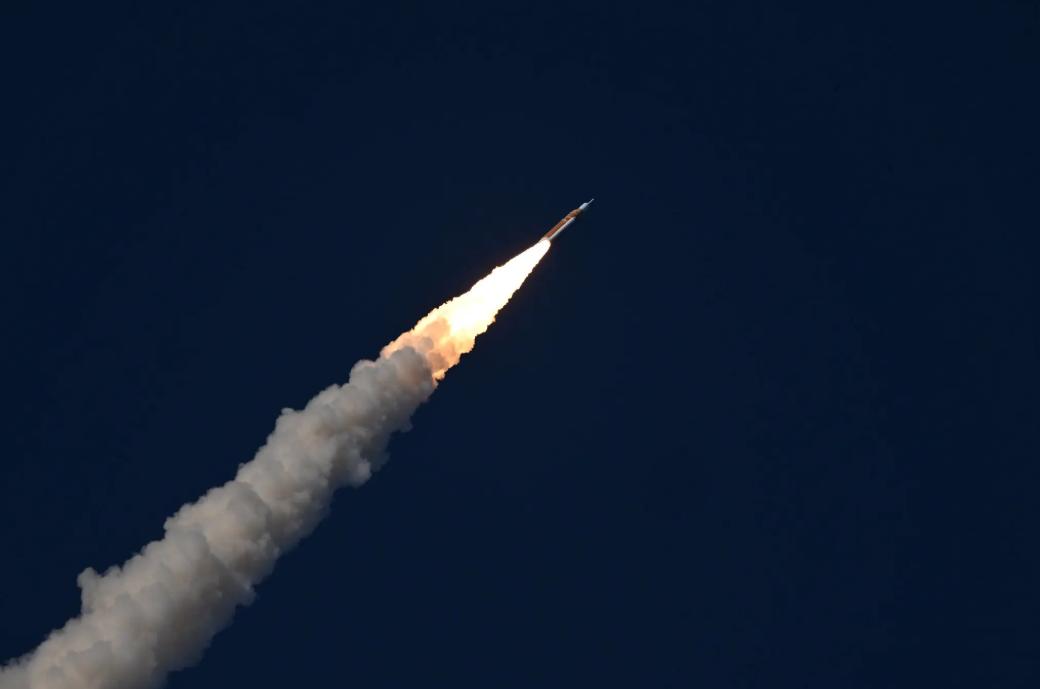
However, such a great feat that combines countless efforts has fallen into an indescribable cycle of indifference.
On July 20, 1969, when Apollo 11 landed on the moon for the first time, it is estimated that about 650 million people around the world watched this historic moment through TV broadcasts. At that time, many people were staring at their old - fashioned TVs, eager to see humans conquer the vast universe.
But for today's lunar mission, even people in the United States don't seem to care much.
A respondent went to Times Square, hoping to find a big screen to watch this great feat with everyone. To his surprise and disappointment, there was not a single screen showing it.

Even in downtown Houston, the space city, the splash made by this return to the moon is quite limited. A reporter met many local residents in a bar in downtown Houston, but they were there to cheer for the Rockets' game against the Bucks.
Even during the launch, most of the TVs in the bar were showing the game between the Yankees and the Mariners (two teams