The executives of large game companies who have left are mass-producing hit games.
2026 is undoubtedly recognized as a big year for the gaming industry.
However, beneath the prosperous surface of the industry, a hidden and surging undercurrent is quietly sweeping across the entire industry.
On March 24th, industry giant Epic Games sent an internal email to all employees, announcing layoffs of over a thousand people, accounting for 16% to 20% of its global workforce.

The company's CEO, Tim Sweeney, apologized to a terminally ill cancer patient affected by the layoffs.
Almost at the same time, Microsoft's Xbox also experienced a major personnel upheaval. Two core executives announced their departures one after another: Zhang Haiyan, the general manager of Xbox Game AI, will move to Netflix's game team; Lori Wright, the vice president in charge of global partnerships and business development, will also leave.
Domestic gaming giants are also facing sudden changes.
In late February, Tencent officially shut down its five - year - long 3A game plan. The much - anticipated Tianmei Montreal Studio was dissolved, marking the official end of the era when Chinese game manufacturers "built overseas teams to attack 3A games."
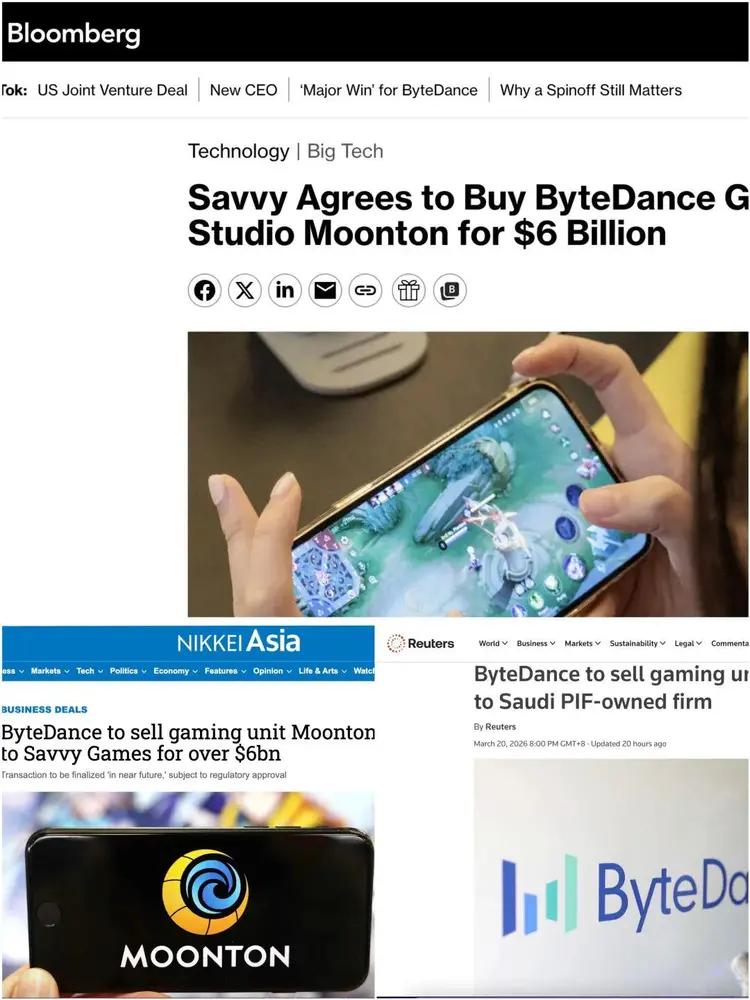
The long - awaited acquisition of Moota Technology has finally been finalized. On March 20th, Savvy Games Group under the Saudi Public Investment Fund (PIF) reached a final agreement with ByteDance to acquire all the equity of Moota Technology for over $6 billion (approximately 41.4 billion RMB).
Is this series of upheavals due to the collective AI anxiety in the gaming industry?
The answer may not be that simple.
"The company's operating conditions are so bad that there's no need for AI to cause anxiety," a senior planner from a mid - sized domestic game company told Xiaguang She bluntly.
01
Departing Executives, Favored by Investors
From October 2025 to March 2026, the departure of high - level executives from major game companies seems to have become a common occurrence.
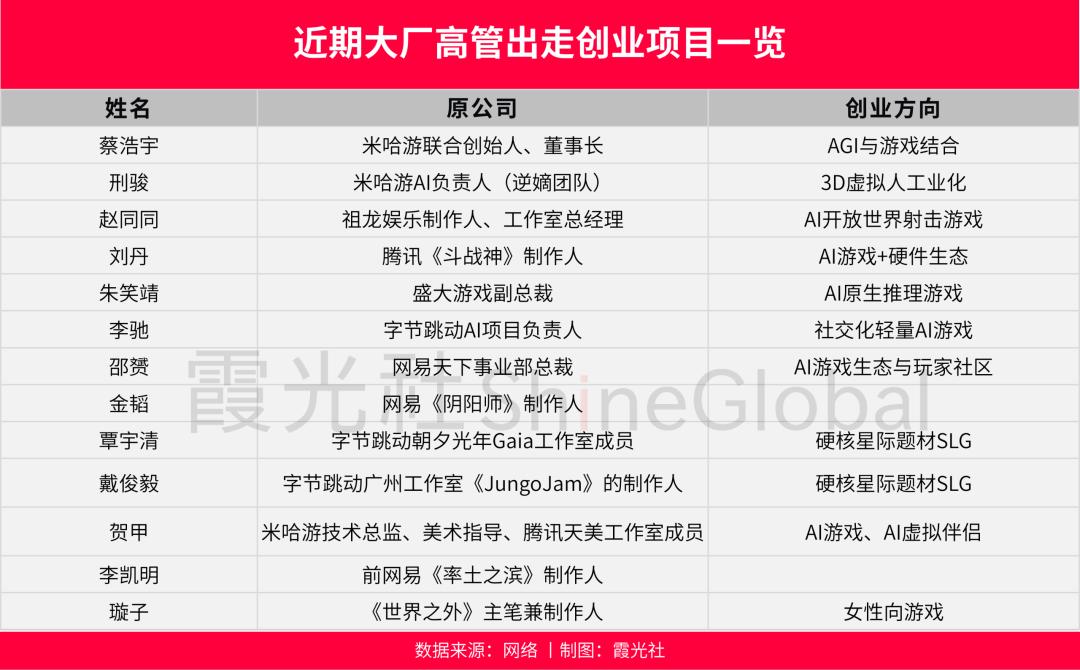
Around October last year, Li Kaiming, the person in charge of NetEase's Tenth Division and the game "Lords Mobile," announced that "considering my long - term career development, I will leave NetEase in the near future." Xuanzi, the lead writer and producer of "Beyond the World," voluntarily resigned in the face of a job adjustment at an internal meeting. The Fantastic Pixel Castle studio led by Greg Street, a former designer of "World of Warcraft" and "League of Legends," announced that "the stage of being a studio under NetEase Games is coming to an end." And Zhang Dong, the general manager of Giant Network with an annual salary of 3.3 million, suddenly resigned.
Before them, Zhu Yuan, the person in charge of NetEase's overseas investment, Shao Yun, the former president of NetEase's Tianxia Division, and Jin Tao, the producer of "Onmyoji" and the former head of the Zen Division, also left one after another.
Regardless of the reasons for their departure, these executives all ended up starting their own businesses.
Interestingly, in just half a year, these departing high - level executives seem to have all successfully started their businesses without much pain and have quickly become the most favored potential stocks by capital.
Li Kaiming and Liu Boyu, the former senior director of NetEase Games' overseas distribution, officially registered "Weixiao Technology" in January and received investments from Mihoyo and IDG in March. The post - investment valuation exceeded $100 million.
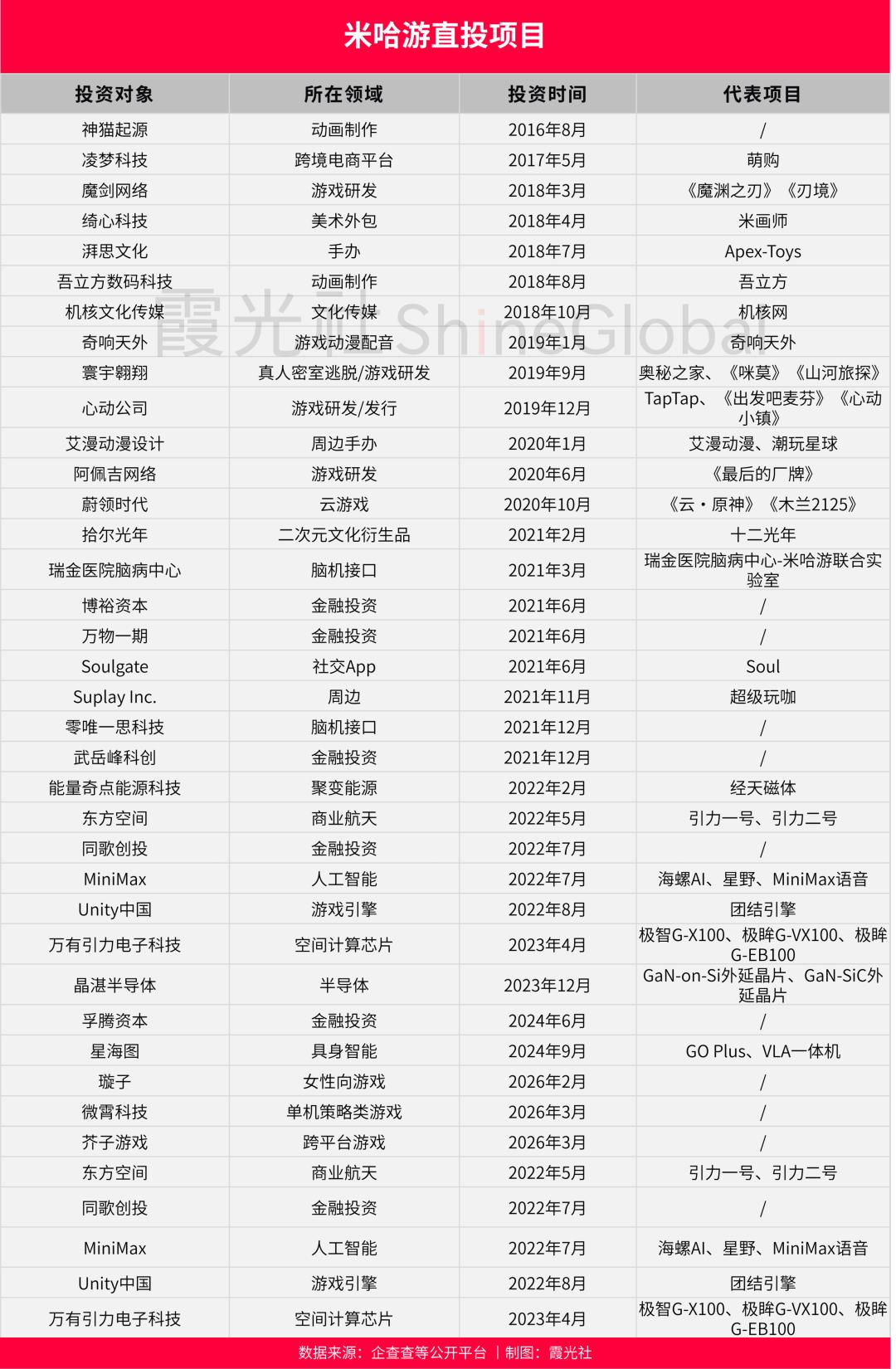
Fenglai Game, founded by Qin Yuqing, who has worked in several major companies such as NetEase Leihuo and Funplus, and Dai Junyi, the former producer of "JungoJam," has already secured two rounds of financing.
Xuanzi established a new company in Tianhe District, Guangzhou, planning to develop 2D, female - oriented, story - driven games and received investments from Mihoyo and Monolith (Lisi Capital).
Jin Tao and Yi Xiuqin, the former director of NetEase's Art Design Center, started preparing for Jiezi Game in October last year. In just half a year, they have received tens of millions of dollars in financing, and the team size has exceeded 60 people.
"Good works must be born in an environment of freedom and respect," Yi Xiuqin wrote in a long public recruitment post.
Behind the successive departures of executives is the deep entanglement between the strategic choices of major companies and the propositions of the era.
For leading game companies, the era of quickly cashing in on blockbusters and boosting short - term performance is over. Under the dual binding of investors' expectations and employees' interests, to cross the industry cycle and achieve sustainable growth, what is needed is no longer a one - hit - wonder single product, but a long - lasting mechanism that is replicable and can generate stable profits in the long run. "The SLG category can still produce impressive data. Many game companies in Guangzhou can launch a small game in a week. Making quick money is their most familiar mode," a SLG game operation supervisor said frankly.
This also means that the production logic and the power - responsibility system in the gaming industry are quietly shifting from the producer - centered system to the headquarters - centered system. The decision - making power for creativity is being continuously centralized, and the former core producers are gradually reduced to execution roles. Guided by the principle of efficiency, the industry has fallen into extreme involution of "IP replication + skin - changing iteration." The approval of innovative projects has become increasingly strict, the space for original creation has been continuously squeezed, the cost of trial - and - error and sunk cost have continued to rise, and the loss of talent has almost become inevitable.
As the contradiction between "escaping from the big - company fortress" and "sticking to the ideal of creation" in the hearts of game practitioners becomes more and more acute, since 2025, this wave of resignations and entrepreneurship has been caught up in a new era trend — the duality of AI - induced anxiety and technological equalization has become a core proposition that no one can avoid.
"Ordinary and even professional developers should consider changing careers," as early as 2023, Cai Haoyu, the co - founder and former chairman of Mihoyo, warned in a LinkedIn post: In the era of AIGC, 99% of game practitioners may be eliminated.
Currently, AI is being crazily pursued by capital and the industry, and anxiety is spreading comprehensively. However, it is still in the "pseudo - trend - following" stage where there is no real large - scale implementation and structural change. One - person studios and extreme efficiency - oriented concepts have become hot topics in public opinion and have naturally become a reasonable excuse for major companies to optimize their personnel.
A generation of "veterans" in the gaming industry who have been deeply involved in the industry for many years have been pushed to the crossroads of being purged and eliminated.
02
Game Entrepreneurship: Returning from "Chasing AI" to "Making Games"
Looking back at the entrepreneurial paths of these executives, they can be roughly divided into two types.
One is to stride forward into the AI + field: from the industrialization of 3D virtual humans, to AI + shooting/social/community, to AI UGC content creation platforms, there is a wide range of exploration.
Most of this kind of exploration took place around 2023. These people were regarded as the first batch to "step on the trend." However, being ahead in awareness does not mean achieving good results. At that time, when the large models were not yet mature, many people fell into the misunderstanding of AI entrepreneurship, investing a large amount of time and energy in model research and development rather than the game itself, and getting into the trap of "technology needs research and development."
And this usually costs an extremely large amount of money.
A typical example is Cai Haoyu's high - cost establishment of the AI game company Anuttacon.
The first game developed by the company, "Whispers from the Star," although it claims to be an AI game and has specially developed a customized large - language model, in terms of the game experience of "talking to an AI girl," it does not show the AI's autonomous understanding and response. It still stays in a linear process, and players need to input specific keywords to advance the plot.
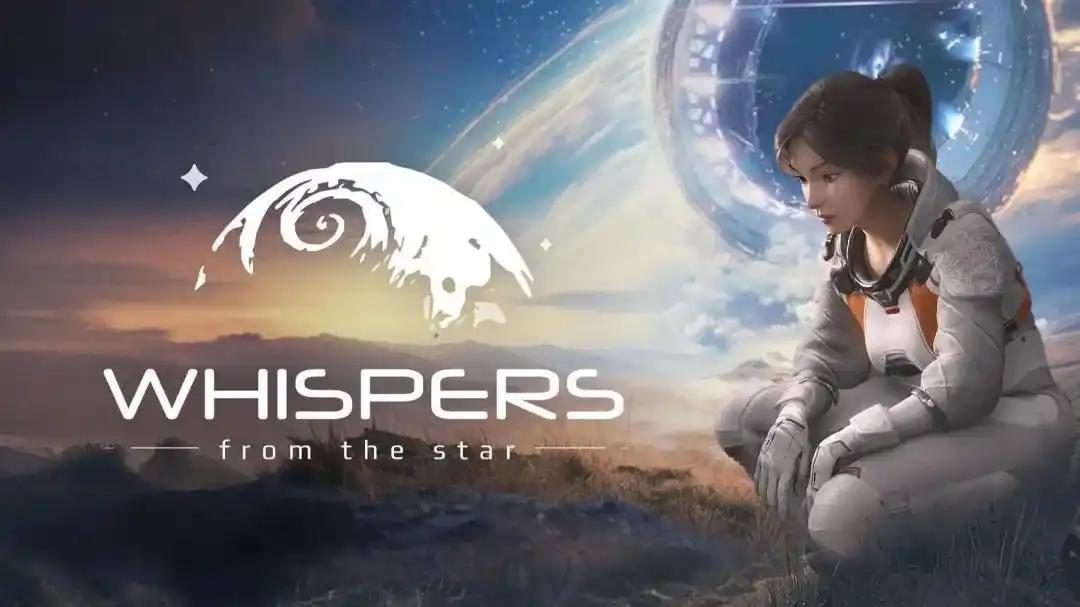
Looking at it now, this kind of text - supported AI assistance can seemingly be easily achieved through existing large models. However, Anuttacon has recruited top - notch technical talents from the former Microsoft Asia Research Institute, the former head of distributed computing at Mihoyo, and the former youngest vice president of Bilibili. Even the "AI trainers" (whose function is to label data) recruited by the company have an hourly wage of $20 to $30.
High - salary investment requires greater returns. Therefore, for these "all - in AI" entrepreneurs, perhaps cost - reduction and efficiency - improvement and enhancing the game experience are not the most important things. These cannot be the core elements for product differentiation and audience cultivation.
As Shao Yun, the former senior vice president of NetEase Games, once pointed out, "Currently, the application of AI in games mostly stays in the stage of 'empowering existing categories' (such as optimizing NPC interactions), but this is putting the cart before the horse. AI - native gameplay is more worthy of attention, that is, to reconstruct the underlying logic of games through AI technology."
Since last year, more departing executives have chosen to return to their old business and focus on the SLG/female - oriented/open - world games they are good at.
In a sense, this type of entrepreneurship is more like an alternative studio mechanism. That is, with fewer and more experienced decision - makers, the possibility and method of implementing creative ideas can be determined more quickly.
A sudden inspiration from a practitioner can be quickly realized with a few computer commands and ten thousand tokens, and then evaluated and modified. This makes the sunk cost of decision - making lower, maximally releasing inspiration and preventing creativity from being restricted by real - world factors. Proposals with real value and implementation possibilities are gradually presented to capital and gain autonomy.
It can be said that the AI era and the structural departure of executives are promoting the "multi - center" process in the gaming industry, giving practitioners more "small and beautiful" options.
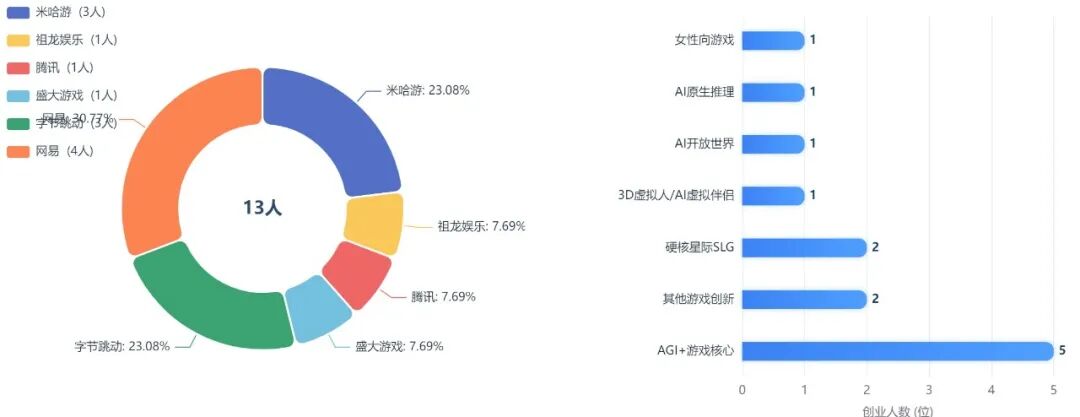
The proportion of former employers and the entrepreneurial trends of senior executives from major game companies in the past three years
Rather than saying that the gaming industry is experiencing pain because of AI, it is better to say that AI is giving the industry an opportunity to move from the monopoly of major companies to an ecosystem that values both talent and creativity.
AI and games are never in opposition, nor in a dominated relationship.
"The biggest impact on the gaming industry is not AI. The operating conditions of our company are so bad that we laid off employees without the anxiety caused by AI," Zhou Zhou, a game planner from a mid - sized game company, sighed to Xiaguang She.
In his view, the most concentrated reaction to AI anxiety is the blind trust in cost - reduction and efficiency - improvement: investors may prefer AI products with lower costs and higher return on investment. However, currently, using AI is not a real transformation. Sometimes, companies even have to lower prices because of using AI.
"With the development of AI technology, AI games may emerge as a new product form and attract specific audiences. But a smart investor won't think that a 3A game is just made up of AI - generated images, sounds, and texts," Zhou Zhou joked.
03
The New Order of Game Overseas Expansion is Being Redefined
The reconstruction of the industry pattern has also profoundly rewritten the ecosystem of game overseas expansion.
Since last year, the number of small and medium - sized teams achieving remarkable results in the overseas market has significantly increased.
Cell Survivor by Changsha Youpin Technology ranked in the top 15 of the overseas revenue growth list in February. According to estimates by Diandian Data, its monthly overseas in - app purchase (IAP) revenue has exceeded 70 million RMB.
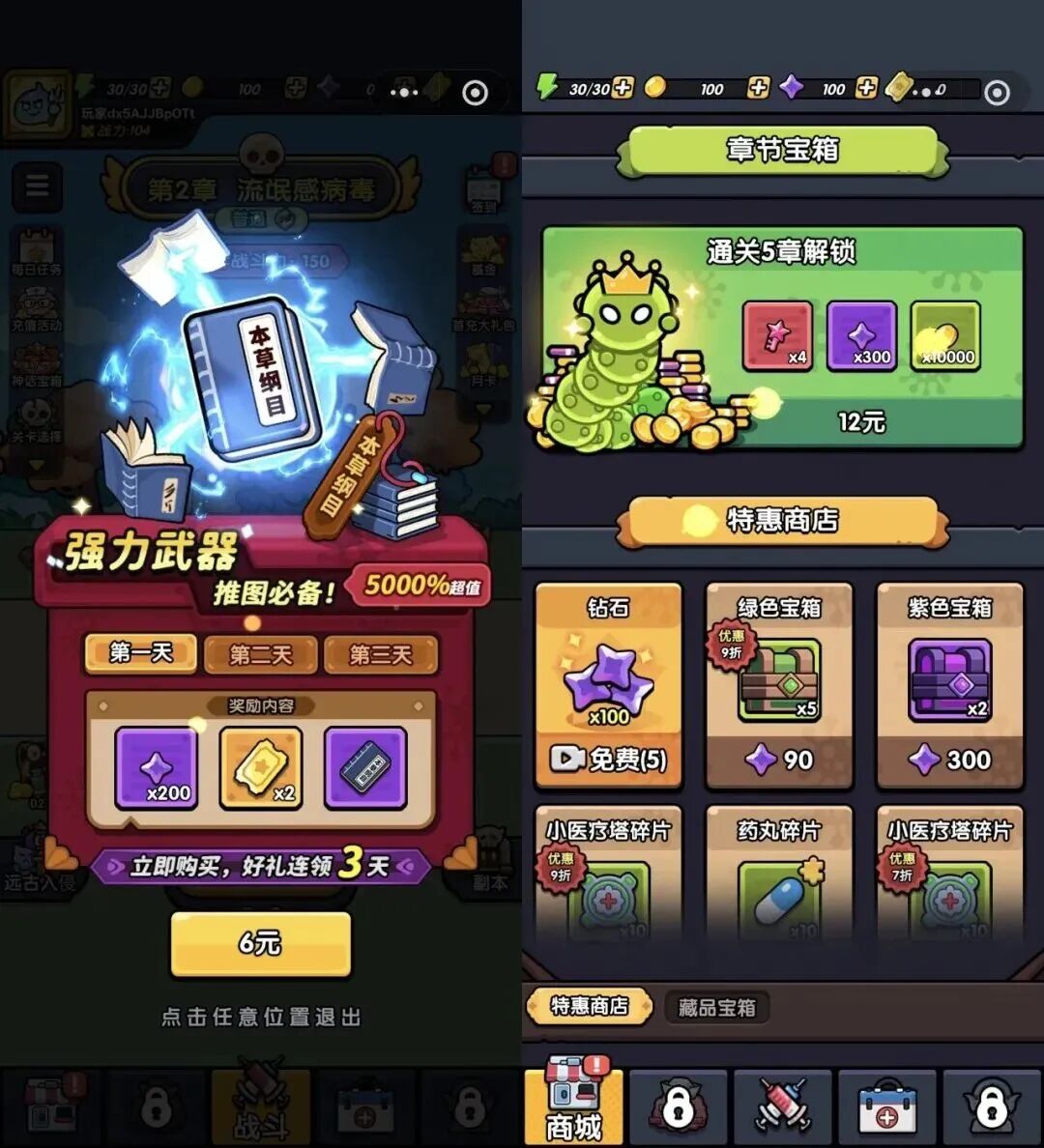
Happy Screw Trip 3D, published by Bestplay Games, entered the top 150 of the US iOS best - selling list with its screw - turning + dressing ASMR gameplay. According to Sensor Tower data, the monthly revenue of this game has exceeded 20 million RMB.
Two new games, Bowmasters 2 and Adventurer's Diary, under Habby, both entered the top 10 of the Chinese mobile game overseas revenue list in January 2025.
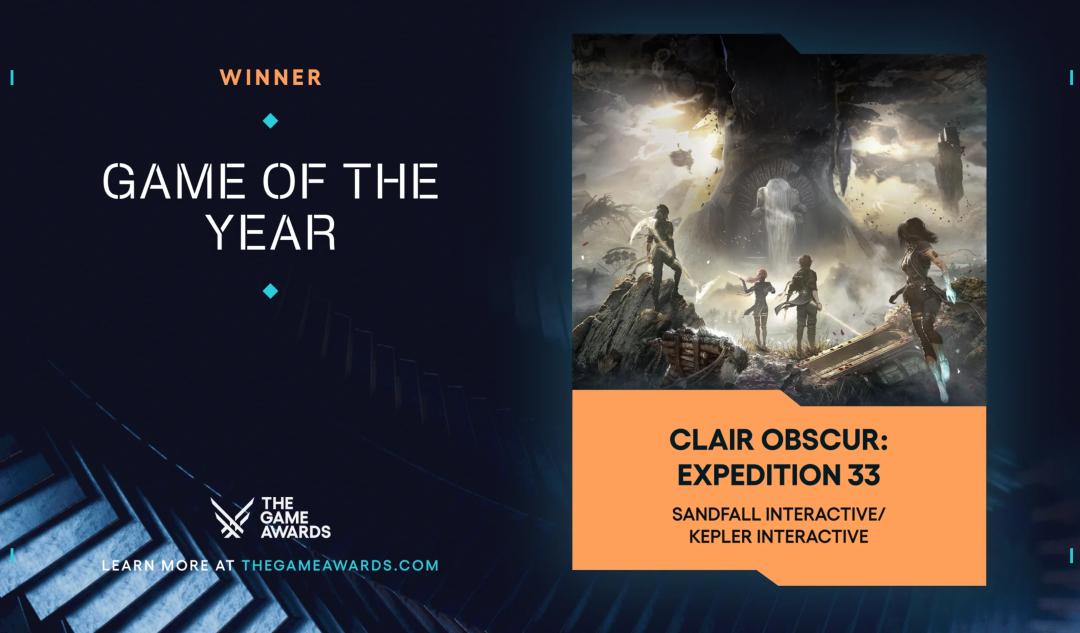
The hit game Light and Shadow: Expedition 33, which won nine awards at the TGA 2025 Game of the Year and sold over 3 million copies in the first month, was developed by Sandfall Interactive, a team of only 33 people.
Data from Qichacha shows that over 80,000 new game companies were established across the country in 2025. Industry insiders revealed that more than half of the small and medium - sized entrepreneurial teams are targeting the global market from the very beginning of project establishment. Successful cases have emerged in categories such as light - weight SLG, card puzzle games, and pet - companion games, providing a clear path for latercomers.
The flow of capital has also changed, forming a sharp contrast with the industry's structural layoffs.
Even Mihoyo,