Celebrating Apple's 50th birthday, Cook shares internal memo, talks about Jobs' legacy, and shows rare prototype devices
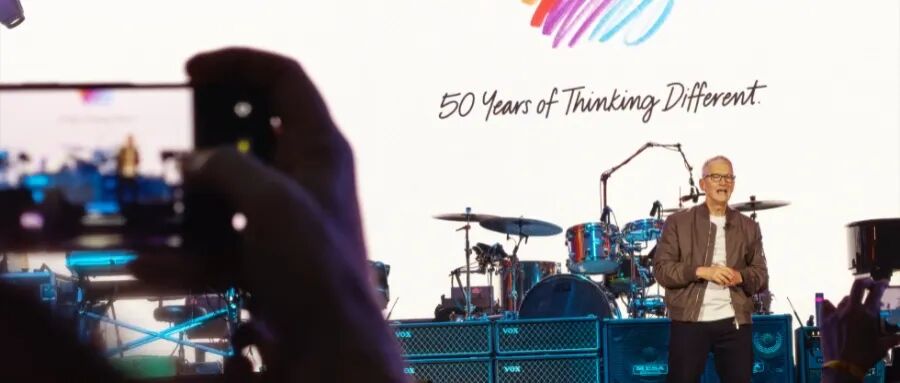
According to a report by Zhidongxi on April 2nd, on the occasion of Apple's 50th anniversary, CEO Tim Cook was exclusively interviewed by the American fashion magazine Esquire yesterday. Cook said that Apple's core competitiveness is not innovation but screening. Apple says no to a thousand ideas to find that one.
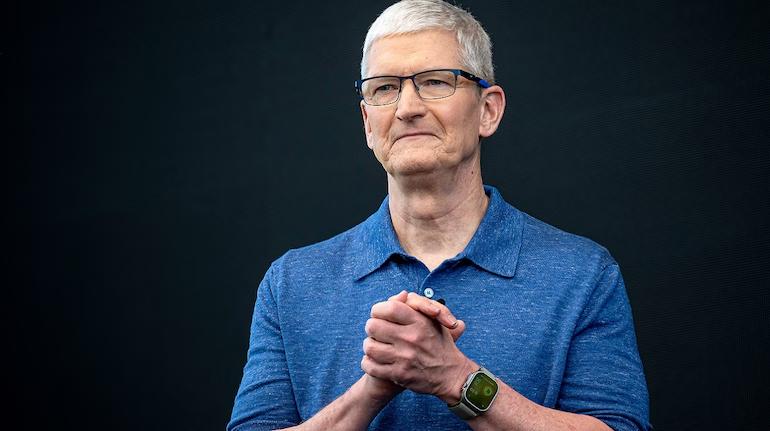
▲ Apple CEO Tim Cook (Source: moneycontrol)
In addition, Cook also opened Apple's archives to The Wall Street Journal, displaying and telling stories about Apple's early patents, classic product prototypes, most important failures, and the next big hit product. He said that whether it's the iPod, iPhone, or Apple Watch, the so - called overnight success only exists in post - event narratives. Real blockbusters are iterated.
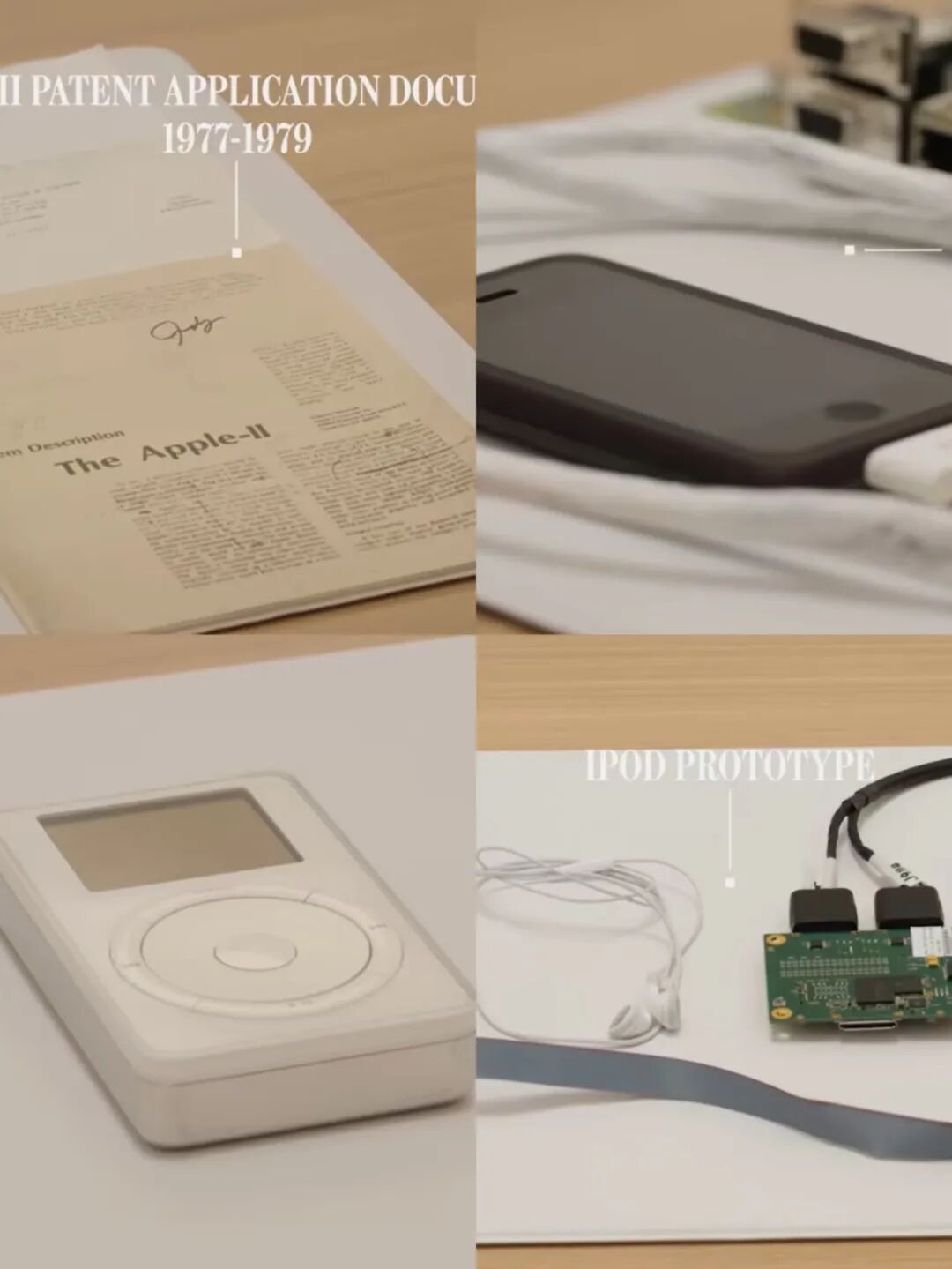
▲ Apple's early patents and classic product prototypes (Source: The Wall Street Journal)
Over the past 50 years, Apple has grown from two circuit boards in a garage to a company with a market value of $3.7 trillion (approximately RMB 25.5 trillion), and its products have penetrated into the daily lives of billions of people.
The core points are summarized as follows:
1. Every key leap in Apple's 50 - year history has been reflected in specific products, but what it has truly changed is never just the devices themselves, but the user behavior and the underlying logic of the entire industry.
2. Apple's most core ability is not innovation but screening. Saying no to a thousand things is necessary to accomplish that one thing. The wrong innovation path is like spreading peanut butter too thin; you can't achieve the desired quality in anything. This methodology has remained fundamentally unchanged since the Steve Jobs era.
3. There are hardly any products that are "blockbusters from the start." Whether it's the iPod, iPhone, or Apple Watch, they all went through a process from uncertainty to a clear positioning.
4. Apple inadvertently created the infrastructure for the creator economy. Jobs' original intention of enabling everyone to express themselves has been magnified into a new professional system in the era of mobile Internet.
5. Cook's logic in the political whirlpool is always to participate rather than take sides, and his values don't shift with the wind.
6. Apple's next big hit will emerge at the intersection of hardware, software, and services, but even Apple itself can't fully describe what it will look like now.
In an internal letter to all employees, Cook quoted Jobs' words: "Everything around you that you call life was made up by people that were no smarter than you." And he wrote that the opportunities in front of Apple are the greatest in history.
The 50th anniversary is a milestone, but Apple doesn't plan to stop here. On April 2nd, everything goes on as usual.
01. From a Prototype to 2.5 Billion Devices: Apple Has Changed More Than Just Products
On April 1st, 1976, two young men and a middle - aged man registered a private enterprise named Apple Computer Company in Santa Clara County, California.
21 - year - old Steven P. Jobs was in charge of electrical engineering and marketing, 25 - year - old Stephen G. Wozniak was responsible for electrical engineering, and 41 - year - old Ronald G. Wayne assisted with paperwork.
Less than two weeks later, Wayne sold his shares for $800 and quietly exited history. Wozniak is a technical wizard and is now extremely wealthy. Jobs, on the other hand, changed the world.
50 years later, Apple has become a company with a market value of approximately $3.7 trillion, and its products have penetrated into the daily lives of billions of people. But what this company has truly changed is never just the devices themselves.
During an interview with The Wall Street Journal yesterday, Cook led reporters to visit the historical archive in Apple Park that has never been publicly displayed. Apple's early products seem almost like antiques today: the beige Apple IIe case with rounded corners and a small trash can icon in the corner of the screen.
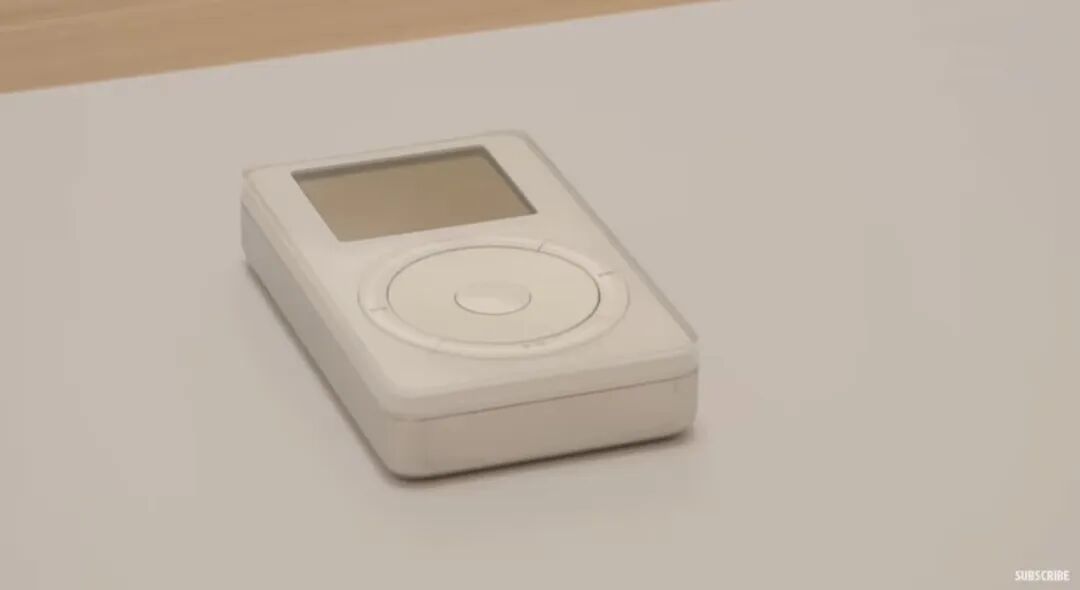
▲ Apple's early prototype (Source: WSJ)
The circuit board of the early iPhone prototype was as large as a chopping board. During internal testing, employees found that loose change in their pockets would scratch the screen, and Cook himself also encountered this problem. Jobs immediately decided to replace it with glass, and it only took half a year from the decision to mass - production. Cook described it as a "moon - landing - level project."
In the following decades, Apple successively launched the Macintosh, PowerBook, iMac, iPod, iPhone, and Apple Watch. Each generation of products has redefined the boundaries of "personal technology."
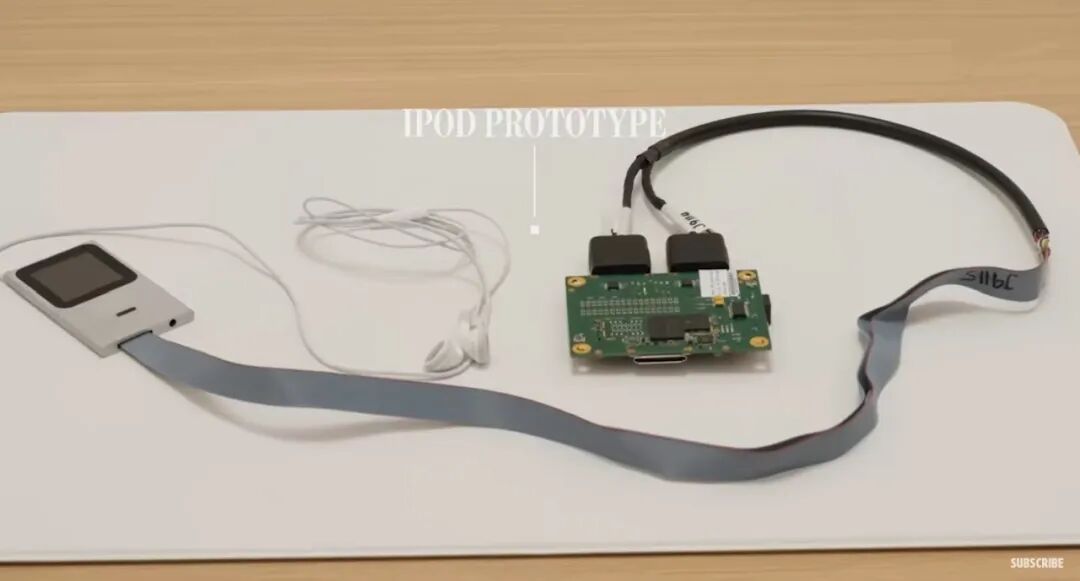
▲ Early iPod prototype (Source: WSJ)
In the early 1980s, personal computers were still relatively unfamiliar consumer goods. Early devices represented by the Apple IIe began to enter ordinary family settings. Their significance lies not only in the popularization of hardware but also in establishing an initial interactive relationship between users and computers.
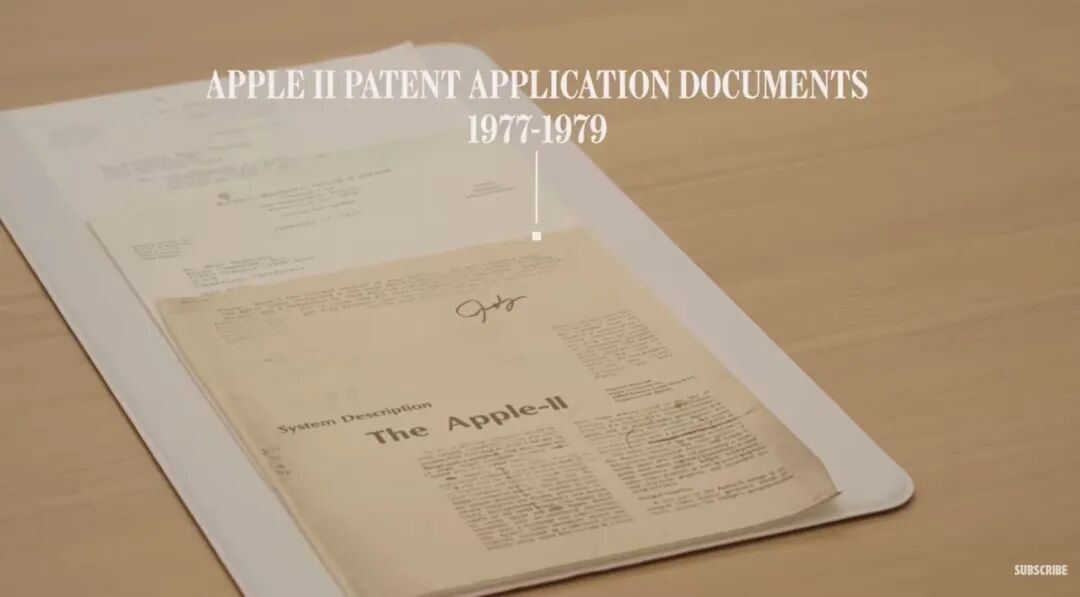
▲ Patent application documents for the Apple - II computer (Source: WSJ)
The Super Bowl advertisement released with the Macintosh in 1984 marked Apple's start of shaping the cultural significance of technology products in a more powerful narrative way. The advertisement didn't directly show the product but expressed a challenge to the existing computer landscape through anti - utopian images. This communication method transformed technological competition into ideological competition and laid the foundation for the brand expression of subsequent Apple products.
In terms of actual use, early personal computers mainly played an enlightenment role. Whether it was simple games or outputting text and images through a dot - matrix printer, these seemingly basic operations actually enabled a generation of users to have the ability of "content production" for the first time. Computers were no longer just information - receiving tools but began to become tools for expression. This change wasn't fully realized at that time.
From the 1990s to the 2000s, product forms continued to evolve. From laptops to all - in - one designs, Apple continuously improved the user experience through structural and interactive optimizations. With the launch of products like the iMac, computing devices gradually got rid of being function - oriented and began to have stronger aesthetic and personality - expressing attributes.
The real turning point came in the mobile device stage. Products represented by the iPhone integrated computing, communication, and content consumption into a single terminal, significantly changing the way of information acquisition and entertainment. Users no longer relied on fixed scenarios to use devices but entered a state of being always online and continuously connected. At this stage, technology penetrated into daily life to a new depth and further magnified the possibilities of personal expression and content production.
02. Apple's Methodology: Not Doing More, but Rejecting More
Somewhere in the coffee area of Apple Park's circular building, Tim Cook said a sentence that might explain better than any speech at a product launch why this company has survived for 50 years: "We say no to a thousand ideas to find that one."
1. 'Peanut Butter - Style Expansion' Is a Dead End
Cook used a metaphor to describe the wrong innovation path: "You can't spread your energy like peanut butter. If you do, you won't reach the quality level we pursue in anything."
Apple's history itself is a living example of this methodology. The company was in trouble in the early 1990s when Jobs had been ousted from the company he founded. The product line was bloated and the direction was chaotic.
When Jobs returned in 1997, the first thing he did was not to launch new products but to drastically cut the product line and push Apple back onto the track of "doing only a few things but doing them extremely well." The subsequent story is well - known: the iMac, iPod, iTunes, and iPhone were all born under high - level focus.
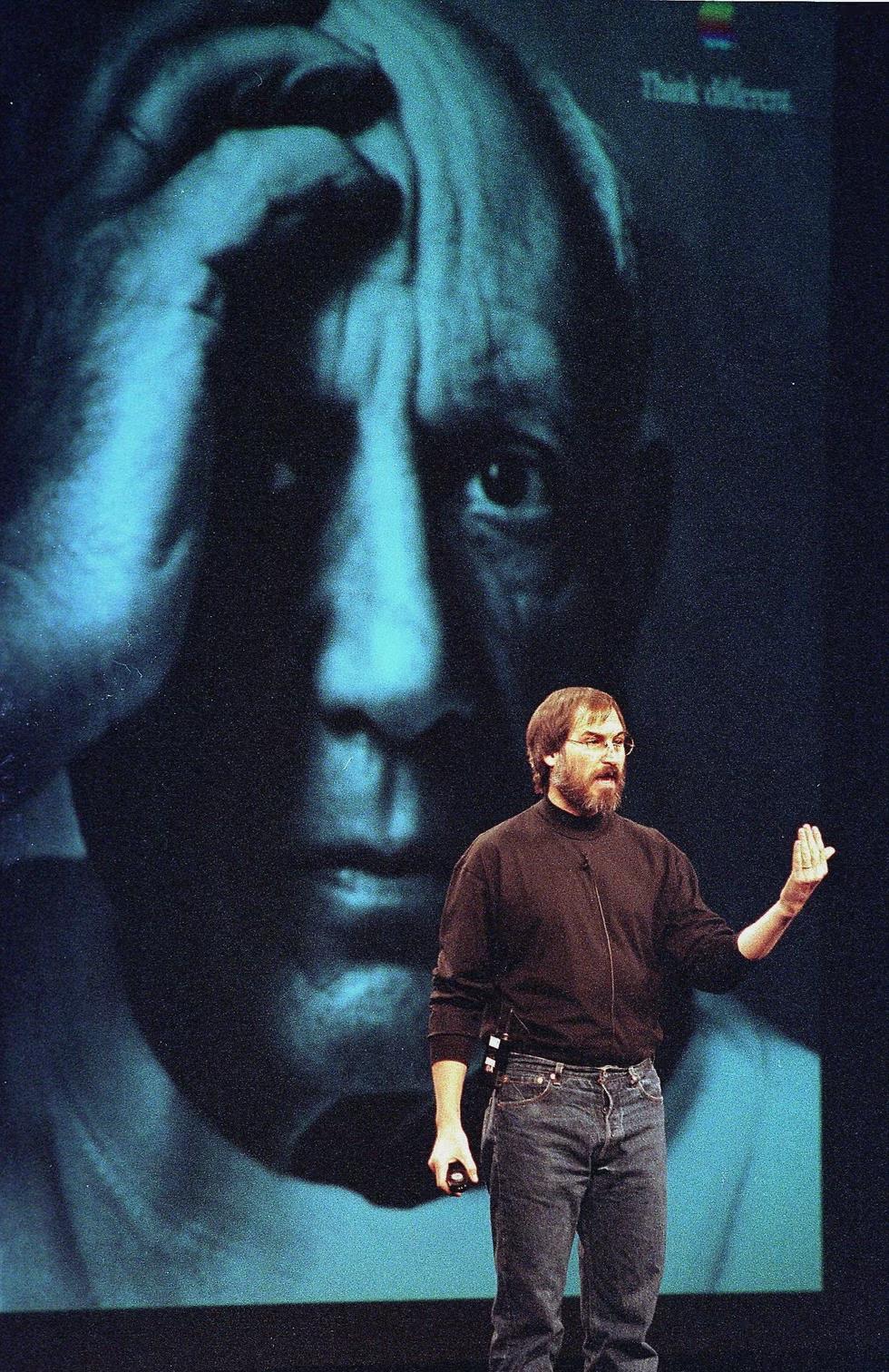
▲ At the 1998 Apple Macworld Developers Conference, Steve Jobs, who returned to the company as interim CEO, gave a keynote speech (Source: Getty Images)
This focus is institutionally embedded in Apple's daily decision - making. When describing the discussions within the company, Cook said: "If you dropped into an Apple meeting, you'd see incredible debates." The end of those debates is often not "let's add one more feature" but "we won't do this."
2. Jobs' Legacy and Shadow
Jobs died of pancreatic cancer in 2011 at the age of 56. Cook was by his side. On the way back to the company to announce the news to employees, Cook felt a strange kind of shock - strange because Jobs had been seriously ill for a long time and the outcome should have been anticipated.
Cook said: "I denied the course of this illness for too long because I saw him bounce back again and again, and I thought he'd always be like that. When I took over as CEO, I thought he'd always be the executive chairman - I still thought so just six weeks before that."
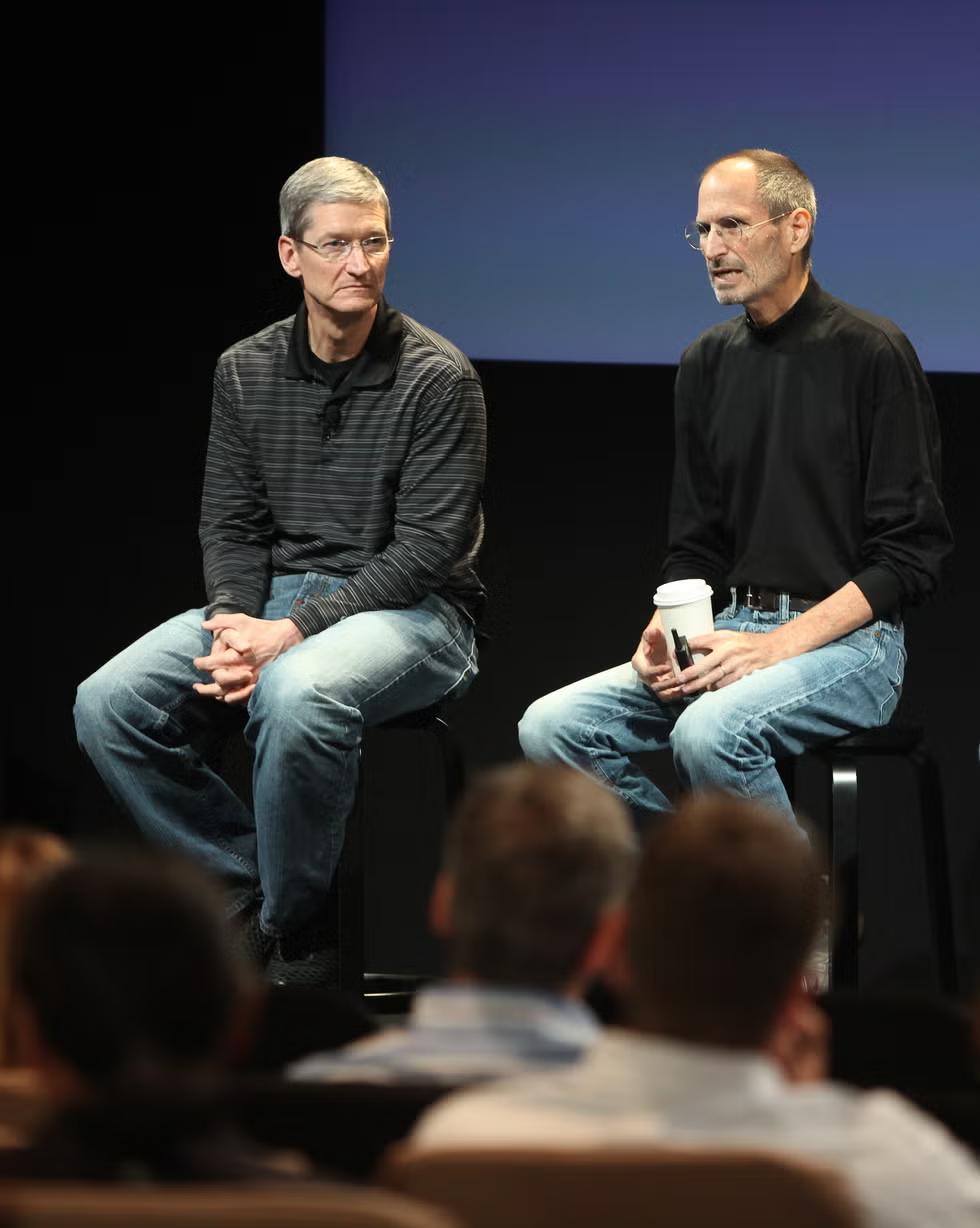
▲ In 2010, Tim Cook, then CEO of Apple, and Steve Jobs (Source: Getty Images)
The values established by Jobs are still the spiritual core of Apple today.
In 1997, Apple collaborated with the advertising agency TBWA/Chiat/Day to launch the "Think Different" advertisement. With black - and - white portraits of people like Lennon, Einstein, Picasso, and Bob Dylan, along with two words and an Apple logo, it reshaped the public's perception of this company.
"Those crazy people," Jobs called those pioneers who promoted change with wild ideas.
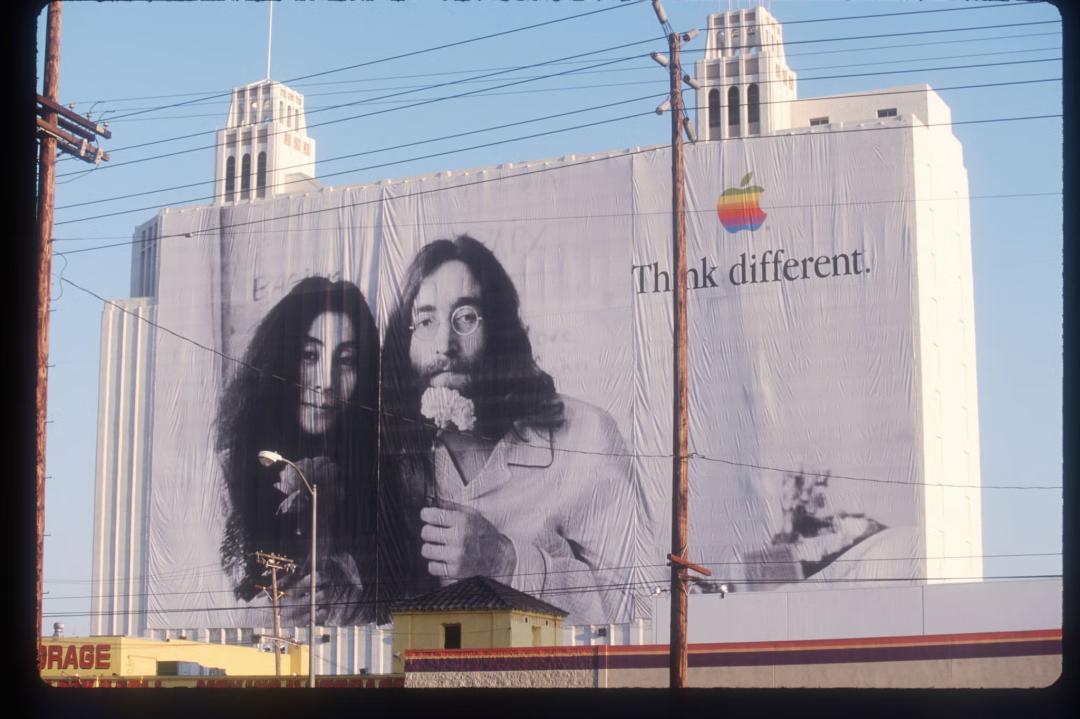
▲ John Lennon and Yoko Ono, both are the crazy and extraordinary people in Apple's words (Source: Getty Images)
When Cook talked about this history in the outdoor coffee area of Apple Park, he was facing a headquarters building made of a circular glass curtain wall that cost $5 billion. The 45 - foot - high glass panels were fired in a custom - made furnace in Germany; the 700 plum, apricot, and cherry trees in the inner ring were personally selected by Jobs - he grew up nearby when this area was full of fruit trees, and he wanted to keep that memory.
3. 'Crazy Ideas' Need a 'Ruthless Filter'
Apple's methodology doesn't exclude bold adventures. Cook admitted that there have been many costly gambling failures in the company's history: the Lisa computer, the Titan electric vehicle project, and the Cube. But he is quite calm about it: "If you never fall, it means you're not skating hard enough."
The real question is not whether to take risks but which risks to take. This is the meaning of what Cook calls the "ruthless filter." It's not used to kill crazy ideas but to screen which crazy ideas are worth betting on with all efforts.
The input end of this filtering mechanism is more open than the outside world imagines. "You have to realize that great ideas can come from any employee," Cook said. "Users can also have great ideas."
In other words, Apple's innovation funnel has a wide entrance but a very narrow exit. This asymmetry is the reason why its products can maintain a high degree of consistency.
50 years ago, Jobs and Wozniak were welding circuit boards in a garage with the goal of making something people would want to use. 50 years later, Cook is sitting in the $5 - billion circular headquarters, and the answer hasn't changed fundamentally.
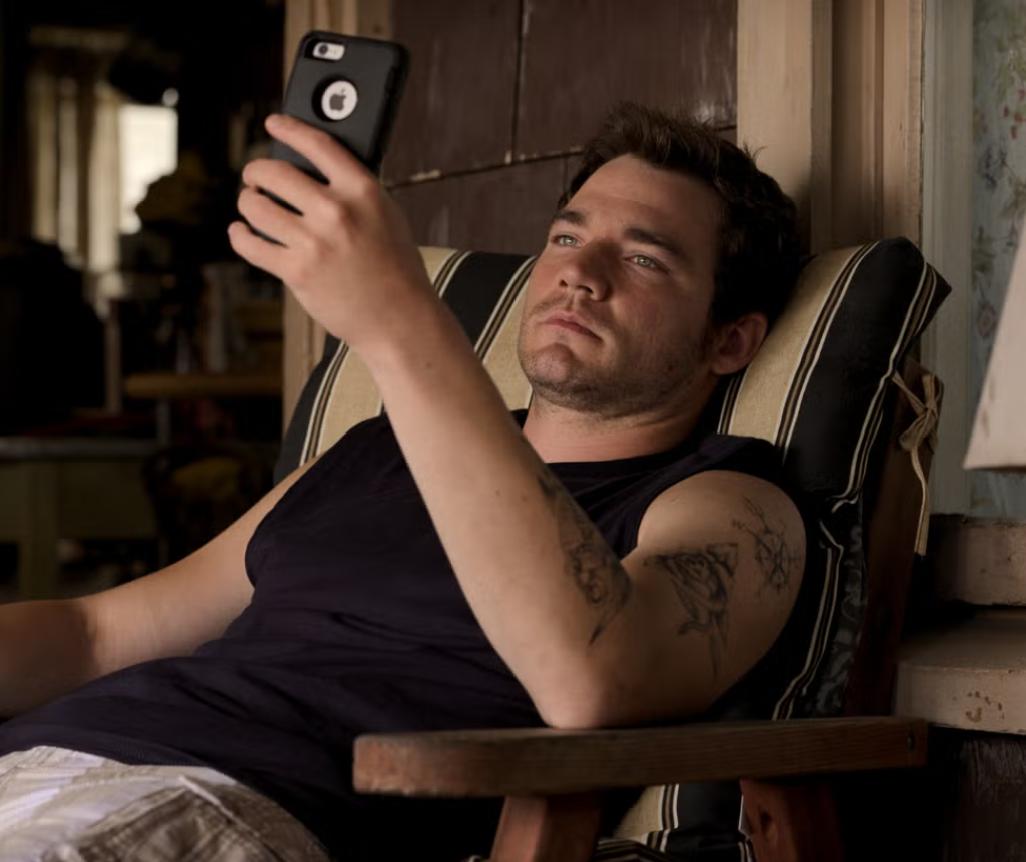
▲ Still from an Oscar - winning best - picture film, which is one of Apple's representative works in the early days of entering the film industry (Source: CODA)
03. Blockbusters Are Not Designed but Iterated
If we attribute Apple's product success to "design ability," it's only half - right. The more crucial part is that this company rarely expects to define a product in one generation. Real blockbusters often take shape gradually through continuous iteration.
During an interview with The Wall Street Journal yesterday, Cook said that there are hardly any products that are "blockbusters from the start." Whether it's the iPod, iPhone, or Apple Watch, they all went through a process from uncertainty to a clear positioning.
Take the iPod as an example. Its significance was later summarized as "putting 1000 songs in your pocket," but this expression wasn't fully