Apple is already 50 years old. Why do people still miss its youthful days?
To be honest, sometimes I have an illusion.
It's that Apple, this company, seems incredibly young. Whether it's its products, the atmosphere of its product launches, or the creativity of its advertisements, they always give a very "modern" feel, as if this company only started to rise in the past decade or so.
But if we look back in time, we'll find something quite astonishing: Apple is 50 years old this year. Since its establishment in 1976, it has gone through a whole half - century.
If a person reaches this age, according to our local saying, it's the age of "understanding the will of Heaven." But for a technology company at 50, can it also understand its destiny? Or rather, is it still the same Apple that once "Think Different"?
I've noticed that there's quite a lively discussion about this online recently.
Some people think that Apple has indeed changed. From the ambitious company that once wanted to change the world, it has gradually become a more mundane company that only makes incremental innovations, sets increasingly high prices, and often finds various reasons to make users pay for environmental protection.
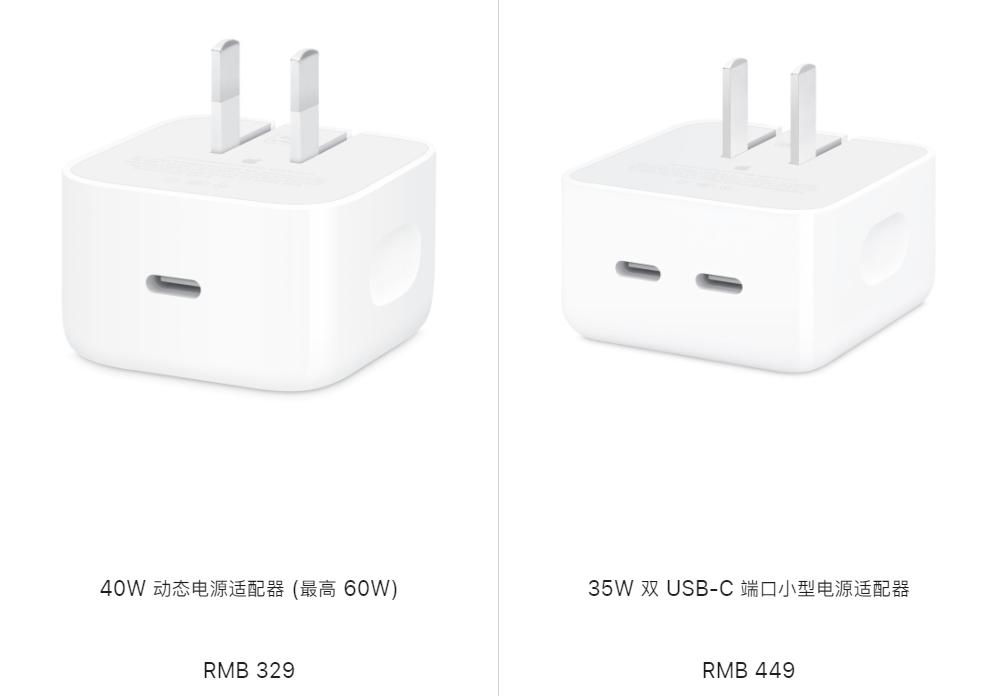

(Although we've complained about these points quite a bit in our daily lives.)
But then again, it doesn't seem right to say that it's completely worthless. After all, a company that can survive for 50 years and still remain a major player in the market can't rely solely on marketing, brand image, and business tactics.
Over the years, Apple has indeed produced many significant products and has influenced the entire consumer electronics industry time and time again.
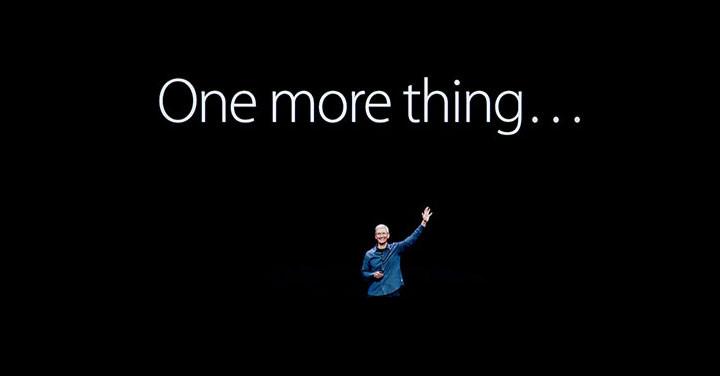
So, the key question may not be simply answering whether Apple has changed, but rather how it has evolved to where it is today. Only by looking back at its journey can we more easily answer the question -
Is the current Apple, which is better at business and more diplomatic, still the same Apple that once had the sole goal of changing the world?
Let's rewind the clock to 1976. Back then, computers were either so large that they could fill an entire room, or like the Altair 8800, you had to input programs by flipping switches on the panel and read the results by staring at rows of blinking LED lights.
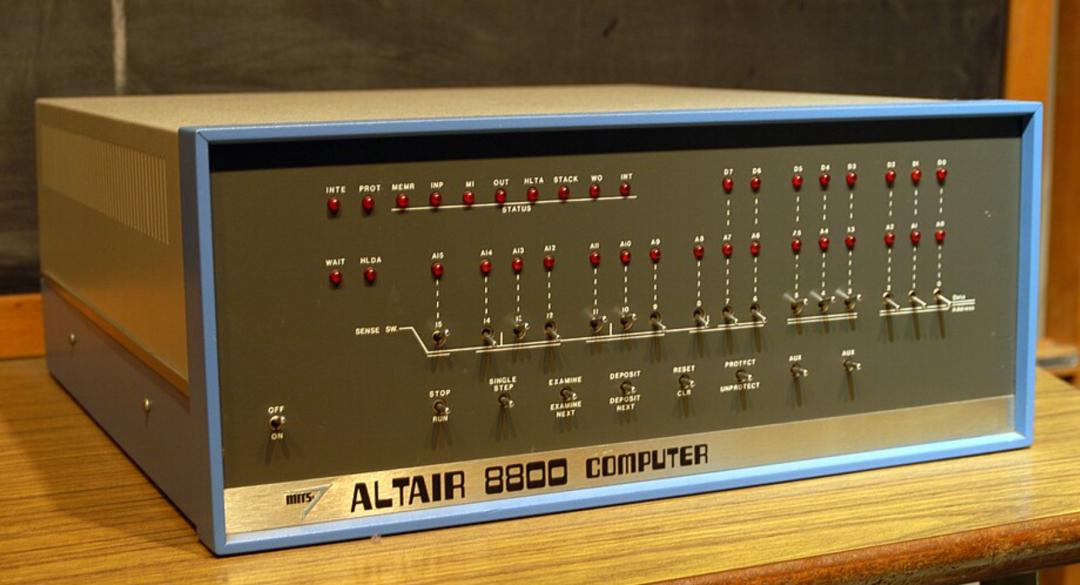
At that time, the major technology giants generally believed that computers were only for businesses and governments. What would ordinary people do with a computer?
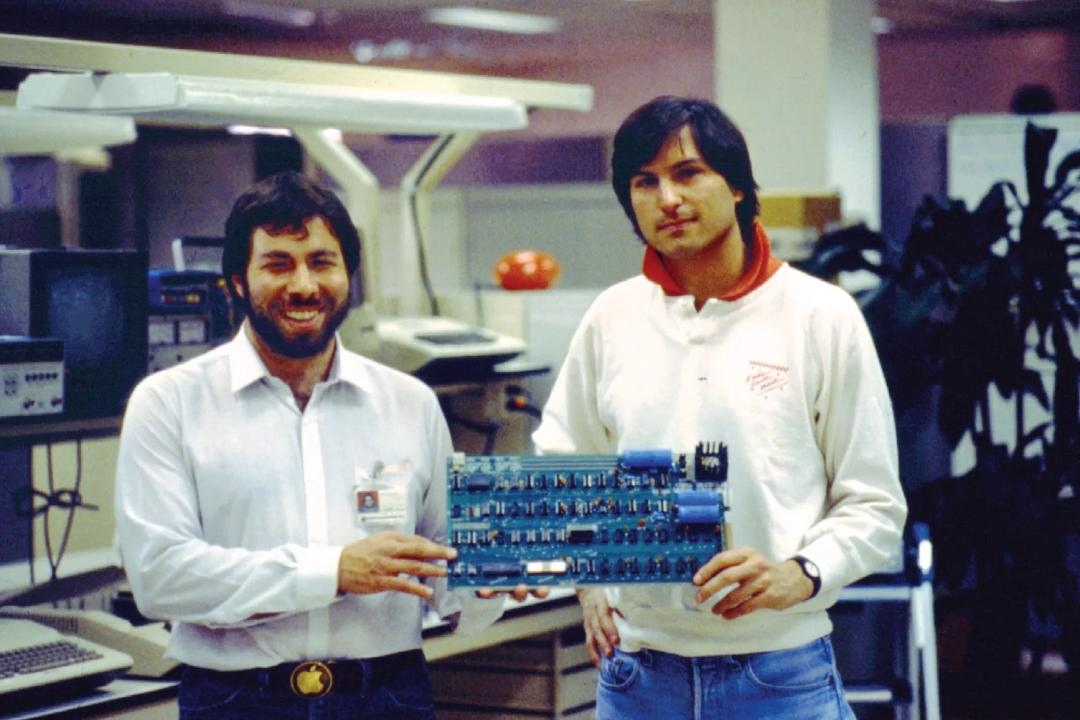
But Steve Jobs and Steve Wozniak didn't think so. They wanted a computer of their own. So, in an unremarkable garage, they assembled the Apple I using a bunch of parts that would now be considered electronic waste.
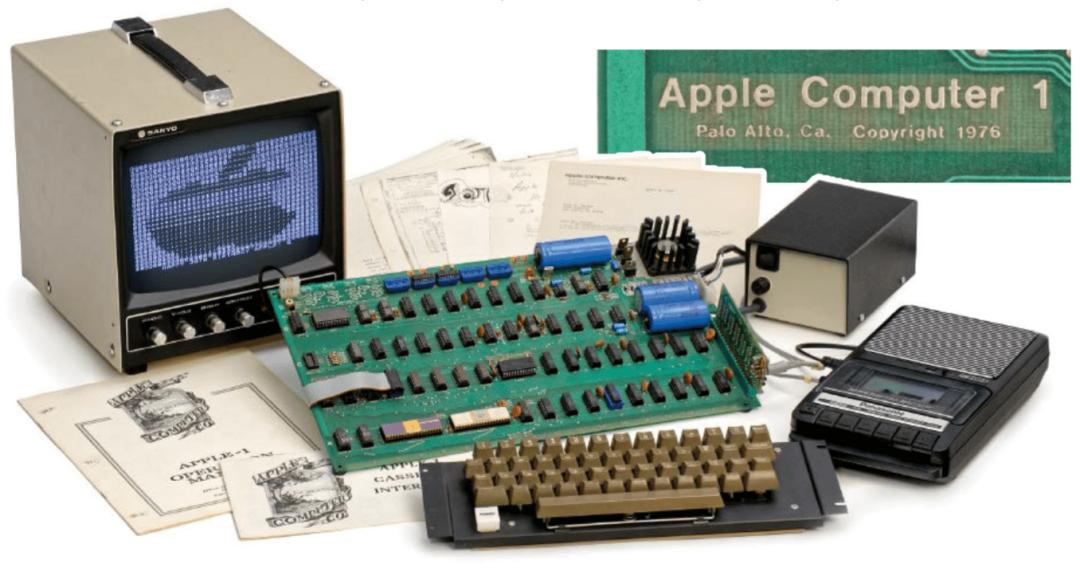
To put it bluntly, it was more like a semi - finished product: no casing, no keyboard, no monitor. It was basically just a bare motherboard, and you had to assemble it yourself after buying it. The price was $666.66, which wasn't cheap at that time.
But Jobs immediately saw that this thing wasn't just for personal use; it could also be sold to others. As it turned out, his vision was indeed sharp. Eventually, dozens of these rudimentary "computers" were sold, and Apple got its first startup fund.
However, this first product was more of a trial. What really helped Apple shed its "amateur" image was the Apple II in 1977 - it can be said to be the first personal computer in history that ordinary people could actually use.
It had a color screen for the first time and a nice appearance. You could use it to play games and create spreadsheets. When Wozniak designed it, he stuffed almost all the good features available at that time into it, and it was also very easy to operate.
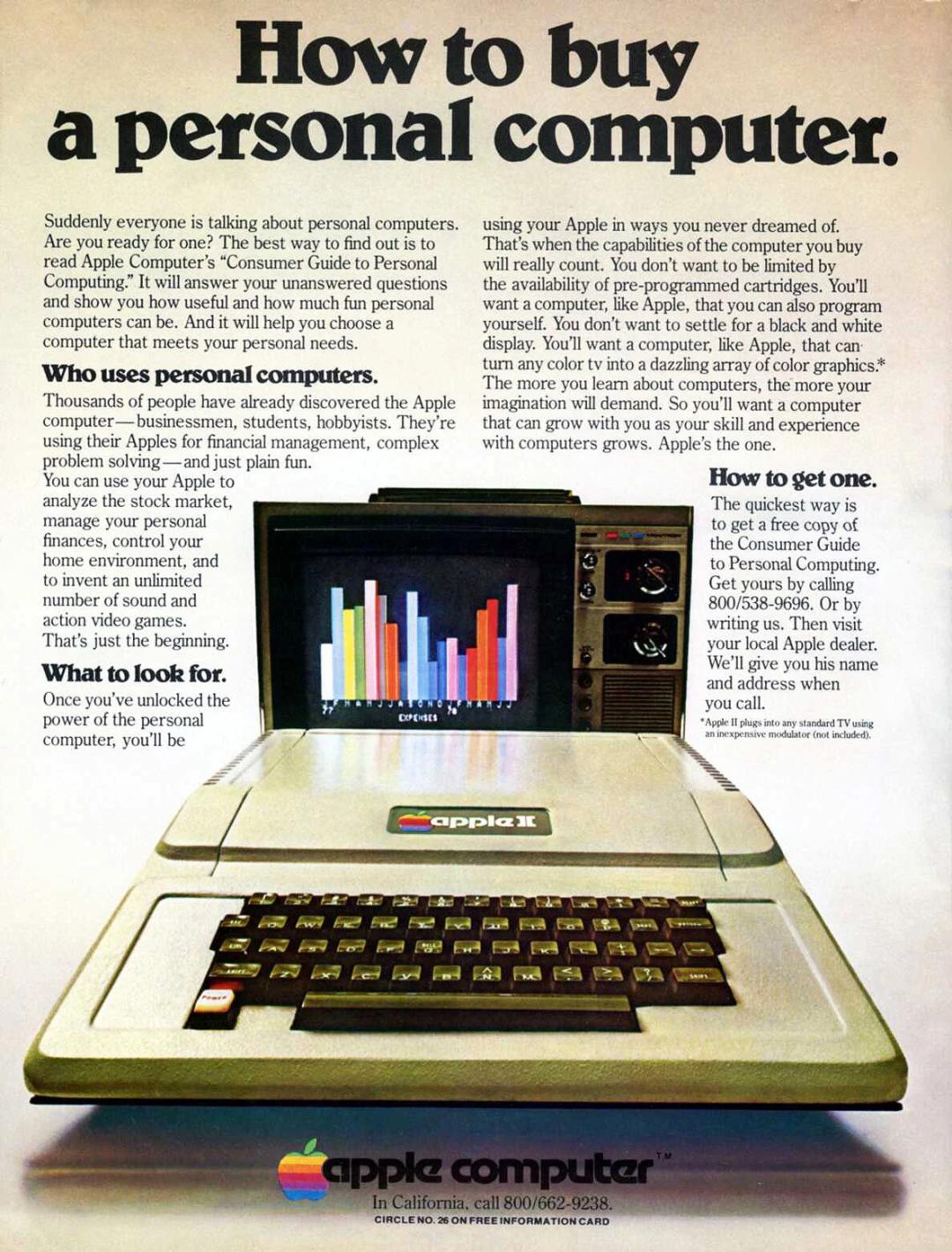
As a result, the Apple II was sold for more than a decade, with a cumulative sales volume approaching 6 million units. It directly transformed Apple from a small garage workshop into a company with an annual revenue of hundreds of millions, and it also officially popularized the concept of "personal computers."
In 1980, Apple went public, and 25 - year - old Steve Jobs became a billionaire overnight. Apple officially stepped onto the world's technology stage.
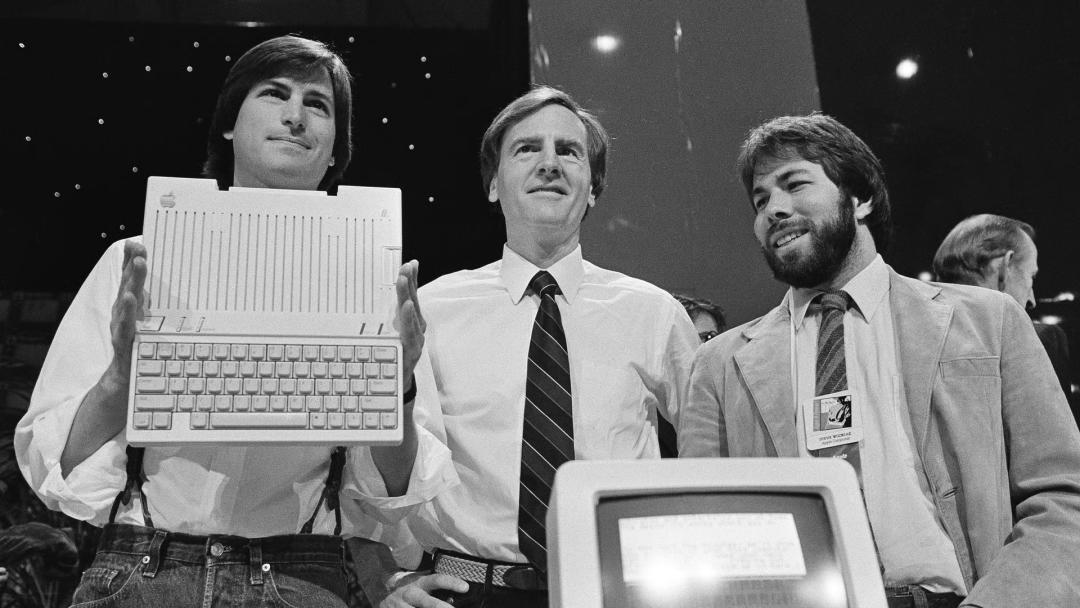
If we look back now, the success of the Apple II actually set the tone that Apple has always adhered to since then - turning complex technologies into simple and useful tools and putting them into the hands of more ordinary people.
But what really made Apple a legend was the advertisement in 1984. A female athlete in a white vest rushed into an auditorium full of bald - headed people staring at a big screen and smashed a hammer into the screen, abruptly ending the speech of "Big Brother."
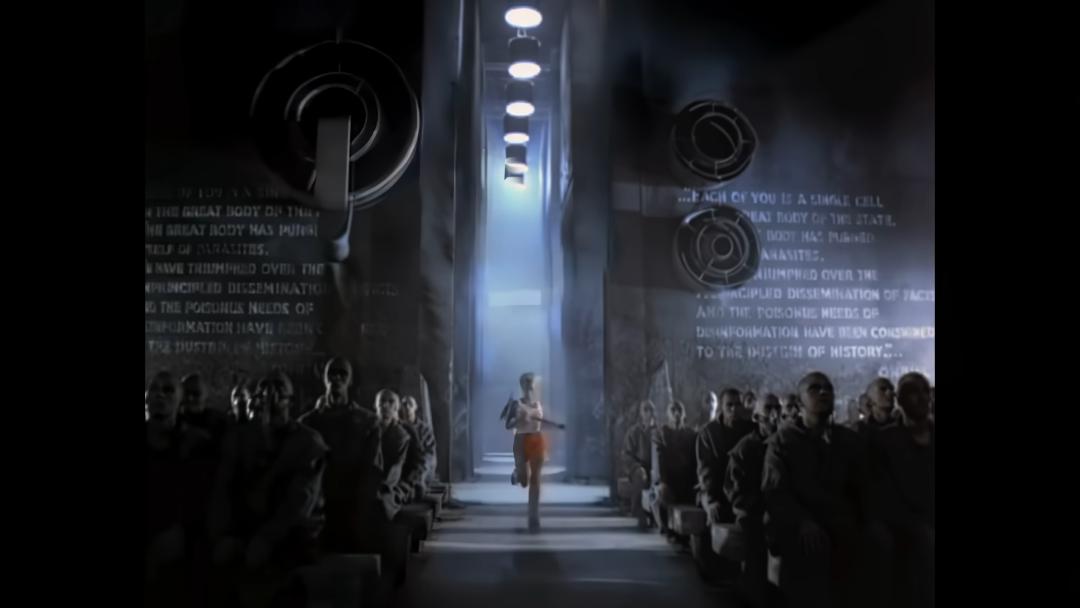
Then the voice - over said:
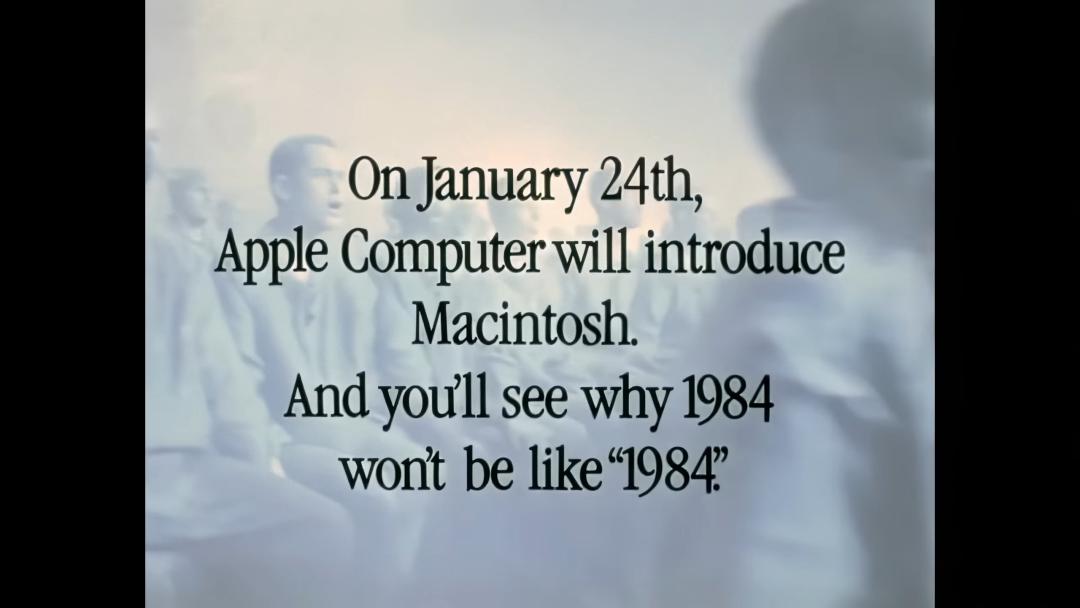
“On January 24th, Apple Computer will launch the Macintosh. You'll understand why 1984 won't be like '1984.'” The message it wanted to convey was crystal clear: The products Apple launches are meant to break the monopoly of giants and liberate individuals.
The Macintosh was the world's first commercially successful graphical - interface computer. It replaced keyboard input with a mouse and complex command codes with icons and menus. This was a game - changer for the computers that were still using command lines at that time.
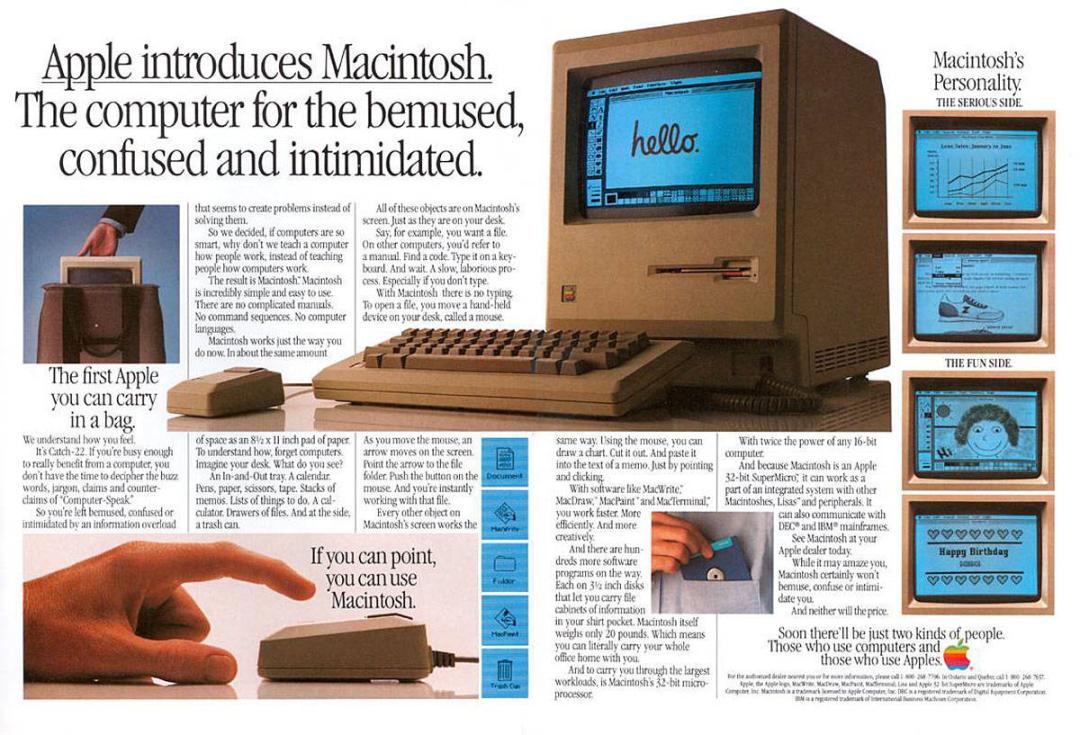
From the Apple II's "making computers accessible to ordinary people" to the Macintosh's "making computers easy to use for ordinary people," Apple completed two revolutions in personal computers in its first decade.
At that time, Apple was like a young man full of edge, declaring to the world: Screw the rules, I'll do what I think is right.
Of course, young people have their sharpness as well as their flaws.
In 1985, due to internal power struggles, Steve Jobs was ousted from his own company. In the following decade, it was Apple's "dark age." The product line was in a mess, the prices were too high, and its market share was being rapidly eroded by other competitors.
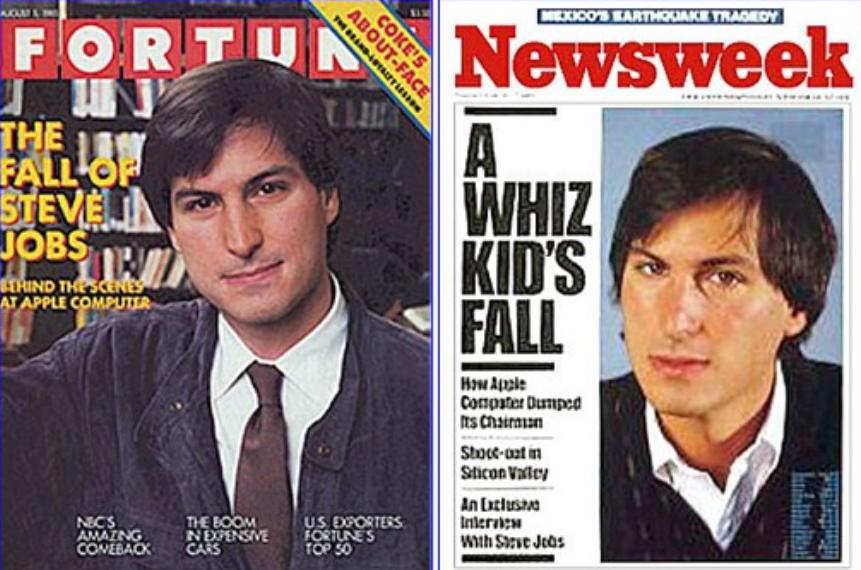
In 1997, Apple was on the verge of bankruptcy. Many people thought the company was doomed. Then, Steve Jobs returned. The first thing he did after his return wasn't to launch a product that would amaze everyone but to cut most of the product lines.
At that time, Apple had dozens of computer models. Jobs called the engineers together and drew a simple four - grid matrix on the blackboard, which were consumer - grade, professional - grade; desktop, portable. He said, "We only need to make these four types of computers."
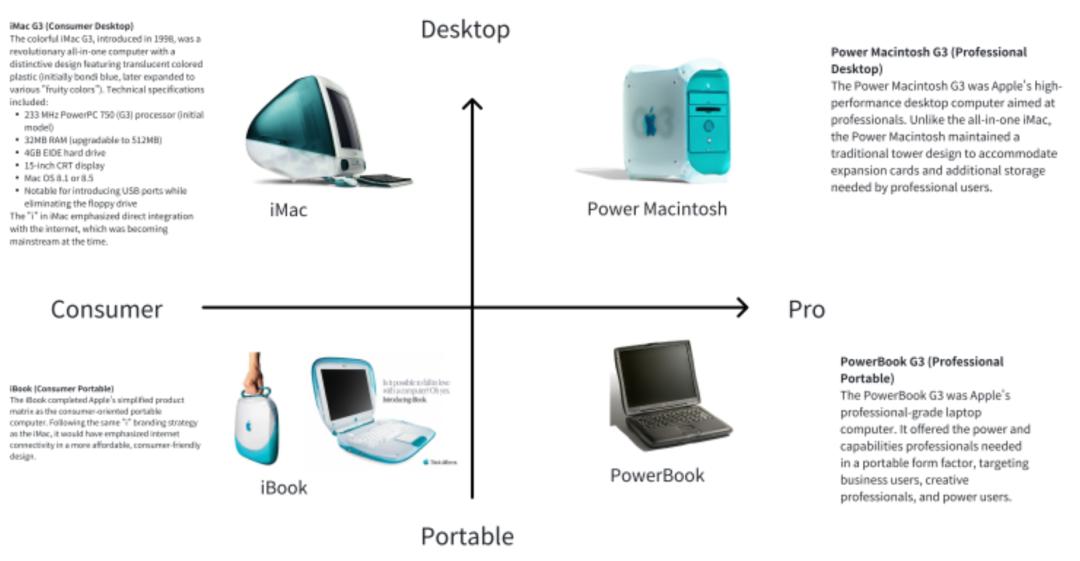
To be honest, this extreme focus seemed like a suicidal move at that time. But it was this "less is more" concept that saved Apple. However, what really gave Apple its soul back wasn't a particular product but a slogan.
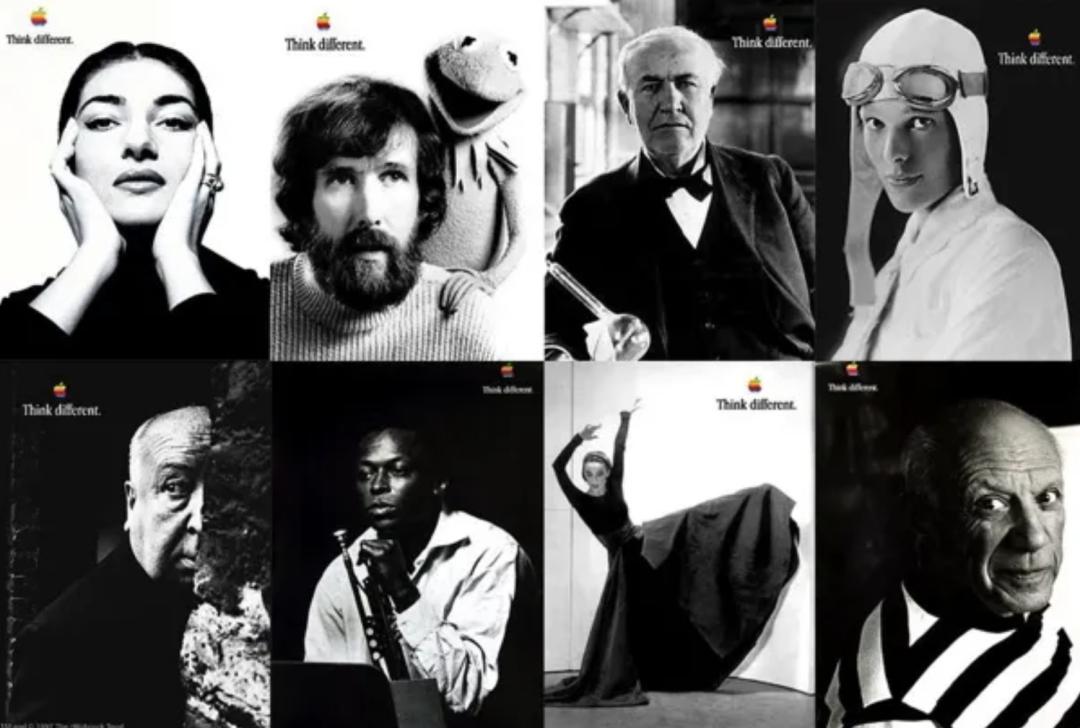
In 1997, Apple launched that famous advertisement - "Think Different."
In the black - and - white footage, Einstein, Martin Luther King, Picasso, Gandhi... a series of "crazy" people walked by. The voice - over said, "The people who are crazy enough to think they can change the world are the ones who do."
This advertisement never mentioned any Apple products, but it perfectly announced Apple's comeback.
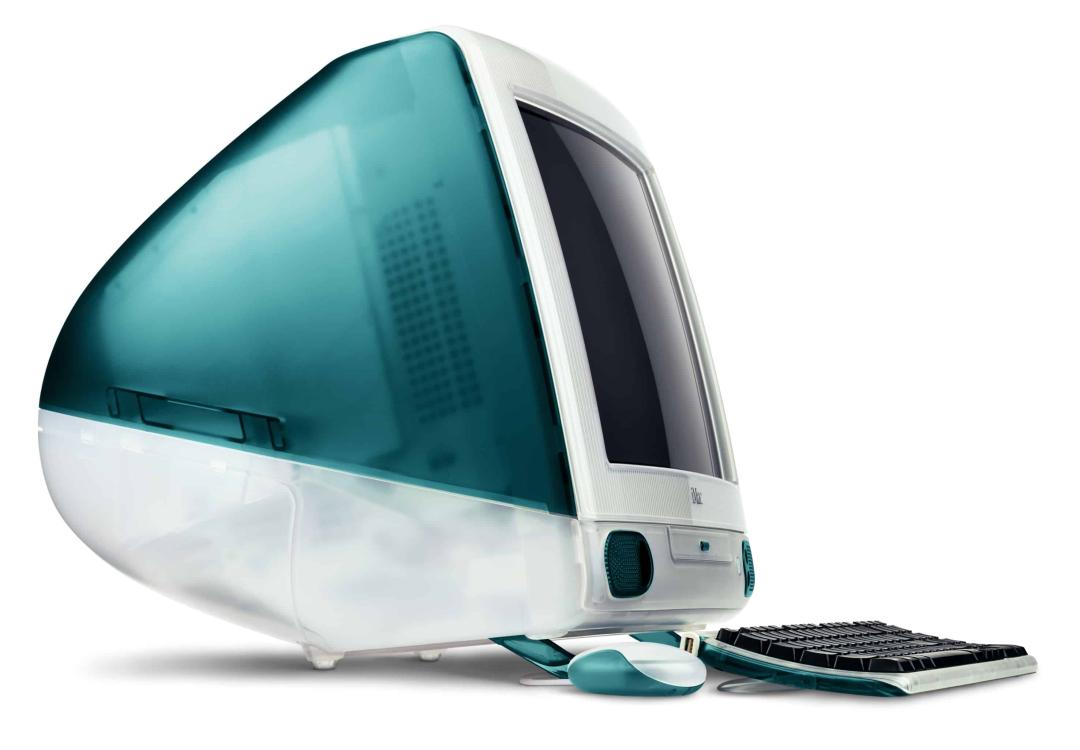
In 1998, the first year after Jobs' return, Apple launched the iMac. This translucent all - in - one computer looked different from all other computers at that time. There were no messy cables. You could just unpack it, plug it in, and start using it.
Thanks to this revolutionary design and minimalist experience, the iMac sold like hotcakes after its launch, pulling Apple back from the brink of bankruptcy. More importantly, it taught Apple how to create "things that people want to own" again.