2026 Global Developers' Pioneering Conference | Banmo Yixing Unveils the "Intelligent Brain" of Driverless Vehicles
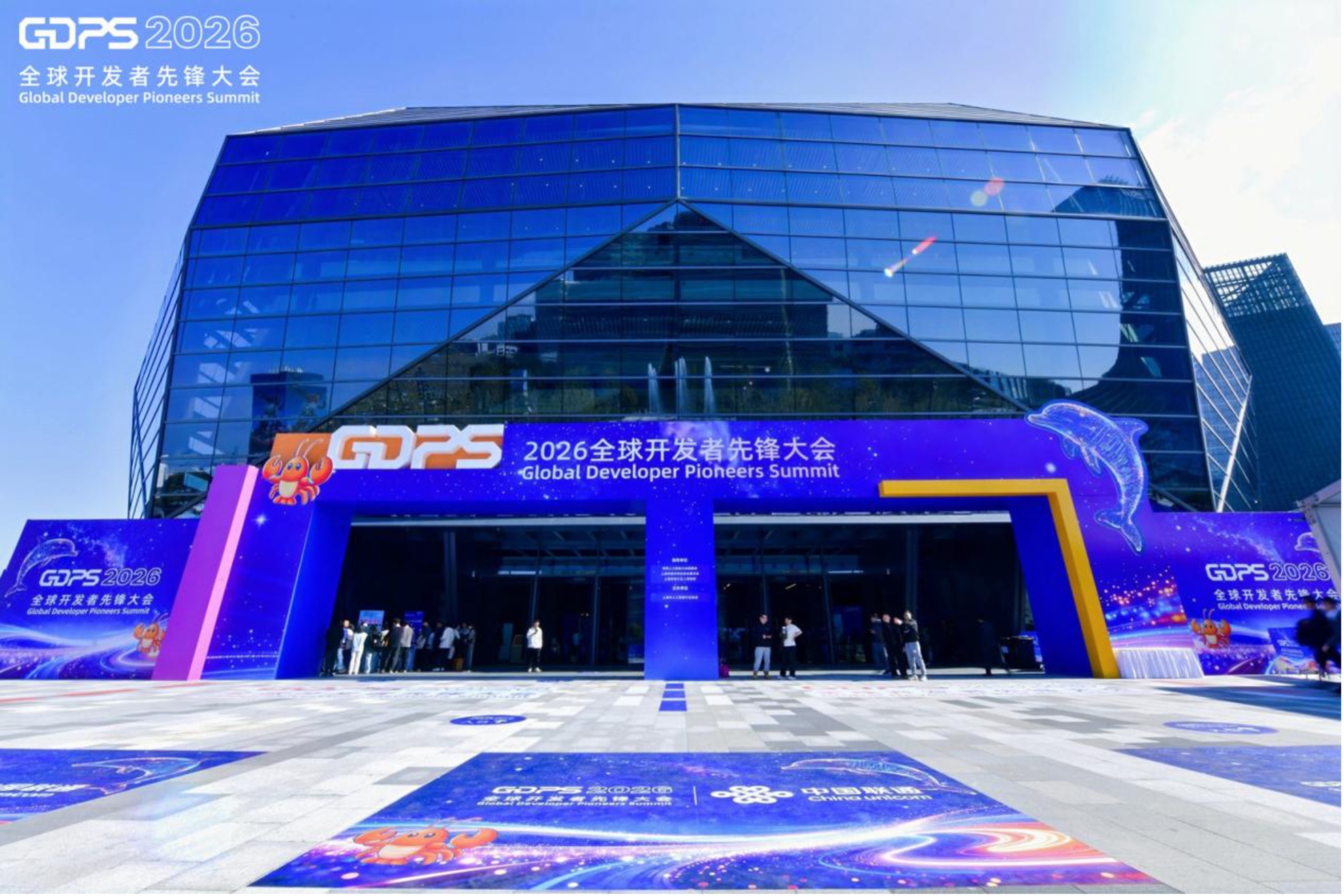
From March 27th to 29th, 2026, the 2026 Global Developers' Pioneer Conference with the theme of "Unleashing Intelligence, Pioneering the Future" was grandly held in Xuhui, Shanghai. A technological feast on "how unmanned vehicles can truly have intelligent brains" ignited the enthusiasm of on - site developers.
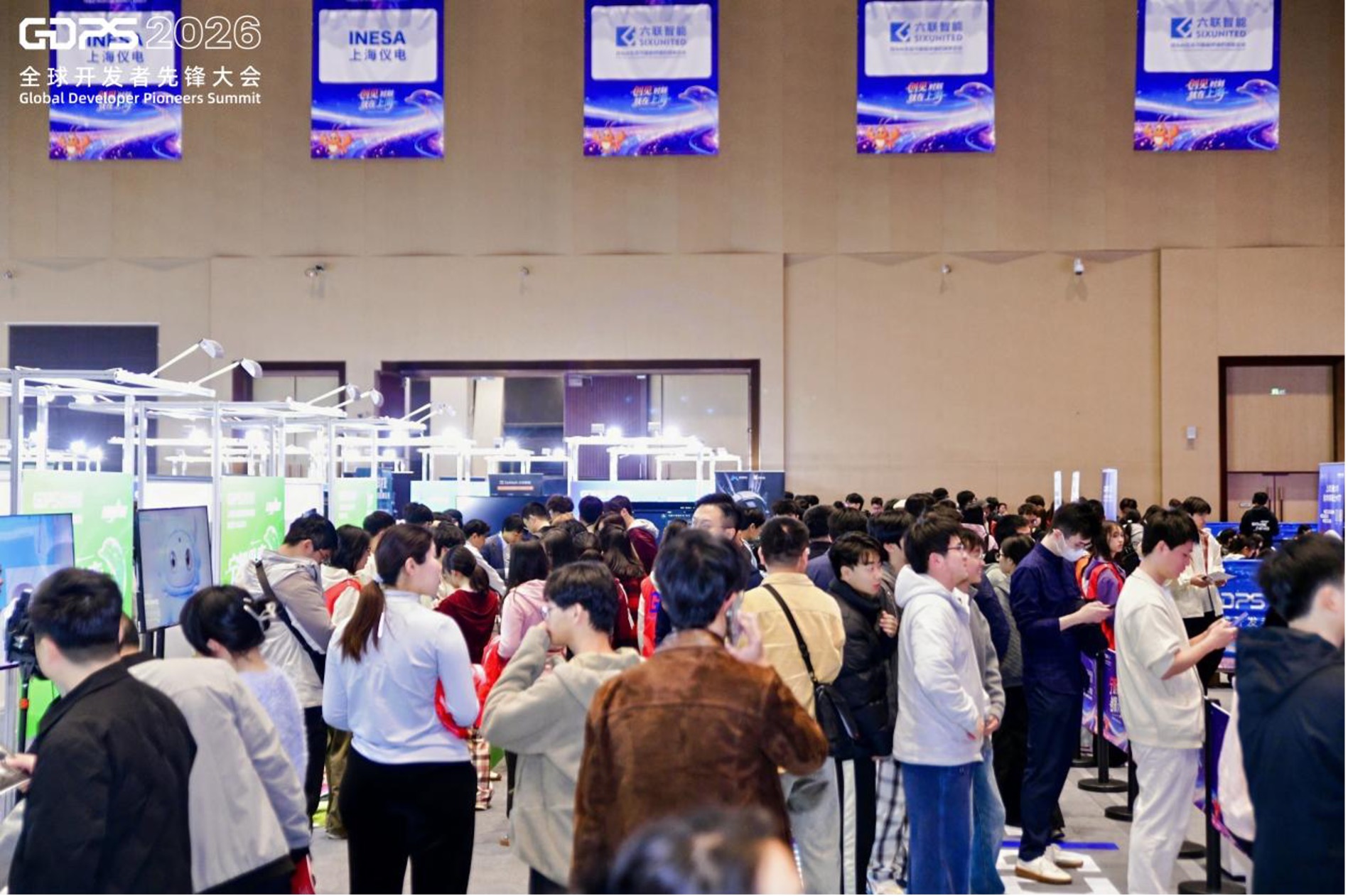
Banmo Yixing presented a in - depth workshop titled "Application and Exploration of End - to - End Large Models in Unmanned Vehicles", demonstrating the company's technological accumulation and engineering practices in the field of embodied intelligence to the industry. From technical routes, paper breakdowns to engineering deployments, it conveyed the iterative direction of unmanned vehicle technology to global developers.
Creating Smarter Scene - Adaptive Intelligent Delivery Unmanned Vehicles
At this workshop, Chen Qiang, the President of Banmo Yixing, shared insights on the current development status of the unmanned vehicle industry and the company's layout, elaborating in detail on the brand positioning and development concept of Banmo Yixing. As an innovative practitioner in the field of unmanned vehicles, Banmo Yixing has always centered on technological innovation, focusing on the in - depth integration of end - to - end large models and unmanned vehicles. It is committed to breaking through industry technological bottlenecks, promoting the large - scale implementation of unmanned vehicle technology from the laboratory, and providing efficient, safe and low - cost solutions for intelligent logistics scenarios.
The Way to Break the Deadlock: "Upgrading" the Technical Route and "Downgrading" the Core Pain Points
Zhu Baowei, the technology leader, focused on the core technical difficulties of unmanned vehicles and conducted an in - depth analysis. He systematically elaborated on Banmo Yixing's overall technical architecture: based on the "engineering capabilities foundation", with the "core algorithms" as the engine, an open "ecosystem" is constructed.
He pointed out that the industry is currently at a critical stage of technical route iteration, and the core pain points of the industry are as follows: The traditional "rule - based" algorithms have a low upper limit of capabilities, often struggle in complex real - world scenarios, and the implementation costs remain high, which seriously restricts the large - scale development of the industry. In terms of trends, whether for passenger cars or low - speed unmanned vehicles, "end - to - end + embodied intelligence" has become the absolute mainstream.
The end - to - end technology can skip the modular intermediate links of "perception - fusion - planning - control", effectively reducing time delays and information losses and significantly improving decision - making accuracy. Relying on a continuous closed - loop of scenario data, the model can achieve self - learning and self - evolution. As the operational data accumulates, the decision - making accuracy and scenario adaptability will continue to improve. At the same time, the unified closed - loop data model can significantly reduce the manual debugging costs for cross - regional implementation and improve the efficiency of large - scale operations, which is highly consistent with the current demand for large - scale implementation in the unmanned vehicle industry and is also the key technical direction that Banmo Yixing is deeply involved in.
The "Breakthrough" Strategy from VLA to Innovative Companies
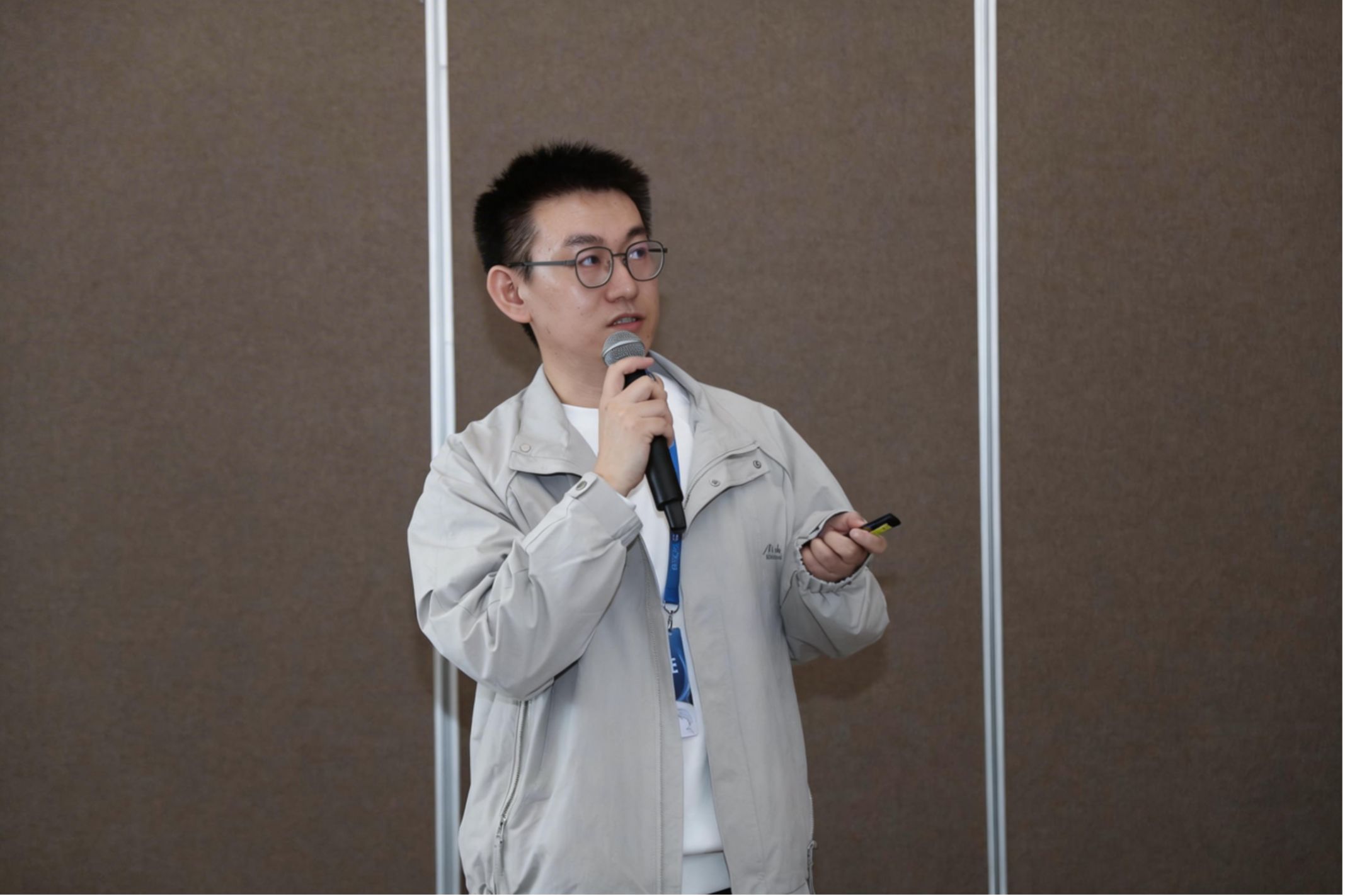
If the technical route is the "principle", then the implementation of algorithms is the "method". In the algorithm breakdown section, the technical team led developers into the world of code. Through the comparison and summary of core solutions such as VLA, world models, and Transformer, they analyzed the core difficulties and solutions of current end - to - end algorithms.
Especially for the problems of the lack of base models and data faced by start - up companies, a solution of "fine - tuning based on data closed - loop + open - source models" was proposed, emphasizing the comprehensive implementation and flexibility of engineering capabilities and algorithm capabilities. Taking the flexible adaptation of the self - developed Smartware2.0 as an example, practical experiences in aspects such as input - side sensors, navigation adaptation, output - side prediction and planning trajectories, and chassis adaptation were introduced in detail. This comprehensive implementation ability of "engineering + algorithms" ensures that technical solutions can be quickly reused on different vehicle models and hardware platforms.
Senior algorithm engineers of Banmo Yixing sharing technical practices
Engineering Practice: The Last Mile from Simulation to On - Board Deployment
Beyond theory, the engineering training was the highlight of the workshop. In this workshop, the technical team also shared the full - process practice of unmanned vehicle engineering deployment, focusing on the difficulties and coping strategies in the deployment process. The team said that the middleware plays a core role in model deployment. Embedding the model in the middleware can achieve efficient collaboration between different modules, improving deployment efficiency and stability. In the simulation stage, the team verified the model performance through practices such as individual model simulation and back - filling rosbag data in the middleware (awsim), avoiding deployment risks in advance. In the on - board stage, the difficulties and paths of quantization were broken down in detail, the maturity of the toolchain and the required skill difficulties were analyzed, and the differences between the cloud simulation platform and actual deployment and the solutions were also analyzed. Finally, the model was tested on the vehicle and officially released, forming a complete closed - loop of "simulation - testing - optimization - implementation".
The workshop at this Global Developers' Pioneer Conference became an important window for in - depth communication for Banmo Yixing. The end - to - end technical route is the trend, base models are being open - sourced one after another, and the ability of algorithm + engineering implementation is the core test. The ability of scenario data closed - loop determines the upper limit of algorithm capabilities.
Banmo Yixing will adhere to the full - stack technical route of "engineering capabilities foundation + algorithms + ecosystem", use real - world scenario data as fuel and the open - source ecosystem as a lever to continuously promote the evolution of low - speed unmanned vehicles from "usable" to "user - friendly", and looks forward to collaborating with more developers to jointly explore the vast expanse of embodied intelligence.