Why aren't SUVs in the 200,000-yuan price range selling well?
Many car manufacturers like to define the positioning of their own products by price, and many media outlets like to define a certain level of vehicle models with a specific price figure. In fact, in today's increasingly segmented automotive market, using a single price to define a vehicle model in a certain niche is no longer applicable.
For example, in the SUV market in the 200,000-yuan range, people naturally used to think of compact SUVs from joint-venture brands. However, the prices of these models have long fallen below the 200,000-yuan mark. Meanwhile, some compact SUVs from luxury brands are now targeting this price range. This is also the biggest change brought about by the involution in vehicle size in recent years.
Therefore, the 200,000-yuan price range is at a delicate crossroads: Looking down, it's the market in the 150,000 - 200,000-yuan range, dominated by compact SUVs and focusing on high cost-performance. Looking up, it's the area in the 200,000 - 250,000-yuan range, where mid-size SUVs take the lead and emphasize a premium experience.
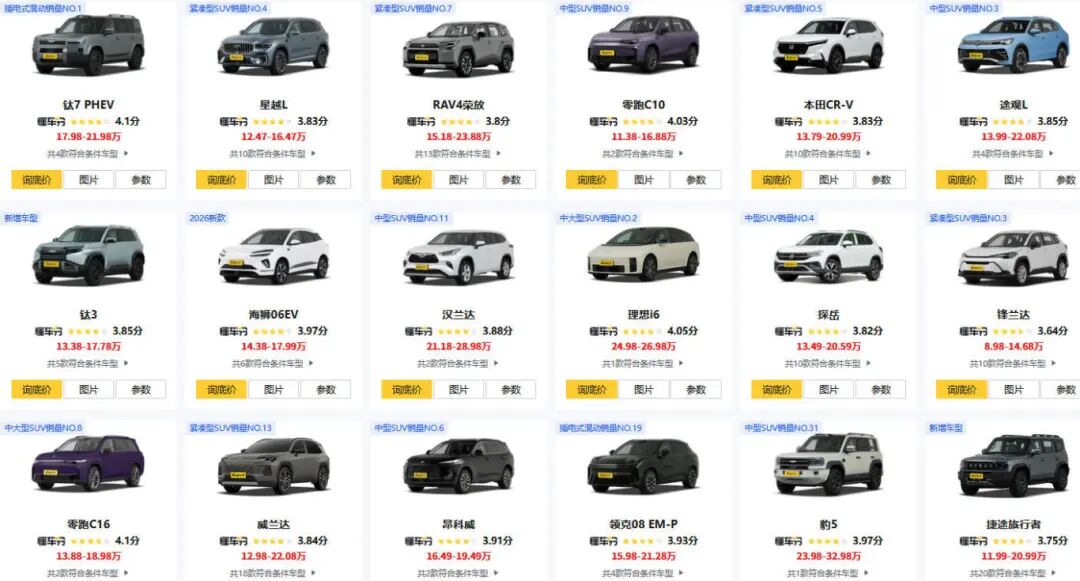
It's not hard to see from this that when the past product definition logic fails, it means that car manufacturers must make precise trade-offs between size, configuration, and price when defining products in the 200,000-yuan range. A slight mistake may lead to an awkward situation of being neither here nor there. If there are really models with a mid-range price, such as those priced between 180,000 and 230,000 yuan, they will be squeezed from both sides.
However, from the perspective of consumer demand, whether it's products in the 150,000 - 200,000-yuan range or the 200,000 - 250,000-yuan range, their core points to one thing: family users. The SUV camp in the lower price range has long occupied the basic market of first-time family car buyers. The SUV segment in the higher price range pays more attention to superior space, creating a sense of luxury, and cutting-edge technology, targeting the group of users looking to upgrade their cars.
That is to say, for any car manufacturer, precise positioning is the prerequisite for survival. In this era where consumers have better access to information, conduct more thorough price comparisons, and have more rational demands, vague positioning means being quickly marginalized. Only products that can find the best balance between size, configuration, and price and clearly convey their core values can stand out in the fierce market.
A Highly Fragmented Niche Market
This article has compiled some vehicle models in the 200,000-yuan range as a reference. Through the pricing and positioning of these mainstream models, it's clear that this niche market has completely bid farewell to the era when a single category could dominate. It has evolved into a complex battlefield with a wide variety of power forms, brand camps, and price anchors.
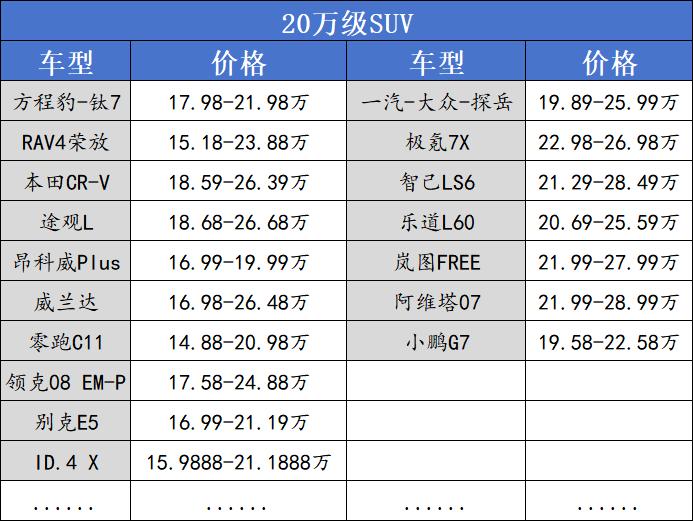
Traditional fuel-powered vehicles still hold a significant position in terms of sales volume. Joint-venture fuel SUVs represented by Volkswagen Teramont, Tiguan L, Toyota RAV4 Rongfang, Venza, Honda CR-V, and Buick Envision Plus, although facing the impact of the new energy wave, still maintain considerable monthly sales in the 150,000 - 200,000-yuan range thanks to their long-term accumulated distribution networks, user reputation, and high resale value.
They are characterized by a wide pricing range and frequent terminal discounts. The actual transaction price is often lower than the listed price, and they maintain their market share by trading price for volume. In fact, the high - end versions of compact SUVs from domestic brands directly compete with them, and even mid-size new energy SUVs from domestic brands are starting to erode their sales volume.
Pure electric vehicle models show obvious polarization. On the one hand, domestic high - end pure electric SUVs represented by ZEEKR 7X, IM LS6, Avatr 07, and XPENG G7 are generally priced in the 200,000 - 280,000-yuan range. They focus on cutting-edge technologies such as 800V high - voltage platforms, advanced intelligent driving, and smart cockpits, trying to attract young users with a high acceptance of new things through technological superiority.
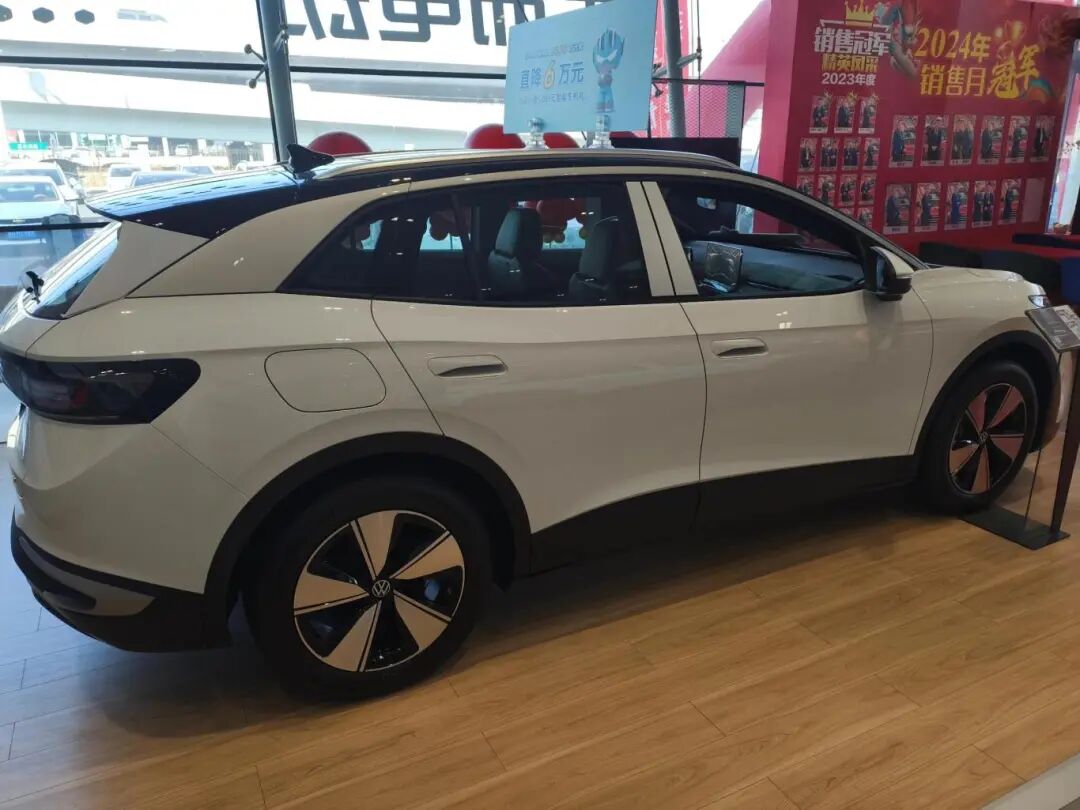
On the other hand, models represented by Volkswagen ID.4 X, Buick E5, and Leapmotor C11, although slightly smaller in size, still exceed the level of traditional compact SUVs and reach the mid-size SUV level. They compete head - on with fuel - powered vehicles in the 150,000 - 200,000-yuan range with more affordable pricing.
Theoretically, plug - in hybrid and extended - range vehicles should be the fastest - growing category in this price range. Especially for consumers who use their cars as the only family vehicle or have long - distance travel needs, the ability of plug - in hybrid vehicles to run on both electricity and fuel greatly alleviates range anxiety, and they can also enjoy the policy dividends of new energy vehicles. However, there are actually few hot - selling models.
Domestic brands such as Fangchengbao, ZEEKR, IM, Avatr, XPENG, Voyah, and Lynk & Co, which are high - end brands from the start, almost all anchor the pricing of their main models around 200,000 yuan, and the high - end versions generally exceed 250,000 yuan. This shows that they value the brand value brought by price more.
In terms of sales volume, top - selling models such as the RAV4 Rongfang, CR - V, and Tiguan L, the ever - green joint - venture models, can still maintain monthly sales of over 10,000 units. This also shows from the side that at this price range, the purchasing appeal of joint - venture fuel vehicles is stronger than that of many new energy vehicles at the same price.
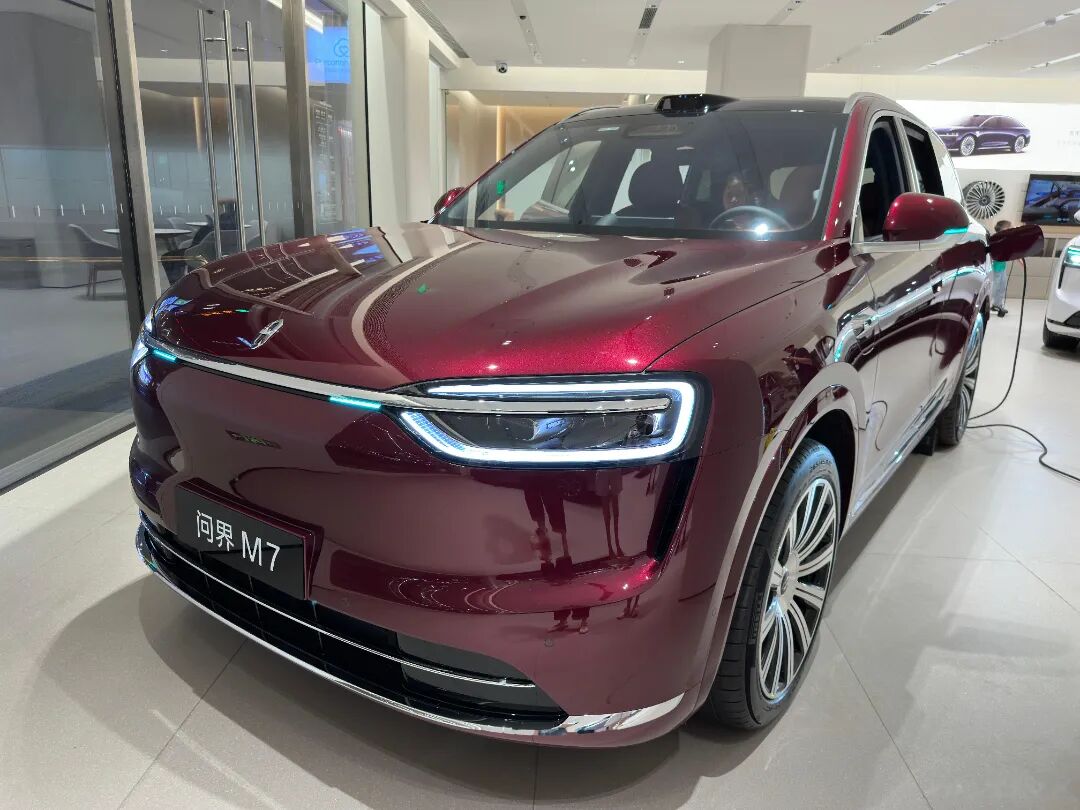
In the domestic brand camp, only a few models in the table can reach a monthly sales volume of over 10,000 units. Instead, models such as Li L6 and AITO M7, which are not listed in the table, have formed a dominant position in the 250,000 - yuan market with their precise positioning for family users, further squeezing the price space of 200,000 - yuan models.
That is to say, potential users of 200,000 - yuan SUVs compare multi - dimensional indicators such as range, energy consumption, intelligent driving ability, space, and resale value, forming strict standards of "wanting it all". Family users especially value the comprehensive cost of use and the practicality of configuration, which explains why joint - venture fuel vehicles and high - cost - performance domestic cars can rise rapidly.
When domestic brands break through upwards with new energy and joint - venture brands defend downwards with fuel vehicles, the result is that top - selling models with clear product definitions continue to lead, while models with vague positioning are quickly marginalized. For car manufacturers, there is no one - size - fits - all product solution in this price range. Only by precise positioning can they gain a foothold.
What Is the Prerequisite for a Car to Sell Well?
An interesting thing happened in the automotive industry recently. On March 20th, Dongfeng Nissan NX8 started its pre - sale. This new energy SUV, officially defined as a 200,000 - yuan - level vehicle, made a bold decision not to announce the pre - sale price. Wang Qian, the general manager of the new energy brand of Dongfeng Nissan Automobile Sales Co., Ltd., said:
For the pre - sale of NX8, we don't play tricks! The pre - sale price is a tentative move out of lack of confidence. Experience is the proof of real strength. This kind of price - testing game is almost outdated. A good product speaks for itself. The real confidence lies in letting everyone experience it first and make more comparisons. No psychological warfare, no price games. The price will not be lower than 200,000 yuan. Welcome everyone to take a bold guess! You'll know the strength of NX8 after trying it.
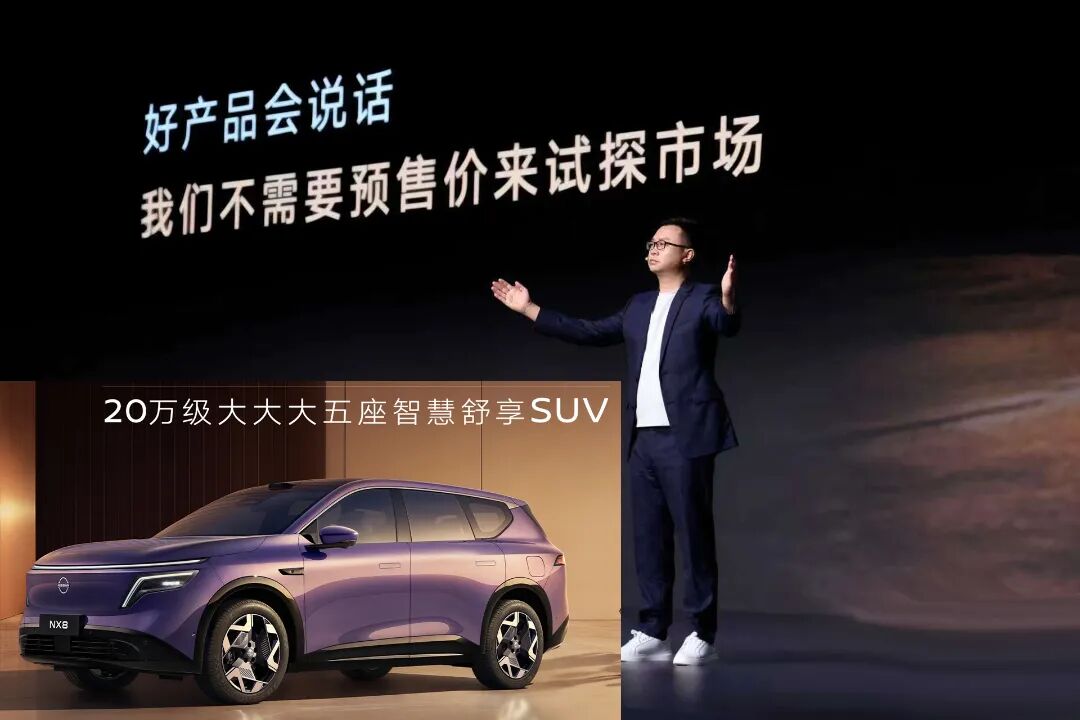
Let's make such an assumption. First, compare it with SUVs in the 150,000 - 200,000 - yuan range, and second, compare it with SUVs in the 200,000 - 250,000 - yuan range. Through different pricing ranges, we can analyze the advantages and disadvantages of Dongfeng Nissan NX8, a 200,000 - yuan - level SUV, in different price ranges.
NX8 focuses on the concept of "big, big, big five - seat", emphasizing a spacious and luxurious rear space, zero - pressure cloud - like seats, a 12 - speaker audio system, and Dolby Atmos. These configurations usually require high - end or even top - end versions of joint - venture fuel SUVs in the 150,000 - 200,000 - yuan range. As a new model, NX8 is expected to have a lower configuration threshold, forming a spatial advantage.
SUVs in the 200,000 - 250,000 - yuan range are mostly from domestic new energy brands or high - end new energy brands. Although they are aggressive in terms of intelligence, some consumers still have higher trust in the manufacturing process, quality control system, and after - sales service network of traditional joint - venture brands. Backed by Dongfeng Nissan, NX8 forms a differentiation in terms of quality and security.
Of course, on the other hand, the NX8 from Dongfeng Nissan may be a bit more expensive than joint - venture fuel SUVs, but it may not be as attractive to young consumers as domestic new energy vehicles. Therefore, the key to its success lies in making precise trade - offs between the starting price and the configuration gradient, and opening up a unique track labeled as family comfort.
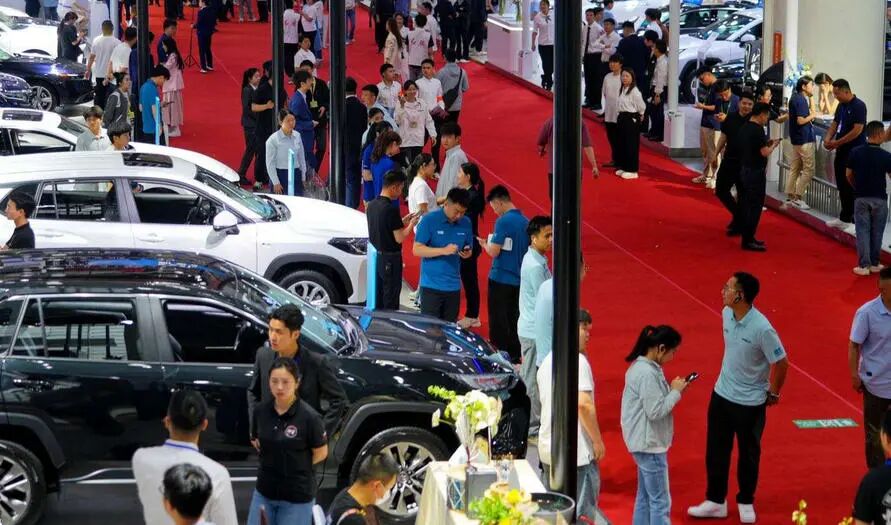
In fact, the 200,000 - yuan - level SUV market is just a small part of the Chinese automotive market. If we review the overall situation of the Chinese automotive market in recent years, it's not hard to find that the fierce competition is not a unique phenomenon in a certain niche market, but covers all niche markets from micro - commuter cars to luxury flagships.
Although different price ranges show different competition patterns, they share the same underlying logic. When the market shifts from incremental expansion to stock competition, every niche space is experiencing unprecedented pressure and reshaping.
For example, in the market below 100,000 yuan, the focus of competition is cost control and economies of scale. This range has long been dominated by domestic brands. Represented by pure - electric commuter cars such as Seagull and Bingo, they maximize manufacturing efficiency and supply - chain integration capabilities. Ultimately, it's a competition of who can provide reliable basic transportation value at the lowest cost.
The 150,000 - 200,000 - yuan range is the most intense. Joint - venture compact sedans and SUVs hold their ground with brand recognition and high resale value, but domestic brands are rapidly penetrating through plug - in hybrid technology. Consumers in this range are highly price - sensitive and have extremely strict requirements for the balance between energy consumption and configuration. Any shortcoming in product strength may cause users to quickly switch to competitors.
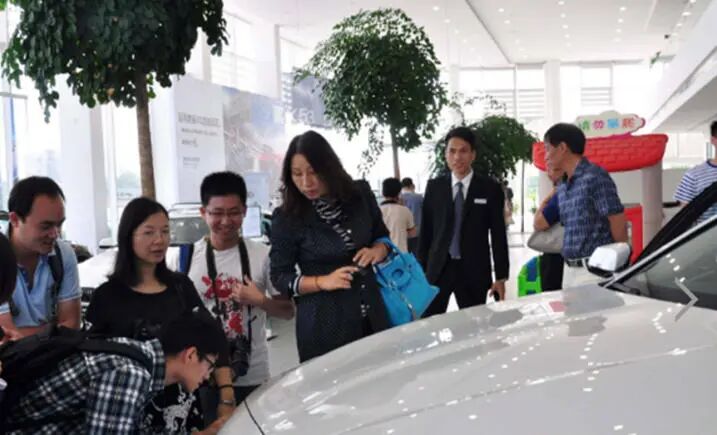
The 200,000 - 300,000 - yuan market is the most fragmented in terms of brand camps. Domestic high - end new energy brands and new forces gather here, while joint - venture brands are facing the dilemma of weakened premium ability of fuel vehicles. They are fighting on two fronts with terminal discounts and new energy transformation products. In addition, everyone has to bear the pressure of price cuts from luxury brands above 300,000 yuan.
In the market above 300,000 yuan, only a few players can reach this level, such as Li Auto, NIO, AITO, Mercedes - Benz, BMW, and Audi. The well - known brands in this range are few. Moreover, the competition in this range has gone beyond the product itself and extended to a comprehensive competition of brand reputation, user service, and circle recognition.
In this cruel elimination race, for car manufacturers, there are still opportunities, but the prerequisite is that there should be no short - comings in product, marketing, distribution, etc. They must use extreme efficiency and execution to clearly convey the product value to users to have a chance of survival.
This article is from the WeChat official account "Automobile Commune" (ID: iAUTO2010), author: Yang Jing. Republished by 36Kr with permission.