The oil price is still rising. Electric vehicles are really lucky.
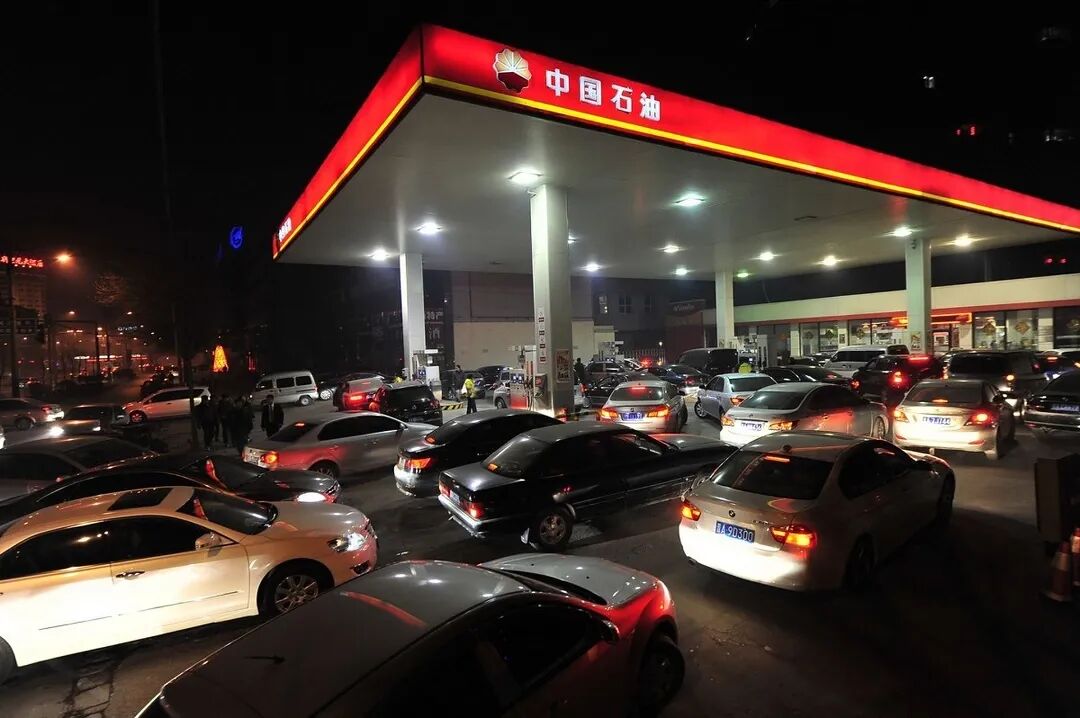
"Did you go to queue up for refueling in the past two days?"
Last night, as domestic oil prices rose again, the opening sentence of this article has become the hottest topic at present. Although the state has taken measures to regulate, people's anxiety still exists.
Precisely against this background, as the usage cost of gasoline - powered car owners has soared, a voice is becoming increasingly strong: "There will be a surge in demand for electric vehicles."
I deeply agree with this.
As for the reason behind it, it's obvious. This time, everyone knows well that the geopolitical conflict will not end in the short term, and the rise in oil prices is far from over.
And "money" is exactly what most domestic consumers care about the most. Imagine, if the price of 92 - octane gasoline finally exceeds the 10 - yuan mark and stays there for several months, what kind of chain reaction will it trigger?
In my opinion, an undeniable point is that electric vehicles will get a "divine assist".
Especially when the replacement subsidies and new - energy vehicle purchase tax exemptions are decreasing, the rising oil prices will become the biggest catalyst for potential customers who are holding back their purchases to place orders impulsively. In other words, when the "policy crutch" is getting shorter, another hard "crutch" has been directly put into the hands of the protagonist of this article.
Whether it starts with luck, is predestined, or is due to the regulation of the invisible hand, the development of the story is so full of ups and downs.
Is the battle between gasoline - powered and electric vehicles coming to an end?
Actually, before this wave of sharp oil - price increases, at the beginning of the new year, electric vehicles showed some signs of fatigue.
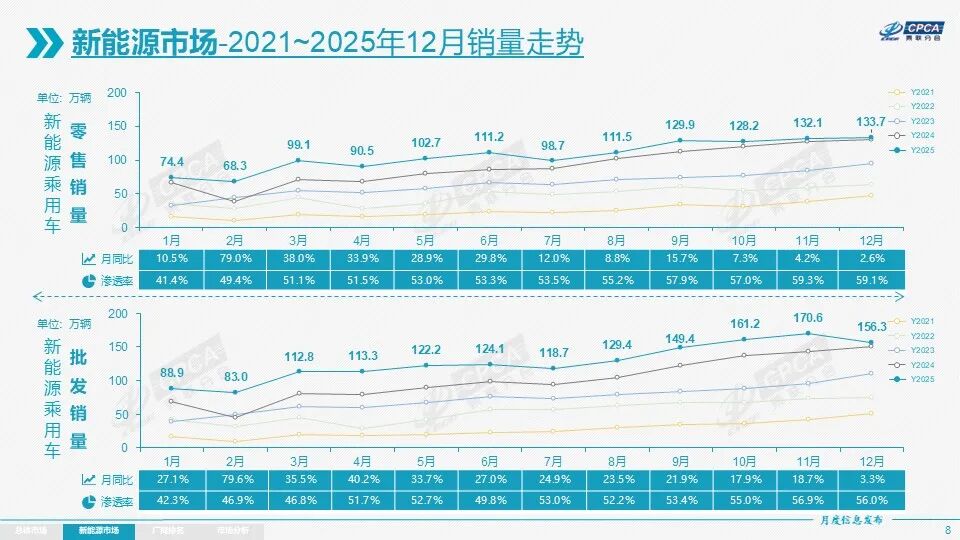
As the most direct evidence, in December last year, the retail penetration rate of new - energy vehicles once approached the 60% mark. In sharp contrast, in January and February this year, it dropped to only 38.6% and 44.9% respectively.
For a while, the skeptical voices doubting electric vehicles began to rise one after another.
The reason behind the obvious slowdown in output is very complex.
In addition to being related to the policy decline mentioned at the beginning, it is in the so - called off - season, and combined with the longest Spring Festival holiday in history, and the fact that each automaker has not really started to take action, both internally and externally are fostering and deepening the hesitation of end - consumers.
Oh, by the way, in order to slow down their own decline, in January and February, represented by several mainstream joint - venture brands, the gasoline - powered vehicle camp also launched a price war that "hurts the enemy by a thousand but loses eight hundred", which also continuously blocks the further progress of electric vehicles at the terminal.
Anyway, all the above factors are superimposed, making the "battle between gasoline - powered and electric vehicles" in the Chinese auto market this year even more confusing. It was thought that electric vehicles would continue the overwhelming momentum at the end of last year, but in fact, they have entered a stalemate with gasoline - powered vehicles.
But at this moment, with the sharp rise in oil prices overnight, the protagonist of this article undoubtedly gets another "divine assist" and finds the sharpest sword to break the deadlock. All the gloom has disappeared in an instant.
The sharp increase in the usage cost of gasoline - powered vehicles will surely make many users start to re - evaluate what kind of product is more suitable for them at present. What electric vehicles need to do is to seize this unexpectedly good "window period".
"I drive about 1,500 kilometers for commuting to work every month. In the past, the fuel cost was about 1,000 yuan. After this price adjustment, I have to spend more than 300 yuan every month, which means nearly 4,000 yuan more a year. I originally planned to buy another gasoline - powered vehicle without hesitation, but now, if the oil price continues to rise, I may consider buying an extended - range or plug - in hybrid vehicle. At least I can save a lot by using electricity on a daily basis."
This is not a made - up story. This sigh really comes from a friend around me. Working in an Internet company in Shanghai with a heavy workload, he has recently had a change in his mindset.
Taking this as an example, I believe that consumers with similar ideas are by no means an isolated case.
The sharp increase in vehicle - using costs caused by high oil prices has become the key factor driving them to "defect" to electric vehicles. In the past, these die - hard opponents had a million reasons to criticize the protagonist of this article, but in the face of real - money losses, they are becoming more and more honest.
After all, who would go against money?
Especially in this economic environment of consumption downgrade. From first - tier cities to sinking markets, from refined white - collar workers to ordinary people, everyone is becoming more and more calculating. The huge advantage of electric vehicles in terms of comprehensive cost is becoming more and more prominent.
Take myself as an example. With a private charging pile, the energy - replenishment cost for driving 20,000 kilometers a year is at most no more than 1,500 yuan, and there is no need for after - sales maintenance at all. If I drive a gasoline - powered vehicle, even a Japanese hybrid with the best energy - consumption performance will cost at least 10,000 yuan in total.
In the past two days, the China Passenger Car Association released the latest forecast. The retail sales of new - energy passenger vehicles in March are estimated to be about 900,000, and the retail penetration rate of new - energy vehicles is about 52.9%. Although there is still a gap compared with the peak at the end of last year, the trend of recovery and rise is very obvious.
Combined with the "divine assist" of the sharp rise in oil prices last night and the "fierce moves" of each automaker in launching new models recently, as well as the replacement subsidies in various places in place, the subtitle of this paragraph is by no means blind self - indulgence.
After a short stalemate at the beginning of the year in the "battle between gasoline - powered and electric vehicles", the balance of victory is clearly tilting towards the protagonist of this article again, and the end may really be near.
Looking back at history, every global large - scale oil crisis has had a profound impact on the automotive industry. Previously, it was the Japanese who seized the fleeting opportunity. Now, a similar scenario is playing out again, and a broader stage for Chinese electric vehicles is just around the corner.
On the eve of the new king's ascension to the throne, what we need to do is to firmly seize the opportunity and shine brightly.
Is there still anyone who doesn't understand why we need to develop electric vehicles?
"More than 70% of China's oil is imported, and 70% of the country's oil is used in the transportation sector. The current situation is very serious for the country's energy security. Replacing fuel - powered vehicles with new - energy vehicles is never a choice but a must - answer question related to the country's energy security and long - term development."
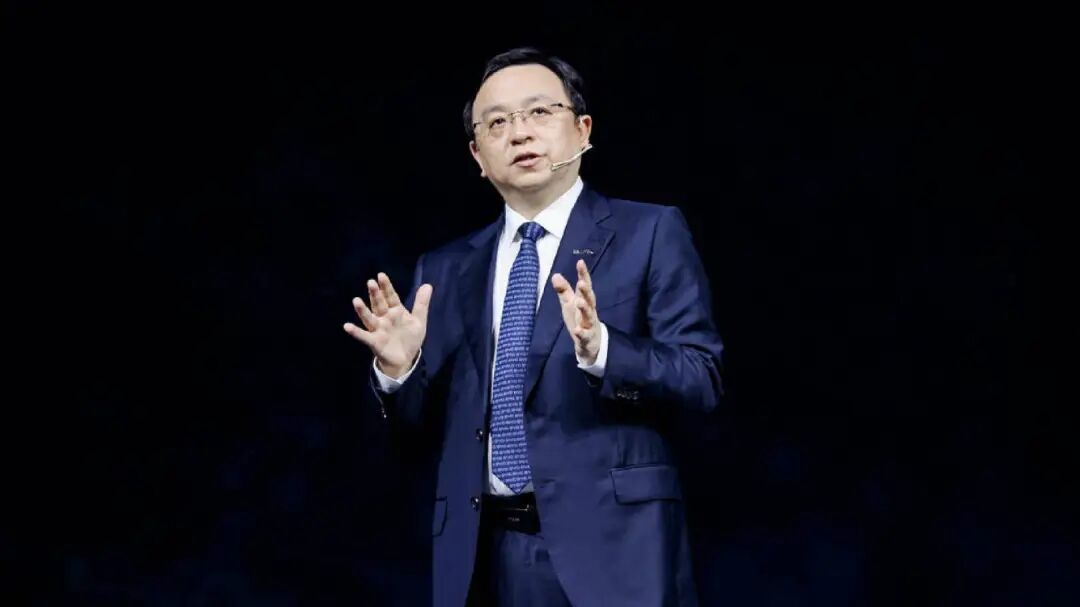
At the beginning of March, BYD released its second - generation blade battery. Standing under the spotlight, Wang Chuanfu issued a serious warning to the entire industry at the beginning. However, in the eyes of many people, he seemed to be boasting about his own products.
But from my perspective, I fully agree with this speech.
Let me ask, why does China make great efforts to develop electric vehicles? In addition to what Wang Chuanfu said about reducing dependence on imported oil energy and fundamentally reducing geopolitical risks, it is also related to many aspects.
In the era of gasoline - powered vehicles, core components such as engines and gearboxes have been monopolized by Europe, the United States, and Japan for a century. Even if we strive to catch up, it is very difficult to completely bridge the gap.
Instead, it's better to choose to overtake on a new track.
China has the world's most complete supply chain for the core components required by electric vehicles. Covering areas such as lithium mines, batteries, motors, electronic controls, chips, charging, and intelligent networking, combined with sufficient power reserves, it forms an extremely fertile breeding ground, which can create huge output value and drive millions of jobs, greatly empowering the economy. Why not do it?
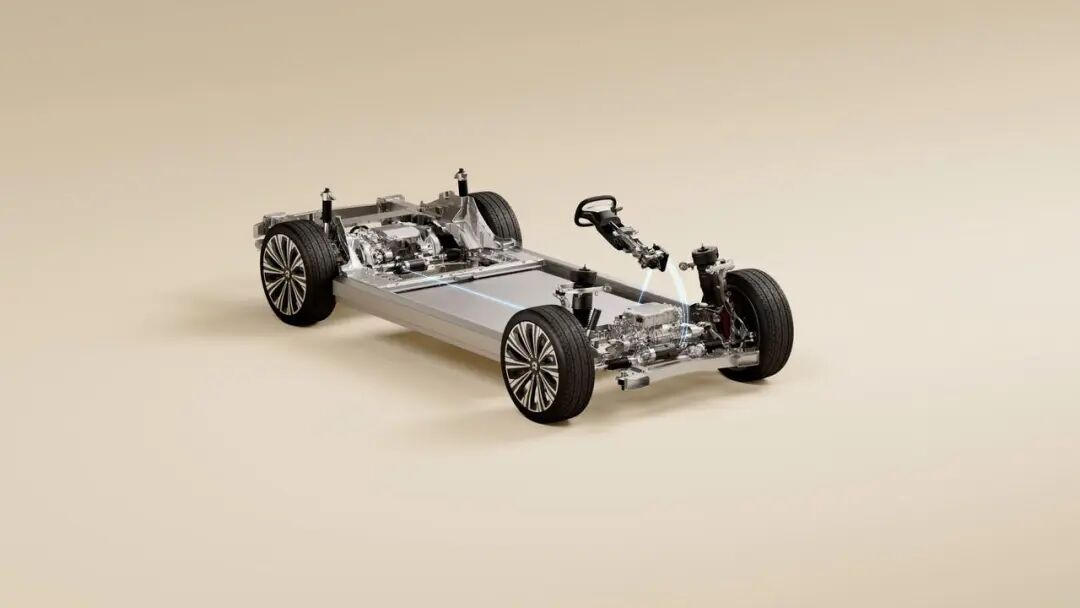
At the same time, electric vehicles have zero emissions during driving, and their carbon emissions throughout the life cycle are 40% - 70% lower than those of gasoline - powered vehicles, which can better contribute to the environmental protection goals of carbon peak by 2030 and carbon neutrality by 2060.
Another point that cannot be ignored is that after more than a decade of development, electric vehicles have become an important business card for China's high - end manufacturing, greatly improving our position in the global industrial chain.
Anyway, if we use an equation to summarize, the better electric vehicles sell = ensuring energy security + seizing the future of the industry + fulfilling the green commitment + stabilizing economic growth + winning global competition.
Each item is very crucial and of great significance. And the sentence "Developing new - energy vehicles is the only way for China to move from a large automotive country to a powerful automotive country" is the core essence behind the vigorous development.
Even though this year, the crazy fluctuations in the prices of storage chips and power - battery raw materials have had a considerable impact on the cost of electric vehicles, from the current situation, each automaker can still cope and is still ready to roll up their sleeves and work hard.
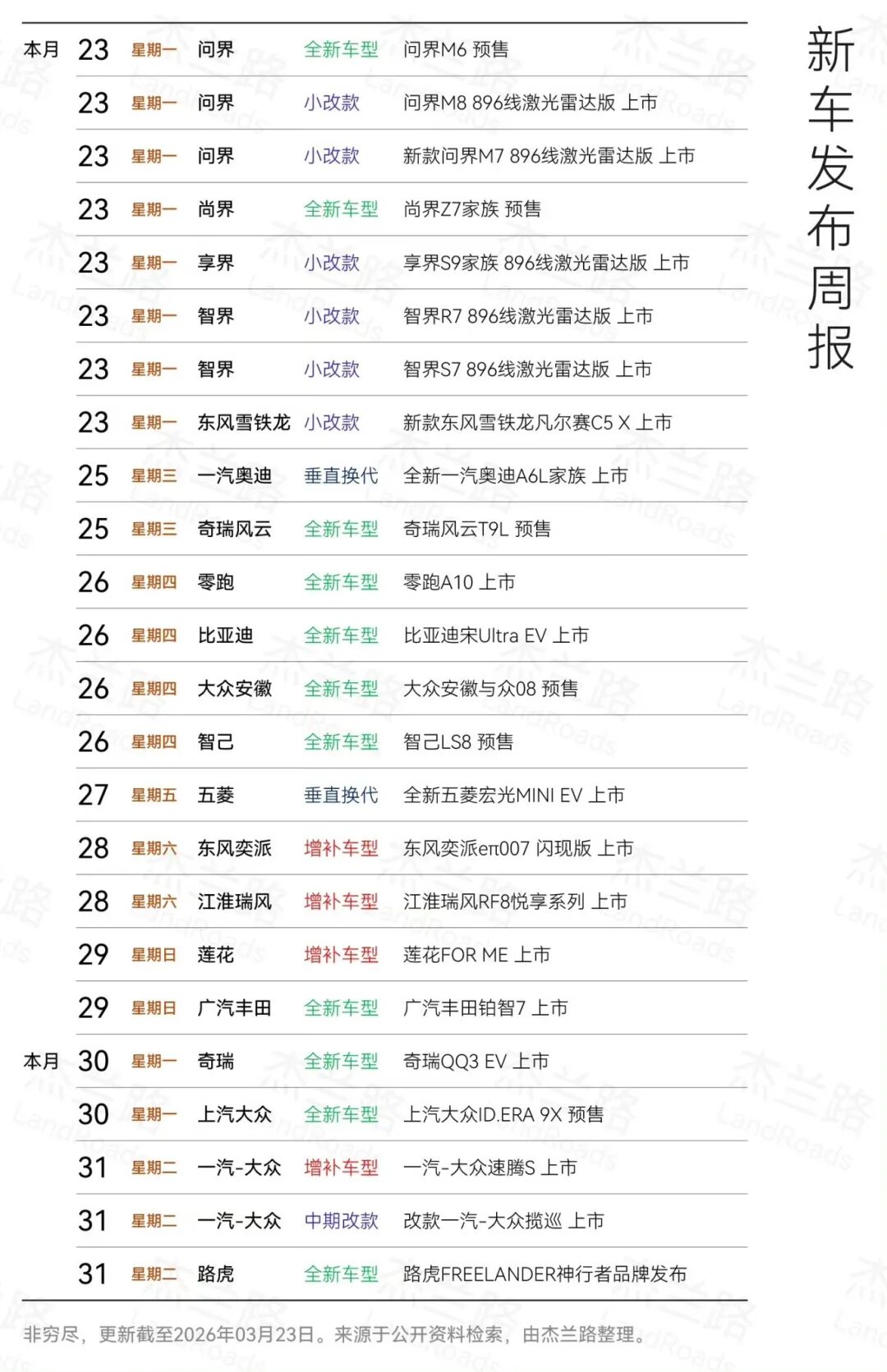
Just in this week, according to incomplete statistics, there are more than a dozen electric vehicles that have started pre - sales or been officially launched. In April, taking advantage of the Beijing Auto Show, there is bound to be a greater surge in the supply side. And the continuous rise in oil prices has cleared the last cognitive obstacle for the development of electric vehicles this year.
It's still the same principle: "In the environment of consumer downgrade, I believe no one will go against money."
Looking at the bigger picture, last year, with the continuous development of electric vehicles, the global sales of new Chinese cars exceeded 27 million, knocking Japanese cars off the top spot after they had held the championship for 25 consecutive years.
This year, due to the global turmoil and the intensifying oil crisis, we undoubtedly have another better opportunity to gain an edge.
There is no need to doubt that Chinese electric vehicles have long changed from being "policy - oriented" to "market - oriented".
Whether it is product strength, cost - performance ratio, comprehensive experience, including the most - concerned usage cost and energy - replenishment convenience, all have changed dramatically, gradually crushing gasoline - powered vehicles. Precisely against this background, those who keep bad - mouthing or deliberately smearing electric vehicles are either stupid or malicious.
You can say that electric vehicles are lucky, but you can't say that they are still inferior. Every energy battle is a god - given opportunity and will produce new winners. It depends on who is well - prepared.
The same is true for the global auto market.
This article is from the WeChat official account "Automobile Commune" (ID: iAUTO2010), author: Cui Liwen, published by 36Kr with authorization.