Did you go to all this trouble just to take out the 9.9 yuan privacy screen protector?
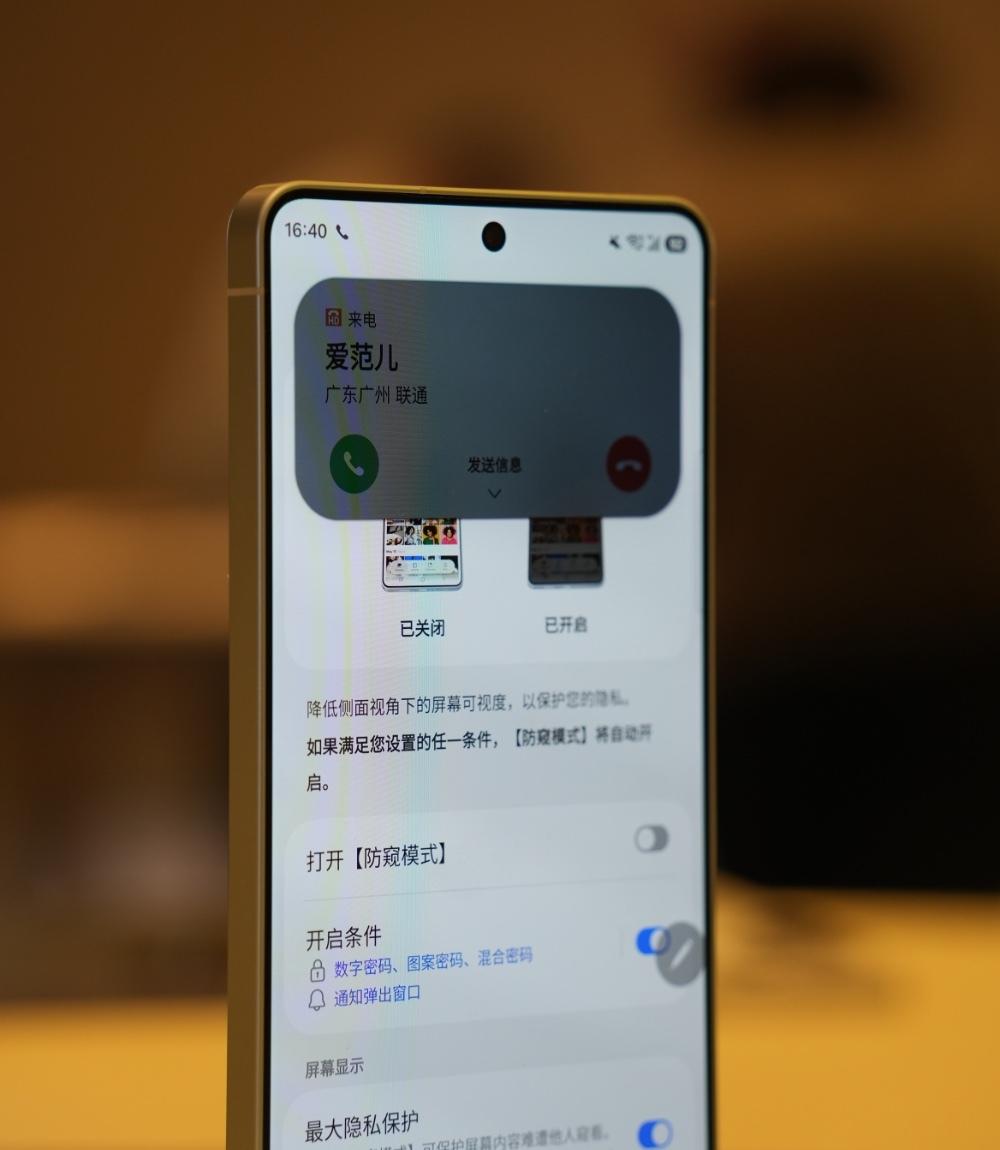
After smartphones, especially bar phones, have been competing in terms of "fast charging", "imaging capabilities", "benchmark scores", and "smoothness" for four or five consecutive years, the privacy screen of the S26 Ultra can be regarded as the first perceptible underlying hardware innovation in recent years.
However, although this technology seems novel, it also implies some compromises and helplessness in an era of stagnant hardware growth.
Actually, under the impact of the global memory crisis on the entire industry, this screen of the S26 Ultra is not as glamorous as it seems. Instead, it is one of the few notable functional selling points of this annual flagship phone.

Meanwhile, this is also a question that every mobile phone brand that "cannot produce its own screens" needs to consider in 2026:
When AI narratives dominate everything, where should the next step of hardware innovation lie?
Why are ordinary privacy screens so bad?
Regardless of the uncertain future, the privacy screen of the S26 Ultra is still a rare new technology, which is particularly valuable in an era when changing a processor can increase the price by 3000 yuan.
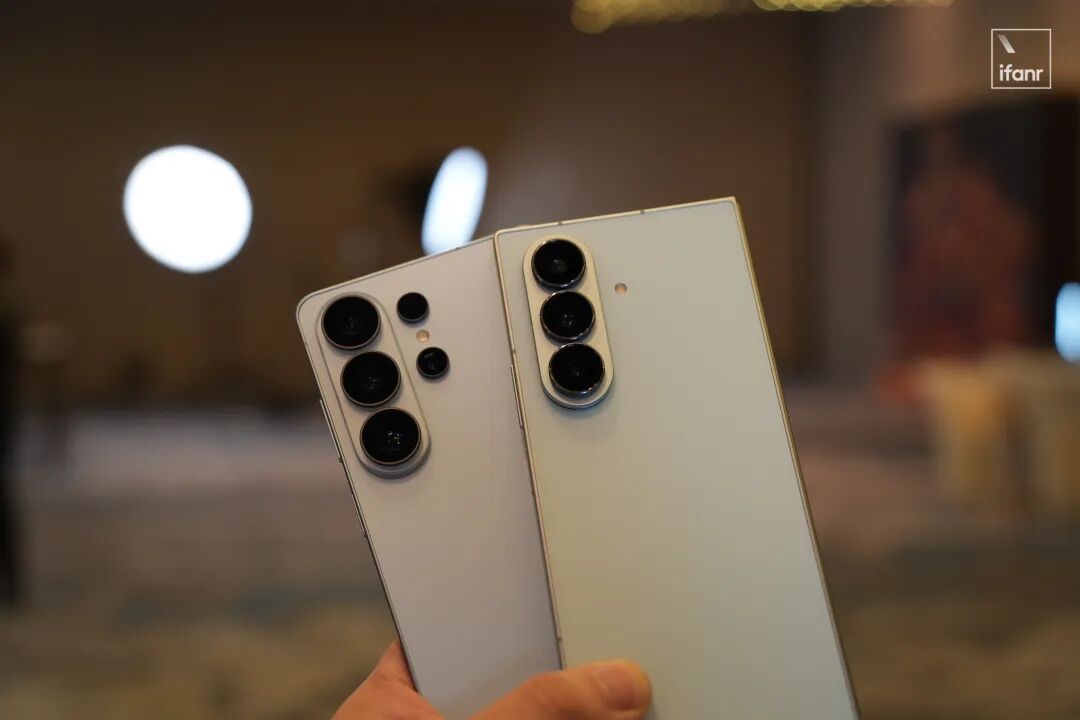
From a macro perspective, the principle of enabling the S26 Ultra's screen to achieve wide - angle privacy protection is not complicated: controlling the angle of light.
This is almost the same as the implementation method of those privacy screens on the market, with the difference lying in the technical approach.
So, where is Samsung's innovation? It lies in the integration of functions and the precision of light control.
But to understand the differences and improvements here, we first need to figure out how those "privacy screens", which cost anywhere from a few yuan to dozens of yuan, achieve privacy protection.
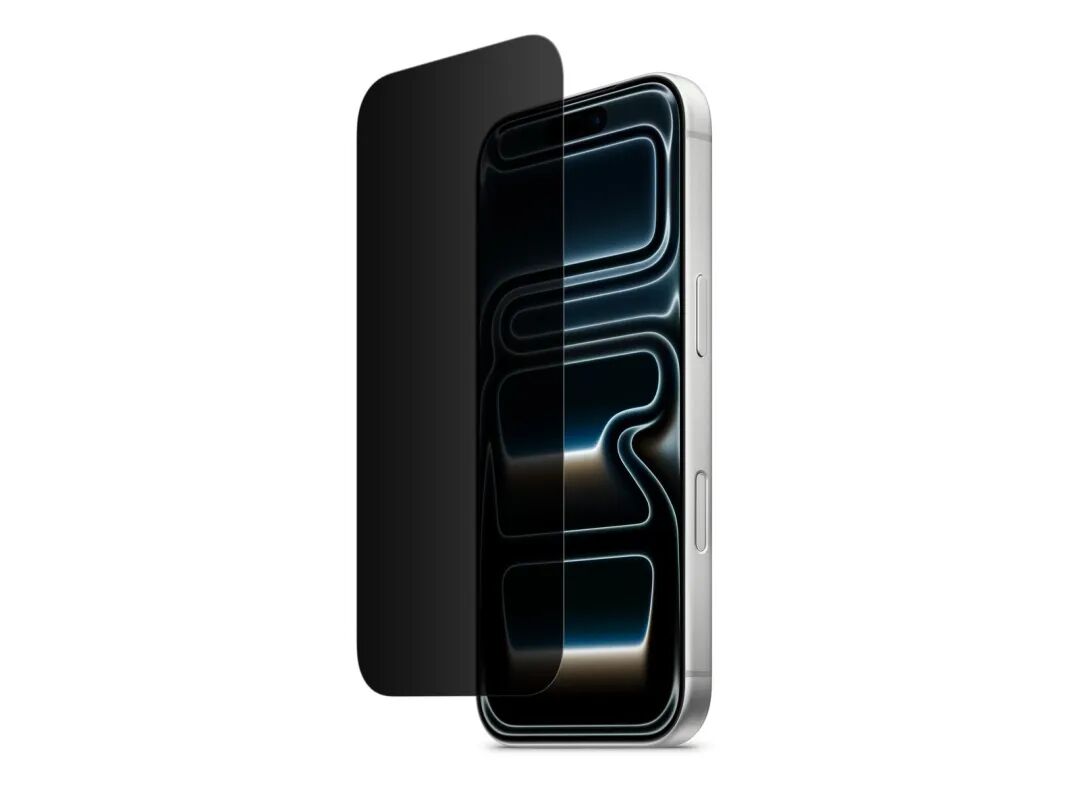
▲ Belkin Privacy Screen | Apple
Different from the reflective e - ink screen of the Kindle, the screen of a smartphone itself is a light source.
Whether it is the light emitted by OLED pixels or the backlight of an LCD panel, they all emit (approximately) omnidirectional light - you can see it, and so can the people next to you:
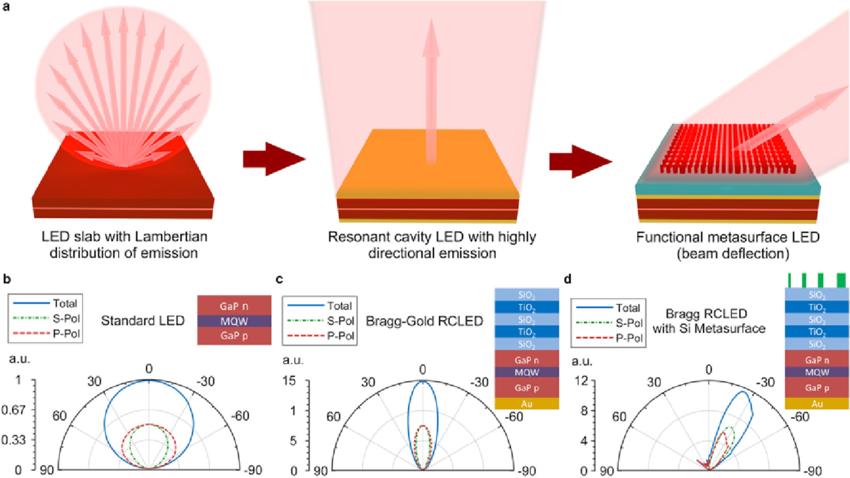
▲ Image | ResearchGate
This effect is called "Lambert's Cosine Law" in physics. Its core feature is that the brightness of the screen appears the same from any viewing angle.
This feature is crucial for key parameters such as the color transparency, brightness, and viewing angle of the screen, but it also creates the contradictory characteristic that leads to "screen peeping".
Traditional privacy screens start from this angle.
By using the principle of gratings, the light emitted by the screen can only be seen within a specific angle range from the front, thus achieving the effect of "wide - angle privacy protection":
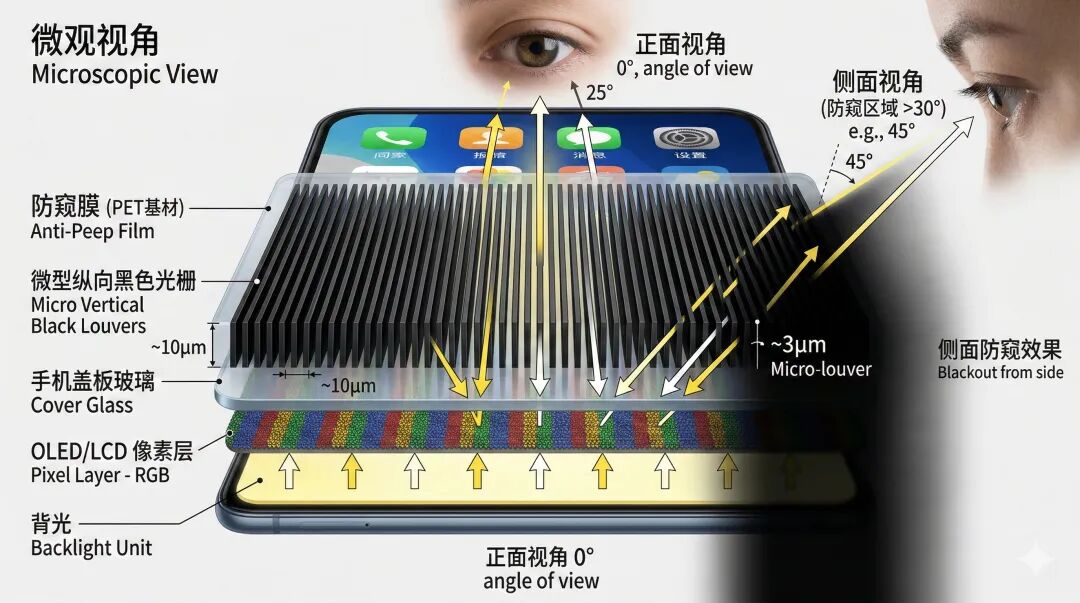
However, privacy screens also have many drawbacks. In addition to adding weight and thickness to the phone as a tempered film, the privacy protection effect and quality are also greatly limited by the grating processing technology.
If the etching height is insufficient, the angle of the privacy - protected area will be limited, and people next to you can still see the text on the screen with a little effort.
If the etching width is too large, the visual experience of the front screen will be affected, resulting in problems such as halved screen brightness, blurred images, and moiré patterns.
There are even some privacy screens that focus on "cost - reduction and efficiency - improvement" and only etch vertical gratings, resulting in privacy protection only from the left and right, while the screen is still fully visible from above, below, or at an oblique angle:
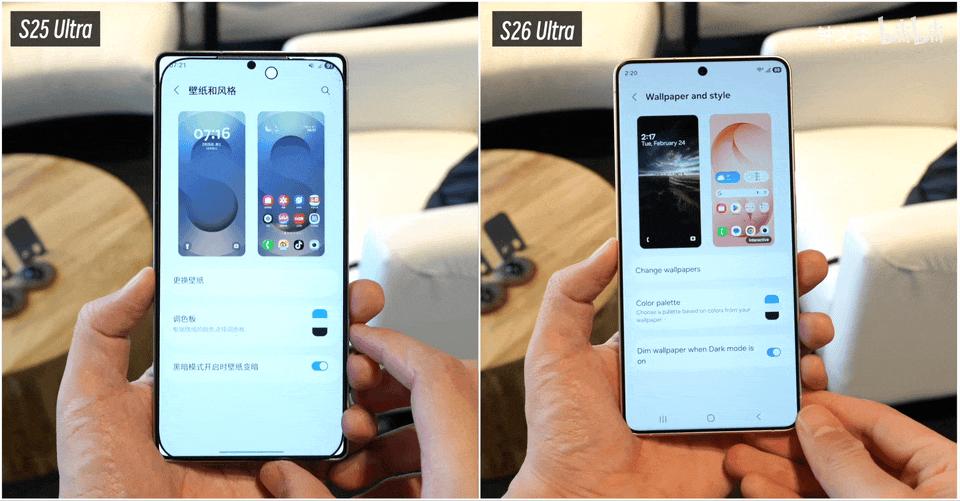
▲ Image | Bilibili @Zhong Wenze
More importantly, once you stick on a privacy screen, it's like Sun Wukong wearing the tight - hoop spell and can't be removed.
Although you can see the screen with privacy protection, it will cause great inconvenience when you want to show a photo to your family, a queue number to a clerk, or a payment code to a cash register.
The screen of the S26 Ultra solves the biggest pain point of traditional privacy screens.
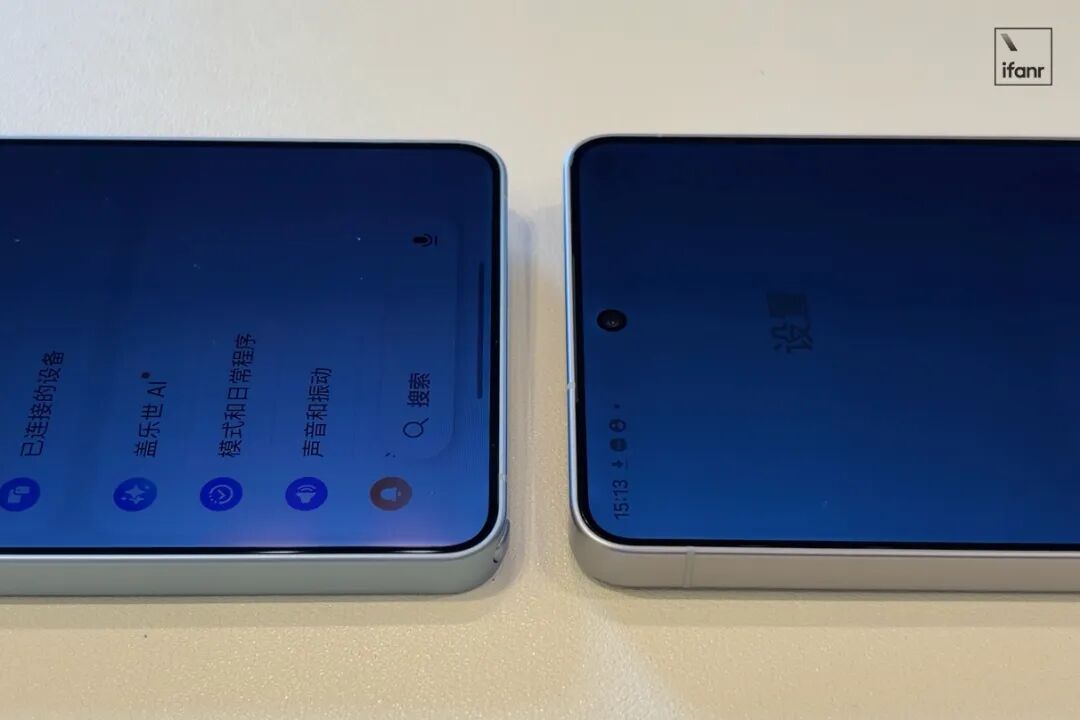
What did Samsung do right with its "privacy screen"?
Different from privacy screens that limit the angle when light passes through, the privacy screen of the S26 Ultra starts to limit the divergence angle of light when the OLED pixels emit light.
By overlaying a microscopic mask structure on the spaced pixels, the light - emitting angle of these OLED pixels will be significantly narrowed to within about 45° directly in front, thus forming a group of "narrow - angle light - emitting pixels":
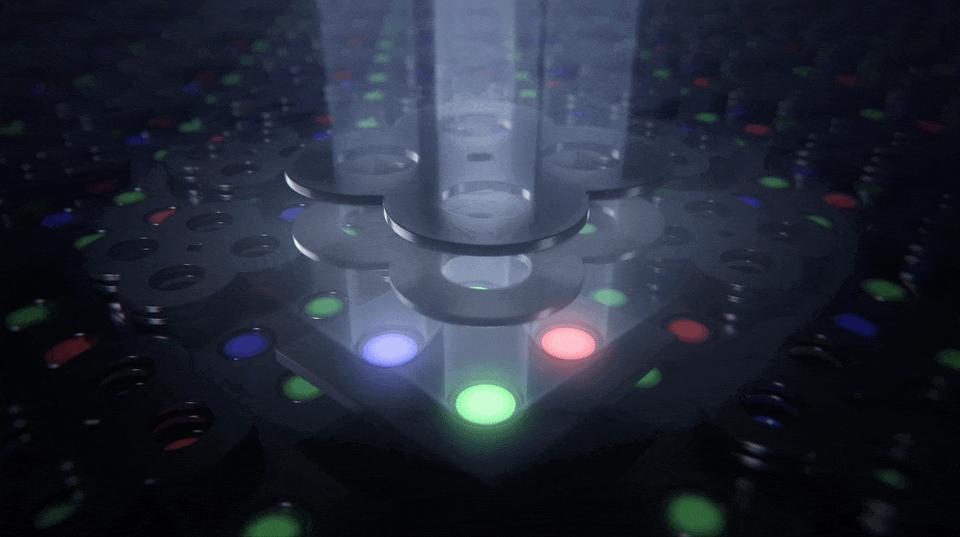
▲ Image | Samsung
Meanwhile, those "wide - angle light - emitting pixels" without masks still follow Lambert's Cosine Law mentioned earlier, emitting approximately omnidirectional light to ensure the general visual experience of the screen.
Once the privacy screen function of the S26 Ultra is activated, the phone will directly turn off the wide - angle light - emitting pixels, only keeping the light that shines directly in front of the screen:
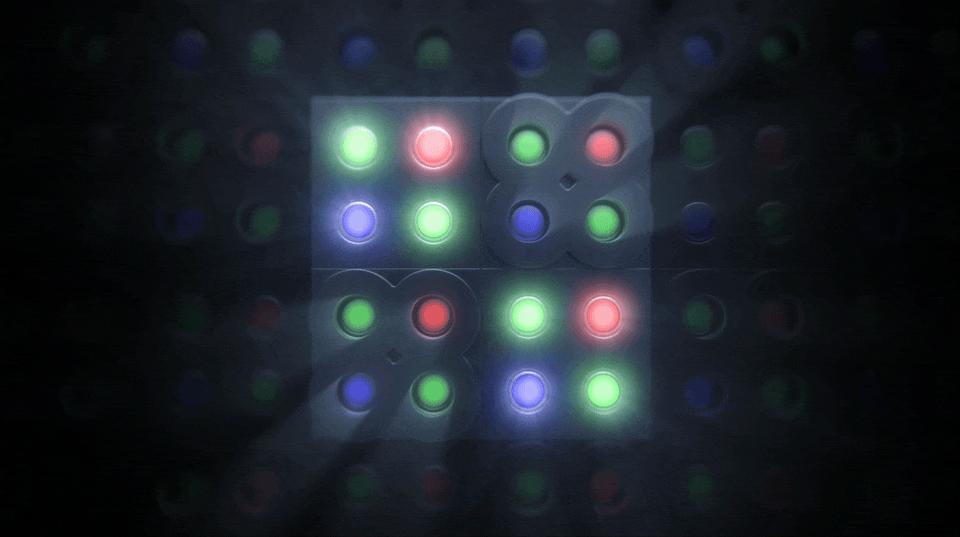
▲ Image | Samsung
In this way, when a peeper looks at the screen from other angles, since their eyes cannot receive light from the screen, it seems as if the screen is not even lit, thus achieving the macroscopic effect of privacy protection.
If you also want to experience the privacy protection effect of the S26 Ultra, you can visit this website: https://privacy - screen.vercel.app/
Here, the white pixels are wide - angle pixels, and the blue pixels are narrow - angle pixels. When you turn the screen, the narrow - angle pixels will disappear from view.
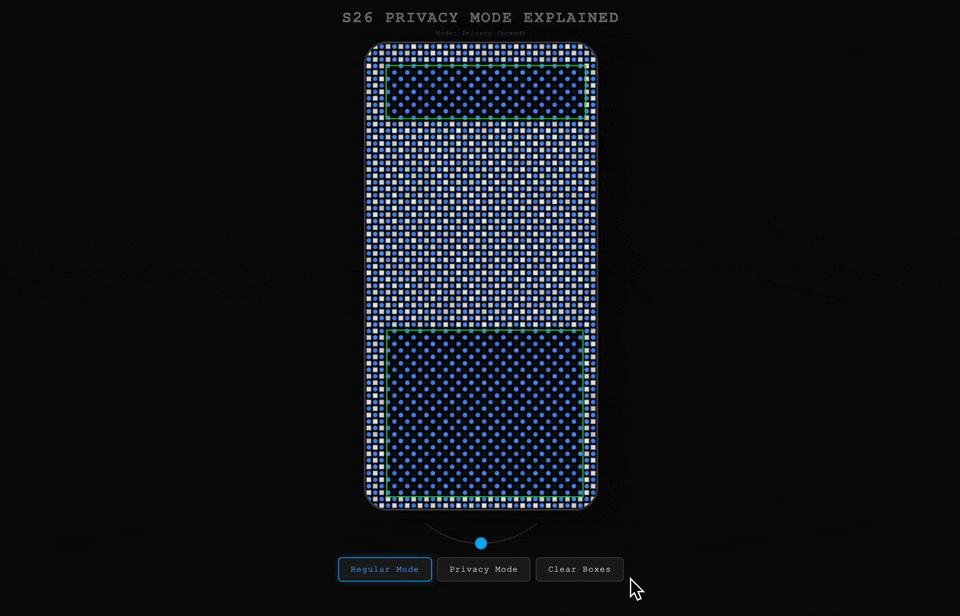
At this time, the S26 Ultra not only saves the additional thickness and weight caused by the tempered film but also retains the anti - glare coating effect of the screen, without the trade - offs like the S25 Ultra when applying a film.
Moreover, these light - emitting pixels can be freely controlled, and the privacy protection mode of the S26 Ultra also has two effects that privacy screens can never achieve:
Turn it on and off as needed, and partial privacy protection.
By turning off the wide - angle light - emitting pixels under specific apps or trigger conditions, or only turning off the wide - angle light - emitting pixels in a certain area of the screen, the S26 Ultra can achieve "privacy protection only for a small area when a notification pop - up appears":
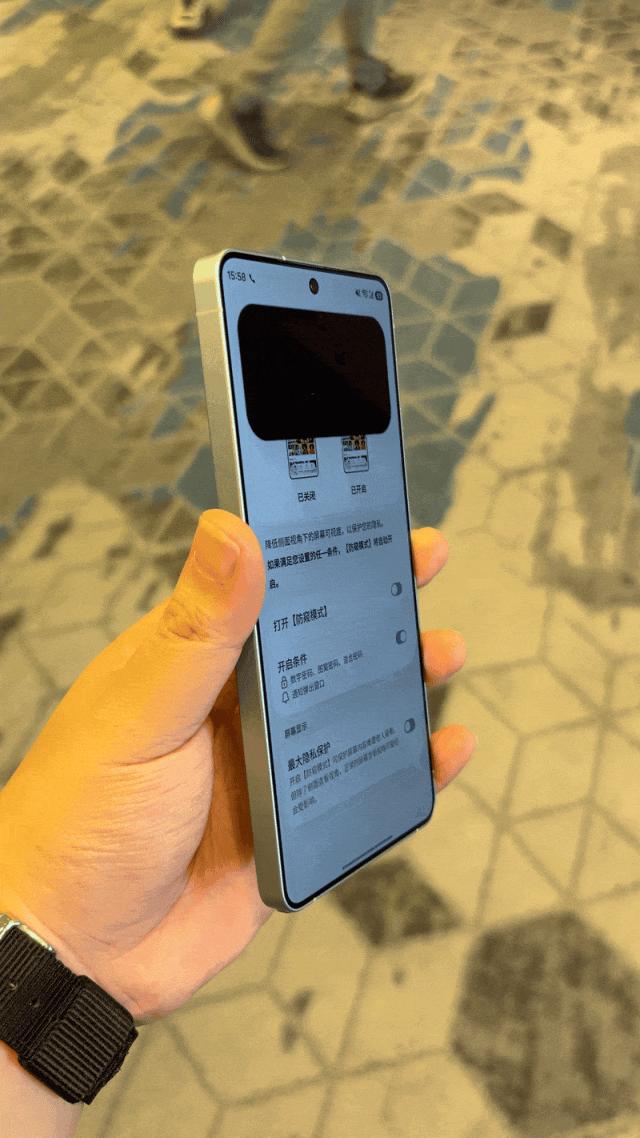
However, in terms of principle, this privacy screen of the S26 Ultra also has some drawbacks at the current stage of technology:
Since 50% of the pixels on the screen are narrow - angle light - emitting pixels, the rate at which the screen brightness of the S26 Ultra decays as the viewing angle increases is much greater than that of the S25 Ultra.
In other words, even if the brightness of the two screens looks the same when viewed from the front without turning on the privacy protection function, once you turn the phone, the screen of the S26 Ultra will dim faster than that of the S25 Ultra.
Moreover, after the full - screen privacy protection mode is turned on, since 50% of the screen pixels are turned off, the brightness and display fineness of the S26 Ultra will also decline. Although it has a 2K resolution, the effect after turning off half of the pixels is similar to that of the S25 Ultra with a poor - quality privacy screen attached.
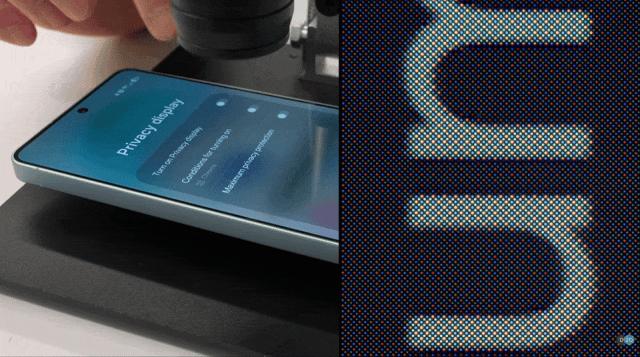
▲ Image | YouTube @Dave2D
But its advantage lies in that it is a highly integrated software - hardware combined function. You can set it to be triggered according to conditions, without having to buy a new one every time you remove a privacy screen.
The market needs more interesting technologies like this
In the comment section of our press conference tracking and hands - on experience, ifanr saw many comments like this:
The display quality of this generation of screens is terrible. I won't buy an X.
It's obvious that people still attach great importance to the screen quality.

After all, Samsung itself is the world's largest supplier of high - end OLED screens. And due to the distinction between wide - angle and narrow - angle pixels, the S26 Ultra does have some experience drawbacks in certain situations.
However, is this really the case? If everyone attaches great importance to the screen display effect, then those privacy screens with sales of hundreds of thousands on e - commerce platforms can only indicate one thing:
"Privacy screens" are a necessity for many people. Even if attaching a privacy screen affects the screen display effect, they will still choose to attach it.
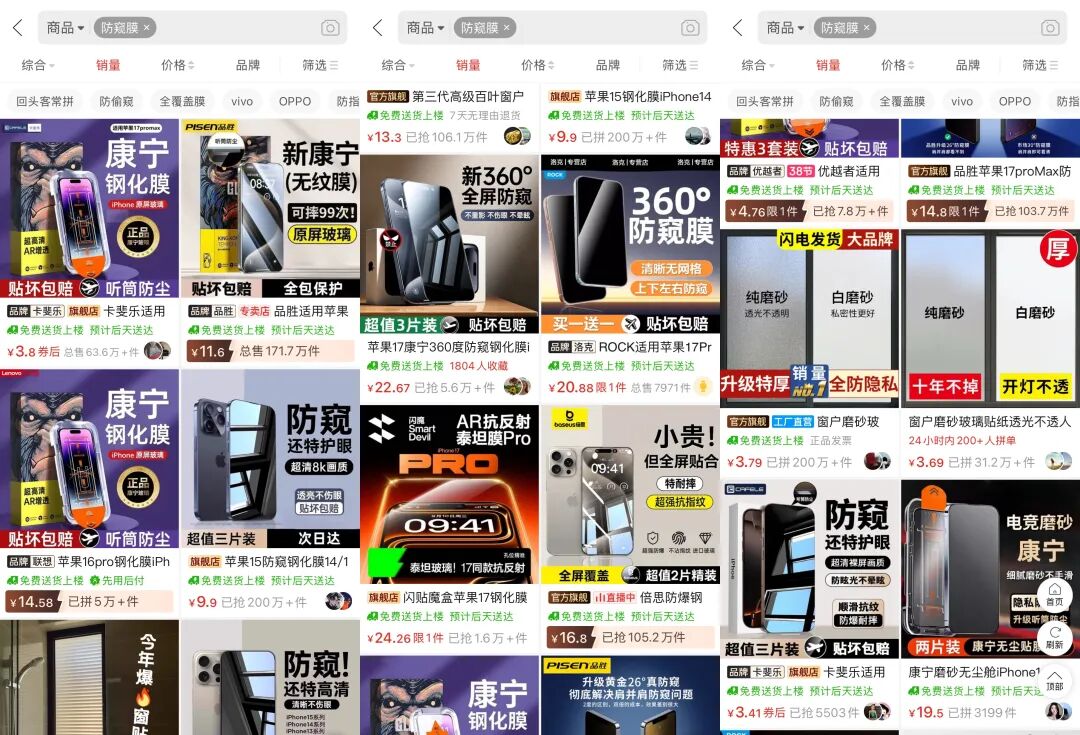
Furthermore, our demand for "privacy protection" of electronic products has been prominent for a decade or two.
Although the privacy screen technology of the S26 Ultra is derived from the Flex Magic Pixel solution demonstrated in 2024, Samsung has been filing various patents related to screen privacy protection since 2020, with the principles centered around beam shaping and pixel - level viewing angle control.
But Samsung is not the first manufacturer to directly integrate privacy screen hardware into mobile phones. Sharp has been using similar technology since the era of LCD clamshell phones, and it has continued until the Aqous era:
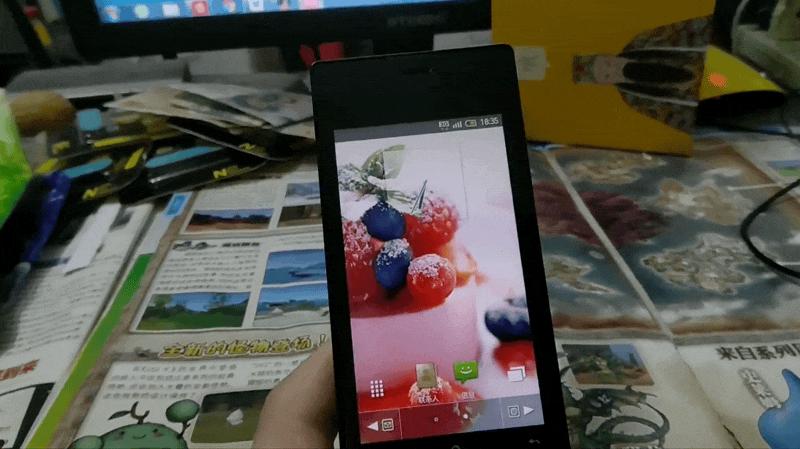
▲ Image | Bilibili @I Should Be Called Wenzhu
Not only mobile phones, but laptops have also tried hardware - integrated privacy protection functions. HP's Sure View technology solution back then was one such example: