Is the recent surge in the photovoltaic sector just a flash in the pan? Is Elon Musk's "space-based solar power" a big hoax?
Let's all go to space together
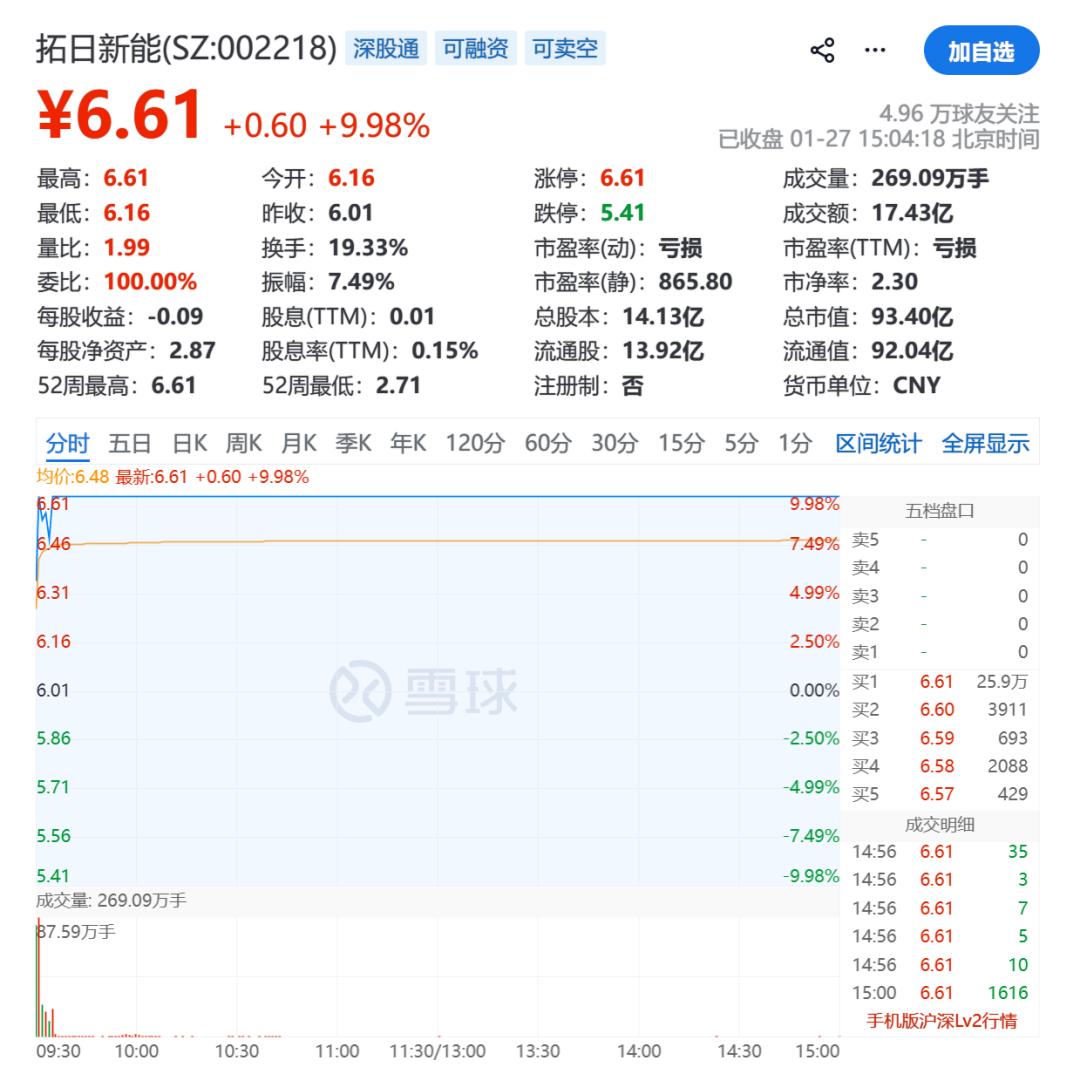
Last Friday, stocks related to space photovoltaic (PV) saw a wave of limit - up gains. As expected, on Monday, they opened high and closed low, seemingly paying no heed to the stories told in the previous two days. However, Maiwei Co., Ltd., which has always been the leader, still reached a new intraday high, giving the market a bit of confidence. On Tuesday, the enthusiasm remained concentrated on a few select stocks, and the widespread rally was as fleeting as a flash in the pan.
There are two factors influencing the performance of the PV sector. One is Elon Musk's words. Musk hopes to use solar - powered AI satellites to support the space computing center. He plans to boost Tesla and SpaceX's solar manufacturing capacity to 100GW per year in the next three years, and ultimately achieve 100GW on the ground plus 100GW in space. Coupled with the collective acceleration of the commercial space industry and the integration with space AI, this is a direction that Google, NVIDIA, and others are involved in to some extent, and the market sentiment is hard to resist.
The other is that the secondary market needs a story about PV. Two and a half years of industry - wide losses have severely damaged the cash flow and net assets of many companies. Moreover, the surge in metal prices has also affected the PV industry (such as silver, which has been hyped). At first glance, the market is not friendly. At this time, with some positive news, brokerage research reports have repeatedly presented models suggesting a trillion - level market space by 2030, and the hope for the future has alleviated the current tensions.
One is struggling to break even on the ground, while the other is telling a trillion - level story in the sky. The concept of space PV has actually faced more criticism and doubts in overseas communities. So, who is more right this time?
A Familiar Trillion - Level Track Story
Since the launch of the first solar satellite in the 1950s, the space industry has always been one of the earliest application scenarios for PV. For decades, aerospace - grade gallium arsenide multi - junction batteries have consistently held the top position in terms of performance. For example, Trina Solar's products are used in on - orbit satellites. They have high specific power and long radiation life, but are expensive and have a small market, and have long been regarded as a niche business in the military/aerospace field.
Previously, our doubts about space PV mainly stemmed from the need to transmit space - generated electricity back to Earth. However, now, as data centers need to be sent into space, the demand has shifted to directly powering computing in space.
This shift has directly changed three things.
First, the scale of the market space has been upgraded, but there is a prerequisite, which is that the progress of the commercial space industry meets expectations.
The power demand of traditional satellites is extremely limited. The solar panels of communication and remote - sensing satellites usually have a power in the kilowatt range. With only one or two hundred satellites launched globally each year, the annual market for solar panels is only in the billions of RMB. Even if the number of low - Earth orbit (LEO) satellite constellations explodes, PV is just a part of the supporting cost and it's hard to justify a trillion - level imagination. However, space computing has rewritten this estimate.
There is a market breakdown circulating online from a securities institution: The PV market for LEO satellites themselves is expected to reach about 2.95 billion yuan globally by 2030, ten times the current level. If the deployment of 10GW - level space data centers begins, estimating at 150 yuan per watt for solar panels, the PV part alone will correspond to a market of 1.5 trillion yuan annually.
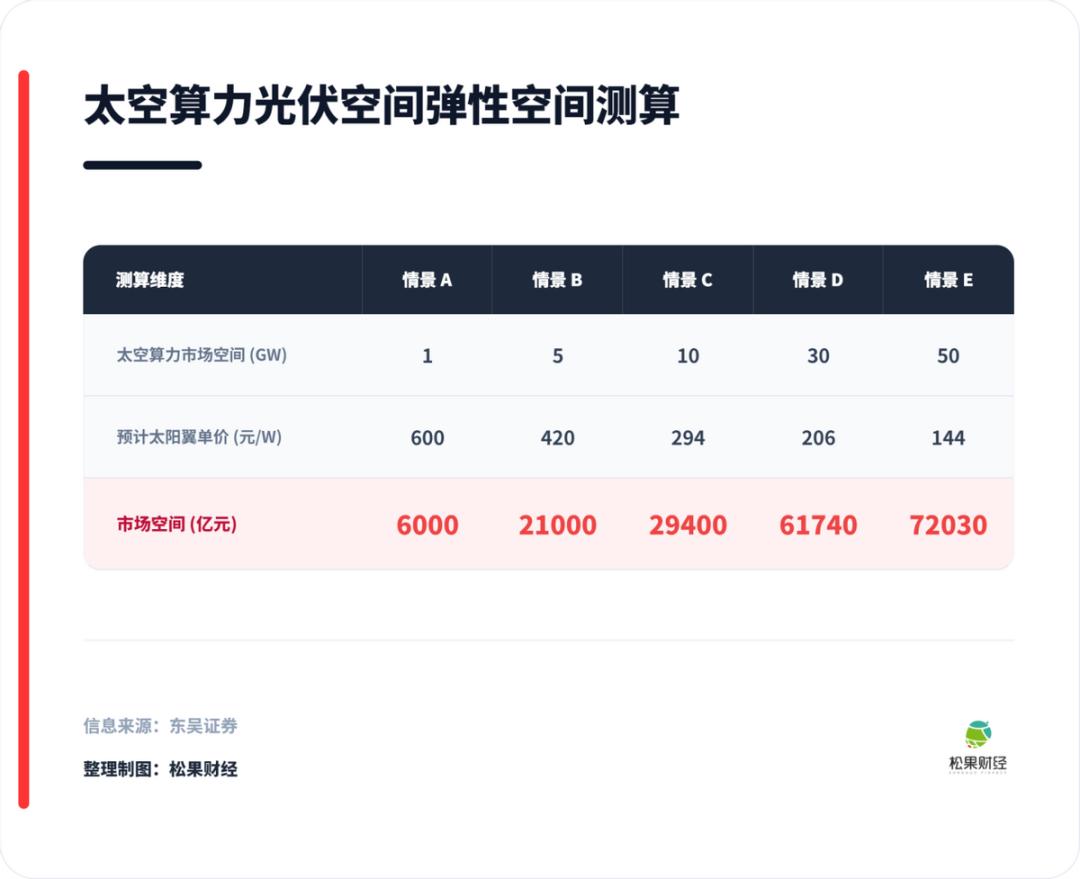
Further assuming a 100GW - level space computing capacity and conservatively calculating at 15 yuan per watt, the solar panel market will also be around one trillion yuan. Coupled with supporting structures, thermal control, and energy storage, the overall project scale can reach trillions of yuan. This is an exciting figure. And here, the trillion refers to new - added demand, not cumulative. So, does the PV narrative still need to follow the original logic? Probably not at all.
Second, the positive shift brought about by computing power demand directly avoids the biggest problem.
For the past few decades, the biggest vision for space PV has been the space solar power station: collecting solar energy in high orbits and transmitting the electricity back to Earth via microwaves or lasers. While this model is academically feasible, it is almost impossible to implement in engineering. Long - distance energy transmission efficiency, safety, and the cost of ground receiving stations are all huge challenges.
However, space computing bypasses the step of transmitting electricity back to Earth. Satellites and space stations already need power. If part of the AI training and inference is moved to orbit, only the calculated results need to be transmitted to the ground, with much lower bandwidth and energy consumption. The PV system only needs to power the computing module and the communication link simultaneously.
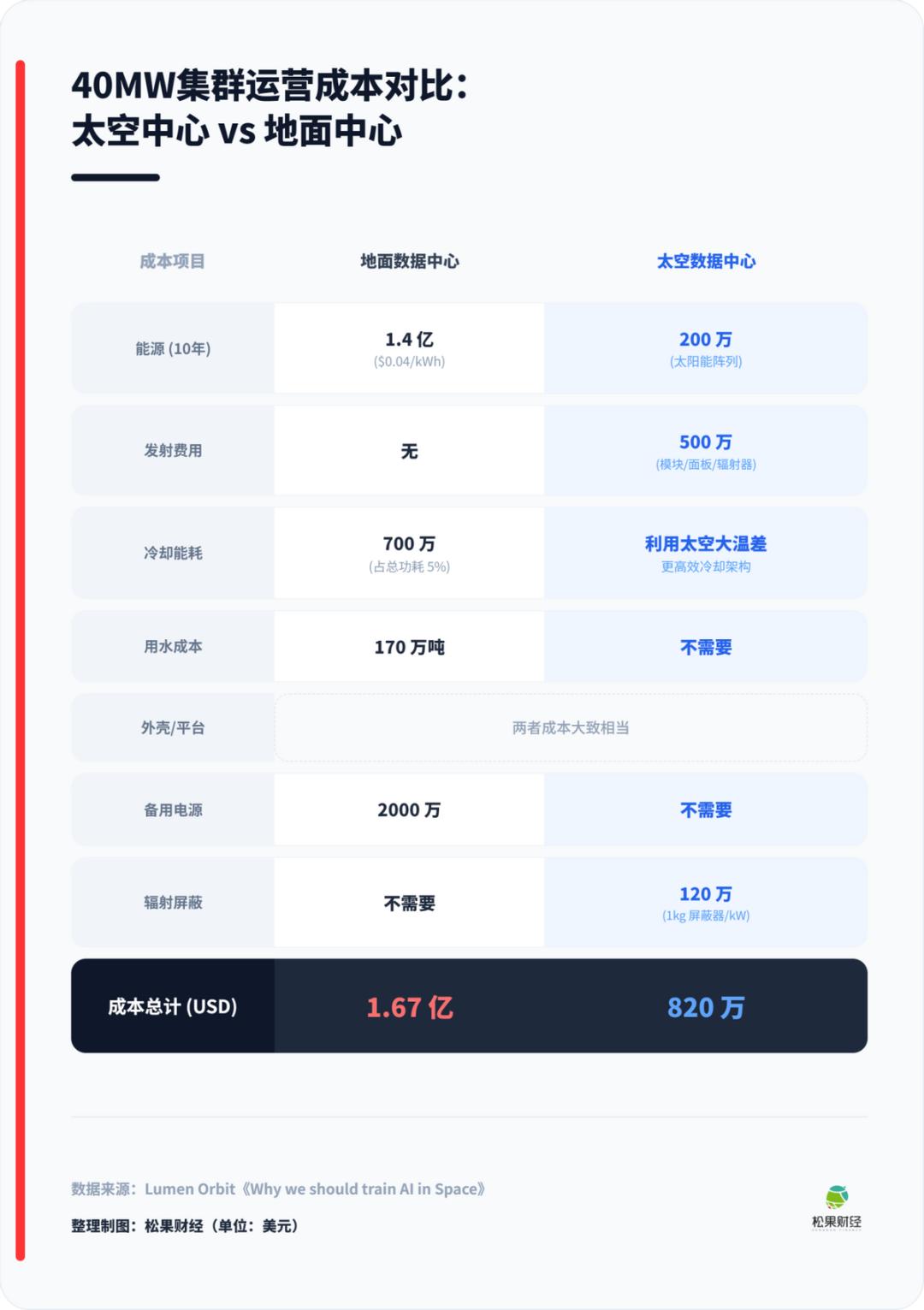
Additionally, bloggers such as Eager Space and Scott Manley have mentioned in their analyses of space PV that the lighting conditions in space are extremely favorable. Especially in the dawn - dusk orbit, it is almost possible to have all - year - round and all - weather sunlight, with very short periods of occlusion, and the equivalent hours of power generation are much higher than on the ground. For ground - based PV, which is used to measuring everything by the cost per kilowatt - hour, this setting has its advantages.
Third, the starting point of space computing is AI. The requirements for power supply stability, power density, and cooling capacity in large - model training and inference are much higher than those of traditional satellite loads. Companies such as NVIDIA, Google, and Amazon have publicly shared their ideas about sending some GPU computing power into space.
Google's most optimistic prediction is as follows: "Historically, high launch costs have been the main obstacle to large - scale space systems. However, our analysis of historical and projected market price data shows that if the learning rate continues, the price could drop below $200 per kilogram by the mid - 2030s. At this price point, the cost of launching and operating a space - based data center, calculated per kilowatt per year, would be roughly comparable to the energy cost of an equivalent ground - based data center."
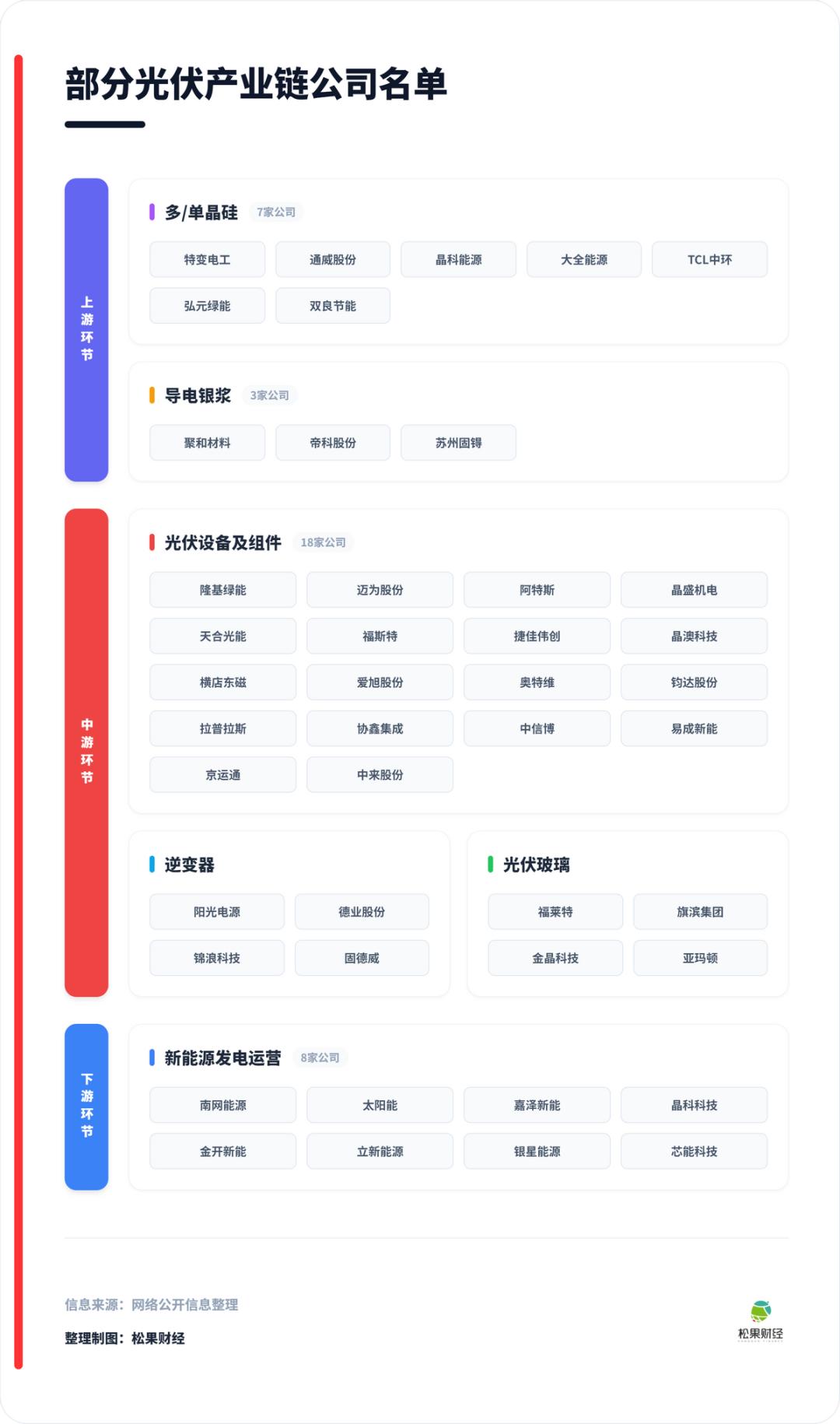
As a result, space PV has been drawn into an unprecedented large ecosystem: LEO constellations, on - orbit services, space stations, GPUs, data center cabinets, cooling systems, solar panels, power management, energy storage, thermal control... The triple combination of space + AI + PV makes the valuation story convincing, and brokerage research reports are willing to pile up numbers. From a narrative perspective, this is an almost self - consistent closed - loop.
Currently, the price increases of Junda Co., Ltd., Orient Rising Co., Ltd., Maiwei Co., Ltd., and Aotewi Co., Ltd. are mostly driven by news, such as their relationships with SpaceX and rumors related to HJT/perovskite equipment. Companies like Lushan New Materials Co., Ltd. are closely associated with materials.
What Exactly Counts as Advanced Production Capacity?
If space PV becomes a reality, the competition will surely be about who can provide the most stable, lightest, and most radiation - resistant power per unit mass and per unit area.
On the ground, the prevailing view was once that P - type batteries (such as PERC) were backward production capacity, and N - type TOPCon, HJT, and BC represented the advanced routes. However, in the space scenario, there are several hard conditions:
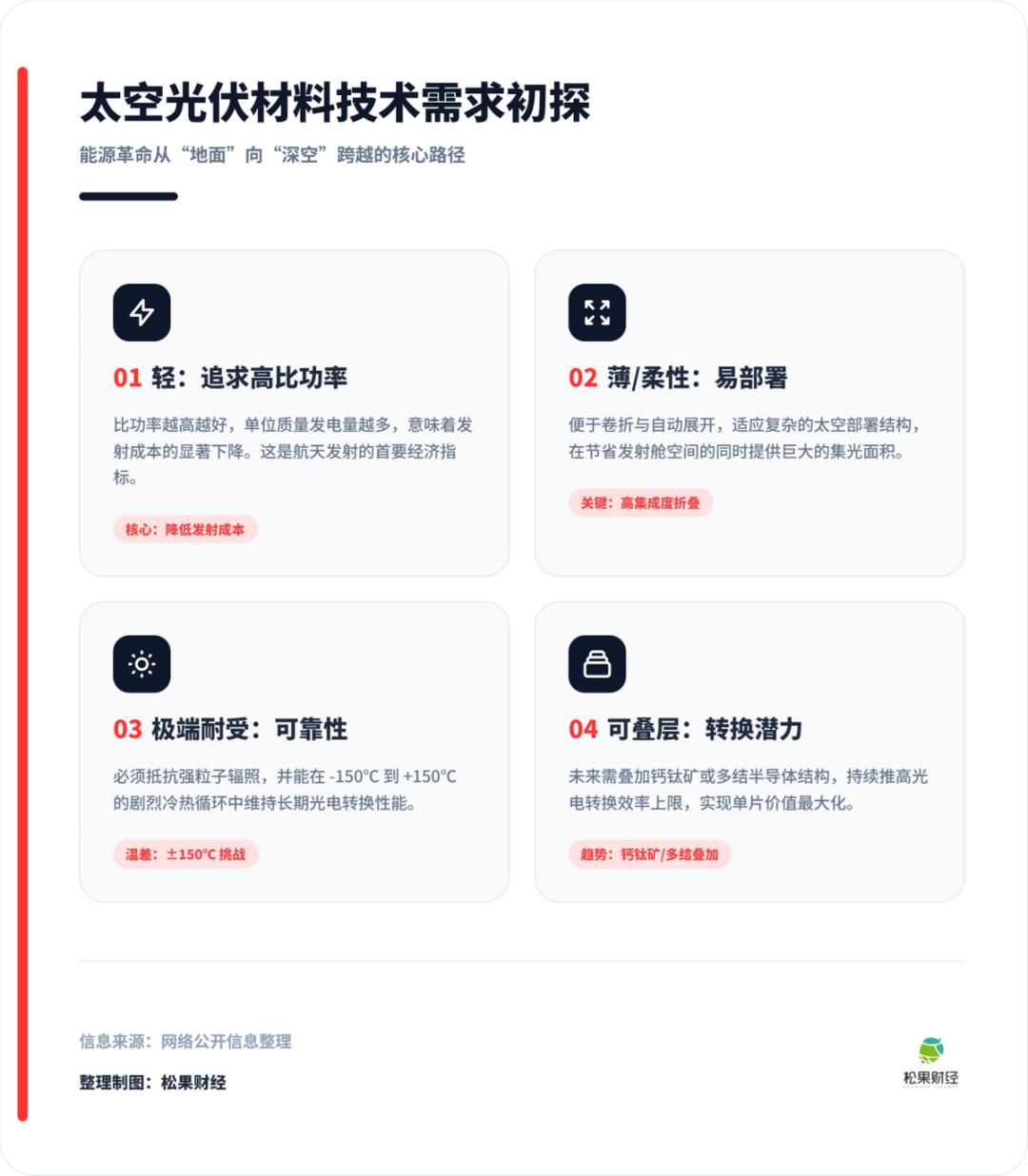
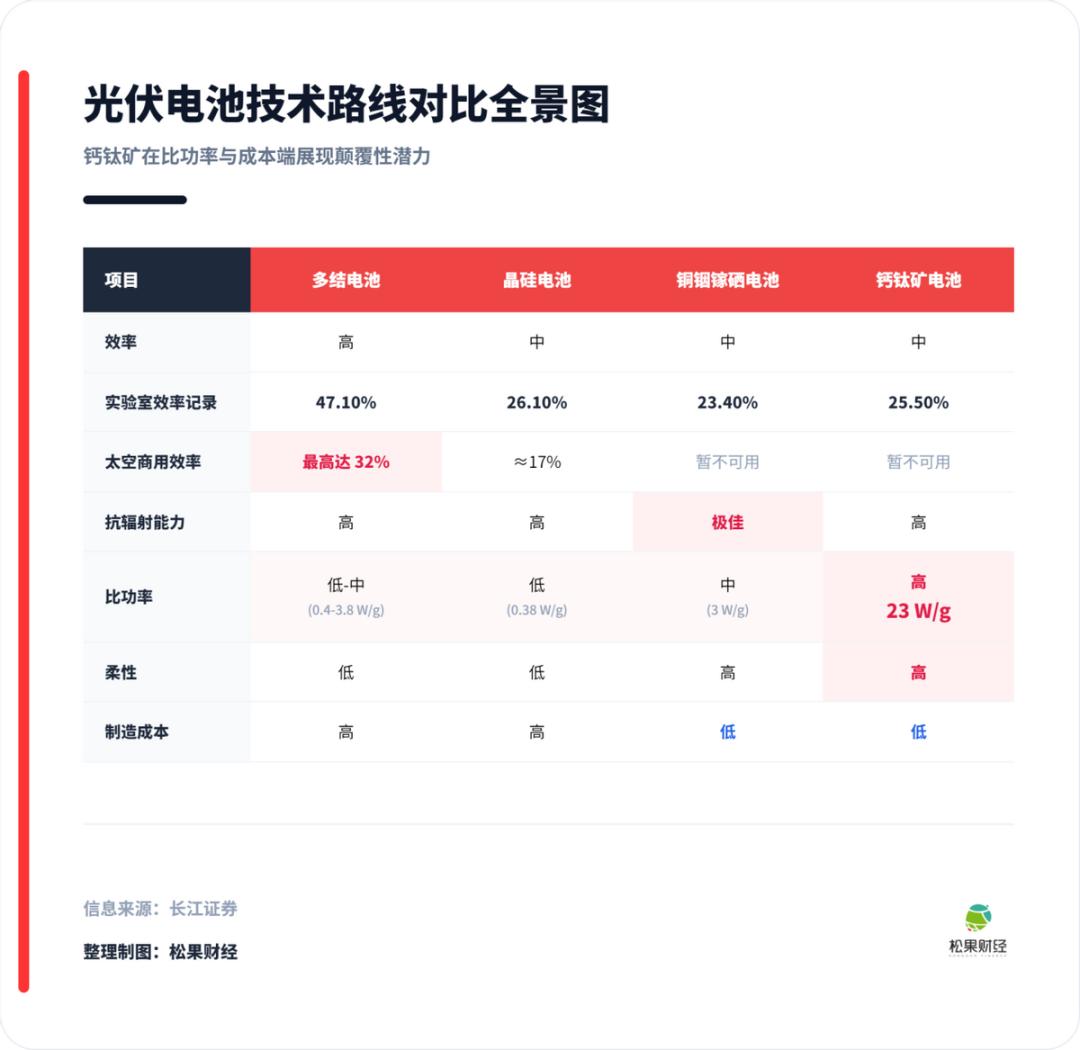
Under these constraints, routes that rely on thicker silicon wafers and front - side grid lines are not the best choices. P - type HJT, which features double - sided full passivation, low - temperature processes, and the ability to be made into thin wafers, has re - entered the spotlight. Perovskite/perovskite tandem, with its ultra - high specific power and flexibility, has become the almost universally recognized ultimate route in the market, at least in terms of sentiment, provided that the stability issue can be gradually controlled through engineering means.
Orient Rising Co., Ltd. has emphasized in multiple investor communications that its P - type ultra - thin HJT batteries have reached a thickness of 50 - 70μm and there is still room for further thinning. For space PV, which pursues specific power and flexibility, this advantage of thin wafers is indeed attractive.
There has also been a lot of news about perovskite. For example, JinkoSolar and Jingtai Technology have previously reached a cooperation, demonstrating a R & D paradigm of AI + materials. They use literature mining, automatic experiments, and online characterization to build a structured database, and then combine quantum physics models and large - scale domain models to find better material combinations and structural designs.
The story is too advanced and the parameter space is too large. Human brains are no longer sufficient, and we have to rely on machines to help with trial - and - error.
Considering that the typical lifespan of LEO satellites is only 5 years, the requirement for the lifespan of perovskite in the space scenario is much lower than the 30 - year standard on the ground. As long as it can last for 5 years, it has commercial value, and the lifespan can be gradually extended during the engineering iteration process.
Trina Solar has clearly stated in investor communications that it is simultaneously deploying space PV on three routes: crystalline silicon batteries (such as HJT), perovskite tandem, and III - V gallium arsenide multi - junction, and has already cooperated with domestic and international aerospace institutions.
Who would have thought that a new story could bring about such huge changes? However, in the space PV industry chain, semiconductor battery cells are just one link, and many key points actually lie in the "supporting roles".
One is packaging and flexible substrates. The requirements for packaging in the space environment can be roughly summarized by four words: radiation resistance, heat - cycle resistance, light weight, and high airtightness. The traditional glass + encapsulation adhesive solution for ground - based PV modules is difficult to directly apply in space. Companies like Lushan New Materials Co., Ltd. have started to provide customized packaging solutions for different types of batteries (perovskite, P - HJT, gallium arsenide multi - junction):
The perovskite packaging solution has been verified by leading perovskite enterprises. The P - type HJT packaging is entering the small - batch verification stage by aerospace manufacturers. The gallium arsenide packaging solution was verified by multiple aerospace enterprises in 2022 and has started mass - supplying.
On the other hand, flexible transparent substrates such as CPI have entered the industry's vision. Junda Co., Ltd. has invested 30 million yuan in Shanghai Xingyi Xinneng. The two parties plan to combine CPI films with crystalline silicon batteries for LEO and space PV. Such products not only significantly reduce weight but also provide a mechanical foundation for foldable and deployable solar panels.
The second is PV equipment. Currently, Chinese PV equipment is one of the few sectors in the global industry chain that truly has a "choke - hold" ability. Whether it's the PECVD, PVD, and laser processing equipment for HJT, or the coating, curing, and testing production lines for perovskite, Chinese enterprises have already occupied a high share in global installations.
For this reason, there was a widespread rumor that SpaceX had basically finalized an order for HJT equipment with Maiwei Co., Ltd., worth about 500 million US dollars, corresponding to a heterojunction production capacity of about 7GW. Some perovskite equipment enterprises have also spread the news that they have entered its supply chain. Tesla's plan to build its own PV and energy - storage production line in North America has also led to intensive communication with Chinese equipment manufacturers, and even the factory - auditing time has been rumored in detail.
For Chinese equipment enterprises, space PV is a new - added market that is not restricted by domestic production capacity, and the unit price is much higher than that of ground - based applications. For the global PV industry, unless Musk decides to rebuild an entire system from scratch in terms of equipment, the huge market expectations will inevitably spill over.
However, the entire industry chain is definitely not yet fully developed. Most upstream enterprises are still in the small - scale or medium - scale testing stage. Many PV enterprises in the middle - stream, although having many cooperations, have no systematic experience in aerospace engineering. The most hot - debated topic in the downstream is on - orbit maintenance and space operation and maintenance. How high is the degree of automation? What level of component damage rate can be tolerated? These topics cannot be avoided.
The Winner in Space PV Is Uncertain
There's no need to elaborate on the situation of the Chinese PV industry in the past few years. One advantage of space PV is that it introduces new comparison dimensions, such as battery performance, packaging solutions, and equipment reliability. However, Musk's statements imply that he has his own plans. For example, although it sounds like a fantasy, it is entirely possible that Musk, with his launch capabilities and AI technology, could develop a unique technical solution for space PV through high - frequency iteration. In this case, the market share left for others will naturally be smaller.
Space PV is not only a competition among technical routes but also a struggle for the right to define.
Additionally, in the short term, the direct impact of space PV on the ground - based industry chain is very limited. At present, neither the number of satellites nor the power per satellite is sufficient to change the overall supply - and - demand pattern of the industry. However, in the medium - to - long term, the emergence of a new possibility means the evolution of a new pattern. Even though the short - term investment is heavy and the profitability is under pressure, companies such as JinkoSolar and Trina Solar have included space PV and interstellar computing power in their annual keywords in their chairmen's speeches.
There is also a less obvious but potentially more far - reaching impact, which is the reshaping of the demand for ground - based energy storage and inverters. Assuming that part of the power load that was originally consumed on the ground is moved into orbit, the market quota will definitely change.
So far, it may still be too early to discuss these. However, since the market is taking it seriously, it's reasonable to give it some thought. The more realistic directions in the next 3 - 5 years may be as follows:
Use existing LEO communication/remote - sensing satellites as carriers