The whole world is blocking and hiding door handles.
Once again, it's the fault of the hidden door handles.
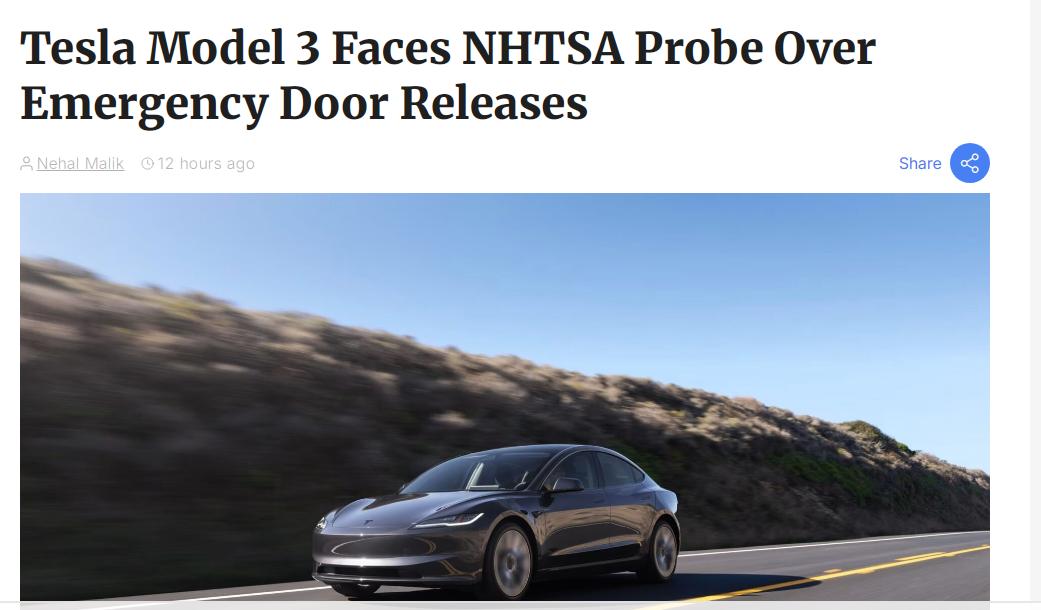
Tesla has been investigated by the regulatory authorities again. The National Highway Traffic Safety Administration (NHTSA) in the United States has officially launched a defect investigation into the Tesla Model 3. The reason is that the vehicle's emergency door opening device is difficult to reach in an emergency, and the markings are unclear.
The specific models targeted are the 2022 Tesla Model 3. It is estimated that the number of affected vehicles is approximately 179,071.
This news has occupied the headlines of many foreign media.
The investigation is currently in the "defect petition" stage. The NHTSA will assess the severity of the problem and decide whether to formally file a case. However, many media have previously reported that in some fatal car accidents, passengers in the car or rescue workers said that they were unable to open the doors in time, resulting in delayed rescue.
It seems that the problem of hidden door handles is not an isolated case. This feature, once regarded as a key symbol of innovation in electric vehicles, is now facing global regulatory scrutiny.
01 A Design That Has Incited Public Wrath
The cause of this accident investigation stems from the personal experience of a Tesla owner.
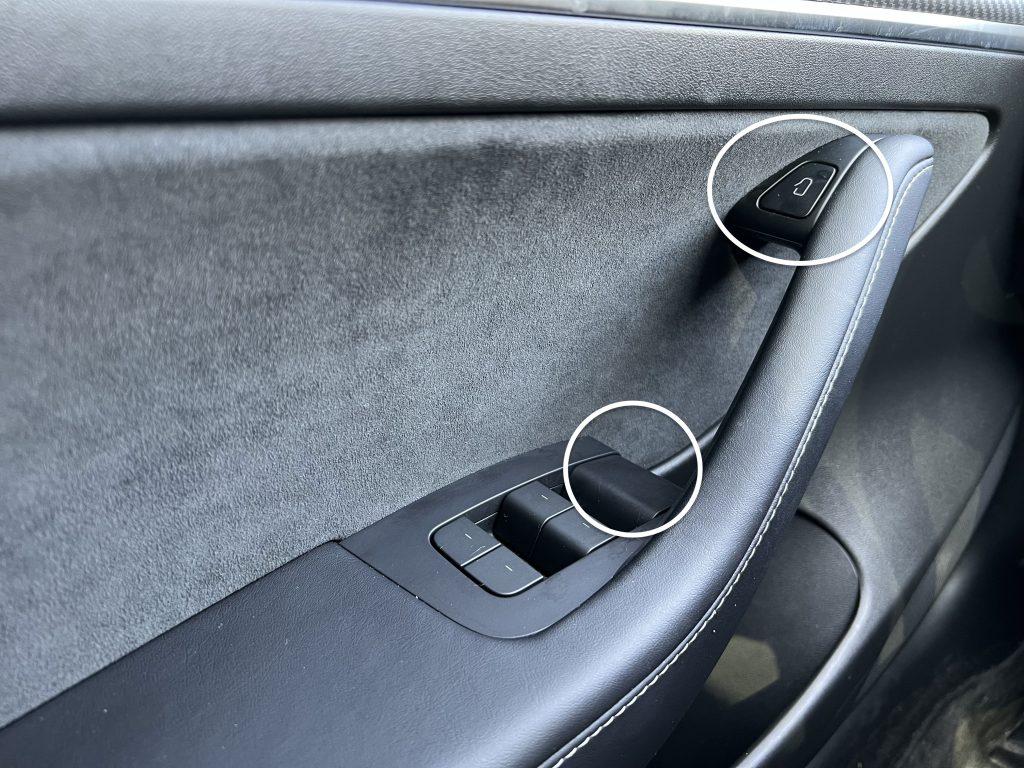
Kevin Clouse from Georgia was once trapped in a burning Tesla. He finally had to crawl to the back seat and break the window with his legs to escape successfully. He pointed out: "I don't know where the hidden mechanical emergency door release device is located. It has no obvious markings, and there was no explanation during delivery. It's not convenient to open in an emergency."
Shortly after the car accident, he submitted a defect complaint to the NHTSA. At that time, the accident occurred in 2023, and there were not many defect complaints about Tesla's door handles submitted to the NHTSA at that time.
However, as time passed, similar accidents began to occur continuously.
Last month, Tesla was sued because in a fire accident of a Tesla Model S in Wisconsin, all five passengers in the car died. It is said that the cause of the accident was a design defect in the vehicle that prevented the doors from opening, trapping the passengers inside the car.
In September, Bloomberg also reported an accident involving a 2023 Tesla Model Y in the United States. The hidden door handles of the driver and front passenger seats failed to work normally after the collision. The people inside the car had lost their ability to operate independently due to the collision. Even worse, the rescue workers couldn't find the mechanical door opening device, resulting in one death and one injury.
In November last year, a collision and fire accident occurred to a Cybertruck in the suburbs of San Francisco, resulting in the death of two college students. The families also filed a lawsuit against Tesla, accusing the design defect of the Cybertruck's door handles, which trapped the two students in the burning car.
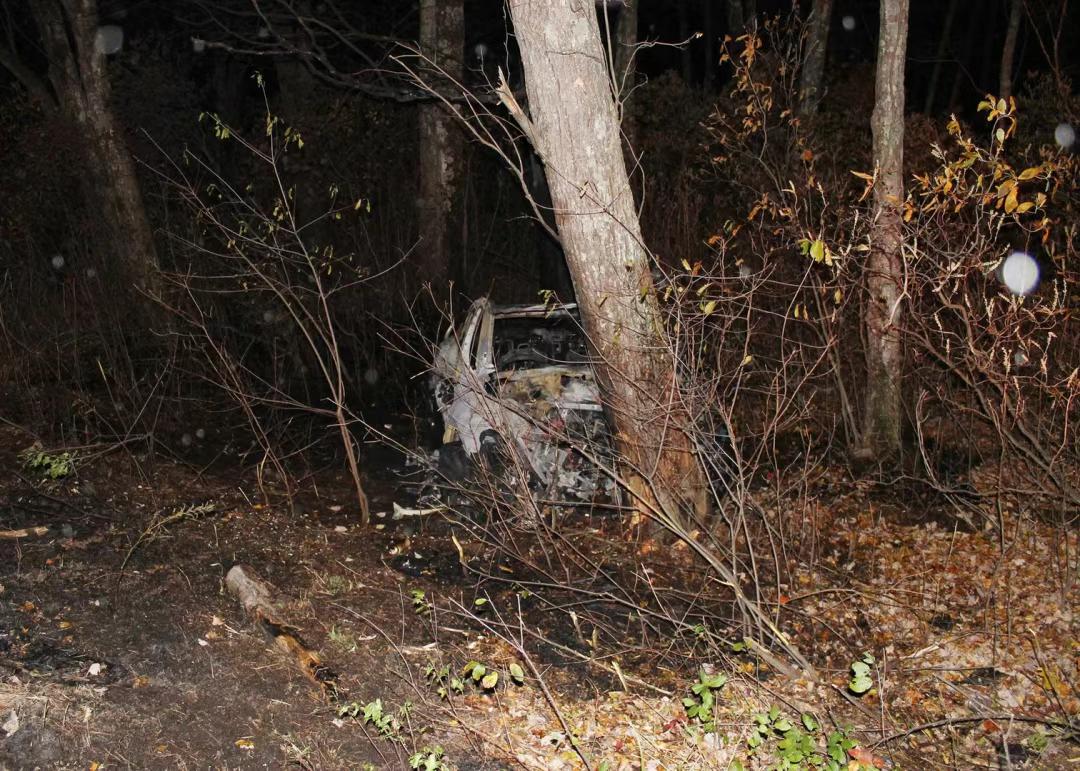
A in - depth investigation by Bloomberg shows that in the past decade, there have been at least 12 fatal traffic accidents involving Tesla vehicles in the United States, resulting in a total of 15 deaths. The common feature of these accidents is that after the vehicle collided and caught fire, the electric door handles failed due to power outage, and the passengers were unable to escape in time.
On November 24, the Office of Defects Investigation received a formal petition, which cited multiple accident cases, such as being forced to kick the rear window to escape because they didn't know the location of the hidden mechanical handle (no label, no explanation during delivery), resulting in hip fractures, arm fractures, and the need for total hip replacement.
The petition clearly points out that the mechanical emergency door handle of the Tesla Model 3 is hidden in an inconspicuous place, has no clear markings, and is difficult to locate and operate quickly in an emergency. It accuses Tesla of violating the Federal Motor Vehicle Safety Standard FMVSS 206 (regarding door locks and door retention systems).
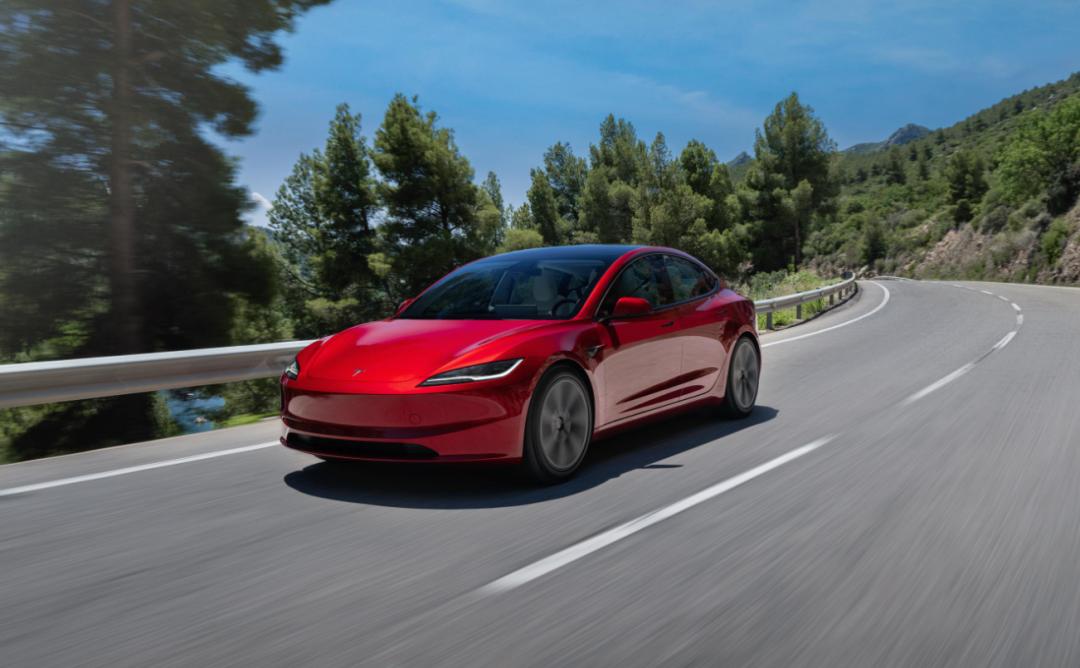
The National Highway Traffic Safety Administration has therefore officially launched a defect investigation, focusing on the allegation that "the manual release device is too concealed and difficult to find in an emergency."
Actually, it's not just the Model 3. In September this year, the NHTSA announced that it had launched a preliminary assessment of Tesla models due to receiving at least 16 reports of malfunctions of the electronic door handles of the 2021 Tesla Model Y. It also wrote a letter to Tesla, requiring Tesla to submit relevant records of the model year by December 10, covering the design of the door system, failure situations, and solutions to customer problems.
If Tesla fails or refuses to "fully, accurately, or timely" respond to the regulatory authorities, it will also face a fine of "up to nearly $140 million, with a daily fine of $27,874 per item."
Tesla's design director, Franz von Holzhausen, also said in a subsequent interview that Tesla may change the design of the door handles to allow users to operate the doors more directly "in an emergency." The idea is to integrate the current separate electronic and manual door - locking mechanisms into one button.
02 Show - off or Safety
Actually, the potential safety defects of hidden door handles have escalated from an industry controversy to a global regulatory focus.
For example, the "Passive Safety Working Group" of the United Nations Forum for Harmonization of Vehicle Regulations launched a special discussion on the difficulty of opening electrically - operated doors in May this year.
In October this year, EU regulatory authorities issued a formal warning about the design defects of electronic door handles, pointing out that this problem has caused multiple fatal accidents, and urged car manufacturers such as Tesla to immediately improve the door design to ensure that the doors can be opened smoothly in an emergency.
The regulatory authorities in South Korea, Germany, and the Netherlands have also issued safety warnings about electronic door handles. As the certification authority for Tesla in the EU market, the Dutch Vehicle Authority (RDW) emphasized that they are studying a revised plan to ensure that even if the electric vehicle loses power, the doors can still be opened from the inside, and external rescue workers can also operate them.

At the previous Munich International Auto Show, Thomas Schäfer, the CEO of the Volkswagen brand, said: "These hidden door handles are good, but they are very difficult to operate."
Wei Jianjun, the chairman of Great Wall Motors, has also publicly expressed his dissatisfaction with hidden door handles many times. He believes that this type of design "does more harm than good." It not only has a large weight and high noise but also relies too much on electricity. Once there is a collision or power outage, the doors may not open, seriously affecting escape. "Sacrificing safety for the almost negligible optimization of wind resistance is putting the cart before the horse."
Not long ago, he also emphasized again that the advantage of hidden door handles in "reducing wind resistance" has been severely exaggerated. "The so - called wind resistance is reduced by 0.001, but the weight of the handle has increased by 8 kilograms, and the hidden door handle is particularly difficult to seal."
Wei Jianjun said that "for ordinary models, the value of reducing this little bit of wind resistance is not that high. Behind this, in fact, some car manufacturers are over - marketing and misleading consumers."
Indeed, the iconic hidden electric door handle design on Tesla was once regarded as one of the symbols of innovation in electric vehicles. It not only brought an unprecedented user experience but also had the advantages of allegedly reducing wind resistance and increasing battery life.

However, hidden door handles were not actually first introduced by Tesla. The first car to use hidden door handles was the two - door sports car Cisitalia 202 in 1947. The main purpose was to reduce the air resistance of super - sports cars at extremely high speeds and improve the top - speed performance.
This hit the pain point of many super - sports cars at that time, so for a long time afterwards, hidden door handles were exclusive to super - sports cars.
What really brought hidden door handles into the mainstream was the emergence of the Tesla Model S in 2012. After Tesla became a huge success globally, hidden door handles also became popular. They even became a distinguishing design between new - energy vehicle startups and traditional car manufacturers.
This also led to collective imitation in the industry. In April 2025 alone, among the top 100 best - selling new - energy vehicle models in the Chinese auto market, the installation rate of hidden door handles was as high as about 60%.
However, at that time, car manufacturers and users did not deeply consider how complex such a design was and whether the structure was reliable. The test results of a third - party institution showed that the success rate of the doors popping out after a side - impact of vehicles equipped with hidden door handles was only 67%, far lower than the 98% of traditional mechanical handles.
As time passes, everyone clearly knows which is more important between "show - off" and "life - saving". Just like in the intelligent driving industry before, when public opinion reaches a boiling point, national supervision should be tightened suddenly.
While the other side of the ocean is only issuing safety warnings, China has taken the lead.

On December 18, the Ministry of Industry and Information Technology officially released a notice soliciting public comments on 7 mandatory national standards such as the "Safety Technical Requirements for Automobile Door Handles" (draft for approval) and the foreign - language version of the mandatory national standard "Safety Requirements for Electric Vehicles" (draft for approval).
It clearly states that when the exterior door handle is in any state, there should be a hand - operating space for operating the mechanical release function relative to the vehicle body surface. That is to say, there must be an operable handle on the vehicle body in any situation, and fully hidden door handles obviously cannot meet this requirement.
Moreover, the interior door handle must also support mechanical opening. For interior door handles with multiple sets of mechanical release systems, the door should be able to be opened by only one of them. It also needs to be equipped with a permanent sign that meets the requirements, and an indication of the opening method should be added near the sign or near the interior door handle.
This means that under the new regulations, the door handles of some models may need to be redesigned. However, this new national standard also sets a transition period for car manufacturers: Newly - applied models for type approval need to meet all requirements from July 1, 2027, and models that have already obtained type approval need to complete the rectification before July 1, 2028.
China has taken the lead in making a statement. Let's see when other countries will follow up.
This article is from the WeChat official account “SuperEV - Lab”, author: Wang Lei. Republished by 36Kr with authorization.