The Changes in Translation Hardware in 2025: iFlytek Ties to Office Use, Youdao Enters the Learning Market, and Timekettle Captures Ears
Translation hardware has always been a very special presence in the consumer electronics field: it addresses the very real cross - language communication issues in reality, but it corresponds to a relatively low - frequency and highly scenario - specific usage environment. For most people, translation devices are not something "indispensable" in daily life. Instead, they are more like tools that are only remembered during specific moments such as traveling abroad, business communication, and cross - cultural exchanges.
Precisely because of this low - frequency nature, there has always been an unavoidable contradiction in the translation hardware industry over the past many years:
Manufacturers hope to turn it into a mass - market product and establish a stable consumer market. However, users only use it in special scenarios, making it difficult to form continuous repeat purchases and natural product upgrades.
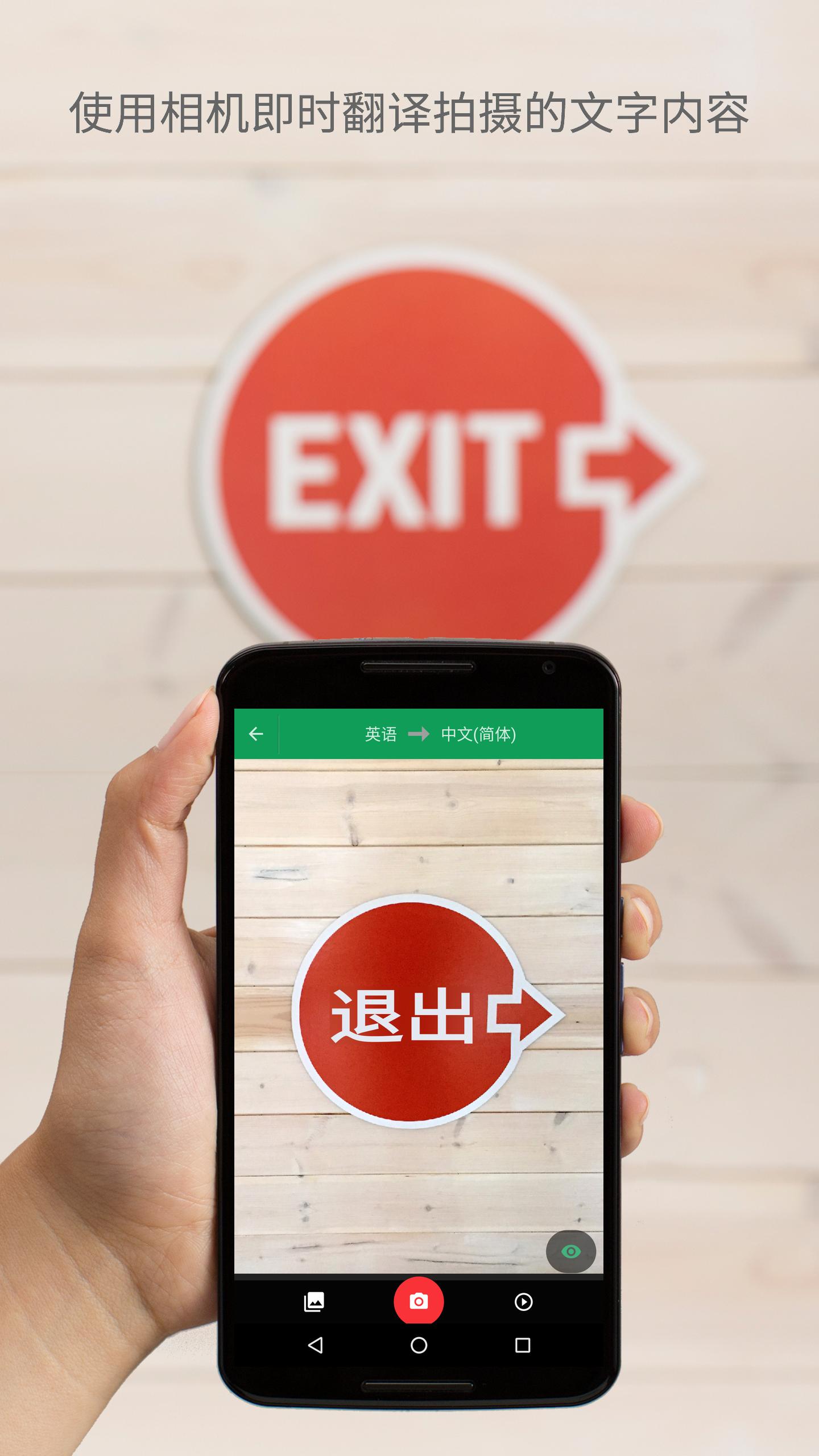
Image source: Google
In the view of Lei Technology, this situation cannot be attributed to the manufacturers' lack of effort in expanding the market. Instead, it is because the product logic of translation hardware itself is prone to "hitting a wall".
During the era of translation machines, the core selling points were nothing more than a few things: accurate translation, support for a large number of languages, and offline usability. However, with the maturity of mobile translation apps, these advantages have gradually diminished - the number of supported languages is increasing, the models are being updated, and offline packages can be downloaded at any time. In comparison, it is difficult for dedicated translation devices to give users a "must - buy" reason.
However, in 2025, the translation hardware category, which had been on the fringes for a long time, finally saw a turning point. However, this change did not come from an explosion in demand but from product - side upgrades: with the rapid evolution of AI translation capabilities, the translation quality has achieved a qualitative leap. More importantly, translation has begun to be disassembled into an ability rather than being tied to the single form of a "translation machine".
Make translation an "ability" rather than a "hardware"
Taking Youdao as an example, in 2025, Youdao's product rhythm for translation hardware still continued the style of the past few years - steady, conservative, but very clear. Whether it was the continuously iterated dictionary pen series or the portable translation devices for travelers and overseas students, Youdao was not eager to make radical innovations in form. Instead, it repeatedly strengthened the stability and reusability of translation capabilities in learning and daily use scenarios.
The core value of such products does not lie in "how novel the translation device itself is", but in the fact that translation capabilities can be continuously embedded into a larger AI capability system: from word understanding and context analysis to content summarization and learning assistance, translation is just one of the modules. This also determines that Youdao's product logic for translation hardware is more inclined towards long - term tools rather than short - term blockbusters.
In 2025, iFlytek still did not attempt to create a "translation magic weapon" for the mass market. Instead, it continued to deeply integrate translation capabilities into productivity scenarios such as meetings, office work, and recording. In iFlytek's logic, translation is more like a link in the information processing chain.
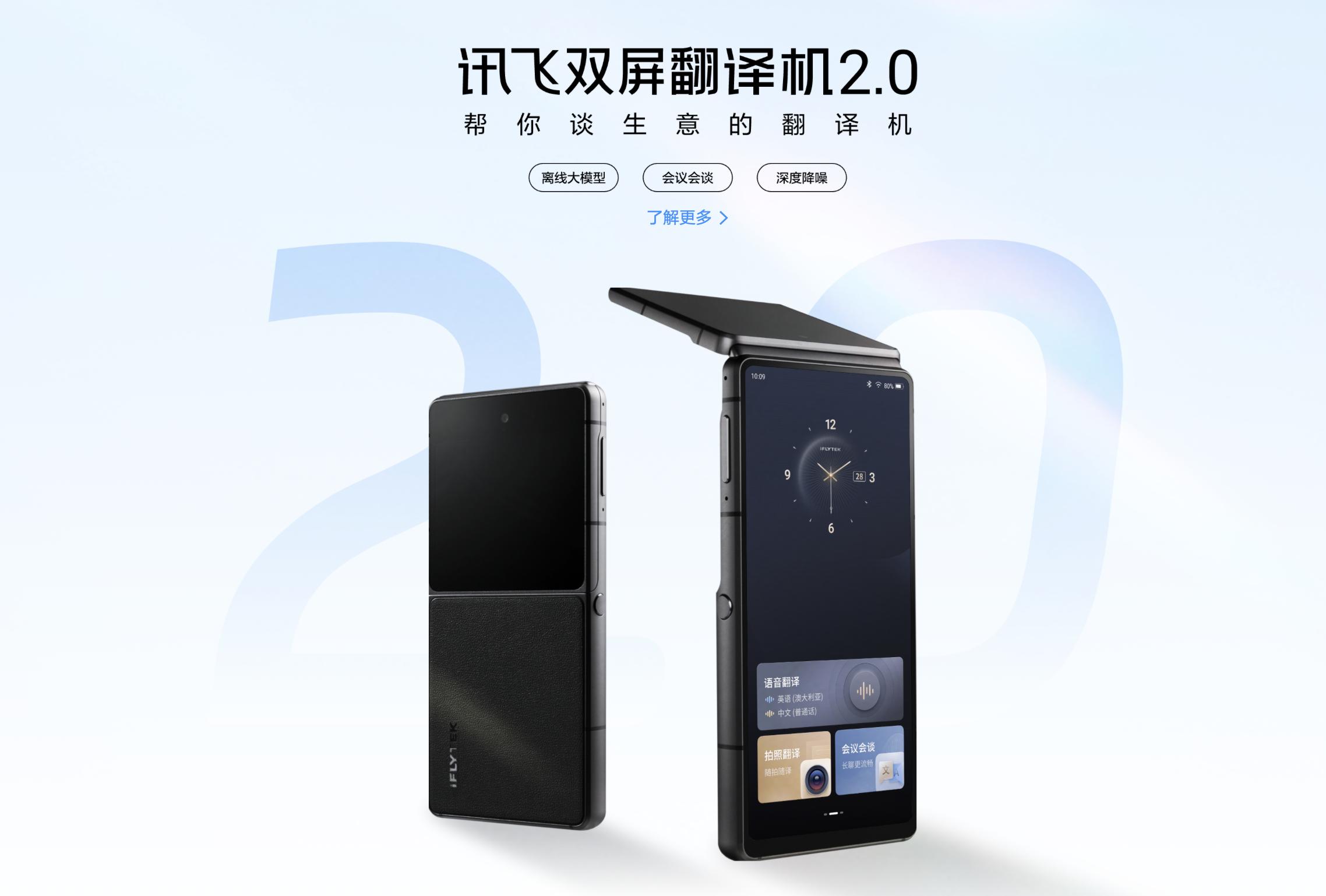
Image source: iFlytek
In comparison, Timekettle's product path in 2025 more centrally reflects the "form transformation" of translation hardware itself. Its product line represented by translation earphones almost completely demonstrates the process of translation migrating from "dedicated devices" to "high - frequency wearable devices". Taking Timekettle's star product W4 this year as an example, compared with the "professionalism" of the W4 Pro, the W4 emphasizes the universality of the earphones, striving to create the smoothest cross - language communication experience with the lowest "intrusiveness".
When comparing the product strategies of these three companies from an industry perspective, it is not difficult to find the "core trend" of the translation hardware category in 2025: Detach translation from the category of translation hardware and make it an "abstract" virtual ability that can be applied to different categories, thus opening up the market for translation hardware.
This approach of abstracting translation from "hardware" to "ability" also expands the types of translation devices from a technical perspective. Taking the hottest smart hardware track in 2025 - smart glasses as an example, with the "decoupling" of the translation function from translation hardware, more and more devices can rely on the external computing power of mobile phones to achieve the translation function.
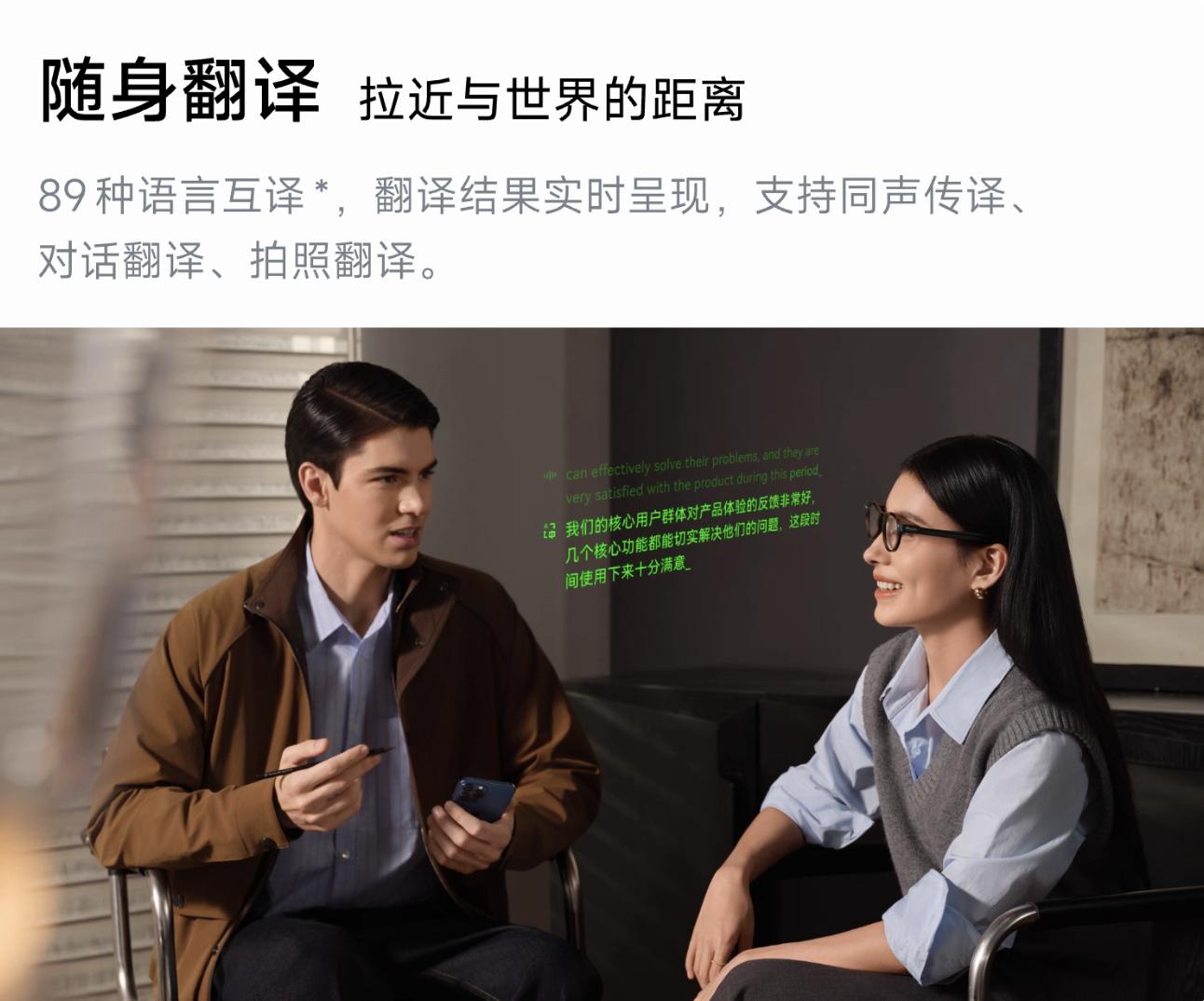
Image source: Quark AI Glasses
As one of the few smart wearable products that can occupy both auditory and visual interactions, smart glasses have also welcomed their own highlight moment in the translation field: Almost all waveguide smart glasses offer subtitle translation functions, and even audio glasses and shooting glasses generally provide simultaneous interpretation functions.
Of course, translation glasses are not without their shortcomings. Problems such as subtitle delay, noise interference, sound leakage, and the unavoidable front light leakage of waveguide glasses all plague smart glasses. However, it is certain that with the maturity of waveguide technology, once the product cost decreases, translation glasses are likely to become a new force in smart hardware on par with translation earphones.
From machine translation to AI translation, understand human language to speak human language
In the view of Lei Technology, the change in product form is only the "foundation" for the evolution of translation hardware brands in 2025. What really makes translation hardware "come back to life" is the innovation of AI translation models.
In the era of traditional translation machines, so - called "machine translation" was more like a linear processing pipeline: first, perform voice recognition to convert sound into text; then, translate the text sentence by sentence; finally, broadcast the translation result. However, the problem is that there is never a "standard" in real - world cross - language communication. People may omit the subject, constantly interrupt, change their minds temporarily, mix in catchphrases, and even start expecting a response from the other party before finishing a sentence. In real - life conversation scenarios, machine translation often fails to understand the user's true semantics, and the translation results are naturally "strange".
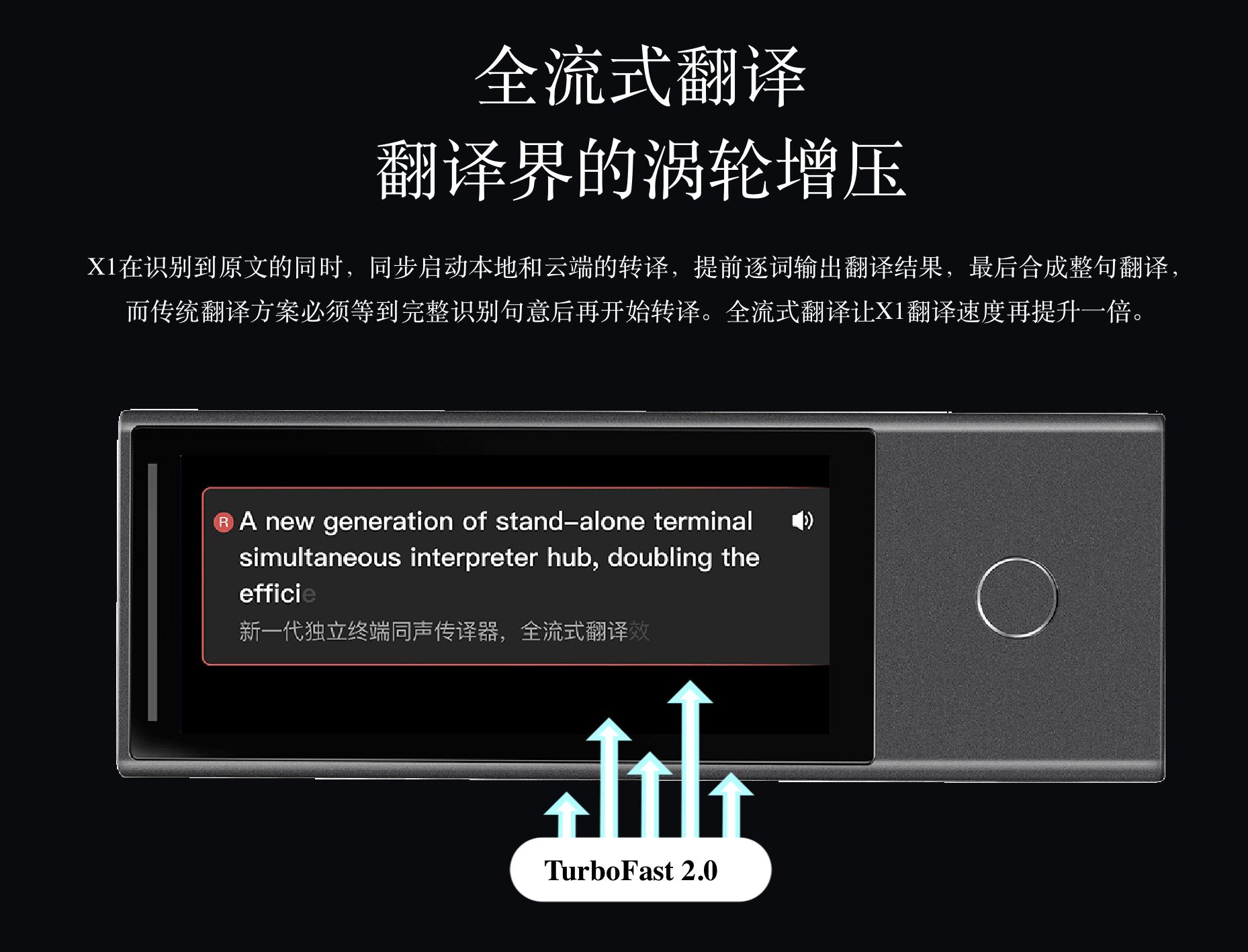
Image source: Timekettle
This is why many early translation earphones and translation devices, even though they had "met the standards" in terms of technical indicators, still felt awkward in real communication - the problem with machine translation is not a lack of vocabulary, but that the translation system does not understand the context of the "conversation".
The emergence of AI translation has changed exactly this.
Different from machine translation, AI translation does not cling to the one - to - one correspondence of words. Instead, it starts to try to understand "what people really want to express". Some advanced AI models can even pre - process unfinished sentences or correct ambiguities based on the context. In the field of translation hardware, the importance of this shift is far greater than a simple increase in model parameters. Because the real value of translation devices does not lie in "how beautifully they translate", but in whether they can keep the conversation going.
It is also at this stage that translation hardware first has the real possibility of supporting "simultaneous interpretation in both directions". So - called two - way simultaneous interpretation does not simply mean allowing both parties to take turns speaking. Instead, it allows both parties in the conversation to express themselves in their native languages while receiving the real - time translation results of the other party, making the communication rhythm close to a natural conversation. This has always been the ideal form of translation devices, but it has long been limited by technical conditions and could not be implemented.
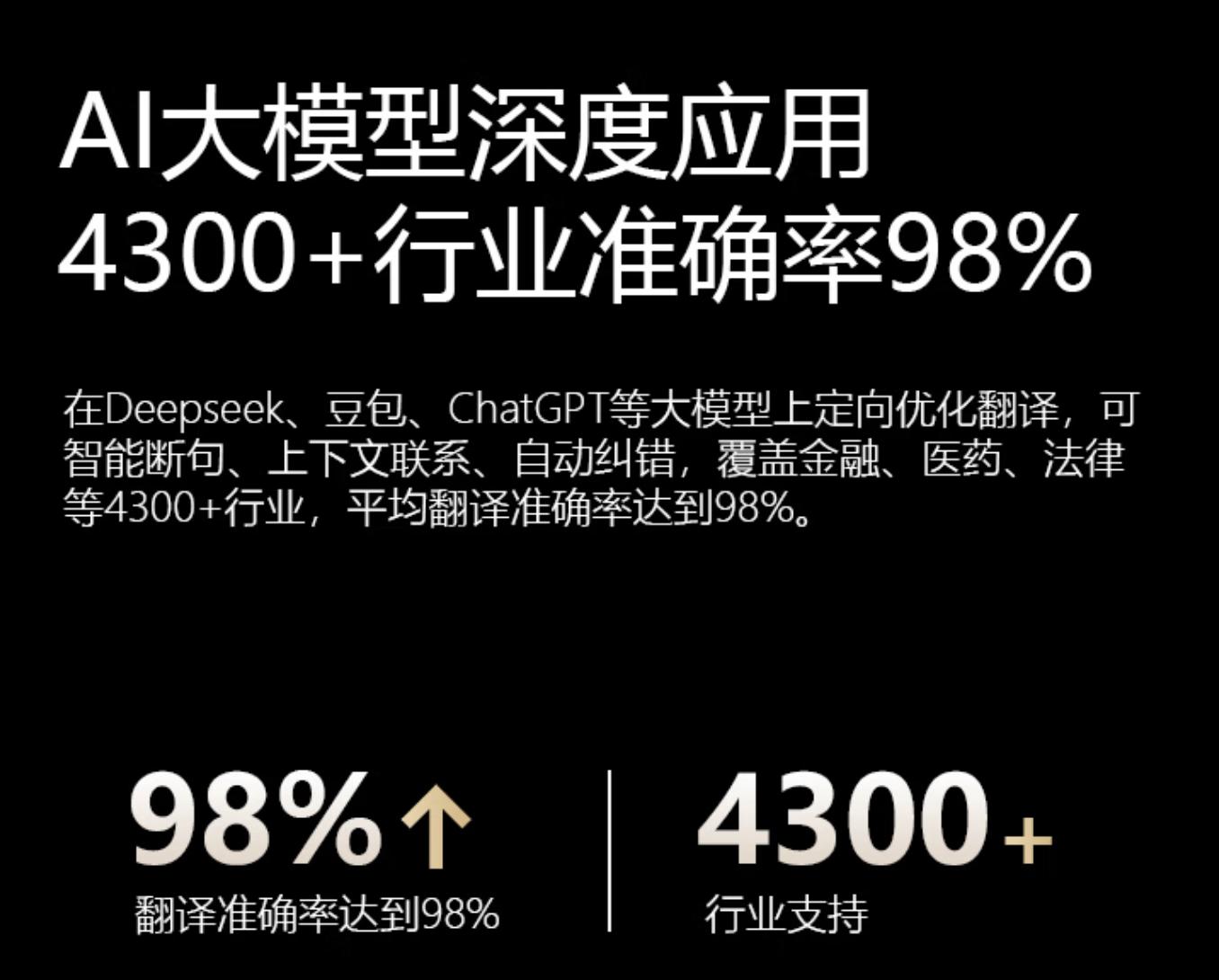
Image source: Timekettle
From an industry practice perspective, Timekettle is one of the earliest manufacturers to continuously invest in this direction. Different from many products that only focus on the "translation result", Timekettle's approach is more like a complete communication project: starting from front - end sound collection, it redesigned the voice link for translation scenarios. Through a multi - microphone array and software algorithms, it can distinguish the voices of different speakers. In the translation stage, after introducing large - language models, the translation system begins to have the ability to understand the context and predict semantics, and can output translations in advance before the sentence is completely finished and dynamically correct them based on subsequent content.
In the view of Lei Technology, this is the watershed between machine translation and AI translation.
Where will translation hardware go next under the empowerment of AI?
As mentioned above, the change of abstracting "translation" into a "function" enables earphones and glasses to handle translation requests. However, in fact, the "empowerment" of AI technology in the translation market is not only reflected in translation capabilities. Even in other fields, the addition of AI has also unleashed the "imagination" of translation hardware.
For a long time, the design of translation hardware has highly relied on "hardware support": a microphone position closer to the mouth and a more obvious directional structure. These design compromises are all to make up for the shortcomings of translation hardware in sound pickup and noise reduction.
However, when AI models begin to have stronger voice understanding, context modeling, and noise tolerance capabilities, the industry has welcomed a new solution. The problems of sound pickup, separation, and recognition that originally had to be solved through structural design are now being partially transferred to the algorithm side for processing. This "post - computing" approach has freed translation hardware in terms of form and also allowed the translation function to be embedded into lighter and more daily - use devices.
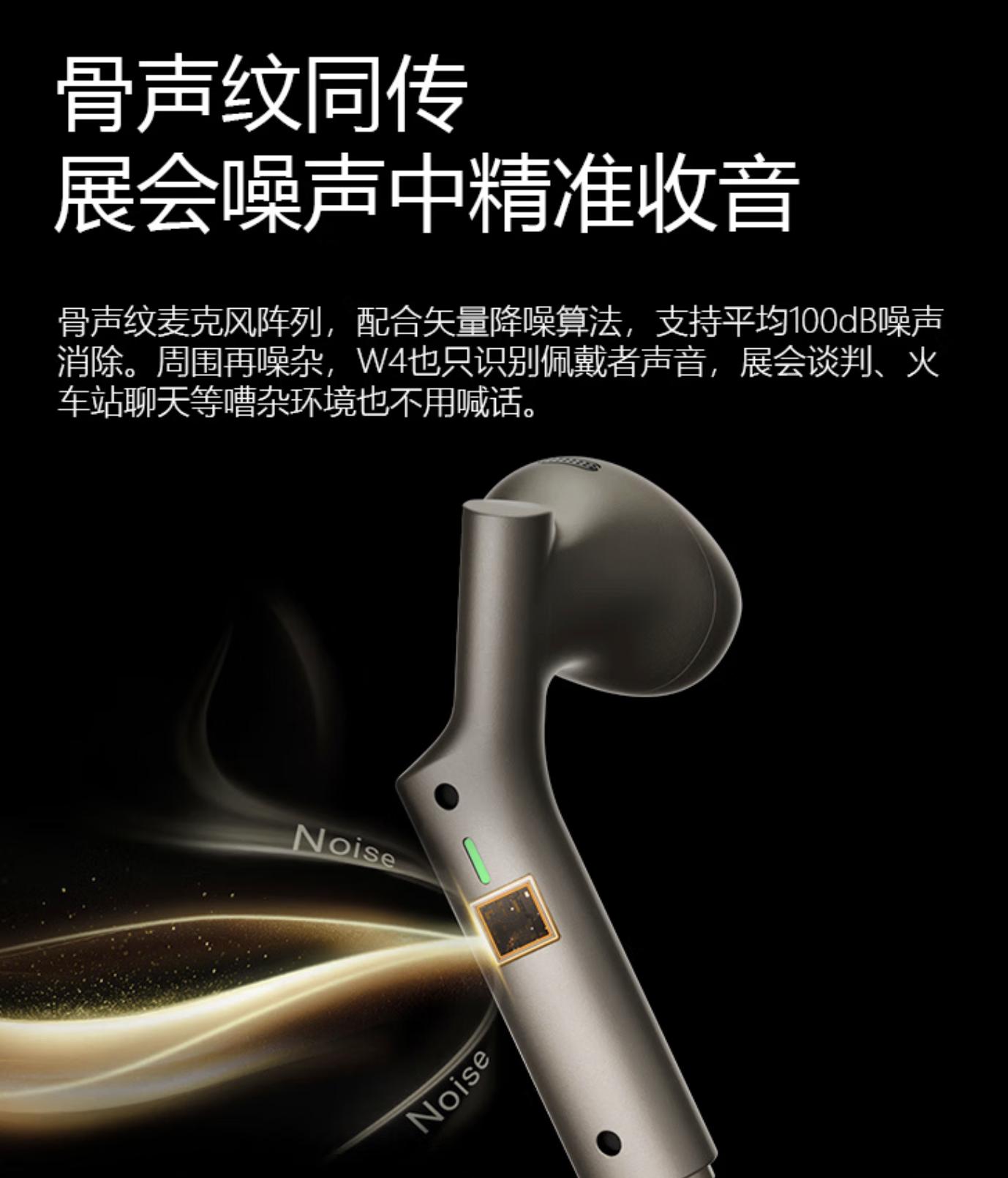
Image source: Timekettle