China's fuel-powered vehicle industry has failed to crack the MPV market in 30 years. It's time for new energy vehicles to step up.
Since the beginning of this year, through fierce competition, new energy vehicle manufacturers have firmly captured nearly half of the Chinese automobile market.
Their strong momentum has even made giants like Germany's BBA and Japan's Toyota feel threatened.
In recent years, the most competitive segment has been MPVs (Multi-Purpose Vehicles).
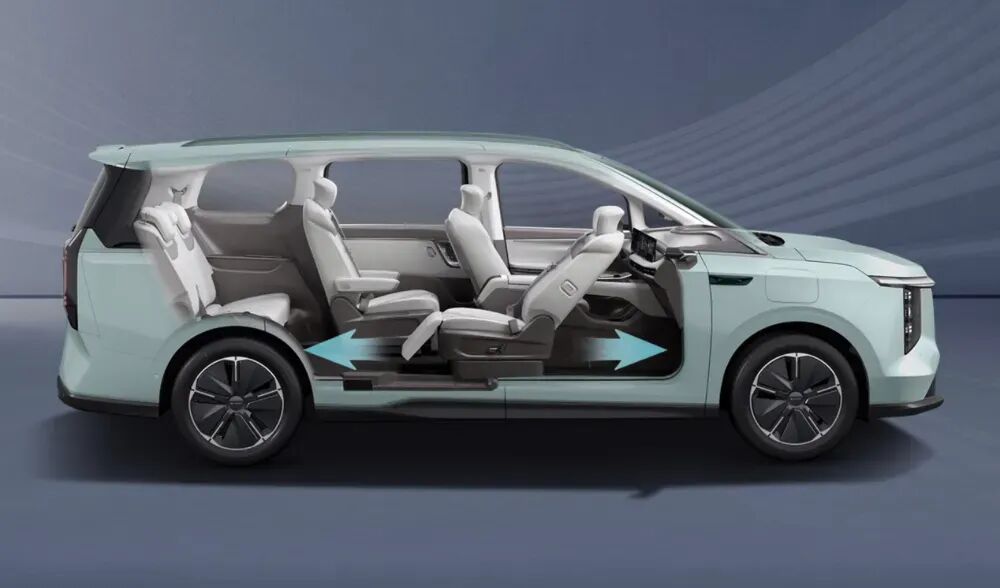
Schematic diagram of the internal structure of an MPV
In 2016, influenced by the policy of promoting automobile sales in rural areas, the Chinese MPV market boomed. The annual sales volume reached 2.55 million units, accounting for 10.5% of the market share. Among them, mid - and low - end models such as Wuling Hongguang S and Baojun 730 sold the best.
However, the MPV market started to cool down the next year, and the sales volume declined for four consecutive years. By 2022, the sales volume of MPVs in China was only 960,000 units, accounting for only 4.1% of the market share.
In 2023, although this figure rebounded, it was only 1.093 million units. In 2024, the sales volume of MPVs dropped again to 952,000 units, even lower than in 2022.
This year, the share of Chinese MPV models in the entire automobile market is only about 3.8%.
But if we look at the high - end MPV market, a number of new energy MPVs such as Denza D9, Voyah Dreamer, and Wei brand Gaoshan are rapidly seizing the market.
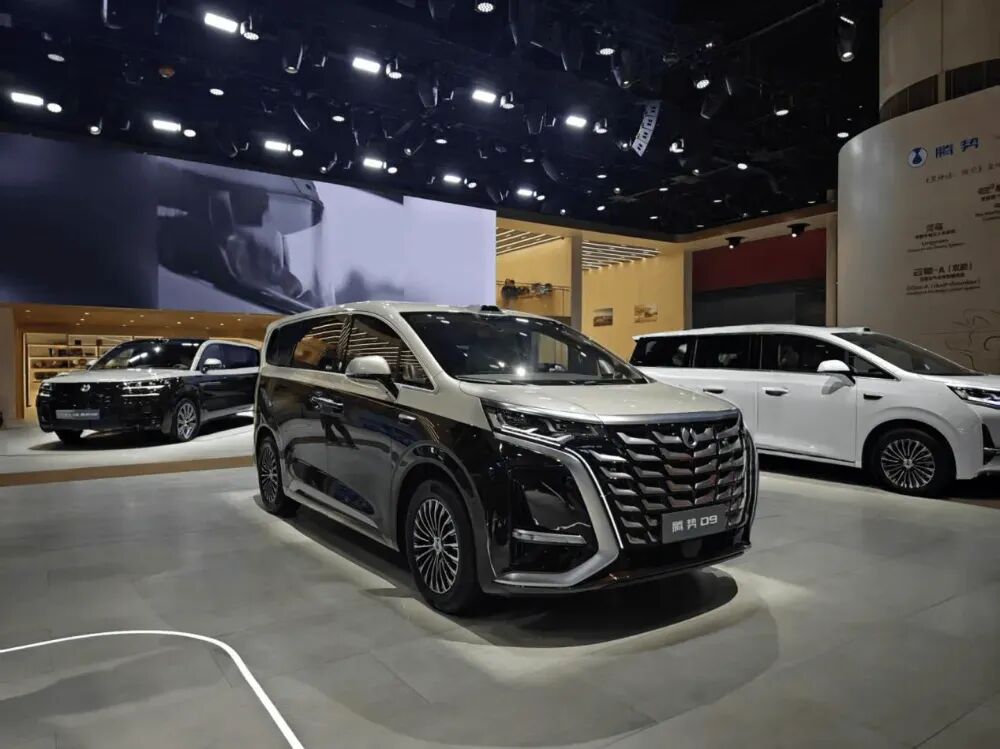
Denza D9 at the 2025 Guangzhou International Automobile Exhibition
Although the overall MPV market is shrinking, the market for high - end MPVs that meet the demand for high - quality travel is expanding rapidly.
Perhaps, we should re - examine MPVs, an important but often overlooked member in the Chinese market.
Can new energy manufacturers change the MPV landscape?
01 A Business Prop and a Symbol of Power
Whenever we talk about MPVs, the first thing that comes to mind is often high - end business vehicles, with their imposing long - body designs, silent electric sliding doors, and an experienced driver in the driver's seat.
The people who can sit in the second row of such a vehicle are either respected industry giants, high - ranking officials, or big bosses. All other members in the vehicle are there to serve these one or two people.
Therefore, business MPVs have become a symbol of wealth and power.
Actually, there are two types of such MPVs.
One is represented by the Toyota Alphard.
From the outside, the Toyota Alphard has a highly recognizable and imposing front face, as well as a large chrome grille. Inside, it has a luxurious interior and aviation - style seats, with large screens, small refrigerators, and privacy partitions...
Therefore, the Toyota Alphard, which is priced at 4 - 8 million yen in Japan (equivalent to about 200,000 - 400,000 RMB), often sells at a premium of 200,000 - 300,000 RMB in China.
Of course, people who use such vehicles not only want to be comfortable and look good but also want to show their status and accumulate social capital in their wealthy social circles.
So, even if the driver is a nanny and the purpose of the trip is just to go grocery shopping, it still gives people the impression that "this nanny is not ordinary."
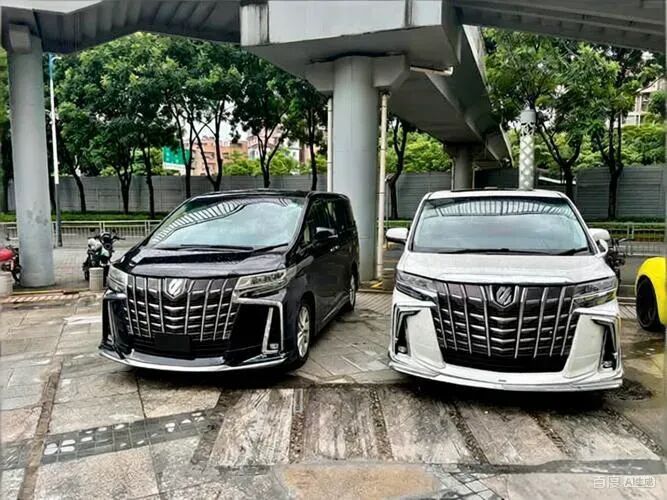
Toyota Alphard
The other type is represented by the Buick GL8.
It has a grand and steady appearance, smooth lines, and a low - key color scheme. Its calm and proper temperament and moderate and reserved character give it a sense of maturity and comprehensiveness, like a vehicle suitable for official use.
From the 2001 APEC meeting in Shanghai to the 2014 APEC meeting in Beijing, the GL8 has been an important reception vehicle.
As of 2022, the GL8 has served the Boao Forum for Asia for 15 consecutive years.
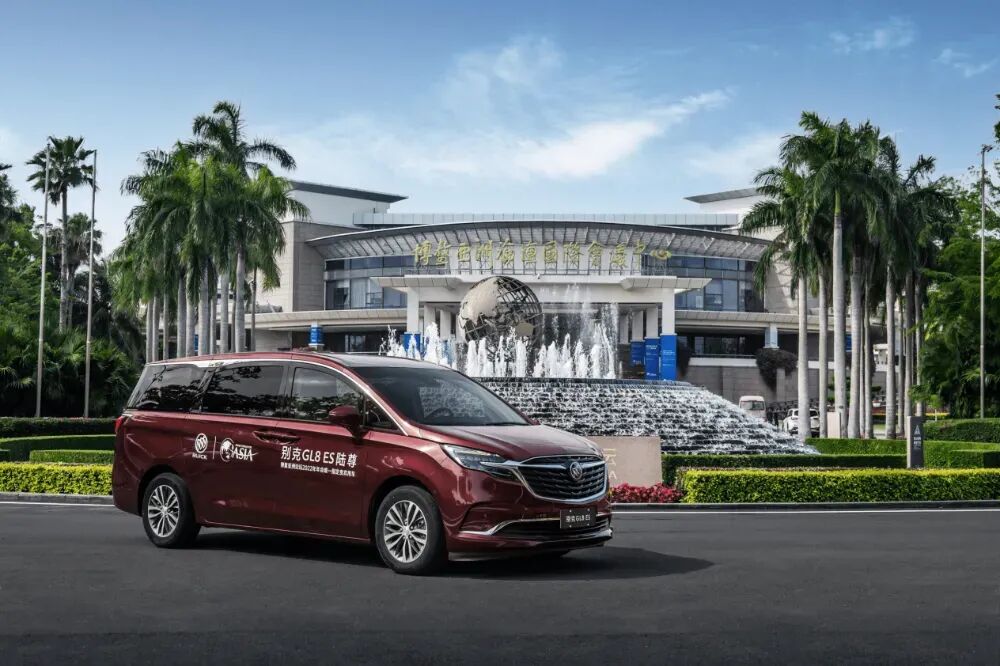
Buick GL8 ES Lu Zun
Therefore, in many cases, business MPVs seem to have an invisible barrier, separating the world inside the vehicle from the ordinary world.
Among them, the "domestic - made" Buick GL8 has a status that surpasses all other models.
The GL8 is China's first domestic - made MPV. Except for the technology from General Motors, its design conforms to our aesthetics, its price is set according to our consumption ability, and its production is completed in China.
So, whether it's the early Toyota Previa or the later Toyota Alphard, they seem to lack a bit of cultural heritage in front of the "home - grown" GL8.
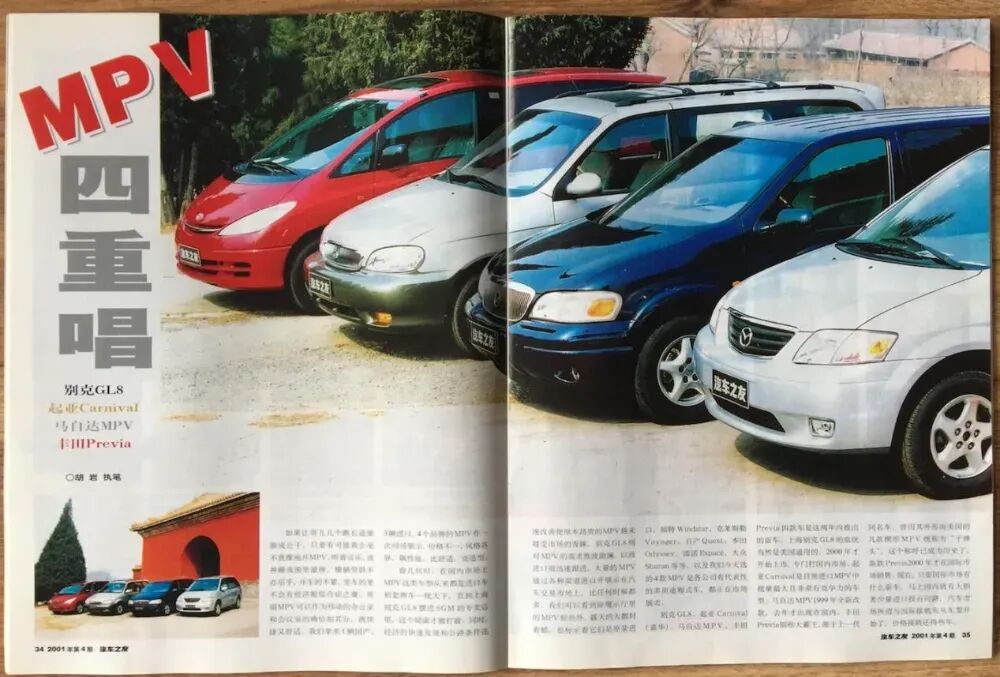
In a copy of the magazine "Auto Fan" published more than a decade ago, there was a comparison of the four mainstream MPV models in the market at that time, including the Buick GL8, Toyota Previa, Kia Carnival, and Mazda MPV
In the year after the official delivery of the GL8, China officially joined the WTO. The automobile manufacturing ability became a powerful business card for us to prove ourselves to the world, and the GL8 was pushed to the forefront.
It is no exaggeration to say that the development of the GL8 runs through the entire process of the Chinese automobile industry from scratch.
Even up to now, the Buick GL8 has dominated the Chinese MPV market for more than 20 years, and it is still a very reliable choice.
Some people also say that if you drive a GL8 to visit your future father - in - law, you can avoid a few complaints at the dinner table and enjoy a few more mouthfuls of hot food.
02 MPVs Quietly Absent After Consumption Upgrading
From a global perspective, the Chinese automobile industry started late, and MPVs were the latest to emerge.
In the 1990s, private cars were still regarded as a symbol of the rich by the Chinese people. People mainly bought cars as collective production tools.
It wasn't until 2001 when China joined the WTO that the national ideology and consumption concept gradually integrated with the world. The so - called "Big Three" models, the Santana, Jetta, and Fukang, became popular.
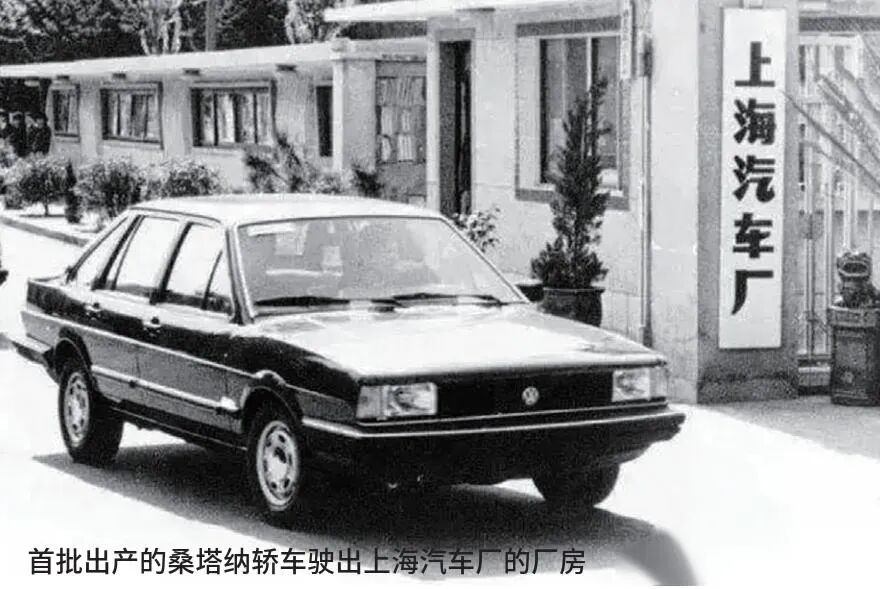
The first batch of Santana sedans drove out of the Shanghai Automobile Factory
From the Wuling Hongguang mainly used for cargo transportation to the multi - functional Wuling Hongguang, and then to the "Big Three", the small businesses of ordinary Chinese people have been rapidly upgrading.
Meanwhile, the large - scale infrastructure upgrade in our country has also enabled high - end cars to drive better on the roads.
Generally speaking, such conditions should have led to a boom in 7 - seat MPVs.
However, many people forget that China has an important national policy that has subtly but profoundly affected the development of the automobile industry, which is the family - planning policy.
In the early 1970s, the country advocated a fertility standard of "one is not too few, two is just right, and three is too many."
In the 1980s, family planning was established as a basic national policy, with the core of advocating "one - child per couple."
In other countries, as the population soared, the sales of MPVs also increased. In our country, with population control, general - purpose SUVs and sedans were the preferred choices for three - member families.
From a cost perspective, to make MPVs competitive, at least a dedicated platform needs to be designed separately, and the assisted - driving system also needs to be upgraded, resulting in relatively high costs. Therefore, Chinese car manufacturers have generally made slow progress in the MPV field.
Compared with fuel - powered MPVs, the R & D cost of new energy MPVs is about 30% higher.
This directly drives up the terminal price of new energy MPVs, discouraging consumers.
The weak demand and insufficient supply have formed a closed - loop that slows down the development of MPVs.
Actually, looking at the global automobile industry history, MPVs are the latest - emerging segment.
For example, among the earliest car manufacturers, Chrysler in the United States, founded in 1925, only launched its first MPV in 1983. Nissan Motor in Japan, founded in 1933, launched its first model with MPV characteristics, the "Nissan Prairie", in 1982.
For several decades in between, the most mainstream vehicles in the world were sedans and SUVs.
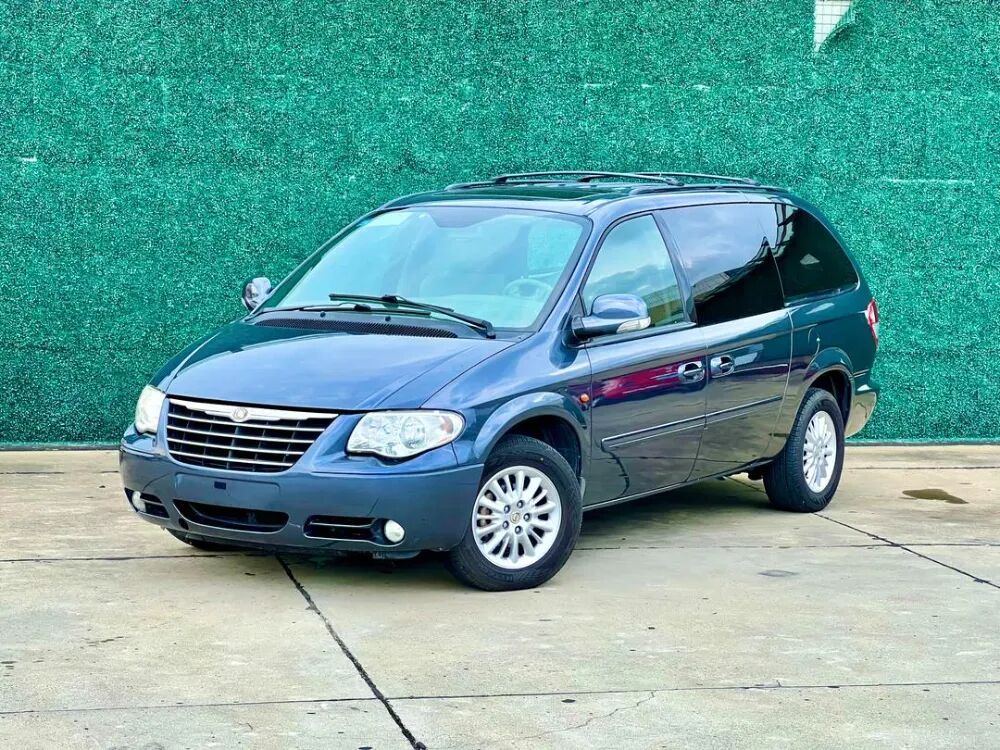
Chrysler Town & Country
From the very beginning, MPVs were designed for specific scenarios and are still closely bound to them. Their market share in various countries has never exceeded that of general - purpose sedans and SUVs.
However, this model, which seems "elitist" in the Chinese market, is an absolute necessity in some other markets.
03 Is a New Era Coming for MPVs?
Whether it's the ideological evolution of "business vehicles" or the influence of national policies on the automobile market, any slight change will cause fluctuations in the sales volume of MPVs in the Chinese market.
The fluctuations in sales data are ultimately due to the fact that MPVs are not a necessity.
Looking globally, there are two places with a particularly high demand for MPVs, which can be compared with the Chinese mainland. One is Hong Kong, China, and the other is Southeast Asia.
People in Hong Kong like high - end MPVs, and the Toyota Alphard is the best among them. People in Southeast Asia prefer the Wuling Hongguang. Although it is at the bottom in terms of performance and price, the combination of these two factors has made the Wuling Hongguang the king in terms of cost - effectiveness.
Let's first look at the Hong Kong Special Administrative Region.
As one of the world's most densely populated and expensive - to - live global financial centers, Hong Kong strictly restricts local residents' car consumption while improving the road network to ensure the quality of residents' travel.
From vehicle purchase taxes to annual license fees, and then to high fuel prices and parking fees, every Hong Kong resident has to think carefully before deciding whether to buy an MPV in one go.
So in Hong Kong, from social celebrities to movie stars, from financial elites to executives in various industries, MPVs are the preferred choice for many people.
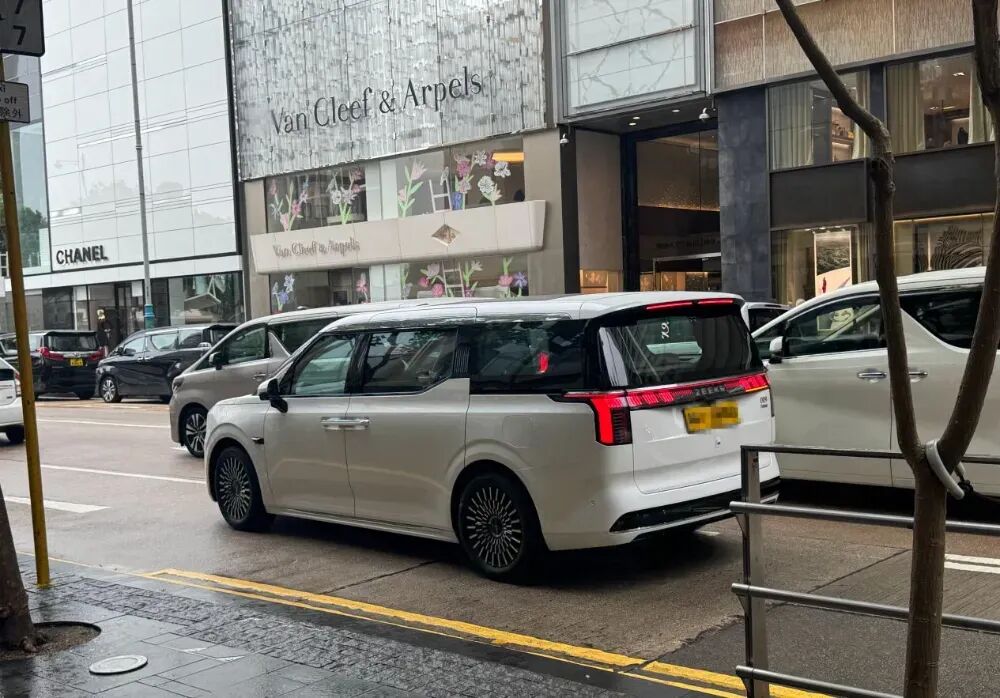
MPV vehicles on the roads in Hong Kong
The wildly popular Toyota Alphard in the Chinese mainland was actually introduced from Hong Kong.
Another market where Chinese MPVs struggle is Southeast Asia.
Compared with China, the development of Southeast Asian countries is relatively backward, and cars are mainly used as production tools.
For example, in Vietnam, with the rapid economic development and improvement of national health conditions, the population exceeded 100 million in 2023, but the proportion of the agricultural population exceeded 50%.
In Indonesia, with a population of nearly 280 million, about 59% of the population is engaged in agriculture or related industries.
Many farmers and self - employed individuals in Southeast Asia have to buy their own cars for cargo transportation.
Because the road infrastructure in Southeast Asian countries is really poor.
According to the latest "Road Quality Index", Indonesia scored 3.89 points (out of 7), ranking in the middle in Southeast Asia. However, the road quality scores of countries such as the Philippines, Cambodia, Laos, and Vietnam are all below 3.6 points.
Due to the poor road conditions, the logistics and transportation network in Southeast Asia is far less developed than ours, which further promotes the prosperity of the local mid - and low - end MPV market.
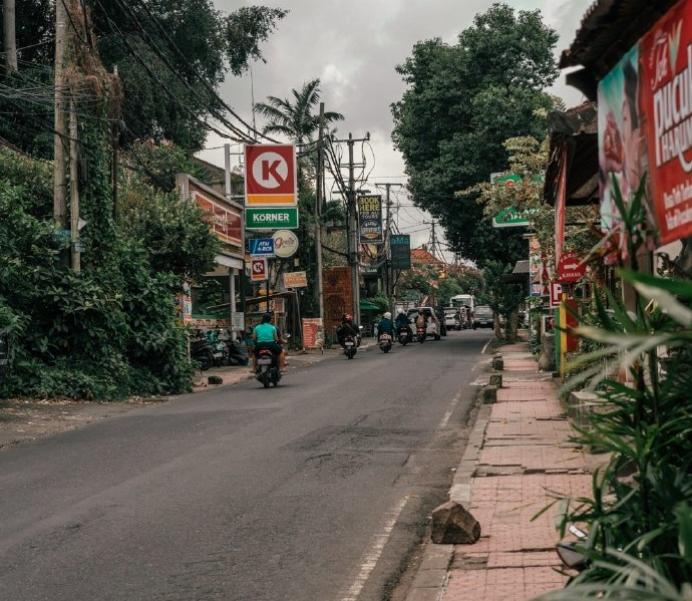
The roads in Indonesia are very narrow, and the sidewalks are in disrepair
In Hong Kong and Southeast Asia, the popularity of MPVs has a high degree of necessity.
But back on the Chinese mainland, in today's increasingly diverse automobile market, it is obviously not enough for MPVs to be only used for cargo transportation and showing off wealth.
Car manufacturers need to come up with a new value system and game rules.
In 2025, cars have many new values for the Chinese people that