Li Auto Launches AI Glasses Livis: An Attempt by Automobile Manufacturers to Secure AI Hardware Entry Points at Low Cost
On December 3rd, Beijing time, Li Auto launched its cheapest product - the AI glasses Livis.
This naming should be inspired by Jarvis from Iron Man.
V.I.S: very intelligent system.
The naming is borrowed, but the ambition is not.
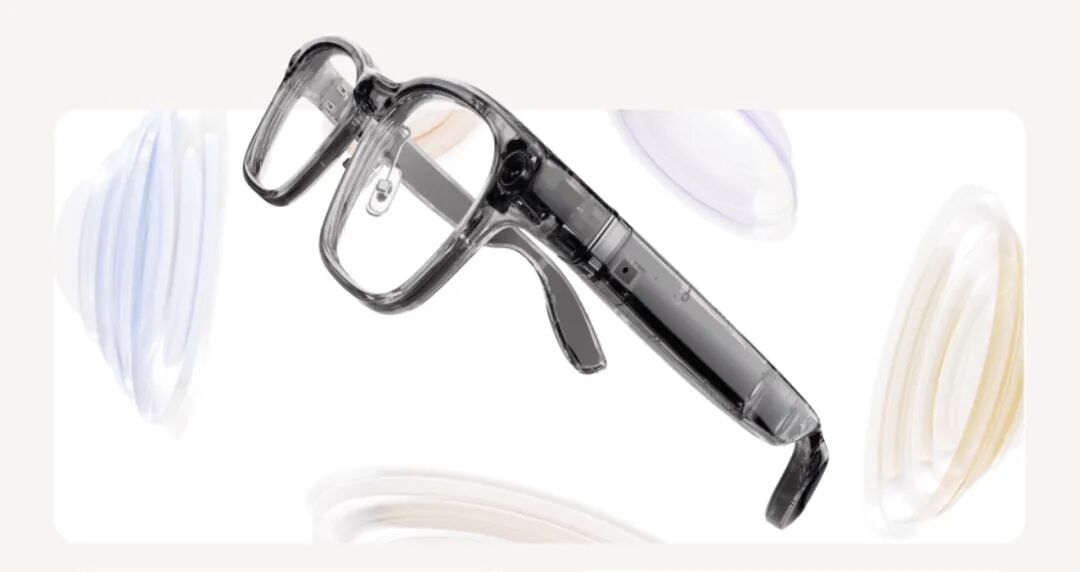
Livis not only hides Li Auto's ambition for AI but also represents a "low-cost" attempt by Li Auto to expand its AI hardware entry point. The last low-cost attempt was the launch of the AI intelligent assistant - the "Li Auto Buddy" APP, aiming to seize the hardware entry point of mobile phones.
However, seeing that even ByteDance is cooperating with ZTE to develop AI mobile phones to compete for the AI hardware entry point.
Li Auto chose the lighter AI glasses instead of following in the footsteps of car companies like NIO, Geely (Polestar, Lynk & Co.) to enter the already well - established mobile phone industry. This avoids foraging in the red - ocean market and wasting precious funds and time.
ByteDance is different. After all, its scale is at least one order of magnitude larger than that of Li Auto. More importantly, ByteDance is already implicitly the No.1 in the market and earns tens of billions of profits every year.

The competitive market that Li Auto is in is extremely fierce. Li Auto is currently in a slump, and the product strength of its car products is not particularly outstanding, which is reflected in the sales volume.
For Li Auto, the AI glasses market is still in the stage of a "hundred - glasses battle", and there is no clear winner yet. The hardware investment cost is relatively controllable, theoretically less than that of mobile phones. After all, the number of components and hardware costs are much lower, but the selling price can be relatively close.
The hardware premium of AI glasses is higher than that of mobile phones. So, give it a try.
Li Auto doesn't have high expectations for Livis. It hopes to convert among its 1.5 million car owners. Therefore, it has also made some optimizations for controlling Li Auto cars. Of course, it would be best if it could break through the circle and attract some non - owner users.
Judging from the more than ten thousand people in the WeChat Moments, currently only Li Auto employees and the media are forwarding relevant information, which is limited and reflects that it hasn't really broken through the circle.
Actually, another product that Li Auto could develop is a smartwatch. Maybe it's already in the planning.
Why do we say so?
Because in addition to mobile phones, wearable devices are considered the next AI hardware entry point.
The biggest problems with current wearable devices are battery life and performance.
After nearly, and probably more than 10 years of evolution, the battery life of smartwatches can basically meet the relatively non - heavy usage needs for a day.
Smart glasses are limited by the fact that they can't be too heavy (regular glasses weigh 20 - 30g, and smart glasses weigh 40 - 50g). Therefore, the battery life is definitely limited. The Li Auto Livis, which weighs only 36g, is even lighter. Although it is closer to the weight of ordinary glasses, the battery life is affected.
The limited battery life of smart glasses means that many users still have concerns and are reluctant to buy them.
Relatively speaking, the battery life of smartwatches can meet the daily usage needs, and wearing a watch imposes less physical burden than wearing glasses. Otherwise, there wouldn't be so many people trying to get rid of glasses through surgery or wearing contact lenses.
It's very difficult to get users to wear glasses. Physiologically, wearing glasses can be quite uncomfortable. That's why the weight of AI glasses should be as close as possible to that of ordinary glasses.
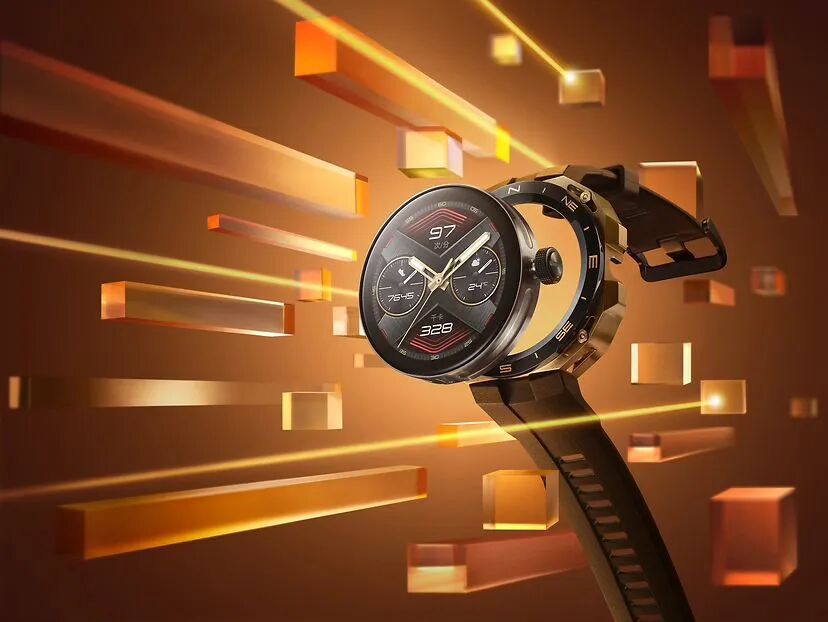
As for smartwatches, the market is also a red - ocean now, and a tri - hegemony pattern of Apple, Huawei, and Xiaomi has implicitly formed.
It's worth mentioning that currently, users of HarmonyOS Smart Mobility are converting well to buy Huawei watches because they can control cars with them.
Previously, NIO's strategy of getting users to buy a mobile phone for car control failed, and Geely probably didn't succeed either because it's a heavy burden for users to carry an extra phone. So, NIO and Geely should develop smartwatches, which may have a higher conversion rate and lower costs.
As for whether to develop smart glasses, Li Auto has taken the first step. Maybe some car companies will follow. After all, compared with car - making, smart glasses present a low - cost opportunity to compete for the AI hardware entry point.
This article is from the WeChat official account "Vehicle Intelligence" (ID: invehc), author: Michael Yuan, published by 36Kr with authorization.