For cars priced over 250,000 yuan, is lithium iron phosphate a downgrade? Who has the final say, CATL or BYD?
The tension between CATL and BYD, the two battery giants, is intensifying.
Last time, CATL responded to BYD's fast - charging technology with its own moves. BYD claimed, "It can be quickly charged in 5 minutes, taking 5 minutes to charge from 10% to 70%"; CATL followed up with a claim of less than 5 and a half minutes to charge from 5% to 75%. BYD also said, "It can be fully charged in 9 minutes, taking 9 minutes to charge from 10% to 97%."
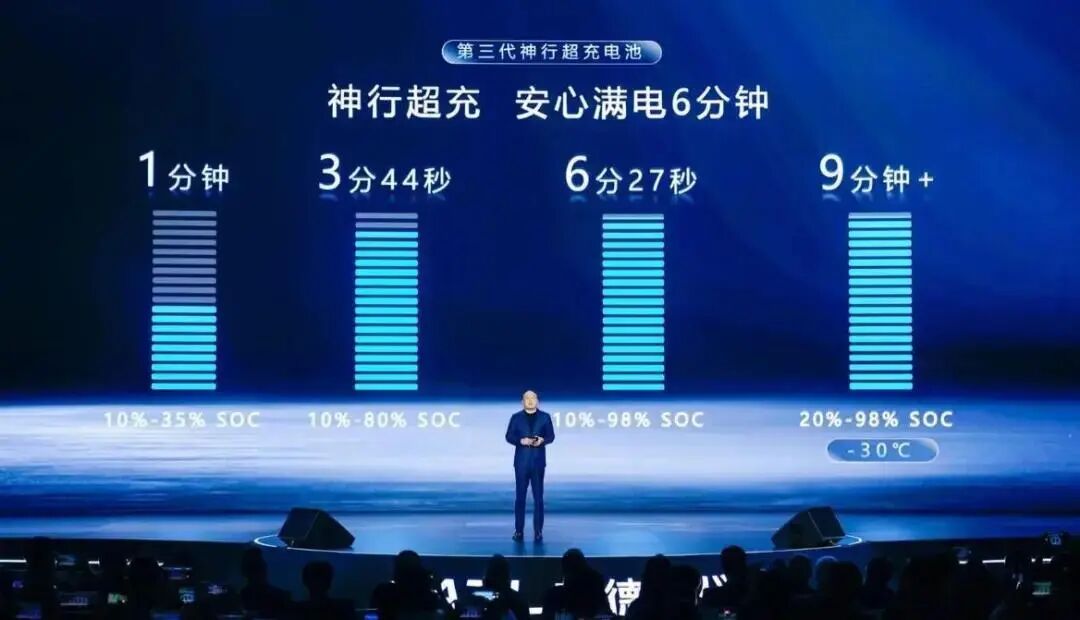
CATL further claimed to charge from 10% to 98% in only 6 minutes and 27 seconds. The competition between the two companies in fast - charging technology has sparked a huge debate in the industry. Even a professor from the School of Automotive Engineering at Tongji University couldn't stand it and came out to voice his opinion, saying that a race to be faster would lead to problems.
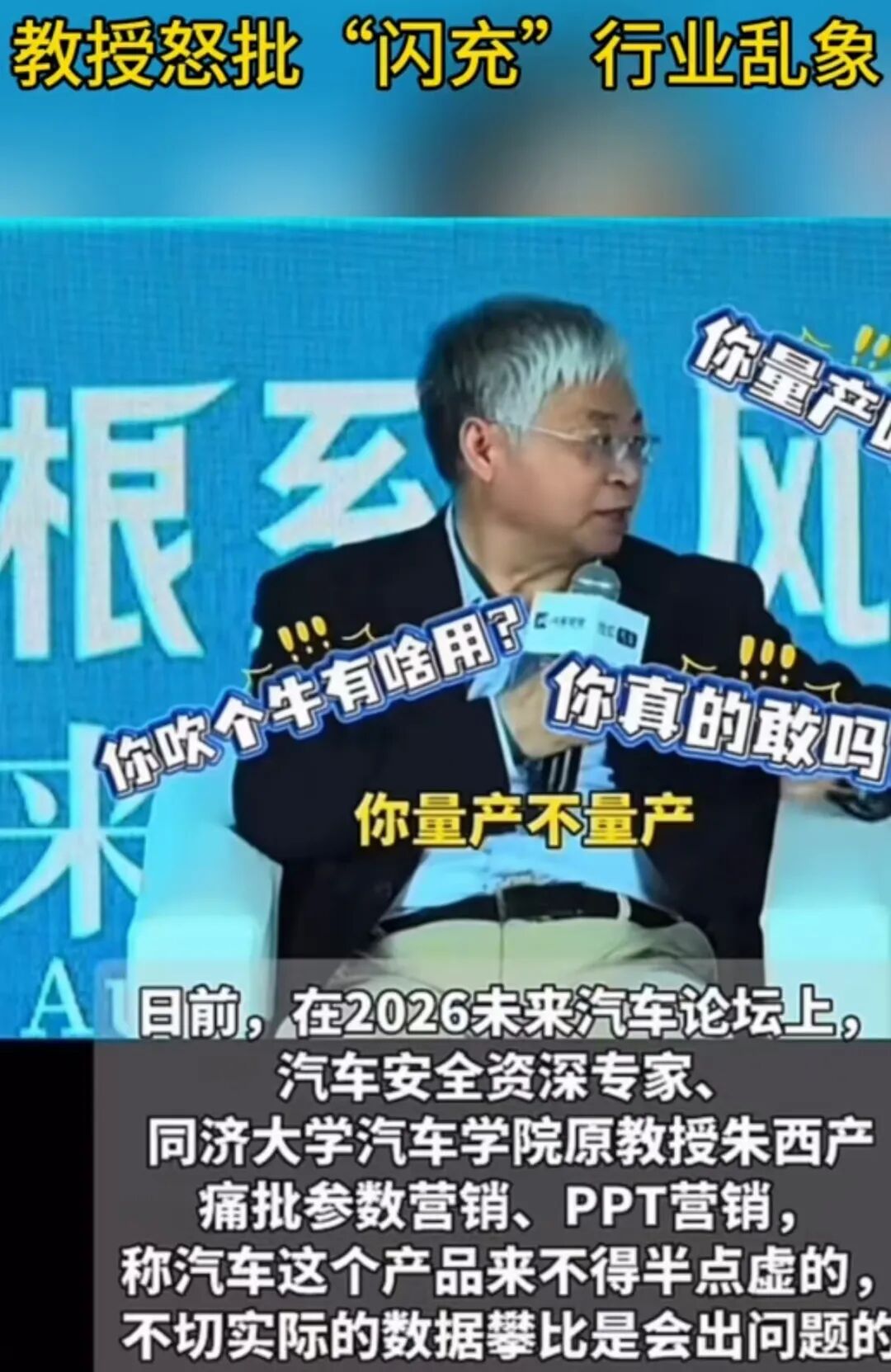
Now, after being continuously questioned by the outside world, BYD couldn't hold back and fought back.
"We can't simply say that fast - charging damages the battery. Looking back, when 1C and 2C charging technologies were introduced, some people said they would damage the battery. When 4C and 5C were introduced, the same claim was made. Every time technology advances, there are always people saying it damages the battery."
On May 19th, Sun Huajun, the CTO of BYD's battery division, responded to the doubts about fast - charging damaging the battery life during an interview with the media. He said that the blade battery is naturally suitable for fast - charging because its symmetrical structure allows current to flow out from both ends, and the upper and lower surfaces can dissipate heat simultaneously. The current collector has good thermal conductivity, and heat dissipation occurs along the height direction of the battery, resulting in relatively lower thermal resistance.
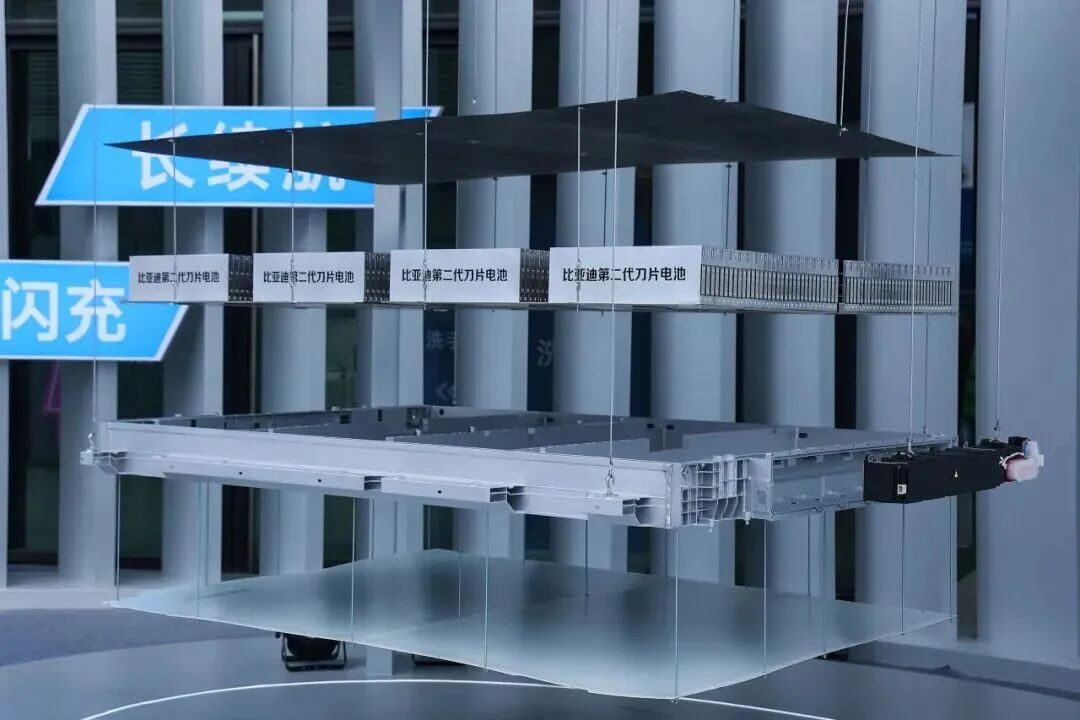
To further adapt to fast - charging, BYD also optimized the size of the second - generation blade battery. This not only reduces the internal resistance of heat generation but also solves the problem of uneven temperature distribution in traditional batteries, where the temperature at the two ends of the pole is high and the middle temperature is low. The thermal management system can match such a high - power charging rate, which other companies can't achieve, but BYD can.
For a 250,000 - yuan car, whose battery has the final say?
After the fast - charging battle, the competition between BYD and CATL has shifted to the high - end battery market.
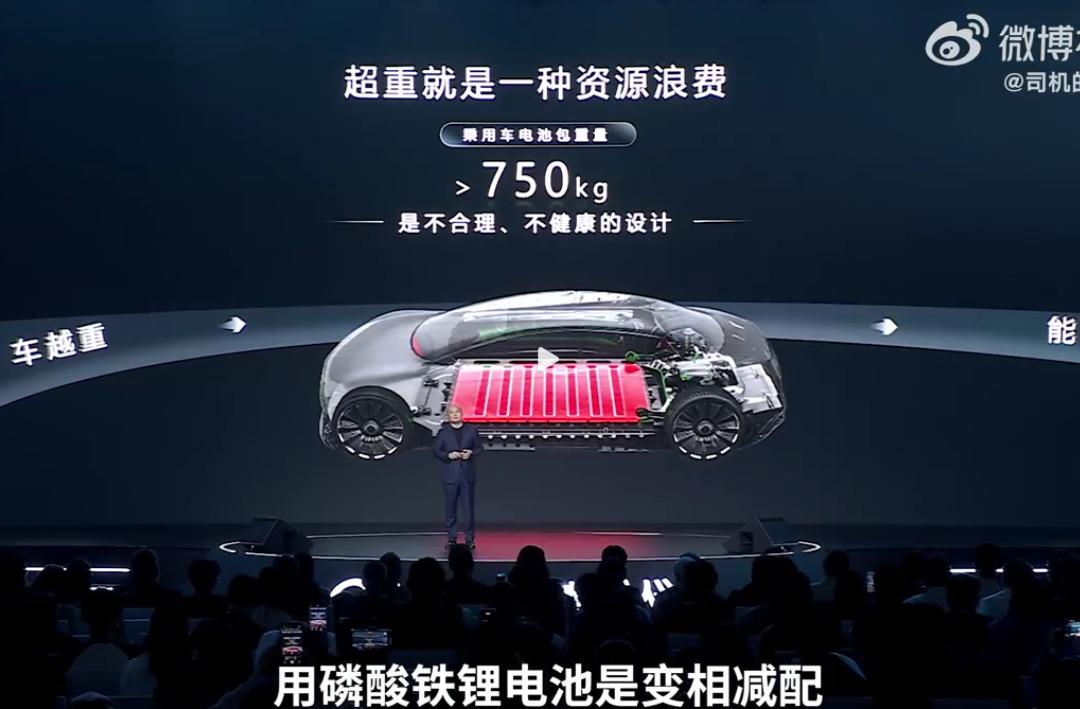
On April 21st, Gao Huan, the Chief Technology Officer of CATL, made a provocative statement at the company's Super Technology Day: "For pure - electric vehicles priced above 250,000 yuan, using lithium - iron phosphate batteries is a disguised form of cost - cutting."
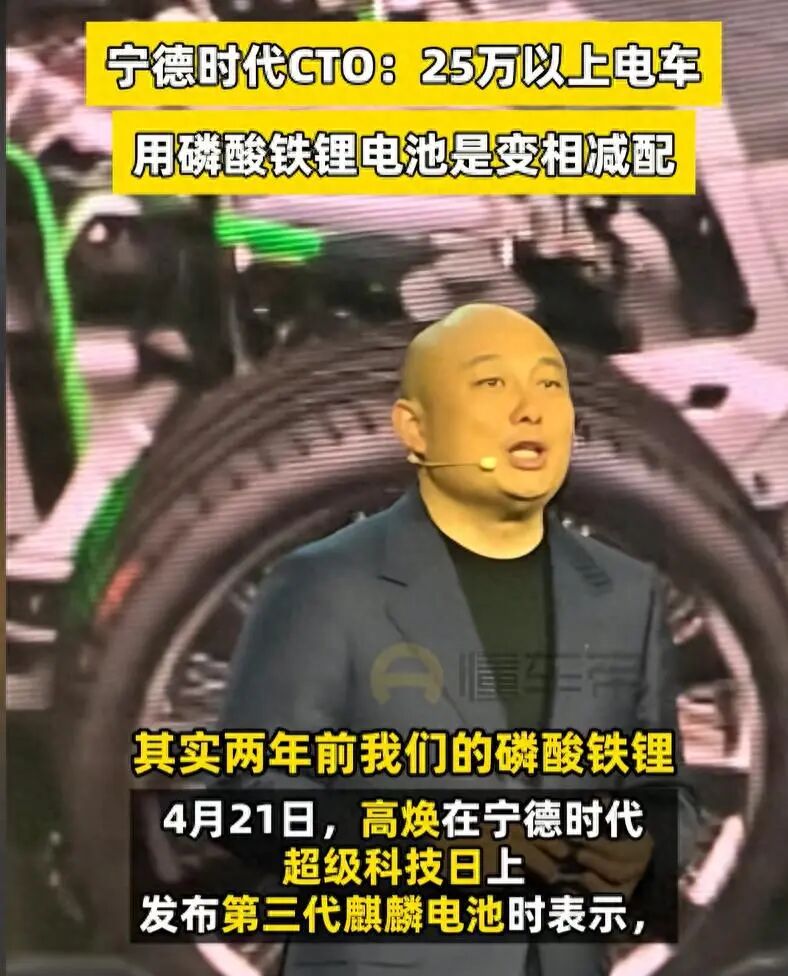
CATL's argument is based on the energy density of ternary lithium batteries. The current mainstream lithium - iron phosphate batteries have an energy density of about 140 - 180Wh/kg, while high - end ternary lithium batteries have exceeded 280Wh/kg. There is a natural gap in energy density between the two.
The lithium - iron phosphate battery pack for a vehicle with a thousand - kilometer range is 255 kilograms heavier than the third - generation Kirin ternary battery, which directly leads to differences in handling, energy consumption, and braking performance.
Gao Huan also pointed out that the capacity of lithium - iron phosphate batteries will decrease by about 30% in a - 20°C environment. To achieve the same range, a larger battery pack needs to be installed. Taking a 125kWh battery as an example, the lithium - iron phosphate version weighs up to 880kg, far exceeding the "non - wasteful" standard of 750kg.
Therefore, he believes that when consumers spend more than 250,000 yuan on a high - end electric vehicle, car manufacturers should not provide "lower - specification" lithium - iron phosphate batteries to control costs. Ternary lithium batteries are the optimal solution.
One month later, Sun Huajun, the Chief Scientist of BYD Group, responded: Battery manufacturers have no right to define high - end.
He countered, Should the definition of high - end be determined by battery suppliers based on an energy - density line, or should consumers make a comprehensive judgment based on chassis handling, driving comfort, charging speed, and long - term safety?
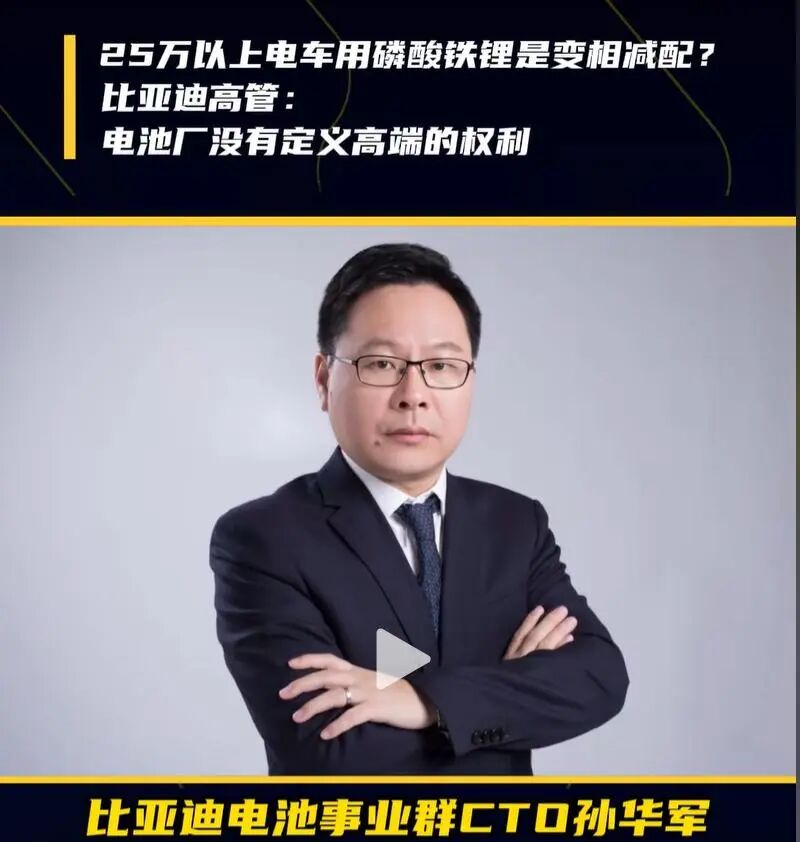
In his view, this not only despises the engineering tuning ability of vehicle manufacturers but also ignores the real usage experience of ordinary users. Chassis handling, driving comfort, charging speed, and long - term safety are what determine user value.
BYD has the confidence to say this because it has a full - industry - chain layout. It has control over the battery, motor, and electronic control systems, and has more say in the experience improvement brought by the integration and tuning of vehicle components.
From a technical perspective, lithium - iron phosphate and ternary lithium batteries each have their own advantages and disadvantages. Ternary lithium batteries have a high energy density, allowing a battery of the same weight to store more electricity. Lightweight frames and excellent handling are also closely related to them.
However, lithium - iron phosphate batteries have advantages in safety and durability. Their thermal runaway temperature exceeds 500°C, far higher than about 200°C for ternary lithium batteries, and their cycle life exceeds 3000 times, almost twice that of ternary lithium batteries.
Although CATL believes that lithium - iron phosphate batteries are not high - end, in 2025, CATL's installed capacity of lithium - iron phosphate batteries reached 231.96GWh, accounting for 69.5% of the total installed capacity.
CATL sells its most popular product but labels it as "cost - cutting." This is because ternary lithium batteries are CATL's core profit source. Once more car manufacturers switch to lithium - iron phosphate batteries for high - end models, this high - profit "cake" will surely be significantly eroded.
The right to define high - end is not up to BYD or CATL, but to consumers
To some extent, CATL has once again hit BYD's weak point.
Most people who spend a large amount of money on electric vehicles get their knowledge of battery technology from the promotion of industry manufacturers. Data such as battery cost, low - temperature capacity decline, and service life are in the hands of car manufacturers, resulting in a natural information asymmetry.
CATL's practice of directly grading lithium - iron phosphate batteries will undoubtedly make consumers instinctively question: Batteries account for up to 40% of the total vehicle cost, which is the largest cost item.
If I spend more than 250,000 yuan on an electric vehicle and it uses the same battery as a 100,000 - yuan electric vehicle, am I at a disadvantage?
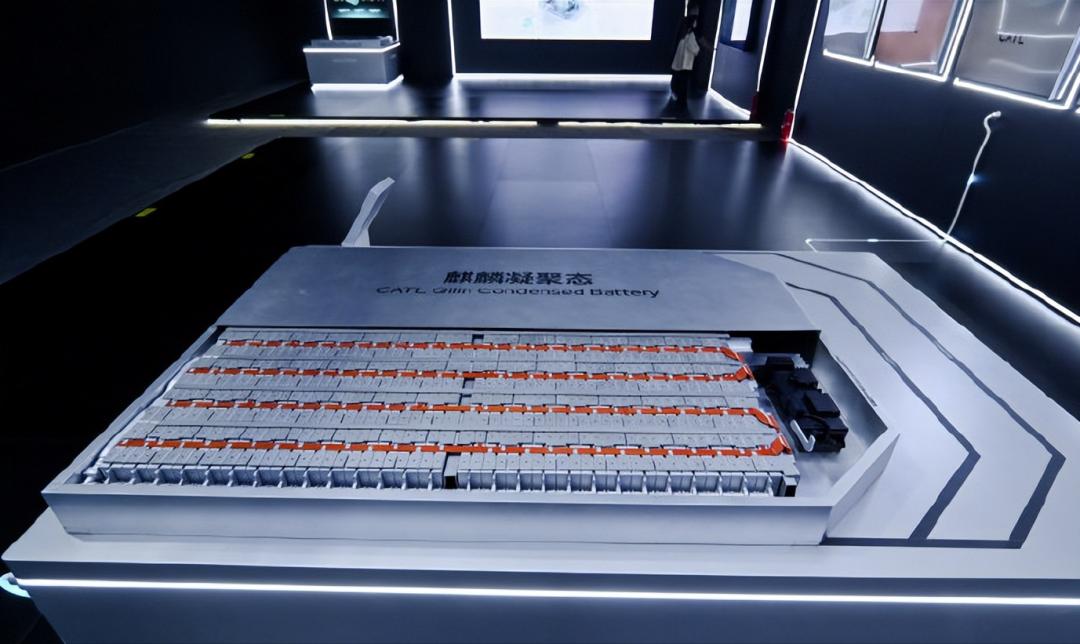
We know that the low - end versions of Tesla Model 3/Y do use lithium - iron phosphate batteries, while the high - end versions use ternary lithium batteries. This configuration strategy has given consumers the impression that lithium - iron phosphate = low - end and ternary lithium = high - end.
When CATL says that lithium - iron phosphate batteries are cost - cutting, it hits consumers' concerns about spending more money on the same thing.
No wonder BYD couldn't tolerate it. This statement not only tries to take the right to define high - end batteries but also impacts the premium of BYD's vehicles priced above 250,000 yuan.
I can understand CATL's logic of defining high - end. That is, the performance of core components directly determines the premium of an overall product.
Just as the high - end of a mobile phone is supported by a top - performing chip, and the high - end premium of a gasoline - powered vehicle is supported by the engine and transmission. Only on this basis can we talk about the overall vehicle experience.
BYD's high - end strategy focuses on safety. Sun Huajun said, "Safety is the greatest luxury for a vehicle." BYD believes that lithium - iron phosphate batteries have clear long - term advantages in safety and economy.
BYD's response logic is self - consistent. High - end vehicles are mainly purchased by middle - class and above consumers, and their primary demand is not extreme lightness and acceleration but safety.
The blade battery passed the acupuncture test in 2020, showing no fire or smoke, and its thermal runaway temperature can reach 800°C, while ternary lithium batteries generally only reach 200 - 300°C. In terms of safety, lithium - iron phosphate is a natural winner.
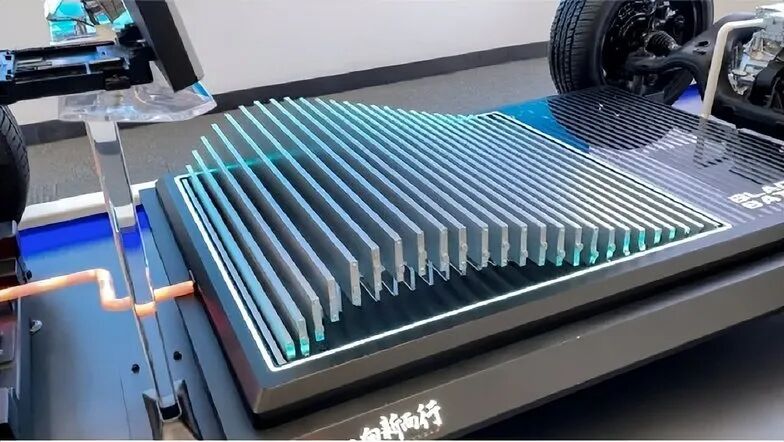
BYD's insistence on the lithium - iron phosphate route also has strategic considerations for energy security. "Nickel and cobalt are materials that are easily restricted, so lithium - iron phosphate was the strategic direction chosen by Mr. Wang from the beginning." Sun Huajun said.
The essence of the debate on battery technology routes is ultimately a combination of the three dimensions of "safety," "energy consumption," and "range."
BYD stands out in terms of safety, while CATL is more prominent in the two dimensions of energy consumption and range.
BYD increases the volume and size of the battery pack to increase the range. It relies on fast - charging technology and a large - scale charging and battery - swapping network to alleviate charging anxiety. In core cities such as Beijing, Shanghai, Guangzhou, and Shenzhen, 5499 fast - charging stations have been built, gradually making up for its shortcoming.
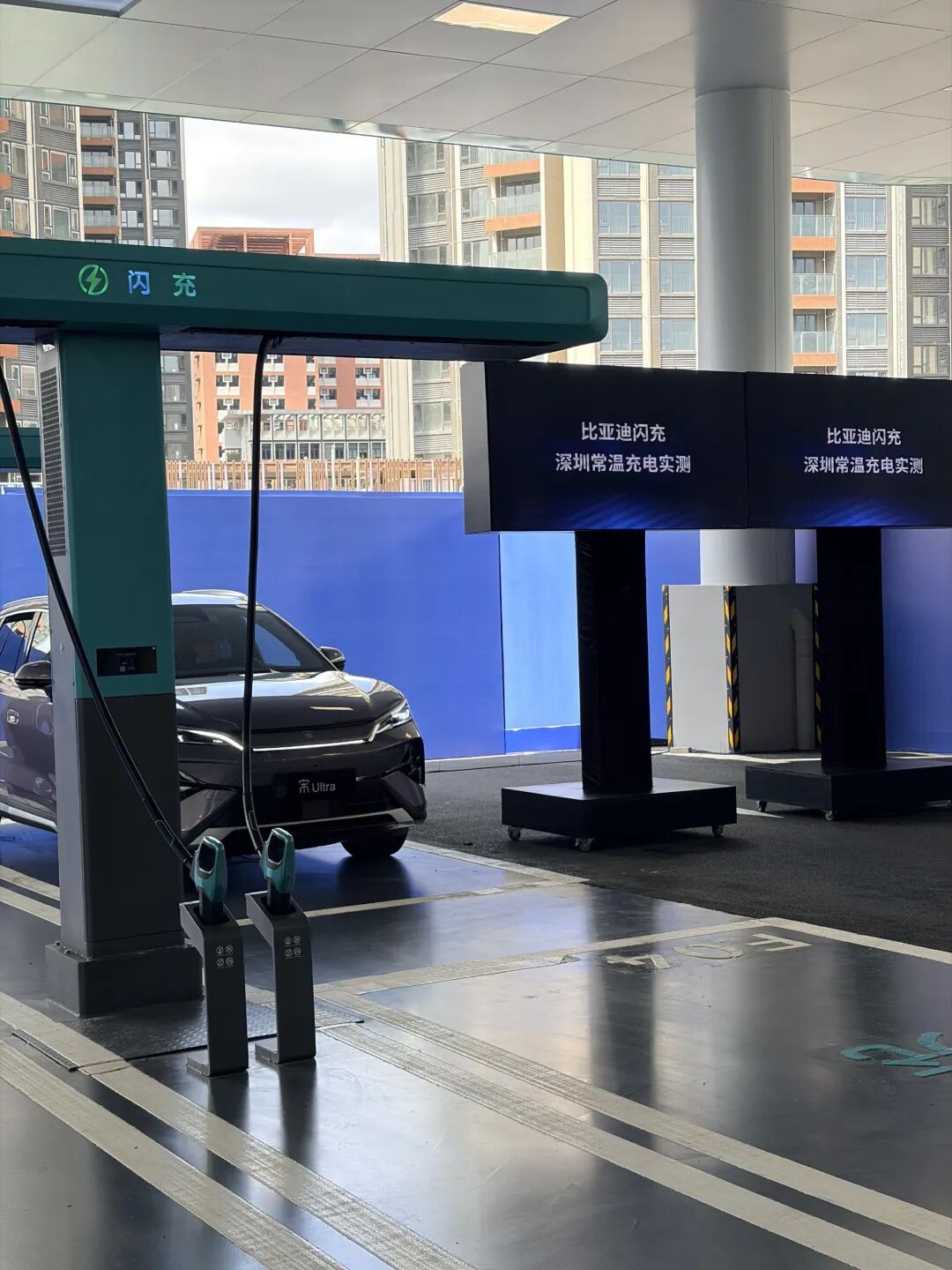
This debate is essentially about the right to define high - end. CATL's battery business is its core, so it tends to define high - end by battery parameters. BYD's core business is selling cars, so it tends to speak with the overall vehicle experience.
For consumers, the truth becomes clearer through debate. We don't need to take sides at the beginning but should be calm observers and objectively evaluate their statements.
When industry giants expose each other's weaknesses, the transparency and right - to - know of the entire industry will be improved. Because of the competition, manufacturers will be more motivated to make high - quality products and won't cut corners where consumers can't see.
In fact, the mutual criticism between BYD and CATL has actually handed the right to define high - end to consumers.
This forces manufacturers to be well - rounded. They need to have no obvious weaknesses to avoid being attacked by competitors and gain consumers' favor.
Therefore, from this perspective, it is the users who ultimately hold the right to define high - end. You can debate in the public opinion field, but the key lies in the final product. The market will vote with its feet to determine the ultimate winner in this long - term competition.
This article is from the WeChat official account "Hotspot Micro - review" (ID: redianweiping), written by Wang Xinxi and published by 36Kr with authorization.