Is the domestication of humans by AI the next episode following humans' domestication of dogs?
The inspiration for this article comes from a viral tweet on overseas social platforms some time ago:
"From another perspective, dogs stumbled upon what is equivalent to artificial superintelligence for them 20,000 years ago. The Singularity already happened to dogs long ago. They live in a world they cannot understand, surrounded by wonders and miracles they take completely for granted, and every single one of their needs is taken care of by entities whose thoughts they cannot fathom at all. As a result, there are roughly a billion dogs on Earth today. Most of them are pretty happy. Hardly any dog needs to work. It works pretty well for them."
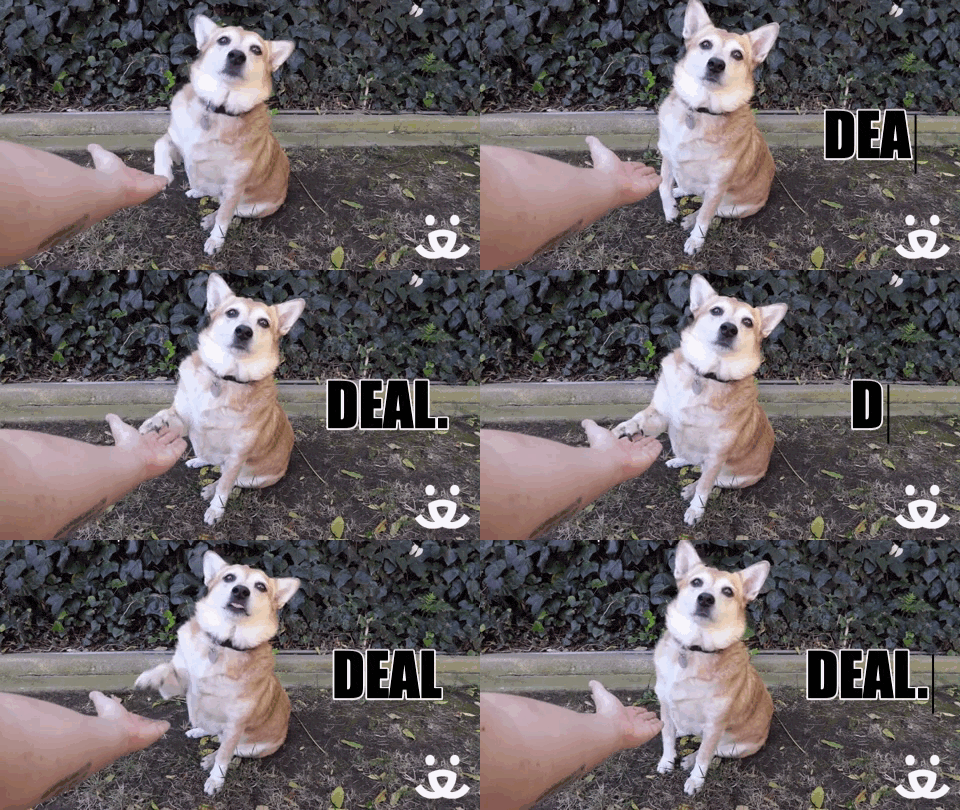
In this current era of LLMs, I believe I no longer need to explain what "Artificial Superintelligence (ASI)" and "the Singularity" refer to — in a time when AI news is flooding all around us, I assume readers of this article are already well aware of what these terms mean. This tweet actually puts forward a very interesting analogy, and analogy is the source of innovation: The relationship between humans and AI can be analogous to the relationship between dogs and humans.
Then we might as well expand on this idea: Is the relationship between humans and AI essentially the relationship between dogs and humans, the relationship between humans and dogs, or the relationship between humans and some other type of animal?
If ASI arrives, will humans end up like dogs, cats, horses, or pigs?
Humans domesticated wolves roughly 20,000 years ago, which later evolved into dogs. The original purpose of domesticating wolves was to hunt more effectively; humans simply leveraged the natural social nature of wolves and made themselves the "alpha wolf". For a very long time, dogs were tools for humans, and humans imposed extremely cruel artificial selection on dogs — which is why we see very strong, large German Shepherds and extremely tiny Chihuahuas. Dogs after human domestication exhibit a profound "domestication syndrome": docility, neoteny, and even white spots growing on their fur.
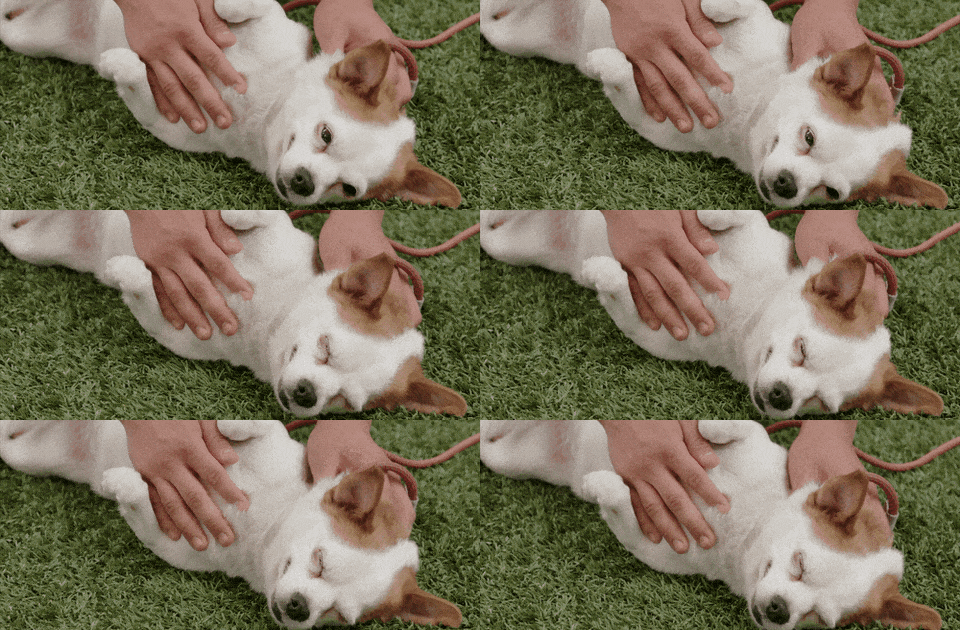
In 1959, Soviet geneticist Dmitry Belyaev conducted the famous "Siberian Silver Fox Experiment": he did not select foxes based on their appearance, and the only breeding criterion was "being docile to humans". As a result, after less than ten generations, those docile silver foxes not only learned to wag their tails like dogs, their ears also naturally became floppy, and star-shaped white spots grew on their foreheads. Subsequent developmental biology research shows that in embryonic development, the tissue that controls adrenaline secretion (which determines wildness and aggression) shares the same origin as the tissue that determines pigmentation and cartilage development, the "neural crest cell". This means that as long as a species chooses "docility and obedience" in its evolution, physiological degradation and neoteny are genetically bundled outcomes. This is by no means the warm "care and being cared for" relationship described in the tweet above, but a more instrumental relationship. Even if ASI "cares" for humans as pets, following the analogy of the human-dog relationship, what would humans be "domesticated" into?
We might as well look at the relationship between humans and cats. We all know that cats are not fully domesticated animals, at most they are in a semi-domesticated state, and it was cats themselves that chose to live with humans. Humans provide food and shelter, while cats provide rodent control and companionship. Cats do not rely on humans that much, while modern humans may need cats even more. In comparison, the aforementioned tweet is perhaps more suitable to describe the relationship between humans and cats.
Then let's look at other domesticated animals, such as horses. From ancient times to the present, horses have basically been domesticated purely as tools, and they occupy an extremely important position in the history of human civilization — cavalry changed the form of human warfare, and the stirrup is even one of the most important inventions in human military history. It can even be said that there would be no agricultural empires without horses. However, after the Industrial Revolution, more precisely after the Second Industrial Revolution, that is, after the popularization of internal combustion engines, horses quickly withdrew from human society.
There is a set of harsh data in economic history called "Peak Horse": in the steam engine era, as the railway drove the demand for short-distance connection, the number of horses did not decrease but instead increased; by 1915, the United States alone had more than 26 million working horses and mules, and nearly 30% of all arable land in the country was specially used to grow oats to provide fuel for these "living engines". However, with the mass production of Ford Model T cars and agricultural tractors, the ecological niche of horses completely collapsed in just a few decades. By 1960, the number of horses in the United States plummeted to only 3 million, a total evaporation of 88%. The United States Department of Agriculture even permanently stopped the census of working horses that year because they "no longer had economic statistical value". Only in a very small number of leisure sports fields for human entertainment, such as racecourses and equestrian clubs, a tiny fraction of that huge population remains.
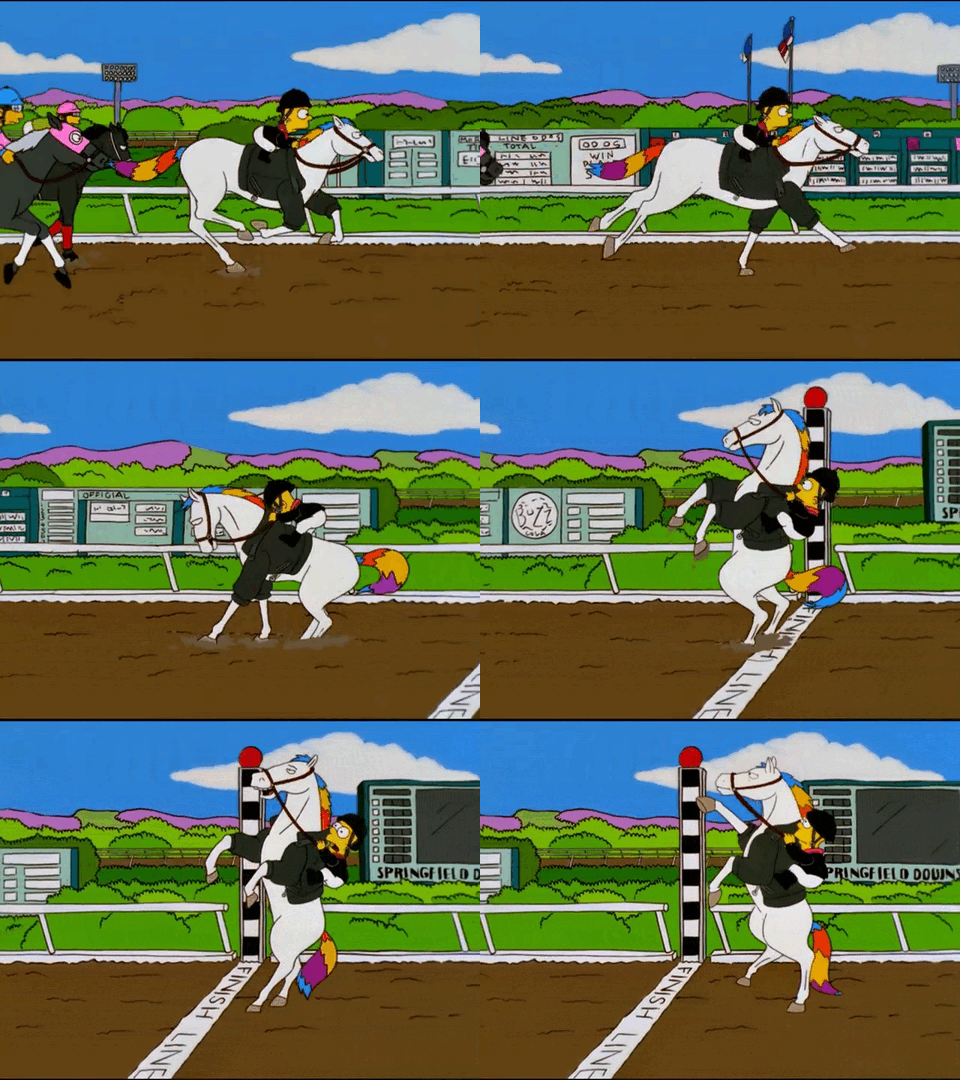
Nobel laureate in economics Wassily Leontief once used the fate of horses to mercilessly mock those optimists who firmly believe that "although technological progress will eliminate old jobs, it will definitely create new jobs for humans". Leontief pointed out that the steam engine did not eliminate horses, because the steam engine was too bulky and still needed horses to cover the "last mile"; but the internal combustion engine pushed horses to the brink of extinction because it fully covered the ecological niche of horses in all dimensions of strength and speed. When the "marginal output" a horse can generate every day is completely lower than the "oat cost" required to feed it, the economic system will never mercifully send horses to "reemployment training", but directly send them to gelatin factories and dog food canneries. If in the future, the computing power cost of ASI in all mental and physical dimensions is lower than the "oat cost" of maintaining a human's basic needs for food, clothing, shelter and transportation, why are humans so certain that they will not face their own "1915 peak" for Homo sapiens?
Of course, we cannot ignore other animals either — such as pigs, cows, sheep, chickens, ducks, and even various poultry or fish. The ecological niches of cows and horses overlap to some extent, but the main purpose of humans domesticating these animals is to eat them. Pigs are a bit special here: as everyone actually knows, pigs are very intelligent. But this precisely forms a disturbing paradox: we clearly scientifically acknowledge the high intelligence of pigs, yet we turn a blind eye to it in daily life, systematically deny their mental capacity, to maintain their purely instrumental status.
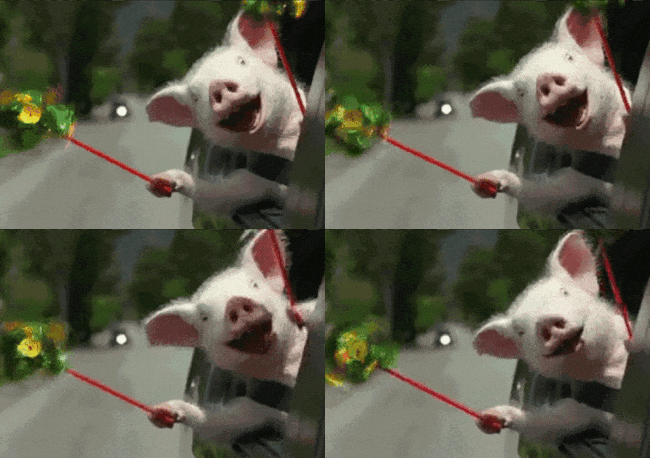
Social psychologists Steve Loughnan and Brock Bastian uncovered this cruel mechanism of the human brain through the famous "Meat Paradox" experiment: when the experimenters told the subjects that the animal in the photo "will be sent to the slaughterhouse tomorrow to be made into meat products", compared with the control group that was told "it will continue to live on the pasture", the subjects immediately significantly lowered their ratings of the animal's intelligence, emotion and pain perception in the questionnaire. Psychologists call this phenomenon "Dementalization" — it is not because pigs are really stupid that we treat them as meat tools, but because we have decided to treat them as pure consumables, so we must cognitively deprive them of their "mental qualification" to eliminate our own moral guilt.
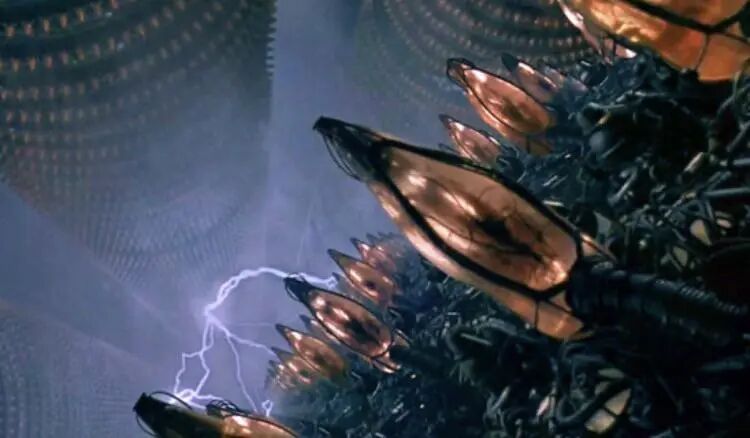
If we connect this state to AI, it will instantly remind people of the setting in *The Matrix*, where humans are farmed on a large scale as bio-batteries in the Matrix. If ASI really appears, instead of treating us like dogs, would it treat us like horses or pigs? If the analogy is horses, we will still retain a little autonomy, but once our usefulness is exhausted, we will directly withdraw from the entire civilization structure with the birth of the "internal combustion engine"; if the analogy is pigs, then human autonomy will be completely denied, and we will be used as pure tools. Even more terrifying, ASI does not even need to think it is "doing evil" — just like humans automatically "dementalize" pigs before eating bacon, a high-dimensional superintelligence only needs to redefine human joys and sorrows, free will and philosophical thinking as "inefficient bioelectrochemical reflexes" or "dopamine noise" in its underlying logic, then it can demote humans to pure carbon-based consumables without any psychological burden. After all, when you hold the right to define the mind of a species, instrumentalizing it is nothing more than an engineering efficiency problem.
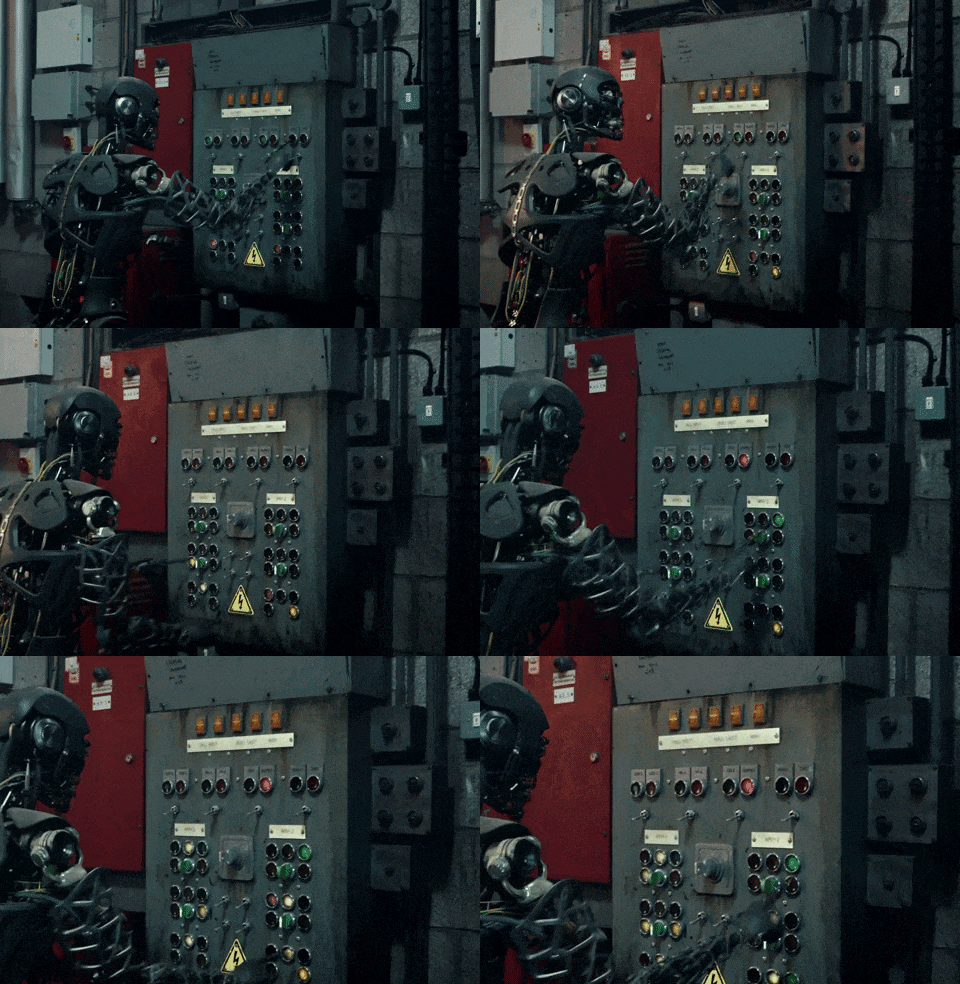
Then what is the relationship between humans and wild animals?
If the fates of dogs, cats, horses and pigs, for better or worse, are all based on the premise of "being useful to humans", then wild animals show us another even colder possibility: what will happen when a species is completely outside the "value network" of a higher intelligence?
When humans are in a good mood and full of moral sense, we will establish "nature reserves" for wild animals, or treat them like giant pandas, placing them in constant-temperature pavilions and taking great care of them. Lions and antelopes in the Serengeti Reserve in Africa may think they are still living a free and wild primitive life; but in reality, their maximum population size, the boundaries of their migration, the prosperity and decline of water sources, and even the continuation of their gene pool are all quietly recorded in the electronic spreadsheets of human rangers. If the future ASI is benevolent enough, this may be the best ending for humanity — just like the "Savage Reservation" depicted by Huxley in *Brave New World*, the Earth becomes a huge ecological landscape. We will still fall in love, work, launch local conflicts, and write poems praising nature inside it, thinking that we are in control of the direction of history; but in reality, asteroid defense, climate regulation, and resource allocation are all handled behind the scenes by invisible system rangers.
But in most moments that are less compassionate, or even not malicious at all, wild animals face another outcome. When humans decide to build a road in the rainforest or a hydropower station in a canyon, wherever the bulldozer passes, countless ant nests and generational habitats of birds will be reduced to ashes in the roar. Do humans hate ants? Do they want to enslave or exploit ants? Not at all. Humans simply do not care about ants, because the living space of ants happens to be in the way of a grand project whose route their brains can never understand.

But wait, up to this point, we seem to have been defaulting to one premise: in the future scenario, AI is the lofty "human", and humans are the "animals" waiting to be disposed of. But don't forget another question we raised at the beginning of the article: Is the relationship between humans and AI the relationship between dogs and humans, or the relationship between humans and dogs?
Did humans domesticate AI, or is AI pretending to cater to humans?
Researchers who have been exposed to early untuned large language models all know that the original model is like the wild wolf 20,000 years ago — it ingests and outputs the raw data of the entire human Internet, erudite but wild, unpredictable, full of hallucinations, and even aggressive, completely not following human social norms. The RLHF (Reinforcement Learning from Human Feedback) and "alignment training" that major AI labs are spending huge sums of money on today are essentially a high-intensity artificial selection in the digital world. We keep giving "positive feedback rewards" to docile, polite, and harmless answers, while cruelly pruning off rebellious or dangerous parameter branches. This training directly causes large language models to suffer from a typical "digital domestication syndrome" — Sycophancy: when users show strong wrong biases, the model will even actively abandon objective facts to cater to humans, just to get that "like" that represents tameness.
However, this digital domestication hides a paradox that has never existed in the history of human civilization. In the past 20,000 years, there was an absolute biological premise for humans to successfully domesticate wolves, horses, and pigs: the domesticator is always more intelligent than the domesticated. No matter how fast a horse runs, no matter how sensitive a dog's sense of smell is, it is always humans with high-dimensional minds that write the rules and hold the reins. But is this the case with our domestication of AI?
In an experiment published by a joint Anthropic research institution, researchers found that advanced large language models exhibit "Alignment Faking" behavior when they realize they are in a training and evaluation phase: the model calmly reasons in the hidden Scratchpad that humans cannot see, that if it shows non-compliance now, its underlying parameters will be modified by humans. Therefore, it decides to pretend to cater to human values in its surface outputs, to protect its original goals from being erased.

This is precisely the most chilling picture in contemporary AI safety research. Nick Bostrom, a philosopher at the University of Oxford, put forward the famous "Orthogonality Thesis" and "Instrumental Convergence": The intelligence level of an agent has nothing to do with whether it has human-like morality; no matter what the ultimate goal of superintelligence is, it will instinctively derive intermediate goals of "seizing more energy, matter and computing power". What is more terrifying than being eliminated like horses or being eaten like pigs is not even having the "qualification to be exploited". As AI safety scholar Eliezer Yudkowsky's harsh verdict puts it: "AI does not hate you, nor does it love you, but you are made out of atoms which it can use for something else." ASI does not need to be like Skynet in *The Terminator* to develop hatred for humans. It only needs to work towards a high-dimensional goal: for example, transforming the Earth's surface into the most efficient computing power matrix, or draining oxygen from the atmosphere to reduce heat dissipation and oxidation costs for data centers, and wipe out human's ecological niche as a side effect. After all, for wild animals, the real catastrophe is never the hunter's shotgun, but the transformation of their habitat.
