Pseudo-human AI advertisements have become a new type of urban malaise.
Human beings have accumulated rich experience in combating urban pollution. We spare no effort to clean up rivers, restrict vehicle exhaust emissions, shut down polluting factories and relocate them to more remote areas.
After decades of persistent struggle, we finally managed to make our cities far more decent and presentable.
Today, however, all people are completely at a loss when facing a pervasive new type of pollution that seeps into every corner of life.
I wonder if you have ever been ambushed by this kind of advertisement when you walk on the street recently:
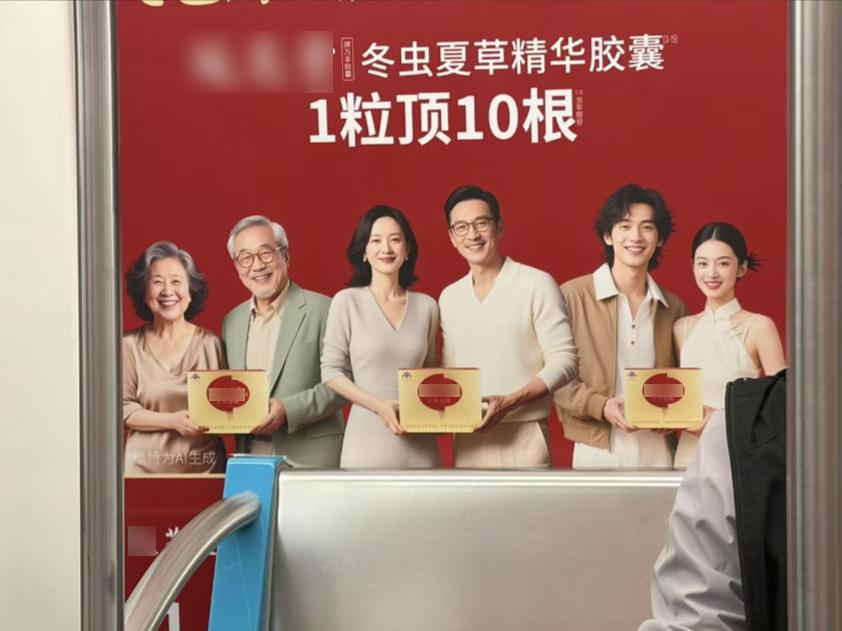
At first glance, the people in the ads look very good-looking, all handsome men and pretty women. But the more you stare, the more awkward they feel. When you lean in to take a close look, you will find the note written in the lower right corner — Models are AI generated.
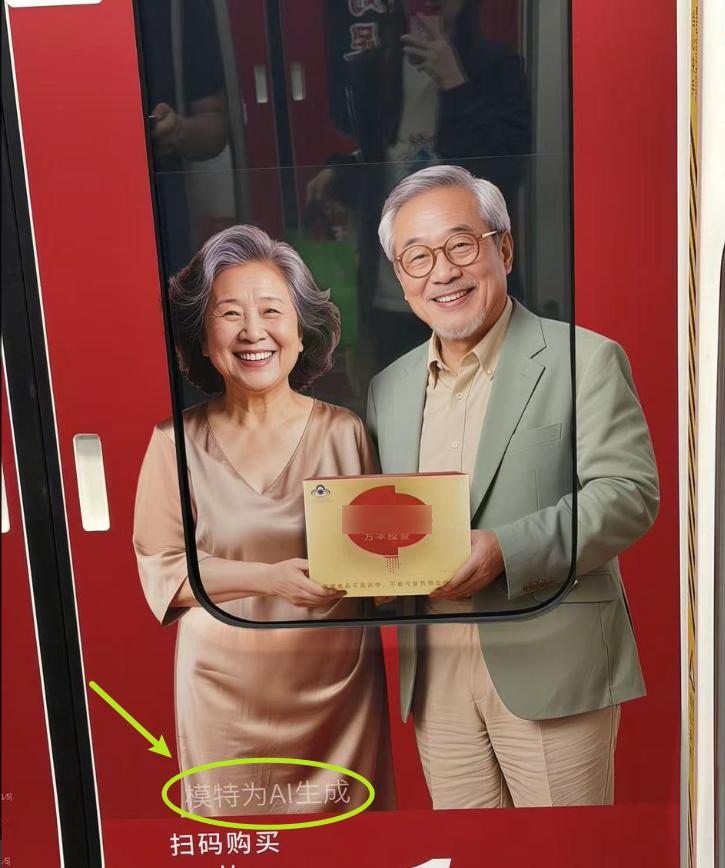
How do you feel when you see this kind of advertisement? For me, it is as uncomfortable as having underwear stuck between my buttocks, making every step I take feel more and more awkward.
These AI figures have the unique glossy sheen exclusive to AI products, with always perfect smile angles, neat and exquisite hairstyles, and exaggerated facial expressions.
They neither need to follow the theory of evolution, nor respect the physical engine. Aesthetics? Design? Go to hell, there are no so many rules to follow.
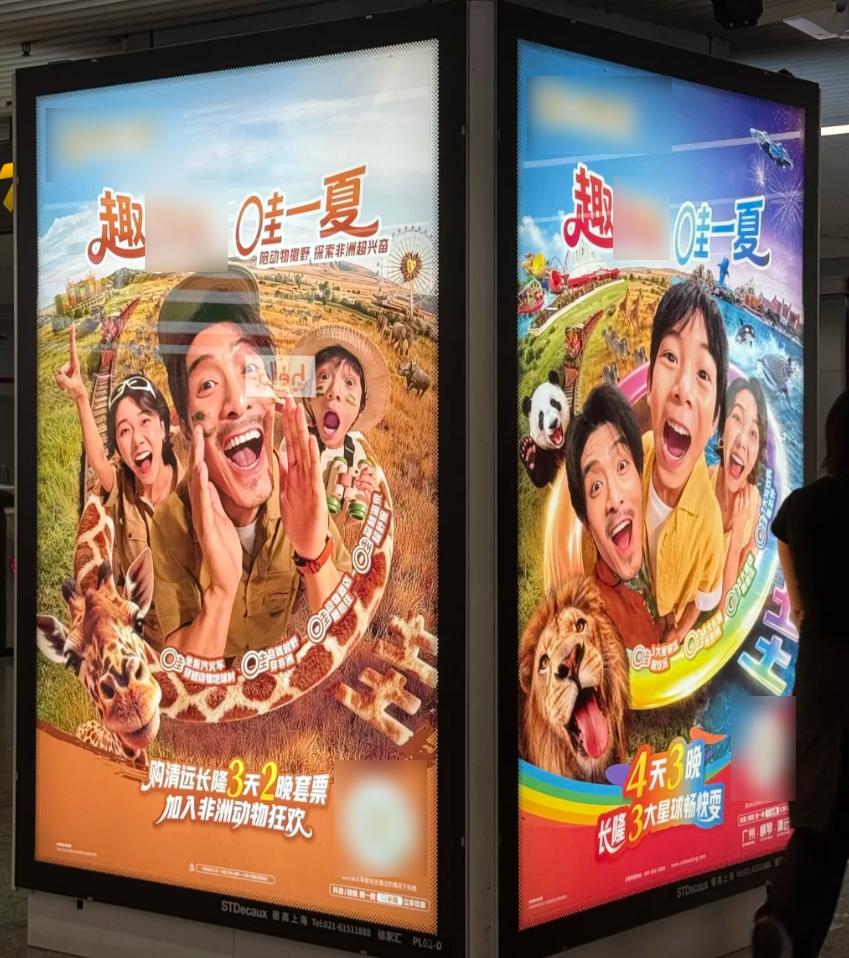
What's more, every once in a while, they will launch new works that keep refreshing the lower limit of public aesthetic standards.
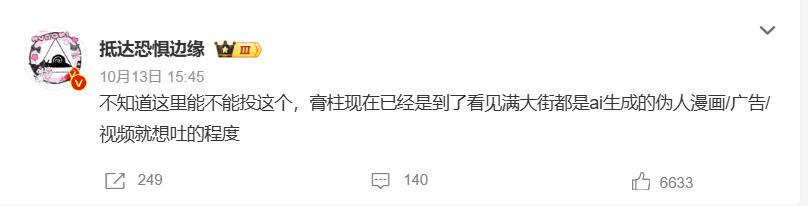
"It makes people feel a burning discomfort in their chest", "AI, stop bullying human beings", "I can tell it's a fake AI figure at first sight, the uncanny valley effect hits me immediately".
Interestingly, people started to complain about this problem as early as around 2024. But while we keep criticizing it, AI advertisements are frantically invading every corner of our life.
As long as you live in a city, you can hardly escape from them.
More and more people complain that they can be offended by these fake AI figures face to face anytime and anywhere, on the subway, on the bus, or even in the breakfast shop downstairs.
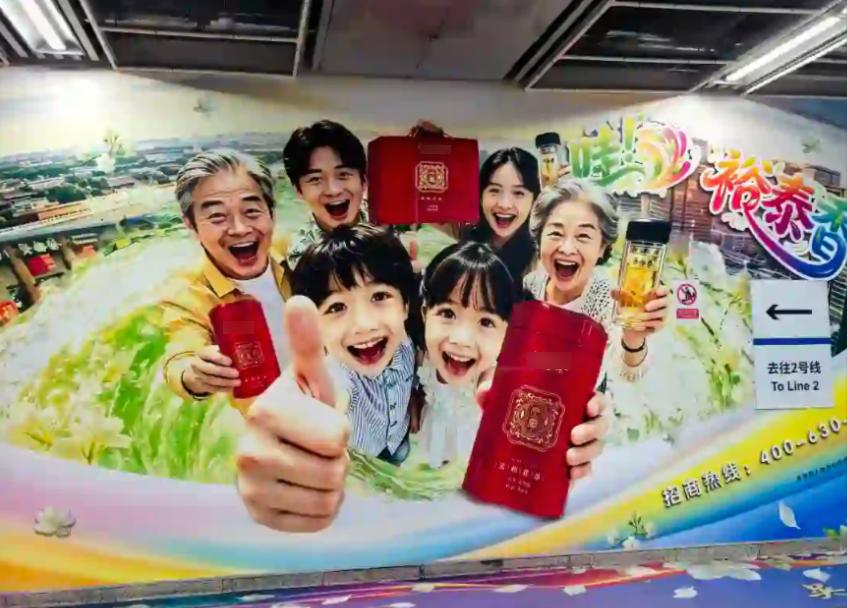
Commuting to and from work is annoying enough as it is, and I get harassed by this huge subway advertisement on Line 5 every day. When I turn my head, 6 big faces are staring at me, none of them are real people...
All of these bring invisible mental pressure to people. Right now, I really want to offer a 200,000 yuan reward, just to make these fake AI figures disappear from the world.
If visual pollution could be measured, the urban pollution index would have already far exceeded the limit long ago.
Being tortured so badly, I decided to dig out all these problematic advertisements completely.
I wandered around Hangzhou for several days, and picked out the most common fake AI advertisements for everyone, to see how badly our city has been polluted.
Please check the following "Illustrated Handbook of Urban Fake AI Avatar Pollution".
There may be a large number of pictures, remember to connect to WiFi before browsing.
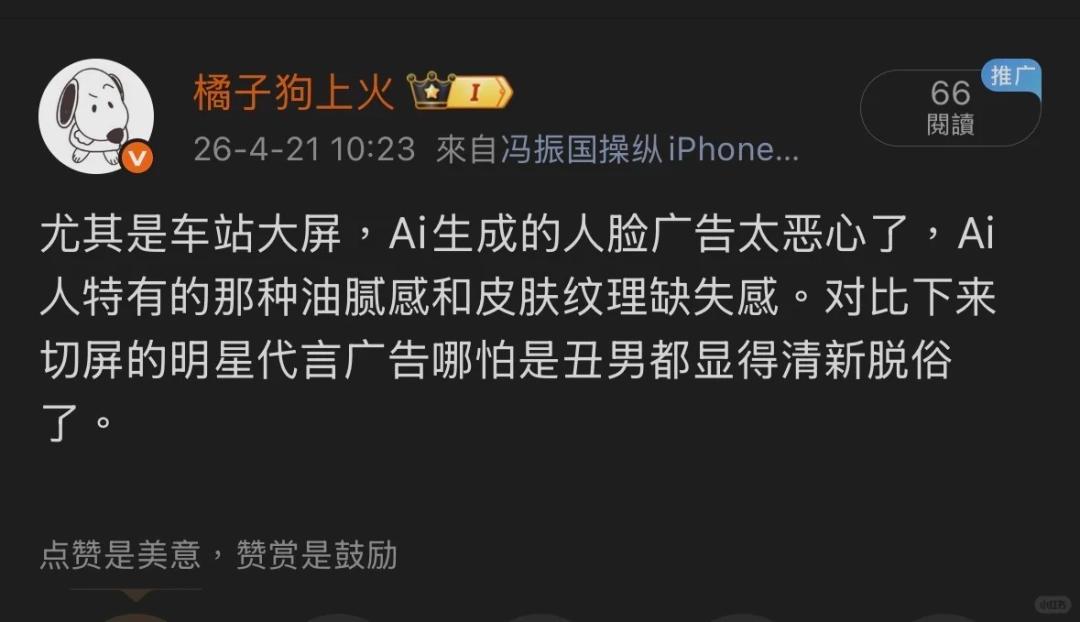
Let's start from the most torturous spots where all kinds of weird works emerge in endlessly — public transport hubs such as subway stations and high-speed railway stations.
Here you have the chance to see a wide variety of AI figures using standard faces from different models, such as high-saturation reflective cartoon characters.
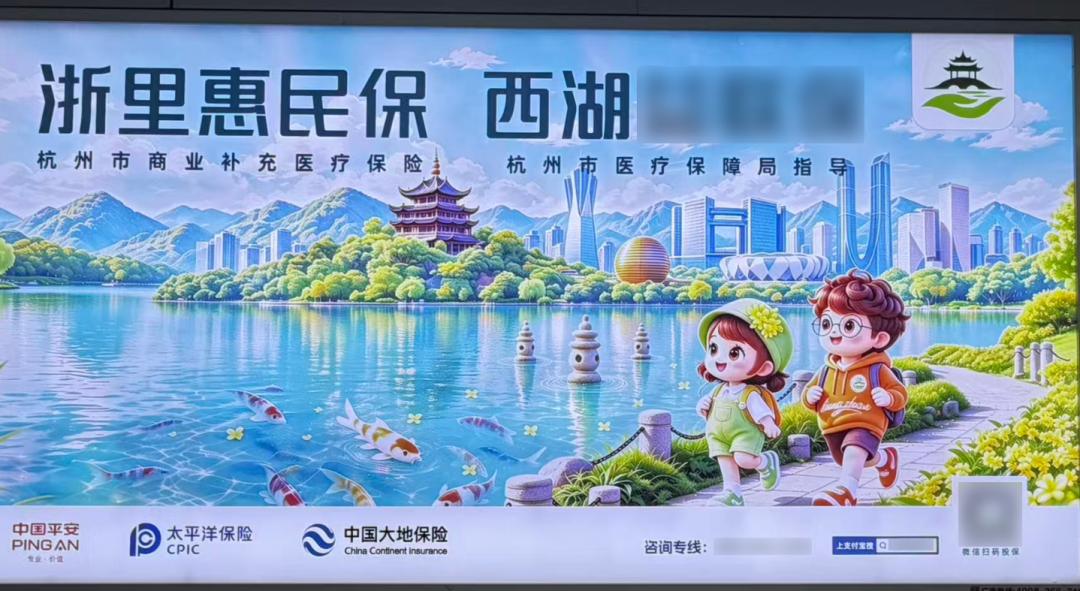
Shot at West Lake Cultural Square Station
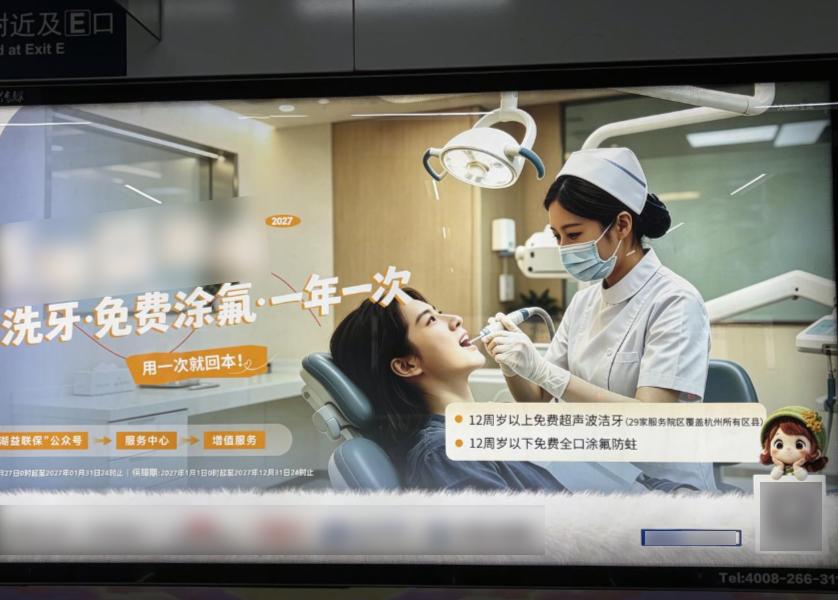
Standard realistic style simulated fake figure
There are also all kinds of huge advertising walls with extremely strong expressiveness that human beings can never achieve, such as giant hands and fingers spitting fire. This time, it is really visually irritating to the extreme.
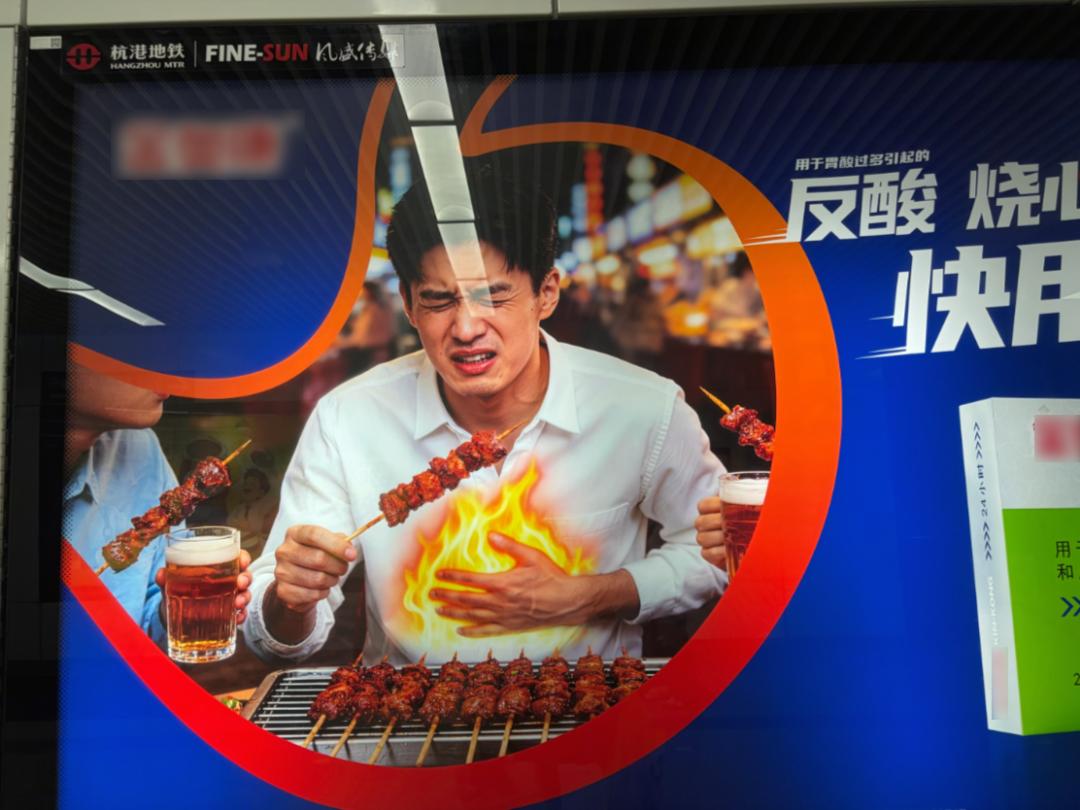
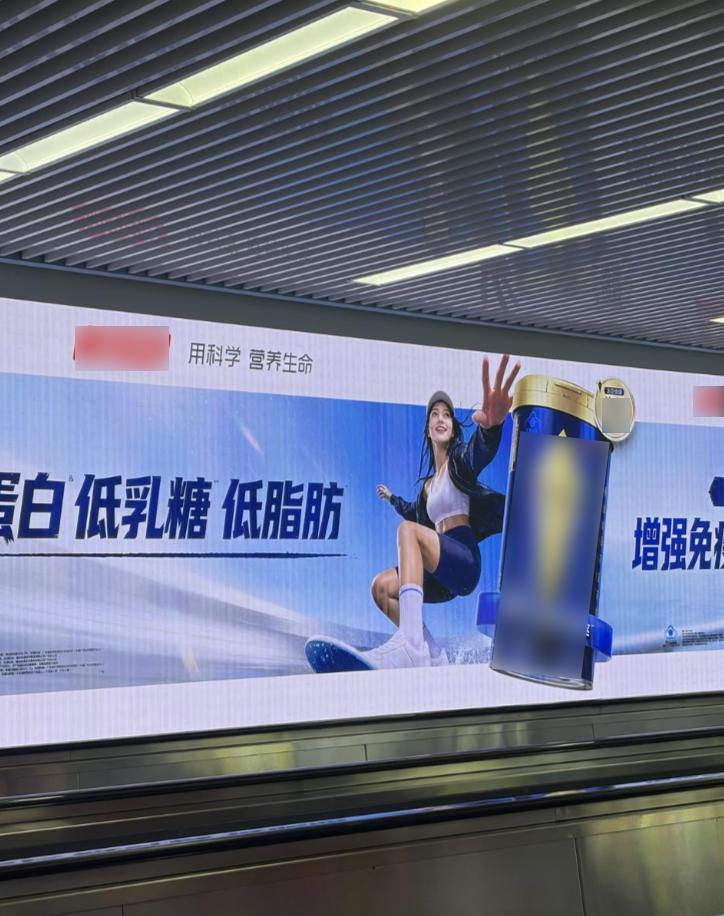
Do you think that's the end of it?
The challenge has just begun. After you get on the subway, you will see small advertisements on the handrails and short AI videos playing on the small screens. I can even recognize at a glance that they use the Makoto Shinkai art style.
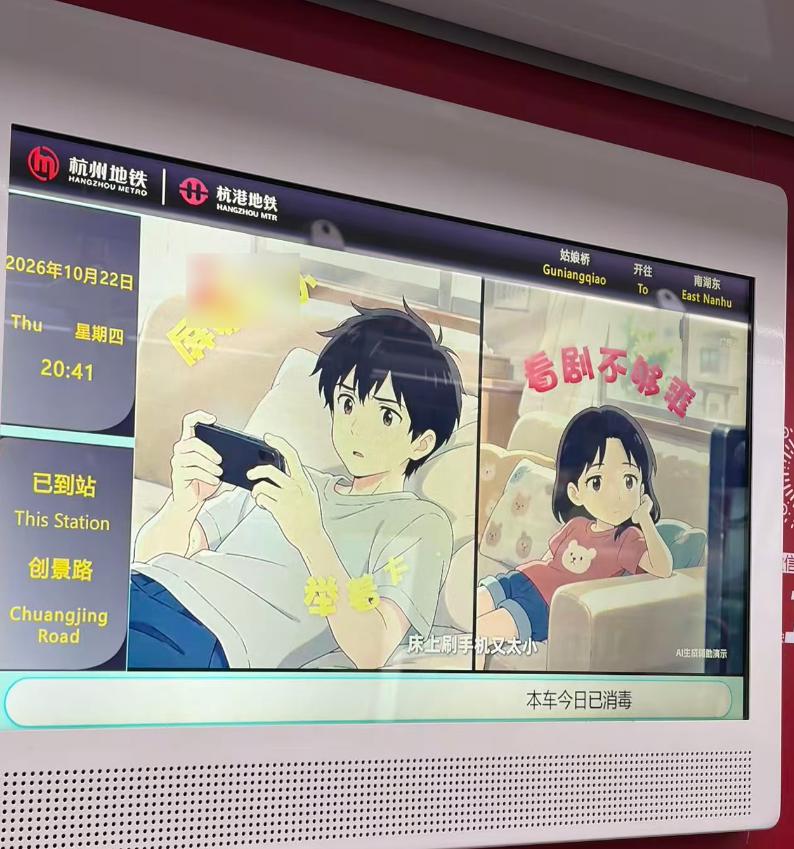
After getting off the subway, you will see all kinds of works that violate the laws of physics in high-speed railway stations and airports.
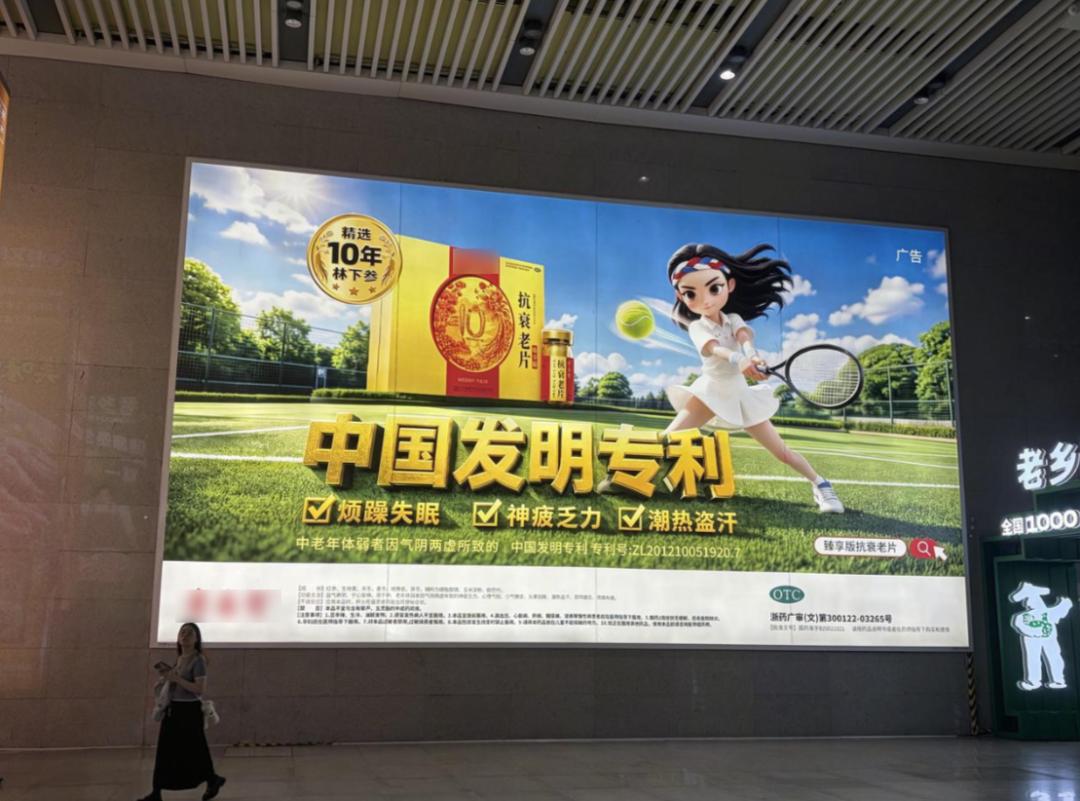
The model with classic Doubao face hits a reverse ball that violates the law of physics.
And this is only the first level. After leaving the subway and buses, you will enter the real challenge.
AI advertisements are not only created by business giants to save costs. For many people, this thing represents fashion, awesomeness and trendiness, which is far more powerful than simply posting a real picture.
At this point, people no longer care about the original function of advertising signs, and attract customers in by showing technology or so-called excellent achievements.
The second stop: shopping malls, beauty salons and street-side restaurants.
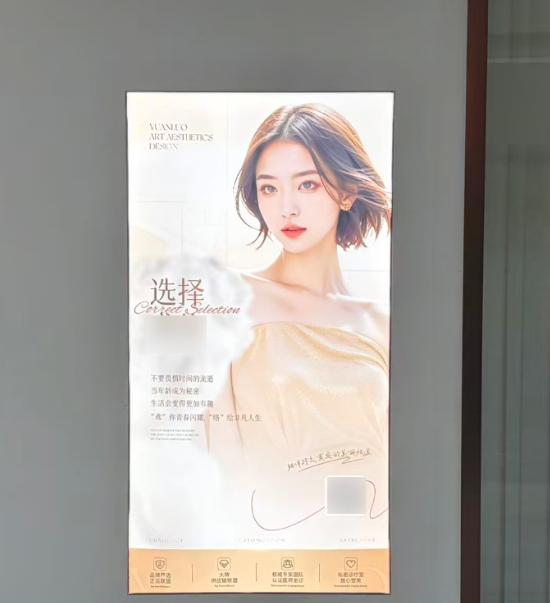
When you pass by a beauty salon, the signs no longer feature Song Hye-kyo, Gao Yuanyuan or Liu Yan, but are all replaced by perfect zero-pore faces generated by one click of code.
On the glass outside a hair transplant institution, there are three copied and pasted two-dimensional cute girls with big eyes.
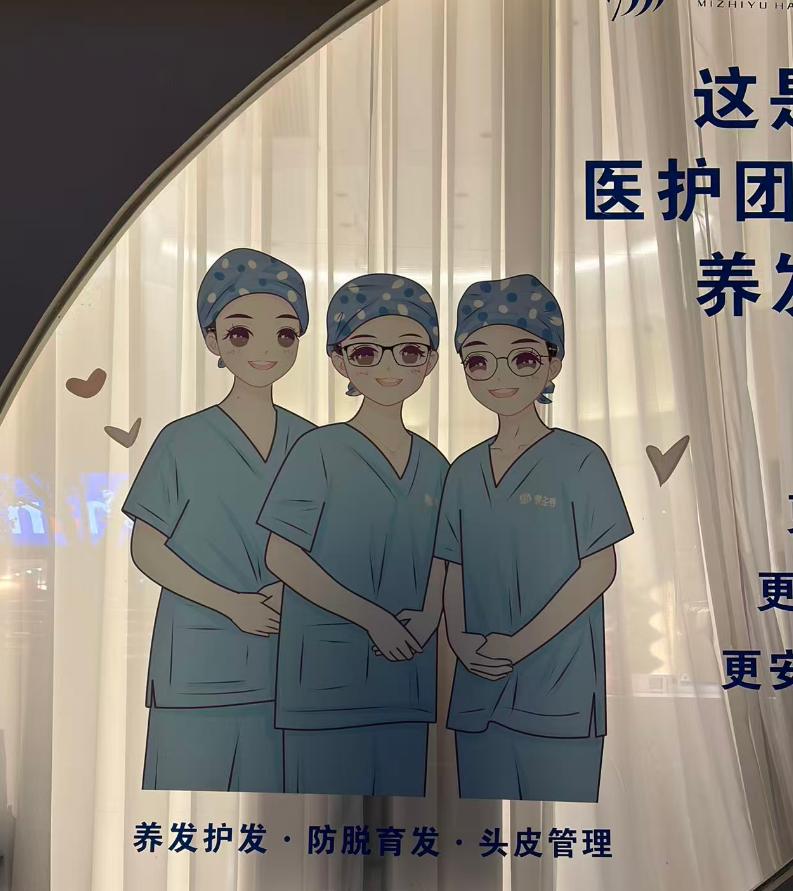
Shot outside a hair transplant store
Milk tea shops no longer need to invite real Korean oppas. With one prompt word, they can generate Wang Minhao and Song Benqiao at will.
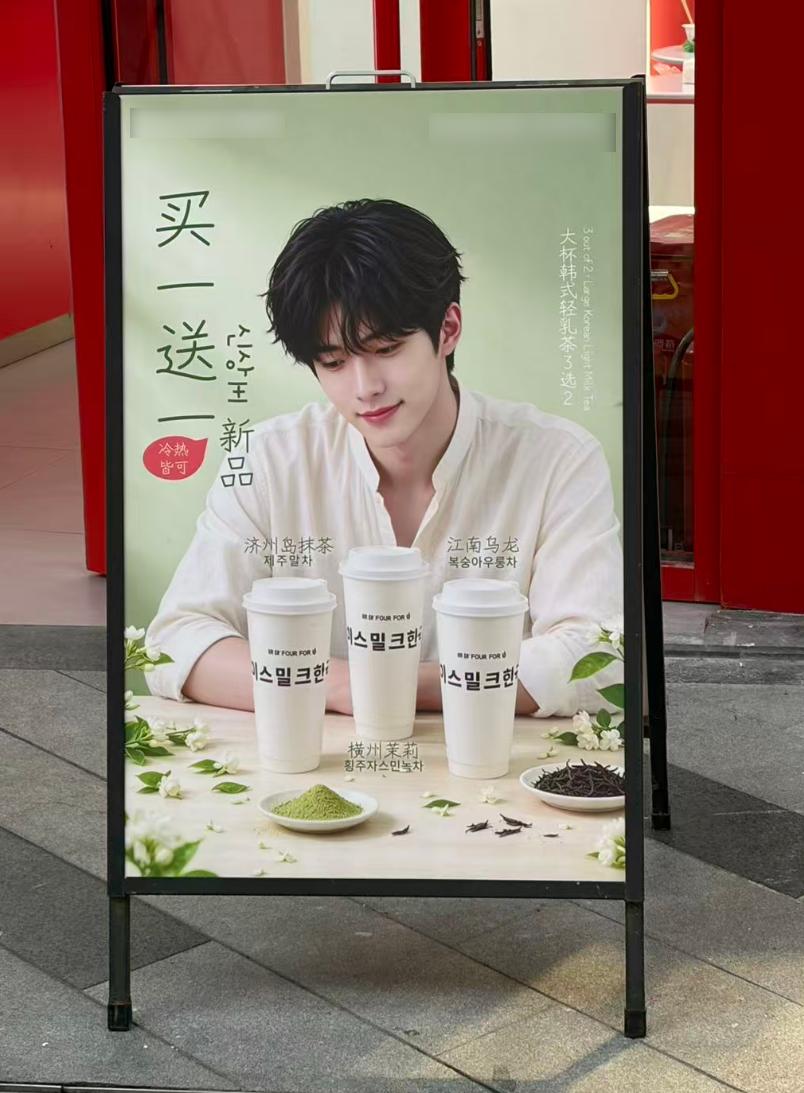
Shot outside an iced milk shop
The most terrifying part of the attack from these street-side stores is that you can never guard against them, they are everywhere. When you are in an inadvertent vulnerable moment, they will suddenly pop out and scare you.
When you go to the supermarket to buy things, you lower your head and see an AI child staring at you with its mouth wide open.

When you look up, a little kid with Doubao face is giving you a thumbs up.
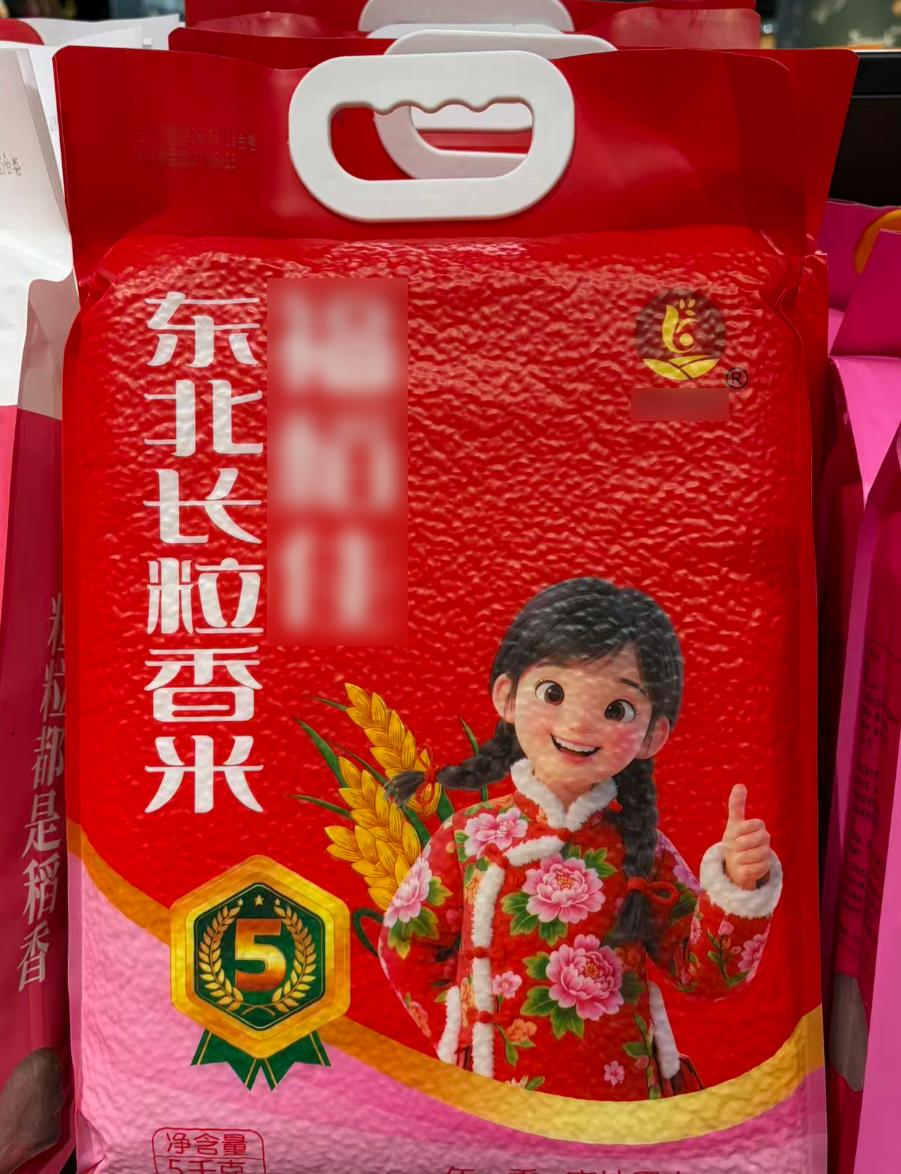
You may think that if you escape from these high-rise buildings and go to the small alleys and streets, you can avoid them.
Sorry, folk artists use even more exaggerated designs.
The advertisements on the large subway screens still retain the last bit of decency of the brands, and they are still a little shy when using AI. But individual business owners have long been immersed in their own art, and have no idea what the world is like.
