AI games show a stark contrast in market performance: some have sold 100,000 copies in three days, while others have received no attention at all one month after their release.
The application of AI tools is spawning a new group of independent individual game developers. However, after the games are completed, the story does not always turn out as ideal as expected.
Recently, Mobilegamer.biz interviewed multiple individual developers who used AI tools to make games, asking about their actual download volumes and revenues. The results show that many games only get dozens to hundreds of downloads one month after launch, with revenue even less than 10 US dollars. Some developers' investment in AI tools and Tokens has exceeded the total returns brought by the games.
On the other hand, Slotbound made by South Korean individual developer Optima Arch sold 100,000 copies only three days after its launch on Steam, with sales revenue reaching 356,000 US dollars in the first 48 hours of release.
From being almost completely ignored by users to selling 100,000 copies in three days, AI-developed indie games are showing drastically different commercial performances.
Some developers only earn a few dollars one month after launch, the AI game development boom meets harsh real-world conditions
With the development of generative AI programming tools, more and more non-professional developers have begun to try to make their own games.
Among them, Claude Code has become the choice of many individual developers. Developers can describe their needs in natural language, and let AI assist in writing code, designing functions, fixing bugs, and even participating in the production of game content and assets.
However, from the perspective of actual commercial performance, this batch of new games has not been widely recognized by the market.
According to the survey by Mobilegamer.biz, multiple interviewed developers shared the launch status of their games:
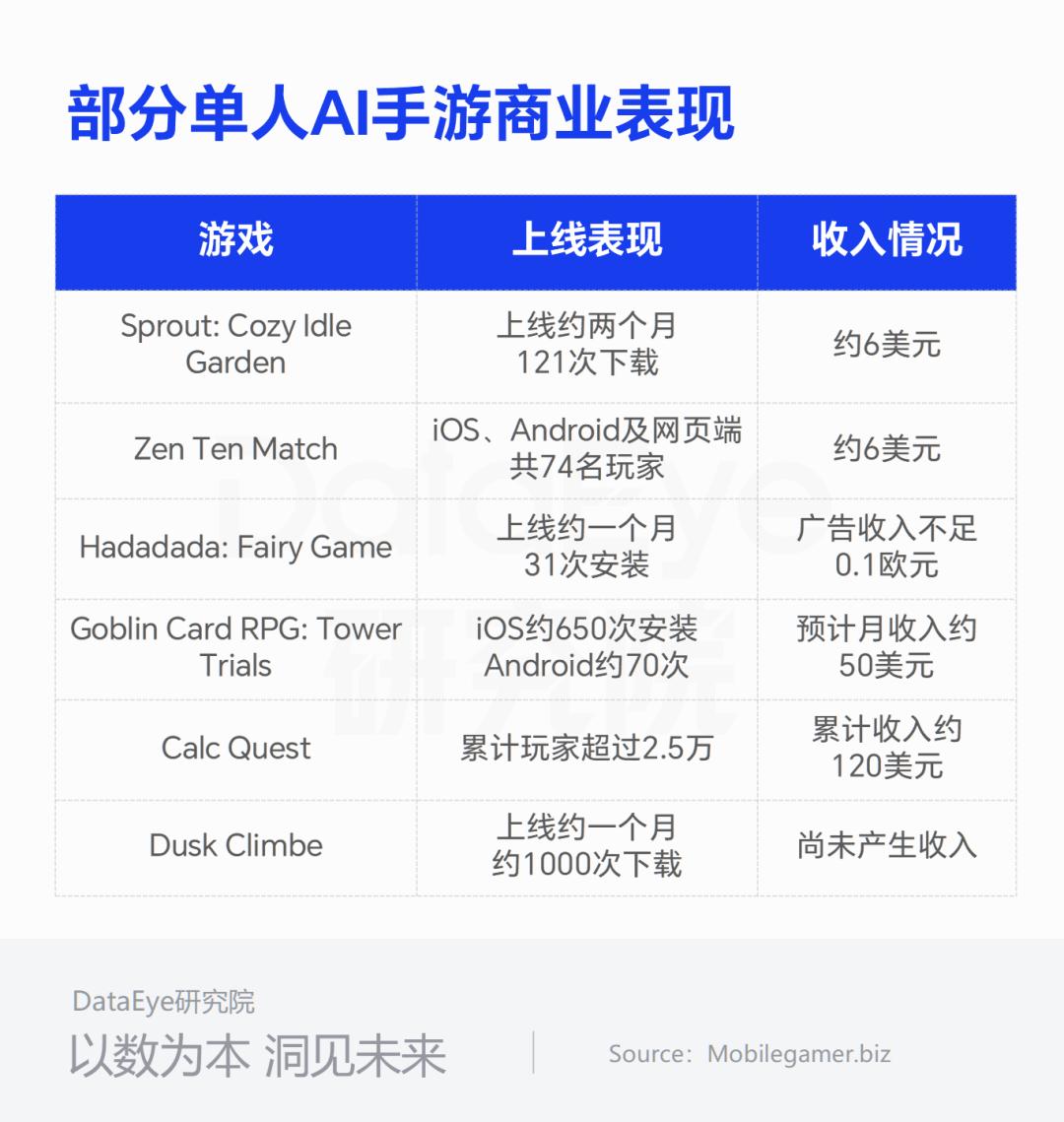
Among them, Ahmed Alshuail, the developer of Sprout: Cozy Idle Garden, used Claude to make the game. The product landed on Google Play on August 30, 2026, and on the App Store on September 30. As of October 28, the game has accumulated 121 downloads, with revenue of about 6 US dollars, of which IAP contributes 4 US dollars and advertising revenue is about 2 US dollars.
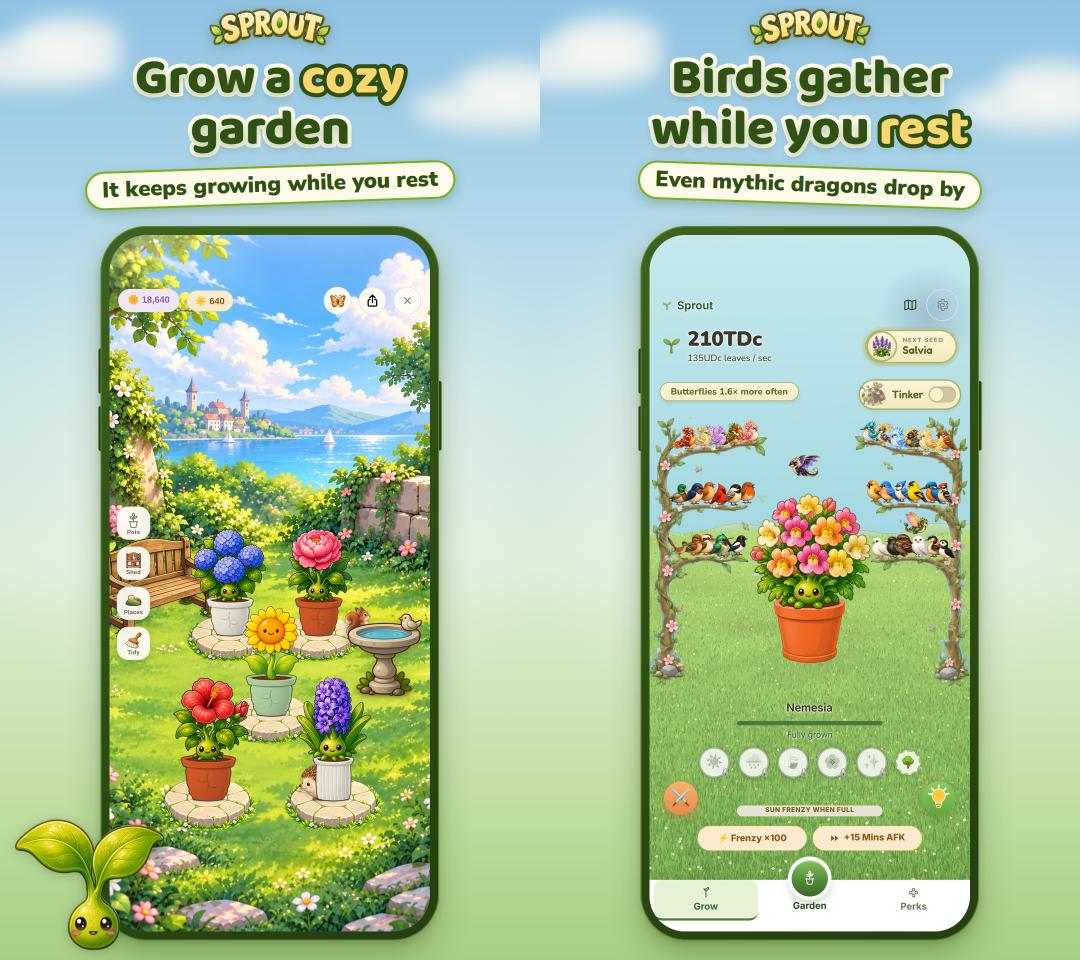
Sprout: Cozy Idle Garden is a plant idle nurturing game
The performance of Zen Ten Match is not ideal either. Developer Marc Fienberg completed the product by combining tools including Claude Code, React Native and Supabase, and integrated RevenueCat and AdMob for commercialization. But as of October 13, the game has only 74 real players in total across iOS, Android and web platforms, with advertising revenue of about 3 US dollars in the first three weeks after launch.
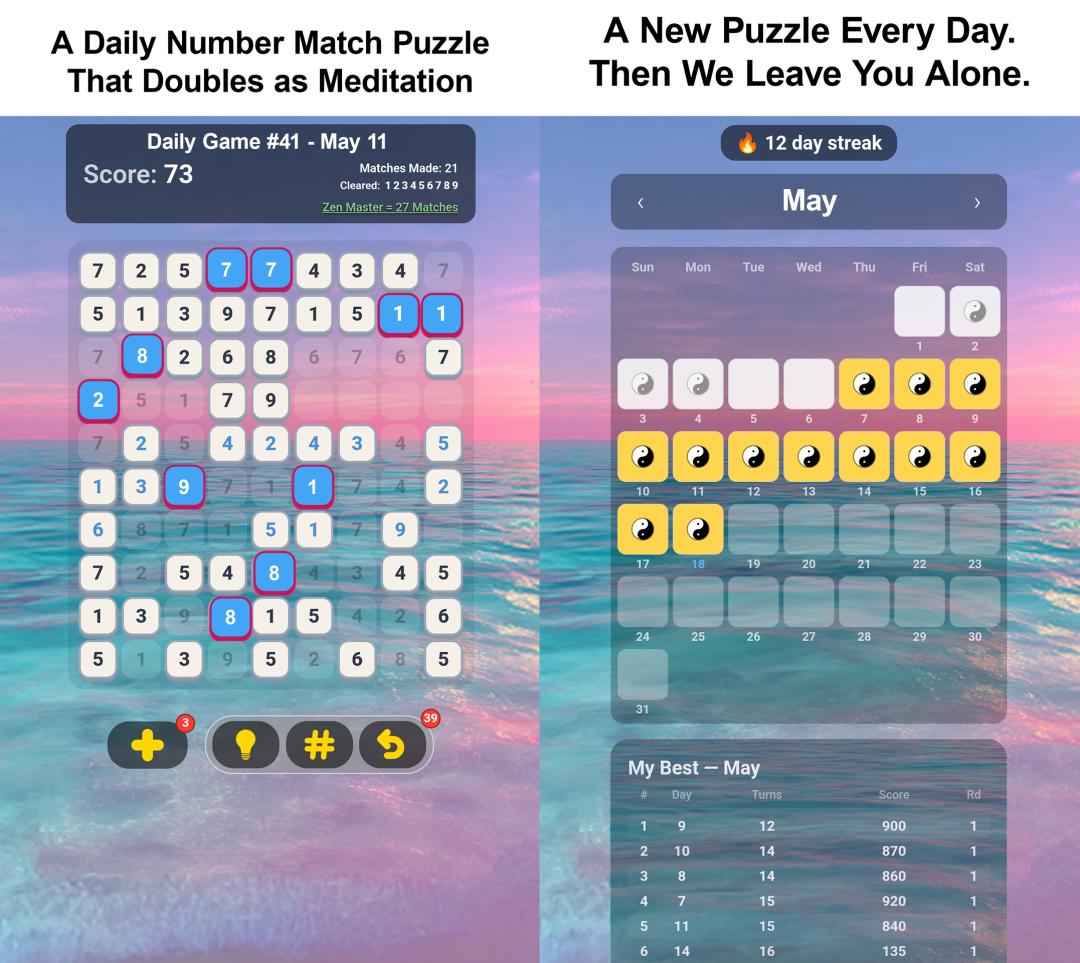
Zen Ten Match
There are also some products that have obtained a certain scale of downloads, but still cannot achieve effective monetization.
For example, the math puzzle game Calc Quest was made by developer Arin Agrawal using Flutter. The product has accumulated more than 25,000 players since its launch, but the total revenue from advertising and IAP is only about 120 US dollars.
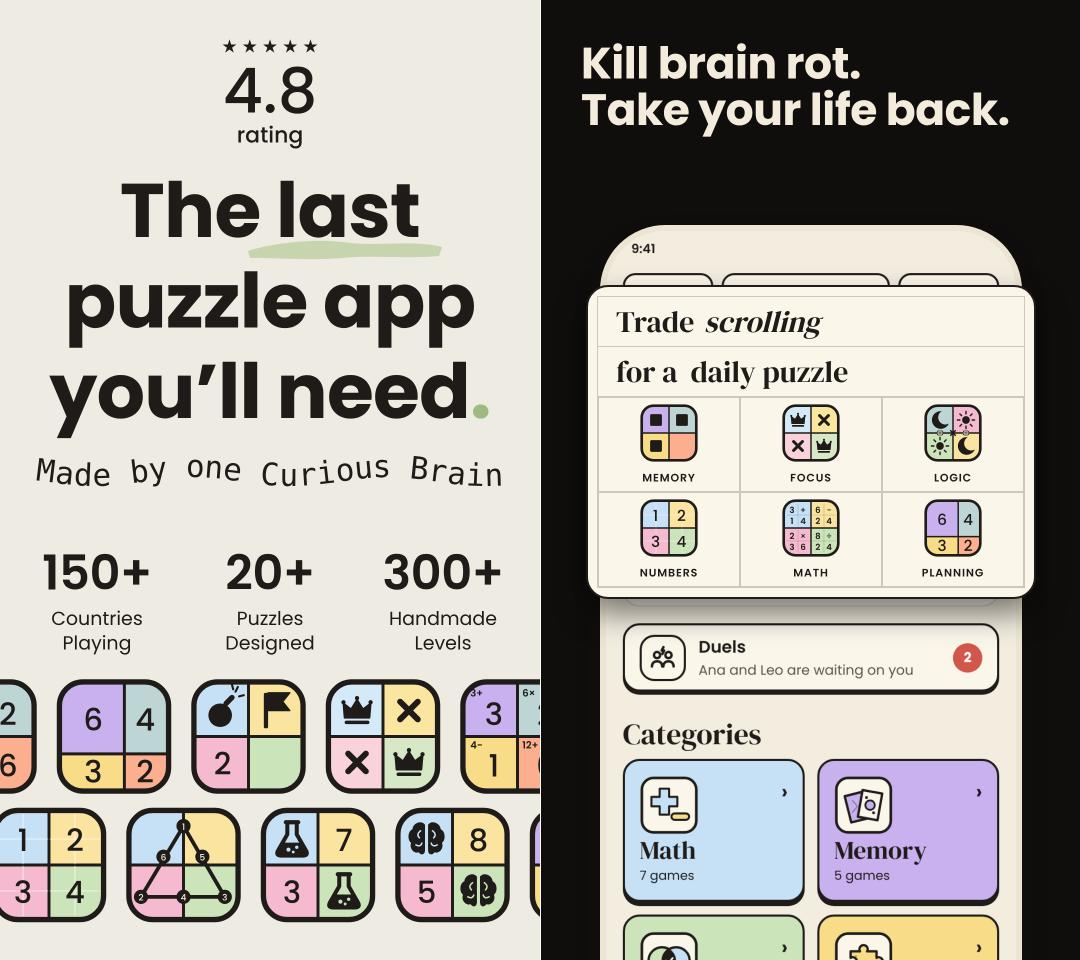
Calc Quest
In other words, even if a game obtains tens of thousands of players, it does not mean that it can generate sufficient commercial returns.
It is more noteworthy that AI development itself is not completely cost-free.
In these cases, Iain Atkinson, the developer of Tennis Tycoon, used Claude to make a tennis management game. The total sales amount is about 3,000 US dollars, but the cost of AI Tokens consumed during the development process has reached thousands of US dollars.
Ivan Soyer, the developer of Dusk Climber, said, I invested about 1,500 US dollars in AI tools and Tokens, and the game got about 1,000 downloads one month after launch, but has not generated any revenue yet.
Judging from these cases, although AI reduces part of the development cost, repeated code generation, function debugging, asset production and product modification may still bring considerable investment.
In addition, there is a reality that is easily ignored in the AI game development boom: reducing production costs does not mean lowering the threshold for commercialization.
In the past, developers needed to solve problems such as technology, art and programming before they could enter the game market. Now AI allows more people to cross these links, but after the game is launched, developers still need to face a series of challenges including product positioning, user acquisition, retention and commercialization.
As game production becomes easier, what the market really lacks may no longer be development capabilities, but products that can arouse users' interest and make them willing to keep playing.
Some games sell 100,000 copies in three days, AI indie games can also create blockbusters
Of course, not all games developed with AI assistance are facing commercial difficulties.
In November 2026, an indie game named Slotbound became a new hit on the Steam market.
The game is made by South Korean individual developer Optima Arch, combining 3×3 slot machine gameplay with Roguelike and auto-battle mechanisms. Players summon combat units through the slot machine reel, and then use the combination, enhancement and growth mechanisms of different units to build their own battle lineup.
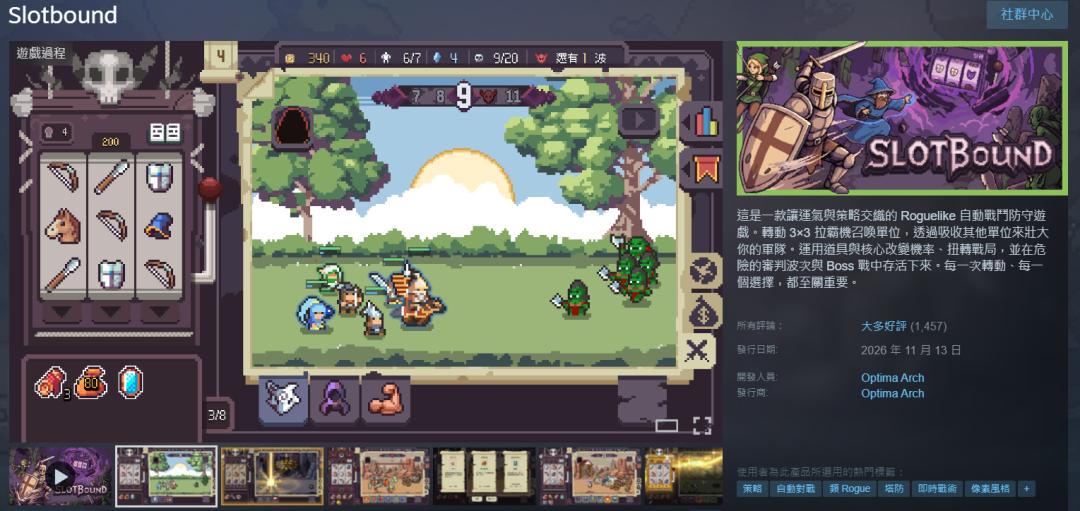
It is worth noting that the developer had no mature game development experience before.
According to his sharing, in 2025, introduced by his family, he came into contact with AI game development for the first time. At that time, he did not even know how to get started, so he first asked AI to make a square that can move via WASD keys. When this simple program ran successfully, he gradually began to try to make a complete game.
More than a year later, Slotbound was officially launched on Steam, and its launch performance is quite impressive:
Officially released on November 13, 2026.
48 hours after launch, sales exceeded 50,000 copies.
The sales revenue announced by the developer in the same period reached 356,000 US dollars.
On the third day after launch, cumulative sales exceeded 100,000 copies.
The peak concurrent player count of the game exceeded 30,000.
This set of results is in sharp contrast with those AI mobile games that only get dozens of downloads one month after launch as mentioned earlier.
However, the success of Slotbound does not completely come from accidental explosion after the official release.
Before the official launch, the developer had already released the Demo on itch.io and Steam, and continuously shared the development progress on social platforms. In September 2026, the number of Steam wishlists for the game had exceeded 100,000.
In other words, before the game was officially released, it had already accumulated a considerable scale of potential users.
In addition, the game itself has relatively distinct gameplay differentiation. The combination of slot machine and auto-battle not only forms an easy-to-understand core selling point, but also provides players with space for lineup construction and strategy adjustment around random results.
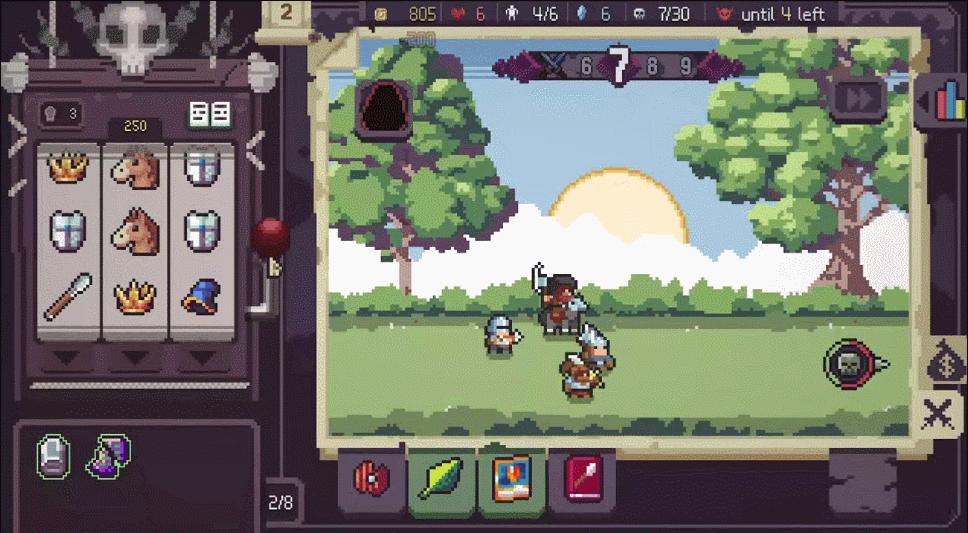
Slotbound
The case of Slotbound shows that AI can indeed help individual developers complete game production work that used to require a professional team, but production efficiency is not the only reason for its success.
From Demo testing, wishlist accumulation, to player feedback and continuous updates after the official release, the developer has actually completed a relatively complete product verification and distribution process.
AI helps developers cross the development threshold, but what really brings commercial returns to the game is still product creativity, gameplay experience and market recognition.
From 38-0-0 to Harpagia, there are also AI development success stories in the mobile game market
Compared with Steam buy-to-play games, the commercialization chain of mobile games is more complex.
Even if a mobile game can be successfully launched on app stores, it still needs to further solve problems such as store exposure, user acquisition, ad monetization, IAP conversion and long-term retention. However, some cases of individual developers using AI-assisted development and successfully realizing commercialization have already appeared in overseas markets.
Among them, 38-0-0 is a relatively typical product.
1. 38-0-0: Seize market opportunities quickly with the help of AI
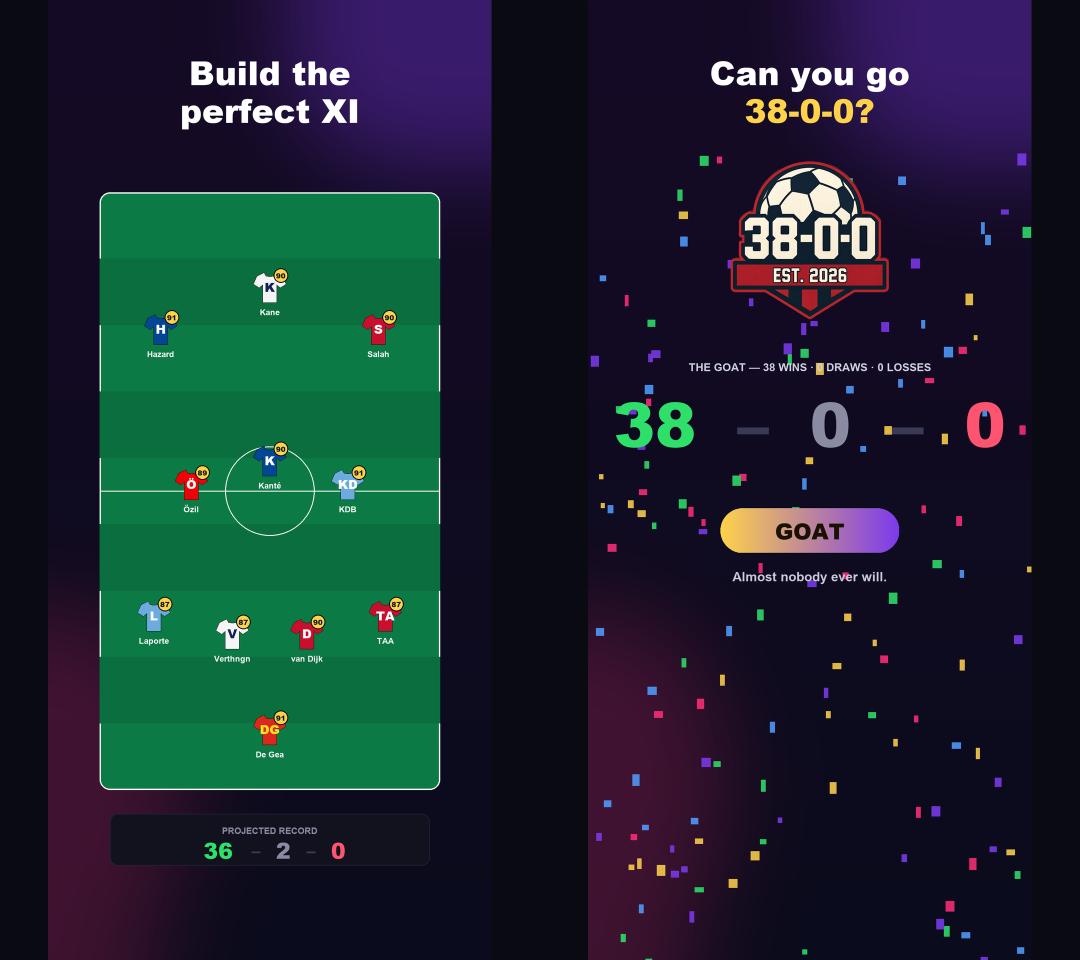
38-0-0 is a football draft game made by developer Deniz Sancar using Claude Code. In the summer of 2026, the game once topped the free game list on iOS in the UK.
According to data disclosed in the latest report by Mobilegamer.biz, 38-0-0 has accumulated about 300,000 downloads on iOS platform, and more than 700,000 downloads on Android platform.
Although the developer has not announced the specific revenue, he said that the revenue obtained by the game through advertising and IAP is enough to support him to engage in full-time game development. If he did not run his own marketing company at the same time, he could completely live on this game.
Compared with those products with limited download volume mentioned earlier, the feature of 38-0-0 is that it not only uses AI to complete development quickly, but also successfully captures a product direction with market attention.
More importantly, the developer himself has a background in the marketing industry. Product development, market judgment and promotion capabilities are not independent links, but together form the foundation of game commercialization.
2. Harpagia: Combination of AI-assisted development and mature experience
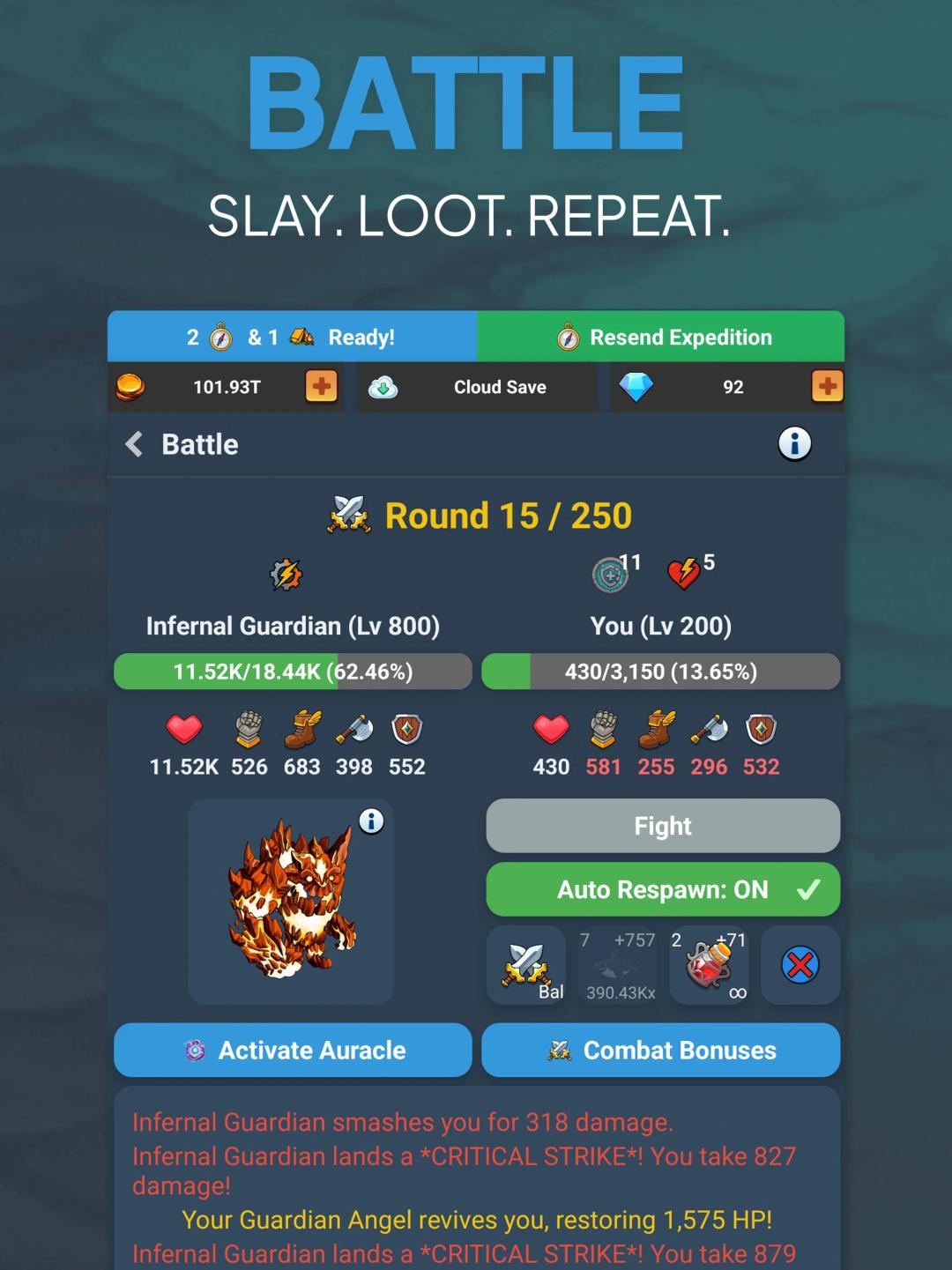
Another notable case is Harpagia.
This is a text-based idle RPG for iOS and Android platforms, where players can continuously improve their characters through mechanisms such as combat, leveling up, equipment collection and trading.
Developer Ken Law previously worked in technical roles at Amazon and Meta, with about 12 years of experience in the technology industry. After getting in touch with AI tools, he began to try to use Cursor and ChatGPT to assist in game development.
According to an interview with the developer by Starter Story in September 2026, Harpagia has accumulated revenue of about 155,000 US dollars in the past year, with an average monthly revenue of about 13,000 US dollars, and the total downloads on iOS and Android platforms have exceeded 50,000 times.
The developer also said that the game has not launched paid advertising campaigns, and mainly acquires users through organic traffic, with daily operating costs of about 500 US dollars per month.
It is worth noting that Ken Law is not an ordinary developer without any technical background. He has an educational background in computer science, and has long been engaged in software engineering and technical management work.
Therefore, the success of Harpagia cannot be simply attributed to AI tools themselves. AI more helps a developer with technical experience and product understanding ability to improve the efficiency of independently completing game development.
Game development is getting easier, and the real competition has just begun
Overall, the successful cases of AI-assisted development have one thing in common: the developers did not put all their energy on how to make games quickly, but paid attention to product positioning, user needs and market promotion at the same time.
38-0-0 reflects the developer's ability to use AI to quickly respond to market opportunities, while Harpagia shows that mature technical experience and business judgment can still play an important role in the AI era. This also means that although AI lowers the threshold for some professional capabilities, it does not eliminate the differences among developers in product judgment, industry experience and market resources.
According to the 2026 Unity Game Development Report released by Unity, market competition and user acquisition cost are the two biggest challenges that mobile game developers are most concerned about, accounting for 33% and 30% respectively. This also shows that even for mature game teams, how to get their products noticed by users is still an unavoidable problem for the industry.
From this perspective, what AI has changed may not be the competition rules of the game industry, but the way to participate in competition. In the past, developing a game required sufficient technology and resources first; now, AI allows more people to cross this threshold. But whether a game can become a profitable