What kind of business is propped up by getting students to lie down?
Introduction
On September 3, 2026, the Experimental High School Affiliated to Shenzhen MSU-BIT University issued an inquiry letter, planning to procure a batch of reclining lunch-break desks and chairs with a maximum price limit of 70,000 yuan. The document is short, requiring suppliers to quote according to the demand form and submit relevant materials. How students rest at noon has thus become a specific procurement affair.
Similar demands have appeared in a wider range of procurement activities. In August of the same year, Tongzhou District, Beijing announced four procurement packages for lunch-break desks and chairs in the primary and secondary school operation equipment upgrading project, with the total winning bid amount reaching 2.09445 million yuan. Earlier, the General Technical Requirements for Lunch-break Desks and Chairs for Primary and Secondary School Students was officially implemented on February 1, providing a dedicated national standard for such products.
Lunch break is certainly not a new demand. The change lies in that schools have begun to look for dedicated facilities for this purpose, local departments have included it in the implementation plan, and suppliers need to turn the "reclinable" function into testable and deliverable products. Classrooms that were previously organized around classes now need to accommodate another usage state; a single desk and chair thus undertakes more functions.
However, demand does not equal orders, let alone profits. Whether the classroom can fit the equipment, how to dispose of old furniture, where the configuration funds come from, and who is responsible for maintenance in a few years, all affect the development of this business. Only by putting these issues back into the public procurement materials can the opportunities and boundaries of the lunch-break desk and chair business become gradually clear.
01. How Lunch-break Demand Enters School Budgets
There are specific practical conditions of schools between policy requirements and a procurement list.
In 2021, the General Office of the Ministry of Education issued a notice on strengthening the sleep management of primary and secondary school students, proposing to arrange break time between classes and afternoon class hours reasonably, and localities and schools with conditions should guarantee the necessary lunch break time for students. This provides direction for schools to arrange lunch breaks, but does not specify that all regions must uniformly purchase a certain type of furniture.
In the actual promotion process, local authorities need to first determine which students are covered with priority and what facilities to adopt, and then coordinate funds and implementation. The practice of Hailing District, Taizhou, Jiangsu is representative. According to the information released on the local government website in February 2025, the deployment of about 5,100 sets of lunch-break desks and chairs was included in the local livelihood projects of that year. Departments including education, finance, and state-owned assets promoted the project in coordination, and 5,100 sets of desks and chairs have been installed in 11 schools, covering all junior three classes in the whole district.
The key in this case is that the service targets and delivery time are clearly defined. Enterprises are faced with a project with a clear quantity and coverage scope, and schools can also organize the installation around the same plan. Only after administrative arrangement and fund coordination can the lunch break demand become an executable equipment order.
Another type of demand is connected with students' on-campus meals. In April 2026, Longnan, Jiangxi released a plan solicitation announcement, targeting 8 non-boarding primary schools and campuses that provide lunch services, planning to configure 10,792 sets of reclining desks and chairs with a budget of 4.3168 million yuan. The announcement clarifies that this is only the preparatory work before the official procurement.[6]
This document defines "who needs lunch break" very specifically. For students who have lunch at school and do not have boarding conditions, their noon rest needs to be solved within the existing campus. However, 10,792 sets is the planned procurement quantity, and 4.3168 million yuan is also the budget at the solicitation stage, which cannot be directly counted as the income already obtained by enterprises.
Different schools may not choose the same product. The local standard for lunch break facilities implemented in Shenzhen in 2024 covers mattresses, sleeping bags, desks and chairs, and folding cabinet beds, and encourages configuration according to the actual conditions of each school and class.[7] For enterprises, competition occurs not only between different brands, but also between different lunch break solutions. Whether desks and chairs can be applicable solutions needs to be judged in combination with space, storage and existing facilities.
The public reply from Nanjing provides more specific constraints. The Municipal Education Commission introduced in a reply to a CPPCC proposal announced in 2025 that desks and chairs with lunch break functions have been included in the asset allocation standard, with an upper limit of 800 yuan per set; at the same time, it pointed out that lunch break chairs have high requirements for classroom space, and their promotion also involves class service management and lunch break time adjustment. The 800 yuan here is the local configuration limit, not the national guide price, nor the transaction price.
These differences determine that the market will not develop in a completely uniform way. Regional overall planning, school pilot, new school configuration and existing school renewal correspond to different procurement rhythms. Multiplying the total number of students by a certain price of desks and chairs ignores other lunch break solutions and skips the screening of budget and space.
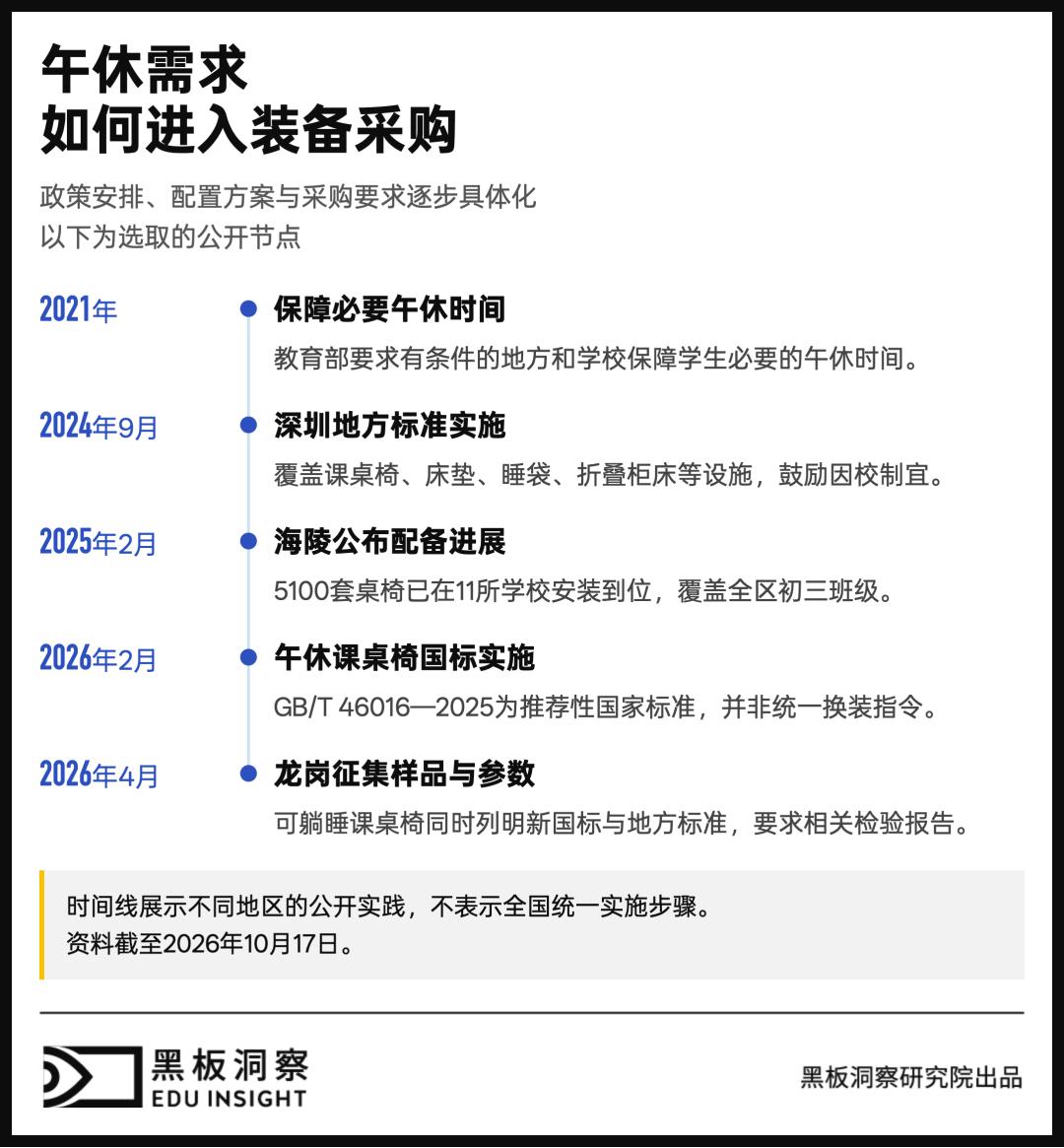
Figure 1 How the lunch break demand enters equipment procurement
02. What Inspections Does a Reclinable Chair Need to Pass
The products that schools need are first and foremost a set of furniture that can be used for normal classes. After adding the lunch break function, sitting posture, writing, body support and classroom layout need to be considered together.
GB/T 46016—2025 gives several specific dimensions: the width of the chair seat is not less than 360 mm, the total length in the reclining position is not less than 1050 mm, and the inclination angle of the backrest is not less than 135 degrees. The inclination angle here refers to the angle between the seat surface and the backrest in the lunch break state, which cannot be understood as a requirement to be completely flattened. The standard also specifies the matching height difference between the clear height of the desk and the seat surface for primary schools and secondary schools respectively.
Size is only one aspect. Chairs in the lunch break state need to undergo stability tests, and mechanisms such as angle adjustment, folding, pulling and lifting also have corresponding durability requirements. For products with relevant structures, components such as headrests and leg rests are also included in the test scope.[9] The fact that a chair can be unfolded during demonstration cannot replace the proof that it can remain stable and function properly during frequent use.
These requirements have changed the communication method between the two parties in procurement. Schools can clarify their demands on dimensions, structures and inspection items, and enterprises also need to explain what standards their products are manufactured according to and what materials are used to prove performance, instead of only providing an operation video or a comfort description.
This change has been incorporated into the procurement preparation documents. When Longgang District, Shenzhen solicited desk and chair samples in 2025, it specified the Shenzhen local standard for reclining sleep products; the 2026 announcement specified both the new national standard and the local standard, requiring the submission of inspection reports with CMA marks. The documents of the same region in the two consecutive years show how the new standard has become the basis for suppliers to respond to demands.
It is worth noting that the national standard is a recommended national standard, and it cannot be deduced from its implementation that schools across the country must replace desks and chairs. The above materials of Longgang are also sample solicitation announcements, not final winning bid documents. They illustrate that product evaluation requirements have been applied in specific procurement preparations, and it cannot be concluded that the whole industry has completed upgrading.
For suppliers, samples and testing also mean upfront investment. The 2026 announcement of Longgang clearly states that the costs involved in the samples, including test reports, transportation, and physical damage, shall be borne by the manufacturer or authorized distributor, and the solicitation will not be used as the basis for selecting samples or suppliers.[11] Before obtaining orders, enterprises need to pay costs to participate in the project.
Therefore, the requirements put forward by product upgrading for enterprises are wider than adding a few parts. It requires reprocessing the relationship between the two states of study and rest, preparing corresponding quality certificates, and ensuring that mass supply is consistent with commitments. The standards make part of the requirements clear, and the real capability still needs to be realized in manufacturing and delivery.
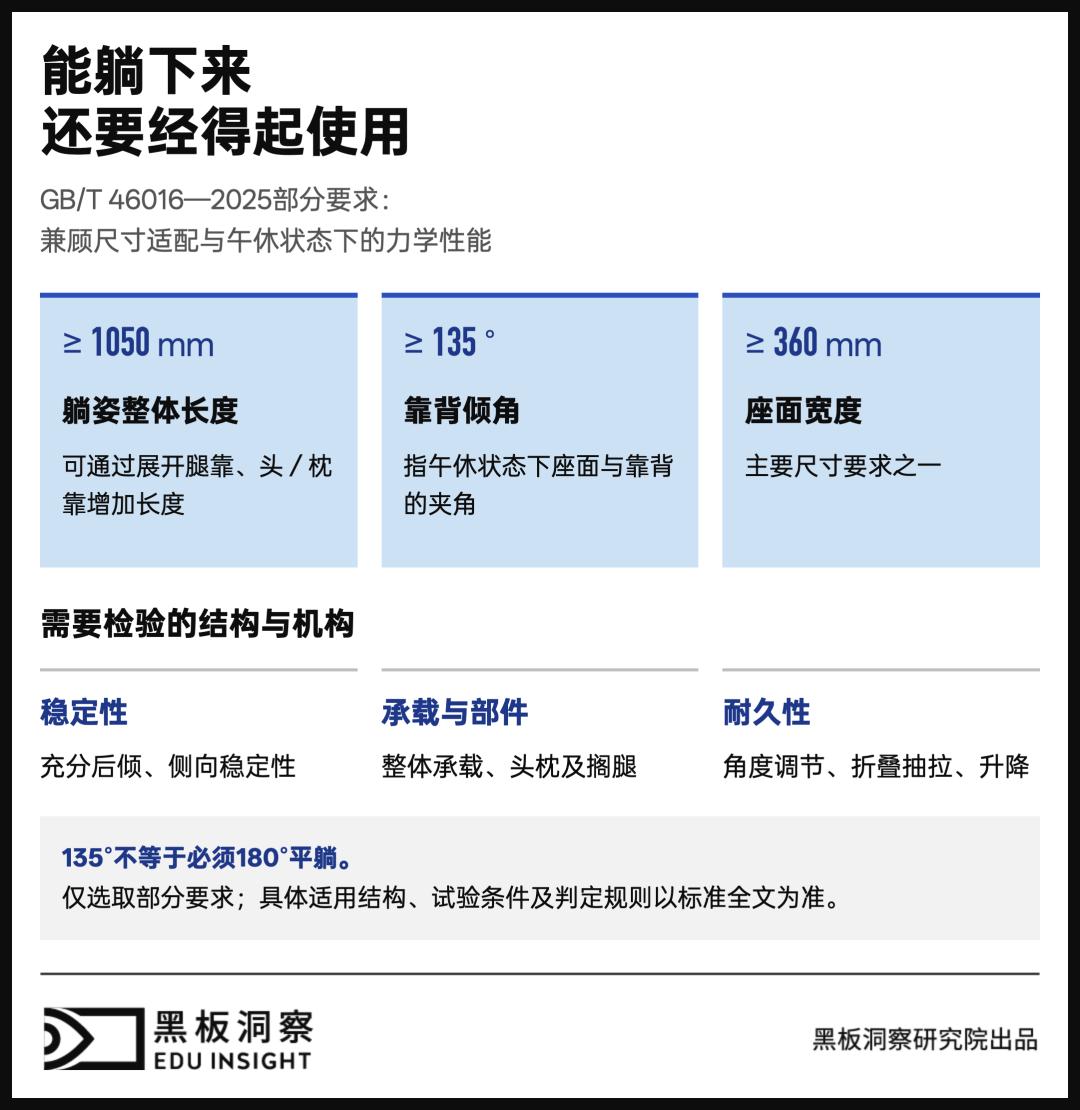
Figure 2 From usage demand to product inspection
03. What Else Are Schools Purchasing Besides Price
A sub-item table in public procurement results often explains the problem better than a vague market quotation.
The desk and chair procurement results announced by Shenzhen Baishizhou School in July 2026 show that the winning supplier is Shenzhen Kailin Intelligent Furniture Co., Ltd., and the product brand is Adcx. In the list, the unit price of the desk chair is 515 yuan, the desk is 335 yuan, and the desktop protective cover is 85 yuan. The quantity of all three items is 277, and the total winning bid amount is 258,995 yuan.[12]
Calculated according to this list, one desk and one chair cost 850 yuan; if the protective cover is added, the total is 935 yuan. If you directly divide the total amount by 277 and call 935 yuan the "unit price of lunch-break desks and chairs", you will include the accessories into the furniture price. Such details determine whether cross-project comparison is valid.
The same announcement also shows that another supplier quoted 222,154 yuan, which is lower than the final winning bid, but its comprehensive score is 63.20 points, lower than the 84.53 points of the winning supplier.[12] The result is sufficient to show that the review of this project was not sorted only by the lowest quotation; as for which technical or service items led to the gap, detailed scoring materials are needed, and the attribution for enterprises cannot be made solely based on the total score.
Price also has different meanings in different documents. Yancheng Tinghu New District Experimental Primary School launched a tender in July 2026, planning to procure 500 sets of lunch-break desks and chairs, with both the budget and maximum price limit being 250,000 yuan. The resulting 500 yuan per set is only the average budget value, which is neither the transaction unit price, nor suitable for direct comparison with the winning bid of another project. The configuration, service scope and procurement stage are all different, and several figures cannot form a reliable national price range.
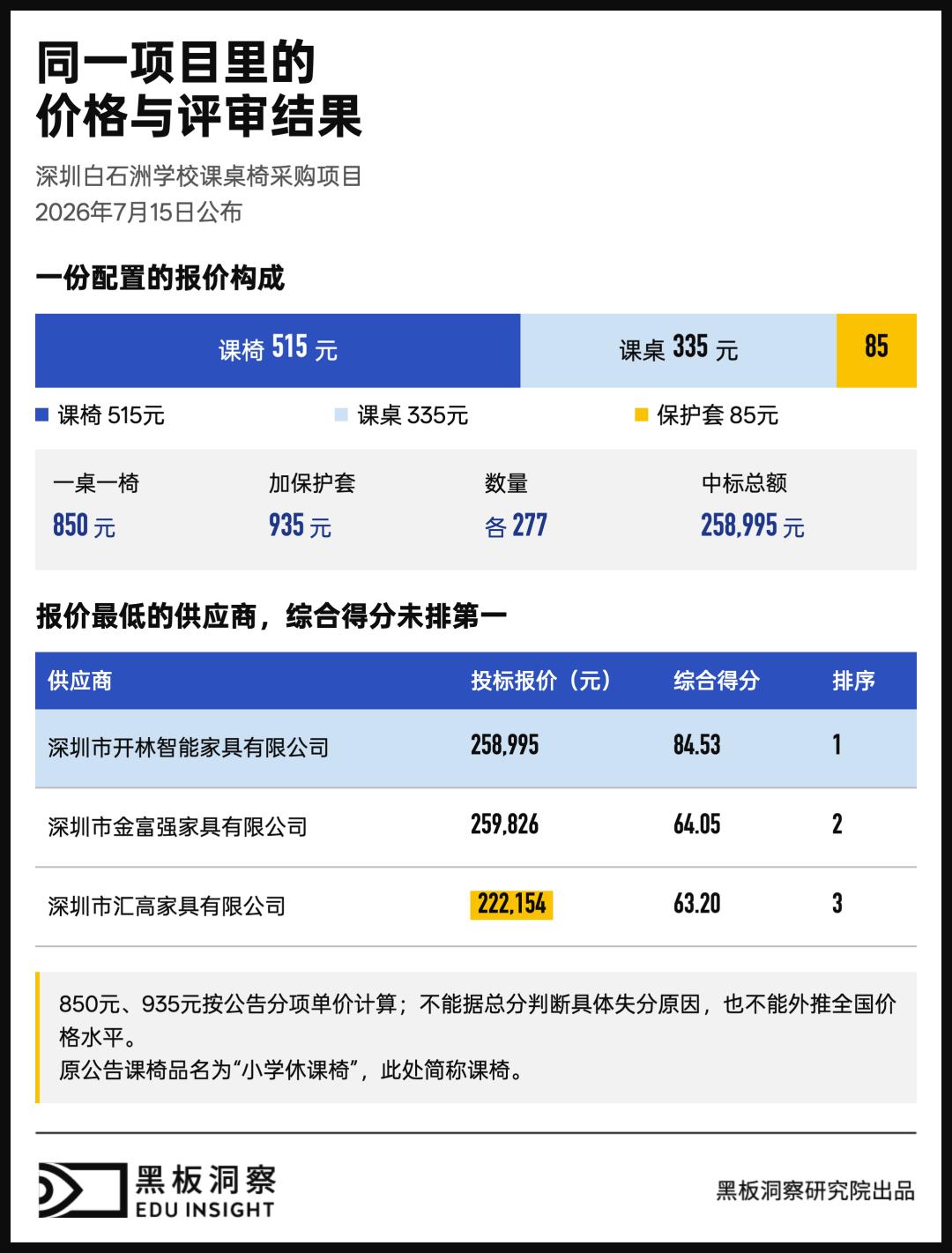
Figure 3 Price and review results in the same project
The competition of enterprises also extends to the delivery site. The four aforementioned procurement packages in Tongzhou District were won by Qiangli Furniture Group, Langfang Jinglan Technology, Beijing Fenghua Yuntong Technology, and Beijing Dianshi Technology respectively. The announcement requires that the delivery, installation and debugging be completed within 30 days after the contract is signed.[2] A project in one region can be undertaken by multiple entities, and the work that suppliers need to complete has gone beyond ex-factory delivery.
Manufacturers, product brands and winning bidders are three roles that need to be distinguished when analyzing this type of market. The winning bid announcement reveals the contract undertaking entity, and it is impossible to judge whether it produces by itself only by the company name; the fact that one brand appears in several projects is not enough to prove that it occupies a leading share across the country. The judgment of the supply pattern should be based on the verifiable relationship between products and projects.
A longer performance period can be seen in the procurement document for lunch-break desks and chairs of the first phase of the relocation project of Wenling No.9 Middle School in 2024. The document stipulates that the free warranty period of the product shall be no less than three years, and the delivery, installation and debugging shall be completed within 20 days after receiving the notice from the purchaser; the payment arrangement includes 30% advance payment, 95% payment after installation and acceptance, and the remaining payment shall be paid two years after the acceptance and after the corresponding guarantee is submitted.
Such terms mean that when enterprises calculate project returns, they need to consider production and service costs, delivery progress and fund recovery time at the same time. The winning bid amount is the scale of a contract business, and there is still a considerable distance from profit. If we discuss the market attractiveness only based on the total procurement amount, it is easy to underestimate the requirements of installation, maintenance and capital arrangement for enterprises.
04. How Does the Business Continue After the Initial Deployment
Orders for lunch-break desks and chairs are already visible, but sustainability requires another set of observation methods.
First of all, new school configuration, phased coverage of existing schools, and expiration renewal are three different sources of demand. The first two types may be released intensively at a certain stage, while the latter depends on the actual service life, asset management and fund arrangement. The fact that a certain place completes the coverage at one time does not mean that the same scale of procurement will be carried out in the next year.
Local policies are also being promoted conditionally. The 2025 livelihood project arrangement of Honggutan District, Nanchang proposes to support regions with conditions to configure reclining desks and chairs for non-boarding compulsory education public schools, give priority to supporting schools with a high proportion of students taking lunch breaks at school, and give priority to newly built, reconstructed and expanded schools. This arrangement is more about gradual configuration according to demand and conditions, rather than indiscriminate replacement.
Stock renewal also involves another account: whether the original furniture can continue to be used, and whether it is necessary to replace the desk and chair together. The 2026 sample solicitation in Longgang lists reclining student desk chairs as a separate category, which is a change from the category setting in 2025. This at least shows that procurement preparations have begun to distinguish between full sets of desks and chairs and separate desk chairs. Whether it will become an update method that retains the original desk and only replaces the chair still depends on the specific project and size adaptation, and cannot be directly regarded as a general cost-saving solution.
Secondly, the completion of installation is not the end of usage problems. In the introduction of local standards by Shenzhen Education Bureau, teacher-student usage training, spare storage space, regular inspection and maintenance have been included in school management work. Whether the product can be smoothly integrated into the lunch break arrangement is not only related to the structural design, but also related to how the school organizes daily usage.
For enterprises, easy operation, convenient arrangement and good maintenance may affect the long-term usage of schools more than the number of functions in one demonstration. Once the products enter the classroom in batches, the universality of parts, the convenience of maintenance and service response have practical significance. However, whether these capabilities can be converted into the advantage of winning the next bid still depends on subsequent procurement and evaluation, and cannot be written as a market conclusion that has already occurred in advance.
After-sales service is not necessarily an additional income. The aforementioned procurement document of Wenling includes the service within the free warranty period and other costs into the total price. For suppliers, this is first of all a performance responsibility that needs to be included in the quotation in advance. Only when there are independently paid maintenance, parts replacement or service items can we discuss new sources of income on a reasonable basis. Regarding all maintenance work after selling desks and chairs as "continuous monetization" will misread this business.
The signals worth tracking are whether local authorities are shifting from pilots to phased coverage, whether subsequent school procurement has adjusted product specifications, and whether usage feedback can be incorporated into the next round of procurement requirements. They can better explain whether the products are truly suitable for schools than the simple sum of scattered orders, and also help enterprises judge the next step of investment.
Conclusion
From napping on the desk to sleeping in a reclining position,