The iPhone 18 no longer comes with a physical mute switch. Has Apple gone all out just to keep the dedicated camera button?
Apple is about to make another adjustment to its physical buttons.
Lei Technology has noticed that recent online leaks claim Apple may launch the standard iPhone 18 in the first half of next year, remove the independent dedicated operation button, and integrate the mute function into the Camera Control button. This is a fairly bold adjustment. After all, the mute button has always been one of the most representative designs of the iPhone. Even if Apple replaced the toggle switch with an operation button before, for many users, it is still the most convenient way to switch the mute state in daily use.
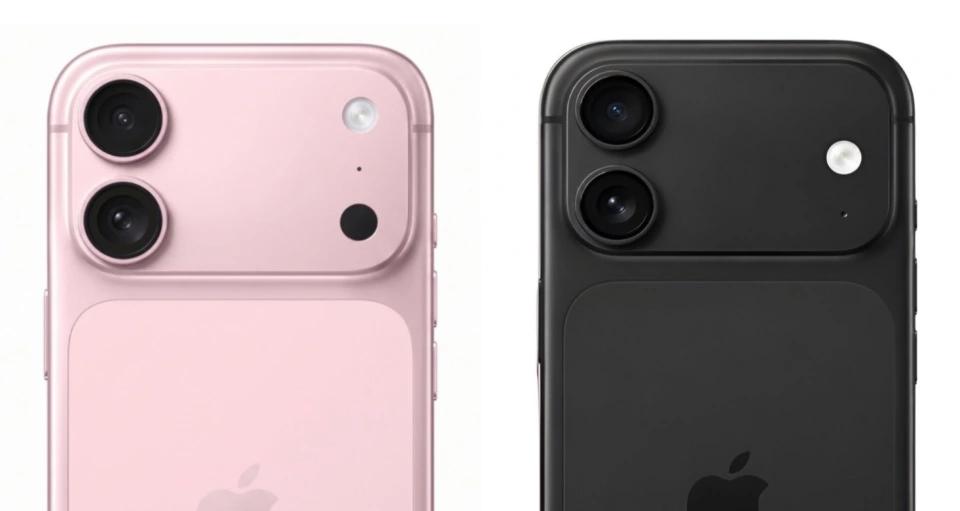
(Image source: AI-generated)
Interestingly, compared with the mute button that has been accepted by users for many years, Apple has chosen to retain the Camera Control button that was launched not long ago but has been full of controversies. It should be noted that since this button made its debut for the first time, discussions about whether it is necessary to exist have never stopped.
So, why would Apple rather give up the classic mute button than remove this controversial camera button?
From the mute toggle switch to the camera button, Apple is increasingly keen on "making changes"
The mute toggle switch can be said to be one of the most innovative designs in the history of the iPhone.
Before the release of the first-generation iPhone, mobile phones on the market were covered with dense function keys on their bodies. If you wanted to mute your phone before a meeting or watching a movie, you had to unlock the screen first, enter the profile mode menu, and manually check the "mute" option, which would waste a lot of time through the whole process.
The mute toggle switch that Steve Jobs added to the left side of the iPhone body back then does not require lighting up the screen or looking at it. You can put your finger into your pocket and toggle it gently, and confirm that the phone has switched to mute mode with clear operation feedback.
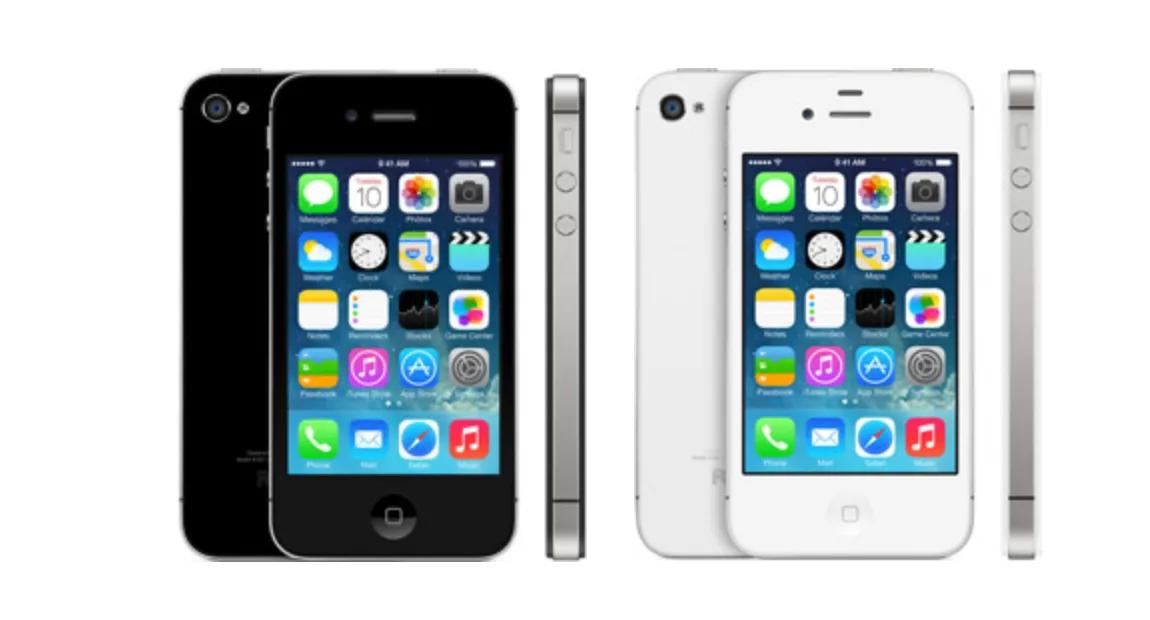
(Image source: Official Apple)
This simple and straightforward operation method is also one of the reasons why Lei Technology has always been fond of iPhones. In the following ten years, the screen of the iPhone has grown from 3.5 inches to 6.7 inches, the body material has changed from plastic, glass, stainless steel to titanium metal, and even the iconic notch has become Dynamic Island, but this small toggle switch has never been changed.
Even in the iPhone 15 Pro series, Apple changed the mechanical toggle switch to a customizable operation button, users can still set it to "long press to mute", which can be regarded as retaining the tradition.
When it comes to the iPhone 16 series, Apple added a brand new Camera Control button, which not only supports pressing to take photos, but also can adjust parameters such as zoom and exposure through operations like light press and swipe, trying to make the iPhone have an operation experience closer to that of traditional cameras.
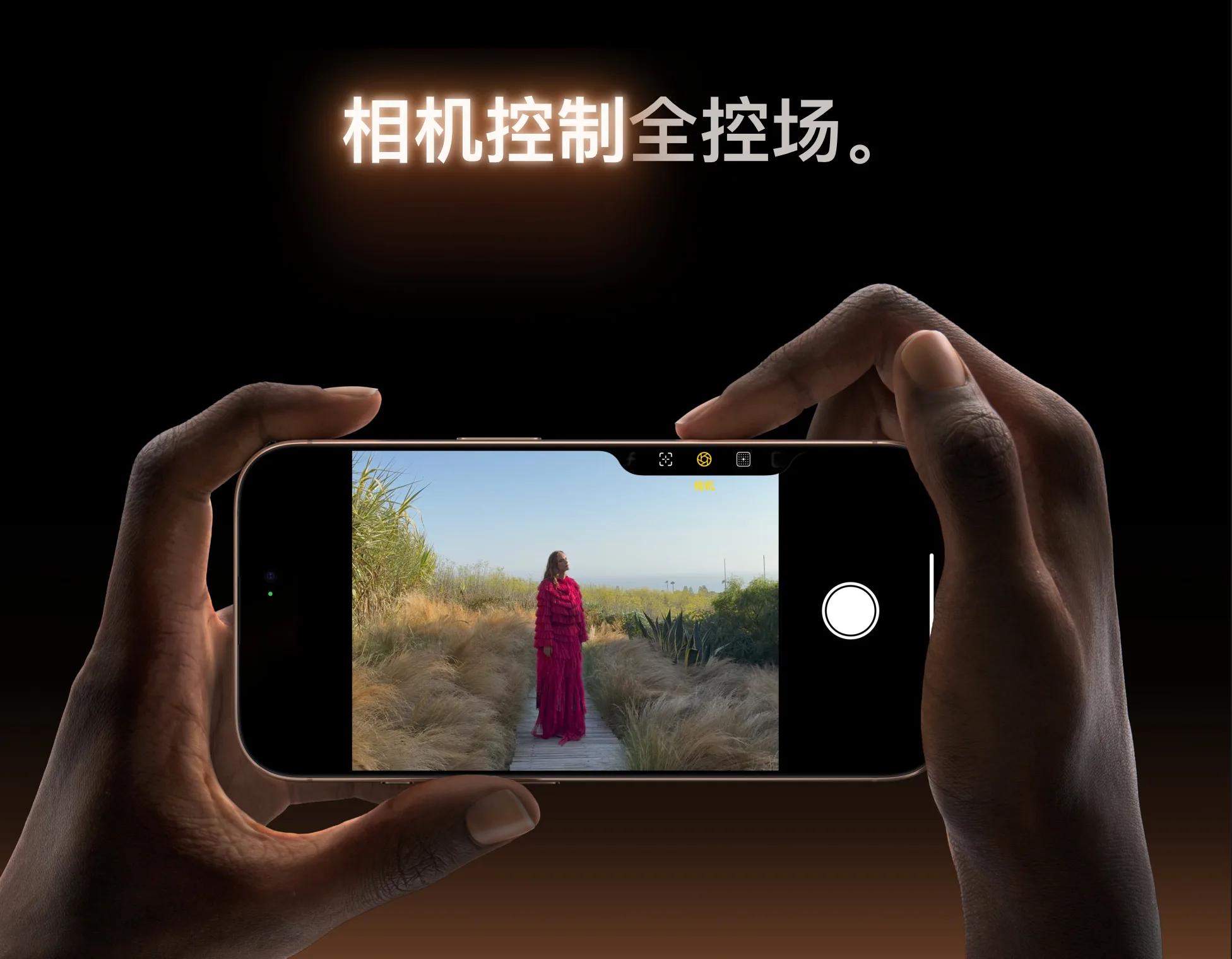
(Image source: Official Apple)
But the problem is that Apple seems to have overestimated users' demand for a physical camera button.
The process of taking photos with a mobile phone is very simple: open the camera, adjust the composition, and click the shutter, the whole process only takes a few seconds. But the camera button needs to distinguish different operations such as light press, press and swipe, users not only need to spend time getting familiar with it, but also may affect the holding stability when shooting.
What is more awkward is that the position of the Camera Control button is not suitable for all shooting scenarios. When holding the phone horizontally, it can indeed simulate the shutter operation of a traditional camera, but once you hold the phone vertically, it is much more difficult to press this button conveniently, not to mention taking into account the holding stability.
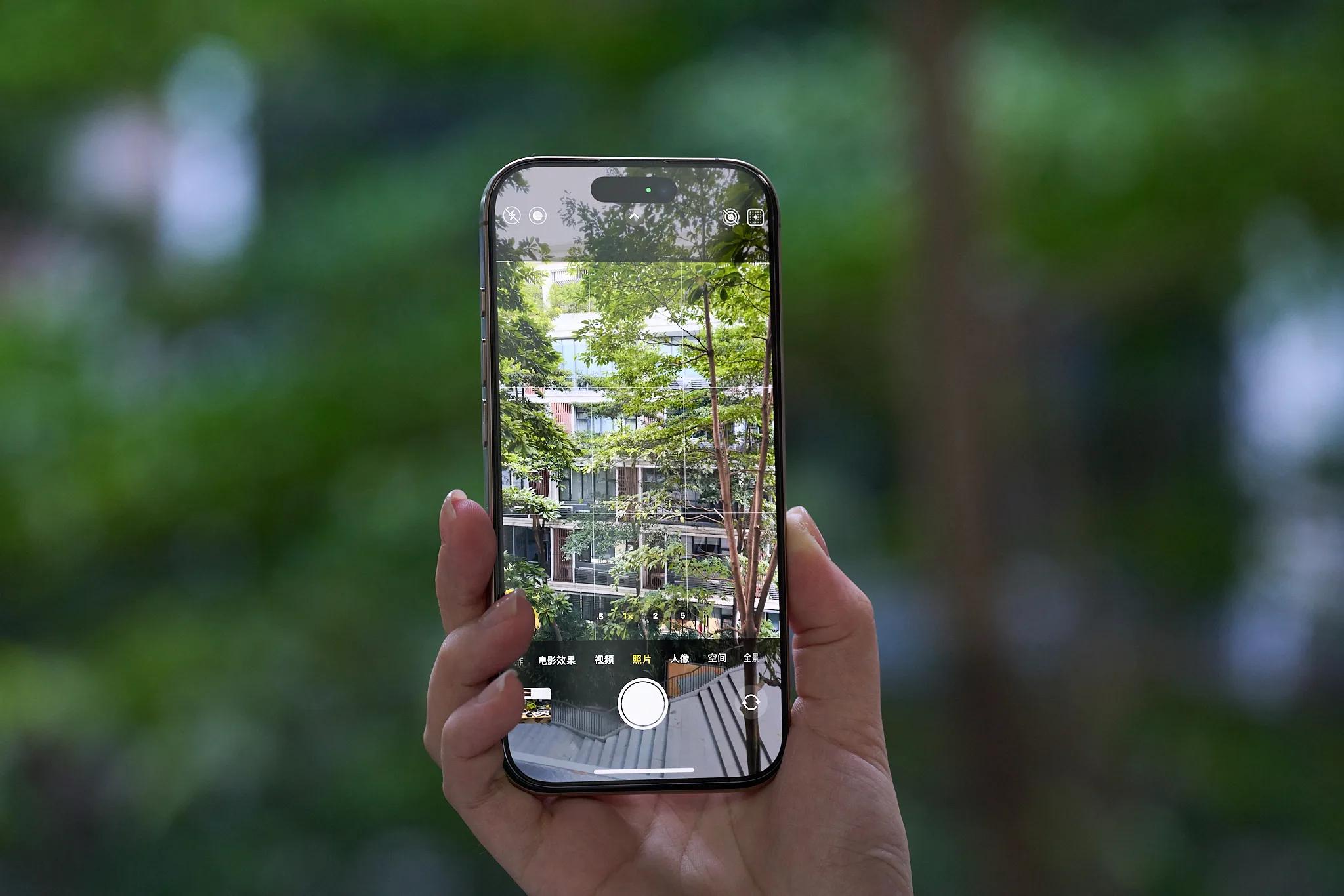
(Image source: Shot by Lei Technology)
Secondly, the interaction level of this button is too complicated. A light press locks the exposure, two light presses call up the secondary menu, swiping adjusts parameters, and a hard press takes photos. Moreover, the iPhone itself provides a shortcut entry for the lock screen camera, so the advantage of this button in startup speed is not as obvious as expected.
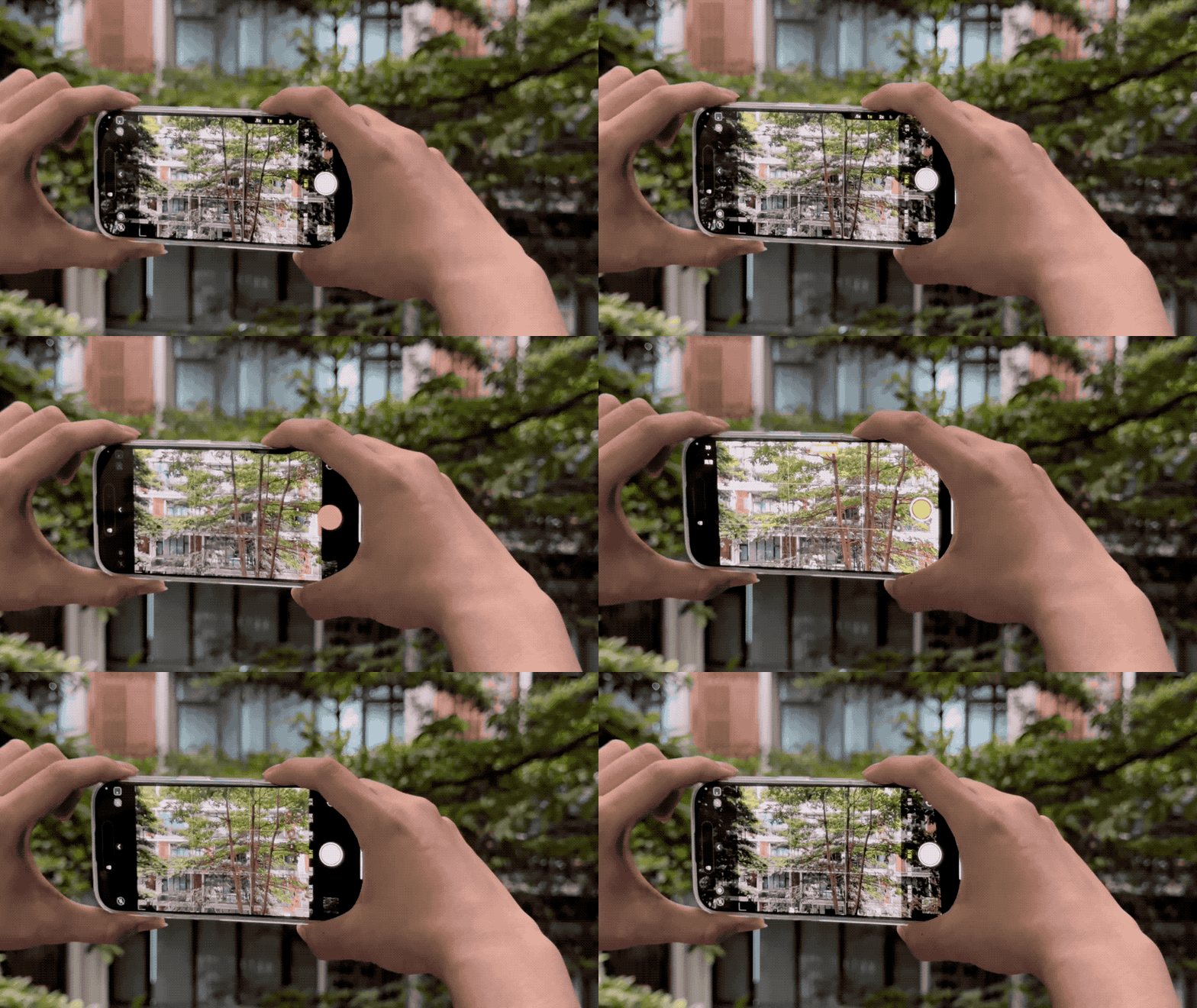
(Image source: Shot by Lei Technology)
All kinds of reasons have led to an awkward situation: it looks very practical, but there are not many scenarios where it can be really easy to use.
Retaining the camera button, what is Apple really pursuing?
Apple spent a lot of money on R&D and occupied the precious space inside the body, but it ended up being a "chicken rib" in the mouth of users. Logically, with Apple's always decisive product iteration style, this design with average market feedback should have been cut long ago. But why in the iPhone 18 series, Apple not only keeps it, but also merges the "mute button" into it?
Lei Technology believes that first of all, Apple is unwilling to easily give up its investment in imaging interaction. In the past few years, the imaging capabilities of mobile phones have been significantly improved. From computational photography, video stabilization to today's AI imaging, manufacturers have used almost all the technologies they can think of for taking photos. However, the shooting method of mobile phones has not changed much in recent years, most users are still used to completing all operations through the screen, and Apple obviously hopes to change this situation through physical buttons.
More importantly, the Camera Control button can further strengthen the "high-end" imaging positioning of the iPhone. In today's high-end mobile phone market, imaging has become one of the most important competition directions for all manufacturers. In particular, brands such as Xiaomi, OPPO, and vivo not only continuously upgrade sensors and telephoto lenses, but also strengthen the professional photography attributes of products by cooperating with imaging brands such as Leica, Hasselblad, and Zeiss.
Although Apple still has its own advantages in video shooting, color management and third-party application ecosystem, it is difficult to come up with particularly obvious differentiated selling points in hardware design. The Camera Control button just provides such an opportunity. Even if users may not use it frequently, the independent camera button itself can become a kind of product recognition.
Of course, Lei Technology believes that what Apple values most may be the potential of the Camera Control button in the AI era. When Apple launched the Camera Control button in the iPhone 16 series, it has already tried to combine it with visual AI functions. Users can identify objects in front of them through the camera, obtain relevant information, and even complete some subsequent operations with the help of AI.
Obviously, Apple is not satisfied with letting this button only be responsible for taking photos, and also hopes that users can directly call more AI functions through it.
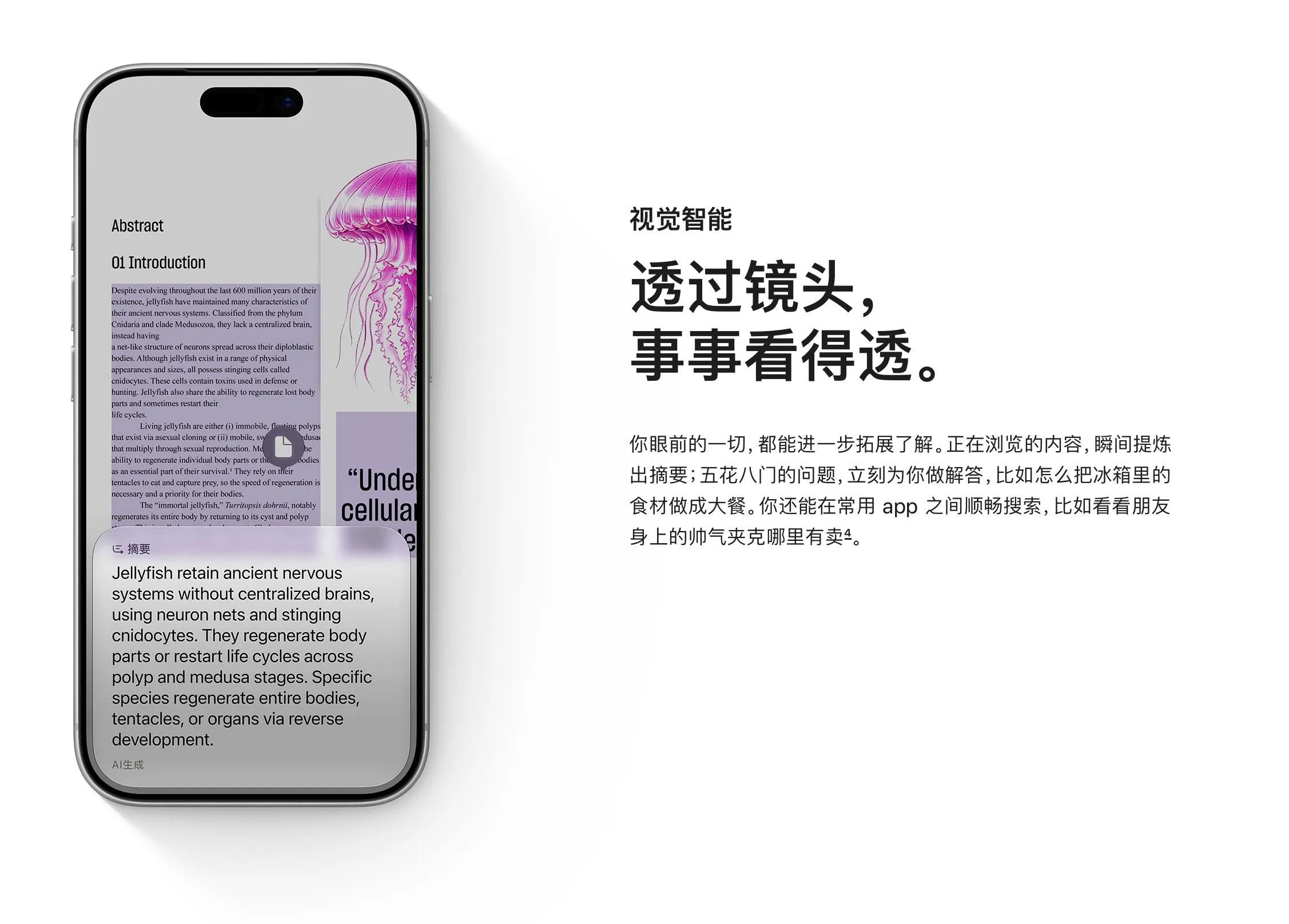
(Image source: Official Apple)
To give a simple example, when users see an unfamiliar restaurant on the street, they can identify the store information through the camera; when they see a product they are interested in, they can directly query relevant materials; when they encounter plants or buildings they do not know, they can also get answers through visual recognition.
However, these functions are not new to domestic users. Functions such as AI image recognition and circle search on Android phones can actually complete similar operations long ago. What Apple hopes to achieve is to allow users to directly activate visual recognition through the body button without opening a certain application first and then finding the corresponding AI function.
If Apple can let AI directly call more system functions and third-party applications in the future, this button will obviously be able to do many more things.
For example, when the user points the camera at a poster, AI can not only identify the event information, but also directly create a calendar reminder; point it at a foreign language menu, it can complete translation and dish introduction; point it at a certain product, it can further query the price and purchase channels.
For Apple, retaining this button now may be to hope that users can develop the habit of calling AI functions through it in advance. Of course, whether these scenarios can be truly realized depends on Apple's subsequent AI capabilities and ecosystem integration, but at least from the perspective of development direction, the potential of the Camera Control button is greater than we imagined.
Apple needs to prove that the camera button is not just a decoration
From the perspective of hardware design, it is indeed reasonable for Apple to integrate the mute function into the Camera Control button. Today, the batteries of flagship mobile phones are getting larger and larger, the imaging modules and heat dissipation systems are becoming more and more complex, and there is almost no extra space inside the body. Every additional physical button needs to consider issues such as internal structure, cable layout and waterproof design. In particular, the current iPhone not only needs to ensure the body strength and waterproof performance, but also try to fit a larger capacity battery. Reducing one independent button can free up some space for internal design more or less.
Moreover, from the perspective of actual usage, although the operation button supports custom functions, for many users, it is still only a mute switch. In contrast, the Camera Control button has integrated multiple operations such as press, light press and swipe, with richer hardware functions. Since Apple has decided to retain this button for a long time, letting it take on the mute switching function by the way is indeed more in line with the idea of streamlined design than continuing to retain two independent buttons. However, it is still difficult to judge how much improvement removing one button can bring to the internal space at present.
But the problem is that the operation requirements of the mute button and the camera button are actually very different.
The most important thing for the mute button is simple operation and clear feedback, so that users can quickly switch the state without looking at the screen. For example, in meetings, watching movies or other occasions that need to keep quiet, users only need to touch the button on the side of the body to complete the operation. However, the Camera Control button has integrated multiple gestures. If mute switching is added to it, Apple must redesign the operation logic to avoid conflicts between different functions.
Especially for old users who are already used to the traditional mute toggle switch, the change of the button position also takes time to adapt. In the past, whether it was the mute toggle switch or the operation button, they were located on the upper left side of the body, and users have formed a fixed operation habit.
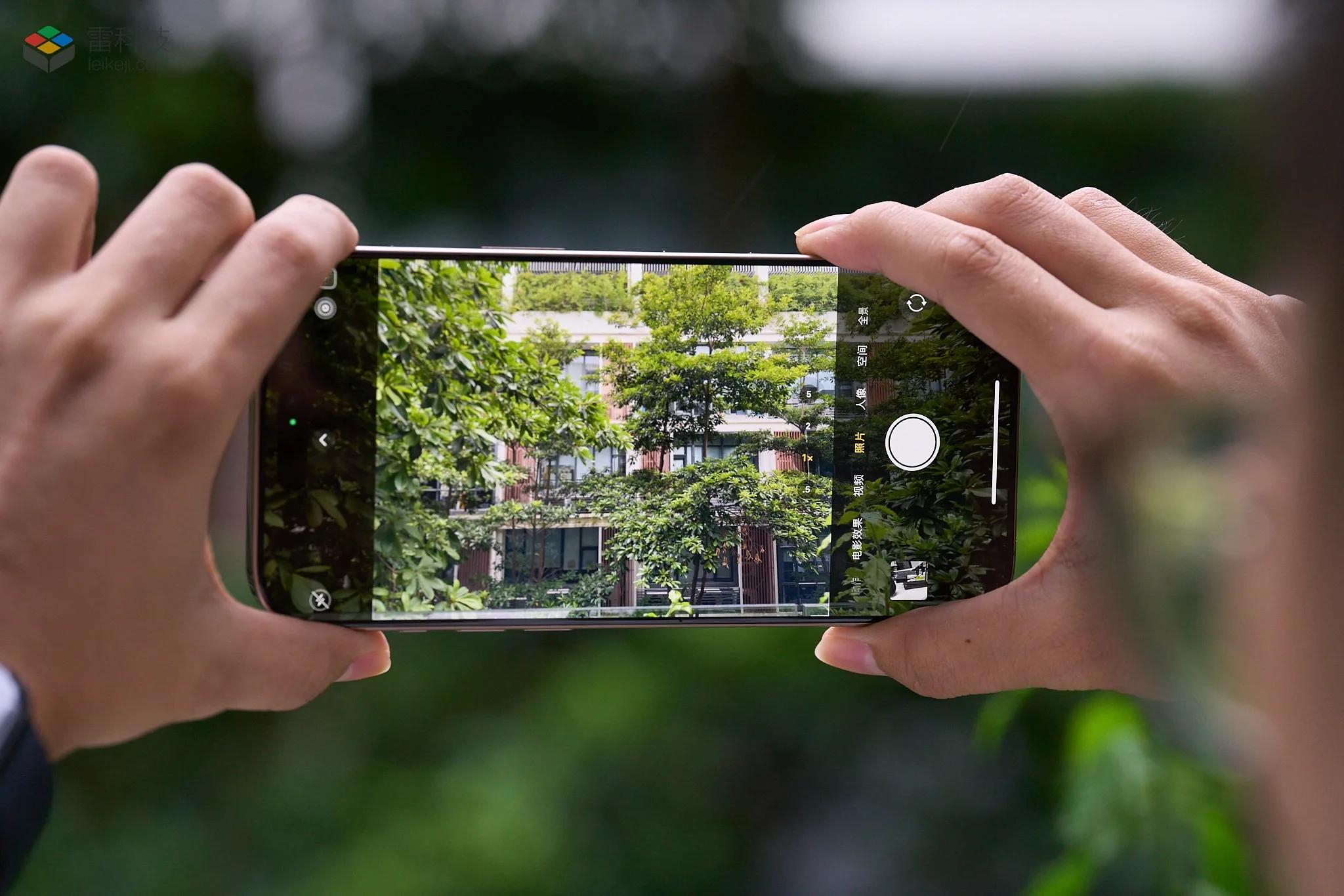
(Image source: Shot by Lei Technology)
Now that the mute function is transferred to the Camera Control button on the right, the operation that used to be completed conveniently may require users to re-familiarize with the operation logic. If Apple still needs to switch mute through combined gestures or multiple presses, the actual experience may not be more convenient than the original operation button.
Not to mention that the Camera Control button itself has a certain problem of accidental touch. Especially when holding the phone horizontally to take photos, users need to control the pressing force to accurately trigger different functions. If mute switching is added, it will inevitably make the operation more complicated. Of course, Apple can also distinguish different functions through long press, combined buttons or system settings, but in this way, the originally simple mute operation becomes a little more complicated.
Lei Technology believes that it is understandable that Apple wants to streamline physical buttons, but the premise is not to sacrifice the original simple and easy-to-use functions. After all, the reason why the mute toggle switch can be retained for more than ten years is that users value it for being convenient and reliable enough.
If after integration, users need to spend more time to complete the mute operation, then this adjustment of Apple may be more harm than good.
Looking back at the development history of the iPhone, Apple has never lacked the courage to remove classic designs. From the 3.5mm headphone jack to the Home button, every adjustment has caused considerable controversy, but Apple has gradually changed users' usage habits through technologies such as wireless headphones and Face ID.
This time, Apple chose to replace the independent mute button with the Camera Control button, which also needs to provide a good enough experience to convince users. Especially when AI visual recognition is gradually popularized, if Apple can make this button really play its role, it may indeed be able to change users' habits of using mobile phones.
But if it can only complete some operations that can be easily realized through touch screen, and even make the originally simple mute switching more troublesome, then such integration will hardly be recognized by users.
After all, what users need is a simple and easy-to-use button, not a button with more and more functions but getting more and more complicated.
This article is from "Lei Technology", published with authorization by 36Kr.