Didn't cassette tapes "die out" long ago? How did they suddenly win the resurrection match out of the blue?
In 2007, large e-commerce retailer Currys announced that it would stop selling cassettes, before which retailers Woolworths and HMV had already announced the discontinuation of cassette sales.
Many media outlets have rung the death knell for cassettes, claiming that "the cassette is dead".
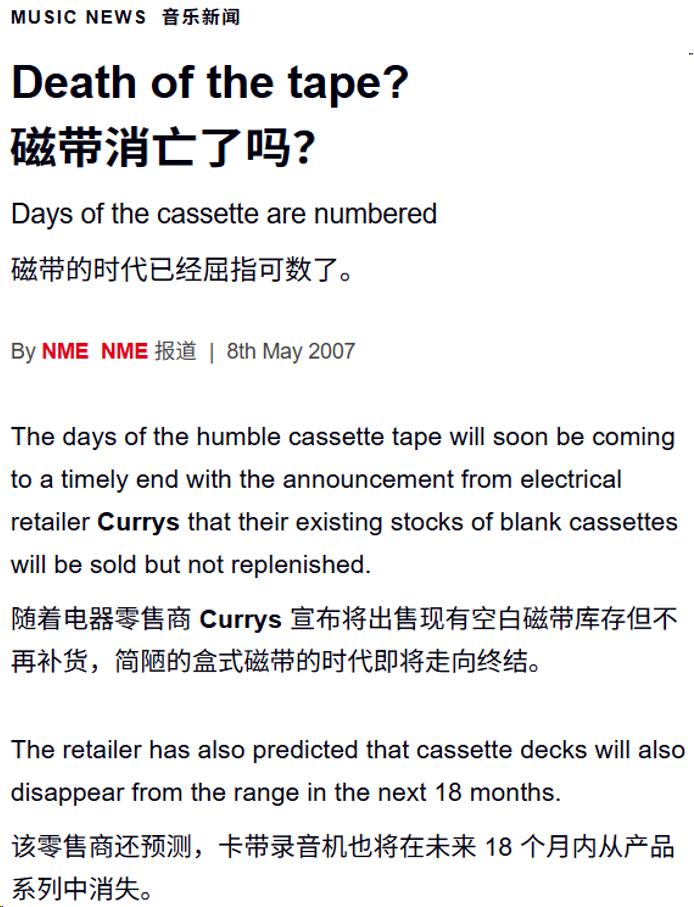
Who could have guessed...
This old item that was sentenced to "death" nearly 20 years ago not only did not die, but also shone brilliantly once again.
Just the other day, Fujifilm announced that it will invest 10 billion yen to expand its existing tape production capacity fivefold. Some data storage companies, such as Quantum in the United States, have also shown off in their financial reports that tape is the most stable growth driver with strong demand.

Many readers may be confused when they see this, thinking about the dusty cassettes at home: how did this "tear of the times" suddenly achieve such great results?
You must be very familiar with tapes.
For the post-80s, post-90s, and even post-00s generations, tapes have almost taken over the entertainment life of an entire generation.
People used tapes for music listening and language learning.

People used all kinds of video tapes to watch movies and record daily life.
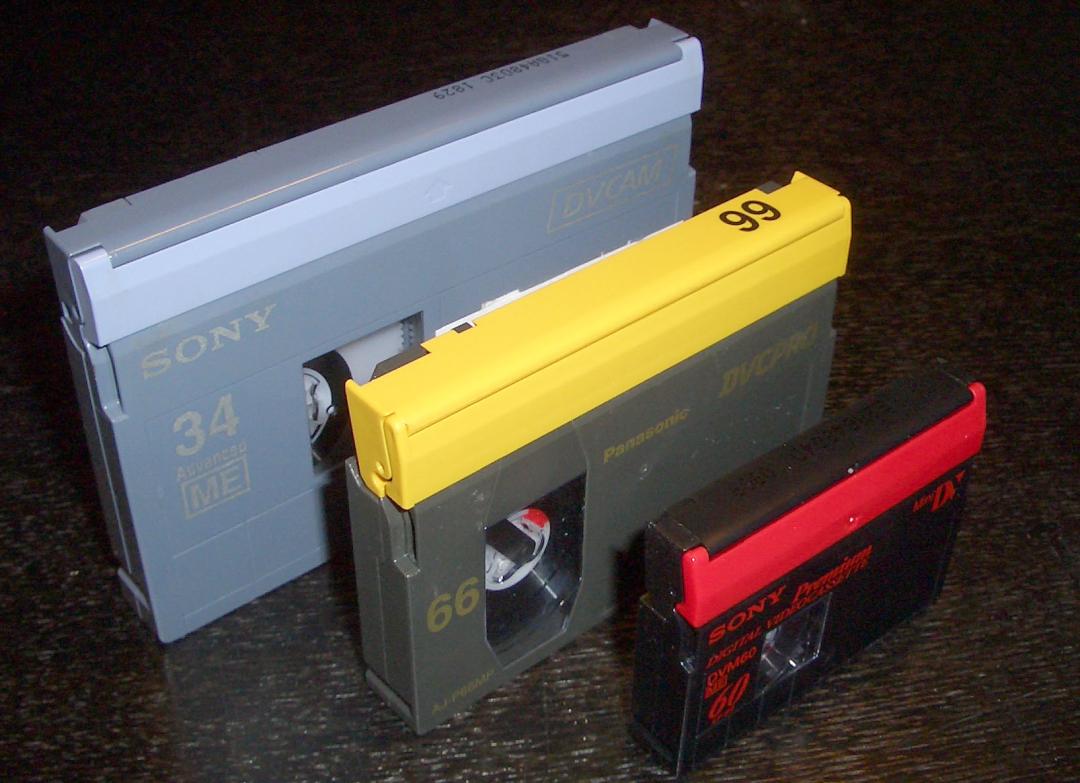
Since it can play music and record videos, it can of course also store data.
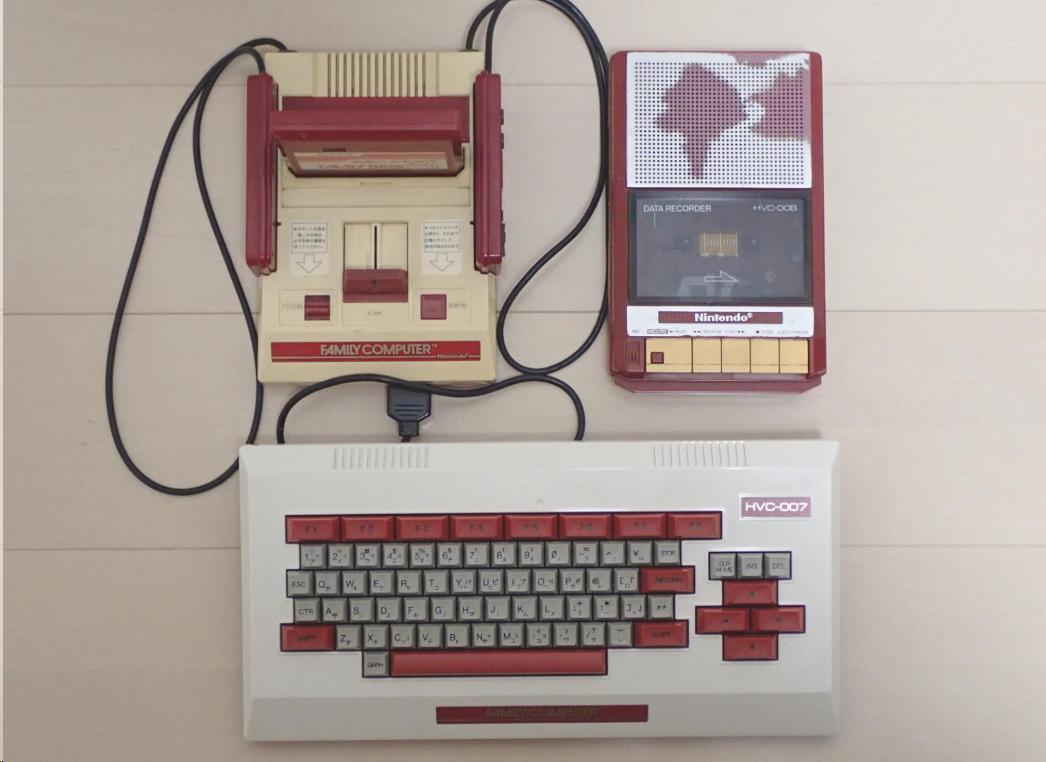
In those years, home computers could load games through cassette tapes, and even save custom game levels written by players themselves.
However, the tapes that people are researching in 2026 are very different from those 20 years ago.
To put it this way, in the era when audio cassettes were popular, a single cassette usually could hold about 10 songs, roughly the content of one music album.
Now, an enterprise-level data tape about the size of a palm may have a capacity of 40 TB.
Moreover, some data is relatively easy to compress. For such data, if you compress it before storage, a single tape can hold up to 100TB of original data, with a maximum nominal transfer rate of 1,000 MB/s (about 1GB/s) after compression.
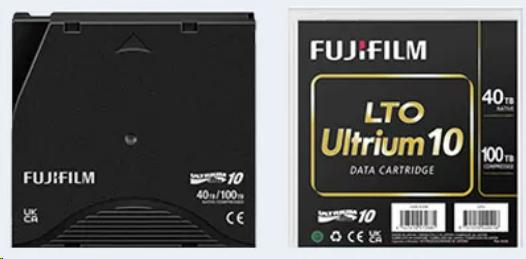
This development result seems somewhat destined by fate.
When tapes were invented, they were mainly used to store sound, commonly seen in places like radio stations. But as early as 1951, this rather advanced storage medium at that time was already used for computer data storage.
At that time, tapes could be called super advanced technology, and a single tape could replace nearly ten thousand punched paper cards...
In 1953, the monthly rent for the IBM 726 dual tape drive was as high as 850 US dollars, while the average monthly salary of American workers in that year was about 262 US dollars.
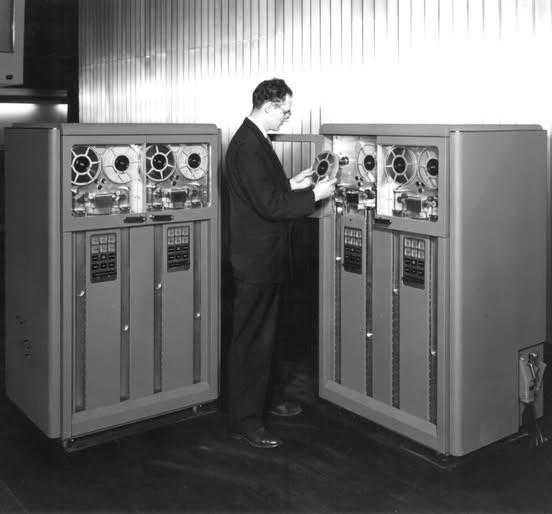
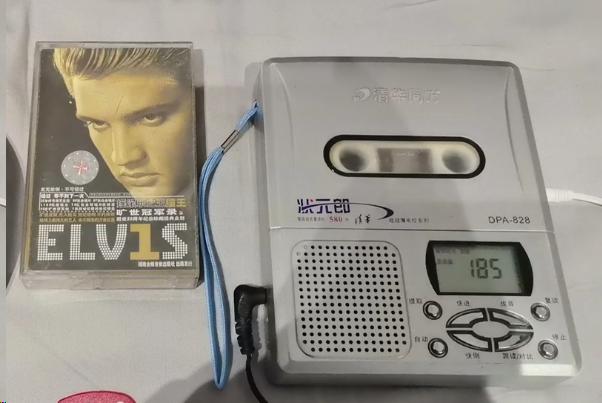
So the tape you think of: an antique from the last century, used for listening to music and learning English, which disappeared together with top student players and BBK repeaters.
The actual tape: well, it just flexibly switched between its main business and side business.
Perhaps tapes never imagined that the small side business they did back then would become so important half a century later.
Storing computer data has higher requirements than storing sound. To be used on computers, problems such as accurate retrieval, high-speed read and write, data error detection and so on must be solved. Moreover, frequent sudden stops also pose a challenge to the physical durability of tapes, so special equipment is required for reading and writing.
As a result, tapes have been continuously improving their capabilities around how to store computer data.
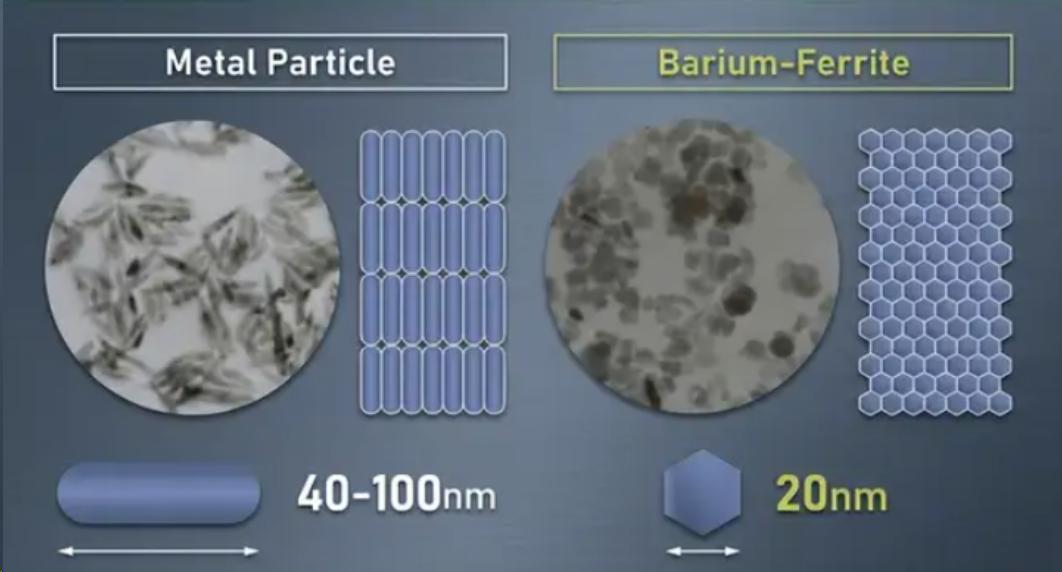
Take magnetic powder as an example. At first it was metal magnetic powder. To hold more information, people kept shrinking the magnetic particles. This is similar to the fact that the smaller you write on a piece of paper of the same size, the more information you can fit.
Well, it seems that every field has such an "impossible triangle"...
In the process of shrinking metal magnetic particles, people have found various problems, such as being more susceptible to interference, more prone to oxidation, less stable, and so on, which eventually lead to data loss. In other words, it is difficult to optimize recording density, writing performance and thermal stability at the same time.
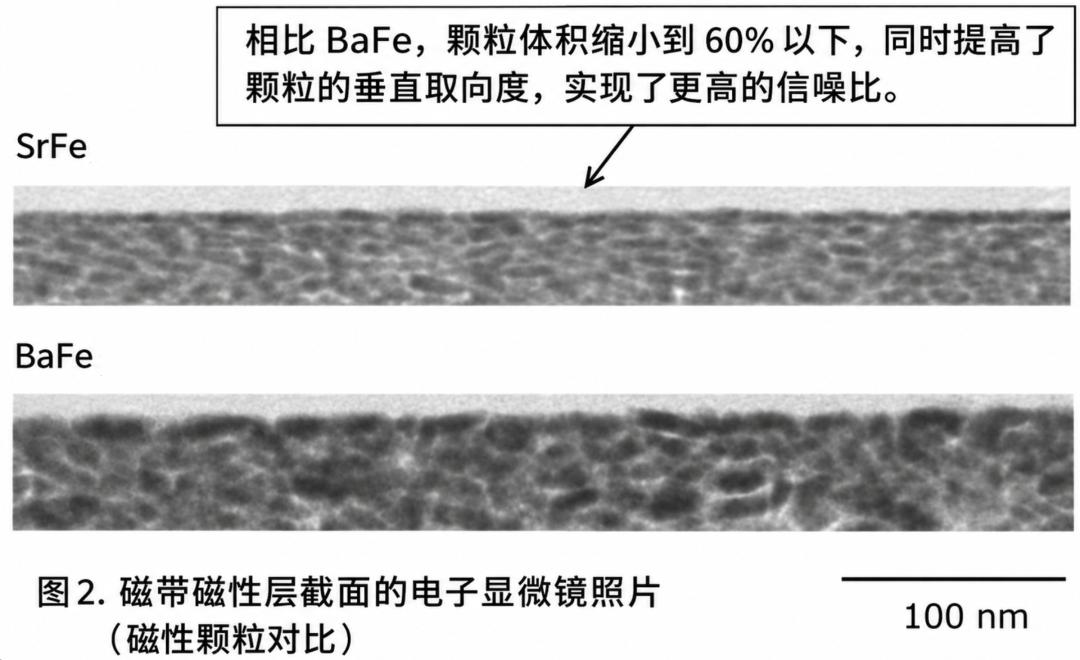
Magnetic particles have been continuously upgraded, from metal particles to barium ferrite (BaFe), then gradually to strontium ferrite (SrFe) and mixed magnetic powder, constantly breaking through the original upper limit of information capacity.
In addition to the particles, the precision and sensitivity of the magnetic head, and whether the servo system can guide the magnetic head to accurately locate the data at high speed are also very important, and these technologies are also constantly upgrading.
So the current tape still looks the same in appearance, but the capacity of a single cartridge has skyrocketed, and the read and write speed is also faster.
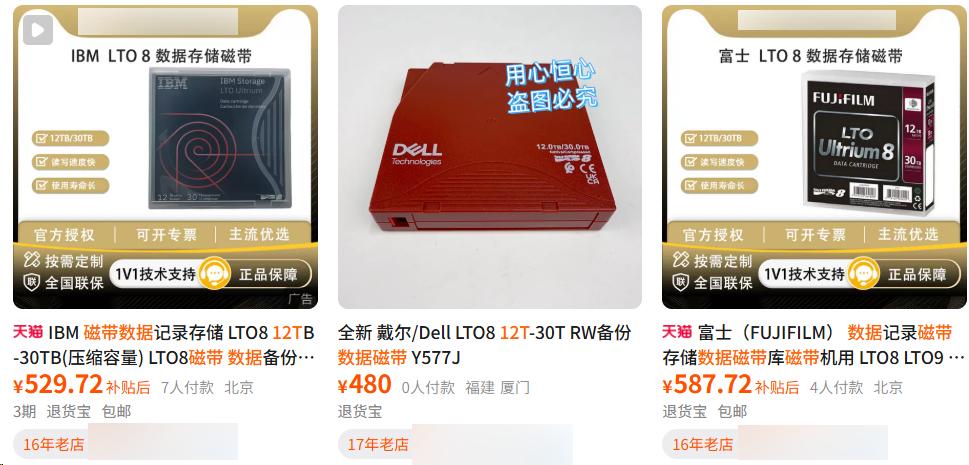
By the way, the current price of a 12TB hard drive is around 2500 yuan, and that money can buy 5 12TB data tapes...
Some people may complain that this thing needs to be equipped with a special machine, right? The total cost would not be cheap then.
That's true, but enterprises usually use it on a large scale, so the cost should be calculated based on the packaged solution, which is still cost-effective after allocation.
Of course, some people may still be confused: although tapes have extremely high cost performance, they are very inconvenient for fast reading and frequent access, right?
But not all data needs to be called at any time. The videos you are watching and the orders you are processing may require the system to read quickly, but the chat records from several years ago, or the surveillance footage from a month ago, may not be opened once for several months or even years.
To balance performance and cost, the storage industry has gradually divided data into three layers: hot, warm and cold. Data that requires fast and frequent access and supports real-time analysis and operation is stored in hot storage, while archived data that is rarely accessed and needs to be retained for a long time is stored in cold storage.
According to IBM Research, cold data with low access frequency accounts for nearly 80% of the world's total data.
The data that humans really need to access frequently is only a very small part.
Now enterprises want to use tapes to store that large amount of infrequently used data.
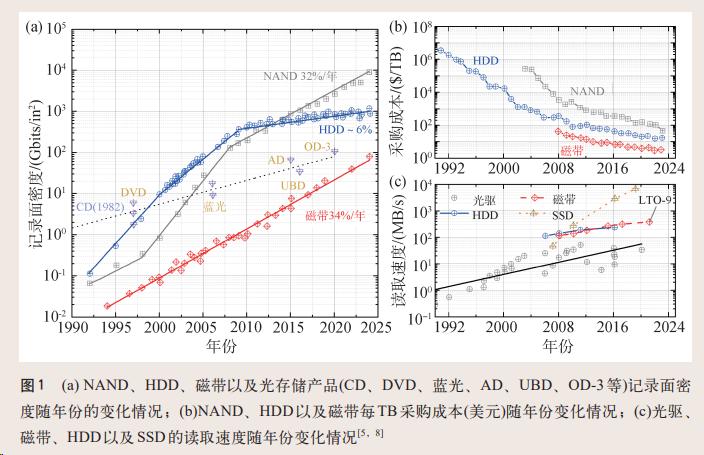
After understanding the current situation of tapes, we can compare it with other storage media.
SSD is too expensive for enterprises that need to store data on a large scale, and it also consumes a lot of power to operate, which is not very environmentally friendly~
HDD is essentially a type of magnetic storage, but the platter of a hard disk is more limited than that of a tape, so the trilemma of magnetic recording it faces is more obvious. In addition, it also consumes a lot of power when running, which is still not very environmentally friendly~
The third player is the optical disc...
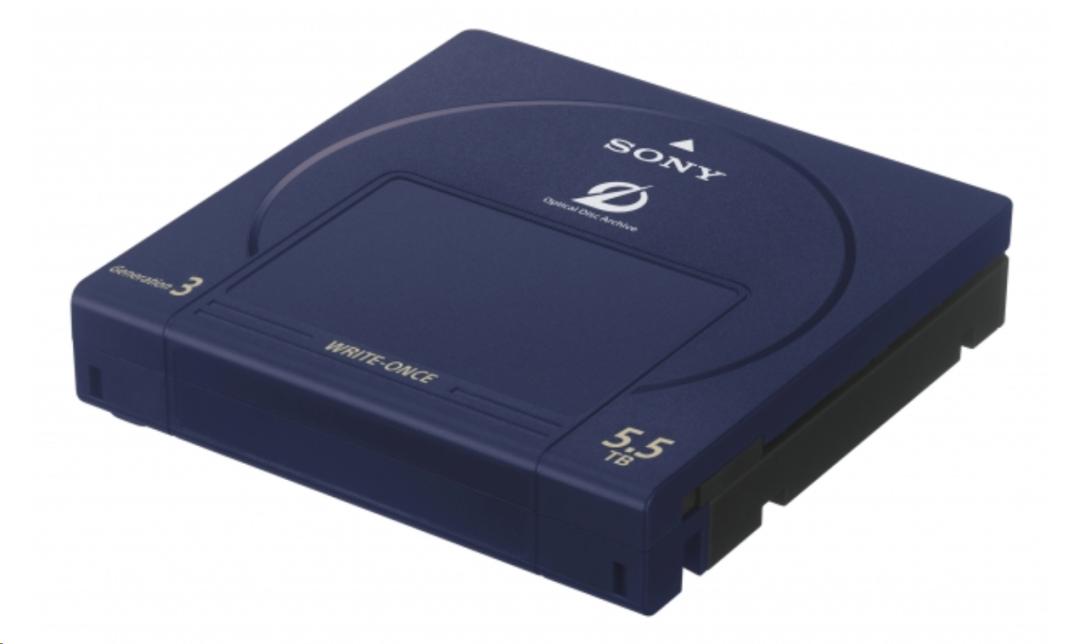
Believe it or not, for a long time, many people were really optimistic about this player, and Sony once made great efforts in this direction.
But unfortunately, optical discs are mostly used in the consumer market, and the supporting facilities for enterprise storage are not as rich as those for tapes. Moreover, under the current optical disc technology, the native capacity of a single disc is not as large as that of a tape.
Facing the demand for ultra-large-scale storage, neither the capacity nor the overall cost can compare with tapes.
In addition to the advantages mentioned above, magnetic tapes also have other strengths.
For example, in 2011, when Google was deploying an update, a software bug occurred that caused a small amount of users' email data to be deleted. The final solution was to find the backup from the tape and restore the data.
There is a passage in the announcement, to sum up the general idea: "Tapes are offline, so they are not affected by such software problems. That is also why data recovery takes a little longer, we spent several hours to complete it instead of a few milliseconds."
Simply put, this thing is stored offline with physical isolation. No matter it is a bug in the update, accidental deletion caused by AI after getting permissions, or a ransomware dropped by hackers into your computer, none of these can affect your tape backup.

In addition, hard drives consume power as long as they are powered on, while tapes consume almost no power when stored offline, and there is no risk of wear and tear caused by long-term operation, etc. All these advantages have made tapes a favorite of many large manufacturers now.
All kinds of advantages have made tapes, an item that is almost in the ranks of antiques, continue to shine in places you can't see...
Judging by the current data storage demand driven by AI, it's hard to say that in the future, the more advanced AI is, the more useful this "ancient" invention will be. No wonder these big manufacturers are ramping up production expansion.
Image and data sources:
https://research.ibm.com/projects/tape-research?utm_source
https://gmail.googleblog.com/2011/02/gmail-back-soon-for-everyone.html
https://irds.ieee.org/images/files/pdf/2023/2023IRDS_MDS.pdf?utm
https://www.ibm.com/history/m