All water purifiers meet the relevant standards when leaving the factory, so why do they turn into "bacteria soup" after being delivered and used at home?
1. The "Elephant in the Room" in the Water Purification Industry
At 8 a.m., you pour a glass of water and drink it directly.
This water purifier just passed the factory inspection last month, with the item of total bacterial count marked as "qualified". However, for the exact same purifier, after being left standing overnight at home, the test result of the outlet water could be completely different.
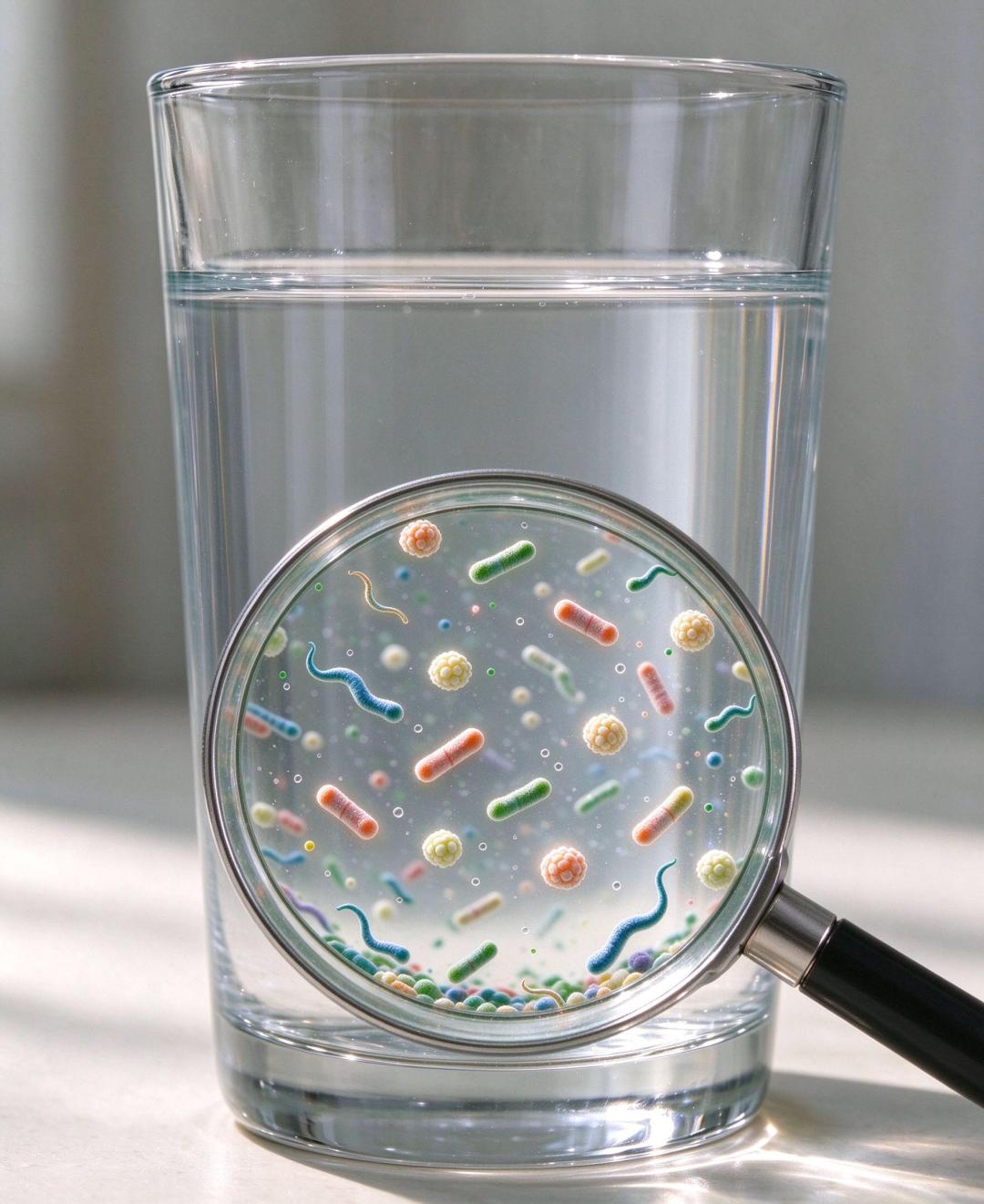
A water purifier costing several thousand yuan may produce filtered water with a higher bacterial content than that of tap water.
This counterintuitive finding is supported by solid data.
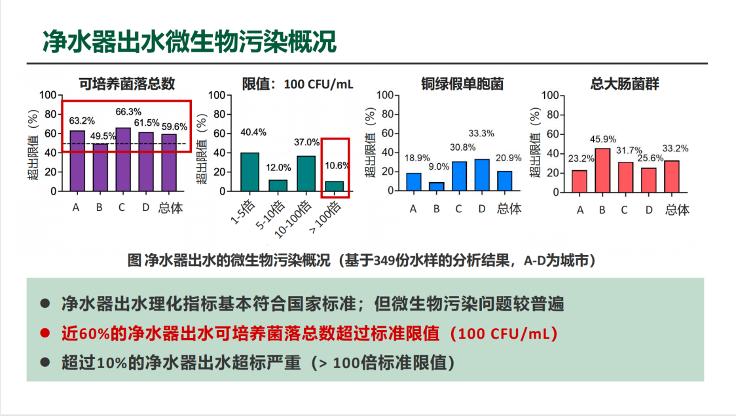
Recently, the Water Treatment Technology and Water Quality Safety Team of the College of the Environment and Ecology of Xiamen University released a survey result: 349 water samples from the outlet of water purifiers of unrestricted brands were tested in four cities including Beijing, Shanghai, Shenzhen and Xiamen. Evaluated in accordance with the "Sanitary Standard for Drinking Water" (GB 5749-2022), 59.6% of the samples exceeded the limit of total bacterial count, and total coliform as well as Pseudomonas aeruginosa, a pathogenic microorganism that should not be contained in drinking water, were detected in some water samples.
In other words, in this survey, nearly 6 out of every 10 water purifiers have outlet water with excessive bacteria. This is not a problem that can be solved by refusing a certain brand or a certain model. Because the survey found that samples of water purifiers of different brands, different service lives and different structural configurations all had cases where the total bacterial count exceeded the limit.
The industry is not unaware of this problem.
A technician who has been engaged in water purification R&D for a long time mentioned that in the past 20 years, papers published by the Centers for Disease Control and Prevention or universities on excessive bacteria in the outlet water of water purifiers have never stopped.
But a more simple question has never been answered: water purifiers are used several times a day, and all items pass the factory inspection, so where do the bacteria come from exactly?
The answer lies in the section behind the RO membrane.
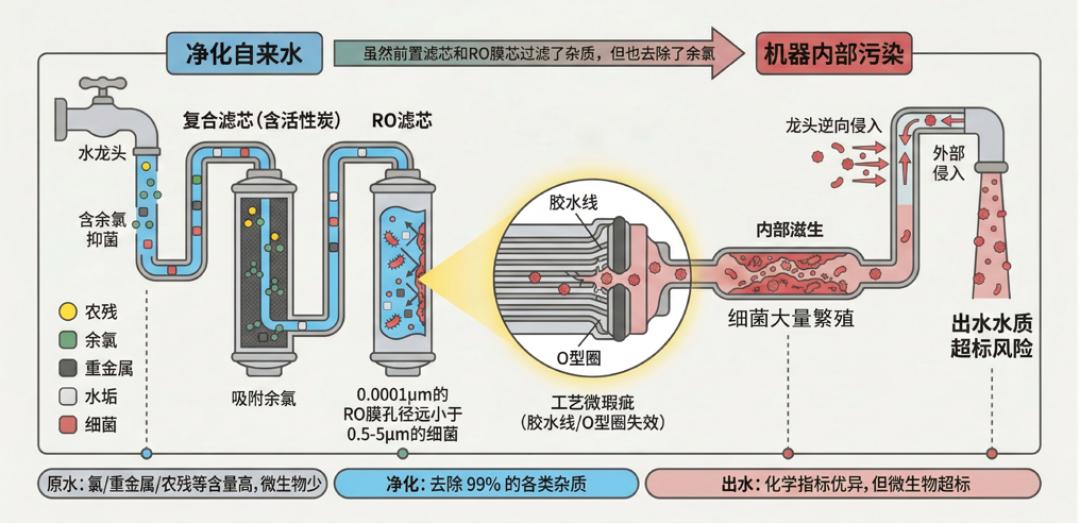
The RO membrane can block heavy metals and bacteria in front of the membrane. But from the back of the membrane to the faucet, the water still needs to pass through pumps, valves, connectors and several meters of pipelines. There is no residual chlorine in this section. Without effective bacteriostatic measures, it may become a hotbed for microbial growth.
What is easier to ignore is that most of the time, the water purifier is actually in a static state.
When you sleep at night or go to work during the day, the water may stay in the pipeline for several hours or even longer. The relatively warm environment under the kitchen cabinet may also provide a suitable temperature for bacterial reproduction.

During the full-day operation cycle of the water purifier, more than 75% of the time the internal water body is in a static or nearly static state.
Without the continuous bacteriostatic effect of residual chlorine, the water stays in the pipeline for a long time. With suitable temperature and sufficient time, the originally clean water circuit may also face the problem of microbial attachment and reproduction.
More critically, this risk may not be exposed in the existing standard tests. The current test mainly assesses the purification performance under specified conditions, while in household use, water often stays inside the machine for several hours. The laboratory verifies whether the water can be filtered clean, but it may not be able to answer whether the filtered water can remain clean continuously.
This means that there may still be a gap between the "qualified" result in the laboratory and every glass of water that consumers actually drink.
2. The Unopened Black Box in the 33 Billion Water Purification Market
Why has a problem that can be confirmed by data not become a priority for the industry to solve?
The market is not short of capital. According to the "Ipsos 2026 Water Health Brand Research Report", in 2025, the market sales of end-point water purifiers (including water purifiers, water purifying dispensers and water dispensers) in China reached 33.48 billion yuan, and the penetration rate of household water purifiers rose from 20% in 2023 to about 30% in 2025. Water purifiers are gradually becoming a daily choice for more families from "optional home appliances", but the growth of the market has not simultaneously promoted the industry's attention to microbial safety.
There are three reasons for this.
First, users cannot see it, nor can they judge it. A previous survey showed that more than 80% of users pay attention to bacterial colony issues when buying water purifiers, but most people lack understanding of the excessive degree, potential impact and prevention methods. Consumers cannot see or measure how many microorganisms are in the water circuit behind the membrane. "When risks cannot be perceived, it is difficult for the market to form pressure to force technological changes," said a R&D personnel who has been engaged in the water purifier industry for many years.
Second, the cost of solving the problem is high, but the market return is not intuitive. To control the microbial risk behind the membrane, it may be necessary to redesign the water circuit, replace materials, introduce multiple bacteria control technologies, and go through long-term verification. This means higher R&D costs and a longer cycle, while consumers can hardly directly perceive the difference as they perceive the water outlet speed and water temperature.
Finally, it is the inertia of industry competition. In the past few years, water purifiers have continuously added new functions: hot water, ice water, mineral water. But compared with these visible and usable functions, bacterial colony control is difficult to be intuitively demonstrated, so it is more difficult to become the focus of market competition.
Users cannot see it, enterprises lack motivation, and market competition is constantly shifting to more easily perceived functions.
In a market where parameters and prices are the main competitive dimensions, it is a rational choice to make a "sufficient" product, and making a "better" product requires additional motivation. This is why the "elephant in the room" can exist for a long time.
3. Completing the Last "Safety Puzzle" of Water Purifiers
From noticing and focusing on the pain point to finding a feasible technical path, 352 has spent almost three years. Now, 352 tries to give a solution in its own way.
In August, 352 released a new product, the C925H All-time Direct Drinking Water Dispenser. Its core change is not the improvement of parameters, but the shift from relying only on RO filtration for sterilization to "active intervention" on the pipeline behind the RO membrane.
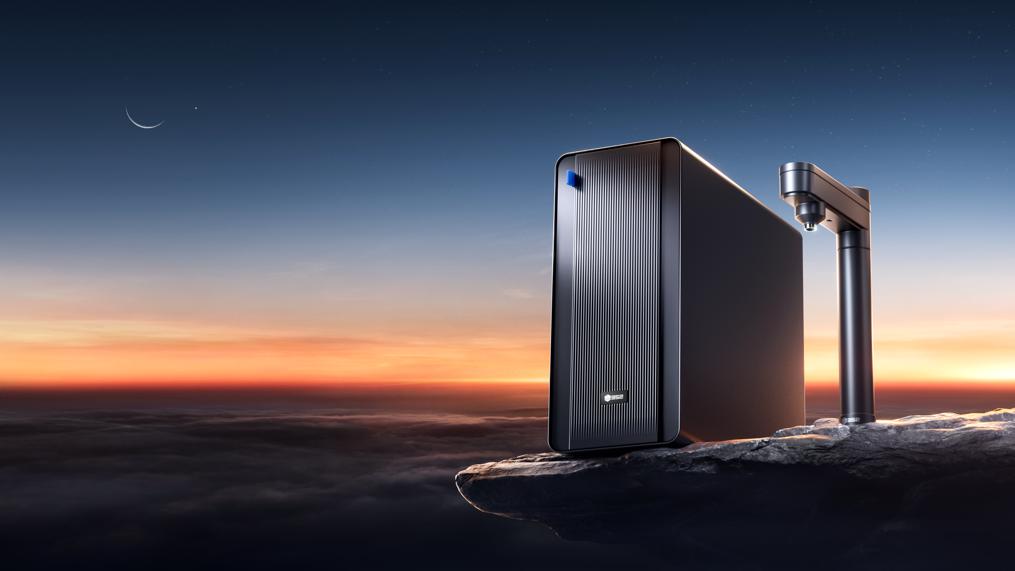
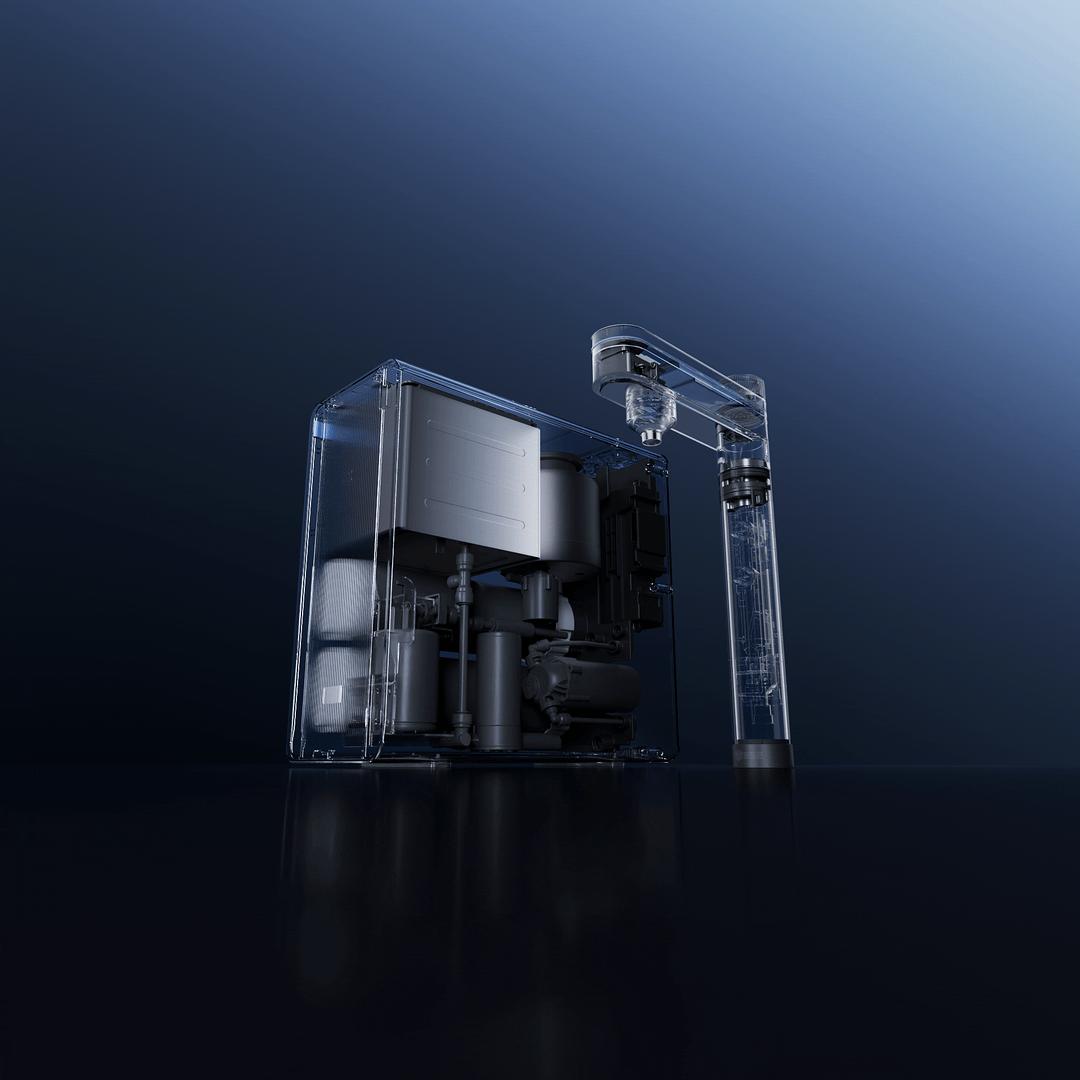
The technicians of 352 Water Purifier introduced the design logic of this ASC All-time Cruise Self-cleaning System in an interview: A single technology cannot cover the microbial growth risk of the entire water circuit behind the RO membrane. Therefore, 352 adopts the method of multi-technology coordination and complementary advantages to carry out segmented protection for different links from the RO membrane to the water outlet faucet.
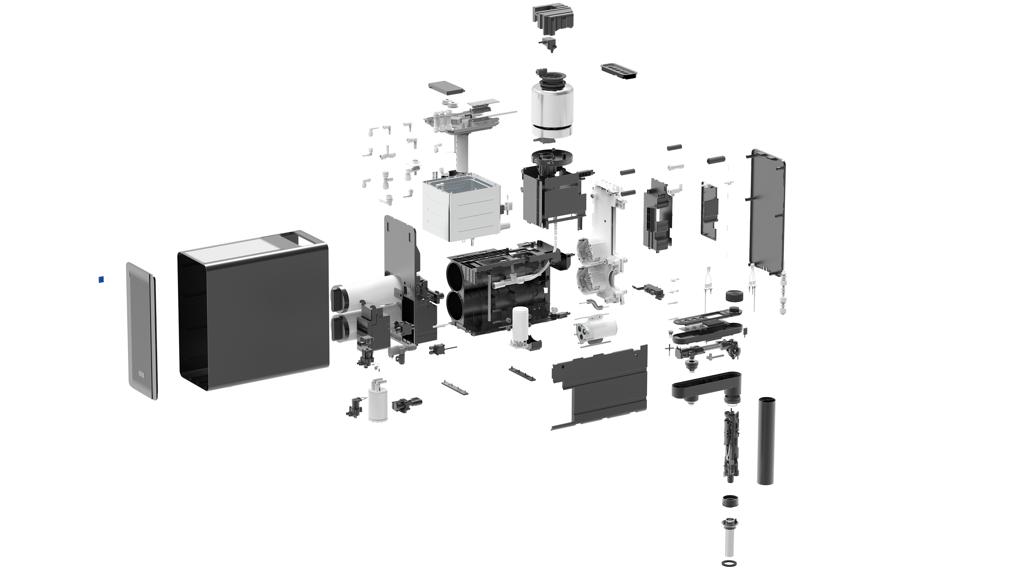
C925H Product Exploded View
The first section is the water storage link. The pure water filtered by the RO membrane will first enter a 304 stainless steel water tank. The use of stainless steel can reduce the release of substances available for microorganisms from the material into the water, and reduce the risk of bacterial growth. It is worth noting that the interior of the water tank also adopts a "gushing spring" hydrodynamic design, with a built-in stirring rod, which can keep the water flowing continuously instead of being static. Combined with the alternating irradiation of dual UVC lamp beads with a power of 40mW (the industry usually only uses 5-10mW), the bacterial colonies in the water storage space are always in a controlled state.
The second section is the water delivery link. In the pipeline between the water tank and the water outlet faucet, 352 sets a PES capsule filter element with a pore size of 0.45 microns, which is used to physically intercept bacteria that may exist in the water. The reason for choosing PES material is that it has good high temperature resistance, can withstand periodic hot water scouring, and maintain the stability of the membrane structure and interception performance at the same time.
The third section is the end of the water outlet. There is still a small distance between the PES membrane and the water outlet of the faucet, and 352 uses 80℃ hot water cruise to carry out pasteurization on the pipeline, so that the high-temperature hot flow can wash and scald to kill the bacteria on the pipe wall.
In addition, considering the possibility of external bacteria invasion, a normally closed one-way valve is innovatively installed at the end of the faucet, which will automatically close when no water is used, and can physically isolate aerosols and bacteria in the humid environment of the kitchen sink from reverse invasion.
Fortunately, the final result did not disappoint 352. It can be seen from the test data that: according to the national standard test method, the C925H is 100% up to standard; according to the test simulating the real household use scenario, after standing for 24 hours, 48 hours, or even 72 hours simulating a small holiday, the total bacterial count of the outlet water is always controlled within 50 CFU/mL.
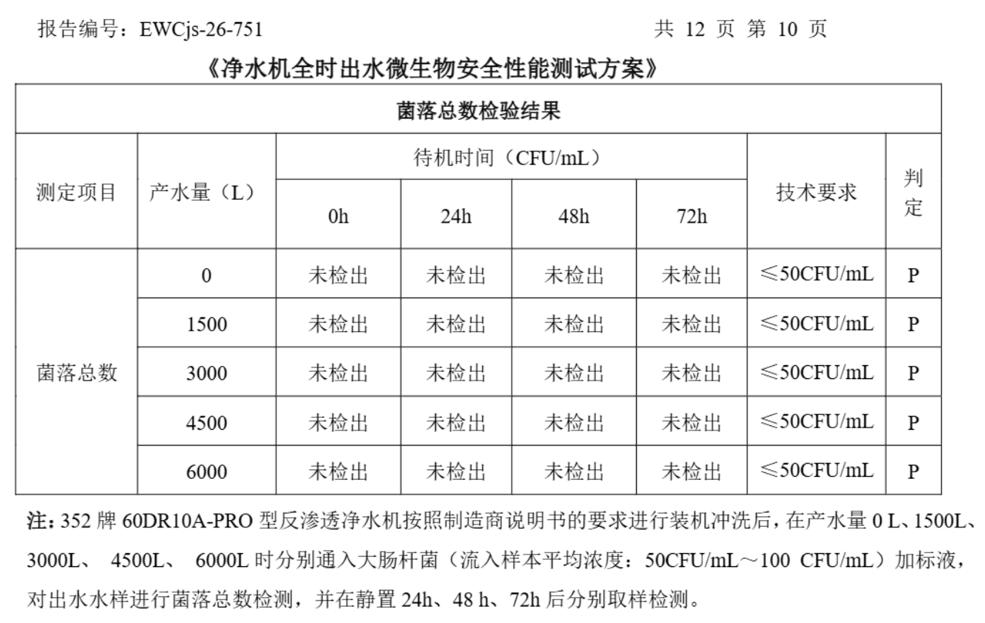
"This is not a difference in magnitude, but a difference in nature," the technician of 352 Water Purifier emphasized. The cleanliness pursued by the C925H means that no matter when you turn on the faucet, the water you get meets the direct drinking standard.
4. From "Water Purification" to "Direct Drinking"
From "water purification" to "direct drinking", how far does the industry still have to go?
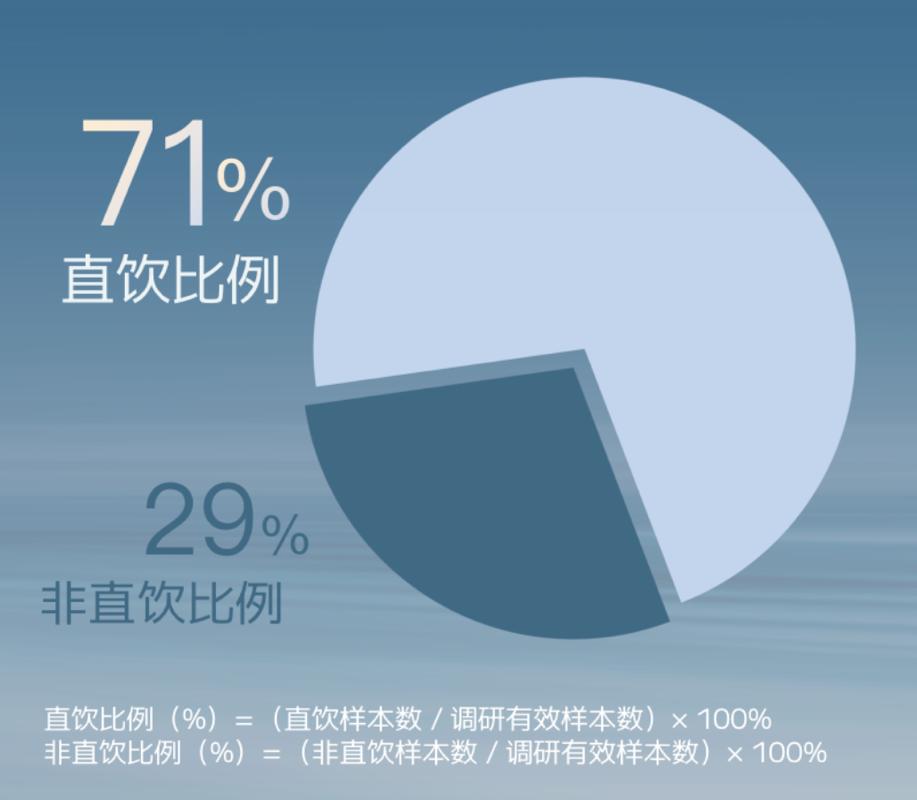
Drinking the outlet water of water purifiers directly is becoming a daily habit of more and more consumers. The survey data from Xiamen University shows that 71% of the surveyed users tend to drink the outlet water of water purifiers directly, and the demand for direct drinking has gradually become an important consideration for consumers to choose water purifiers.
Relevant experts on water purifiers believe that the biggest difference between water purification and direct drinking is that the water purifier completes its work once the filtration is finished, while the direct drinking water dispenser needs to be responsible for the safety of outlet water at all times.
This means that it is necessary for the industry to re-standardize the technical standards of "direct drinking".
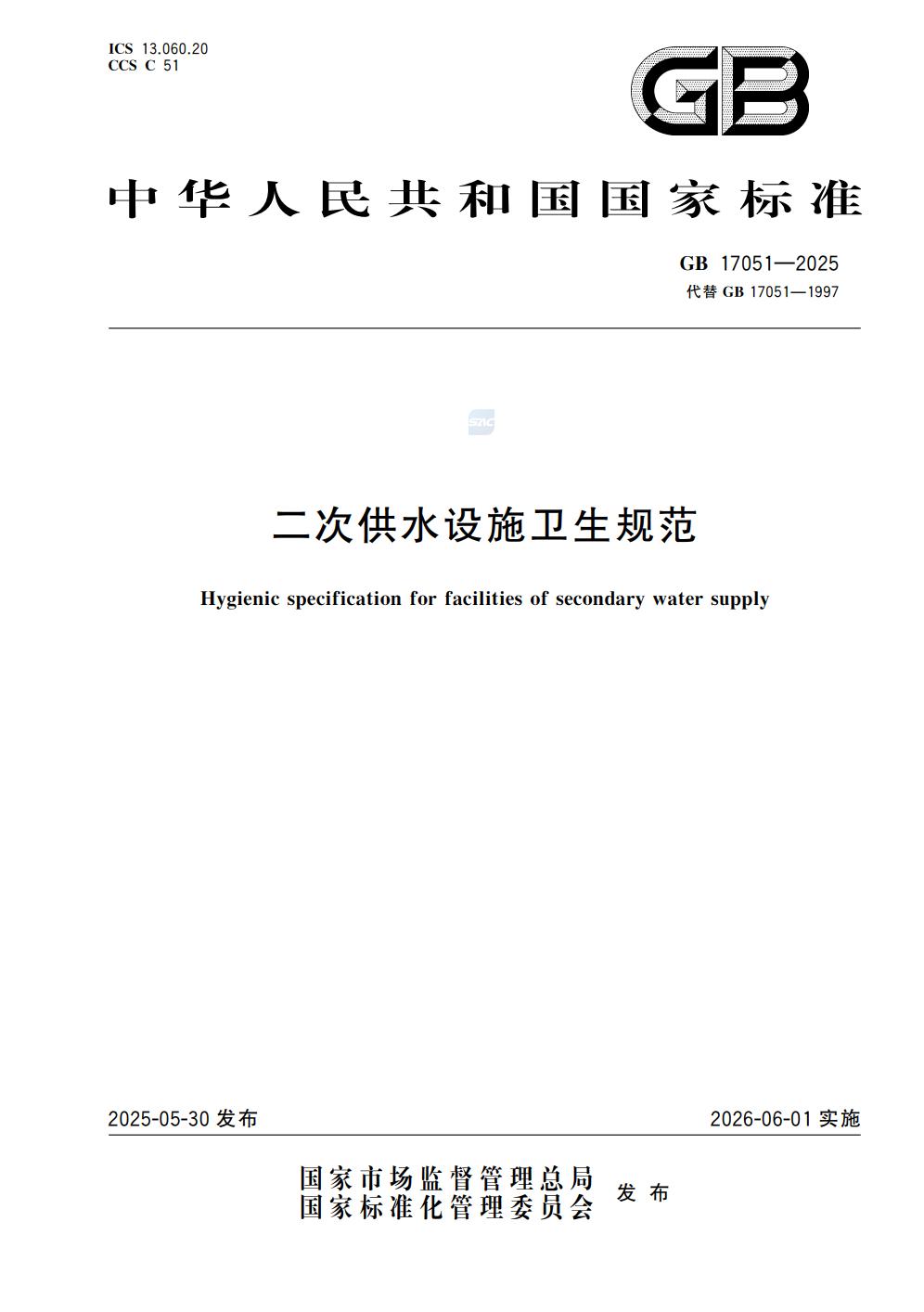
The industry trend is moving in this direction. In June this year, the "Water Supply Regulations" and the new national standard "Hygienic Specification for Secondary Water Supply Facilities" (GB 17051-2025) were officially implemented, which comprehensively raised the threshold for secondary water supply hygiene control.
With the support of policies, end-point direct drinking equipment has become the core direction of technological upgrading in the water purification industry. The 2026 working conference of the Drinking Water Appliance Committee of the China Household Electrical Appliances Association pointed out that consumer demand is upgrading from basic purification to health, intelligence and whole-house application.
352 is also working hard to promote the improvement of relevant industry standards.
"We hope to establish a brand new dimension for the testing method of water purifiers. Taking the actual scenario as a reference, take samples for testing after standing for 24 hours, 48 hours, and 72 hours," the technician of 352 further revealed. At present, the group standard "Microbial Safety Performance of Full-time Outlet Water of Water Purifiers"