The biggest challenge facing AI glasses and earphones is making users unable to live without them.
Relying solely on access to large language models, it is extremely difficult for AI glasses and AI earbuds to support a new round of hardware premium. Features including recognition, translation, transcription and question-answering are becoming increasingly accessible: they are available on smartphones, and can also be accessed on old devices via updates. Manufacturers are eager to seize the next-generation AI entry point, while consumers face very practical decisions: existing devices can already perform these tasks, so how much hassle can an extra piece of hardware actually save them?
This threshold is far harder to cross than simply adding a string of AI functions to a product. Glasses and earbuds must first find their own position in a complete task, and then prove that this position is worth long-term wearing, charging and payment. After the function demonstration ends, the product truly begins to compete with the user's existing usage habits.
The market has sent signals worthy of in-depth analysis. According to Counterpoint's statistics, global shipments of AI glasses in the first half of 2026 increased by 263% year on year, among which non-display products accounted for 96%; in the non-display segment, Meta took 94% of the shipment share. There is already a clear leading player in the glasses industry. The more worthy question to ask next is what kind of experience supports the growth of such products, and how much independent value AI can derive from it.
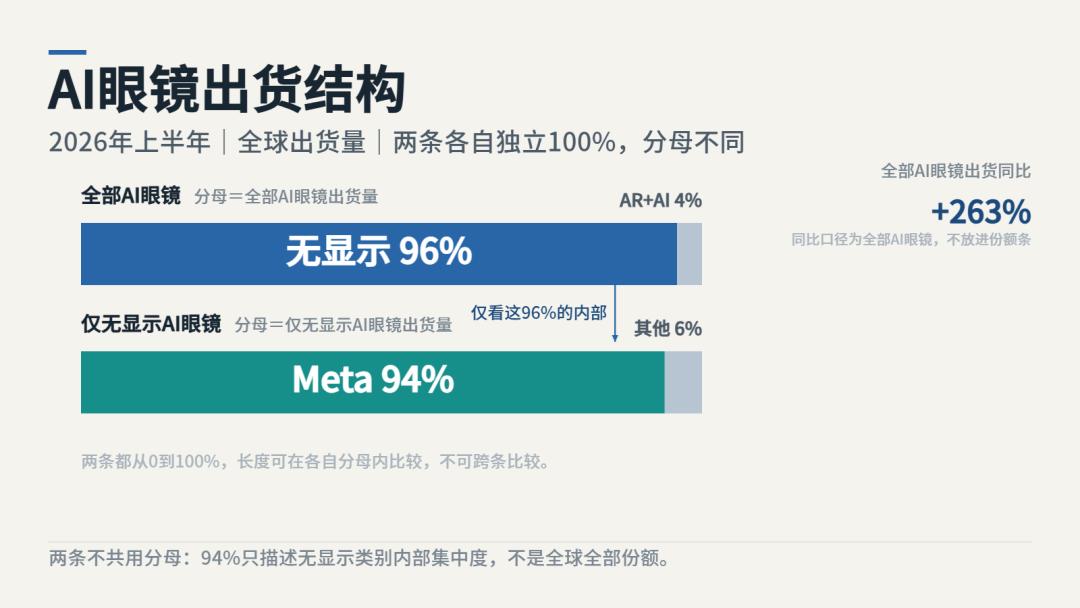
Figure 1 Shipment Structure of AI Glasses
Basic Functions Still Serve as Core Purchase Drivers
When Meta launched Ray-Ban Meta Audio in September this year, one piece of information was more notable than the newly added model: audio has been the most popular feature of its glasses from the very beginning. The new product further adopts a camera-free form, focusing on open audio listening, calls and voice interaction.
This product tradeoff brings the discussion of "AI entry point" back to the core of wearing experience itself. Consumers can enjoy the sound experience brought by glasses, or need hands-free shooting; these demands are enough to support part of purchases, and do not necessarily wait for an almighty assistant. Brand, frame design, comfort and daily functions still determine whether users are willing to wear an electronic device on their faces.
AI adds an extra layer of capability, but also an extra layer of competition. A question-answering function can appear in glasses, earbuds, smartphones and computers, and model upgrades may cover multiple devices at the same time. The easier it is for manufacturers to access similar capabilities, the harder it is to differentiate products solely by the name of the model.
Earbuds already provide a direct example. Apple's real-time translation covers older products such as AirPods Pro 2 and AirPods 4 with active noise cancellation. In supported regions, it can be used with compatible iPhones, systems and firmware. The new function is not limited to the latest generation of earbuds. Apple also notes that real-time translation with AirPods is currently not available in Chinese mainland.
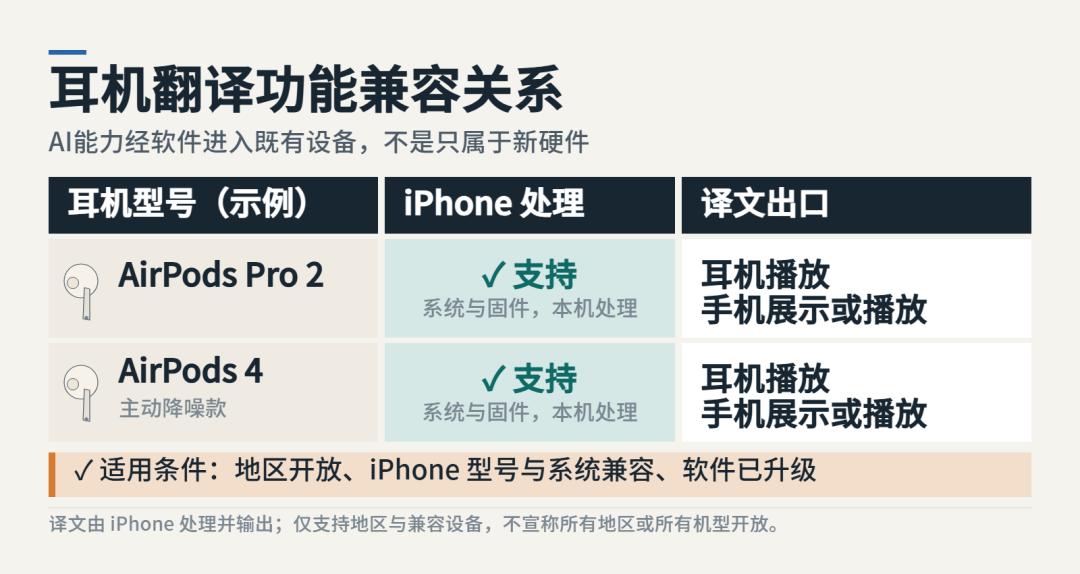
Figure 2 Compatibility Relationship of Earbud Translation Function
In regions where the service has been launched, for users with compatible devices, this is an addition of software capability; for manufacturers preparing to sell "new-generation AI earbuds", the situation is more severe. Since users' existing earbuds can also support translation, new products must additionally prove their advantages in sound pickup, operation or the complete process. The widespread availability of AI functions will instead shorten the validity period of "first-time AI support" as a purchase reason.
As a result, new hardware faces two rounds of comparison. First, compare the wearing experience and basic functions with ordinary glasses and earbuds, then compare AI tasks with smartphones and existing devices. The former determines whether users can accept the product, while the latter determines how much extra price and usage frequency AI can bring. The competitors of AI earbuds already include a single smartphone system update. The leading edge gained solely by "first-time AI support" may be erased before the next generation of products is released.
Accurate Translation Is Not Enough, Seamless Conversation Support Is Also Required
In regions where services have been launched, real-time translation best illustrates this gap. Its demand is clear and the demonstration is intuitive, but it is also the easiest to mistake "successfully translating a sentence" for "completing a communication".
AirPods adopts a division of labor between the smartphone and the earbuds: after the language model is downloaded to the iPhone, the translation processing is completed on the smartphone, and the translated text is played through the earbuds. The earbuds provide sound output close to the user, so that the wearer does not have to keep staring at the screen. This part of convenience is valid.
When the communication continues, the smartphone still undertakes important tasks. When the other party does not have the corresponding earbuds, the wearer's answer needs to be displayed as text or played as translation through the iPhone; when the environment is noisy, it may also be necessary to hold the smartphone close to the other party for sound pickup. The device conditions of both parties directly determine how many operations this round of conversation requires.
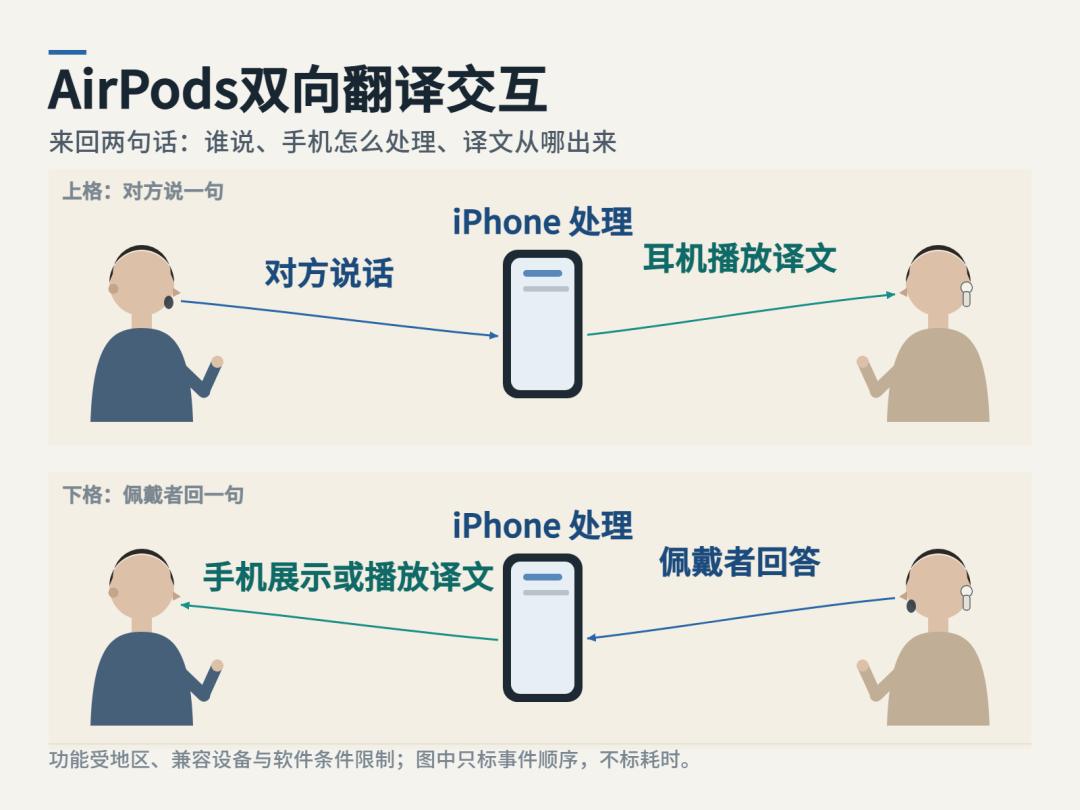
Figure 3 Two-Way Translation Interaction of AirPods
Macworld conducted a German-English conversation test in December 2025. The testers spoke highly of the accuracy of the translation, but the waiting time during communication increased significantly: after listening to the other party finish speaking, wait for translation, then answer, and then let the smartphone generate and play the reply. In this test, being able to understand the language and maintaining the natural rhythm of conversation showed completely different results.
Conversation is also constrained by another set of conditions: how long the other party is willing to wait, whether they know the system is still processing, and whether the two people will speak at the same time. Even if every sentence is translated correctly, frequent waiting and mutual interruption will still make it difficult to continue the communication. The product must let both parties know when to speak, when to listen, and how to continue the conversation after an error.
The hardware form can improve this process, but it must be implemented in specific actions. Earbuds let the translated text go directly into the ears, while glasses with displays let the text enter the field of vision; if the conversation still requires frequent taking out of the smartphone, selection and playback, part of the operations only changes the order. The additional convenience brought by the new device needs to exceed the extra burden of wearing and management it brings.
People who frequently work across languages care about whether they can finish a whole topic in one continuous conversation; occasional travelers will measure whether the existing functions on their smartphones are sufficient. If translation-focused products can significantly reduce the operations required for conversation, they will have their own market. But packaging occasional demands as an all-weather entry point for all users will extend the product promise to the most difficult part to fulfill.
Meeting Minutes Are Only Intermediate Output of Work
Office scenarios put forward higher requirements. Earbuds can continuously receive sound, but they easily stop their work at "recording, transcribing into text, and generating summaries". For users, after a meeting minute is generated, the work is usually not finished.
The meeting decisions about who will execute the task and when to deliver often need to be entered into the task and schedule systems that the team already uses. When subsequent discussions change the arrangement, the original records must still be accessible. If users are still responsible for copying, sorting and re-entering information, the device only saves the recording time, and the subsequent information flow is still undertaken by humans.
This requires the model to work together with business systems. The model can organize language, while the business system masters projects, contacts, permissions and progress. To turn a verbal arrangement into an executable task, it must establish connections with these existing information. After the earbuds capture the sound, they also need to send the arrangement to the correct location through background services.
The Cleer H1, developed in cooperation with DingTalk, chooses to connect recordings and meeting minutes to the office platform. The earbuds provide offline recording, call recording, transcription, translation and meeting minutes generation, and integrate with functions such as DingTalk Meeting. This gives the information a clear destination, and also makes the product start to rely on the joint operation of hardware and the existing office environment.
In the same new product launch, Cleer also introduced another path: cooperating with Songhang OPC, connecting to OpenClaw execution devices through local computing terminals, and providing pre-installed skills and custom skill calls. The newly added value link here is to continue to send voice commands to systems that can execute tasks.
Both types of cooperation show that earbud manufacturers are starting to supplement their capabilities after information collection. The former uses the office platform to receive information, while the latter uses the execution environment to receive commands. After sending the sound to the large language model, there are still links such as accounts, permissions, target devices and application operations that need to be processed, which earbuds themselves cannot handle alone.
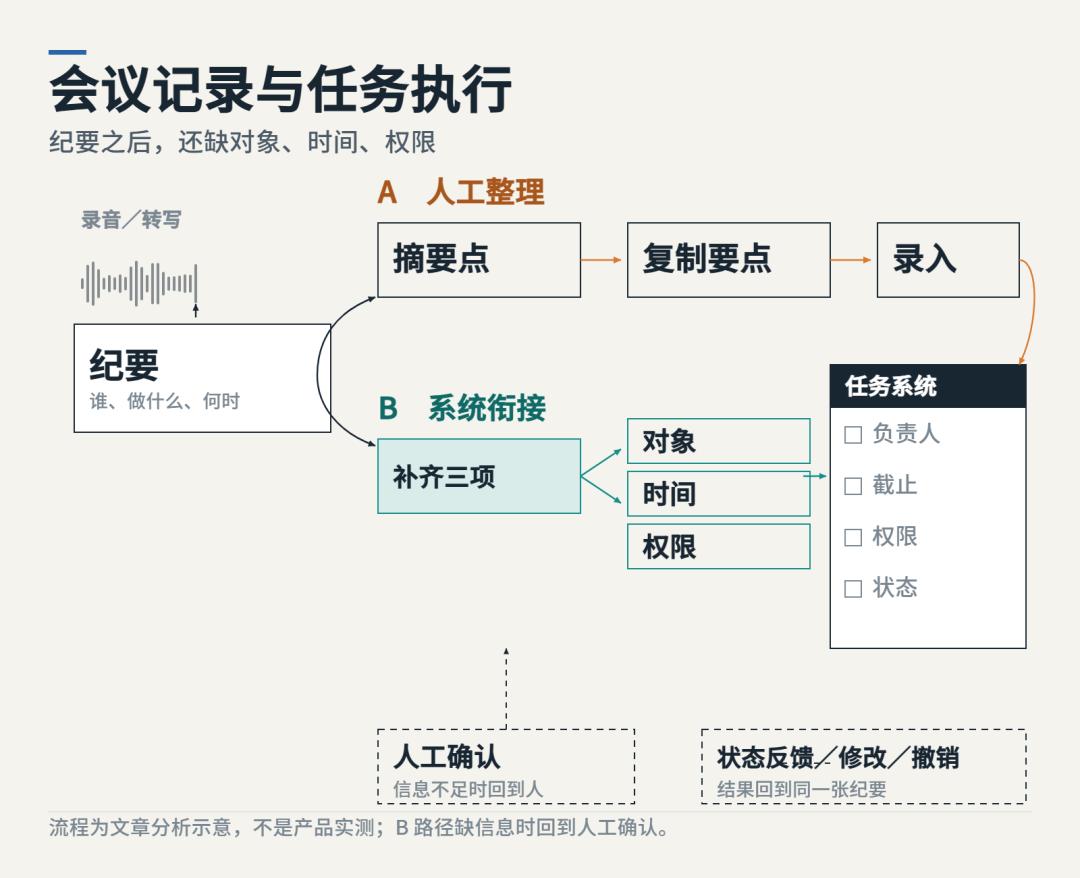
Figure 4 Meeting Recording and Task Execution
This also increases the difficulty of product acceptance. It is relatively easy to check whether a summary can be generated; to verify whether the arrangement is correctly sent to the work system, it is necessary to confirm the recipient, time, content and permissions at the same time. The closer the task is to actual execution, the more specific the consequences of errors will be, and the more users need to see the completion status clearly, and be able to modify or revoke the task.
A voice entry point that only announces "completed" cannot replace these feedbacks. Glasses and earbuds do not have the sufficient display and operation space that smartphones have, so manufacturers must decide which confirmations stay on the device, which are transferred back to the smartphone, and whether this back-and-forth process is still worthwhile. After the model starts to perform tasks, the work of interaction design becomes even more.
Services Behind the Entry Point Determine Competitive Position
The competition between AI glasses and earbuds is extending backward along these specific obstacles. The front end is responsible for obtaining information and receiving commands, while the back end is responsible for understanding context, calling services and returning results. How many links a hardware brand can master will affect what experience it can provide, and also affect how much value it can obtain.
Apple can add translation capabilities to its existing earbuds, because the smartphone system, model processing and device connection are all in the same product ecosystem. To achieve a similar complete experience, independent audio brands usually need to cooperate with smartphone applications, models or service platforms. The workload and control scope faced by the two types of manufacturers are not the same.
According to estimates from materials jointly released by Futuresource and audio platform company Bragi, the integration project of a custom AI voice assistant may require an investment of 400,000 to 1.5 million US dollars, with main difficulties focusing on the connection of chips, firmware, brand applications and cloud services. For hardware manufacturers, this is a work that extends to after-sales: system updates, account changes and service adjustments may all affect sold products.
Cooperation can reduce redundant development, but product differentiation will also be affected by the cooperation mode. When multiple devices access similar models and services, audio performance, wearing experience and connection experience are still important; if brands want to build stronger user relationships through AI, they need to master the complete experience of a specific task and accumulate product capabilities corresponding to the scenario.
Services will also change the hardware accounting. For functions using cloud inference, computing and operating costs will still occur after the product is sold. How long a single hardware revenue needs to cover usage, which capabilities are provided with the device, and which require separate payment, will all be included in the manufacturer's operation arrangement. The more frequently AI is used, the more real the service burden becomes.
This pushes "daily use value" to the forefront of revenue. Only when users are willing to pay for services that continuously solve problems can manufacturers more easily afford long-term updates and call fees; if AI is mainly used for occasional trial, subscriptions and renewals will lack support. Making AI part of high-frequency tasks is not only related to whether the device will be left unused, but also related to whether this hardware business can operate sustainably in the long run.
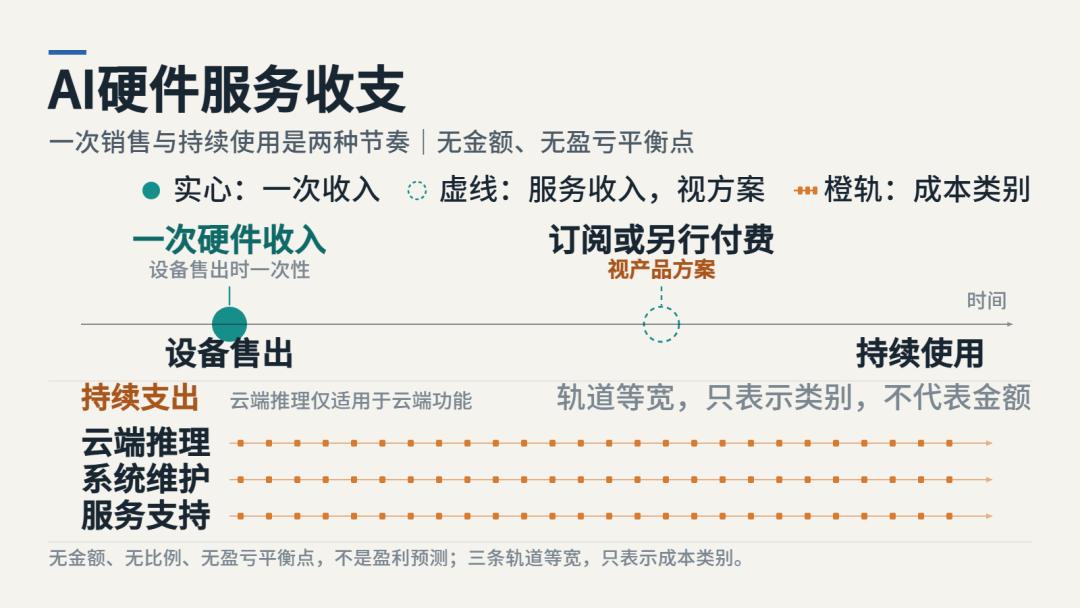
Figure 5 Revenue and Expenditure of AI Hardware Services
Meta is also continuing to push forward on the service side. In September this year, it announced that it would bring its personal AI agent Muse to glasses, with directions including connecting to services such as schedules and shopping. This access plan shows that even with a leading position in the glasses market, relying solely on visual and audio capabilities is not enough to fulfill its expectations for an AI assistant.
Translation devices need to make a whole round of conversation smooth, office earbuds need to make records flow into subsequent work, and consumer glasses need to reduce the operations that originally need to be completed on smartphones. These specific tasks determine why users keep the device, and also determine who has the ability to collect subsequent service fees.
The competition for AI entry points must ultimately stand up to one test: what will users lose if they switch back to ordinary devices. If the work that has been handed over to AI has to be taken over manually again, AI has independent value; if there is just one less place to wake up the large language model, the hardware premium will lack support. The more widespread general-purpose models become, the smaller the space left for new hardware that only adds an extra microphone and speaker to the large language model.
This article is from the WeChat official account "Feng Wei Feng Dabai", author: Feng Dabai, published by 36Kr with authorization.