In the viral hit *Armed into the Song Dynasty*, AI has found audiences who love it.
A few kilometers away, a general patrolling on the Song Dynasty city wall watches vigilantly for incoming arrows, but he is eventually knocked down — he cannot defend against bullets.
In a historical costume drama, such a plot would seem absurd, but if you are told that this story follows modern special forces soldiers who travel back to the Song Dynasty with all their weapons and equipment, it makes far more sense. This is *Bringing Arms to the Song Dynasty*, the production that is trending on hot search lists today.
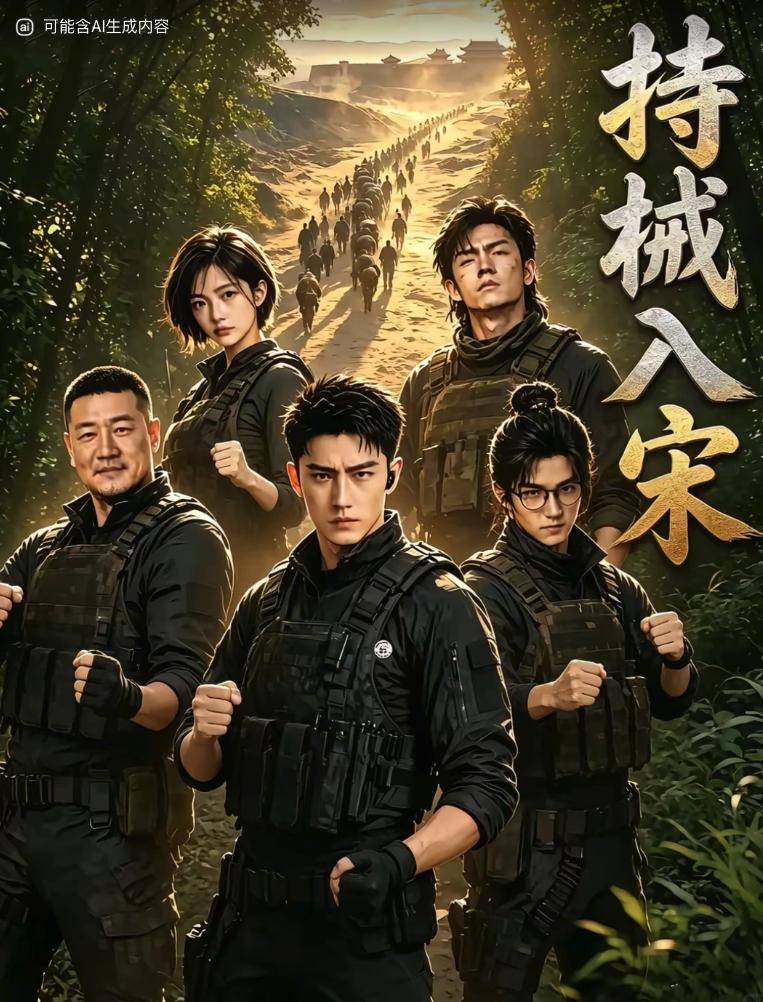
Every character and frame of *Bringing Arms to the Song Dynasty* is AI-generated. As of November 6, its total views across all platforms have exceeded 120 billion. It has currently released roughly ten seasons, with 100 episodes per season, adding up to a total of 1000 episodes.
Its core platform, Red Fruit Short Drama, has also achieved remarkable results recently. According to October 2026 data from QuestMobile, Red Fruit Free Short Drama has around 430 million monthly active users, while Doubao has around 419 million, and the term "ByteDance Era" has been circulating on social media.
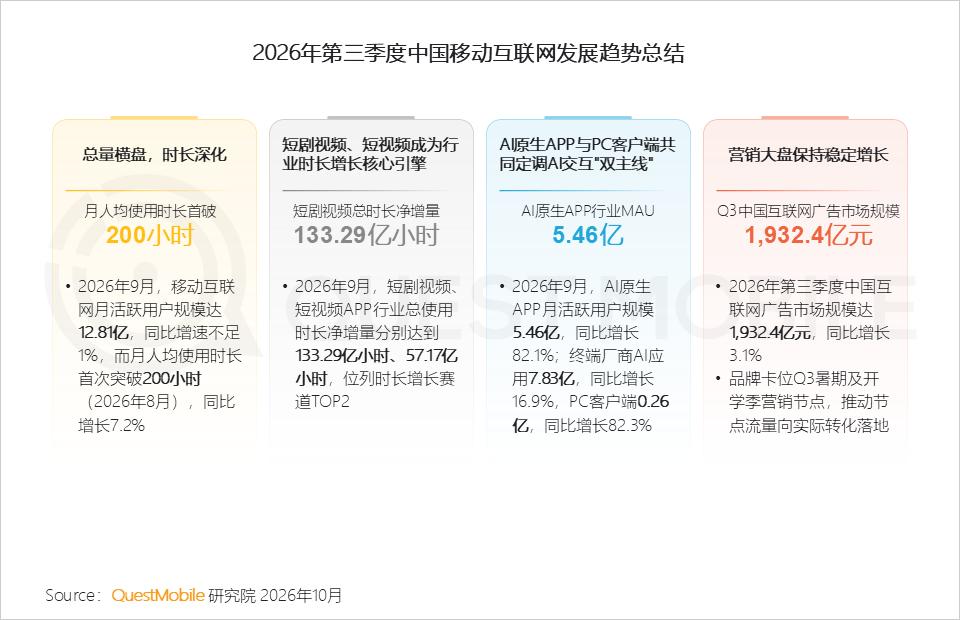
Comparison of user sizes of Douyin's apps: in September 2026, Red Fruit Free Short Drama had 430 million users, and Doubao had 419 million. Image source: QuestMobile
With a total of 1000 episodes, *Bringing Arms to the Song Dynasty* stands out from the stereotype of short dramas that "can be finished in less than an hour", but it is also not a feature-length film that audiences sit down to watch in one go.
1000 episodes sound like an endless long drama, but in reality, each episode of *Bringing Arms to the Song Dynasty* lasts less than two minutes. The show's profile marks the total runtime of the first season at roughly 2 hours and 34 minutes, which is the length of a feature film. For actual viewing, it is split into 100 segments that viewers can start and pause at any time.
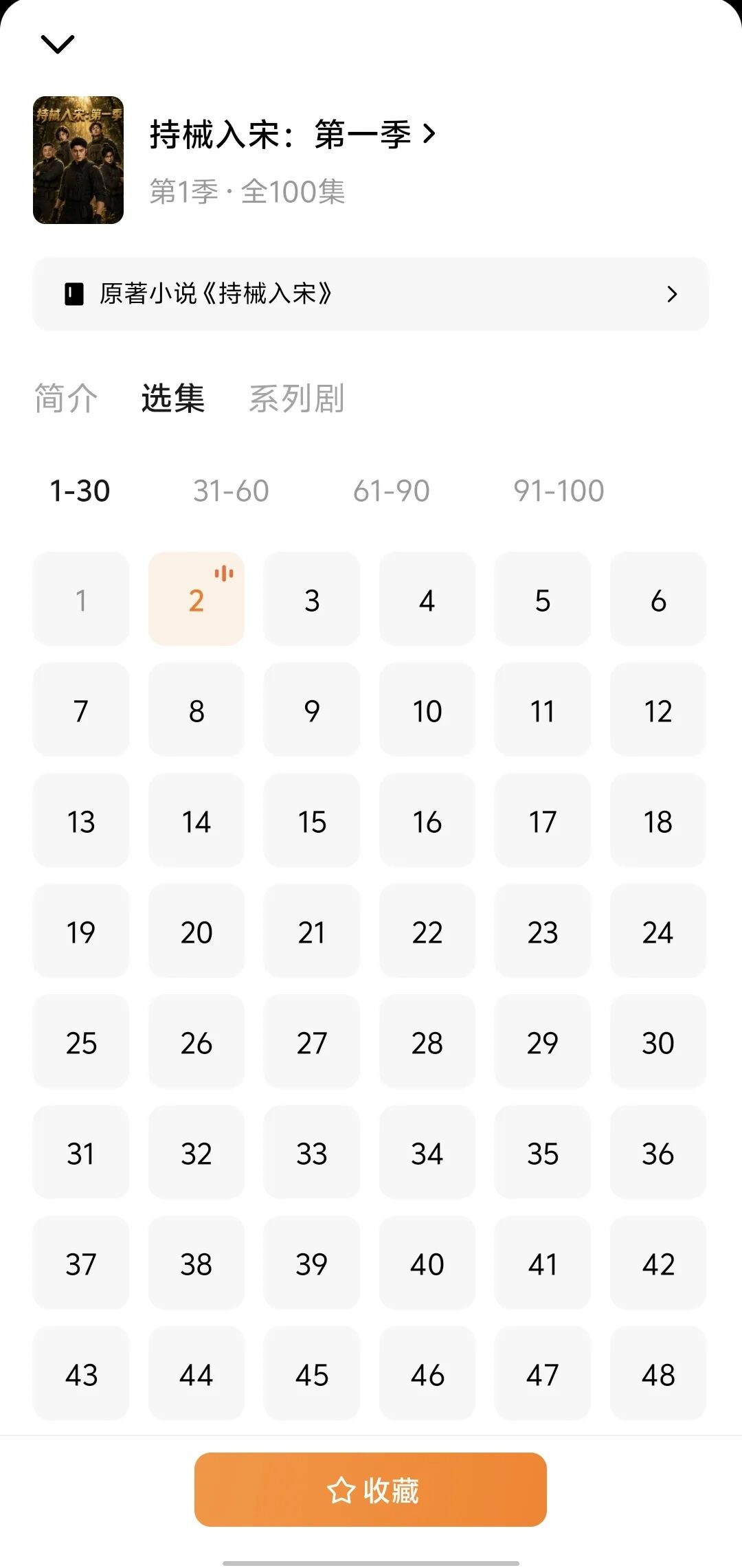
The compatibility between AI and short dramas has reached an unprecedented level of synergy in this production.
Even AI dramas are divided into different SKUs?
Statistics from the DataEye Research Institute show that a total of 500 AI dramas and manhua dramas appeared on the Red Fruit chart in September this year, 460 of which are 3D manhua dramas, accounting for 92%; only 38 are hyper-realistic human dramas, accounting for 7.6%. In terms of the number of entries on the chart and total popularity, 3D manhua dramas hold an absolute advantage.
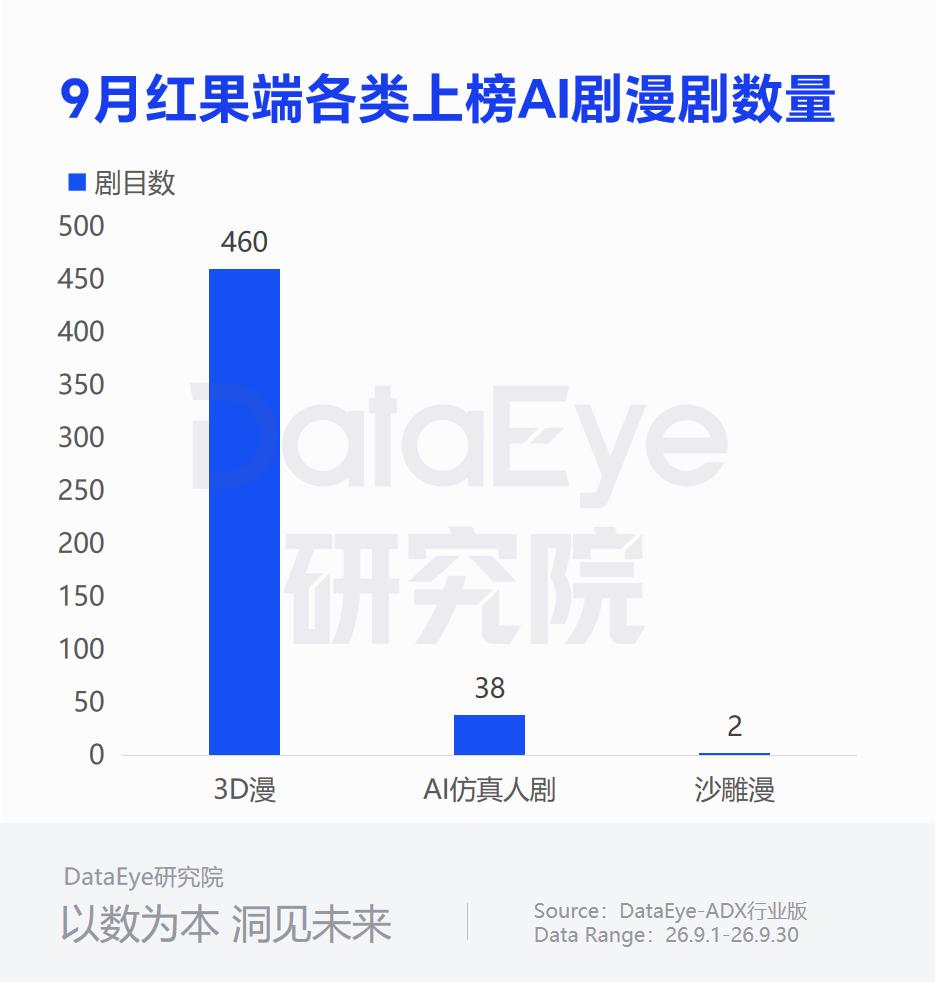
Image source: DataEye Research Institute
However, the breakout success of *Bringing Arms to the Song Dynasty* in the same period proves that hyper-realistic human dramas are not an unworkable path for AI drama production. Why did the production team choose hyper-realistic human visuals instead of the 3D manhua style that is far more common on Red Fruit?
The answer may first lie in the story itself. A large number of 3D manhua dramas on the Red Fruit chart are set in fantasy, immortal cultivation and otherworldly backgrounds, where characters and scenes do not need to follow the rules of the real world, and 3D characters, exaggerated movements and spectacular visuals fit perfectly with such themes.
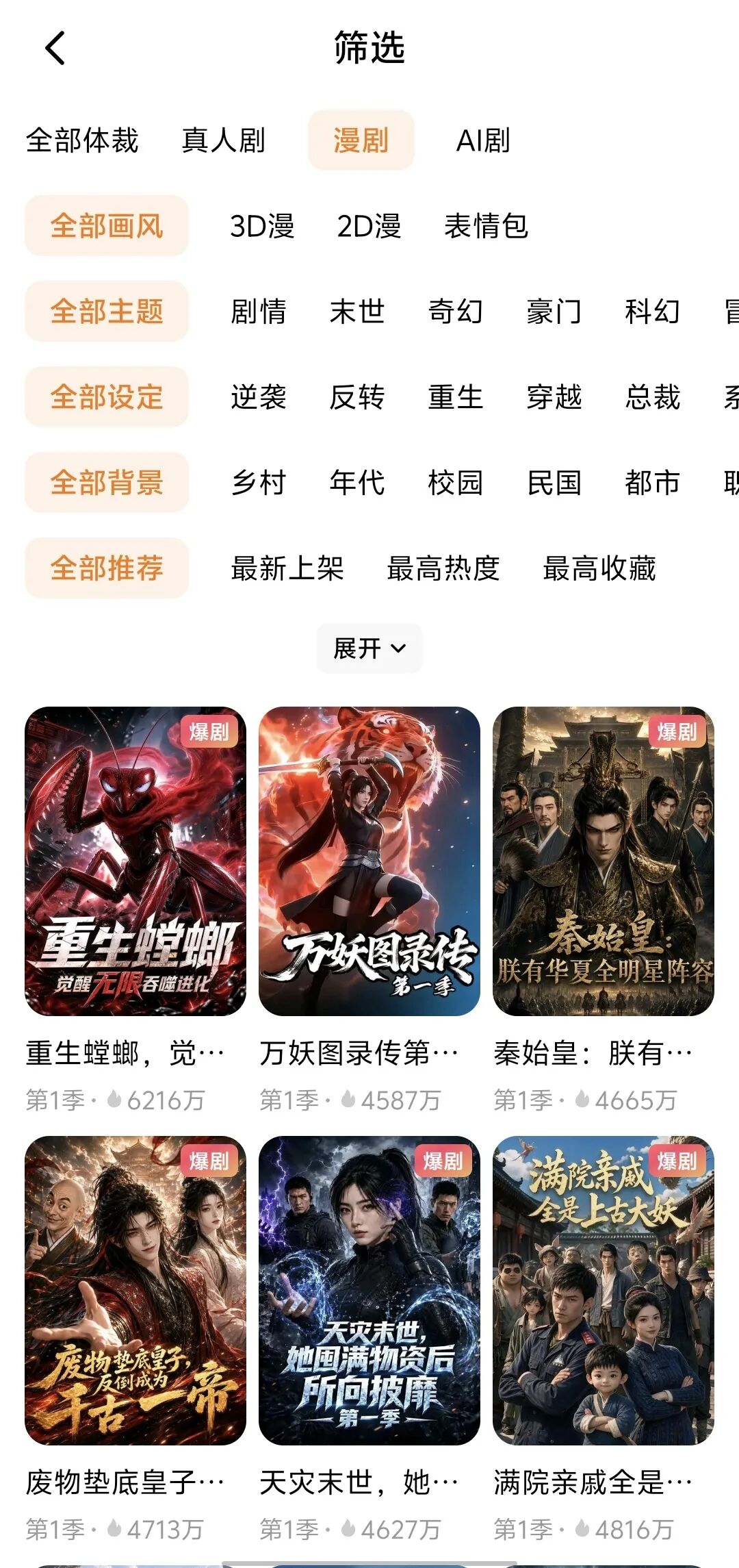
The manhua drama category on Red Fruit Short Drama
*Bringing Arms to the Song Dynasty* is different. It tells the story of a modern squad that travels back to the end of the Northern Song Dynasty, starting from village construction, military training and weapon manufacturing, and gradually getting involved in larger-scale wars.
Although the story is fictional, the characters move in a world made up of villages, military camps, battlefields and official circles. Hyper-realistic human visuals can draw on the audience's visual experience of historical dramas and war dramas, making these scenes and character relationships easier to understand.
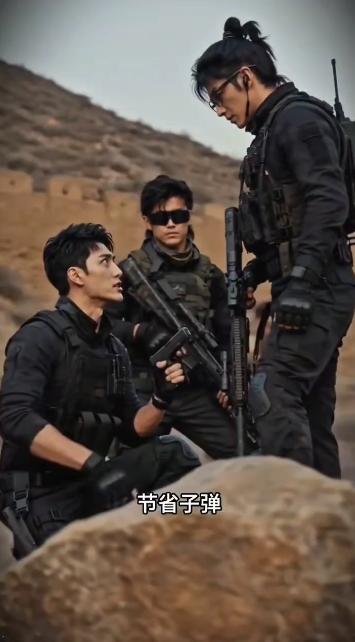
This does not mean that *Bringing Arms to the Song Dynasty* can only be told well with hyper-realistic human visuals, but this form provides a feasible way of presentation for it.
AI generation technology solves different problems in the two types of works: for fantasy manhua dramas, it makes the production of a large number of fictional characters, scenes and visual spectacles feasible.
For *Bringing Arms to the Song Dynasty*, it lowers the threshold for depicting wars, ensemble casts and historical scenes. If such a story were filmed with real actors, the costs for personnel, costumes, props and venues alone would be quite high. AI at least gives creators the opportunity to present these grand scenes under the production constraints of short dramas.
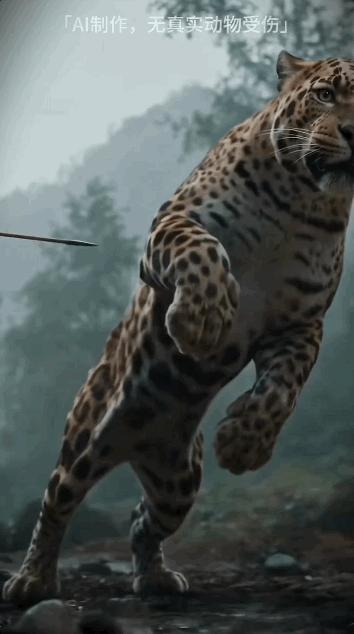
But simply mastering the technology and tools obviously does not mean that one can produce a continuously updated series, let alone a breakout hit.
The core creative team of *Bringing Arms to the Song Dynasty* mentioned in an interview that the team designed unique appearances for main characters and even supporting characters to reduce the problem of inconsistent character faces; ordinary shots are generated an average of three times, while complex war scenes often need to be generated more than ten times, sometimes over twenty times.
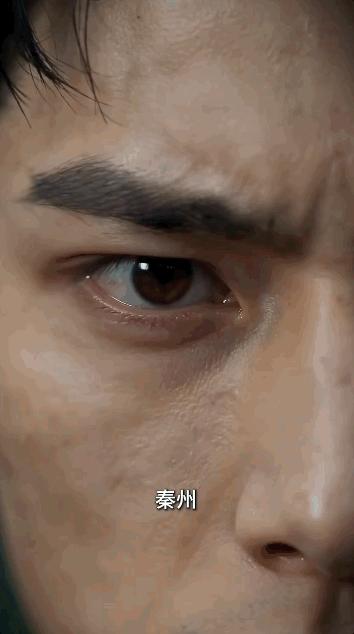
Reading through the original novel, rewriting the script, and finalizing character settings are still essential pre-production work. Hyper-realistic human dramas also need to maintain the continuity of characters and scenes as much as possible, otherwise it will be difficult for the audience to connect the shots before and after as part of the same story.
The reason why *Bringing Arms to the Song Dynasty* keeps attracting audiences to watch continuously is not only its AI-generated war scenes. After the initial time-travel setup, the story expands to multiple storylines including battlefields, official circles and character emotions. Each episode is less than two minutes long, but it can extend the story to thousands of episodes through constantly changing character situations and plot suspense. The hyper-realistic visuals provide the presentation form for the story, but what supports the continuous update of such a long series is still the web-novel-style plot progression and the viewing rhythm of short dramas.
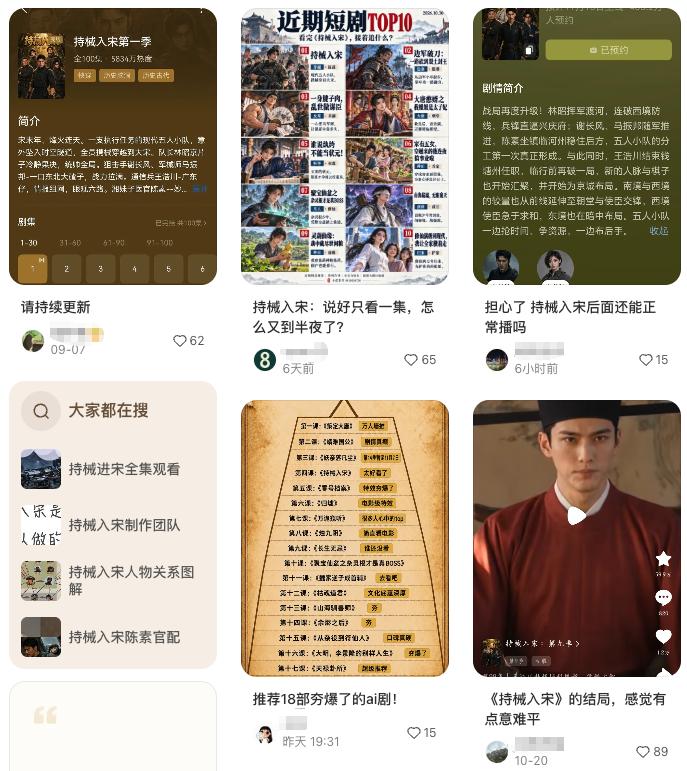
Discussions about *Bringing Arms to the Song Dynasty* on social media
This also makes *Bringing Arms to the Song Dynasty* worth comparing with the 3D manhua dramas on the Red Fruit chart. They differ in visual form, theme and production difficulties, but all use very short single episodes to carry very long stories, and rely on continuous updates to attract audiences to follow.
While 3D manhua dramas dominate on Red Fruit, more views on the native Douyin app go to hyper-realistic human dramas, which account for more than 60% of total views. This all indicates that the content supply and viewing environment on different platforms do not necessarily lead to the same visual form.
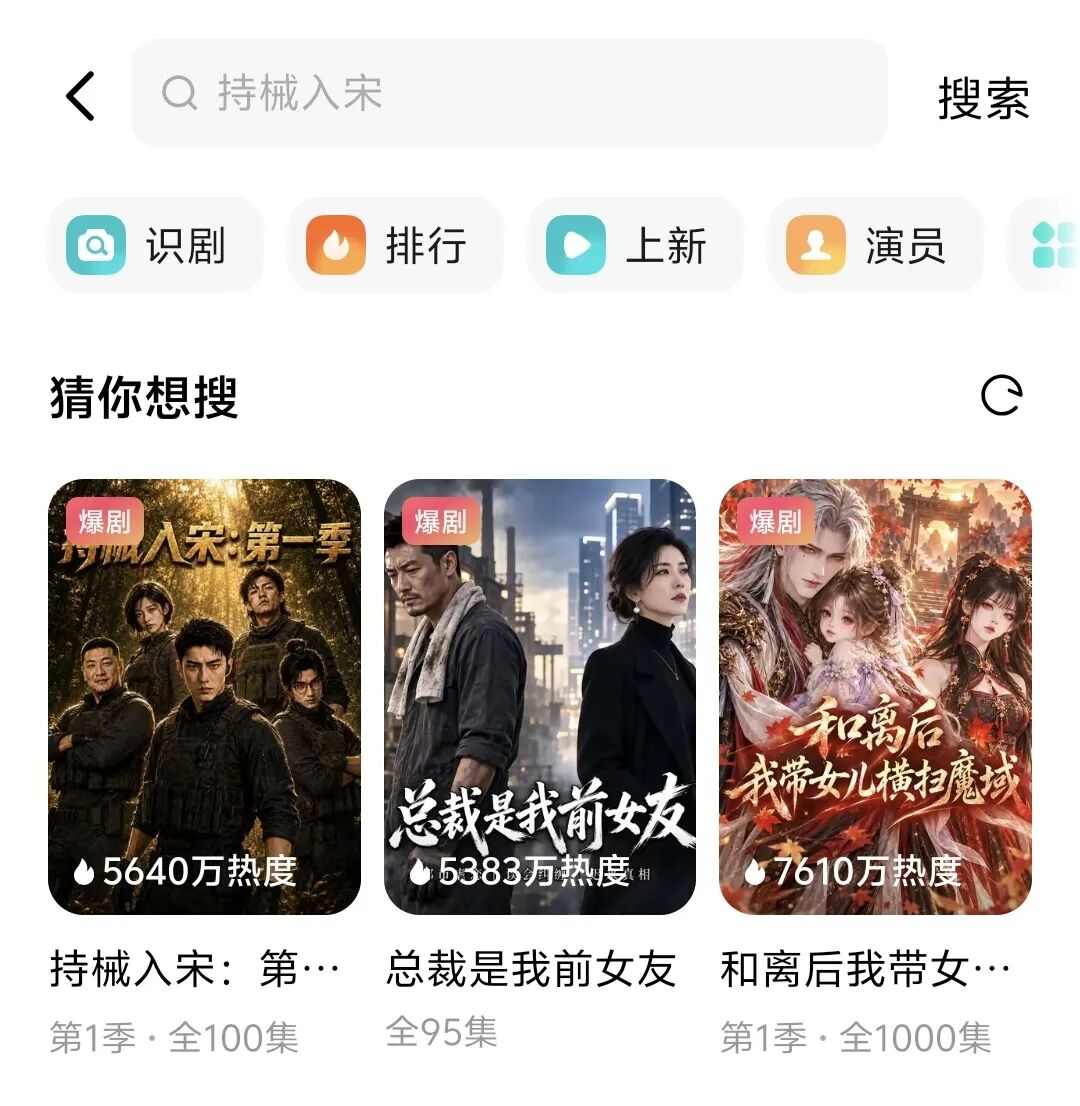
On Red Fruit, *Bringing Arms to the Song Dynasty* gets sufficient traffic tilt, but adjacent manhua-adapted dramas have higher popularity
For AI dramas, whether the visuals are close enough to real human movies may never be the only evaluation criterion. Distribution positions, content supply, themes and users' viewing habits can all affect the final type structure of the productions.
How *Bringing Arms to the Song Dynasty* Became an Exception
Before the rise of short dramas, when AI visuals entered the public view, they always carried "historical baggage". Producing feature-length films imposes high technical requirements and poses even greater challenges to people's viewing habits. Being used for post-production or as auxiliary character tools only taps into a part of its capabilities, which is more like an added bonus.
The breakout success of hyper-realistic human short dramas like *Bringing Arms to the Song Dynasty* among a large number of AI manhua dramas fully proves that different themes require different forms of visual expression. Episodes that are one or two minutes long, fast-paced plots and long series with continuous updates allow AI to deliver stories to audiences without first solving all the problems in long-form film and television production.
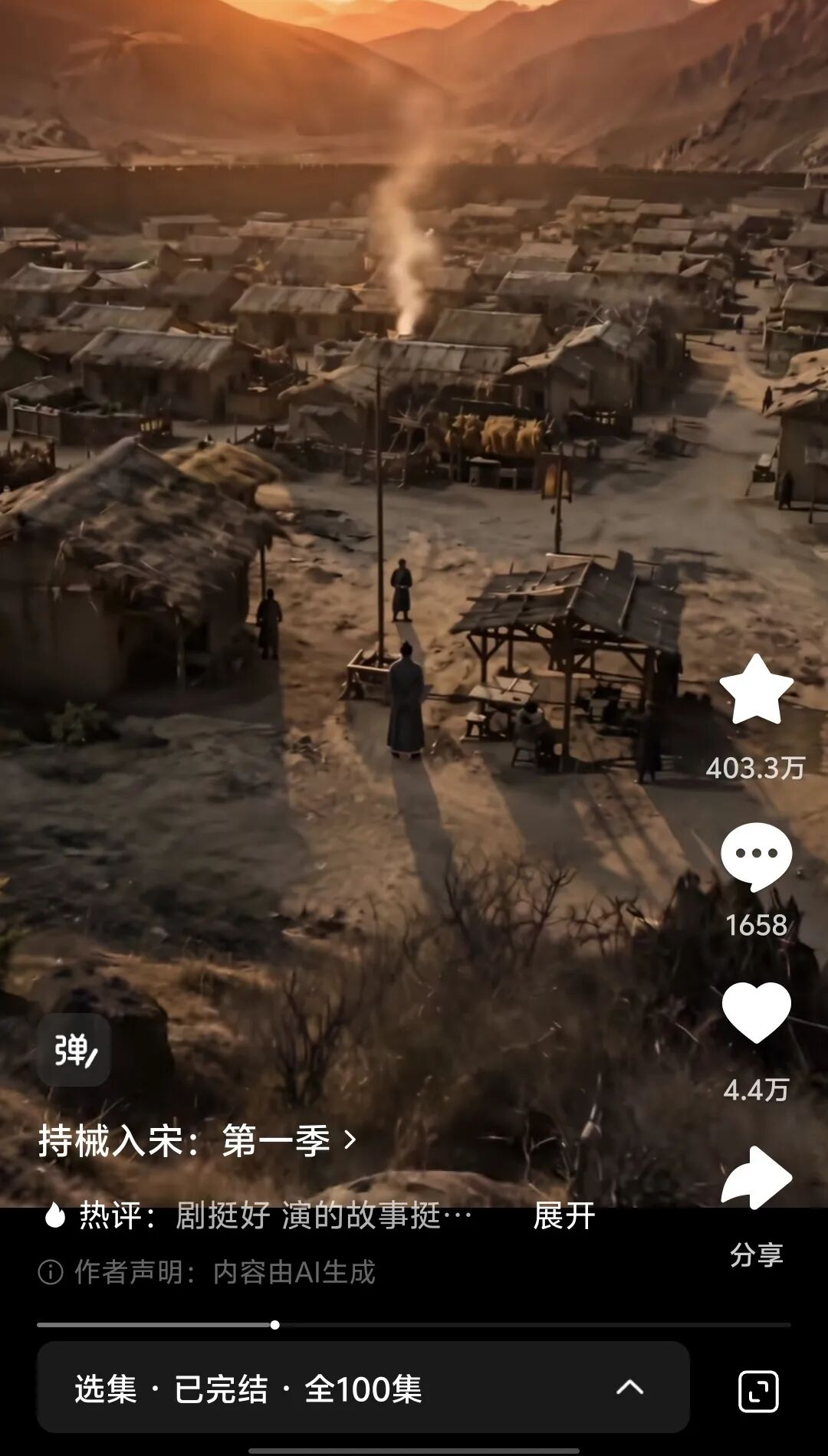
Whether a form can finally be established also depends on whether it can keep telling the story continuously under the corresponding production conditions and viewing scenarios. The fact that *Bringing Arms to the Song Dynasty* has been updated to thousands of episodes perfectly presents this seemingly contradictory combination: each episode is very short, but the story can be extremely long.
This is perhaps the more noteworthy point about AI dramas finding their audience first in short drama formats. They have not formed a unified visual standard, but they can already tell different stories in different forms, and reach audiences with the help of the mature content structure and distribution methods of short dramas.
For these audiences, what matters may not be how far the current visuals are from real human movies, but whether the story is worth continuing to watch.
This article is from the WeChat official account "APPSO", written by Discover Tomorrow's Products, and published with authorization from 36Kr.