Small cities in Northeast China are becoming the universal containers for film and television dramas.
After its premiere, *A Good Prescription in a Small Town* has topped the Gudu TV Series Popularity Chart for two consecutive days.
Previous medical dramas with similar themes, such as *The Heart* and *The White Castle*, all faced the predicament of "low online broadcast popularity", while *A Good Prescription in a Small Town* has gained a popularity score of over 10,000 on iQiyi and sparked widespread discussions among netizens.
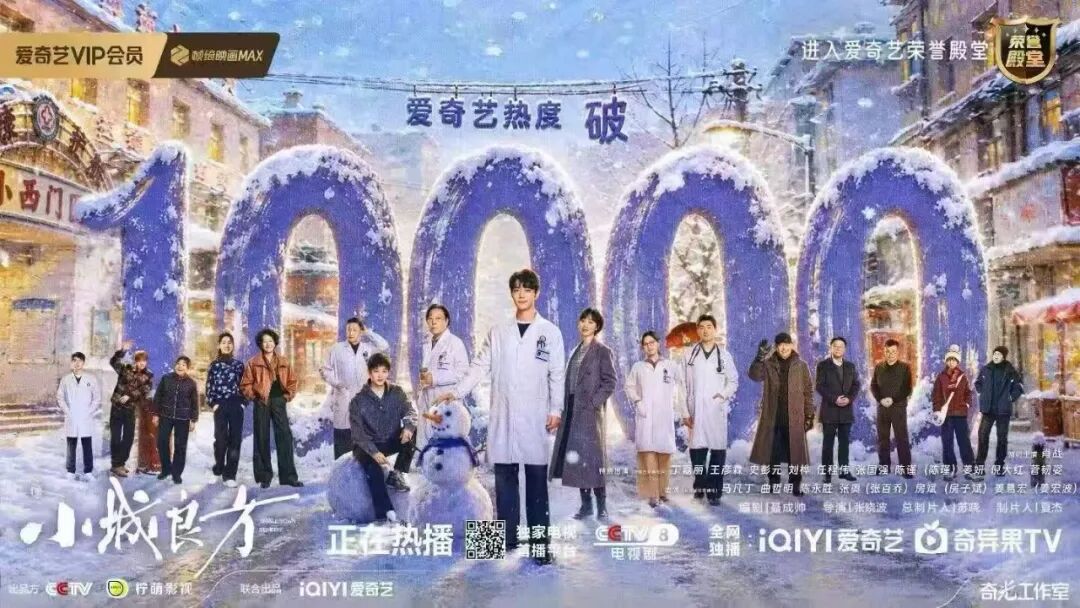
Generally speaking, the initial popularity of the series after its launch was indeed restricted by the niche influence of medical professional dramas, and its performance was not particularly strong. However, the recent rebound in popularity reflects that this drama is "fermenting" beyond the inherent discussion circles such as the fan base of Xiao Zhan, and gaining long-term attention from the general public.
The biggest difference between this drama and other TV series is that it combines medical stories with the local temperament of Northeast China. It abandons the elite, serious and rigid tone of traditional medical dramas, and uses the down-to-earth Northeast urban atmosphere and light comedic texture to weaken the stiffness and heaviness of professional dramas.
This brand-new mix of themes has found a new path for both the stagnant medical drama genre and Northeast China-themed works.
Northeast Comedy Elements,
Lower the Viewing Threshold of Professional Dramas
Different from most professional dramas that pile up technical terms and popularize industry rules at the beginning, *A Good Prescription in a Small Town* chooses to lay out characters and develop the plot first with the daily comedic texture of Northeast China.
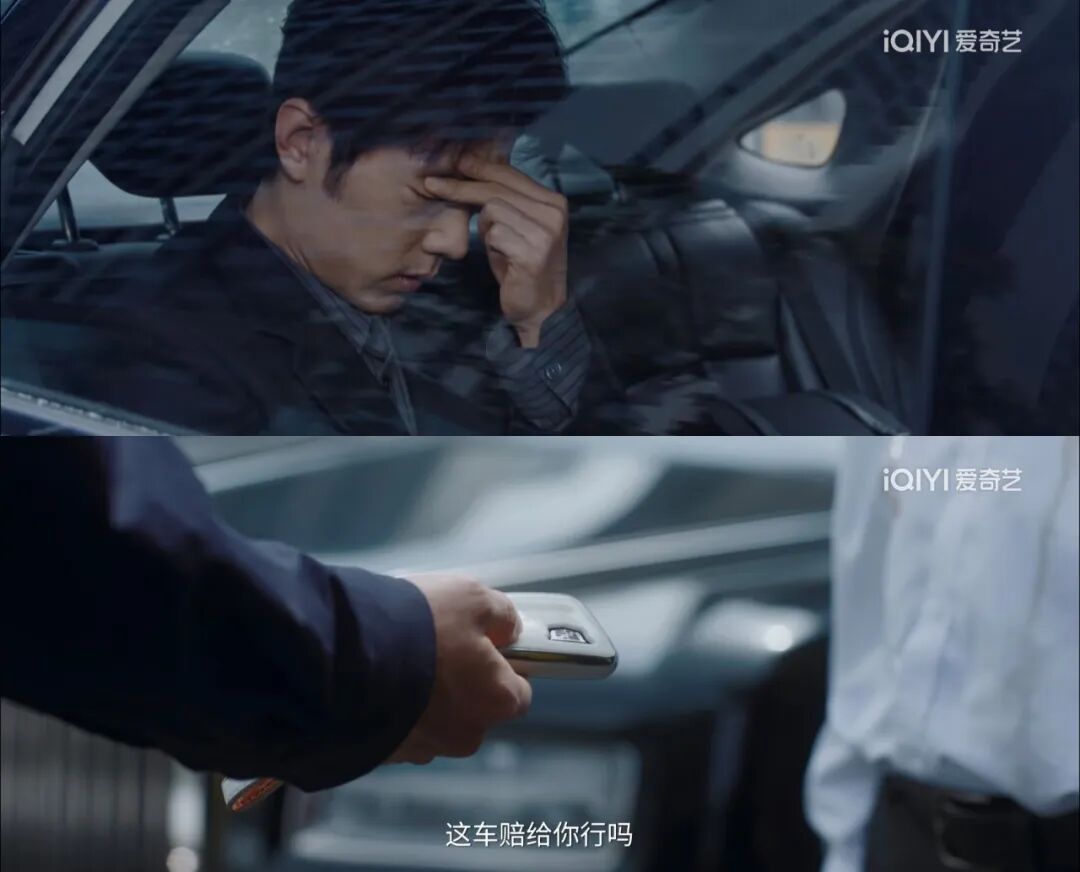
For example, the opening plots where Liu Zhengliang encounters a medical accident and loses his job in Guangzhou, is forced to sell his car to his ex-girlfriend, and returns to his hometown penniless. The plot does not deliberately exaggerate the misery of the protagonist at the low point of his life, but understates it, first setting the comedic tone of the whole drama.
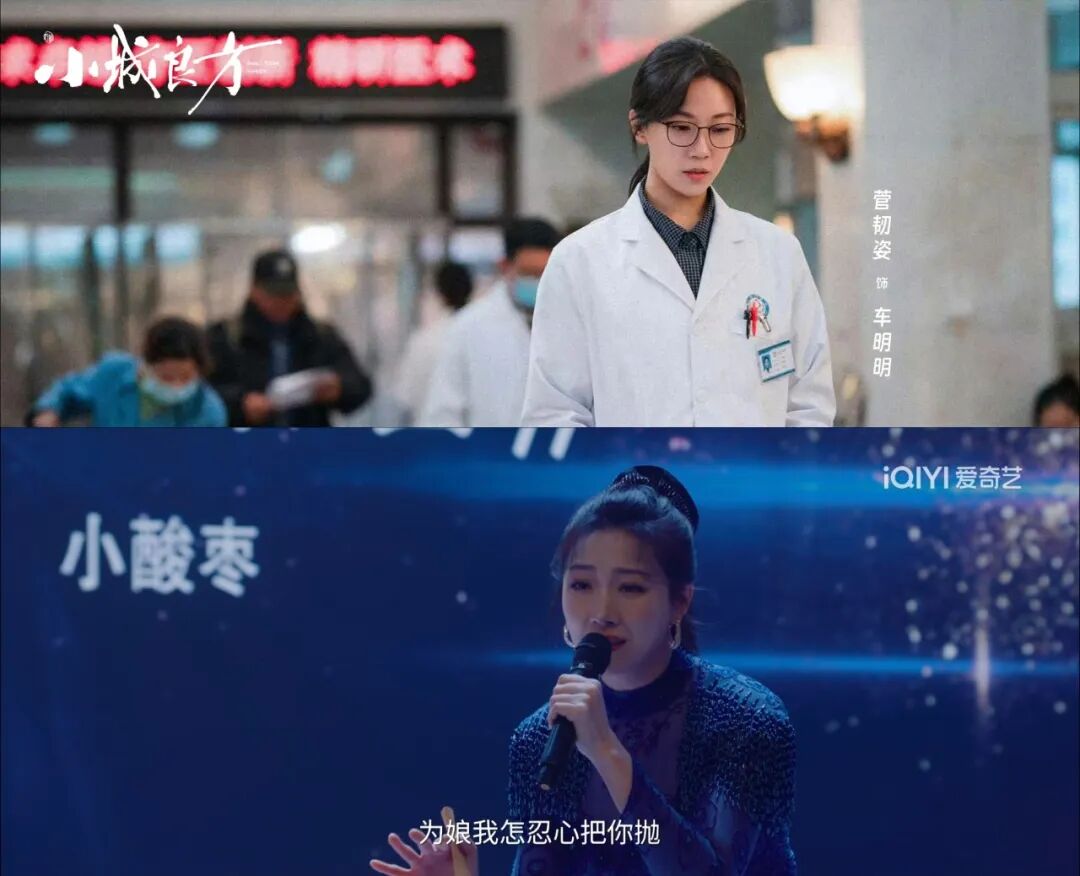
After returning to Fucheng, Liu Zhengliang actually acts as the embodiment of the "professional" identity in the narrative. While Liu Zhengliang's childhood friend Chen Junnan, who became a doctor only through family connections, Che Mingming who works as a doctor during the day and performs Errenzhuan at night to subsidize his family, Lao Huang, the "slacking off" doctor who faints at the sight of blood, various patients who avoid medical treatment for fear of illness and believe in superstition, and Dean Long who has connections in both legitimate and illegitimate circles, these group characters from Northeast China take on more absurd and funny parts in the drama.
In the narrative process where Liu Zhengliang gradually integrates into the Small West Gate Hospital, the audience not only wants to see what kind of jokes the reclusive elite male protagonist will create with these down-to-earth characters, but also looks forward to Liu Zhengliang using his superb medical skills to heal the sick, solve the difficulties of these poor patients, and make Small West Gate Hospital better and better. In this way, the drama integrates the core elements of professional dramas into the local customs of the small town in Northeast China with a light, natural and humorous narrative technique.
In addition to several patients admitted to the hospital who received professional surgical treatment from Liu Zhengliang, the design of "difficult and complicated diseases" for other core characters in the plot is very clever. The male protagonist Liu Zhengliang suffers from snow phobia after witnessing his father's death in the snow. The female protagonist Ai Chen has a brain problem and has suffered from dyslexia since childhood, while her mother has an uncontrollable stealing addiction. Che Mingming's father always fantasizes that he is carrying out a secret mission. Dr. Huang from Small West Gate Hospital suffered from trauma disorder in his early years of medical practice and developed hematophobia, so he had no choice but to transfer from the surgery department to the internal medicine department.
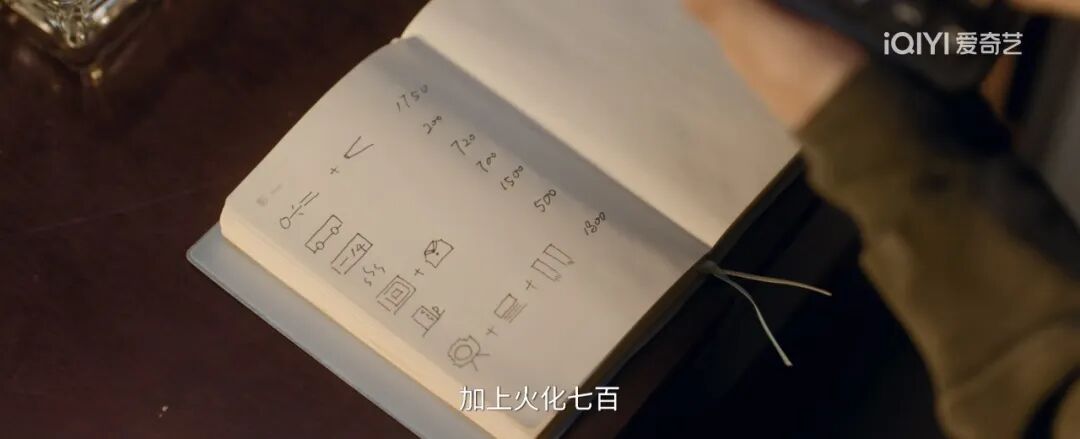
These diseases in the main storyline do not require complicated professional terms for popularization, so the audience can understand and empathize with them, and even look forward to the possibility that these diseases will be cured as the plot deepens. Such setting serves to enrich the character design, adds motivation, depth and humor to the narrative, and completely lowers the audience's understanding threshold of the main storyline.
In other types of dramas, such a setting where almost every character is "ill" may seem deliberate. But within the framework of Northeast China-themed works, the more absurd the narrative seems, the more realistic it feels. It is no big deal that life has accidents and low points, and it is of course normal to have small flaws.
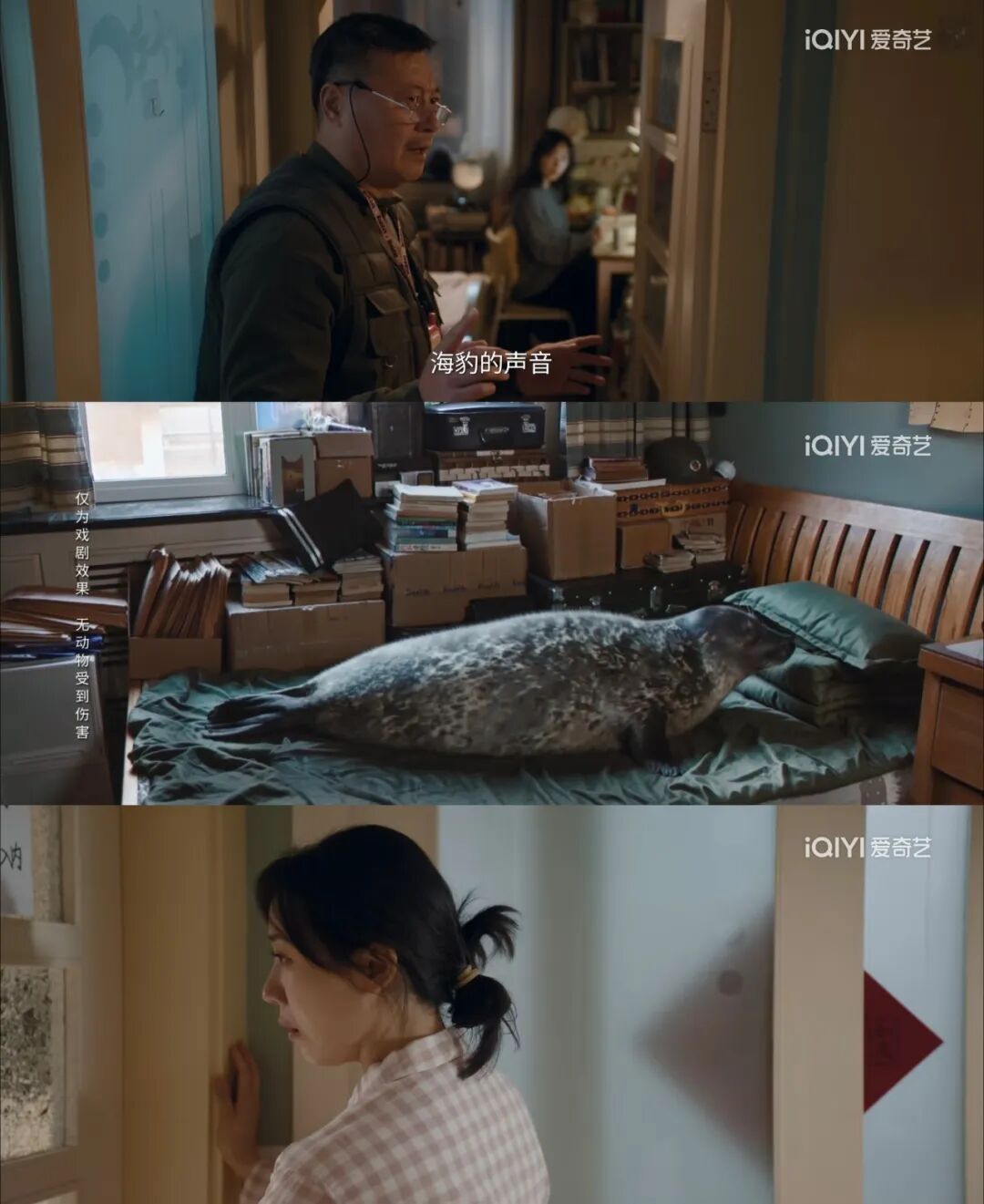
However, the drama also has narrative shortcomings. The pungent and vivid personality of the female lead Ai Chen in the early stage mostly serves the exaggerated comedic effect, and her behaviors and words lack sufficient motivation and layers, making her character setting slightly thin. The male lead Liu Zhengliang has a restrained expression and tense emotions in the early stage, and his overly introverted performance method also leads to a lack of emotional tension in the character.
At the same time, the drama still adopts the narrative framework of unit plays, connecting the plot with independent patient stories such as Lao Duan and Jiao Jiao. However, the integration between the unit cases and the main storyline of the protagonists is relatively low, and most of the patient stories are only phased plot carriers, loosely combined with the main plot.
But the flaws do not overshadow the merits. *A Good Prescription in a Small Town* does not follow the old path of traditional professional dramas that shape a perfect elite male protagonist. Instead, all characters carry shortcomings and "difficult diseases". This ordinary, real and down-to-earth character state combined with Northeast comedy elements makes the drama present a completely different viewing experience from the elite narrative.
Elitism Dissolved by Group Portrayal and Practical Work
The recent suspension controversy of the medical season of a variety show can intuitively reflect the audience's public opinion change towards the "elite persona".
In the show, the interns randomly guessed the cases in the assessment and put forward views that violate common clinical sense. Their many unrealistic "elite performances" have triggered doubts from both the medical community and the audience, which also led to the hasty suspension of the show.
In addition, there are often comparative discussions between this variety show and *A Good Prescription in a Small Town* on short video platforms. The carefully packaged elite contestants in the variety show have stiff and sloppy practical operations, which are far less standard and skilled than the performances of actors in medical dramas.
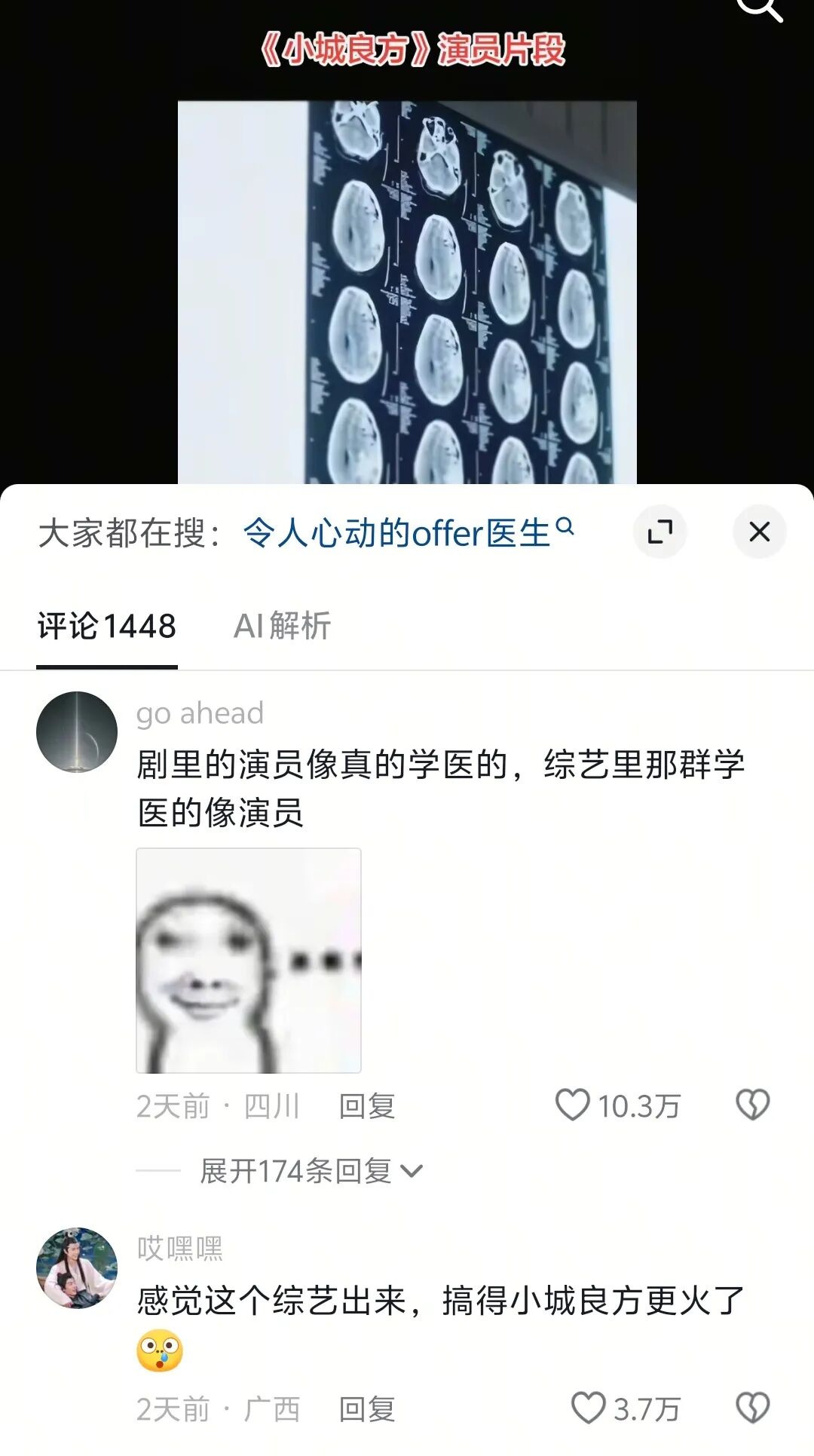
Current audiences no longer believe in the filtered elite narrative. On the contrary, more and more people recognize the reality that "the world is a makeshift team", and are gradually getting tired of and distrusting labels such as illusory elite persona, utilitarian meritocracy, and high-energy workaholics. The straightforward and daily life-oriented characteristics of Northeast China-themed works just form a hedge against such labels.
With the blessing of the Northeast cultural context, *A Good Prescription in a Small Town* has just chosen a unique and correct kind of narrative pleasure. The protagonist's advantages such as professionalism and intelligence are not reflected by comparison with villains, but by practical work that is truly needed by the masses.
Almost all supporting roles in the drama are not tools to set off the strength of the male lead. Dean Long is sophisticated and seemingly has countless tricks, but he has always stuck to his original intention of running Small West Gate Hospital to relieve the pain of the surrounding people. Although the childhood friend Chen Junnan got the job through connections, he is familiar with the worldly wisdom of the grassroots, has connections, and has the ability to solve problems.
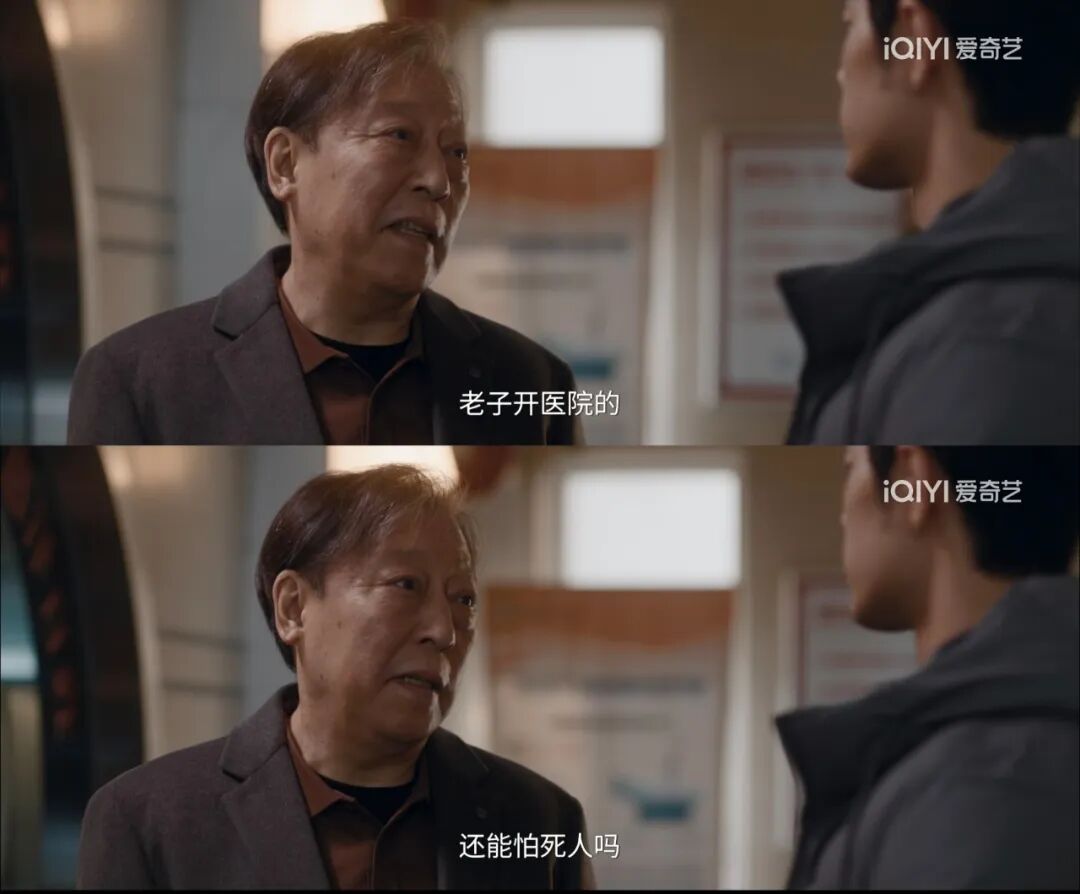
In addition, Che Mingming balances medical practice and making a living, and has always had the desire to make progress and the dream of getting a doctor's degree in medicine. Ai Chen seems pungent, but she has bottom lines and principles in the funeral business, and can balance professionalism and human sentiment. Every character has their own "unserious" side, but they all perform their duties steadily in their posts and prove their professional abilities. The plot creates a solid group portrait of Northeast China, making the medical narrative fall into specific human relationships, and also making it possible for the male lead's elite perspective to loosen in the collision.
The growth line of the protagonist Liu Zhengliang is also a process of him breaking away from the obsession with elitism. In the early stage, he was trapped in self-consumption, used to demanding himself with elite standards, and only cared about personal gains and losses and professional right and wrong. For this reason, his snow phobia knot became a huge shackle that trapped him.
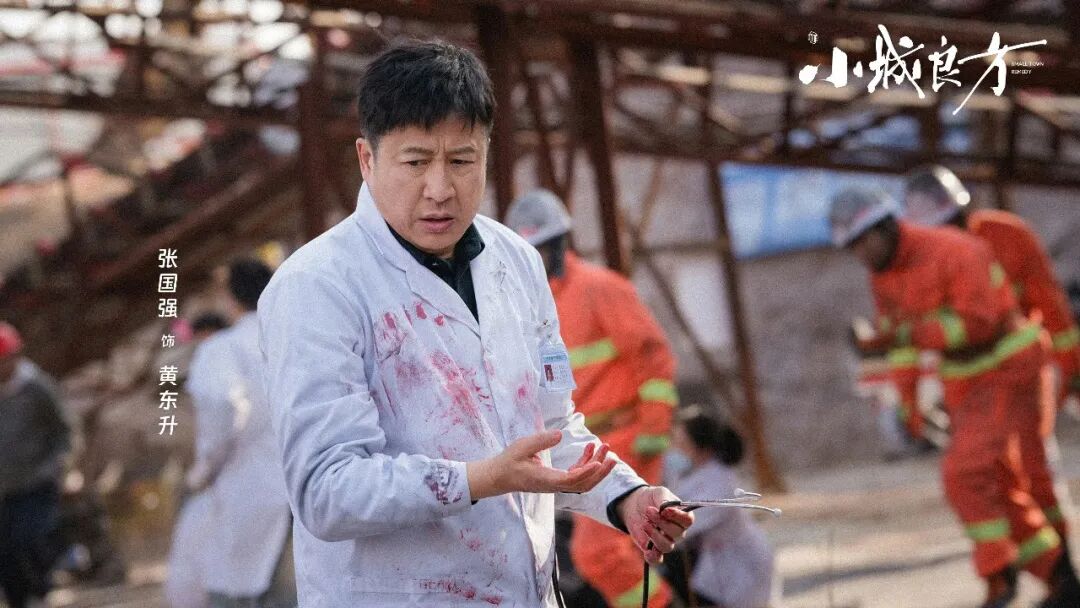
But after coming to Small West Gate Hospital, he witnessed the life struggles of everyone around him, realized that everyone actually has a reverence for the medical industry, and slowly accepted the imperfections of all the people around him. He is no longer limited to his own small world, and begins to care about the people around him and understand the significance of practicing medicine at the grassroots level. He not only untied his knot with his younger brother, but also experienced the intimate relationship of mutual healing in getting along with Ai Chen.
However, there are still some problems in the main storyline rhythm of the drama, such as the plot where Liu Zhengliang and Ai Chen work in other cities. Although it is understandable that the drama needs a segment to complete the two main tasks of the male lead's character transformation and the warming up of the relationship between the male and female leads, this segment is still too far from the main plot, and the viewing experience is rather disjointed. If this transformation can be better utilized, the subsequent scene where Liu Zhengliang returns to Fucheng with a brand new look and surprises everyone will be more exciting and more contrasting.
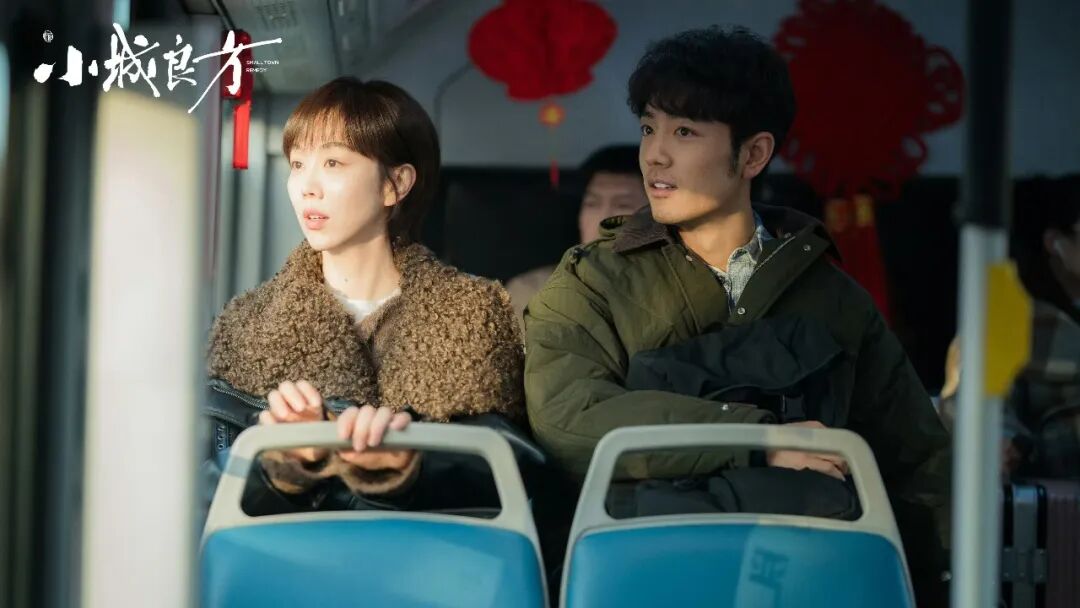
Extending our vision from this drama to the broader domestic TV series track, we can find that works with Northeast China as the story background have been continuously expanding the boundaries of genres, and their potential is far more than just medical professional themes.
Beyond Romance, Northeast China-themed Genres Can Cover Almost Everything
After years of in-depth development, Northeast China-themed works have long formed a mature and differentiated genre matrix, and the narrative temperament barriers of different tracks are very clear.
Representative works of period dramas, such as *A Long Way Home*, *Our Days* and *The Glory of Our Fathers*, have a heavy and restrained overall tone, rooted in the historical background of the old Northeast industrial factories and forest areas, depicting the fate of ordinary people across a long time span. The narrative focuses on family bonds, life setbacks and years of precipitation under the changes of the times, with a built-in documentary sense.
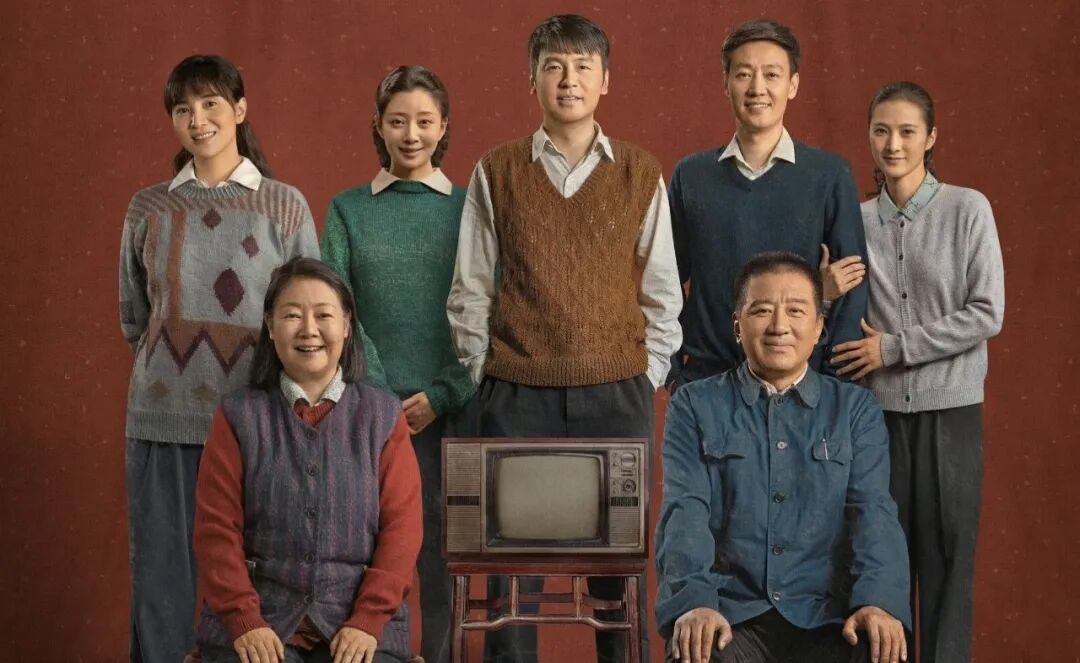
The suspense track fully utilizes the unique atmosphere of Northeast China: the cold small town environment, the closed acquaintance society, and the collision of contradictions between the old and new eras, which are very suitable for suspense narratives. Works such as *The Long Night*, *The Long Season* and *Yu Hong's Old Stories* all show the dark side of human nature and problems left over by the times in small towns, following a depressing, realistic and in-depth core route, becoming a highly recognizable genre in domestic suspense dramas.
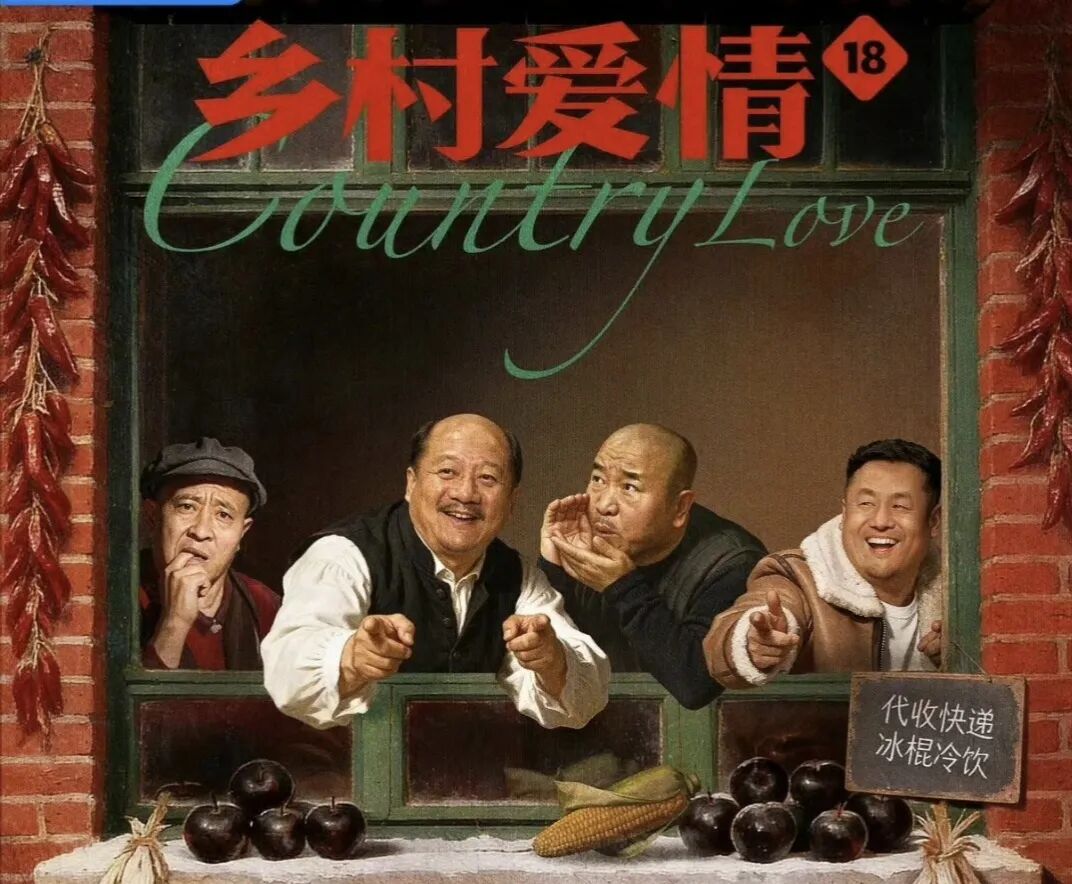
Comedy is the basic foundation of Northeast China-themed works, and it is the track with the highest national recognition. From the long-running IP *Country Love*, the ancient costume comedy *The Legend of Kuidao Gate*, to theater comedies, offline stage shows and short video comedies, Northeast-style humor runs through almost all platforms. Relaxed, down-to-earth and with built-in daily jokes, these are the deepest inherent impressions of the audience on Northeast China-themed works.
The two new professional dramas released recently have also officially filled the new blank of street-level professional dramas for Northeast China-themed works. *Thriving* is also rooted in the grassroots, breaking the illusory routine of elite legal dramas, setting a grassroots law firm on the second floor of a bathhouse, focusing on civil disputes of ordinary people. *A Good Prescription in a Small Town* focuses on grassroots medical care in counties and integrates the daily practice of township health centers into the noisy small town environment.