Wang Xingxing suddenly broke into the capital sector, shocking the entire industry.
Seven years ago, Wang Xingxing took a green slow train to Beijing with a robotic dog in his arms to seek financing.
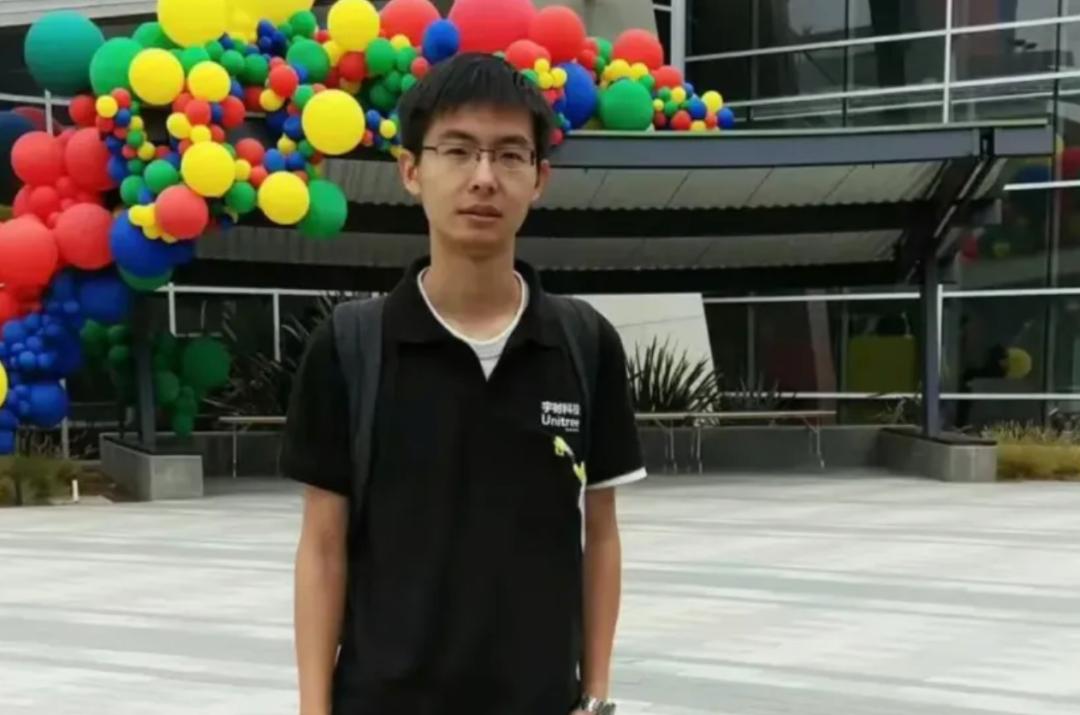
Seven years later, with his net worth skyrocketing, he began to look for the next entrepreneurial genius together with the investors from back then.
Wang Xingxing Suddenly Breaks Into the Investment Circle, Unitree Knows Exactly How to Incubate
Wang Xingxing has started to do investment!
On October 28, Unitree Robotics, which went public just over two months ago, announced that it has jointly established the "Shanyu Venture Program" with HSG, a top-tier Chinese investment institution, to formally enter the field of early-stage investment in embodied intelligence.
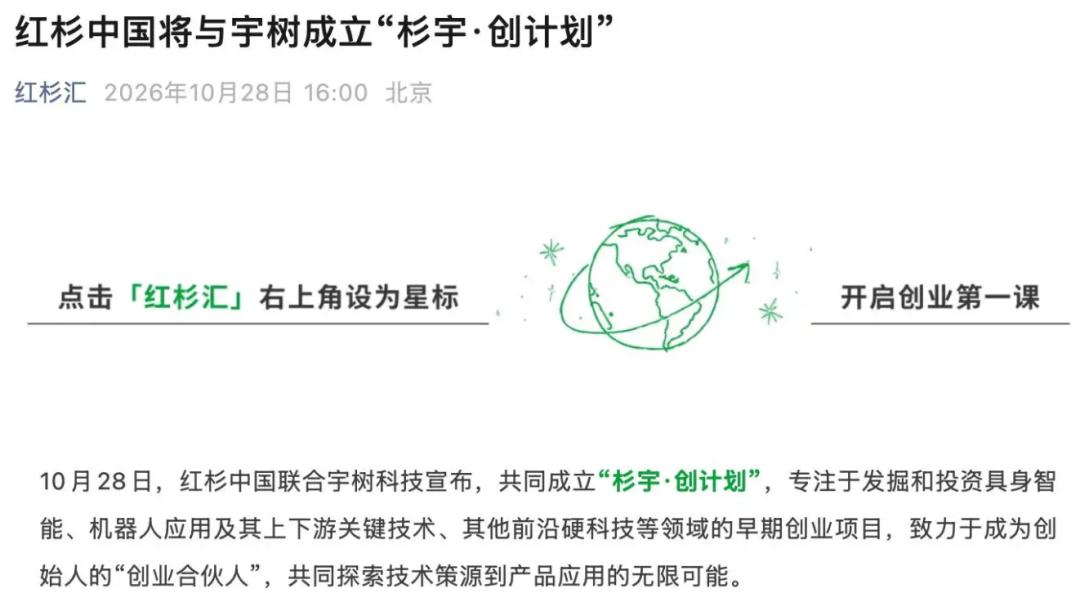
According to the plan announced by both parties, the "Shanyu Venture Program" will focus on investing in embodied intelligence, robot applications and core technologies in the upstream and downstream industrial chains, while also covering other cutting-edge hard technology sectors.
The two parties hope to provide entrepreneurs with capital, technical guidance, product verification and industrial resources through the combination of "engineer + investor".
This cooperation agreement also has a rather special requirement: "no meddling".
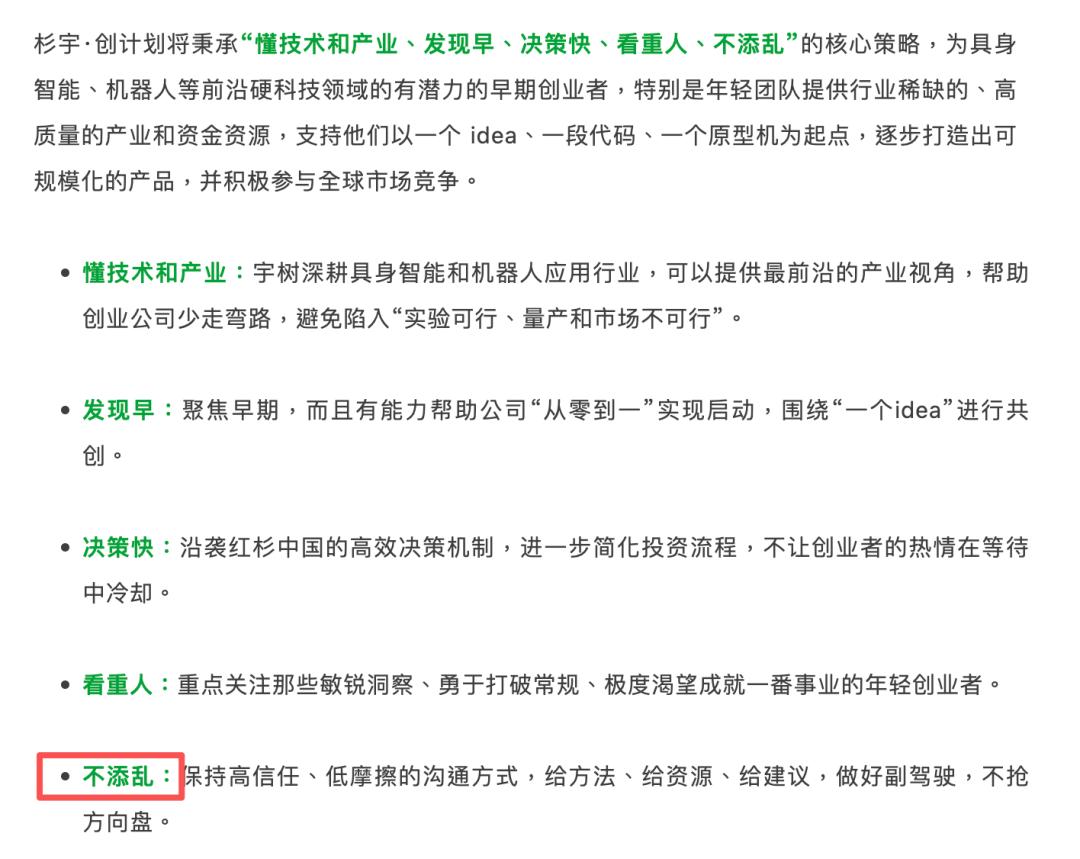
The five investment principles officially announced are as follows
"Proficient in technology and industry, spot opportunities at early stage, make decisions quickly, value people, no meddling".
For early-stage entrepreneurs, Shanyu promises to maintain a high-trust, low-friction cooperation model, act as a good co-pilot, and never grab the steering wheel from founders.
Wang Xingxing has high hopes for this cooperation.
He stated that HSG has been one of the earliest and most important supporters of Unitree since 2019. This time, the two parties hope to leverage the dual perspectives of engineers and investors to help young teams find market-fit products faster.
Li Yannan, Managing Director of HSG, said that Unitree can provide cutting-edge robot technology cognition and engineering guidance, while HSG is responsible for capital support and professional post-investment services, and the two sides will jointly help startups grow.
In fact, Wang Xingxing has long been prepared to enter the capital circle.
In September this year, Unitree began to recruit ecological partners for its "Yuchuang Program", focusing on finding entrepreneurial teams in directions such as robot application solutions, data and simulation platforms, core components, embodied intelligence algorithms and global sales channels.
At the 2026 World Physical AI Conference held in Hangzhou on October 22, Wang Xingxing revealed that the Yuchuang Program has received more than 200 projects in over a month, and it hopes to incubate more than 200 high-quality ecological enterprises in the next five years.
Previously, Unitree has opened up its robot platform, development tools and part of its mass production engineering resources to partners, helping external teams carry out secondary development.
On the night when the cooperation was announced, Unitree also released an important financial report.
In the first three quarters of this year, Unitree recorded an operating revenue of 1.817 billion yuan, a year-on-year increase of 55.71%; the net profit attributable to shareholders was 387 million yuan, a year-on-year increase of 270.54%. However, the net profit in the third quarter alone was 113 million yuan, a year-on-year decrease of 17.37%.
What deserves more attention is the R&D investment. In the first three quarters, Unitree's R&D expenses reached 263 million yuan, a year-on-year increase of 191.48%, which is mainly invested in embodied intelligence large models, computing power and R&D team building.
Took the Green Train to Seek HSG Investment 7 Years Ago, the Capital Giant "Fell in Love at First Sight" with Wang Xingxing
The fate between Wang Xingxing and HSG dates back to the summer of 2019.
At that time, Unitree Robotics had just been established for three years, and quadrupedal robots were still a rather niche entrepreneurial track.
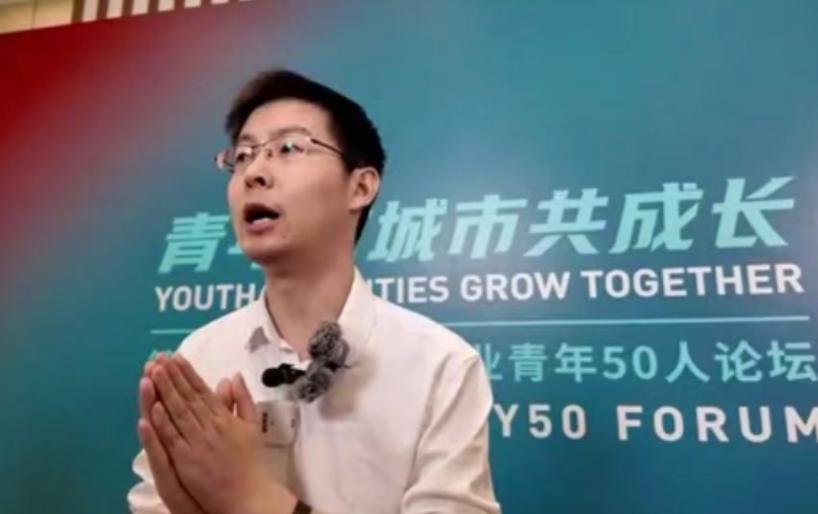
Although Unitree had already developed robotic dogs such as Laikago and AlienGo, there was still a long way to go before large-scale commercialization.
Talking about their fate, in July 2019, Li Yannan heard about Wang Xingxing from an alumnus of Zhejiang University.
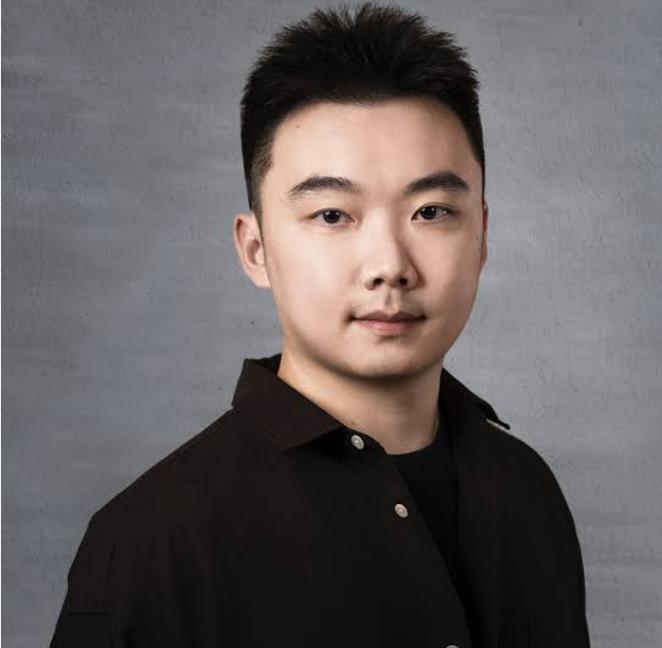
Li Yannan
He found a QQ email address on Unitree's official website, got in touch through multiple channels, and then came to Hangzhou for a visit.
At that time, Wang Xingxing did not have the popularity he has today. His office was located in the Jinxiu International Technology Center in Hangzhou, and he showed the investors a quadruped robot AlienGo.
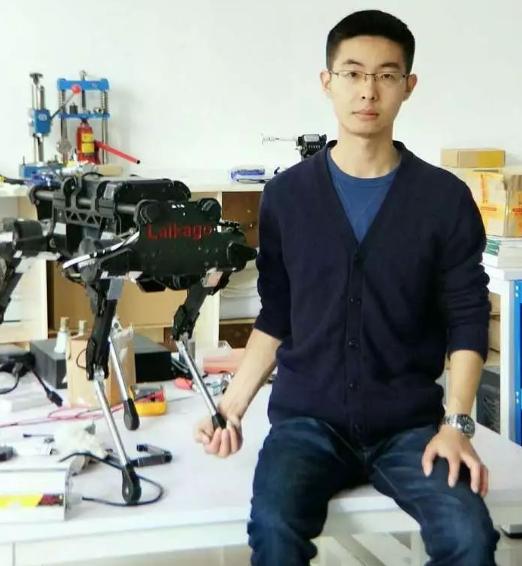
Li Yannan recalled that Unitree's robots were already able to compete with similar international products, and it had clients including universities, laboratories and internet enterprises, and began to generate revenue.
However, there was no unanimous opinion within HSG on this investment.
What on earth are robotic dogs used for? Will families buy them? Do factories really need them? At that time, few people could give a definite answer.
In order to attend HSG's investment decision meeting in Beijing, Wang Xingxing personally took the robotic dog to the scene.
Since the battery capacity of the robot exceeded the transportation limits of high-speed rail and air, he could only take the green slow train and spend more than ten hours transporting the equipment to Beijing.
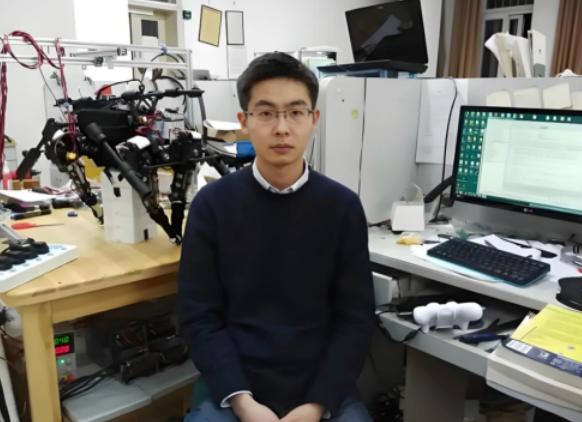
Science and Technology Innovation Board Daily later disclosed that Unitree once encountered a temporary exit of an industrial fund at that time, facing considerable capital pressure.
HSG Seed Fund finally decided to make the investment.
In December 2019, HSG invested the first sum of 15 million yuan in Unitree, obtaining about 10% of the equity after the capital increase, corresponding to a post-investment valuation of about 150 million yuan.
After that, HSG successively made additional investments in 2020, 2024 and 2025, with a total cumulative investment of about 102 million yuan.
What HSG valued was also Wang Xingxing's almost stubborn pursuit of technology.
Li Yannan once revealed that Wang Xingxing would personally revise the financing terms and confidentiality agreement, and the two sides communicated back and forth for nearly two months, with his notes densely covering the documents.
In HSG's internal evaluation at that time, Wang Xingxing was called a typical "Outlier", a special entrepreneur who does not conform to conventional evaluation criteria.
On the two indicators of personal traits and strategic vision, HSG gave him a score of 9 out of 10.
Seven years later, this investment has obtained an amazing paper return.
On August 19, 2026, Unitree Robotics was officially listed on the Sci-Tech Innovation Board of the Shanghai Stock Exchange, becoming the first A-share "humanoid robot stock".
On the first day of listing, Unitree's share price once reached 1100 yuan, and its market value exceeded 440 billion yuan.
According to the equity disclosure before Unitree's listing, HSG holds a total of about 25.8995 million shares through Ningbo HSG and Xiamen Yaheng, accounting for 7.11% of the total share capital before issuance, making it the market-oriented venture capital institution with the largest shareholding in Unitree.
Calculated based on Unitree's share price of 882 yuan in the morning trading session on the first day of listing, the market value of HSG's shares is about 22.843 billion yuan, with a paper return of more than 220 times compared with the cumulative investment of 102 million yuan.
Wang Xingxing Holds Huge Sums of Money, Playing a Big Game
So, why did Wang Xingxing enter the investment circle at this time?
One important reason is that the robot industry is about to enter a more complex commercialization stage.
Unitree is already able to mass-produce robots. According to the latest data disclosed on October 28, Unitree
G1 has rolled off the production line for a total of 10,000 to 20,000 units since its release in May 2024. The company produces tens of thousands of robots every year, and independently manufactures a large number of joint motors and modules.
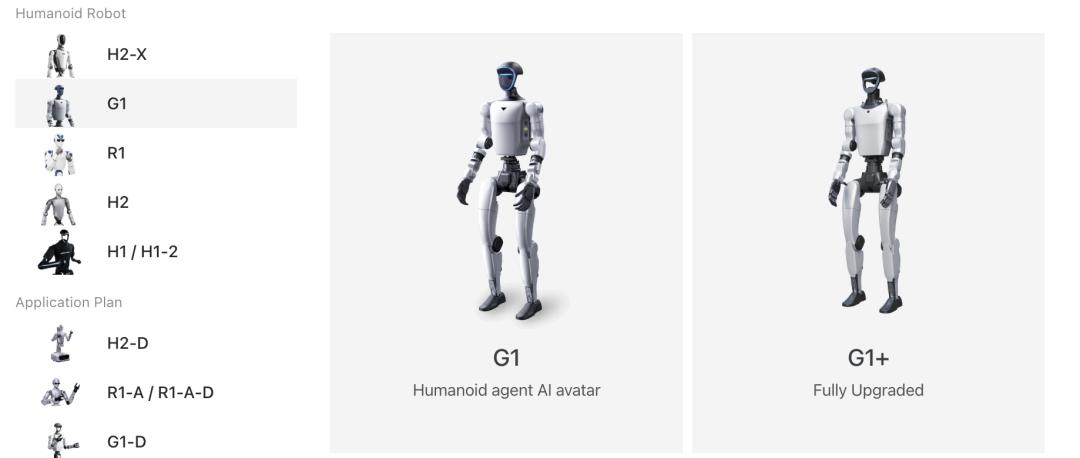
The motion capability of robots has improved significantly. Videos of somersaults, dancing, running, fighting and other content have made Unitree a hot topic on global social media continuously.
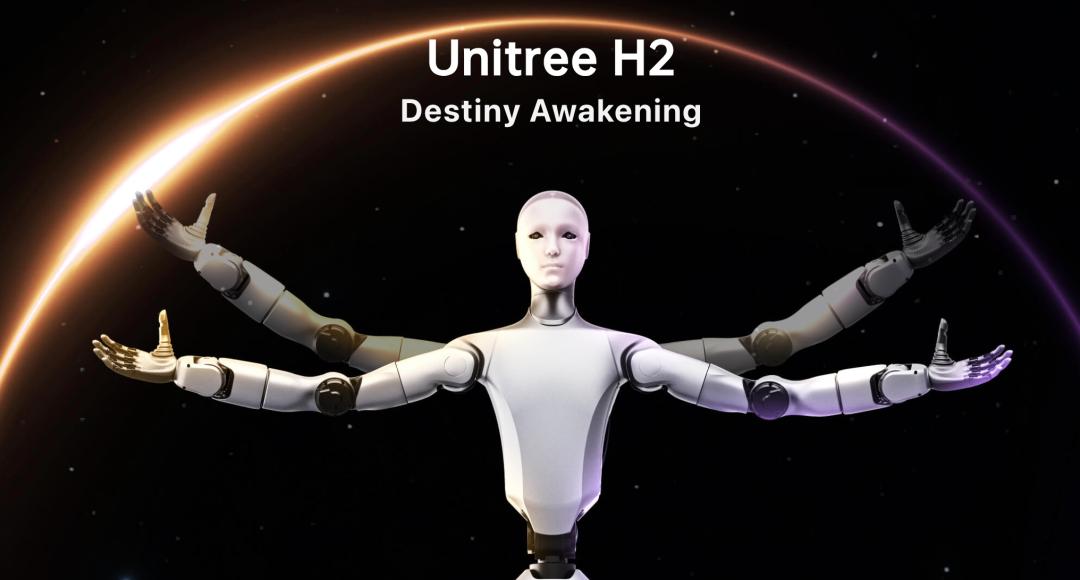
However, before robots can truly enter homes, factories and commercial service sites, they still need to solve a large number of specific problems.
For example, when a robot enters a factory, it needs to identify parts of different specifications, understand complex production tasks, be able to work continuously for several hours, and remain stable when the environment changes.
Such development work involves mechanical design, vision algorithms, sensors, data training and industry-specific software. It is difficult for a single complete machine manufacturer to cover the needs of all industries.
This also explains why Unitree hopes to incubate 200 ecological enterprises.
Unitree provides standardized robot bodies, allowing external teams to develop professional applications for different scenarios. The more the products are used, the easier it is for developers to accumulate real data, thereby improving the robot's working ability in complex environments.
At the same time, by investing in early-stage technology enterprises, Unitree can get in touch with cutting-edge technologies such as dexterous hands, tactile sensors, robot joints, and simulation data in advance.
Innovations in these fields will have the opportunity to enter Unitree's own product supply chain in the future.
Moreover, many other Chinese enterprises are already exploring this path.
In 2024, Agibot launched the "Venture A Program", and subsequently invested in multiple enterprises in the embodied intelligence industrial chain. In 2025, Agibot jointly established the early-stage investment platform "GL Aibot Innovation" with GL Ventures.
In June this year, robot firm Xinghaitu and Cathay Capital Fund announced the launch of the "Xingtu Program", planning to invest 1 billion yuan in the next five years to support 100 early-stage embodied intelligence enterprises.
A group of investors with industrial resources are emerging in the robot industry. They are familiar with the manufacturing process, technical difficulties and customer demands, and also hope to expand their influence in the industrial chain through capital cooperation.
On October 28, Reuters pointed out in its analysis of Unitree's latest financial report that Chinese robot enterprises are increasing investment to find sustainable commercial applications. As one of the few profitable Chinese robot companies, Unitree's performance has become an important indicator to observe the industry prospects.
Final Notes
Wang Xingxing once said at the World Physical AI Conference on October 22 that he "is extremely afraid of wasting every day", because there are too many things to learn and the competition in the robot industry is very fierce.
In 2019, the 29-year-old man took the green slow train for more than ten hours with a robotic dog in his arms, before he arrived at the site of HSG's investment decision meeting.
Seven years later, HSG has changed from his investor to his partner.
The first batch of investment list of the Shanyu Venture Program has not been announced yet. After the 15 million yuan investment back then succeeded, Wang Xingxing finally got the chance to personally decide who the next sum of early-stage capital should be handed over to.
This article is from the WeChat official account "E-Commerce Frontline", written by Qian You, and published with authorization from 36Kr.