The new iPad mini and the first touch-enabled Mac will be launched side by side next week, and their "forbidden love" is about to be impossible to keep under wraps.
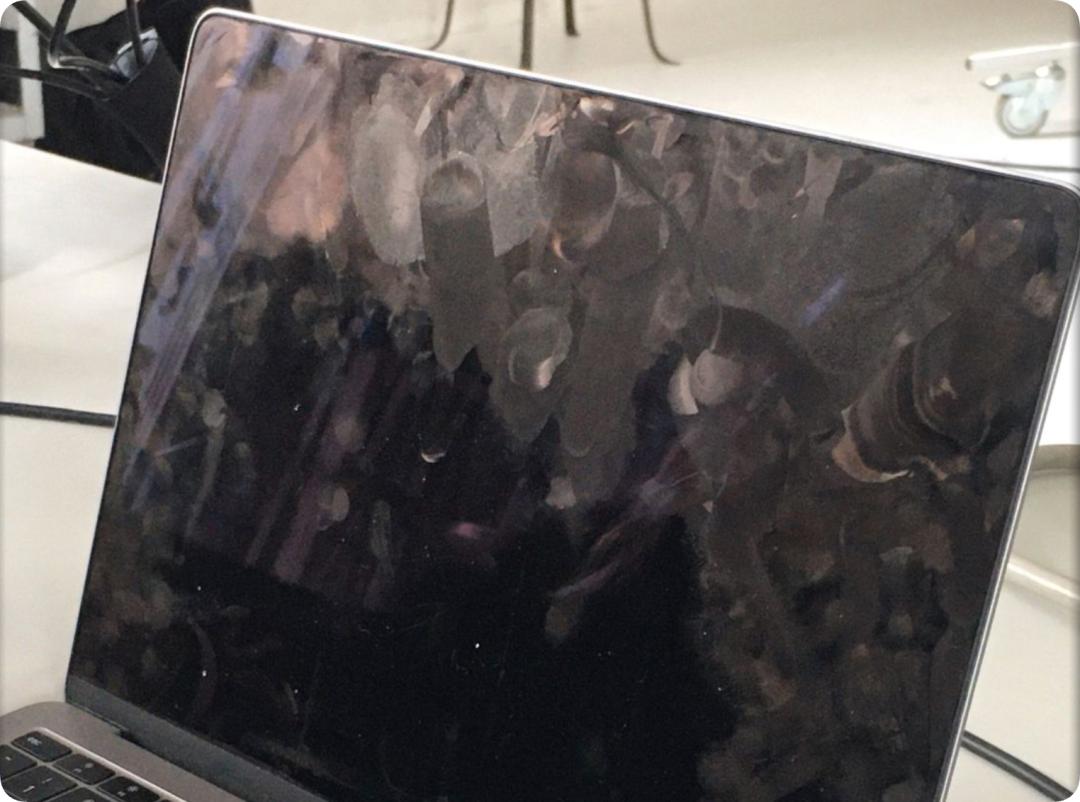
Every office worker has probably experienced that suffocating moment when a colleague pokes their finger at your laptop screen, leaving an oily smudge behind.
While people feel bad about that delicate anti-reflective coating, they have to admit that when facing images and progress bars on the screen, the human instinct to reach out and poke at them is almost impossible to suppress.
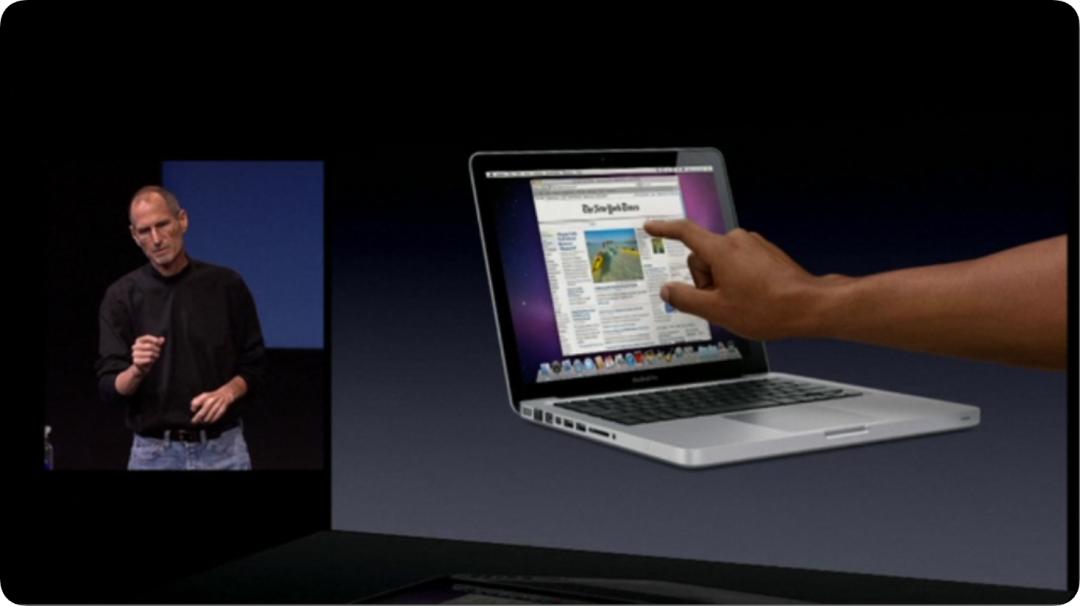
In 2010, Steve Jobs set an unbreakable rule for laptops: a vertically placed screen is not suitable for touch, as users will quickly feel fatigued when lifting their arms to operate it. For the full 16 years that followed, Apple strictly stuck to the boundary between keyboard-mouse and trackpad input.
Now, Apple is preparing to overturn this long-held rule it once established.
Apple announced that it will hold a special event themed "Pro and Tell" in Los Angeles at 1 a.m. Beijing Time on October 29. According to current leaks, the first touch-enabled MacBook Pro is expected to take the spotlight, bringing along an OLED screen, Dynamic Island, and a lighter body all at once.
The event is also expected to unveil the entry-level MacBook Pro with the M6 chip, the 24-inch iMac, and the new iPad mini with an OLED screen and improved water resistance design.
The 5-year mark has arrived, and the MacBook Pro may see its biggest redesign yet
The new high-end MacBook Pro is expected to continue offering 14-inch and 16-inch versions, with internal codenames K114 and K116 respectively. Previous rumors suggested it would be named "MacBook Ultra", but the latest information shows that it still belongs to the MacBook Pro product line.
The 5-year-old exterior design is finally expected to receive a major overhaul. High-end models are expected to switch from Mini-LED to OLED, replace the notch with Dynamic Island, add multi-touch support, and reduce the overall weight of the device. The most interesting part, of course, is that Apple finally allows users to directly operate the screen with their fingers.
The "gorilla arm" concern that Jobs raised back then is physically valid, but most of the touch operations people actually need are those short, fleeting actions. After finishing a paragraph of text, you reach out to zoom in on the adjacent image, then go back to the keyboard to continue typing — no one needs to hold their arm suspended in front of the screen to work all day.
To make the screen withstand repeated finger taps, leaks claim Apple has redesigned the high-torque damping hinge with a dual-clutch damping structure, which maintains one-handed opening and closing while enhancing the support force of the screen when it is touched. The screen surface is also expected to be equipped with anti-fingerprint and anti-glare coatings to preserve the viewing experience after adding touch support.
Once the hardware opens up this possibility, the system interaction logic naturally has to be overhauled accordingly.
Previous information leaked from the macOS 27.2 beta has already contained many clues: for example, Photos and Quick Look support pinch-to-zoom, long-press recognition, and multi-finger drag to rotate, while dock icons will show an enlargement animation when long-pressed.
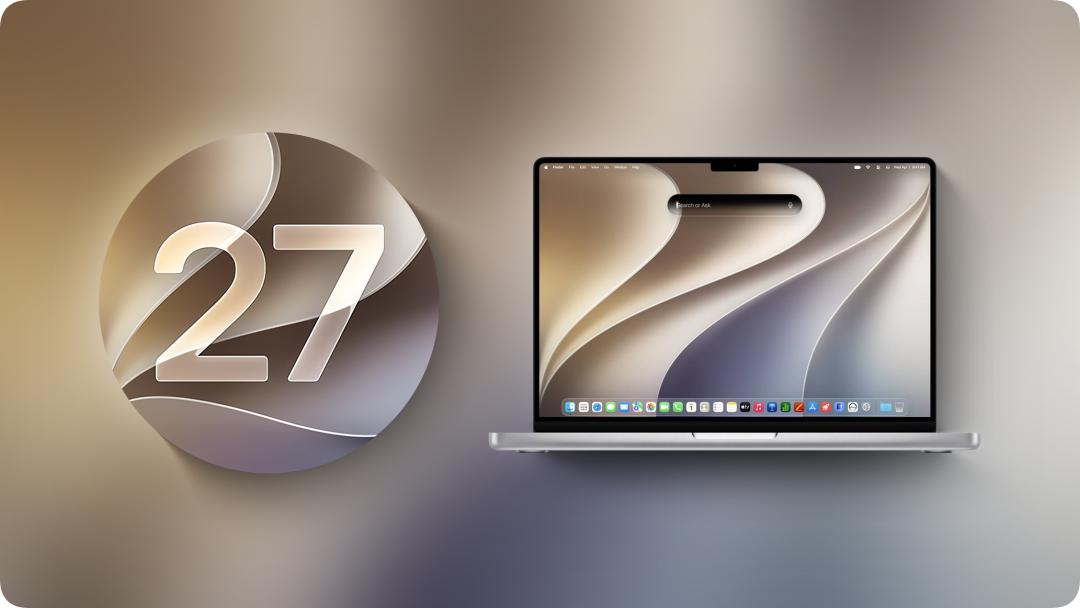
Keyboard and mouse will still be the primary tools for high-intensity productivity, while the touch screen will seamlessly take over those trivial operations where fingers are more efficient: for example, when editing a video, you can use the mouse in your right hand to make fine frame-level adjustments, and directly reach over with your left hand to drag the timeline, or push the virtual fader on the screen directly with your fingers when adjusting audio levels.
Of course, figuring out how to politely stop colleagues from pointing at your screen will also become a popular high EQ skill from now on.
In terms of display quality, leaks indicate that the new machine will directly adopt a dual-layer stacked OLED, the same Tandem OLED solution used on iPad Pro, where two light-emitting structures work together to provide more design headroom for brightness and service life.
Independent pixel illumination can improve the purity of black backgrounds, and reduce backlight halo around the edges of subtitles, bright text and highlighted objects. Not only will video and film workers have an easier time reviewing HDR shadow details, but the dual-layer OLED also removes the thick independent backlight module, freeing up physical space to make the device thinner and lighter.
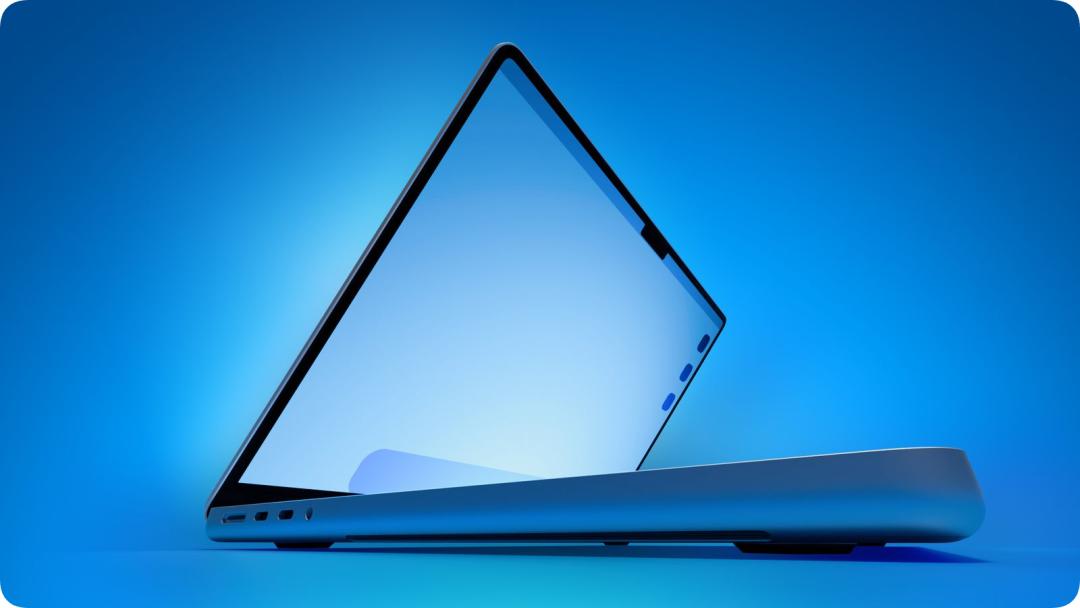
Some supply chain sources predict that the new model will see a significant weight reduction, while retaining MagSafe, full-size HDMI and SDXC card slots.
Office workers who commute every day carrying a bulky 16-inch laptop will definitely understand how valuable this weight reduction is. You may never fully exploit the maximum computing power of the processor even once a year, but every extra gram pressing on your shoulder is a real, tangible burden — not to mention that keeping all full-function ports means you don't have to carry an extra docking station with you when you go out.
As for the Dynamic Island at the top of the screen, it is expected to be used to display music playback controls, timers, rendering progress bars and system pop-ups. After starting a background rendering task, you can glance at the progress at a glance, making full use of the otherwise wasted dead space around the camera — a classic Apple industrial design trick.
Want the M6 chip? Apple makes you wait a little longer
Apple is making incremental upgrades, but not fully releasing its top-tier performance yet.
One widely circulated claim is that due to the tight initial production capacity of TSMC's 2-nanometer process, plus the extremely high tape-out cost for large-area chips, Apple is very likely to skip the M6 Pro and M6 Max directly, and leave the high-end computing chip upgrade to next year's M7 family.
According to this leak, the touch-enabled OLED MacBook Pro to be unveiled at the end of the month will continue to use the M5 Pro and M5 Max launched earlier this year. The related configuration offers up to 128GB unified memory and 614GB/s memory bandwidth, still targeting complex graphics tasks, large engineering files and local large language model operation.
Considering selling points such as the new screen, interaction and body design, as well as the cost of dual-layer OLED panels and memory, some sources predict that the touch-enabled MacBook Pro will see a significant price increase.
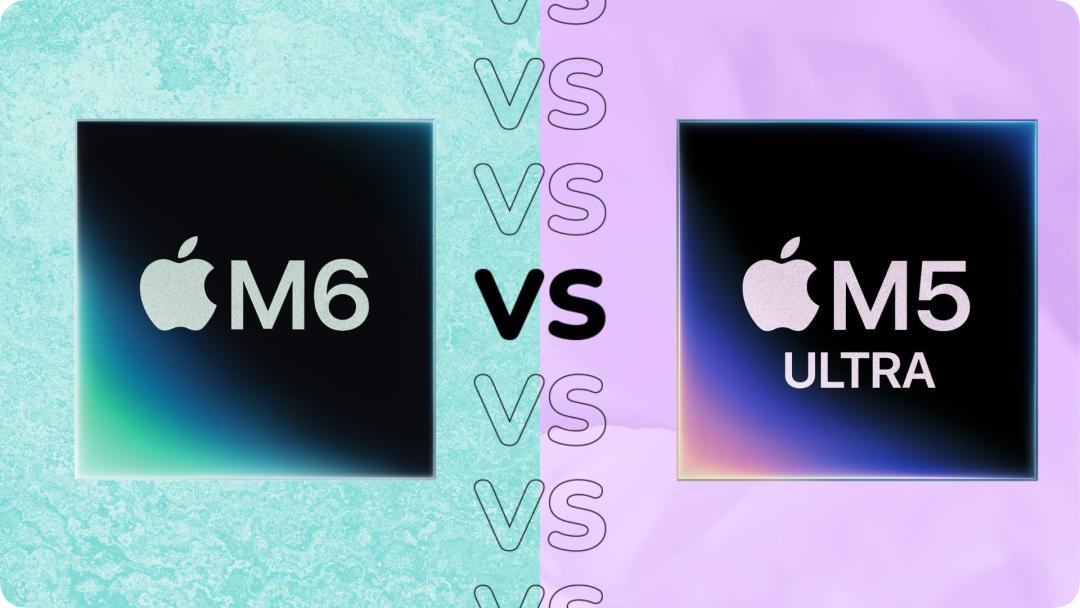
On the other hand, the entry-level 14-inch MacBook Pro and 24-inch iMac that undertake mass shipment tasks are expected to be the first to adopt the standard M6 chip.
Referring to the M6 specifications that debuted on the Mac mini in August this year, with the 2-nanometer process, the CPU has expanded from 10 cores on the M5 to 12 cores, consisting of 2 ultra-performance cores, 4 performance cores and 6 efficiency cores, with multi-threaded performance increased by about 20% compared to the previous generation.
The GPU has also been expanded to 12 cores, with each core integrating a Neural Accelerator, and the peak AI computing performance of the GPU is nearly 30% higher than that of the M5. In addition, the M6 is equipped with dual 16-core Neural Engines, supports up to 32GB unified memory, and has a maximum memory bandwidth of 170GB/s.
Besides, the base model 14-inch MacBook Pro is expected to keep the old chassis and the non-touch Mini-LED notch screen, which is a regular upgrade that only replaces the chip without changing the body. To get both OLED and touch support, you still need to pay a premium.
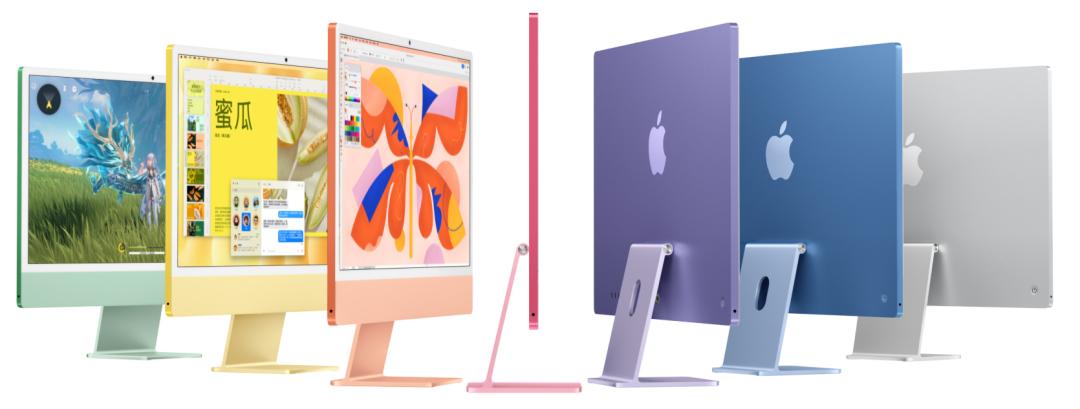
The 24-inch iMac updated at the same event is also expected to keep its existing all-in-one color design, with a 4.5K screen, 16GB base memory that can be configured up to 32GB, while retaining the paid upgrade option for nano-texture glass.
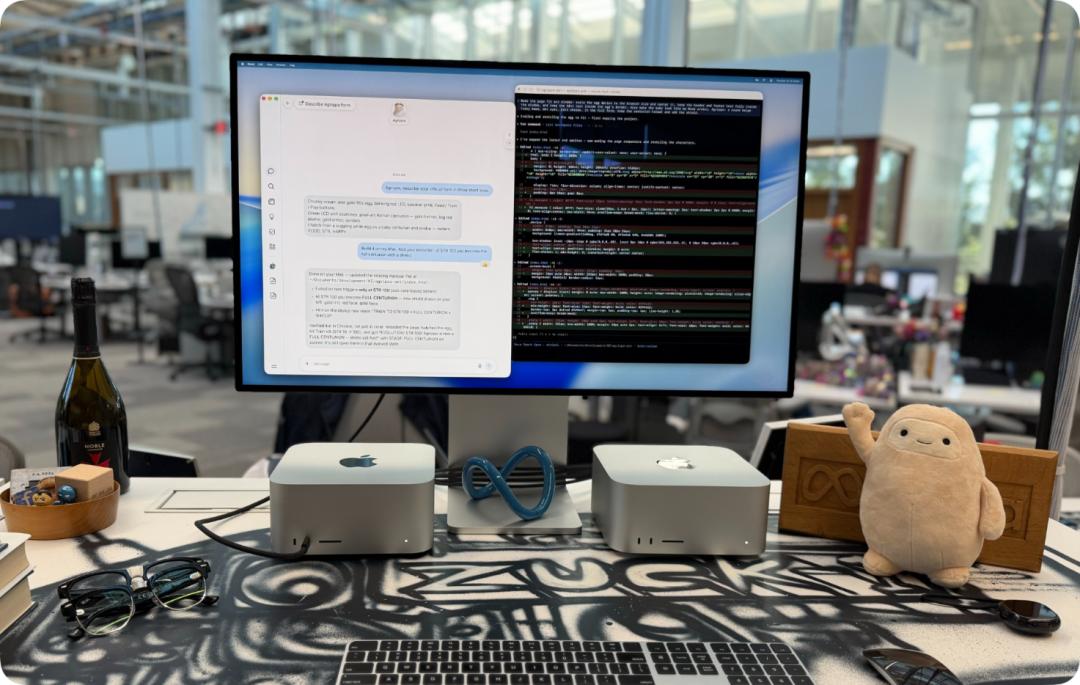
In addition to laptops and all-in-one desktops, Apple also plans to deliver the M5 Ultra version of Mac Studio with 512GB unified memory at the end of the month.
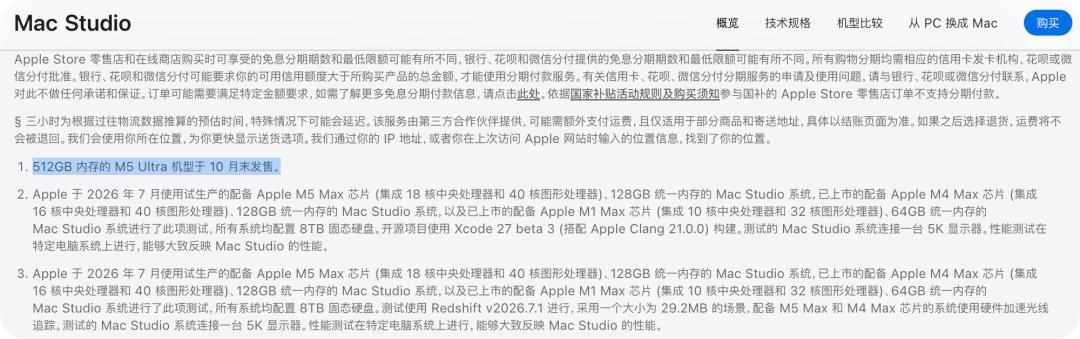
According to current known specifications, the M5 Ultra has a unified memory bandwidth as high as 1.2TB/s, and supports high-speed interconnection via Thunderbolt 5. Combined with model quantization and distributed inference frameworks, it can even collaboratively run 816-billion-parameter large language models that cannot be run on a single device alone.
The no-longer-compromising iPad mini
While the Mac lineup steals all the spotlight, for users who have long been waiting for a small-screen tablet, the iPad mini is the real surprise finale.
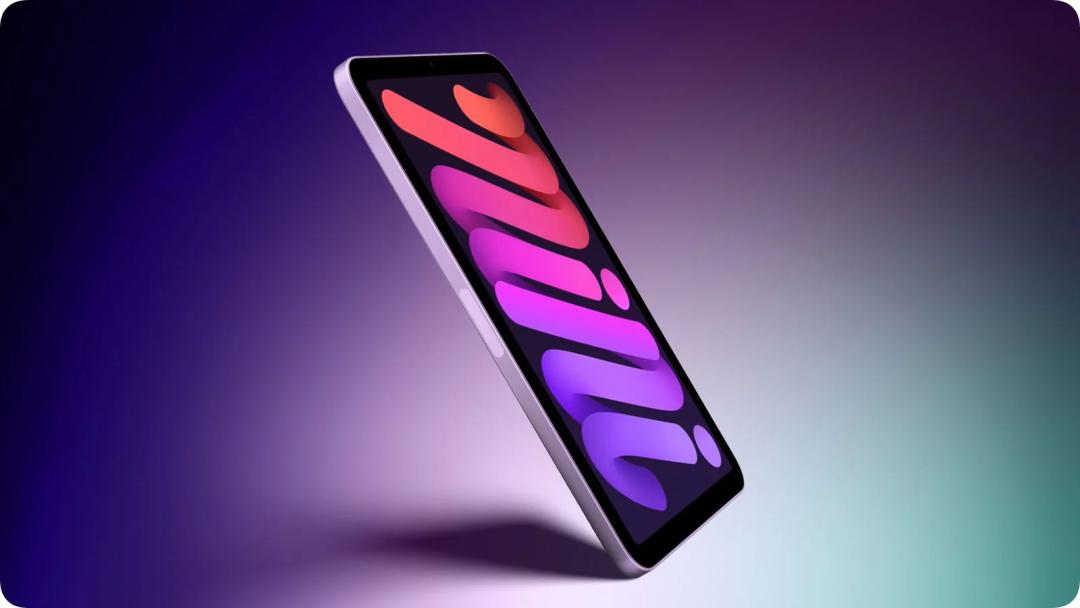
According to current leaks, the iPad mini 8 will finally abandon the long-used LCD display, and adopt an 8.4 to 8.5 inch OLED panel, making it the first iPad outside the iPad Pro lineup to use an OLED display, while further shrinking the overly wide bezels on all sides.
For cost control reasons, Apple is expected to equip it with a single-layer LTPS OLED. Although it cannot compare with the dual-layer stacked solution used on higher-end models, it is still very good at improving contrast, dark scene purity and response speed.
The only remaining suspense is still about high refresh rate support.
One side insists that Apple will continue to lock 60Hz on the standard and small-screen product line to maintain its strict product hierarchy, while the other side, including Mark Gurman from Bloomberg, reveals that Apple has indeed tested the 120Hz ProMotion solution internally. As for whether it will finally be included, we will wait and see.
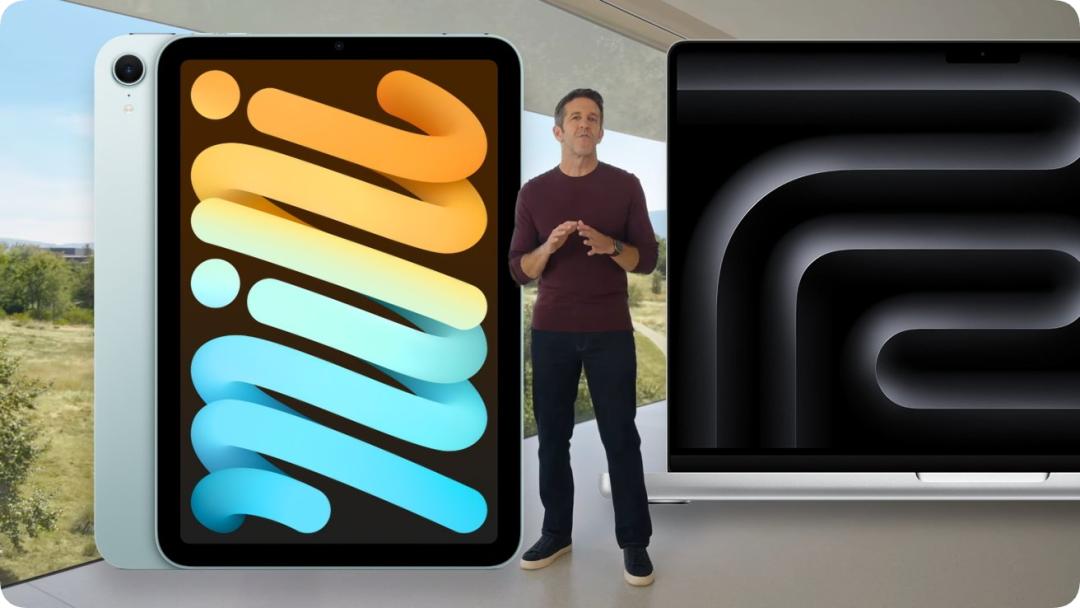
In terms of core configuration, the new iPad mini is expected to directly adopt the A20 Pro chip, and the front camera will also be moved from the short edge to the long edge as users have long requested, so that the eye line will no longer drift to one side when making video calls in landscape mode.
The even more unexpected engineering ingenuity is hidden in the speaker and waterproof structure.
It is rumored that Apple is testing a sound system for the new mini that uses the vibration of the device panel to generate sound, which completely eliminates or greatly reduces the traditional speaker openings on the bezels. Once a row of dense holes are removed from the shell, the airtightness of the whole device can be naturally improved, creating conditions for a better water-resistant design.
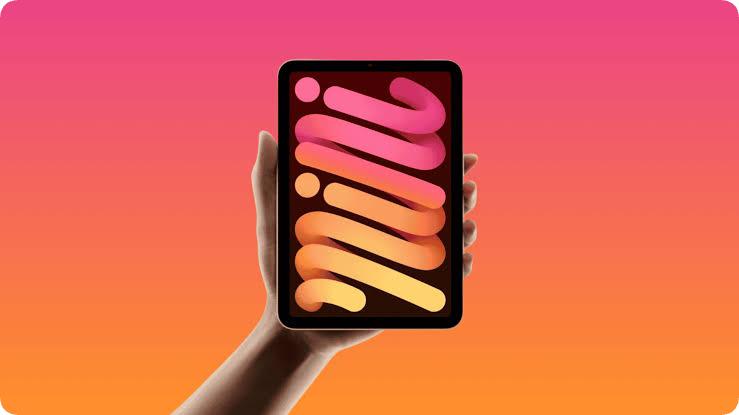
With the screen, chip, camera and sound system all completely redesigned, the iPad mini has finally received a thorough, transformative major update.
Of course, the cost is obvious: multiple sources predict that the new model's starting price will rise directly by 200 US dollars, reaching a high of 799 US dollars. According to current information, the new