DJI, Insta360, Qiyuan and Xunying are ramping up their investment in AI imaging. Is a robot that cannot take good photos not a qualified embodied intelligence?
"How on earth will robots step into our daily lives?"
This is probably one of the most frequently asked questions in the embodied intelligence industry over the past few years. Some people believe that robots should first learn to do housework and take care of the elderly, and eventually become omnipotent home assistants. Others argue that instead of waiting for a humanoid robot that can do everything, it is better to let robots excel at one specific task first.
For example, taking photos and videos for people.
In July this year, Insta360 unveiled its long-term vision for the "photography robot" named Cameraman, aiming to build a Camera Agent that can independently perceive the environment, find shooting positions, compose frames and follow shots, without being limited to a specific product form.
Image source: Insta360
In simple terms, what Insta360 wants to build is a camera that no longer requires constant manual operation and can complete shooting tasks on its own.
At almost the same time, Motion Tech, founded by a former senior DJI technical veteran, launched Beni — a small two-wheeled robot that looks a bit like a pet, capable of following the user to move, avoiding obstacles, jumping, and shooting 4K videos.
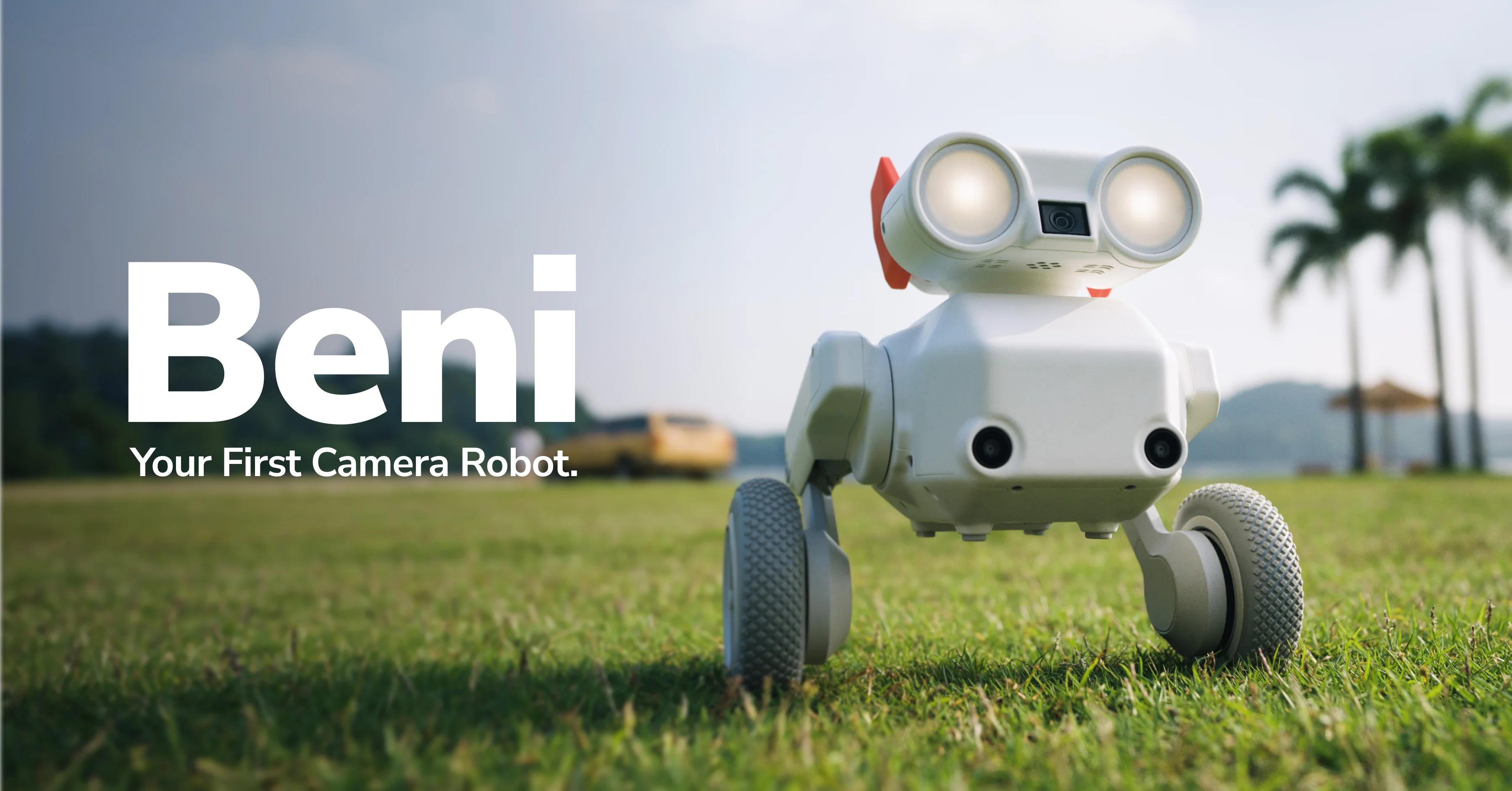
Image source: Motion Tech
Compared with Insta360's Cameraman which is still under exploration, Beni has completed its crowdfunding campaign, with an early bird price starting at $549 (about 3674 yuan). It is scheduled to start shipping in November, and the domestic release plan will be synchronized with large-scale overseas delivery, leaving only one step before it is truly delivered to consumers:
One step away.
These two are far from the only players targeting the "photography robot" track. DJI and HOVERAir have long explored autonomous follow shooting through drones, Qiyuan T1 and the robot dog from VITAPOWER have also begun to undertake mobile photography tasks, and even Honor has integrated a mechanical gimbal and AI Agent into its Robot Phone. The difference is that some people manufacture robots specifically for photography, while others try to make robots learn how to take photos and videos.
As the saying goes, all roads lead to Rome. But in the historical process of embodied intelligence moving towards ordinary users, will "photography" be a narrow path or a broad thoroughfare?
Let the camera move on its own
If we define a photography robot as a device that can move independently and follow users to shoot, it has actually already entered the consumer market, though few people used to call it a "robot".
The most typical example is drones. Take DJI Neo 2 as an example. This small drone weighing only 151 grams already supports palm takeoff and landing, gesture control, smart follow and omnidirectional obstacle avoidance. Users do not need to hold the remote control all the time, and it can follow them to run, ride, or complete camera movements such as orbiting and receding.
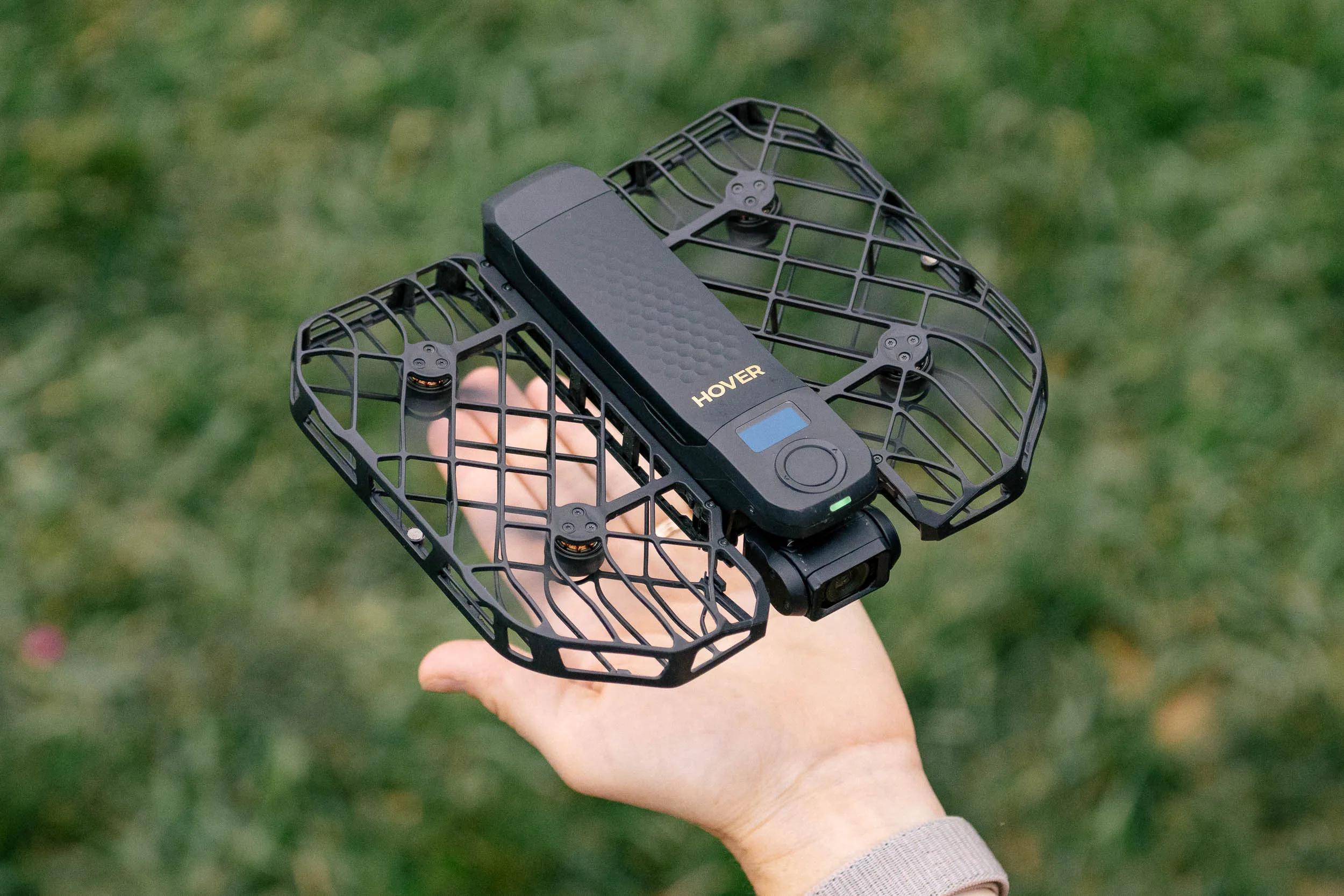
HOVERAir under Zero Zero Technology launched the X1, a flight camera focused on automatic shooting, as early as 2022, and later launched products such as X1 Pro and X1 ProMax one after another. Compared with traditional drones, they emphasize the identity of "flight camera" rather than "drone", with functions including palm takeoff, automatic follow and preset camera movements, which remove flight operations from the shooting process as much as possible.
X1 ProMax, Image source: HOVERAir
In a sense, these products already have the basic characteristics of photography robots: they can perceive the target, control their own movement, and independently complete shooting to a certain extent.
Of course, flying also has its limitations. Battery life, noise, usage places and safety restrictions all determine that drones cannot cover all shooting scenarios. Especially in environments such as indoors and crowded streets, robots that can move close to the ground may have more advantages instead.
This is also an important reason why Motion Tech's Beni chose the two-wheeled legged form.
Different from drones that shoot from the air, Beni can follow users to move on the ground, and realize steering, jumping and posture adjustment through its two wheels and joint structure. It can shoot 4K videos, such as dynamic close-to-ground footage of pets running, children playing, or skateboarding, and can also show a pet-like sense of interaction through different movements.
TechRadar was deeply impressed by Beni's interactive design, believing that those expressions, sounds and rolling movements make Beni also look like a lively robotic pet.
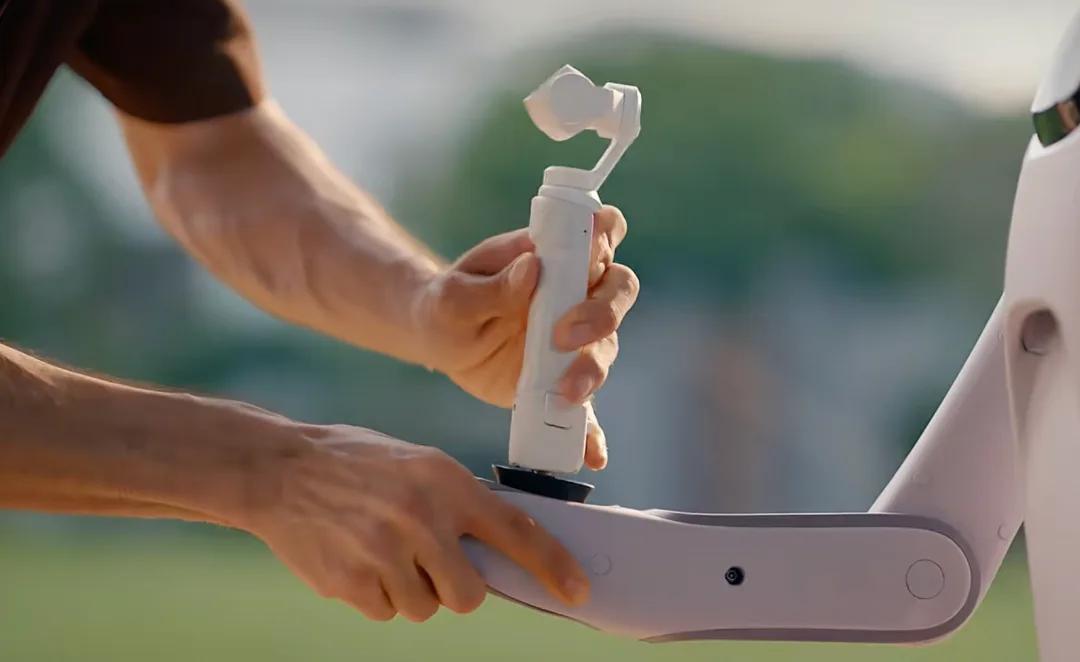
More manufacturers have begun to try on this track. For example, the T1 from Qiyuan Robotics not only adopts a deformable design that can freely switch between two wheels and four legs, but also can connect action cameras such as Insta360, supporting functions such as voice shooting, automatic follow shooting and orbiting camera movement. In addition to autonomous follow, obstacle avoidance and object carrying, Vbot super robot dog can also mount an action camera to act as a mobile photographer in outdoor activities.
Qiyuan T1 connected with Insta360 Luna Ultra, Image source: Qiyuan Robotics
Compared with Beni, these two products are not designed specifically around photography. Photography is only one of the important tasks they can perform, and the robot itself carries more functions. This difference is really interesting.
Even the Robot Phone launched by Honor this year directly integrates a mechanical gimbal into the mobile phone. Through AI subject recognition, automatic follow and pre-composition, the lens can actively adjust the direction as the person moves, and even complete some professional camera movements.
Another similar product is the OBSBOT Tail 2, which realizes person follow through the AI active gimbal design, and also supports a set of gesture interaction design with high reference value:
The active gimbal of OBSBOT Tail 2 does not mean that we can place the camera in any random "corner": for the convenience of single-person use, the OBSBOT Tail 2 has gesture control capability: making an "L" shape with the thumb and index finger can control zoom, and the "OK gesture" can start and stop shooting. But if you do not place the OBSBOT Tail 2 in front of you, the camera may not be able to accurately recognize the "OK" gesture.
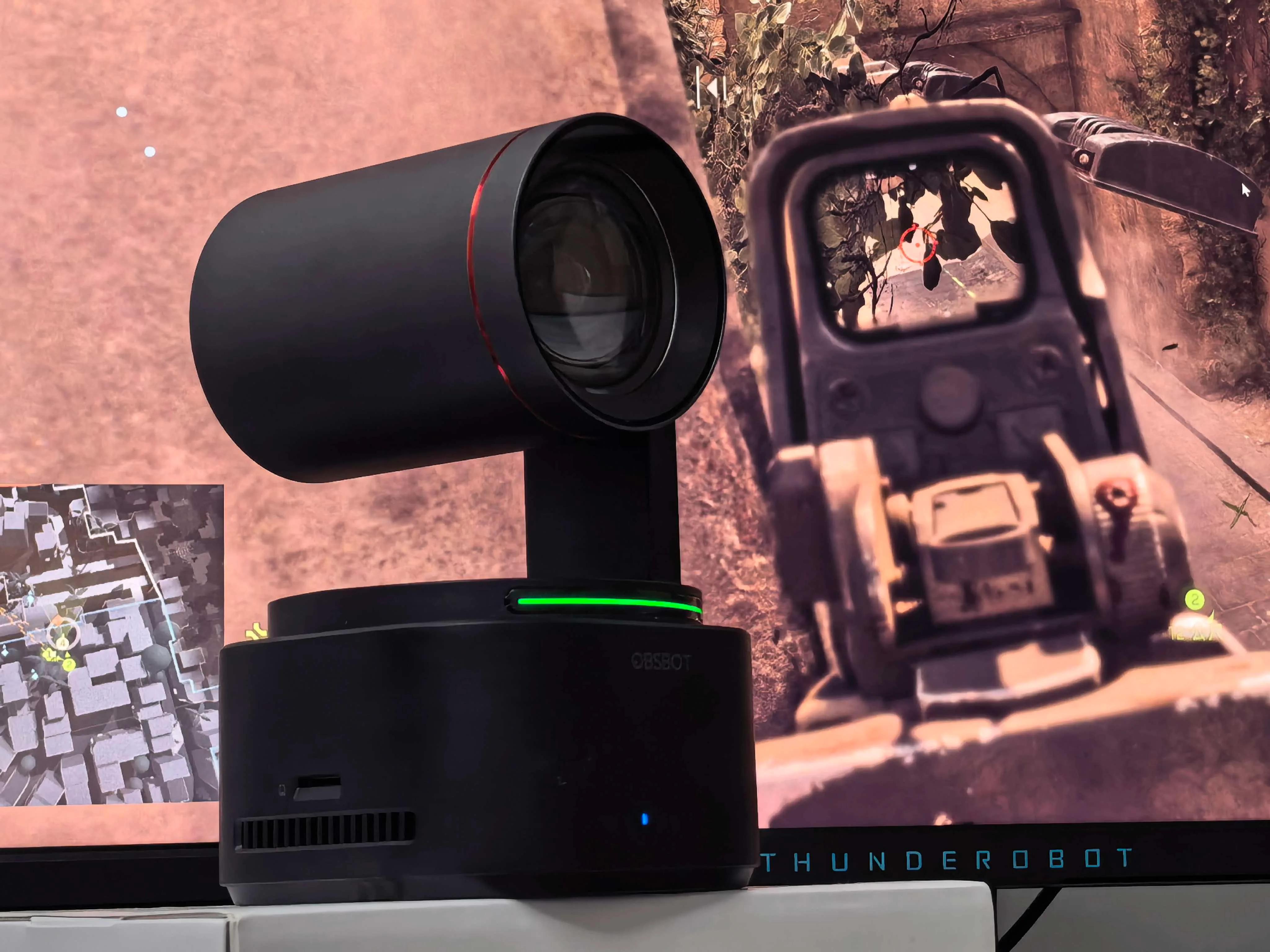
Image source: Leikeji
There were also cameras with tracking functions in the past, but no matter how smart the algorithm is, it can only adjust the picture parameters, and cannot change the position and angle of the lens. In a broad sense, both Honor's Robot Phone and OBSBOT Tail 2 can be regarded as a kind of "photography robot":
At the very least, the camera no longer passively waits for user operation, but has a certain independent execution capability at the physical level.
As for Insta360, although Cameraman does not have a confirmed independent product form at present, it has accumulated a lot of relevant technologies from panoramic cameras, Flow mobile gimbals, Luna gimbal cameras, to Insta360 AcePro panoramic drones. Insta360's vision is not to create a robot of a specific form, but to enable the camera to understand the user's intention and independently complete shooting, editing and even sharing.
It must be admitted that the current "photography robot" can hardly be defined by a single product form. It can fly in the sky, run on the ground, look like a robot dog, or even just a set of mechanical gimbals behind a mobile phone.
In a public interview, Wang Mengqiu, founder of Zero Zero Technologysaid "The ability of cameras to fly is just a means, not an end", and Liu Jingkang from Insta360 also mentioned when talking about Cameraman that "What most people really want is not to operate machines, but to get good photos and videos."
The photography robot is not a new concept that suddenly emerged, but the result of the intersection of two technical routes: the continuous autonomization of imaging equipment, and the gradual practical application of consumer robots. After all, in terms of narrow demand, the "robot" part of the photography robot can only be a means, not an end.
But at the same time, the photography robot can become a possible way for robots to enter people's daily lives.
Learn to follow shoot first, then talk about being omnipotent?
In the eyes of many people, the ultimate form of embodied intelligence seems to be humanoid robots.
Yang Shuo, CEO of Motion Tech, also does not believe that all robots should develop towards the humanoid form. Yang Shuo once participated in and led the R&D of DJI's flight control system, later graduated from Carnegie Mellon University with a doctorate in robotics, and then served as the architect of Tesla's Optimus humanoid robot project.
He gave an example in a previous interview: if users want a robot to hold an Osmo and shoot beside them, why must we first create a humanoid robot that can walk bipedally and hold the camera with its hands? A car, or even a simpler mobile device, can also complete the same task.
In fact, this group of Shenzhen manufacturers including Insta360, HOVERAir, DJI and Motion Tech are more practical, emphasizing the satisfaction of "user needs" and paying attention to commercial implementation.
So it is not difficult to understand why Motion Tech chose the current product form of Beni. It does not need to imitate the human body, nor does it need to master complex dexterous operations. As long as it can stably follow the user and adjust the shooting position, it has the opportunity to complete photography tasks.
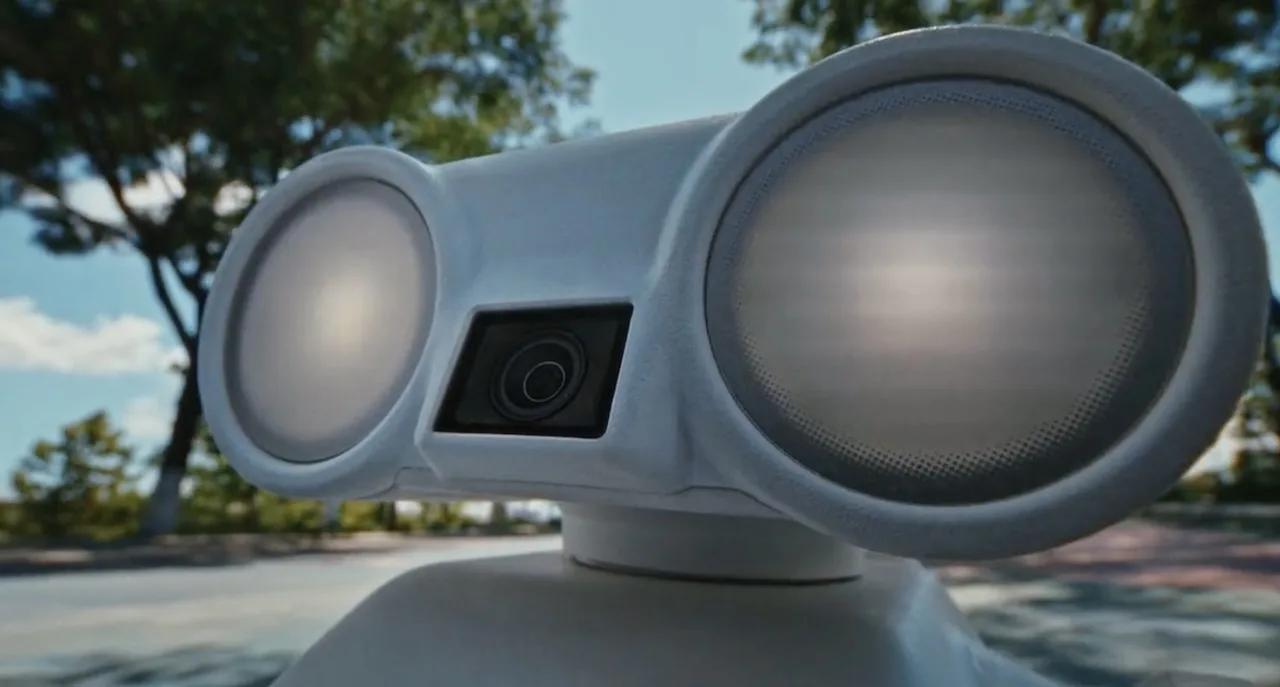
Image source: Motion Tech
Another point is that photography requires robots to perceive the surrounding environment, identify shooting subjects, plan their own movement routes, and continuously adjust their actions according to the actual situation, but it does not necessarily require robots to directly operate and change external objects. This means that compared with complex housework such as tidying rooms, washing clothes and cooking, photography can avoid unsolved technical problems such as dexterous hands and object operation to a certain extent, while allowing robots to truly enter the complex and changeable real environment.
But this does not mean that Yang Shuo is not optimistic about humanoid robots. On the contrary, Yang Shuo mentioned in his personal column that Motion Tech decided to develop two product lines from the very beginning: "One is the longer-term humanoid robot, and the other is a smaller, safer small robot that can more easily enter real life first."
In fact, the advantage of humanoid robots lies in their universality. The environment, tools and various infrastructures in human life are mostly designed around the human body. If robots need to operate these tools to complete various different tasks, the humanoid structure naturally has its value.
But if you only need to complete one specific task, the situation is different. For example, a robot that follows people to shoot does not need to have two legs and two hands, let alone learn to tidy rooms, wash clothes and cook first.
The key is "smaller in size, safer, and easier to enter real life first". From the perspective of technical maturity, price, practicality and product interaction, product forms like Beni obviously have the opportunity to enter the public life earlier than humanoid robots.
Over the past decade, mobile phone, camera and drone manufacturers have been lowering the threshold of shooting. From autofocus, computational photography, to smart composition, automatic follow shooting, and now AI editing, more and more work that originally required users to complete in person has been handed over to devices.
Following this route, the next natural step is to let the device decide how to shoot, and even when to shoot, on its own.
In fact, in Liu Jingkang's vision, the core of Cameraman is a Camera Agent that can understand user intentions, independently select lenses, shooting positions and compositions, and finally deliver satisfactory images and videos. In other words, the development of photography robots is not only to let devices learn to move, but also to make them gradually understand the very nature of photography.
The other route starts from robots.
Apart from factors such as cost, the more important problem for robots to enter daily life today is "what can they do". Robots that perform martial arts and dance shows, make ice cream, coffee, pancakes, sort goods and provide retail services are mostly oriented to merchants. Relatively speaking, "photography" is more personal, which has been verified in consumer drones, handheld gimbal cameras and action cameras.
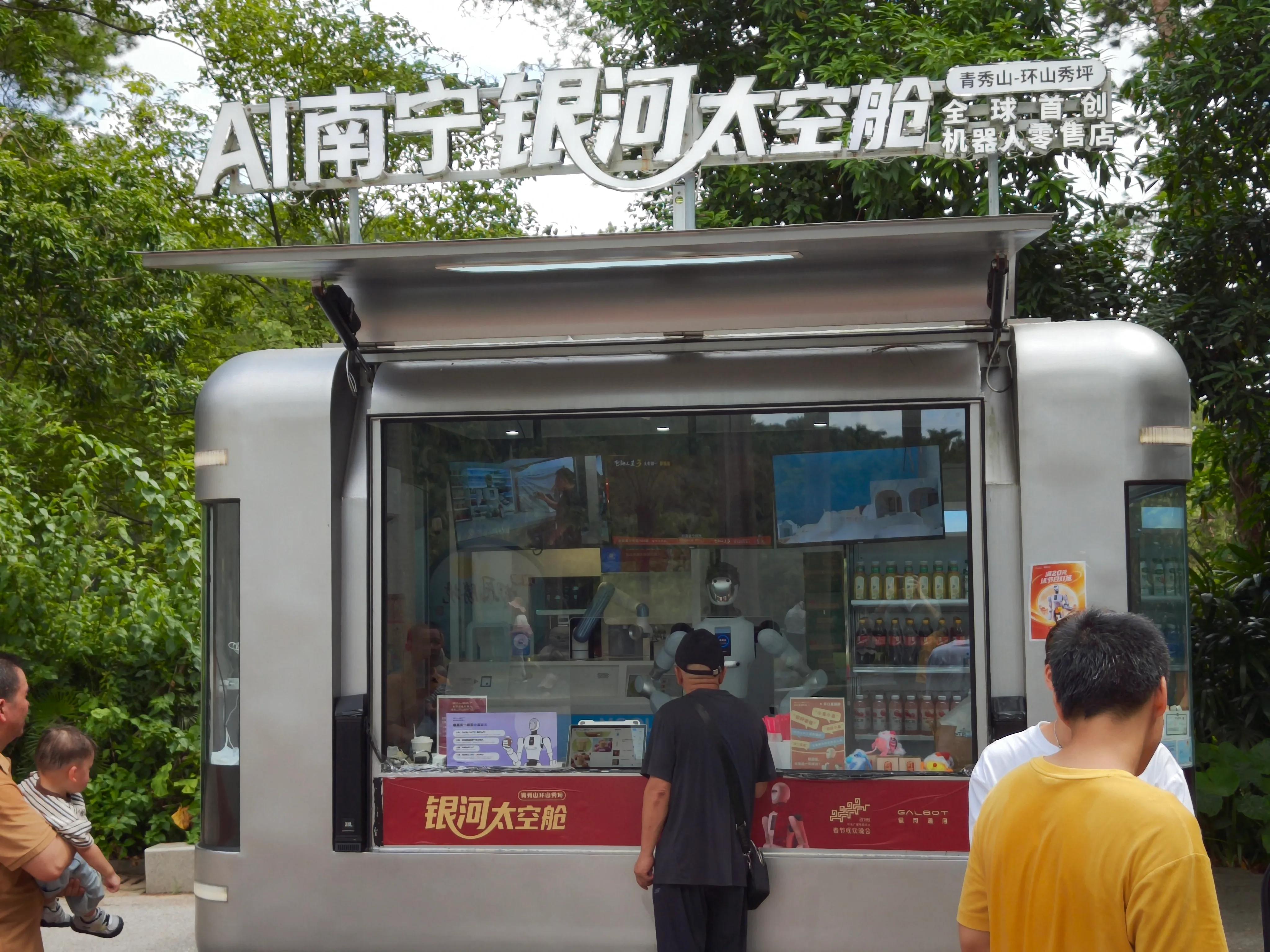
Image source: Leikeji
Therefore, for robots, photography can be the core function, or just one of many capabilities. Robots can be specially designed for shooting, and can also undertake tasks such as follow, companionship,