Tesla can only fly for 5 seconds? Scientists call it a "fart car", and the Federal Aviation Administration states that it does not conform to the definition of an aircraft.
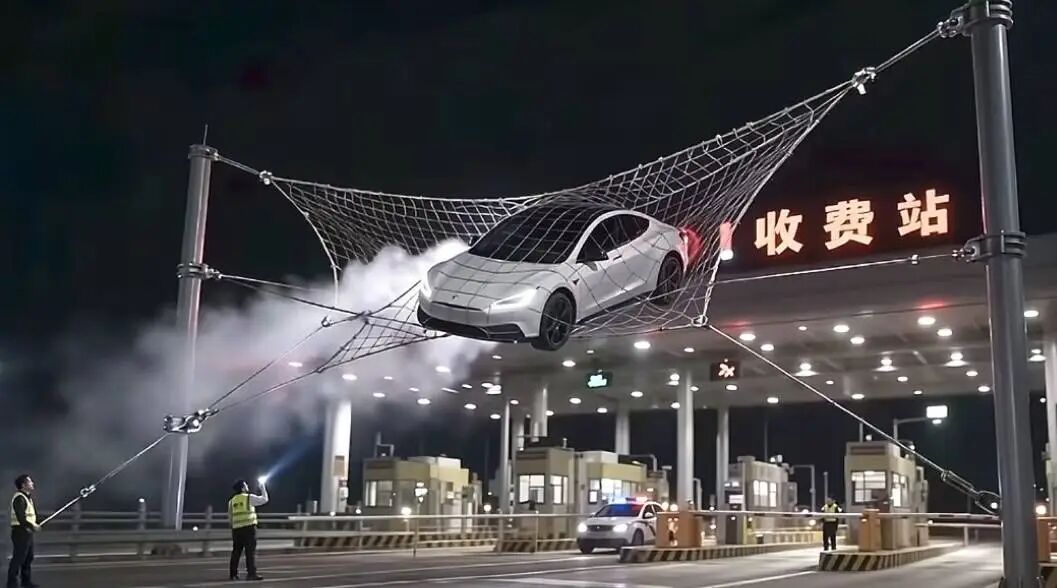
Ever since Elon Musk launched the "flying Tesla", waves of meme pictures have emerged online, such as flying over toll stations, jumping up to dodge the battery popping out from the next door, and even flying off a cliff with Li Youtian.
But after the jokes, more people began to think about what this Roadster is actually capable of? Does it even count as a flying car?
The US CBS approached the Federal Aviation Administration (FAA) and raised a critical question: who exactly is in charge of this vehicle that can somersault in the air. The response they received was:
The Tesla Roadster does not meet the FAA's definition of an aircraft.
The US National Highway Traffic Safety Administration subsequently stated that even if the car visually defies the laws of physics, Tesla must ensure that it complies with applicable motor vehicle safety standards, and drivers must also abide by local road regulations.
This means: The Roadster is not a flying car at all.
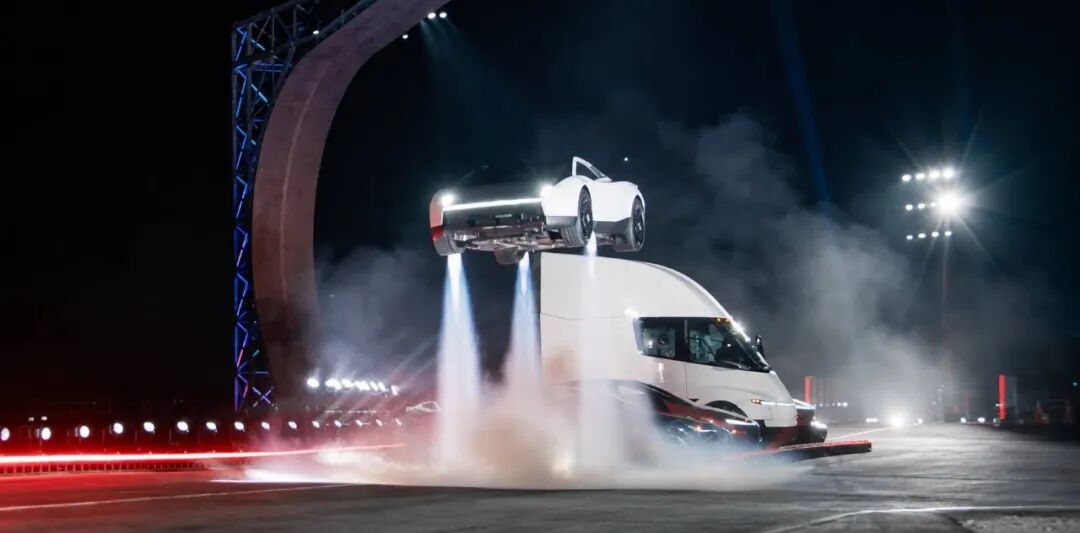
To make this clear, we first need to see how this sports car, which is claimed to use rocket technology, lifts off the ground.
Tesla can fly, but only for six seconds
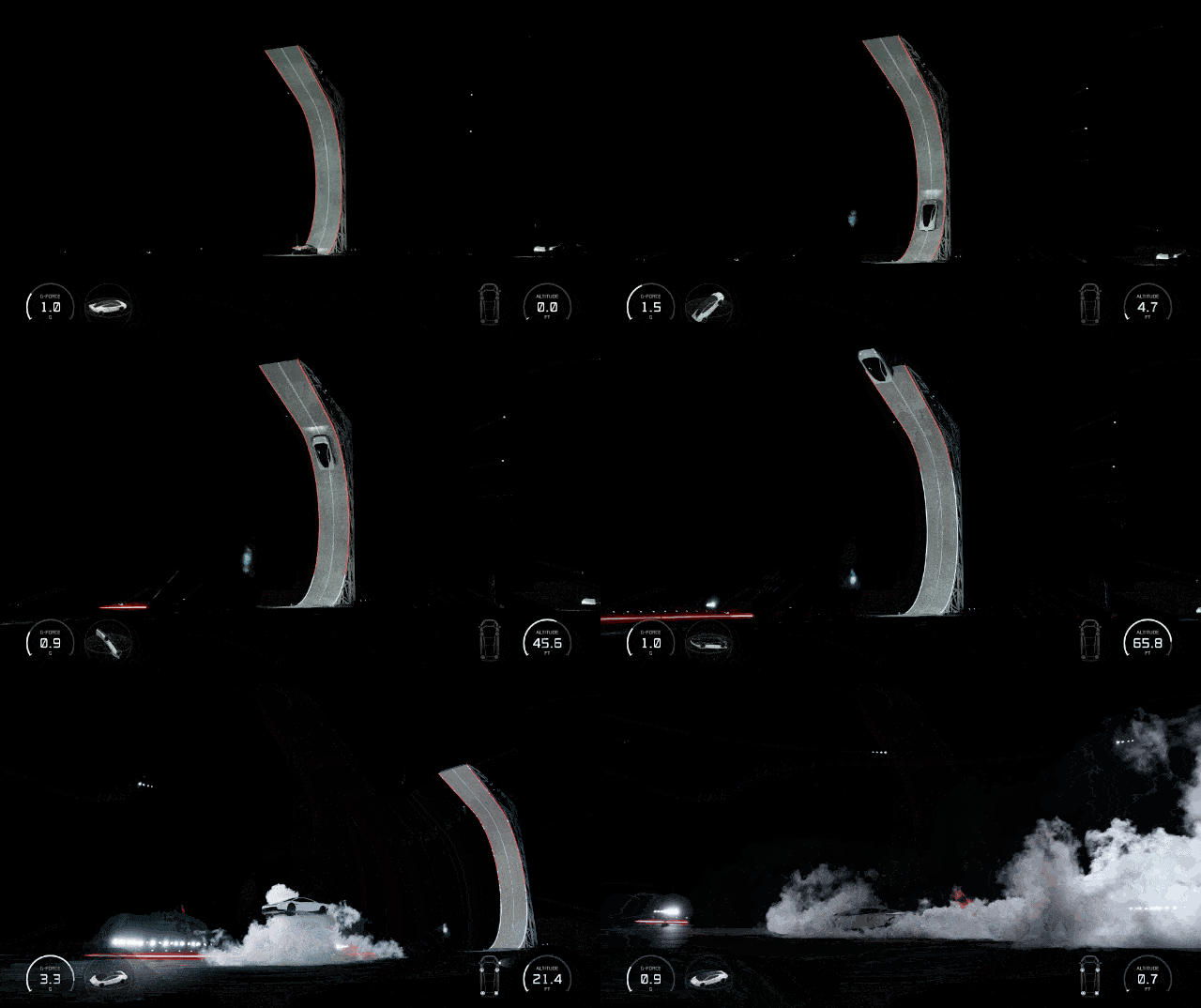
The footage at the launch event was dazzling, but the actual principle is very simple. Tesla adopted two sets of solutions: one is responsible for sucking the car onto the runway, and the other is responsible for pushing the car into the air.
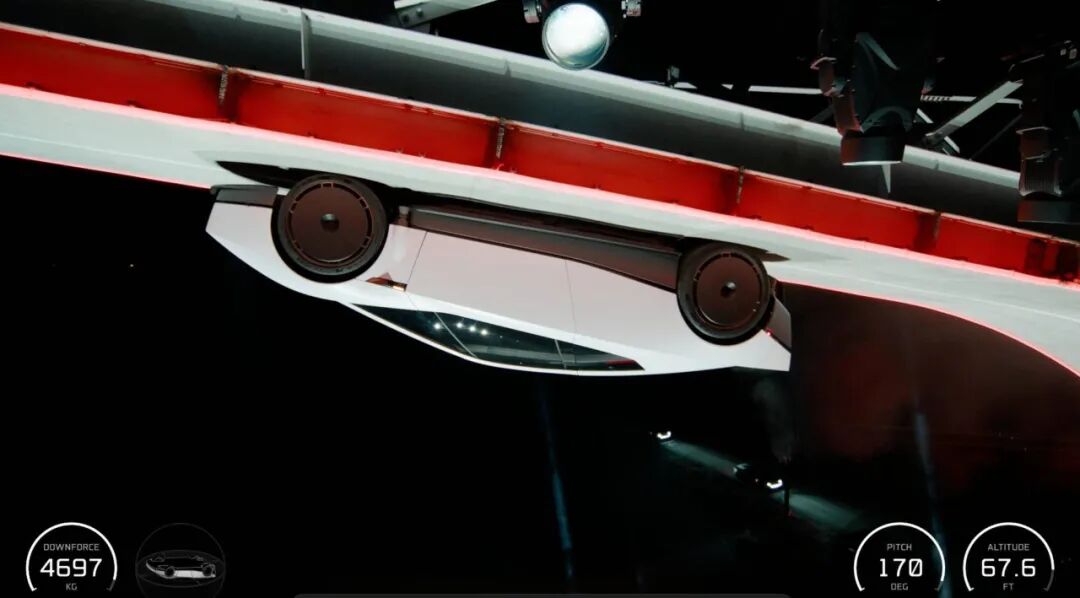
The key for the Roadster to hang upside down at the top of the runway lies in those high-power fans at the bottom of the car.
Just two weeks before the launch event, the US Patent and Trademark Office approved a new Tesla patent. From the patent document numbered US 12,377,920 B1, it can be seen that Tesla has arranged 4 electric ducted fans at the position of the rear diffuser.
According to Tesla, each of these 4 axial fans has a power of about 20 kW, and the motor architecture is derived from Tesla's mature heat pump compressor.
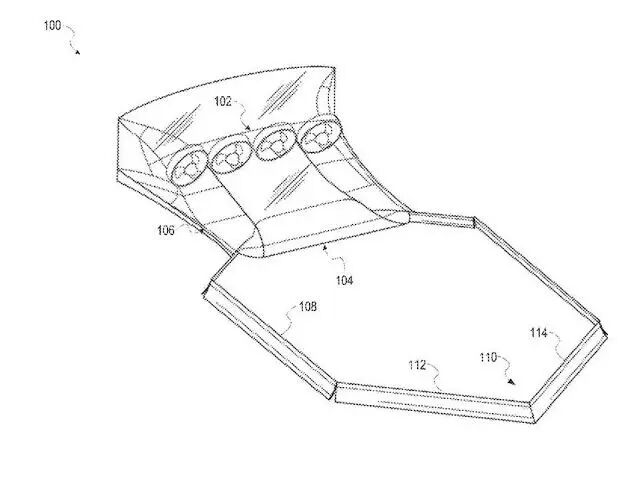
Matched with this is the active sealing skirt at the edge of the chassis, which can move with the undulation of the road surface to isolate the space under the car. When the car drives onto the runway, the fans will quickly evacuate the air between the bottom of the car and the road surface to form a local negative pressure, keeping the car close to the runway at all times.
Naturally, these fans also help with cornering.
Lars Moravy, Vice President of Vehicle Engineering at Tesla, revealed that at low speeds from 0 to 50 miles per hour (about 80km/h), this negative pressure system can provide more than 2G of lateral grip.
What makes the Roadster jump into the air after leaving the runway is another set of solutions from the aerospace field inside the car.
In the Rocket version that demonstrated stunts on site, the engineers removed the co-pilot seat and stuffed a carbon fiber wound high-pressure gas storage tank with a capacity of 600 liters. This tank withstands a high pressure of 700 bar and stores nearly 250 kg of high-pressure gas inside.
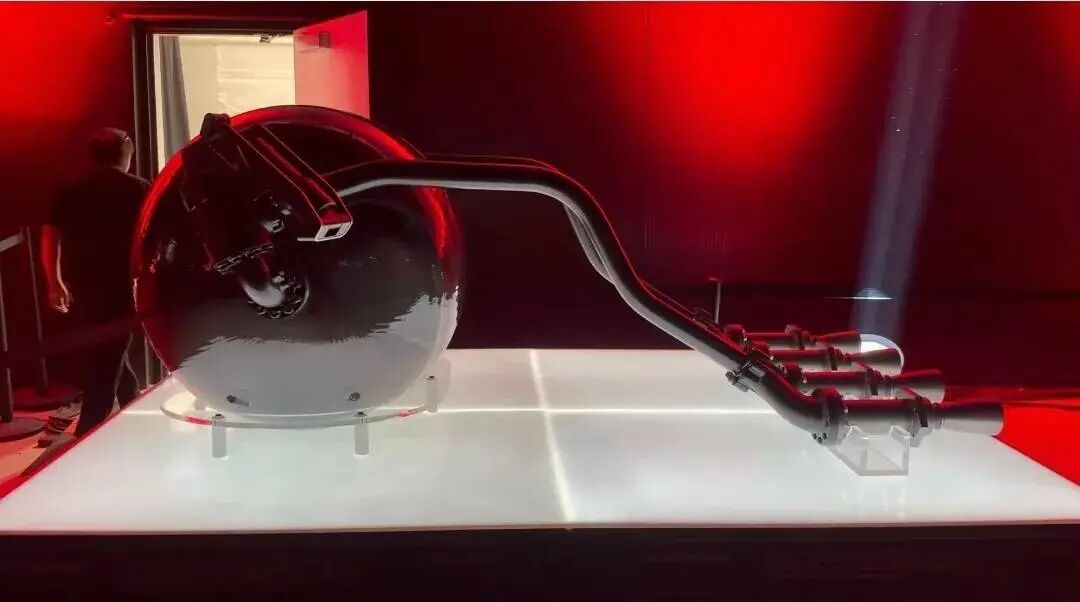
These high-pressure gases are diverted to 10 nozzles across the vehicle through pipelines, of which 4 at the rear of the vehicle are main nozzles responsible for longitudinal acceleration, one vertical thrust nozzle is arranged at each of the four corners of the chassis, and attitude fine-tuning valves are arranged on both sides of the vehicle body.
Moravy also mentioned that in order to ensure that there is no time difference when each nozzle ejects high-pressure gas, the engineers made a set of strictly equal-length pipeline layouts under the chassis.
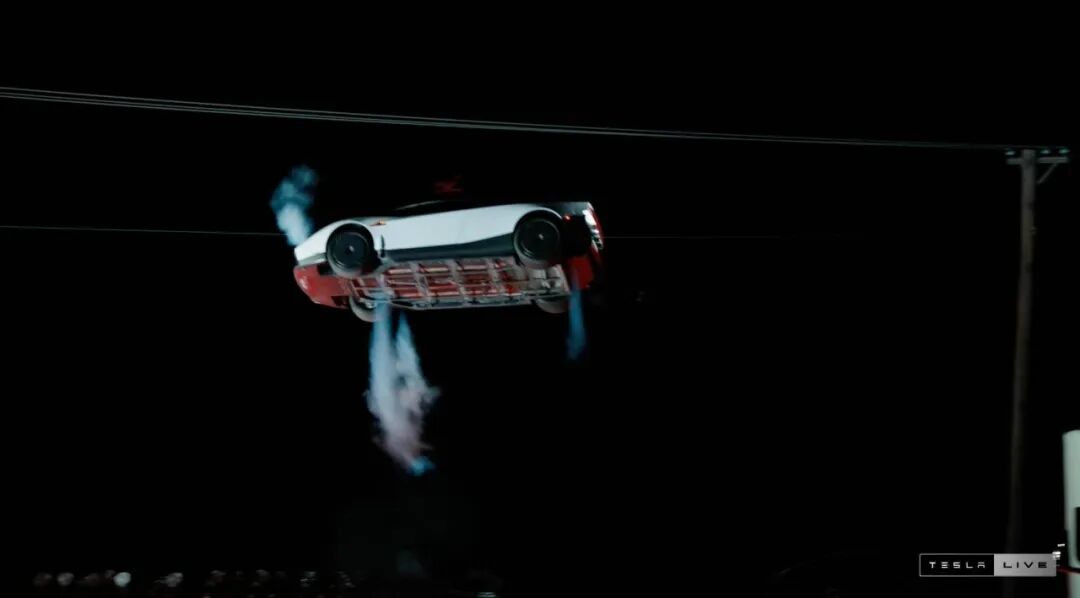
He emphasized that even if the airflow between the nozzles is only a few thousandths of a second slower, the already jumping vehicle will instantly lose its balance.
To sum up, the process of the all-new Roadster jumping is roughly as follows:
The vertical nozzles at the bottom are turned on, and high-pressure gas is ejected towards the ground, generating a reaction force exceeding the gravity of the car body to lift the car body into the air. Immediately after that, the nozzles on the side of the car are activated, the on-board gyroscope calculates the angular velocity, and the reverse airflow is ejected for braking the moment the car body flips exactly 180°, before landing afterwards.
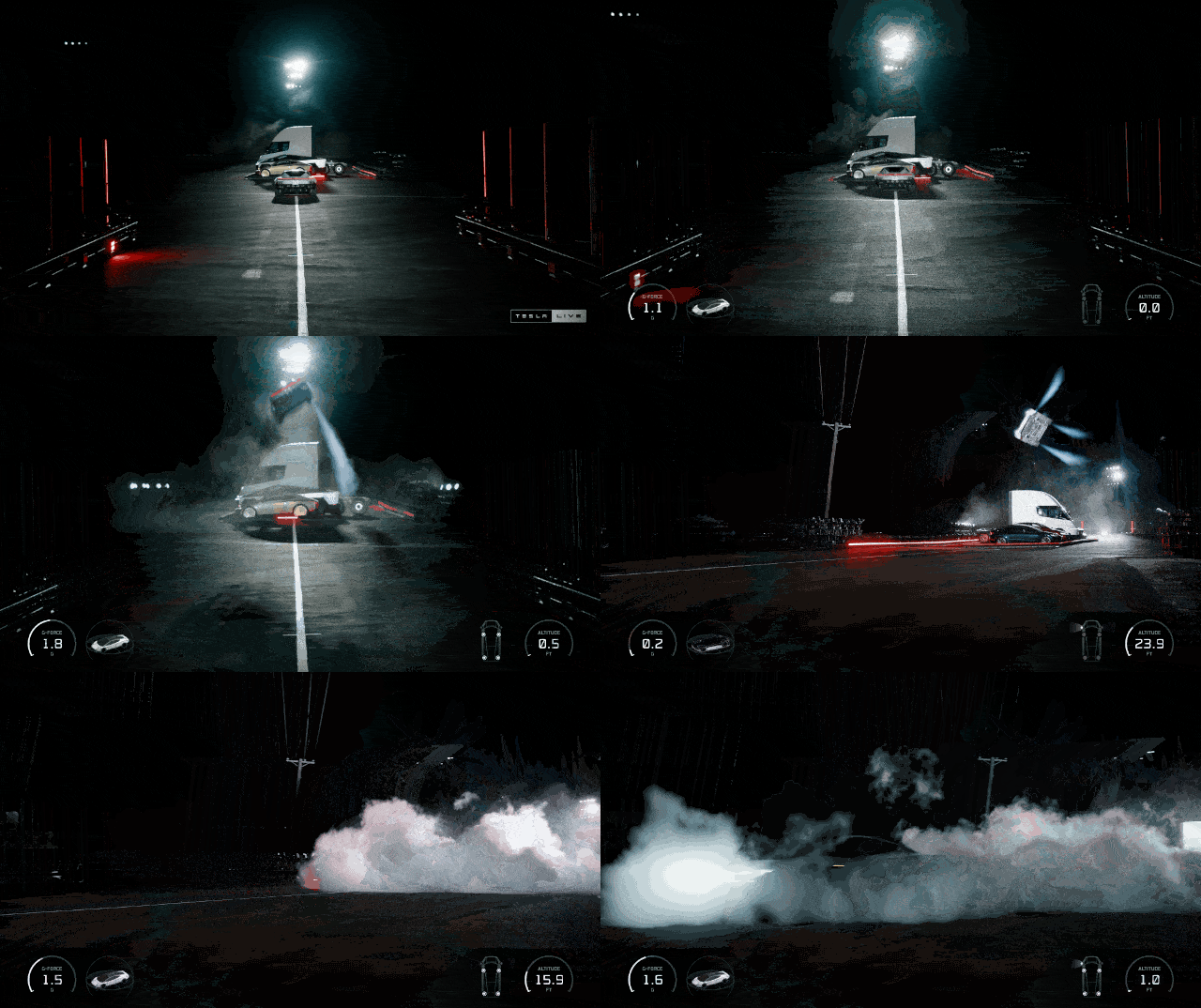
Admittedly, the whole set of actions is sci-fi enough visually, but it still does not meet the FAA's definition of "aircraft".
According to US federal regulations, only vehicles that can maintain controlled cruise and navigation in airspace by means of aerodynamic force or powered lift can be regarded as aircraft. The Roadster obviously cannot meet this requirement, and the reason is very simple: its propulsion system can only last for a few seconds at most.
The aerospace field often uses "specific impulse" to measure thrust efficiency, which simply means how long the propellant can last. Ordinary rockets work with chemical fuels, and their specific impulse is usually above 300 seconds, while the cold gas propulsion adopted by Tesla has no heat release, so the specific impulse is generally stuck at around 50 seconds.
A low specific impulse means that the flow velocity of the ejected gas is not fast enough. To achieve sufficient thrust, the amount of ejected gas can only be increased.
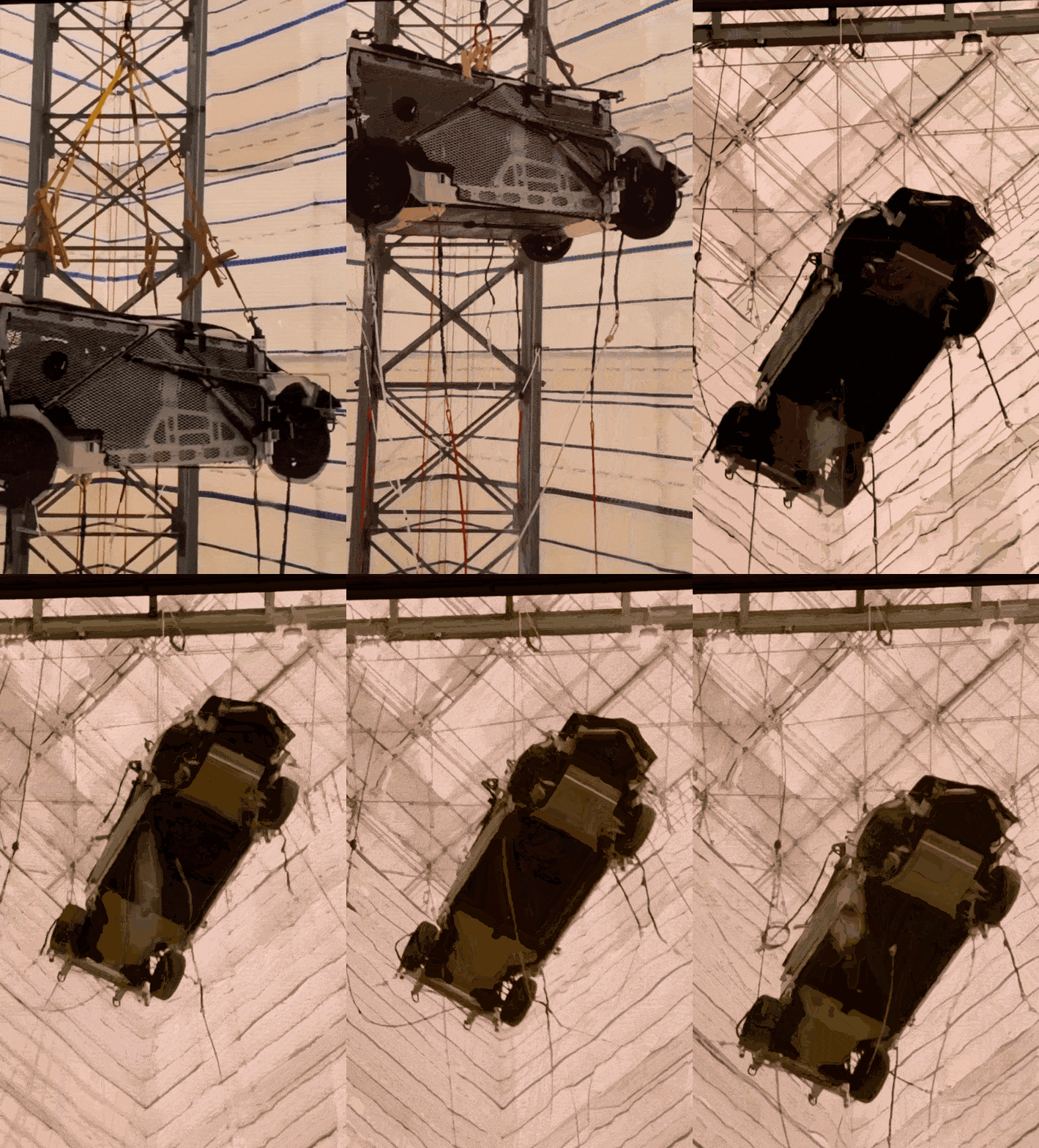
To maintain a Roadster weighing nearly 1.8 tons hovering, a continuous thrust of nearly 18,000 Newtons is required. Converted according to the theoretical formula, this system must eject about 35 kg of gas outward every second.
In other words, the 250 kg of gas contained in the gas storage tank cannot last for more than 6 seconds under full thrust conditions.
According to reports from overseas media MotorTrend, the demonstration vehicle that completed three jumps on site had a gas storage capacity exactly three times that of the ordinary Thrust propulsion version - the latter's gas storage tank is only 200 liters, which cannot even last for 2 seconds under full thrust conditions, and the subsequent inflation time is as long as 6 to 7 hours.
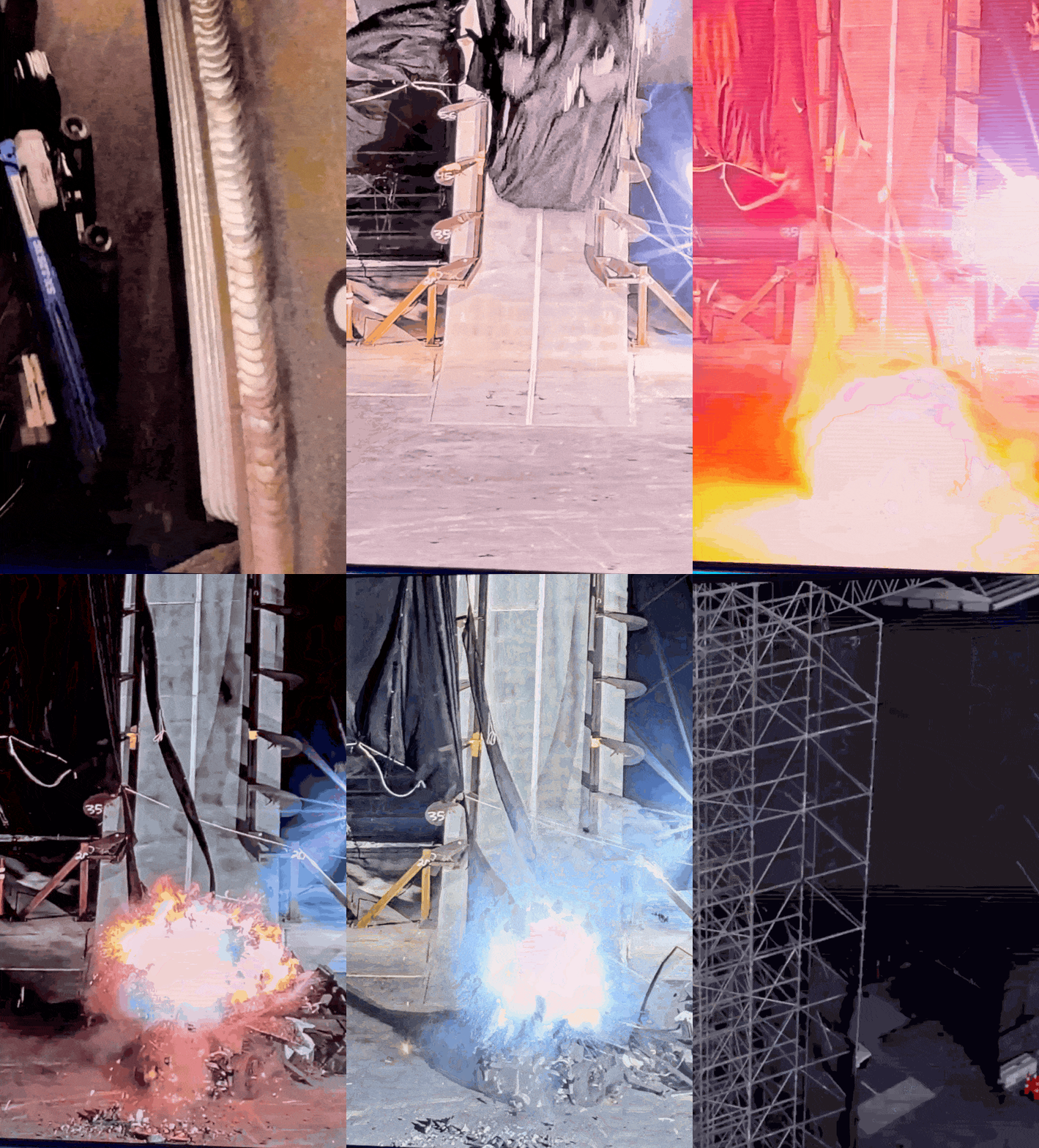
Even if we take a step back and treat it as an ordinary car, the existing design still faces huge difficulties in passing road safety certification, and Musk himself probably knows this clearly. After the launch event, Tesla simply stated on its official website that this flying Rocket version "has not been approved for driving on public roads", and even adopted a very rare invitation-only sales model.
"Safety is not the main goal. For example, when you buy a Ferrari, safety will not be the top priority. If safety is your top priority, I would say don't buy the Roadster," Musk said.
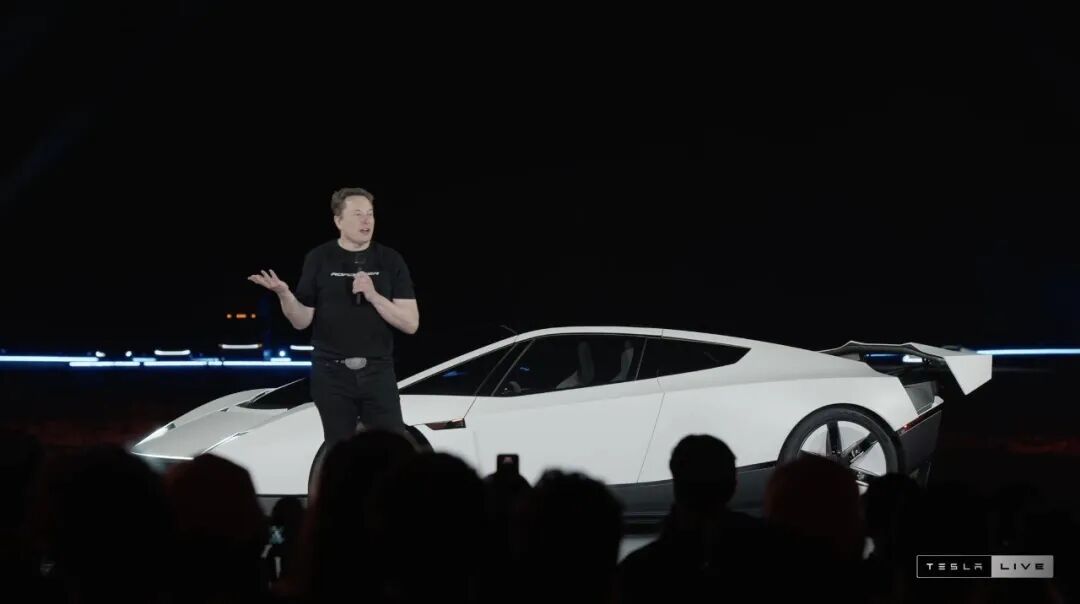
For a million-dollar geek toy, Musk may be able to put safety in a secondary position. But for any transportation tool for public travel, safety has always been an insurmountable red line. He Xiaopeng, who is also exploring flying cars among China's new domestic car-making forces, gave an evaluation after watching the launch event.
Whether it can be implemented depends on specific indicators such as flight safety and flight parameters. But no one can bypass flight certification, which is a long-term task all over the world.
The flight certification mentioned by He Xiaopeng is an institutional threshold that all low-altitude manned vehicles must cross. From airworthiness certification to route planning, every step requires long-term verification.
When asked on the social platform where this car can be driven, Musk said that Tesla will build a circular racetrack at its Texas headquarters for car owners to experience "stunts" in a closed environment.
Not practical, but not worthless
After watching the launch event, Turing Award winner and Meta's chief AI scientist Yann LeCun typed out a calculation problem on the social platform.
He also believes that even if half of the total weight of the car is allocated to compressed gas, under the condition that the thrust-to-weight ratio is greater than 1, the useful thrust can only last for about 5 seconds.
Yann LeCun later described this car as a 700 bar pressure, 600-liter "farting device", thinking that it is just a huge marketing gimmick, not a path leading to flying cars.
Musk's response was in his usual style - a line from the absurd comedy *Monty Python and the Holy Grail*.
I fart at you.

In terms of practicality, it is obviously impossible to use the method of ejecting high-pressure gas to lift off for a few seconds for daily commuting. But in the eyes of many car enthusiasts and geeks, Tesla has helped them bring their childhood brainstorming ideas into reality.
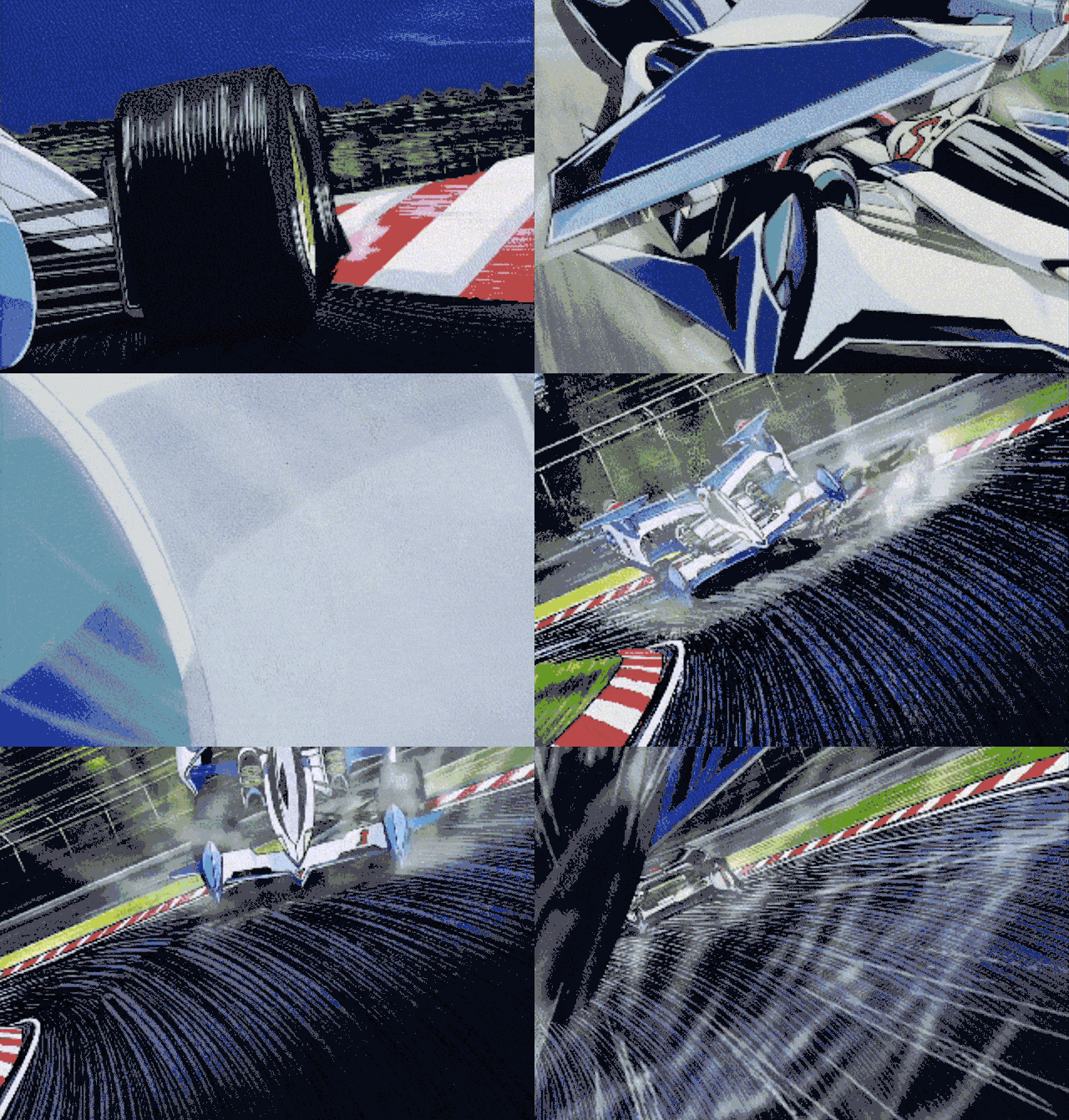
In the classic Japanese anime *Future GPX Cyber Formula*, one of the most recognizable configurations of the protagonist's racing car Asurada is the high-power fans on both sides of the car body.
Relying on these two fans, Asurada can jump into the air after breaking through the grip limit when cornering, complete the angle correction in the air, and then land back on the track.
In fact, in the automotive industry, Tesla is not the only company that has been studying fans. Last year, BMW unveiled a test car called Vision Driving Experience, whose 5 internal fans can generate a full 1 ton of downforce for the car body, even if the car is completely stationary at that time.
Just like the Tesla Roadster, this car also attracted a lot of ridicule on the Internet.
Some people joked that BMW built a "giant Dyson vacuum cleaner with four wheels", some people thought that the 50kW fans were a pure waste of electricity, and even more people thought that the system made a huge noise and had no practical significance except for making videos to attract attention.
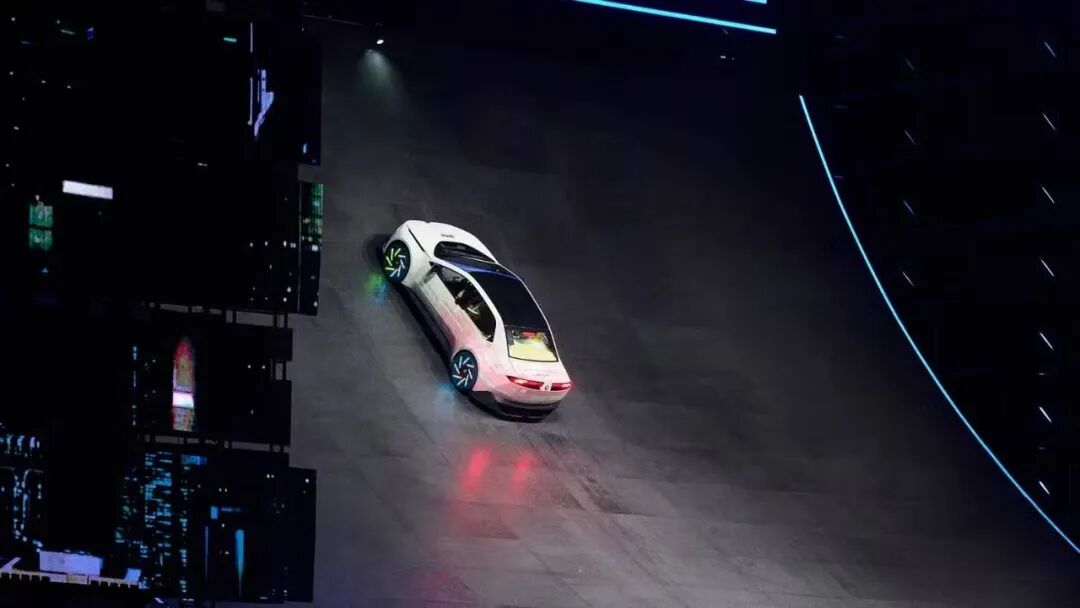
BMW Vision Driving Experience
But in the history of technological evolution, the value of many technologies often takes a long time to appear. Most of the infrastructure that supports modern society today received similar criticism when they were first born.
The most typical example is Jensen Huang and NVIDIA.
In 2006, Jensen Huang made a decision that puzzled his peers: he required every gaming graphics card produced by NVIDIA to add a CUDA architecture unit that supports general-purpose computing. For players who only wanted to play *World of Warcraft* at that time, this not only could not improve the picture quality and frame rate, but also made the graphics card hotter and more expensive.
This