With the price slumping to 5 yuan per crab, why have Chinese mitten crabs fallen from their once revered pedestal?
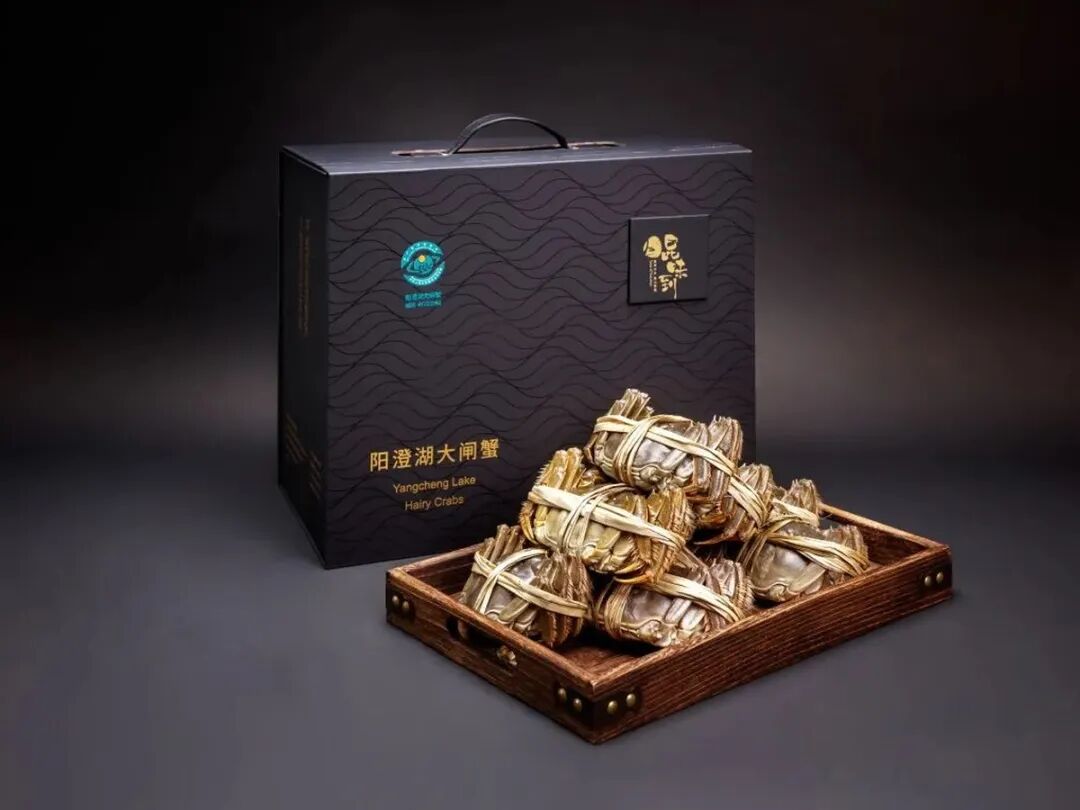
My previous impression of hairy crabs: crab vouchers with a face value of 1,000 yuan, high-end exquisite gift boxes:
Impression of hairy crabs in 2026: clearance sale at roadside stalls, special price zones in supermarkets:

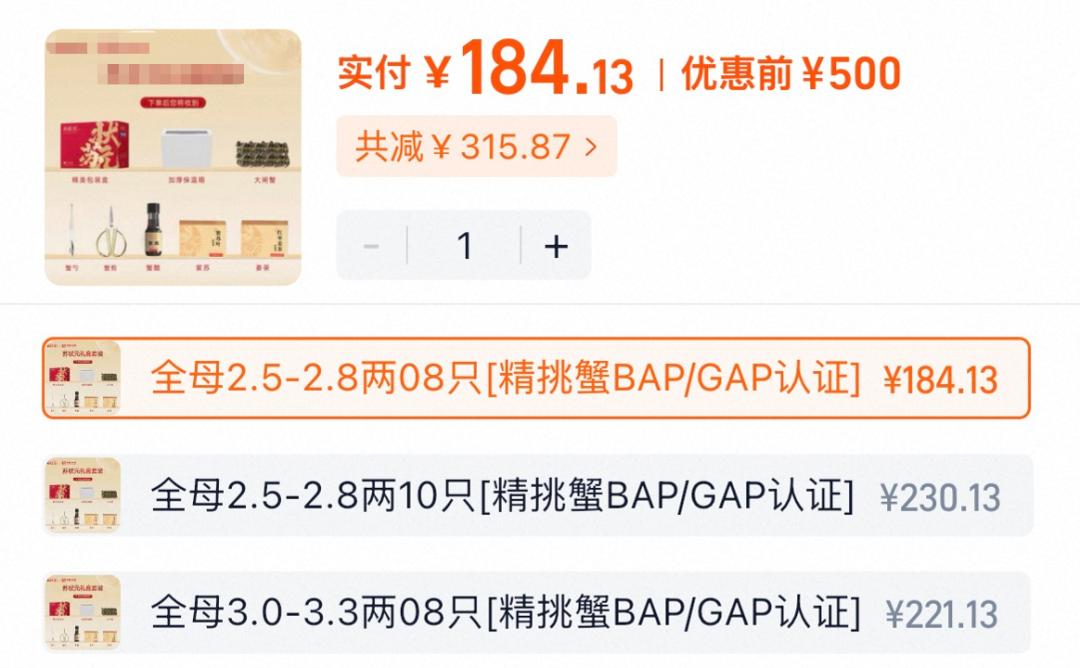
This autumn, for food lovers, happiness comes all of a sudden. Hairy crabs, this kind of high-end ingredient, have suddenly experienced a sharp price slump. Take the popular 2.5-ounce female crab as an example: on e-commerce platforms, each of them used to cost 35 to 45 yuan last year, but now you can easily buy the same product for 23 yuan or 25 yuan; some wholesale markets are even cheaper, and the price at Xinfadi in Beijing on October 9 has dropped to 13.7 yuan per crab.
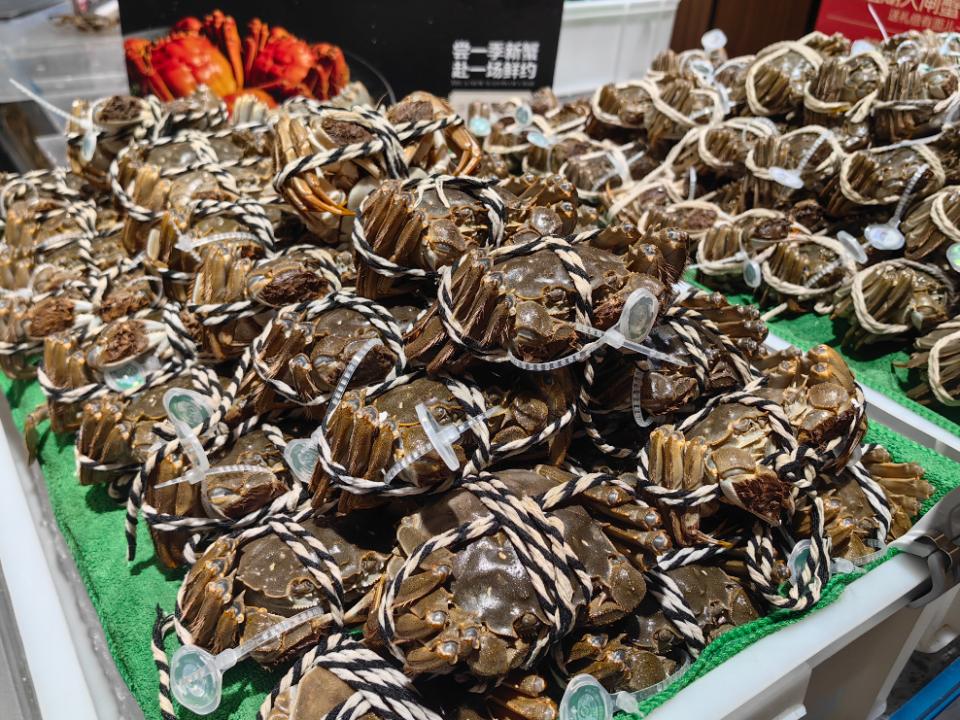
The price is even more staggering near the hairy crab producing areas. In Shanghai, Taihu hairy crabs of 2 to 3 ounces are sold at only 10 yuan per crab in the aquatic market, and some small-sized crabs are as low as 5 or 6 yuan. Shanghai residents who are used to local consumption exclaim that "I have never seen such a price", which is almost like getting them for free.

Shanghai TV Station
In just one year, hairy crabs have changed from a high-end ingredient that people "indulge in occasionally" to a common ingredient that "you can eat every day without feeling bad about the cost", which is completely affordable for ordinary families.
01. Bumper Harvest Year, Sharp Price Drop Year
The fundamental reason for the price reduction is that there are simply too many crabs.
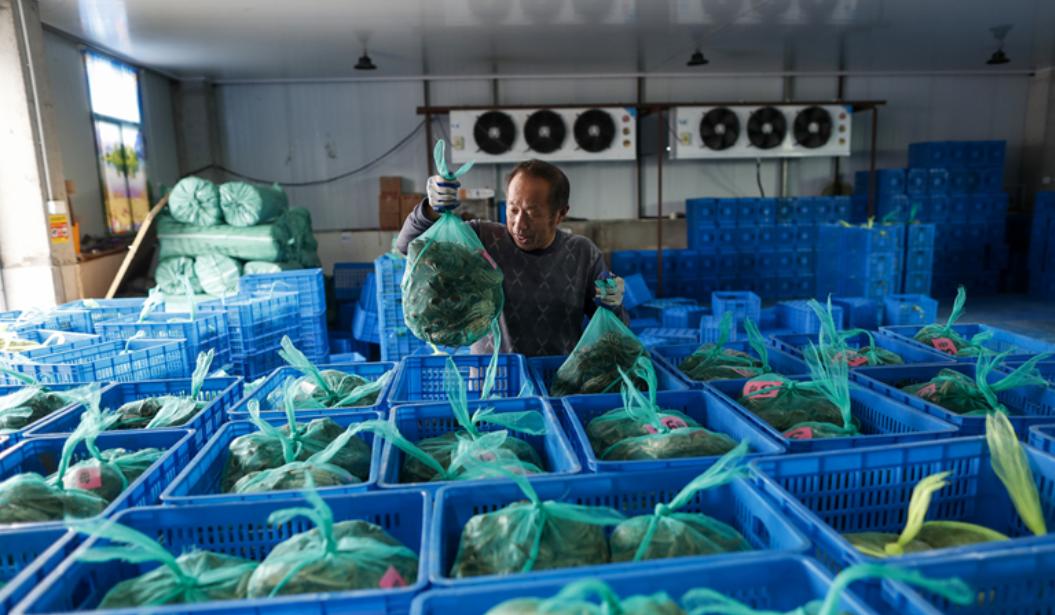
Media sources learned from industry experts that the total national supply of hairy crabs this year is likely to hit a record high, expected to exceed 1 million tons for the first time. Compared with 939,000 tons in 2025, the year-on-year increase is about 6.5%. Major producing areas such as Jiangsu and Hubei have all achieved good harvests, with the per unit yield generally increasing by 10% to 20%.
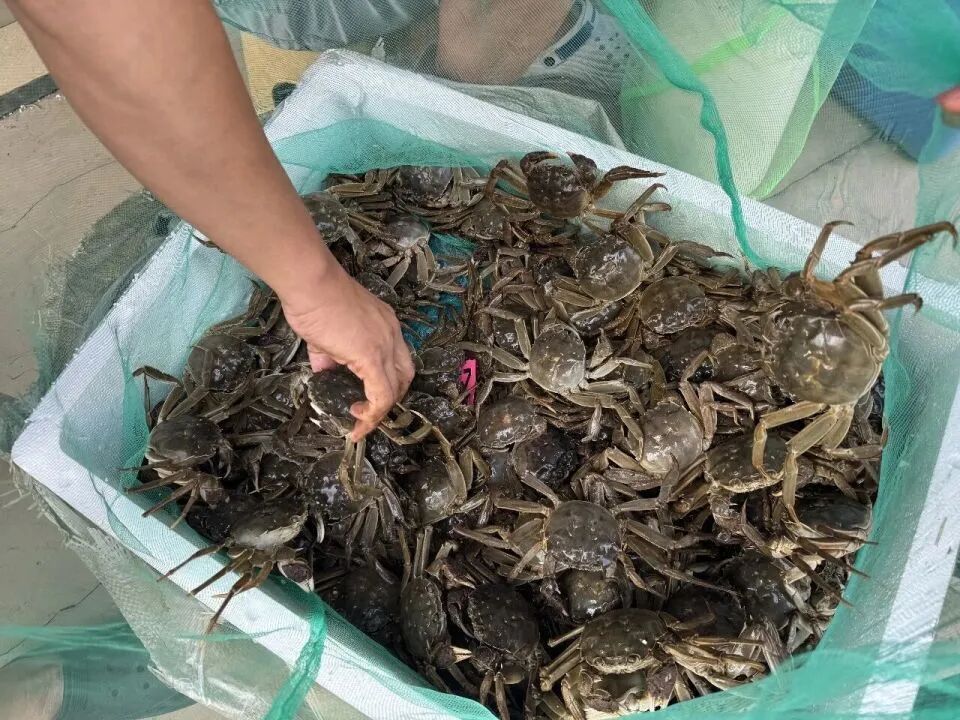
What does this mean? Spread evenly among 1.4 billion Chinese people, it is equivalent to 6 crabs of 2.5 ounces per person.
Behind the bumper harvest is favorable weather and geographical conditions. The molting and growth of crabs are most afraid of continuous extreme high temperatures in midsummer. High temperatures cause the water temperature to soar, which on the one hand makes hairy crabs lose their appetite, unable to molt, or even die directly from the heat; on the other hand, high temperatures cause the aquatic plants in the pond to rot in large areas, leading to water quality deterioration and severe oxygen deficiency, resulting in mass death of hairy crabs.
In 2026, the weather is favorable. Major producing areas such as the Yangtze River Basin have broken the curse of extreme high temperatures in the previous two years. Rainfall and cold air come from time to time to cool down, which makes the water temperature in crab ponds not stay above the "death line" of 35℃ for several consecutive weeks as in the past. The environment is very "friendly" to hairy crabs, the aquatic plants grow lushly, and the water quality is maintained excellently. The crab group not only has a significantly higher survival rate, but also completes every molting process very smoothly.
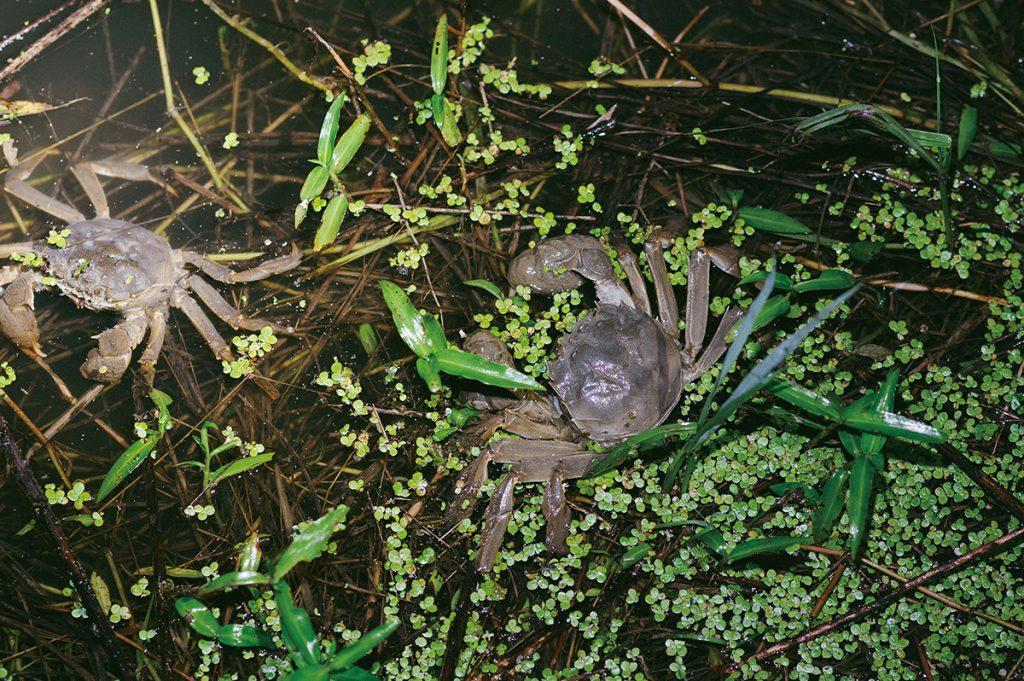
In addition, high technology is becoming increasingly popular in the aquaculture industry. Technologies such as shrimp and crab coupled ecological breeding, high-temperature resistant aquatic plant cultivation, and bacteria-algae balance regulation have been adopted. Even the Internet of Things is used to monitor water quality, which greatly enhances the ability of crab ponds to resist natural risks. Many new varieties selected by scientists in the past have also been gradually put into large-scale breeding in ponds. They generally have fast growth rates, strong disease resistance, better specifications and fatness, which greatly raises the upper limit of per mu yield.
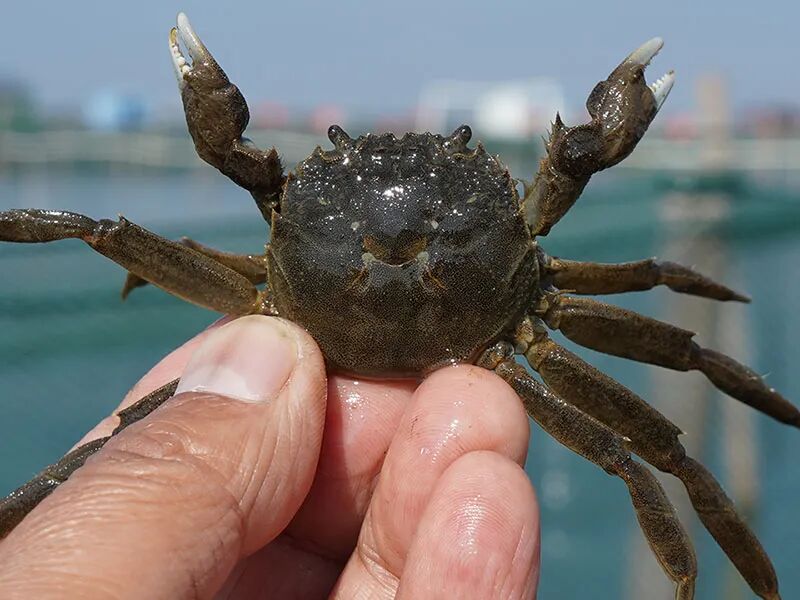
The newly selected Yangcheng Lake No.1 crab breed
On the other hand, nowadays hairy crabs are no longer exclusive to Yangcheng Lake, nor are they a specialty of the middle and lower reaches of the Yangtze River. Because hairy crabs used to sell at high prices, many places regard them as a hope to get rich, breeding technology continues to spread, and producing areas keep increasing. Up to now, 28 provinces, autonomous regions and municipalities across the country have joined the hairy crab breeding army. Sichuan has Dujiangyan hairy crabs, Shandong has Yellow River Estuary hairy crabs, Liaoning has Panjin paddy field crabs, and even Xinjiang and Qinghai have cold-water hairy crabs, which have built themselves into high-quality producing areas. A large number of farmers across the country have poured into this track, creating conditions even when there are no suitable ones, resulting in an extremely large supply.
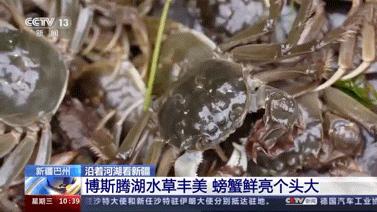
CCTV
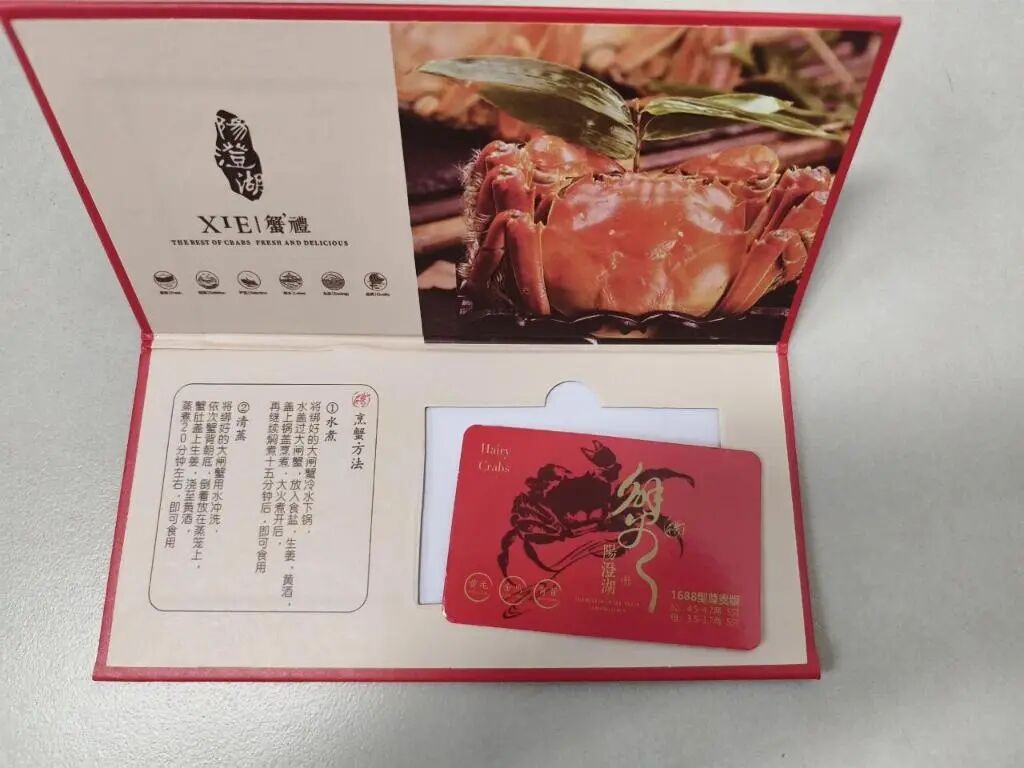
The huge supply coincides with the economic cycle. In the past, when the overall economic environment was prosperous, the sales of hairy crabs relied heavily on the gift-giving economy, which was used for business banquets, enterprise group purchases and holiday benefits. Ordinary families usually bought them to give to relatives and friends or eat at gatherings. Centered around this consumption scenario, hairy crabs directly evolved into the crab voucher form to facilitate carriers to carry and store, and even derived a secondary market, becoming a paper financial product that can be traded and recycled.
However, now enterprises, as the traditional "big gift givers", are generally tightening their belts. They can hardly even pay bonuses, let alone buy crabs. As a result, they have drastically reduced their budgets for employee benefits and customer visits, and the sales channels of hairy crabs have shrunk instantly.
What is more funny is that this year is not a good time. Since it is a gift-giving economy, it must be centered on festivals. In previous years, the concentrated listing time of hairy crabs was mostly before the Mid-Autumn Festival, followed by the National Day holiday, which perfectly matched the demand for banquets and gift-giving. After the holiday, the orders for hairy crabs would instantly fade away. However, the climate environment in 2026, although increasing the yield of hairy crabs, also delayed their maturity time. It was not until mid-October that crab ponds really began to catch crabs on a large scale, but at this time, the largest holiday consumption market was lost. Farmers could only find ways to promote sales, otherwise they could not even recover the cost.
Xinhua News Agency
This forces hairy crabs to return to ordinary dining tables. The ordinary models that used to be for gift-giving are now priced down to supermarkets, and the small crabs that used to be sold in supermarkets are directly sent to the farmers' markets for clearance sales.

02. Price Differentiation
Interestingly, although the price of ordinary-grade hairy crabs has plummeted all the way, high-end products still maintain firm prices, which can be described as a world of ice and fire.
The current ex-farm price of high-quality hairy crabs weighing more than half a catty per crab is still stable at around 150 yuan per crab, and a pair of male and female crabs costs about 300 yuan. With this money, you can eat enough crabs of ordinary specifications. According to media reports, the price of authentic Yangcheng Lake hairy crabs is basically the same as last year. The price of 3-ounce female crabs and 4-ounce male crabs is about 80 yuan per crab, and they did not participate in this fierce price war. The price of some top-quality large-sized crabs even increased by 10% to 25% year-on-year.

The high-priced "White Jade Crab" that is naturally cultivated to be white, with a specification of more than 4 ounces, costs nearly 300 yuan. Even a shrewd merchant would have to ask "Is your crab shell made of silver?" However, before the White Jade Crab was launched, tens of thousands of them were pre-ordered by high-end consumer markets such as Shanghai and Hangzhou, and they are in extremely short supply.
Great, this is the normal state of uncles in Shanghai!
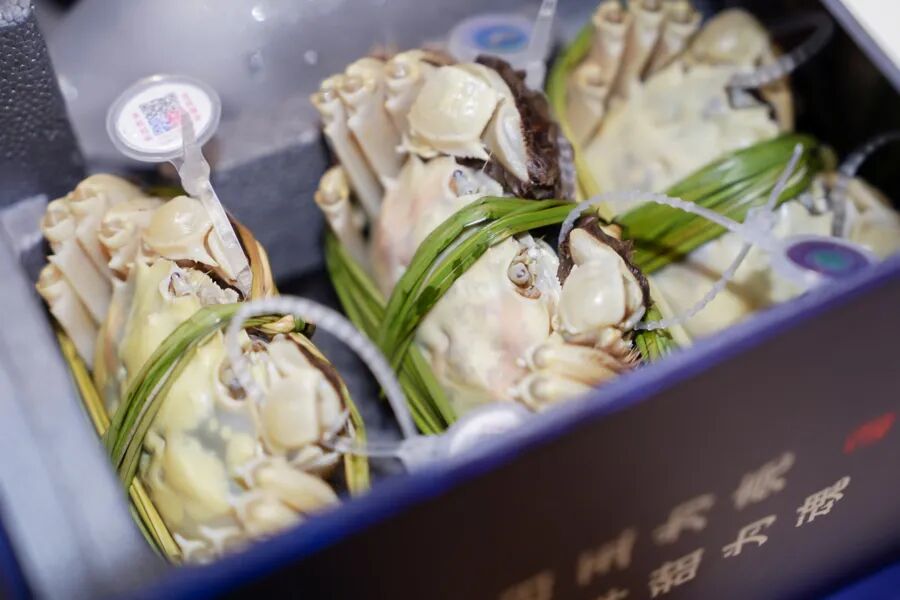
The core reason why high-end hairy crabs are in short supply is that their breeding difficulty is extremely high and the cost is also high, which follows a completely different logic from ordinary hairy crabs.
The pursuit of super-large specifications essentially forces hairy crabs to challenge their biological limits. When their body size reaches a certain level, the growth of muscle strength cannot keep up with the increase of volume and weight. Molting requires hairy crabs to use their muscles in the narrow old shell to overcome friction with difficulty and pull their bodies out. If the crab's nutrition accumulation in the early stage is slightly insufficient, or the molting time is too long, it will get stuck in the shell halfway due to energy exhaustion and organ failure.
