Young people avoiding hotel stays during the National Day holiday have sparked the explosive rise of a brand new 200-billion-yuan market trend.
"The era of nationwide self-driving travel is here."
During this National Day holiday, data shows that an average of 300 million people make cross-regional trips every day, with highways carrying over 90% of the total traffic. Self-driving travel accounts for more than 90% of the flow and becomes the absolute mainstream.
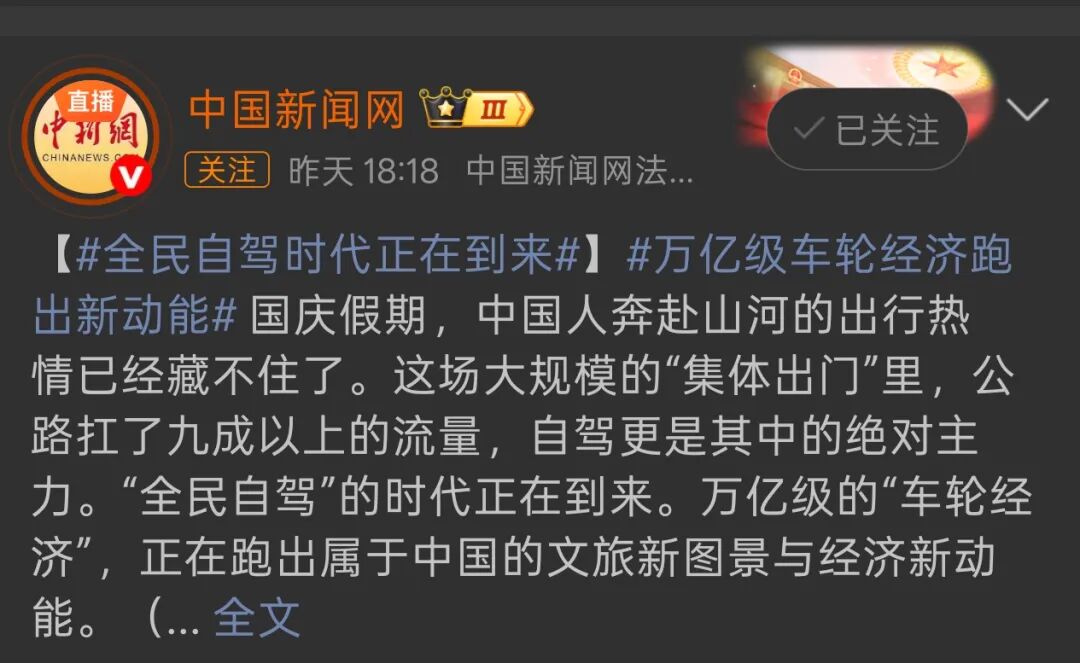
I have deep personal feelings about this trend. When I was traveling outside during the National Day holiday and encountered severe traffic jams, a local driver explained that most of the vehicles stuck in congestion were self-driving tourists from other regions, while local vehicles did not cause that much traffic pressure.
Under this major transformation, the most embarrassed group is neither people who do not own cars nor drivers working in scenic areas, but a group that seemingly has no connection with this trend at all — hotel owners.
Because young people not only love self-driving travel, but also directly cancel the step of booking hotels.
Many people flatten the rear seats of their cars, lay down an inflatable mattress, cook noodles inside the car, and set up a canopy outside. There is no need to queue up for check-out the next day, and this has become a normal vacation mode for a large number of people.
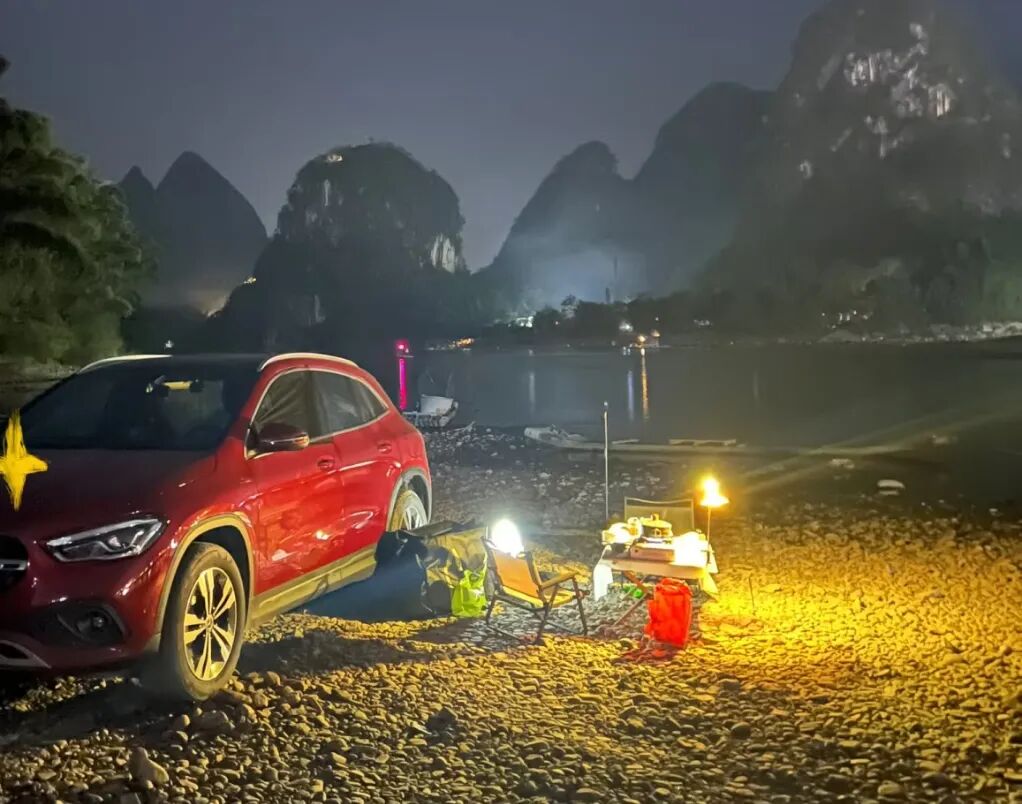
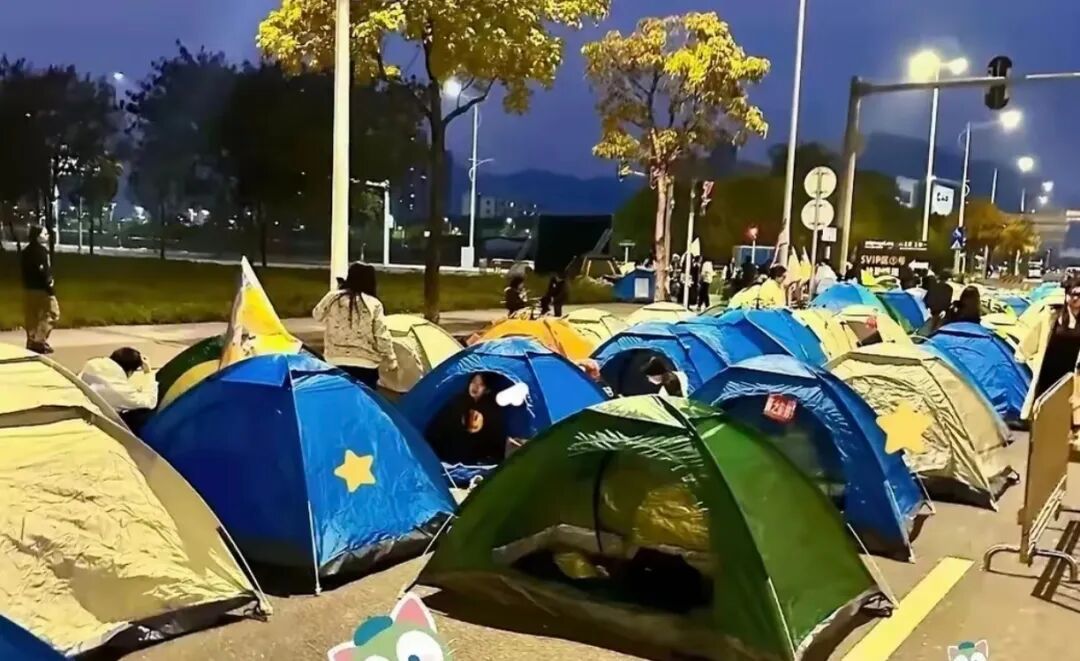
More people directly set up tents outside their cars. During this National Day holiday, tents can be seen clustered in large stretches along Wuhan riverfront, in the suburbs around West Lake of Hangzhou, at Yanxi Wetland in Sichuan, and on Jinji River grassland in Guilin.
Young people have disrupted many industries, so why do hotels become the latest target this time?
Skip Hotel Booking on National Day, the "Wandering" Travel Trend Goes Viral
This year's National Day, the content on WeChat Moments has completely changed.
In the past, the travel rhythm of post-80s and post-90s generations on National Day was very fixed: book a hotel half a month in advance, then drag luggage to check in after arriving at the destination city.
But rebellious tourists have completely overturned this habit. The trendiest young people nowadays no longer book hotels when traveling: they change their accommodation from a fixed single location to stopping anywhere along the route whenever they want.
This National Day, what many people share online is not which hotel they stay in, but tent string lights, small tables in car trunks and the starry sky.
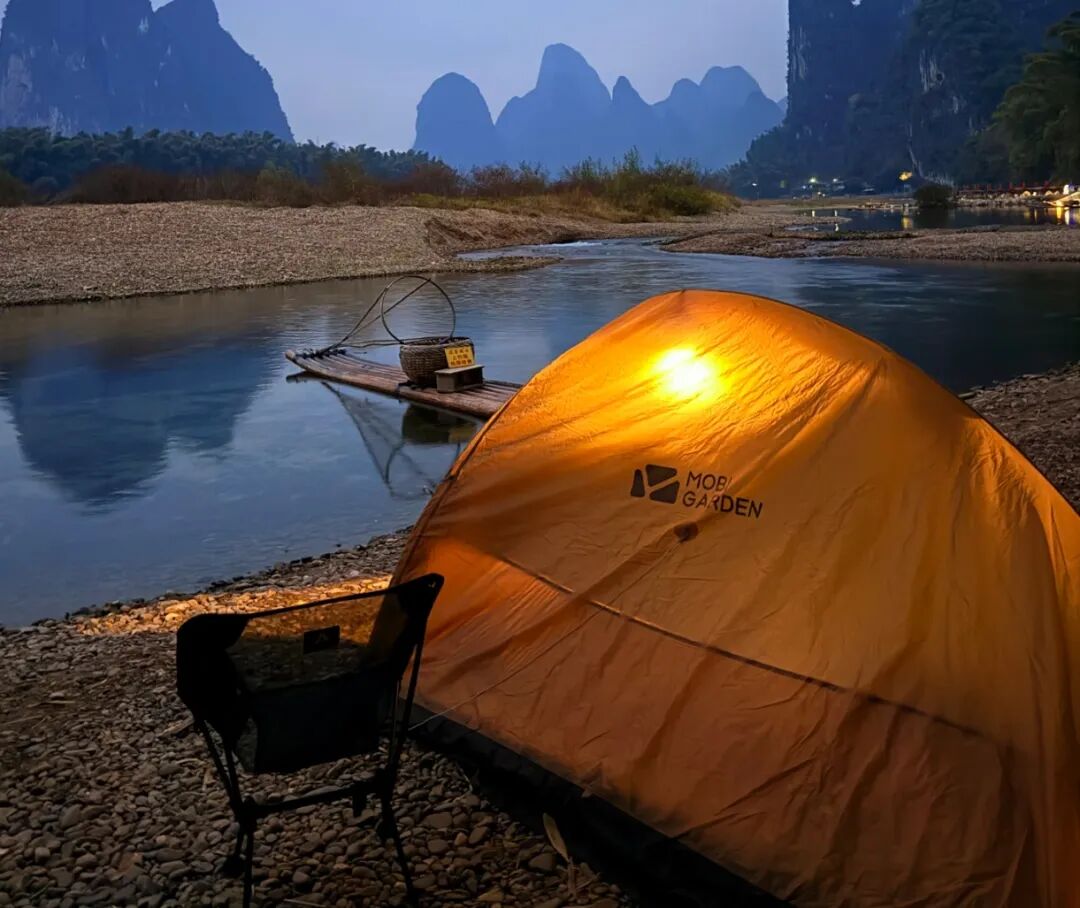
Camping used to be a hobby only for a small group of outdoor enthusiasts, but why has this way of travel become increasingly popular this year?
The first and foremost reason is: the "hotel price gouging" is too outrageous.
As soon as holidays come, hotel prices surge sharply. In some popular cities and around scenic spots, the price of chain hotels that usually cost 200 to 300 yuan can rise to 800 yuan, 1000 yuan or even higher during the National Day holiday.

The room remains the same, no other conditions are upgraded, but the price triples first. Young people are not unable to afford it, they just don't want to be taken advantage of.
In addition, information online is now extremely transparent. In the past, many people dared not act rashly in an unfamiliar place and had no choice but to stay in hotels after arriving at a new city.
But now you can find all kinds of bed car travel guides with a simple online search, such as "free parking spots", "which campsites have shower facilities", and "which service areas have sufficient hot water supply".
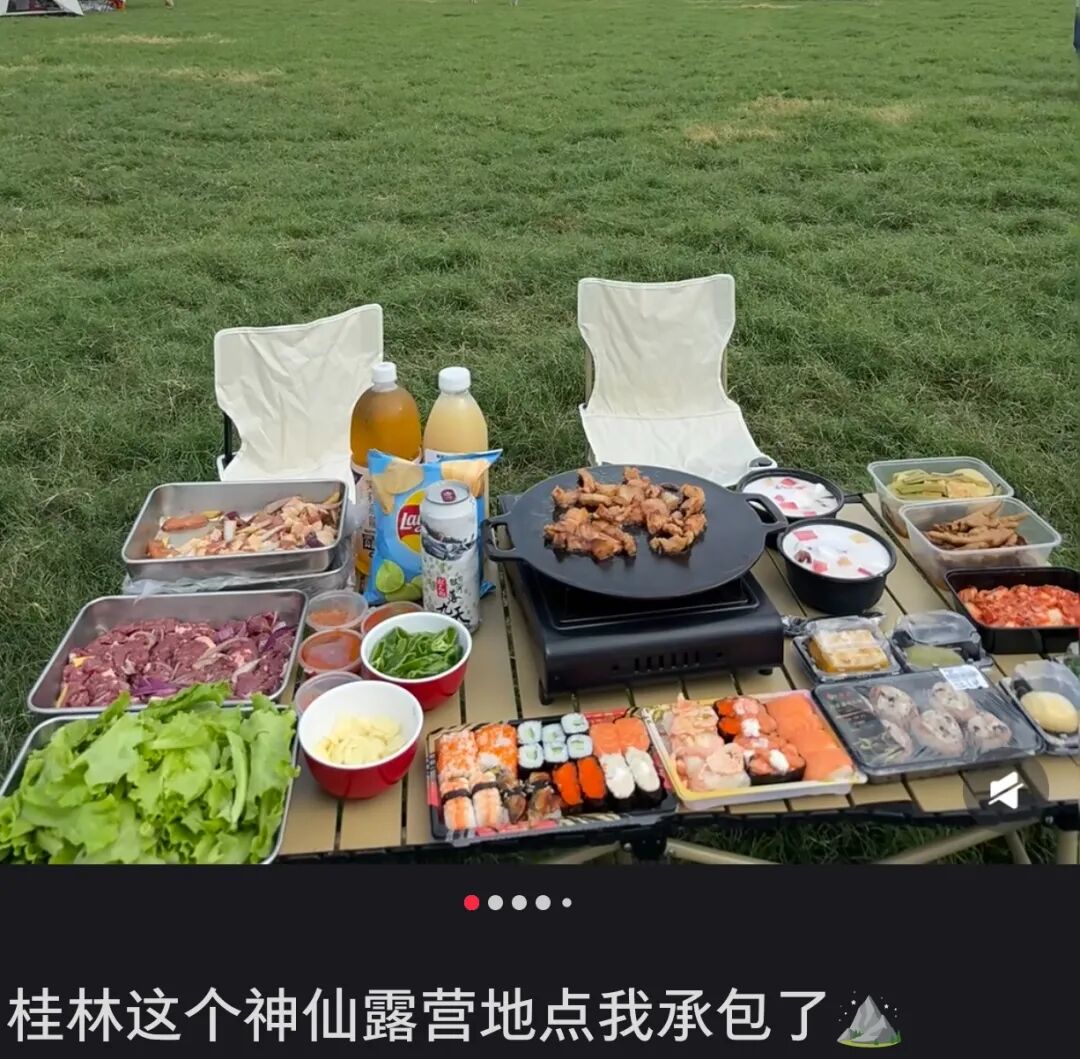
The more information people master, the less willing they are to be held hostage by high-end hotels. Even newbies who go camping for the first time can buy equipment according to short video tutorials and get familiar with all operations in half a day.
Why do people go to so much trouble to avoid staying in hotels? Behind this trend, what young people want now is not just a simple place to sleep, but a more unique experience.
After all, even the best five-star hotel only provides monotonous and identical services: beds, air conditioners, TVs, which have no sense of novelty at all.
But camping is obviously different. There are always various unexpected non-man-made scenic spots along the trip: watching the starry sky at night, listening to birds chirping in the morning, and enjoying the breeze while spacing out in the afternoon, all of which are exclusive and one-of-a-kind experiences.
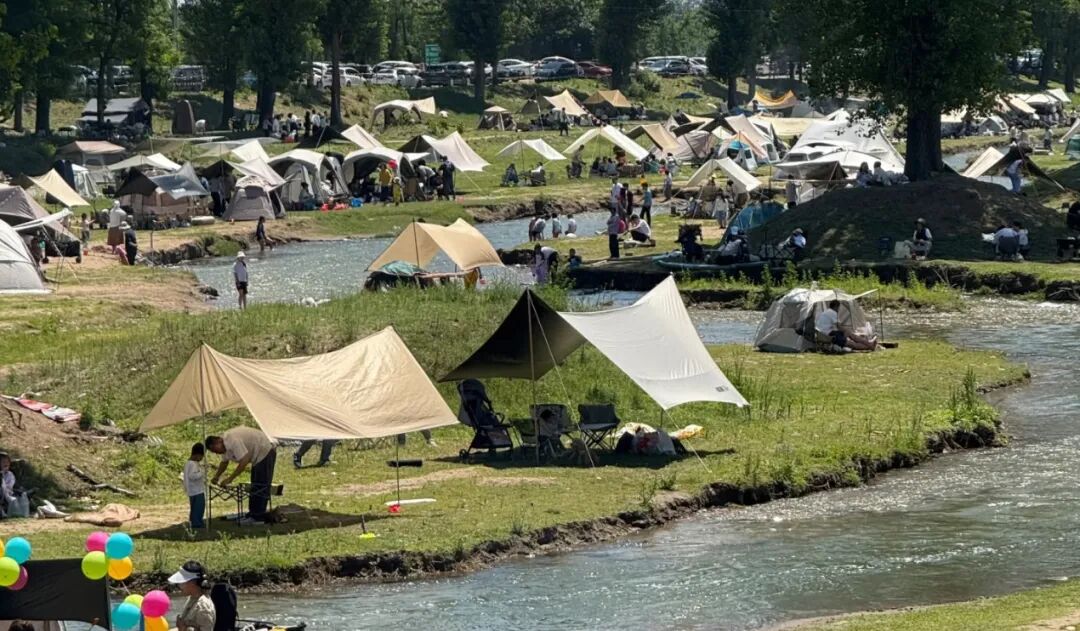
So young people see it very clearly: instead of spending more than 1000 yuan on a standard room for one night, it is better to save the money to buy tents and camping equipment, and turn accommodation into a part of fun.
Therefore, a very obvious contrast appears this National Day: on one hand, some high-priced hotels have low sales, on the other hand, camping orders rise significantly.
Data from Meituan shows that camping orders during this National Day holiday surged by 410% compared with the May Day holiday, and the search volume of camping equipment in some scenic spots increased by more than 400% year on year.
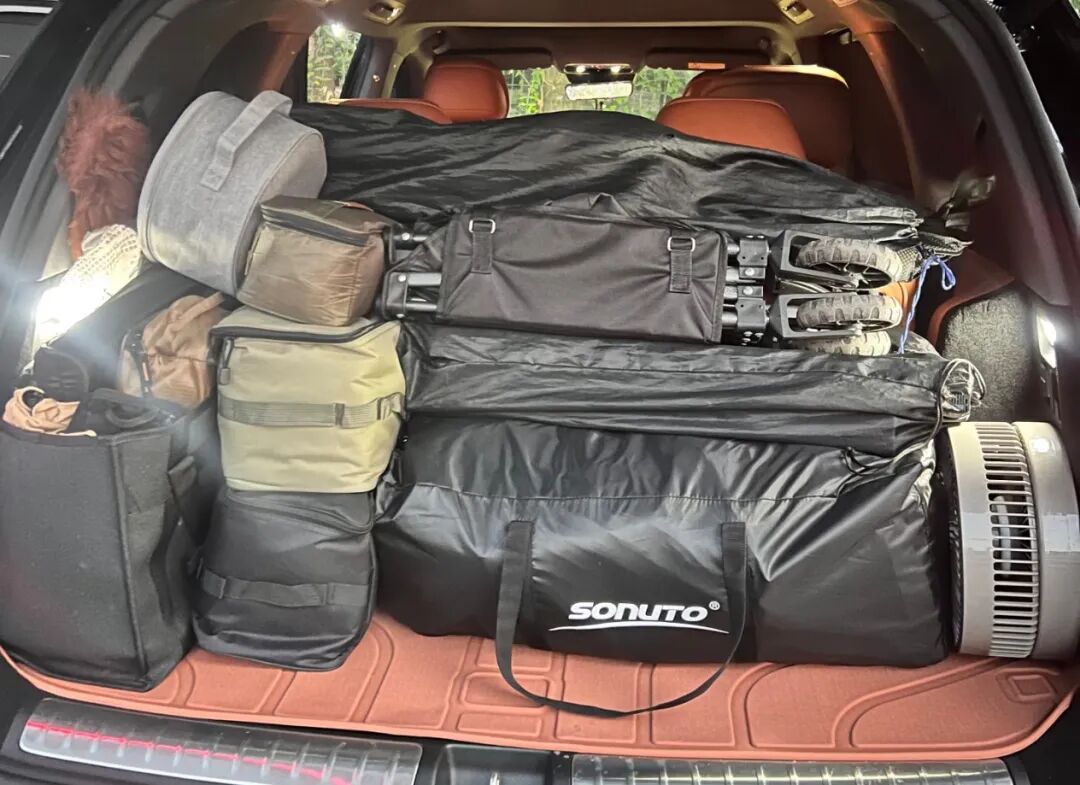
These "rebellious" young people have completely caught hotel owners off guard.
From Bed Cars to Tents, Snatching Business Right Under Hotels' Noses
In recent years, choosing camping instead of staying in hotels when traveling, just like self-driving travel, is no longer a hobby only for small groups of people.
Data from iiMedia Research shows that the core market size of China's camping economy reached 2483.2 billion yuan in 2025, driving the upstream and downstream industrial chain scale to exceed 1.44 trillion yuan; by 2030, the core market is expected to approach 4879.8 billion yuan, and the related market will exceed 2.4 trillion yuan.
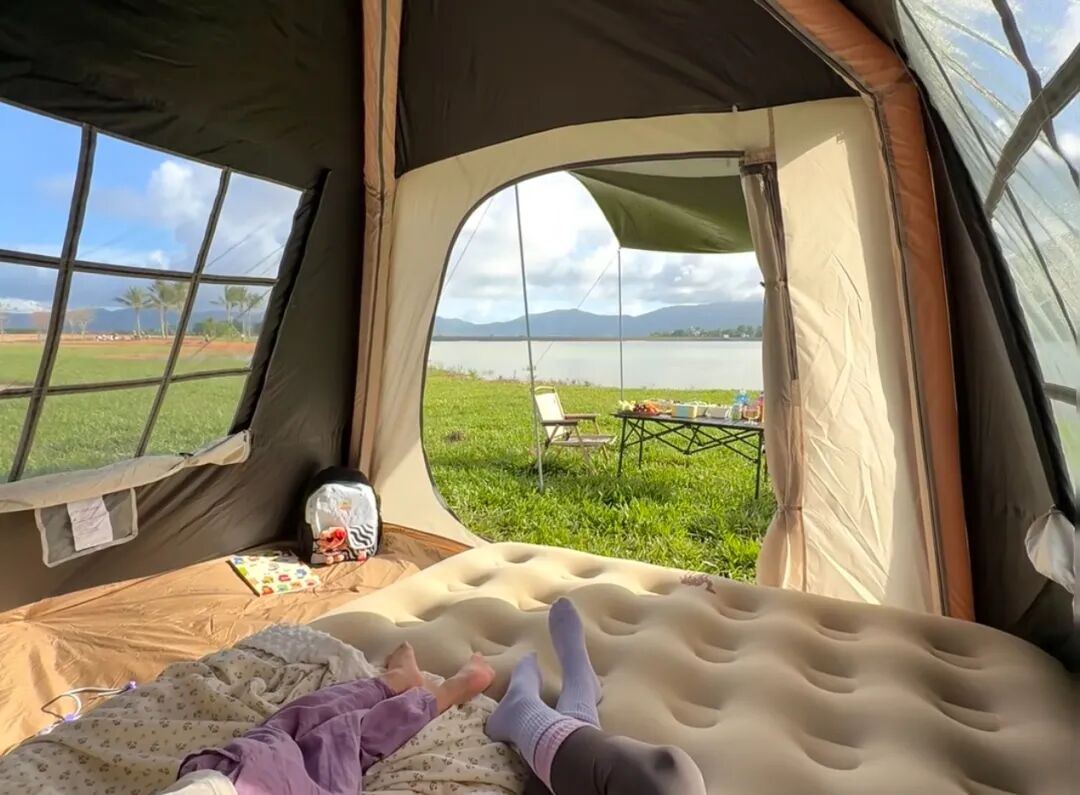
A hundreds of billions yuan market cake has been quietly formed right under the noses of hotels.
Behind this trend, new energy vehicles can be said to be a key driving force.
In the past, people slept in fuel cars, but they worried about high fuel consumption if turning on the air conditioner, as well as carbon monoxide poisoning, and the space was too small to live comfortably.
But now many new energy vehicle manufacturers are making continuous efforts to upgrade details, which not only support external discharge, have large interior space and parking air conditioners, but also can be turned into double beds by laying things on the trunk, precisely meeting the rigid accommodation demand. Some car manufacturers even install coffee machines, so car owners can make fresh ground coffee and brew tea directly in the car, even snatching business from stores like Starbucks.
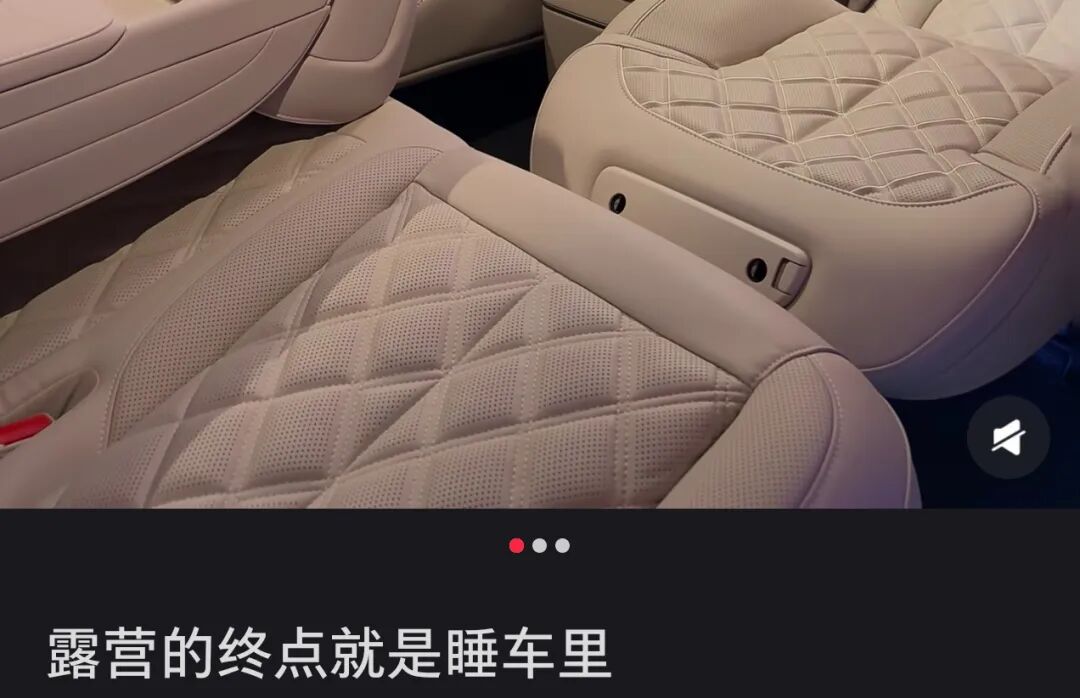
In addition, service areas and campsites all provide charging facilities, completely eliminating the previous range anxiety. It is not as complicated as many people imagine to travel and live outside for several days and nights with an electric car.
As a result, more and more people choose the combination of electric car + tent. Some travelers traveled along the Qinghai-Gansu route and lived in their cars for 13 days, saving thousands of yuan compared with staying in hotels along the route. Some other travelers went to the suburbs of East China, did not enter scenic areas or book hotels, only parked by the lake for one night, combining transportation and accommodation to save a lot of money.
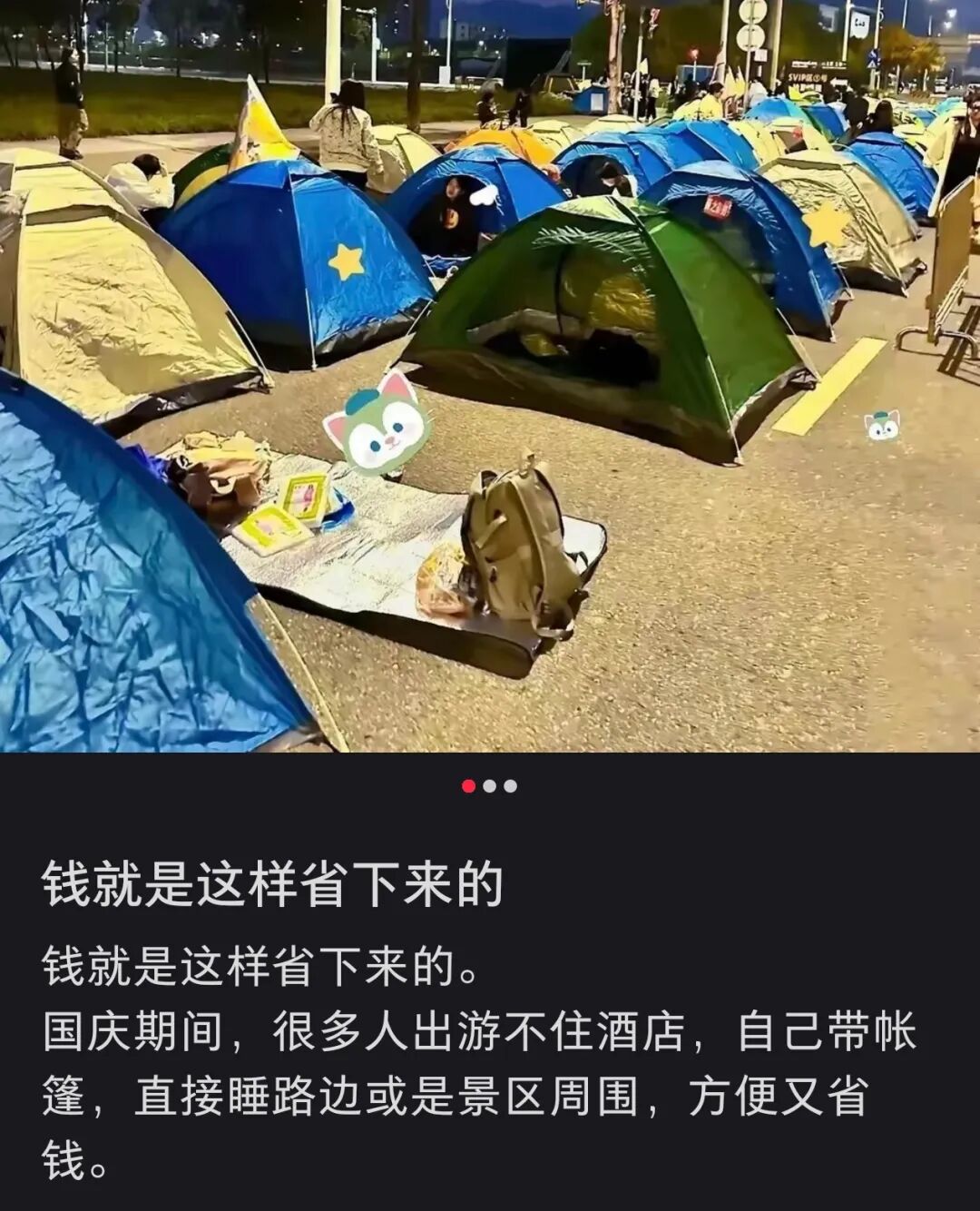
If new energy vehicle manufacturers solve the problem of "how to live", then camping equipment manufacturers are the second key helper: they solve the problem of "how to have fun".
Just like this National Day, automatic quick-opening tents and portable sleeping bags have become bestsellers, and users aged 20 to 35 account for 68% of the total search volume of camping equipment.
Some tent brands specially design quick-opening tents for newbies, using prestressed spring frames to reduce the tent setup time from more than ten minutes to a few seconds.
In the past, many people were discouraged from camping because there were too many devices to carry, but some enterprises directly packaged all equipment into a complete set: smart sleeping bags are made of mosquito-proof, flame-retardant and waterproof fabric, and are also equipped with positioning and health monitoring functions, which not only reduces a lot of equipment to carry, but also directly solves the traditional camping pain points such as "feeling cold at night, too many mosquitoes".
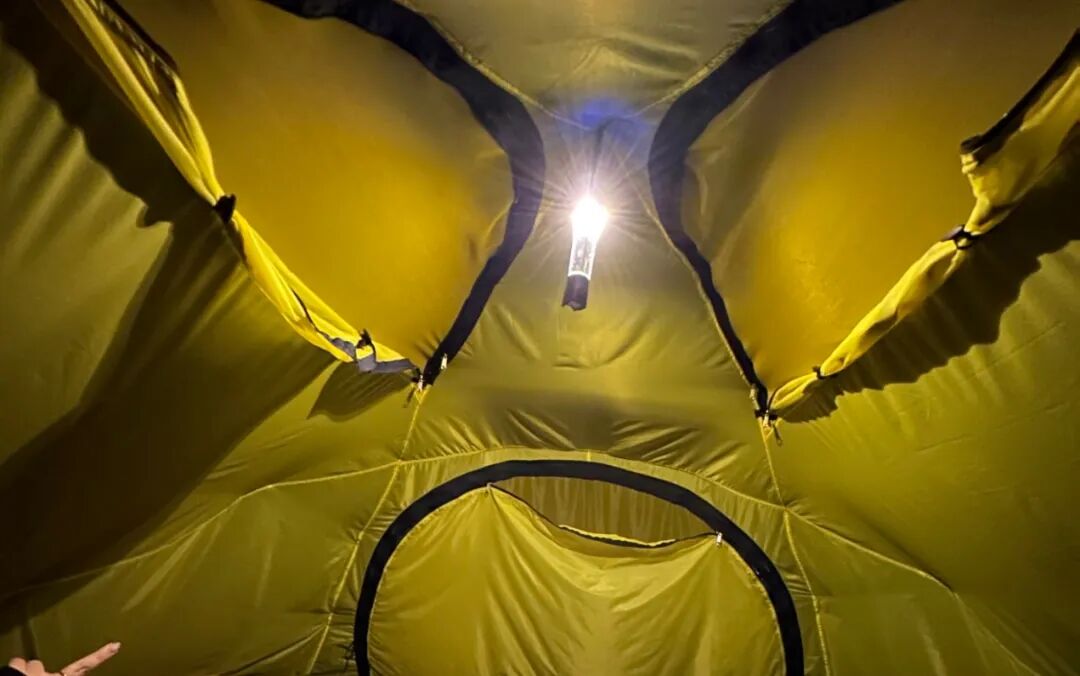
Of course, the most aggressive players are campsite equipment providers. They do not compete with hotels on hardware facilities, but sell public space experiences.
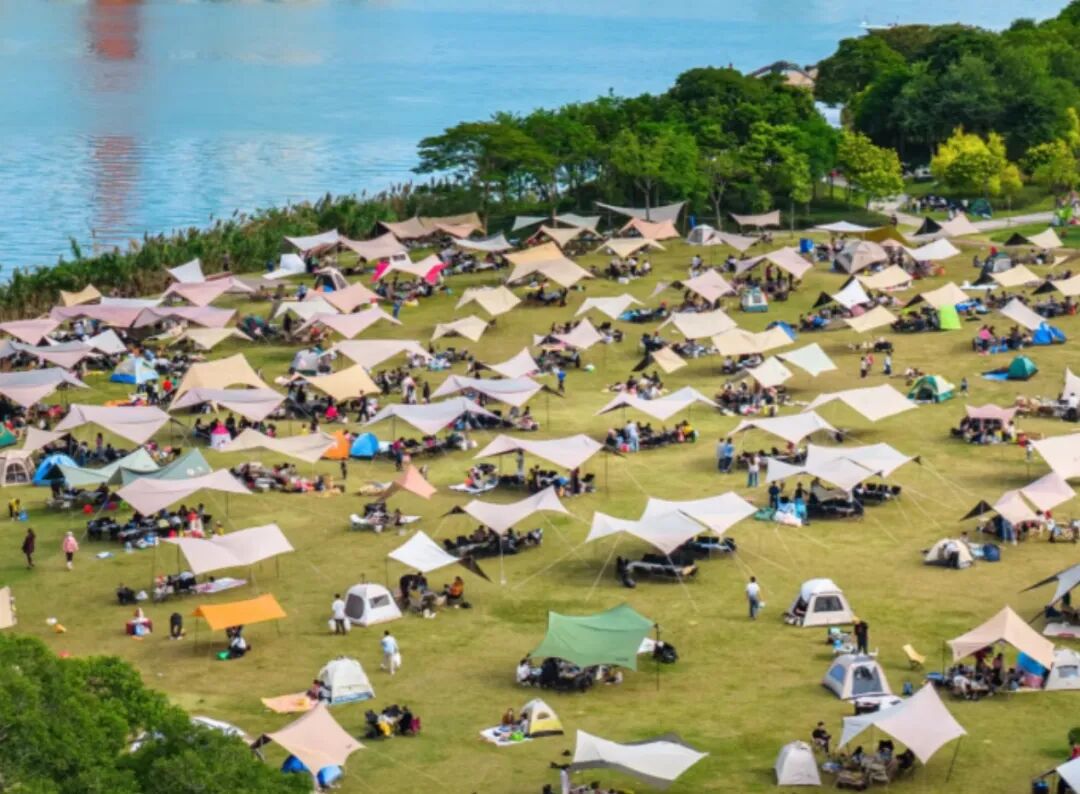
Some campsites are located near riverfronts, providing campsites, showers and charging facilities, with the per capita cost of dozens to more than 100 yuan per night. Some other campsites are specially built near scenic spots, providing tent rental, canopies and barbecue grills, so newbies do not need to buy any equipment to stay overnight, and they can perfectly avoid the problem of long queues and congestion during holidays.
More aggressive players even build their own "mini scenic spots". Data from Meituan shows that the order volume of merchants providing "camping + themed activities" during National Day is more than 3 times that of merchants only providing campsites.
With a series of innovative operations by camping groups, many hotel owners have begun to feel the pressure. Data from the 2026 summer vacation shows that the national hotel occupancy rate and average daily room rate have declined year on year, and some long-distance destinations have achieved full occupancy but no revenue growth.
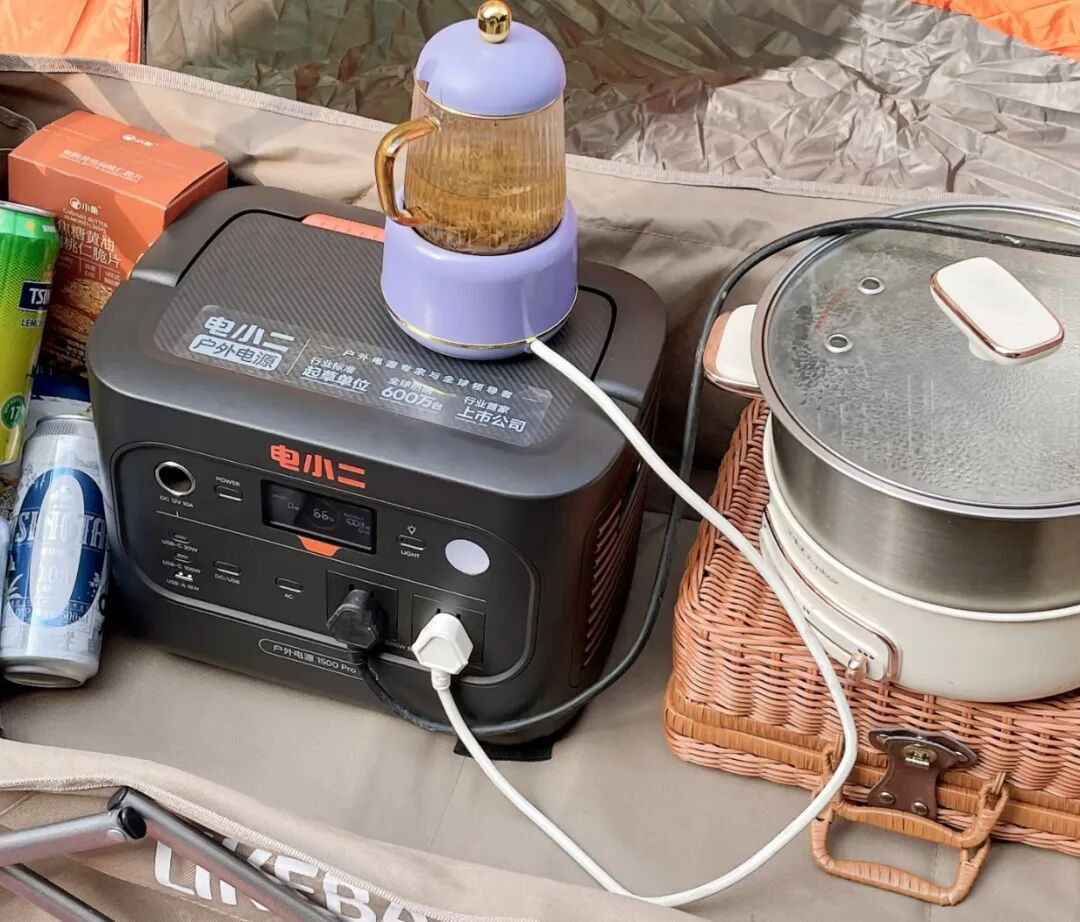
Therefore, this magical scene appears:
Almost all the parking lots of scenic spots are filled with cars used as temporary bedrooms, while the regular hotels are not fully occupied.
200 Billion Yuan New Trend: Who Can Really Benefit From It?
In fact, back to the original question, why do young people no longer stay in hotels?
On the surface, it is because hotels are expensive, but in essence, traditional hotels can no longer meet the needs of young people.
Hotels only meet the basic rigid demand of accommodation, but what young people want during travel is