Breaking! Apple's all-new product line has been exposed, and Siri AI is making its way into home usage scenarios.
A new broom sweeps clean. John Ternus, Apple's new CEO, who is younger, more energetic and more of an engineer, is reportedly pushing for a comprehensive overhaul of Apple's management and product system, including streamlining middle management positions, increasing the frequency of new product launches, and allowing teams to develop more "experimental" projects.
The first wave of results from this reform may arrive very soon.

Today, Mark Gurman, a leading Apple expert at Bloomberg, broke a major scoop:
Apple is set to launch a wide range of Siri AI-powered devices on October 13, reviving its long-neglected smart home product line.
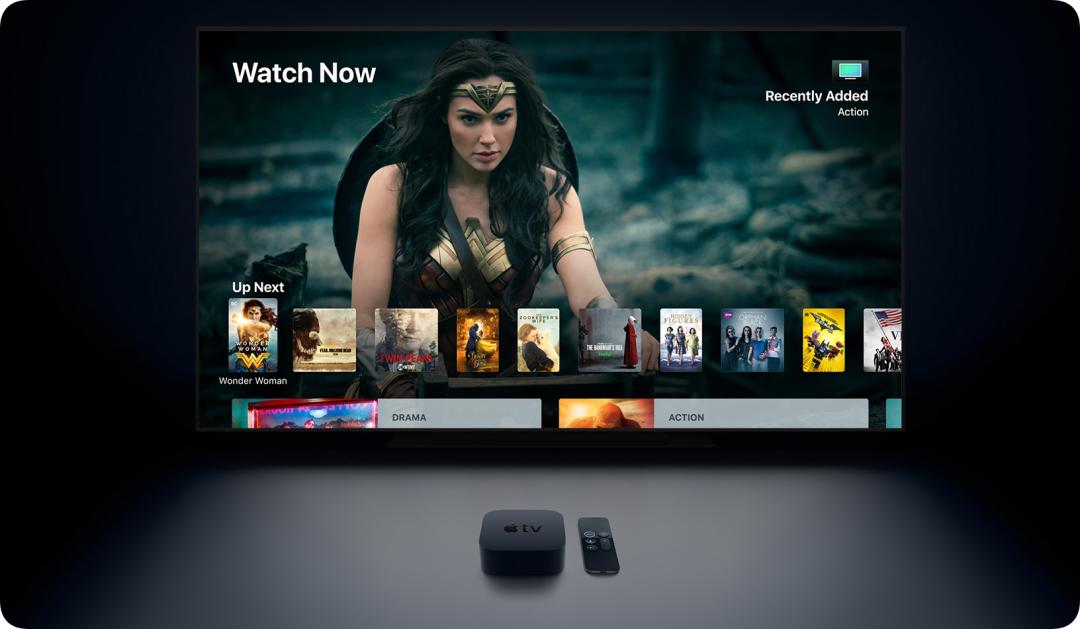
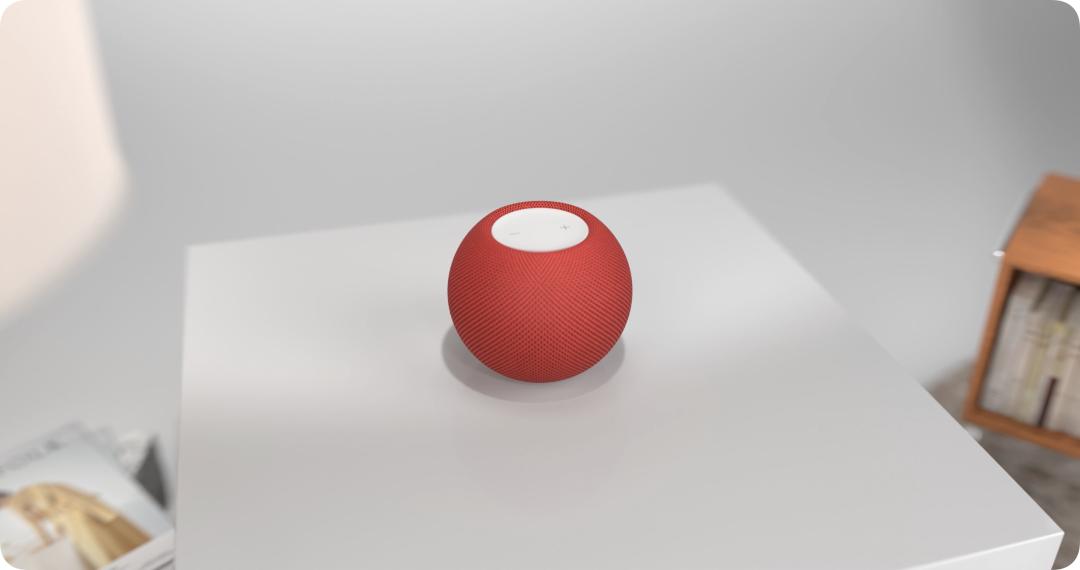
According to current information, Apple will launch three products at once on that occasion: a new smart home hub, a next-generation HomePod mini, and a long-awaited updated Apple TV.
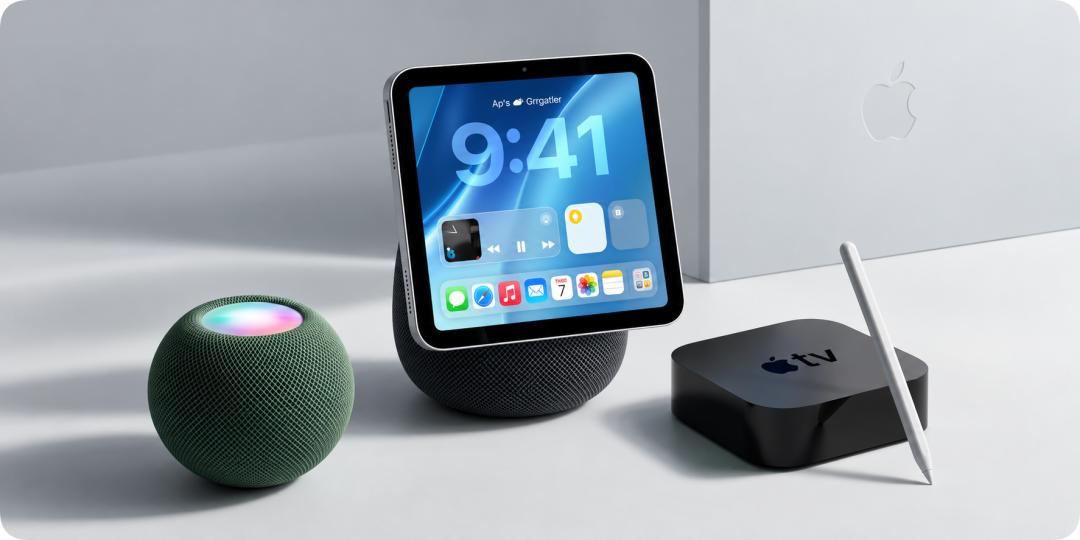
Image generated by AI, does not represent the final product form
The most anticipated product among them is undoubtedly the brand-new smart home hub device. According to anonymous insiders with extensive insider information, this new product codenamed J490 has the following features:
A roughly 6-inch square touchscreen, similar to a permanent home information panel
Supports two placement modes: desktop and wall-mounted. The desktop version adopts a design with a round metal base and supporting arm, and its appearance is somewhat similar to the iMac G4
Its thickness is "roughly equivalent" to that of the iPhone, and the bezel width is close to that of older iPad models
Runs a newly redesigned system tailored for home scenarios, with an interface that integrates elements from iOS, watchOS and tvOS
Can control HomeKit / Matter smart devices, and also support common family functions such as music playback, FaceTime, and calendar management
Built-in camera that dynamically adjusts the interface display according to the distance between the user and the screen, and can recognize different family members to display corresponding personalized content
Positioned as the hub of the entire Apple home ecosystem, it connects the HomePod, Apple TV, HomeKit, and future devices such as cameras and sensors together
After reviewing all this information, it is not hard to see that this rumored "HomePad" is essentially Apple's version of the Amazon Echo Show / Xiaomi Smart Home Display. Its form factor is not particularly innovative, as various screen-equipped smart speakers in the Chinese market have already made this product category very mature.
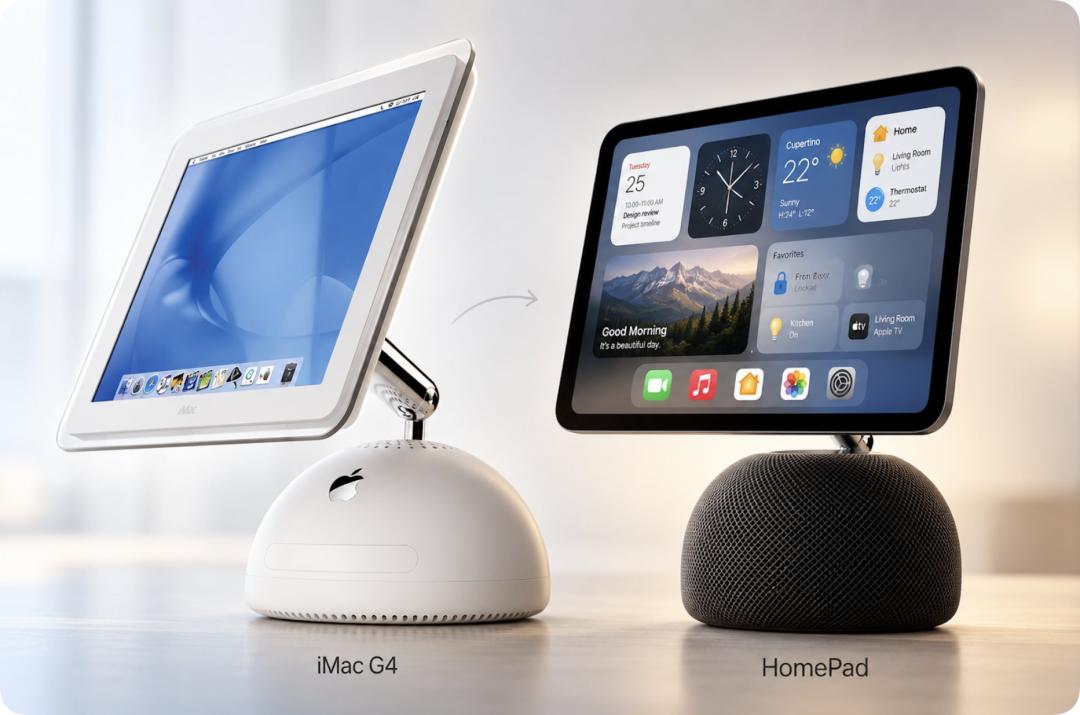
Image generated by AI
But just as the iPhone Duo stands out among foldable devices, Apple always manages to deliver refreshing designs in existing product categories through its outstanding software and hardware integration capabilities —
If the leak is true, this new product is designed around the logic of "who is using it" in every aspect for its interaction: when you walk towards the screen from the other end of the room, the interface gradually changes from large information cards to more detailed operation items; when different family members approach, it also dynamically switches to the corresponding calendars, reminders, photos and other personalized content.
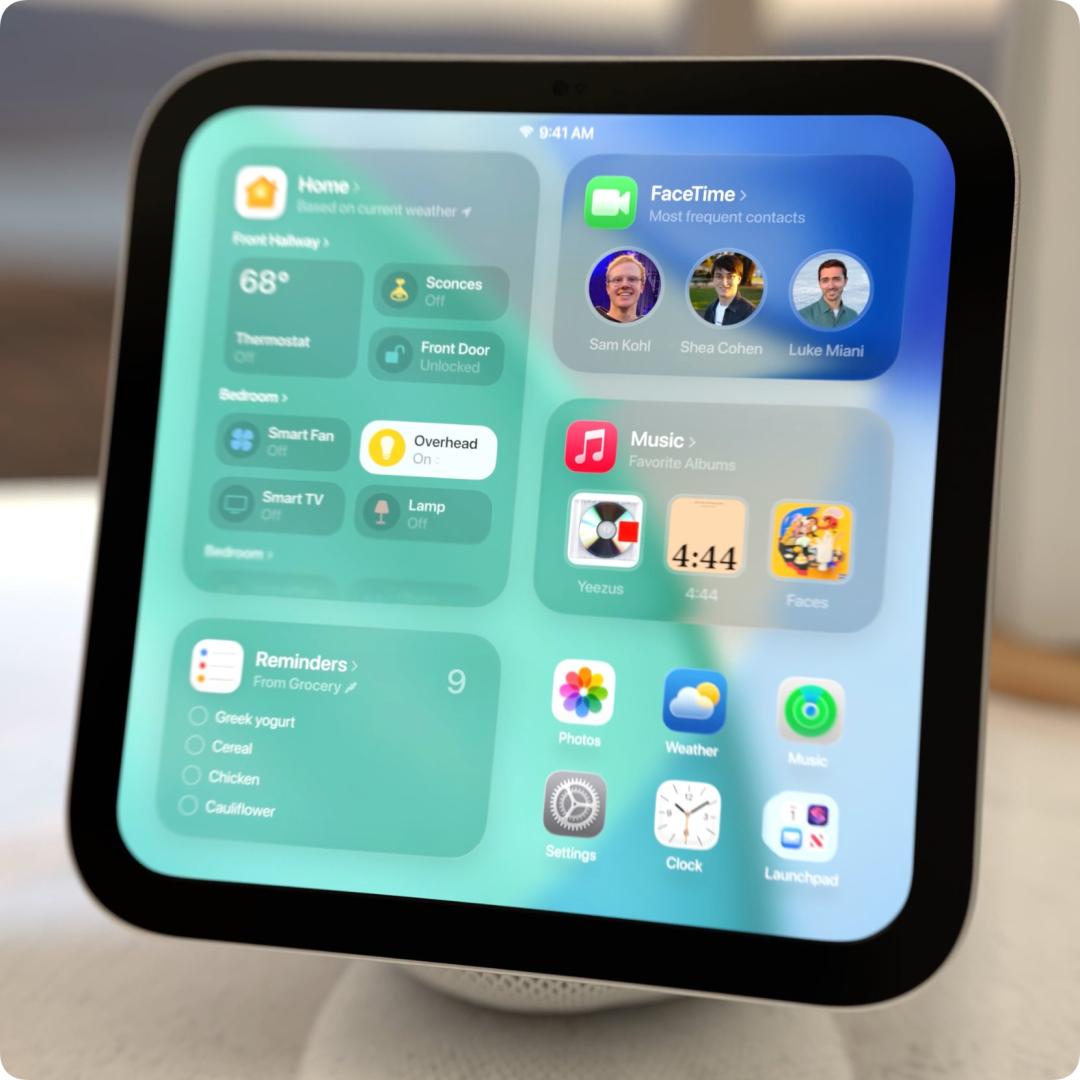
Photo credit | Apple Track
In other words, unlike the iPhone or iPad which are personal devices belonging to a single user, it is more like a computer belonging to the entire family.
These designs that are enough to set it apart from competing products essentially answer the question of what form a shared public device in the home should take.
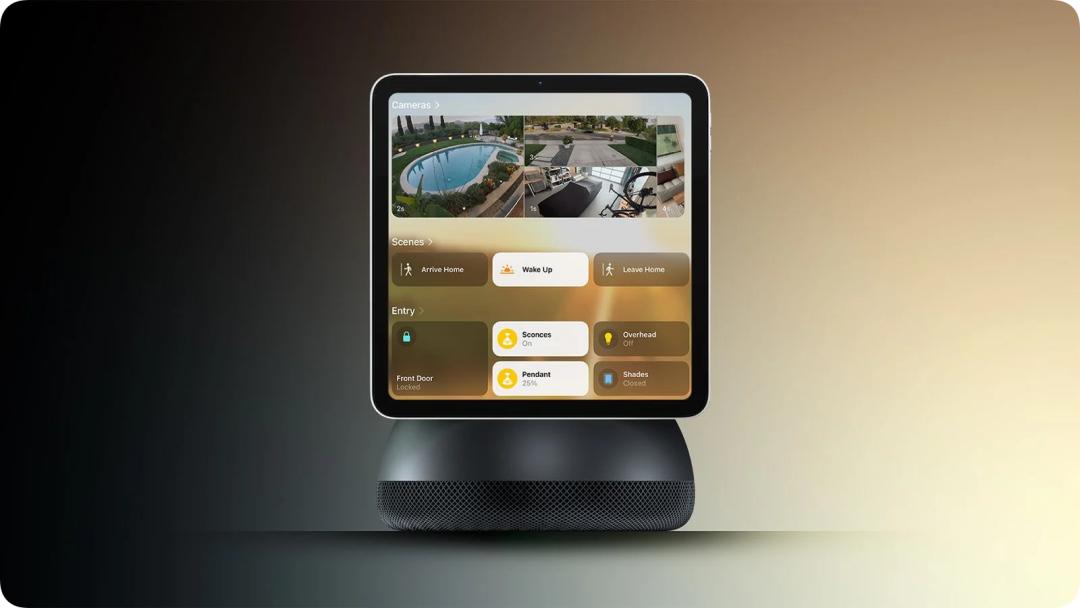
Photo credit | MacRumors
At least in Apple's view, simply adding a display to the HomePod is far from sufficient.
A true home hub, which naturally faces multiple different family members, should also have the ability to identify the current user and their intentions, so as to better serve every member and draw a clear privacy boundary for each person.
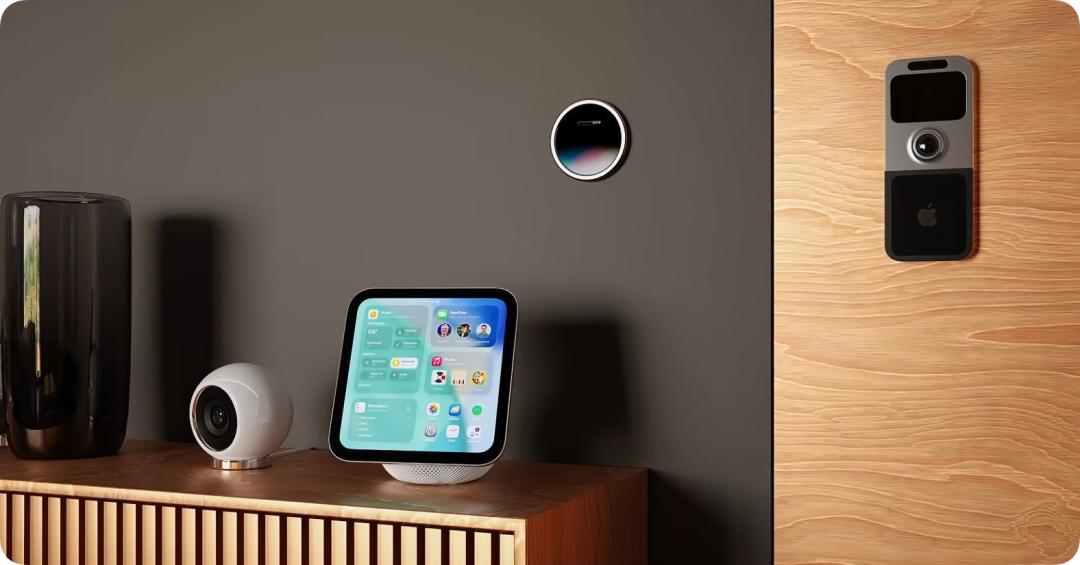
Photo credit | X@Liekitisn’t
At the same time, as a veritable "hub", it also needs to control other home devices in a smarter way.
The hardware is not difficult to develop, but Siri, which has long played the role of a bottleneck in the software layer over the past few years, cannot support such a smart vision. Therefore, the entire layout of Apple's smart home business has to wait until Siri AI matures first.
This also explains why Apple's smart home product line has stagnated for a long time.
The HomePod mini has not been updated for six years since its release in 2020, the third-generation Apple TV currently on sale was launched in 2022, and the smart home hub, which was originally scheduled to be released in March 2025, has now been delayed for a year and a half.
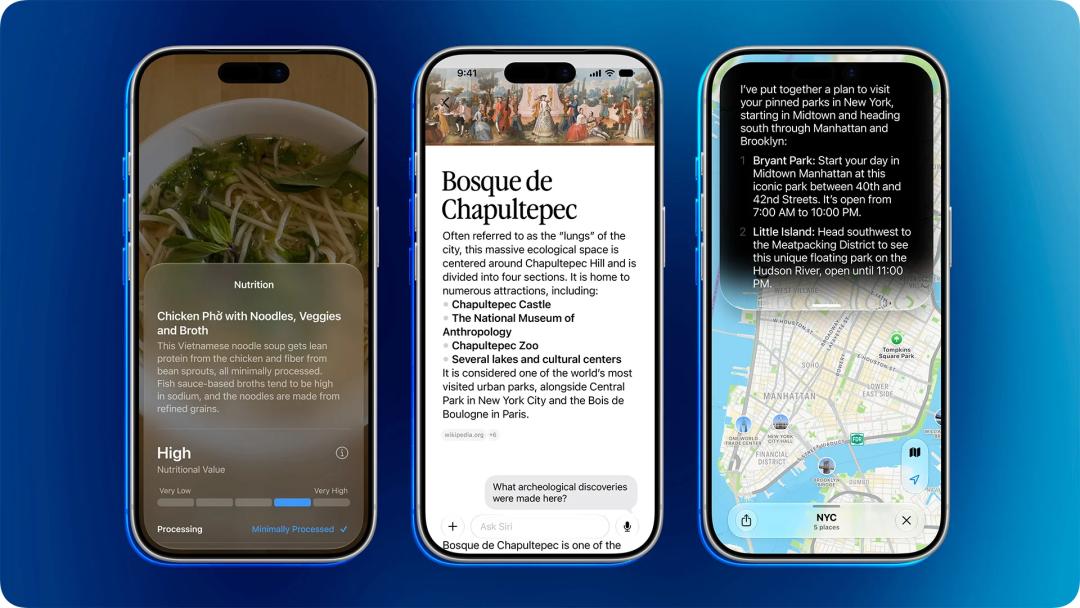
Now John Ternus has finally judged that Siri AI has reached the "usable" standard. Earlier this month, Siri AI was launched in the form of an English beta version, so the iterative versions of several products will soon make their debut alongside Siri AI.
Considering that the focus of the update is AI, the new HomePod mini and Apple TV will not have major changes in their appearance, and the upgrades are mainly from the inside — a more powerful processor, better wireless connectivity, and computing power prepared for the new version of Siri AI.
In this context, Apple's long-term plan in the smart home field is also fully visible: various smart home devices in the future are essentially nodes of the home AI system distributed in different rooms.
When previously asked why Apple did not enter the foldable screen market until 2026, Apple executive Greg Joswiak once said that Apple will not rush to launch "half-baked" products just to meet a timeline. This statement was made about the iPhone Duo, but it also applies to explaining Apple's hesitation in the smart home field.

Of course Apple could have launched a screen-equipped HomePod long ago, but such a product cannot answer one question:
Why not just put an old iPad in the living room?
Only when integrated with AI capabilities to allow the home system to provide highly customized, mutually isolated services for each family member, does this product category gain its own independent value for the first time.
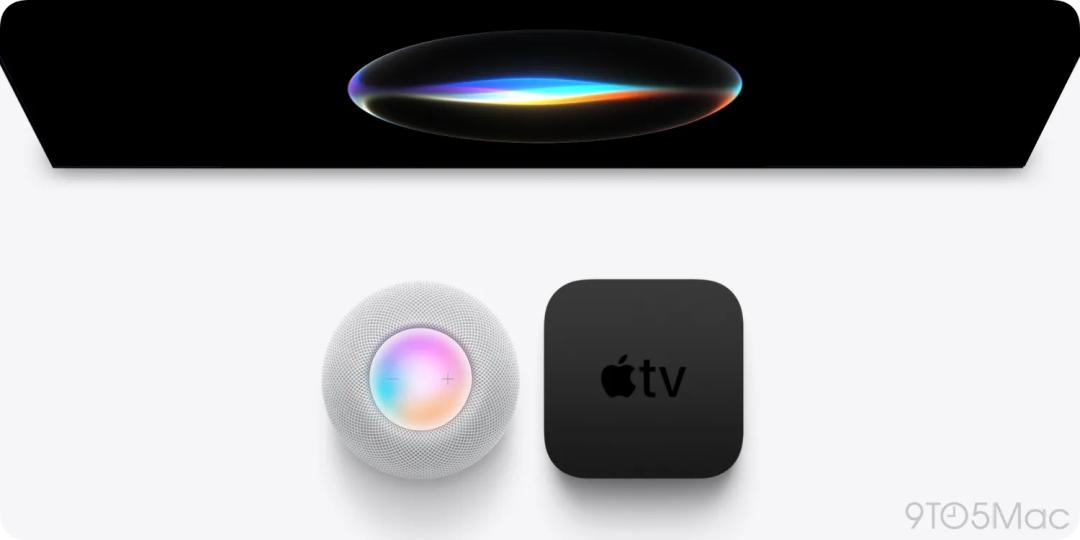
Photo credit | 9to5Mac
So the J490 is very likely just the first step for Apple to restart its smart home product line. With Siri AI in place, more interesting smart home hardware will join the lineup, such as the security cameras, home sensors, and the upgraded 9-inch screen home hub with a rotatable mechanical arm mentioned in previous leaks.
These upcoming new products will continue to supplement the perception capabilities of the home AI, allowing the home hub to give more personalized suggestions, and even in the long run, eliminate the complicated custom rules of today's smart home products to achieve true "automation".
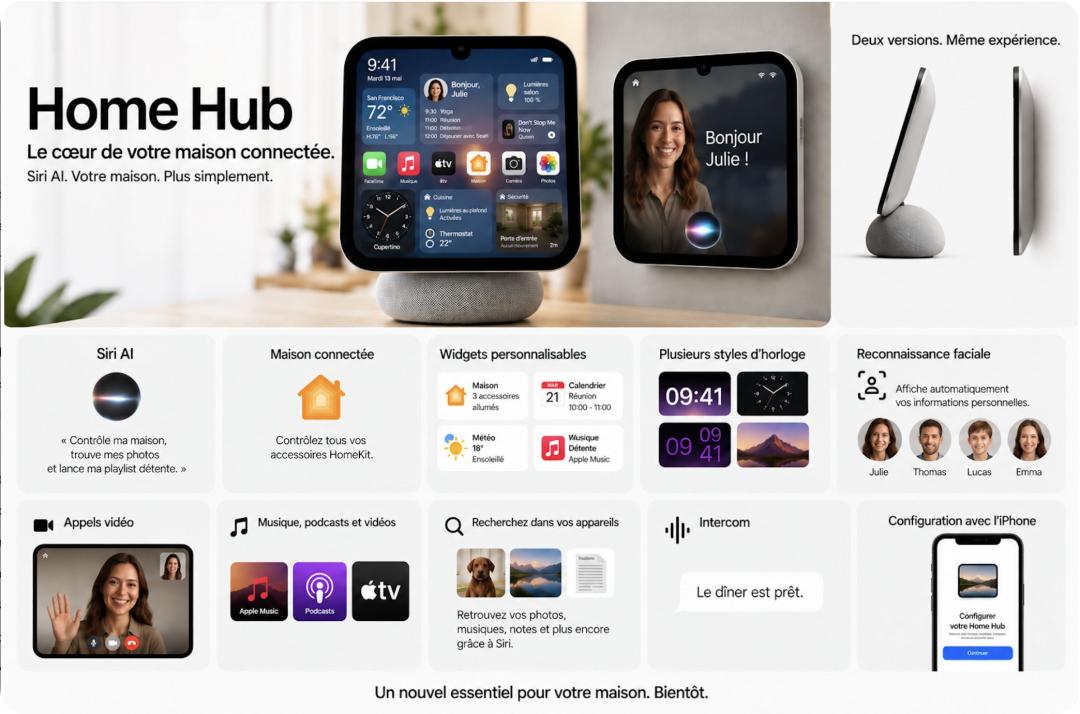
Image generated by AI
Over the past two decades, Apple has been working to make "computing" ubiquitous: AirPods for computational audio, Apple Watch for processing health information, and iPhone and Mac for broader general computing needs.
And the next step, Apple is planning to connect the entire "home" through computing.
Author | Peng Haixing
Editor | Xiao Qinpeng
This article is from the WeChat Official Account “ifanr” (ID: ifanr), written by a team that discovers tomorrow's products, and republished by 36Kr with authorization.