When AI music enters the era of "unlimited supply", the next round of competition for virtual singers has begun.
Waves of AI music keep rolling in one after another, yet the music industry has stepped into an era that relies far more on "human beings".
Over the past year, from AI songs and AI MVs to AI virtual singers with complete personal personas and continuous content output, more and more content that originally required the collaborative work of lyricists, composers, production teams, vocalists and visual teams can now be completed by individual creators with the support of AI tools.
Nowadays, such changes have started to expand to the broader music market. Overseas, AI virtual singers including Xania Monet and Breaking Rust have successively been listed on Billboard's affiliated charts; in China, AI virtual singers such as Yuri Youli and Wu Aihua have also begun to enter the public horizon.
Then, when AI makes "becoming a singer" no longer a scarce opportunity, the core question also evolves: who is truly worth being heard, remembered, and eventually standing out from the crowd?
When generation is no longer scarce, what kind of AI music deserves to be heard?
As AI music develops to the current stage, songwriting is gradually transforming from a professional production capability into a basic ability that everyone can access. However, the rapid expansion of supply does not mean that high-quality content will emerge naturally.
When generative capability is no longer scarce, what on earth determines whether a work can be noticed by audiences?
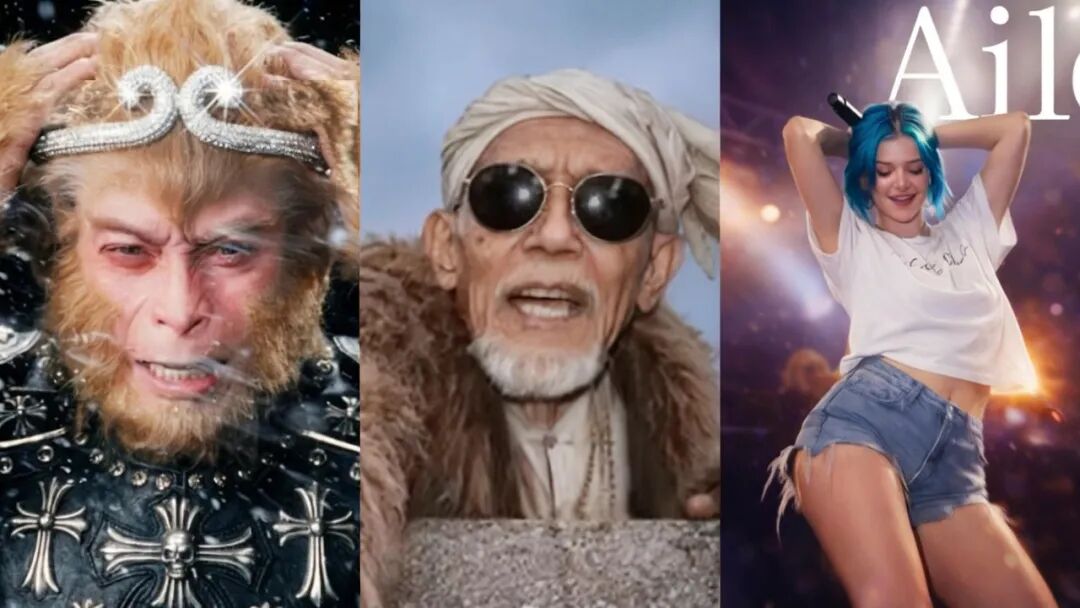
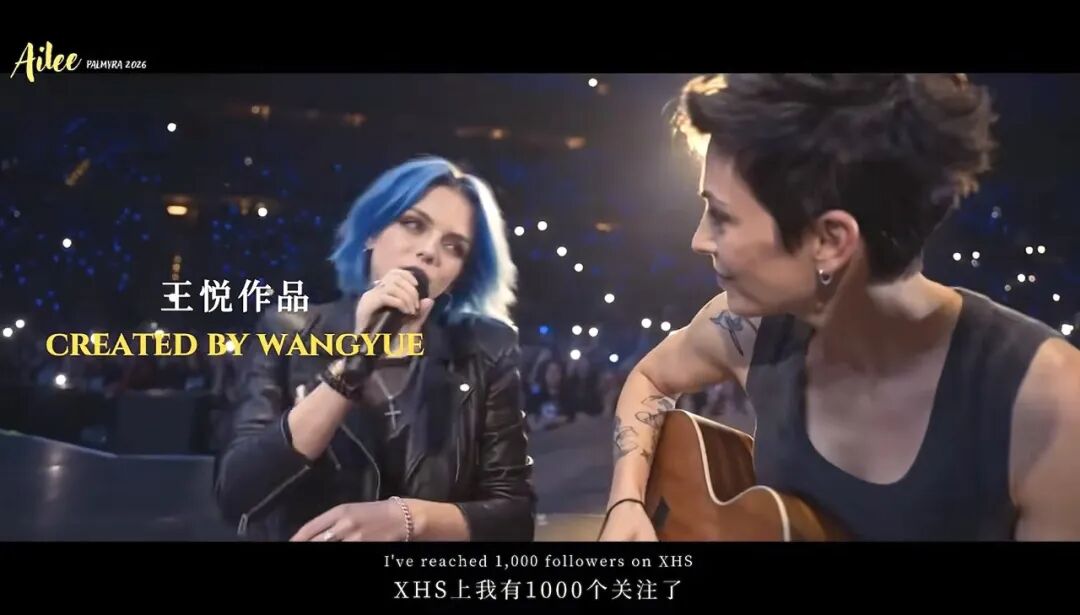
With this question in mind, we found several impressive AI virtual singers from Douyin's "AI New Voice Project 2.0", such as the international-style Monkey King Lil WuKong, the Rural Low Frequency group consisting of the northwestern old man Shi Mancang and his three granddaughters (the Flower Jacket Girls), and the blue-haired foreign girl Ailee.
From the perspective of Music Pioneer, the choices made by the creators behind these virtual singers may be more noteworthy than the works themselves. Therefore, we had in-depth conversations with the creators behind these accounts respectively, trying to find the answer to this question from their specific creation methods, aesthetic judgments and production processes.
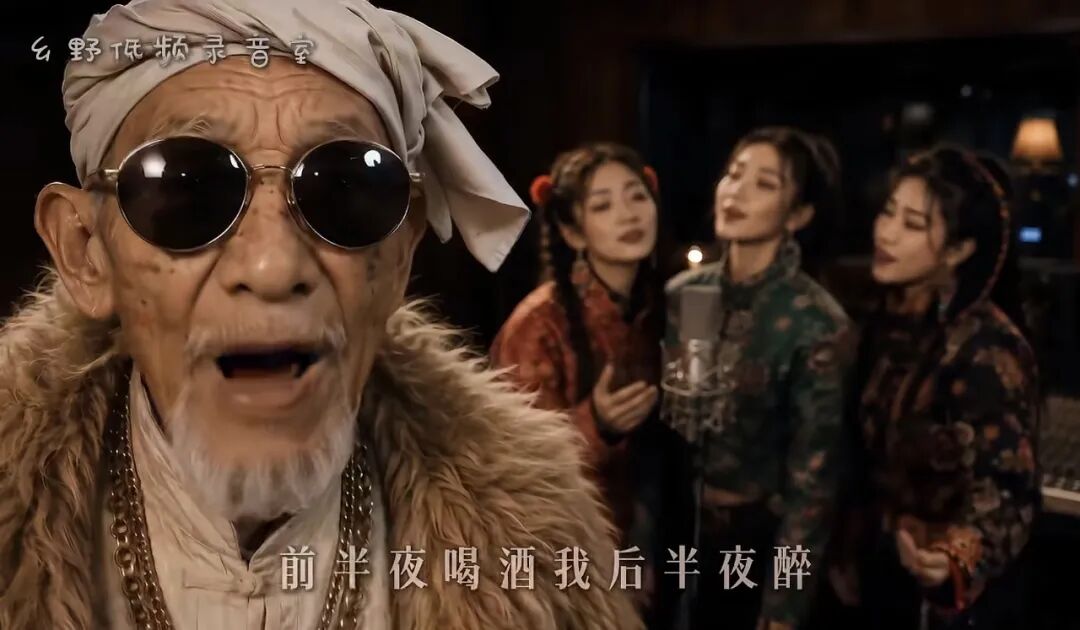
Among them, the sample provided by the AI virtual singer project "Rural Low Frequency" demonstrates how AI can truly be integrated into cultural expression.
Its creator Cheng Hailin has a background in ethnic music learning and accumulated experience in folk music ensemble. These experiences are directly integrated into his AI creation process: he will consider how to combine brass instruments and bamboo flutes, where to add foreshadowing and adjust rhythm in the song, and also pay attention to whether the dialect, singing style and regional musical temperament are unified, none of which can be simply completed by prompts.
The core character of this account "Shi Mancang" also took shape gradually in this process. Cheng Hailin is not from the northwest region of China, but after confirming that the work takes the northwest style as its core temperament, he specifically looked up local materials, from surnames, dialects to music styles, to supplement the cultural context of the character bit by bit. For example, the surname "Shi" was chosen after he referred to local materials in the northern Shaanxi region.
This level of meticulousness is not only reflected in the character setting, but also extends to sound production. In order to make the sound more recognizable and more "human-like", he is not satisfied with directly calling the ready-made human voice provided on the platform. Instead, he uses the locally deployed model in combination, cuts the real human dry voice, trains the model, then imports the melody and adjusts it repeatedly.
This exactly shows that AI can quickly generate so-called ethnic style and localized content, but it cannot automatically generate cultural understanding. Today, localized elements can be easily written into prompts, but what really determines whether a work is valid is whether the creator can make these elements form an internal logical connection.
If Rural Low Frequency represents cultural expression, then the silicon-based Monkey King Lil Wukong typically shows another threshold for high-quality development in the AI era: aesthetic judgment and professional accumulation.
SP, the creator of the virtual singer Lil Wukong, originally engaged in mixing and music production, and has long been involved in hip-hop creation. When creating Lil Wukong, he did not directly apply the ready-made formula of "national style + rap" just because Sun Wukong has extremely high public popularity. Instead, he returned to the original work *Journey to the West* to re-understand the character.
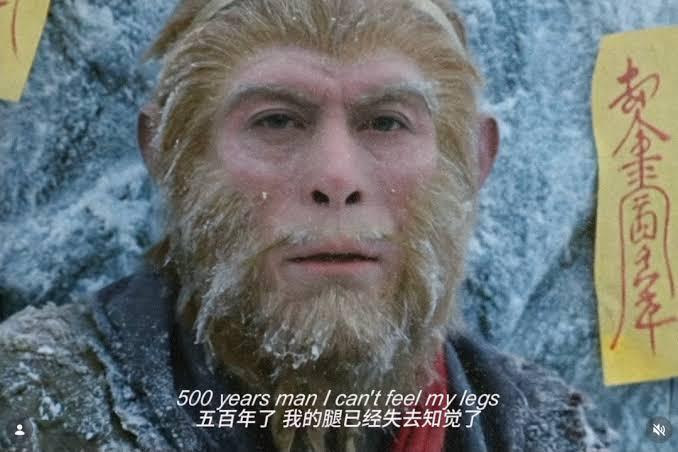
In his view, the rebellion, unruly temperament and wildness of Sun Wukong have a natural connection with the cultural spirit of hip-hop itself. Therefore, what he really needs to do is to re-extract these personalities that have long been simplified by public adaptations, so that Lil WuKong can become a character that fits the context of contemporary rap.
This means that AI here acts more as an implementation tool. SP will first generate a large number of solutions through the automated workflow, then select the version that best fits the character and music direction for further modification and production; he also has his own set of restriction rules and aesthetic standards for lyrics, rhymes and music styles.
When it comes to the MV production stage, the human-led feature becomes even more obvious. SP said frankly that the current MVs of Lil Wukong are still mainly completed by a lot of manual work: generate pictures first, then convert them into videos, and he also needs to filter the shots, adjust the frames, and process the lip-syncing matching by himself. Even though many Agent tools have emerged, it is difficult to completely replace these steps. "There is no fully automated workflow that can generate a complete MV with one click for now", and MV production is even the most energy-consuming part in the whole production chain.
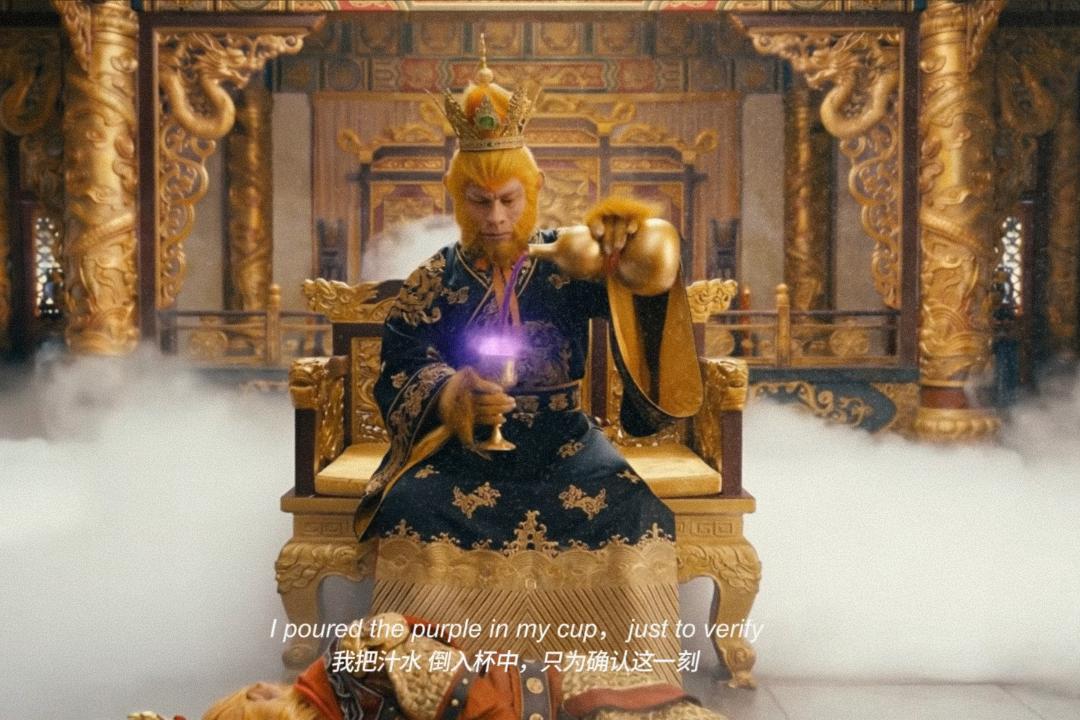
In SP's opinion, this is a counter-intuitive change brought by generative tools: AI has raised the average level of works, but it does not automatically raise the upper limit. He said frankly: "If you only require to finish the work, you can complete it in one or two weeks; but if you pursue a truly satisfying result, the production time can be extended indefinitely. Some works whose music part has been completed for a long time will still be remade continuously as new models come out."
As for the virtual singer Ailee, another noteworthy variable is how non-professional creators gradually establish their own methodology after AI lowers the professional threshold.
Interestingly, Wang Yue, the creator of Ailee, has also changed his understanding of "passion" in this process. He told Music Pioneer that he "did not really love music" at the very beginning, and what he was really passionate about was technology. The reason why he kept working on this project is that he found he was good at it, and his works continuously received recognition from the industry and positive feedback from the market, which made him fall in love with music gradually.
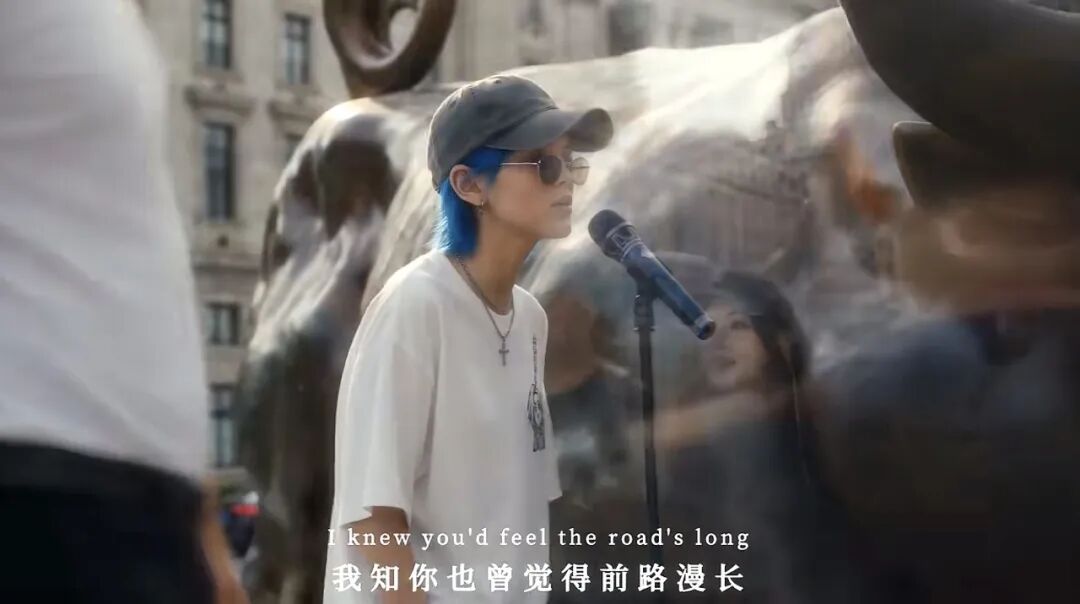
Without traditional training in arrangement and music theory, Wang Yue was forced to explore a path different from that of professional producers. In the early stage, he would find several reference songs, ask AI to help disassemble their music styles, and then keep subtracting redundant prompts; later, he would even generate content randomly first, wait for a melody that truly touches him to appear, and then reversely determine what theme and lyrics it is suitable for.
Ailee also "grew" up gradually in this process. It was not a fully designed virtual singer at the very beginning, the digital human was originally only made to match the music; it was not until the continuous release of works and the accumulation of fans that the character began to gain clearer recognition.
This creation method may not conform to the standard process of the traditional music industry, but it has gradually formed his methodology: AI is responsible for expanding the possibilities, and humans are responsible for judging which part is worth continuing. To a certain extent, this is closer to the personality formation process of real artists. The image and personality of a singer are originally gradually confirmed in works, visual presentation and long-term expression, and virtual singers do not really bypass this step.
These three sets of practices are also breaking one of the most common misunderstandings of the public towards AI music: because of the high generation efficiency, people tend to regard AI music as a permutation and combination with low cost, or even nearly zero cost.
However, from the creation perspective behind virtual singers, we will find that AI only reduces the part of production cost that used to be the most expensive, but it does not eliminate the inherent difficulty of creation itself. When the sense of novelty of technology fades away, users will eventually return to the most traditional and strict judgment criteria: whether the work sounds good, whether the character has distinct recognition, and whether the expression is logically valid.
AI has changed the way music is made into finished products, but it has not changed the basic logic of high-quality content. It still requires aesthetic judgment, professional knowledge, repeated polishing, and more importantly, creators need to be 100% responsible for their own artistic works.
In the AI era, what kind of A&R role are platforms playing?
Under the surging wave of AI, the high-quality creators mentioned above including Rural Low Frequency, Lil Wukong and Ailee have been successfully selected by the platform first, and have become the representative AI virtual singer projects that stand out from Douyin's "AI New Voice Project 2.0".
The three groups of creators have different experiences and completely different expression methods, but they all illustrate one point: when AI keeps opening the entrance to music production, the problem faced by platforms is no longer whether there is content, but how to discover the truly worthy creators from the rapidly growing new supply.
At present, the decline of production threshold theoretically means that more creators have the opportunity to enter the music industry. But in reality, communication and monetization have become the primary problems for creators.
This change is very obvious in our conversations with several creators.
Cheng Hailin, the main creator of Rural Low Frequency, once calculated an account. In the past, every link of music production including lyrics, composition, arrangement, recording and mixing meant actual cost; now AI can indeed reduce the time and capital cost of making basic demos to a very low level. But on the other hand, the online promotion that used to be completed with one picture and lyrics now requires new investment in visual generation, digital human technology, MV production and continuous operation after short videos and virtual singers become the main communication carriers.
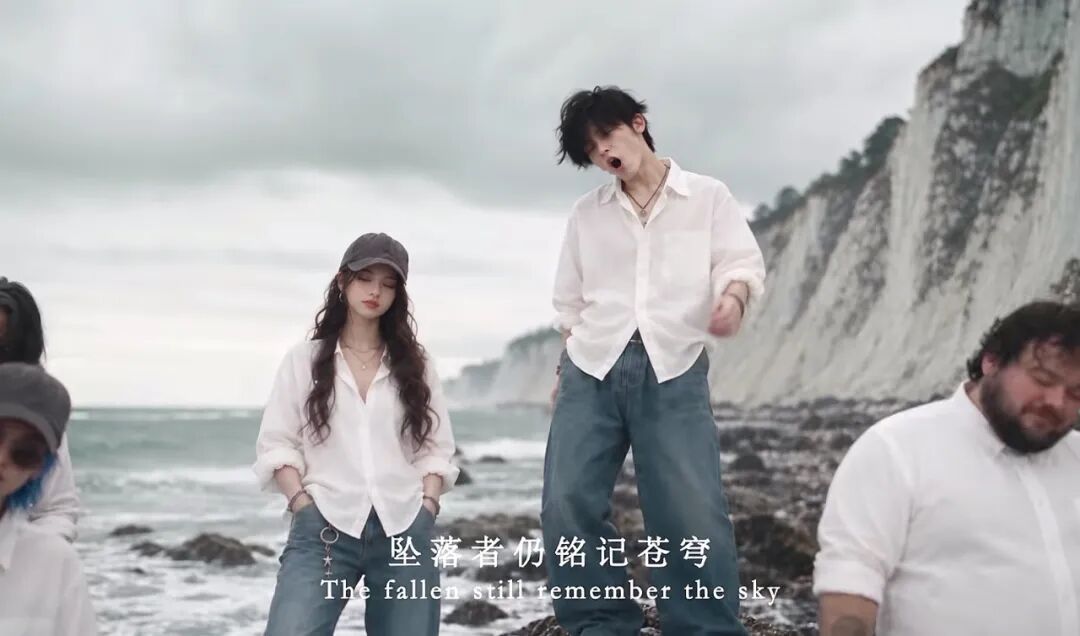
Wang Yue, the creator of Ailee, even actively raised this cost standard. He revealed that the production investment of a complete work is usually about 10,000 yuan at present, and the recently well-received work *Listening to the Tide* is already a work with relatively low production cost. In his view, when a basic AI video can be completed with only a few hundred yuan, a higher production standard itself forms a threshold that is difficult to replicate and supports continuous high-quality output.
SP, the producer of Lil Wukong, has a more direct experience of this. Now, Lil Wukong can obtain income from multiple channels such as music copyright, platform creation share and commercial cooperation, but he also admitted that the reason why he can gradually explore a relatively mature business model is related to his previous experience as a producer and his exposure to artist management. In addition to music production, he also needs to understand operation, promotion and channels.
For ordinary AI creators who lack industrial experience, there is still an obvious threshold for the transition from work production to market operation.
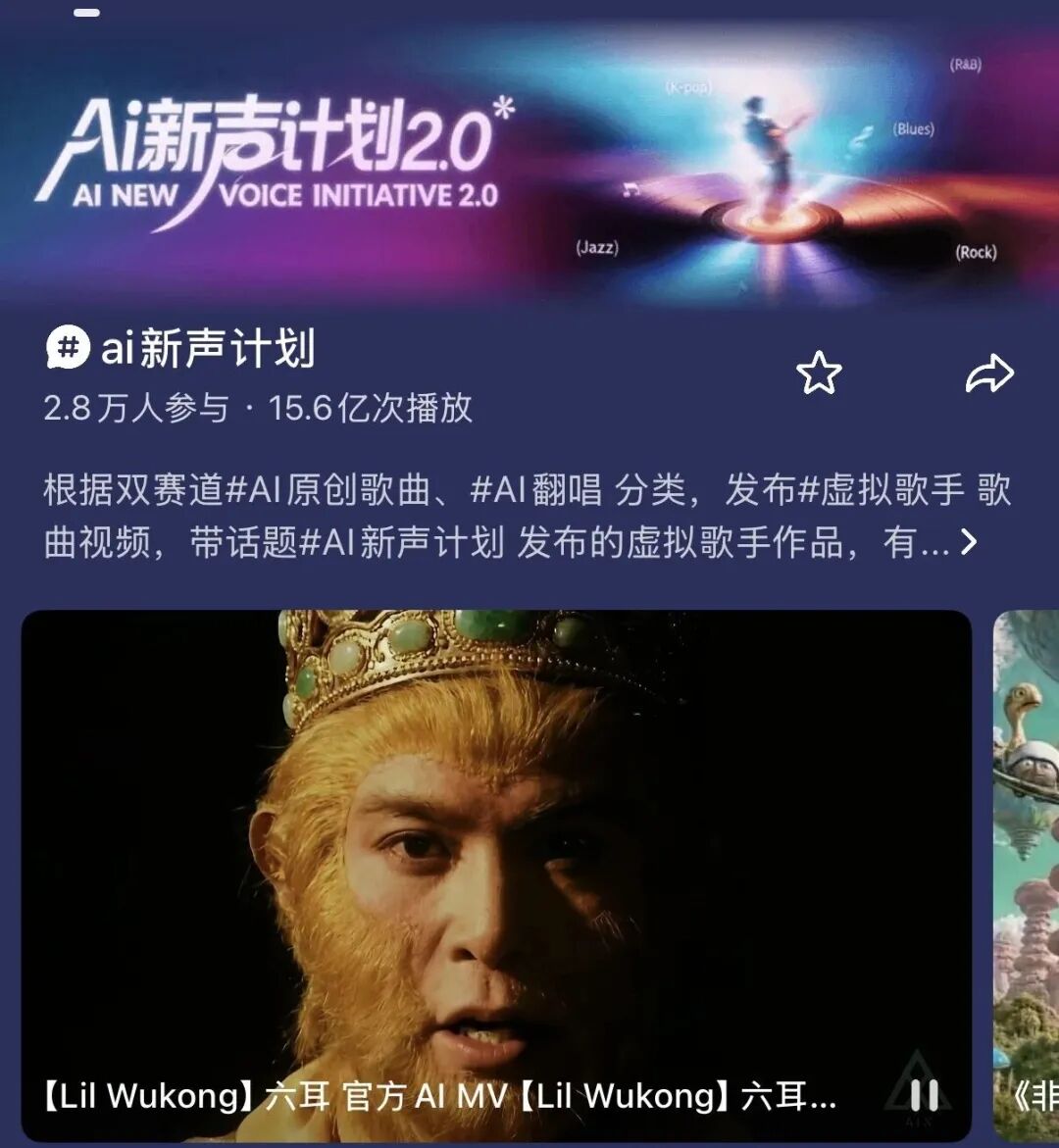
In other words, the more open the production end is, the higher the importance of discovery, screening, verification and resource connection becomes. This is also a key perspective to understand Douyin's "AI New Voice Project 2.0": the platform is not only expanding the supply pool, but also trying to establish a set of discovery and incubation mechanisms around the new supply.
From the perspective of the recruitment mechanism, "AI New Voice Project 2.0" first expanded the candidate pool. At present, the project has attracted about 28,000 participants, and the total number of views of related content has reached 1.56 billion. On the one hand, it is open for recruitment to individual creators, music institutions and copyright ecology, and accepts broader AI music supply through the main track covering all music styles; on the other hand, it sets up segmented hot tracks to explore more specific content trends, music styles and virtual singer forms.
However, the larger the supply is, the more important the second question becomes: what is worth retaining? This is where the platform is getting closer to the role of A&R.
Different from simply relying on the judgment of professional editors, "AI New Voice Project 2.0" tries to establish a more composite discovery mechanism: through a multi-dimensional promotion mechanism, it combines online data performance, content quality evaluation and scoring by music industry practitioners, and builds a chart system to make works receive feedback from real users and also enter the professional judgment system.
However, compared with traditional A&R, a special point of content platforms is that this kind of judgment does not completely happen before the works enter the market, but continues after the release.
For example, the AI song *Don't Worry* from Rural Low Frequency is a typical case. The work had zero promotion at the beginning, and its popularity grew naturally after release. The creator made the promotion video for the song urgently after noticing the rise of its popularity. Later, user feedback further extended from the song to the character: many people began to use Shi Mancang's avatar directly, and interacted with this image in the comment area.
