During the National Day long holiday, car rental businesses completely crush travel agencies.
01
A couple of days ago, Xiao Huang, who runs customized tour services for Yunnan and Guizhou, complained to me on WeChat that the recent odd phenomena in the industry left him completely confused.
To prepare for the National Day Golden Week, Xiao Huang invested heavily in buying traffic and ad slots on all major OTA platforms early this year, trying to promote the high-quality small-group tours his business focuses on.
The reality turned out to be extremely disappointing: not only did his business see no improvement at all, but the very few customers who came for consultation all haggled fiercely for the lowest possible price.
In contrast, the car rental business that Xiao Huang used to run as a side business has thrived this year even though he barely spent any money on promotion.
Xiao Huang lamented that compared with the chartered car business, car rental services in Yunnan and Guizhou are far easier to operate. As long as the vehicle type, date and price are appropriate, orders keep pouring in.
This year during the National Day holiday, hybrid and electric vehicles are particularly sought after.
Xiao Huang has 6 Deepal G318 in his fleet, and the daily rental price for these vehicles during the National Day period easily exceeds 400 yuan, yet there is no shortage of customers making reservations.
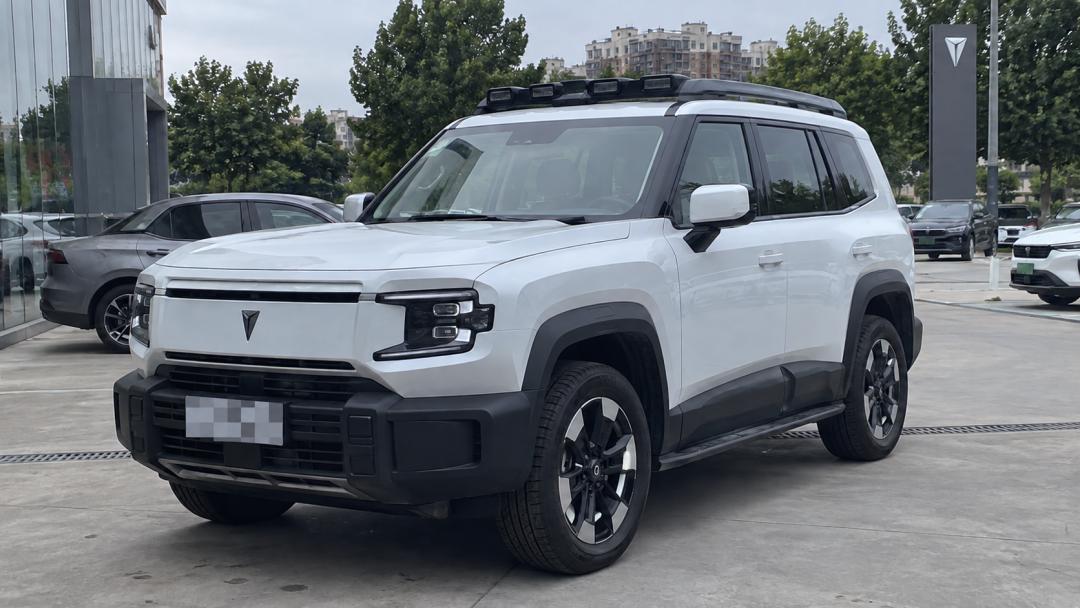
Looking at the chartered car market, the daily price for a vehicle with a driver included is usually not much higher than that figure. Xiao Huang said customers always compare the quotes and itineraries from other travel agencies over and over again.
He can only repeatedly explain the differences in hotels, vehicles and itinerary arrangements. Sometimes after several rounds of plan revisions, the customer finds a cheaper product elsewhere, and all previous communication goes to waste.
This made Xiao Huang very confused: no one buys the driver-guided itineraries that travel agencies put great effort into designing, but simply renting out vehicles brings in steady business instead.
Similar changes have also taken place in western Sichuan.
Mr. Zhou, a long-time reader of Tourism Industry who runs family customized tour services in Xinjiang, told me not long ago that he received a guest planning a trip with children, and complained that customers nowadays are far too shrewd.
Before departure, he adjusted the travel routes several times as requested by the guest, but the guest delayed paying the deposit for a long time. A few days later, the guest came back to him and asked if he could only help book a car.
As for hotels and tickets, they planned to book them on the platforms by themselves.
Mr. Zhou stared at the message for a long time, and only one thought remained in his mind: if you book everything by yourself, what money am I supposed to earn?
The complaints from travel agency owners cannot change the industry landscape. This year, the chat boxes of travel agencies are filled with price comparison screenshots, while vehicles on car rental platforms are constantly being driven away by customers.
The summer report released by DiDi Rental shows that since July 1, the average daily number of car rental orders on the platform has increased by more than 50% year on year. The average rental period across the country has also extended from 2.6 days last year to 3.5 days. New energy vehicles have become the category with rapid growth, accounting for nearly 50% of the total summer orders.
Now that the Golden Week has not yet started, the chartered car market and the self-driving car rental market present completely opposite situations: the target customers of travel agencies are preparing to drive away by themselves again.
02
Why is the customized small-group tour business of travel agencies outcompeted by car rental agencies so badly?
Just yesterday, my friend Lao Chen talked to me about his National Day travel plan, saying that renting a car after arriving at the destination is extremely comfortable.
Lao Chen's travel habit is very simple: he will stay for two more days in places he likes, and step on the gas pedal to leave if he finds a place boring.
As for hotels, he does not like to book in advance. He usually checks the prices on the day of arrival or the night before. If the hotels in the city are too expensive, he will drive along the road to look for options in the suburbs. If the hotels in the suburbs are also expensive, he can just lay down the back seats and spend the night in the car.
It sounds a bit risky, but Lao Chen thinks that confirming all the accommodation and destinations every day in advance will make the holiday feel like going to work.
For some small towns that he only planned to stay for half a day, if he finds them more interesting than expected after arrival, he can continue to explore in depth, which is more important to him than saving a few hundred yuan.
Compared with chartered car group tours, Lao Chen believes that within the scope stipulated in the car rental contract, the steering wheel is always in his own hands. He does not need to negotiate with others about the departure time, the route to take, or whether to stop on the way.

For some tourists who are familiar with self-guided travel, it is worth paying a little extra holiday premium to be able to adjust the itinerary at any time.
As for chartered car services, Lao Chen admits that many travel agencies are now facing fierce competition. The merchants he has inquired with even give additional services such as drone aerial photography and travel photography, but they are still not as hassle-free as self-driving.
Lao Chen jokes that he is socially anxious, and he does not want to delay the departure time just because his children cannot get up for breakfast. If he sees a village with nice scenery on the way and wants to stop, he does not want to have too much verbal communication with the driver and tour guide.
When talking to Lao Chen, I could not help thinking of the price conflict encountered by Xiao Huang: when many consumers get used to taking control of their own itineraries, they are still willing to pay for the familiar self-driving experience no matter how fiercely the small-group tour industry competes.
After all, if the so-called customized tour only arranges vehicles between conventional scenic spots and the itinerary is barely different from the strategies shared online, tourists will easily feel that they can do it themselves by checking maps and booking hotels.
Moreover, in the era of equal access to AI information, the routes that travel agencies spend time designing may only be seen by consumers as a few spreadsheets and booking links, making the service fee the easiest part to be cut off.
It is worth mentioning that new energy vehicles and some mid-to-large SUVs nowadays can support more and more functions, including being used as a place to sleep.
Some time ago, Tourism Industry exclusively reported in the article "The Bed-Camping Tourists Start to Use Hotel Facilities for Free" that some bed-camping tourists park their cars near hotels, use the restrooms and water supply, and simply sleep in the cars at night.
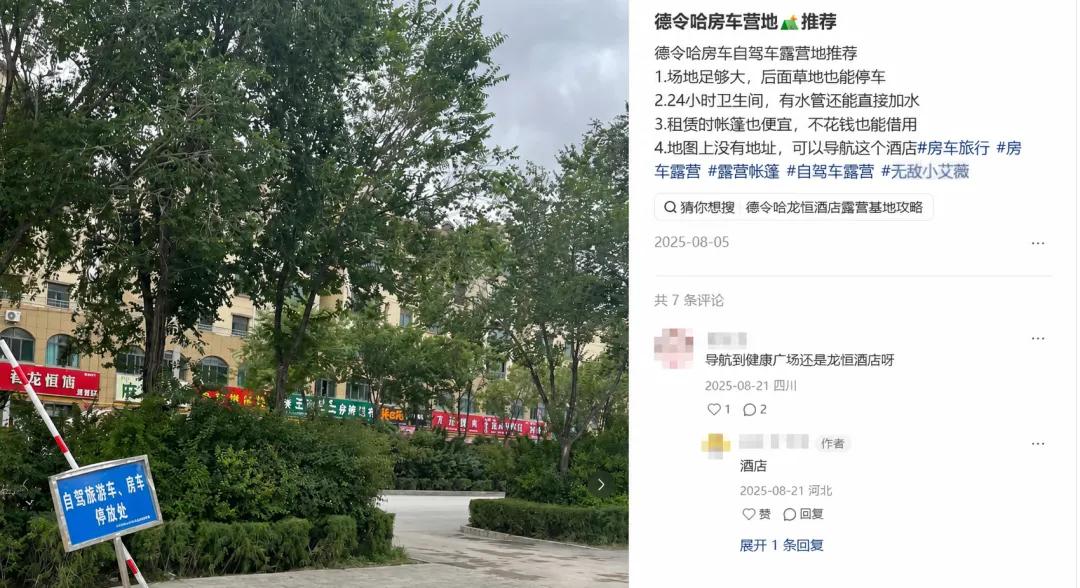
Sleeping in the car is certainly only a choice for some tourists, but it reflects that vehicles are undertaking more travel functions, which are experiences that chartered car trips cannot offer.
In fact, the large number of self-driving tourists has pushed hotel occupancy to a very high level, so it is quite normal for traditional travel agencies to be impacted to some extent.
In the final analysis, consumers in this era have become more cautious about their budgets, but they have not given up traveling. Instead, they prefer to complete price comparison, booking and itinerary arrangement by themselves, taking back the work that was previously paid to travel agencies.
As a result, the remaining individual services provided by travel agencies need to be explained more clearly to prove why they are worth buying.
03
This year during the National Day holiday, car rental is getting increasingly popular, while the chartered car business is getting harder, which is also reflected in more awkward aspects.
Some time ago, Xiao Huang sent me a link, saying that it was absolutely unbelievable.
After checking it carefully, I found that the blogger in the link shared the so-called "free Qinghai-Gansu Great Ring Road travel strategy", claiming that tourists can first sign up for a seven-day six-night small group tour, and then report to the local transportation department that the tour leader uses vehicles without operating qualifications when the itinerary is nearly finished.
According to the blogger, tourists can not only travel the whole ring road for free, but also claim compensation by taking advantage of the travel agency's illegal operation problems.
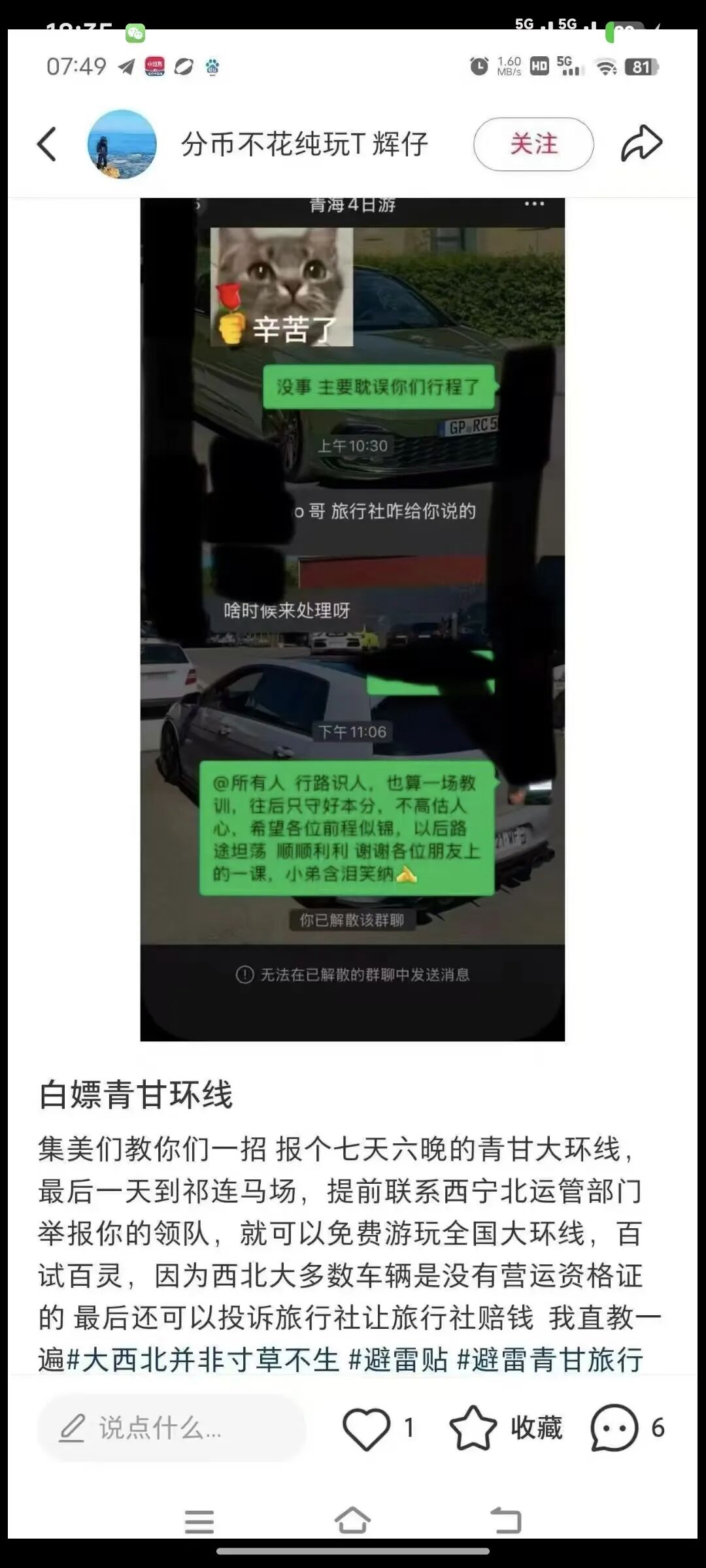
The spread of such content in public has made many small group operators feel anxious. After all, this business barely has much profit, and vehicle qualification has always been the most concentrated area of compliance problems in the industry.
At present, many regions in China stipulate that 5-seat and 7-seat vehicles, the most commonly used models for family small group tours, belong to small and minibuses. Rental operators can only hand over the vehicles to the lessees for use, and are not allowed to provide driving services along with the vehicles.
In other words, if a vehicle is provided with a driver to carry passengers for a fee, the nature of the business will change. The operating entity needs to obtain the corresponding license, the vehicles put into operation need to apply for road transport certificates, and the drivers also need to have the corresponding professional qualifications.
The problem is that the procedures are far more complicated than just getting a few more stamps.
Xiao Huang told me that new models suitable for family travel are updated very quickly, but the types of models that can be included in the local tourism passenger transport approval scope are relatively limited.
According to the approval requirements he learned, currently some models under the brands of Buick, BAIC and FAW are eligible for application, while many new energy vehicles commonly used by travel agencies are still not included in the relevant scope, which leaves opportunities for those tourists who want to travel for free.
Even if the vehicles meet the requirements, operators still need to prepare braking test reports and safety management plans, and then apply level by level in accordance with local policies.
In addition, the implementation standards vary from district to district, and the processing cycle is difficult to predict. Many small business owners are not sure whether the vehicles they bought can be successfully put into operation.
However, as family small group tours increasingly prefer 5-seat and 7-seat vehicles, if the compliant supply of operating vehicles cannot keep up with the demand, the market will swing between two extremes.
Xiao Huang admitted that he has not dared to organize group tours casually this year.
A small group tour may only earn tens of thousands of yuan after months of hard work. If the vehicle is seized by the authorities or receives concentrated complaints, all the previous profits will be lost quickly.
In contrast, the boundary of the car rental business is relatively clear, and all the revenue after completing the business filing is profit.
However, as a large number of travel agency owners turn to this track, the car rental industry is becoming extremely crowded at a noticeable speed.
The latest data from Qichacha shows that as of April 30, the number of existing car rental-related enterprises in China has exceeded 830,000, and the increment of the track is still growing rapidly. Many peers who used to run chartered car businesses have transformed to buy vehicles and engage in pure car rental, trying to seize market share before the long holiday.
Leading players are also not falling behind. According to the data disclosed by CAR Inc., the platform currently has nearly 200,000 operating vehicles, covering more than 360 cities across the country, with more than 6,500 directly-operated outlets. In the past year alone, a total of 100,000 new vehicles have been put into operation.
Xiao Huang, who used to be busy buying traffic for high-quality small group tours before the National Day, now spends more time checking the vehicle conditions of his 6 Deepal G318 vehicles.
When tourists hold the steering wheel by themselves, travel agencies also need to find their own positions again.
This article is from the WeChat official account "Tourism Industry", written by Theodore Xishao, and published with authorization from 36Kr.