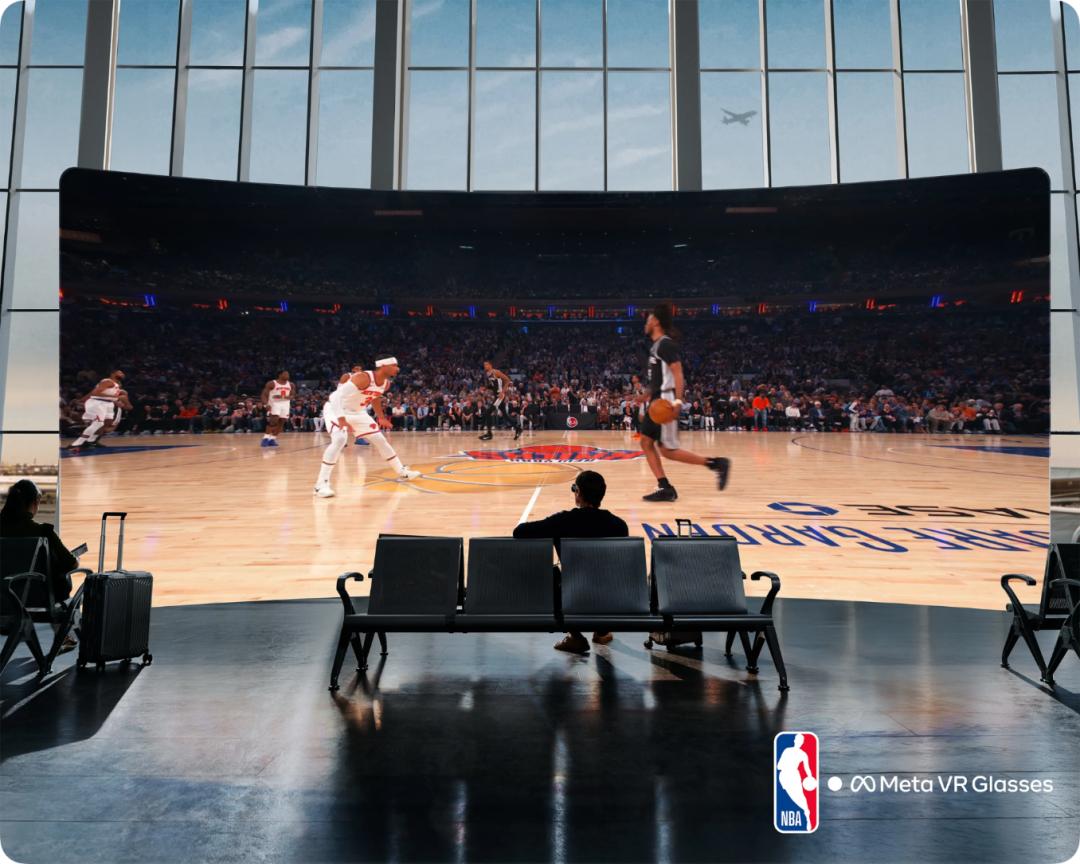
At 1/3 the price and 1/8 the weight, does Meta's new pair of glasses totally crush Vision Pro?
From now on, glasses are built for "Super Intelligence".
At this morning's Meta Connect 2026 keynote, Mark Zuckerberg unveiled a full lineup of new AI hardware products —
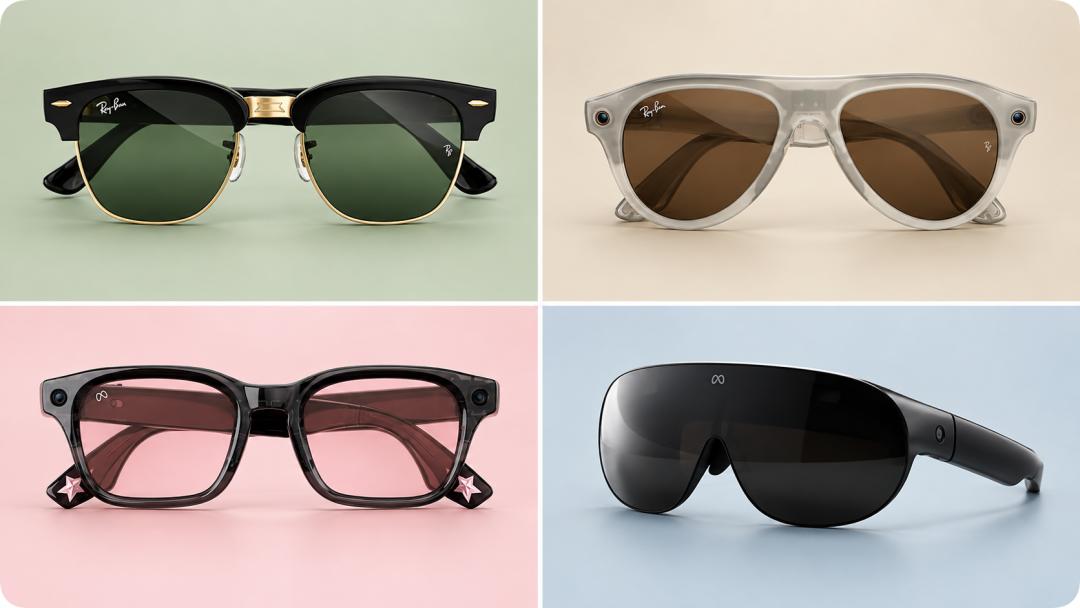
The camera-free pure audio AI smart glasses Ray-Ban Meta Audio, the ultra-light 100g VR glasses Meta VR Glasses, as well as more shape options and co-branded editions for the existing smart glasses product line.
Such similar device forms point to the exact same goal:
To build "glasses" into a computing device category that is tightly bound to Meta.
Ray-Ban Meta Audio: Remove the camera to enable all-day use scenarios
Why glasses? Zuckerberg's explanation is that about 2 billion people around the world wear glasses, and unlike headphones that isolate individuals from the outside world, glasses are arguably the most "unnoticeable" candidate for AI devices.
What Meta needs to do is simply make its glasses "AI-powered".
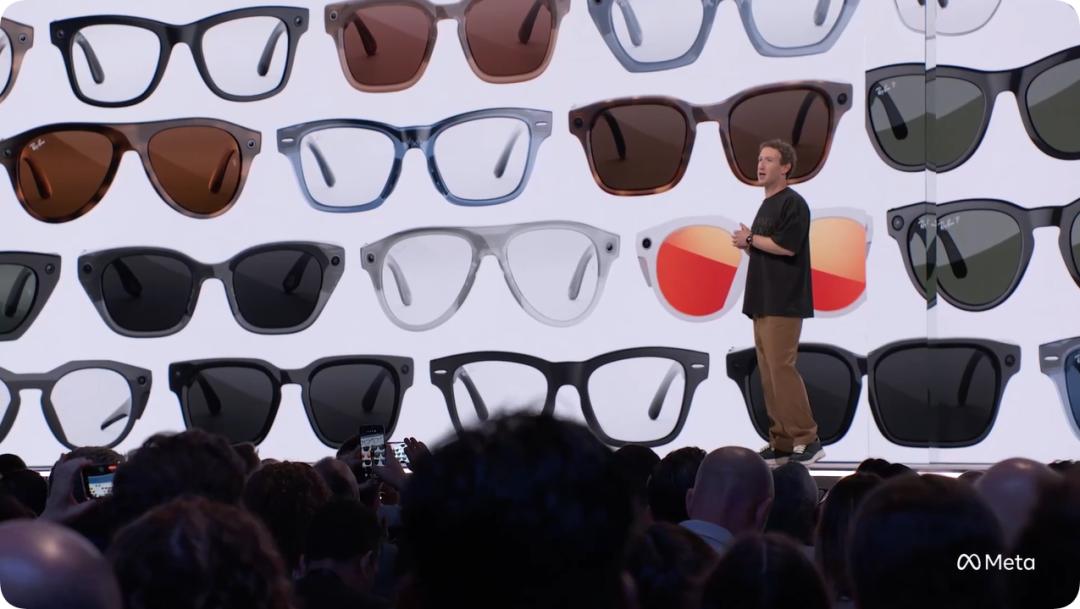
But unlike smartphones that can follow a uniform design, personalization is the top priority for glasses as an accessory — walk into any optician's store, and you will see countless frame styles, and this rule will not change in the AI era.
Therefore, the first new product launched today is the "audio glasses" Ray-Ban Meta Audio tailored for specific demands.

Just like screen-free sports bands compared to smartwatches, Ray-Ban Meta Audio also makes drastic cuts on hardware, only retaining open speakers, a six-microphone system and the Muse smart assistant. It can even be regarded as a pair of open-ear headphones made in the shape of glasses.
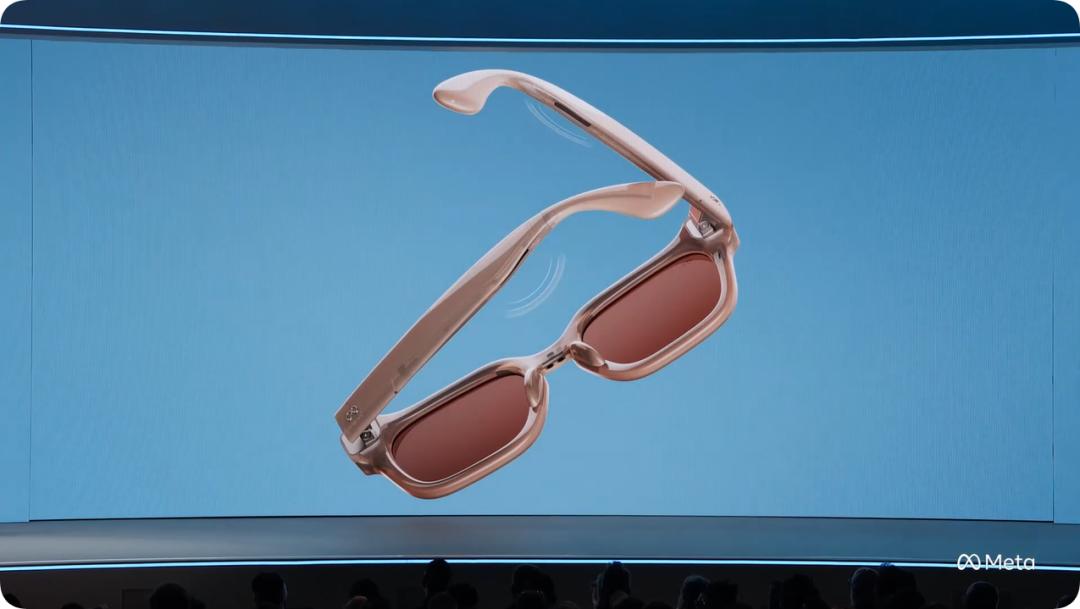
The benefit of having no camera is that the weight is reduced to 43 grams, and the battery life is extended to 12 hours, which is about 3 hours longer than the camera-equipped Ray-Ban Meta, basically covering the activity time of a full day.
Removing the camera also makes new frame shapes possible. Ray-Ban Meta Audio comes in two styles: Burbank and Clubmaster, supporting 23 color and lens combinations. The lower half of the Clubmaster frame is replaced with a thin metal rim, which breaks the bulky and heavy stereotype of smart glasses, and is almost indistinguishable from ordinary glasses.
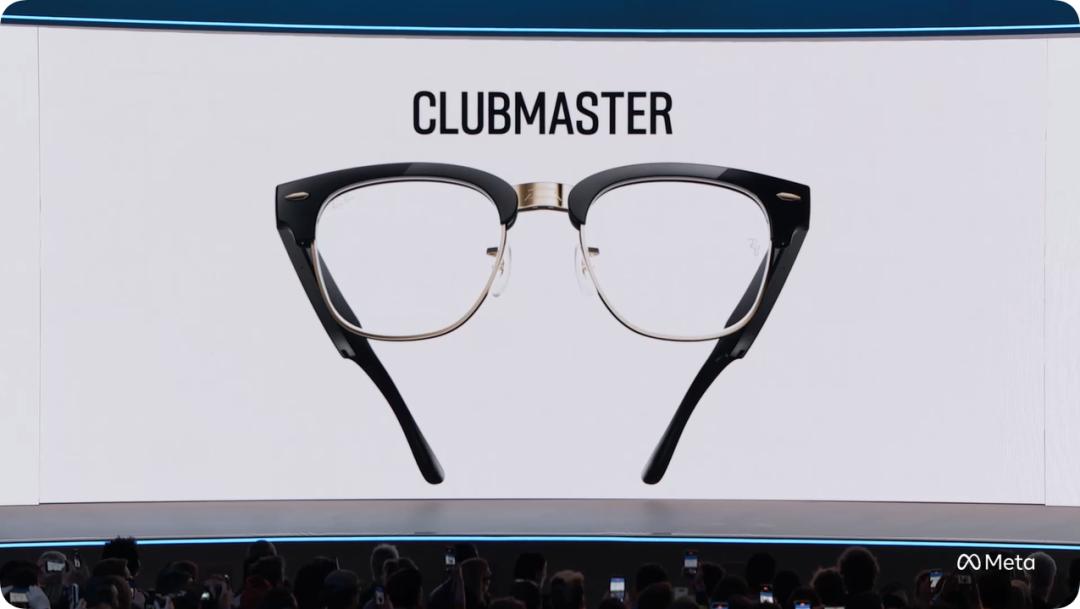
Although Alex Himel, head of Meta's wearables business, said in an interview that this camera-free product line has been planned for many years, at a time when smart glasses are triggering more and more privacy disputes, a pair of glasses that fundamentally cannot take photos can indeed put an end to the "secret shooting" doubts, allowing more people to wear it without any burden.
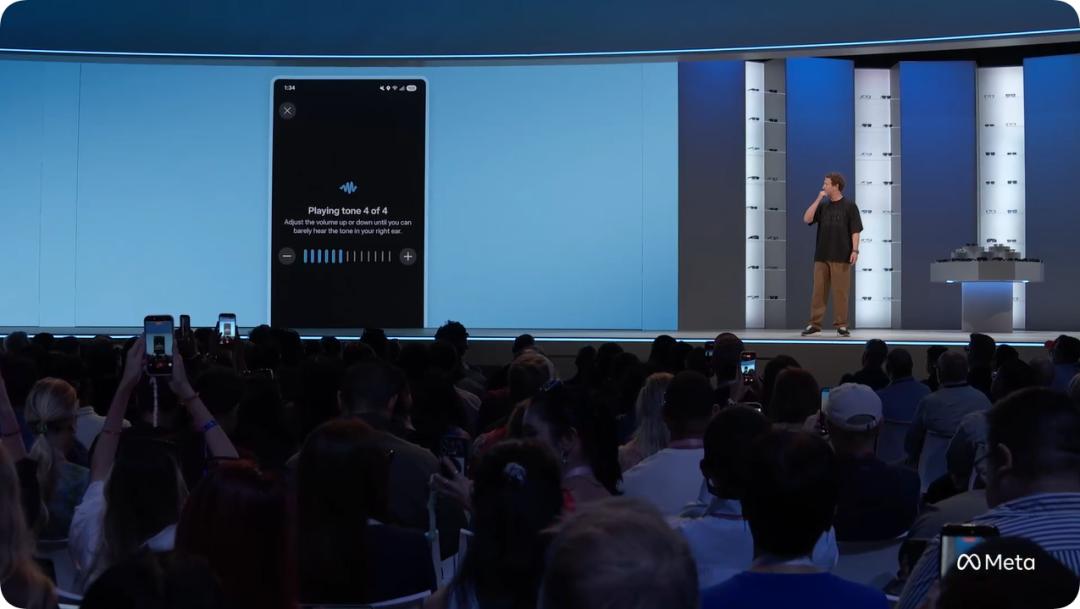
Perhaps thinking that making only cuts on hardware is not convincing enough, Meta adds a new selling point to this audio glasses — a hearing aid function called Hearing Enhancement.
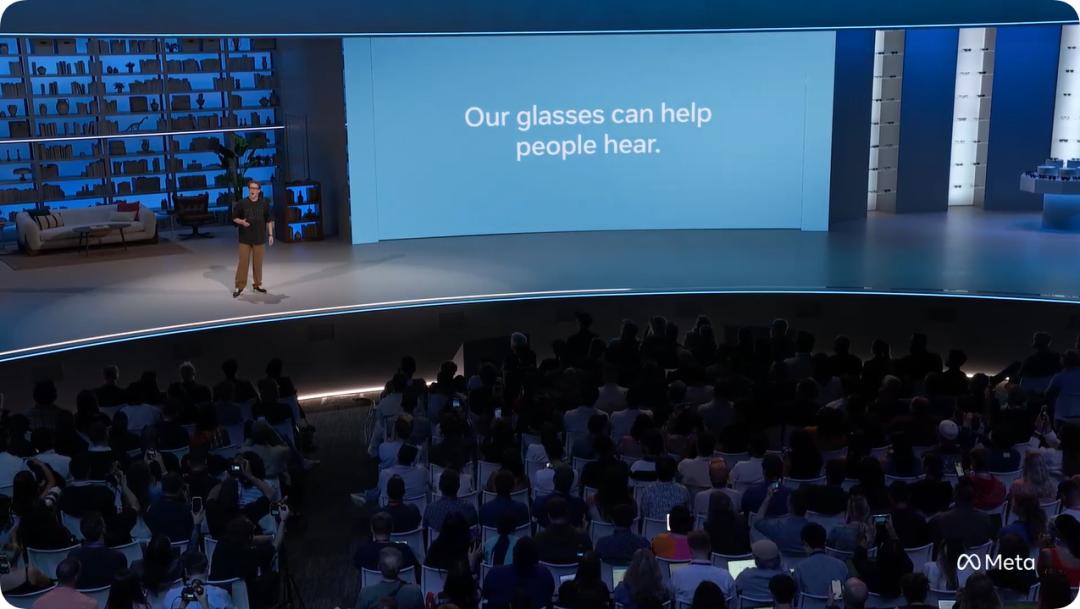
In fact, one in six people in the United States suffer from varying degrees of hearing loss, but due to the high price of hearing aids and the long adaptation period for wearing them, many people eventually choose to do nothing.
After subscribing to Hearing Enhancement, the glasses will extract and amplify the voices of people around, so that users with mild to moderate hearing loss can also easily communicate with others.
What Zuckerberg did not explicitly state is that to use this function, you need to pay a one-time fee of 150 US dollars, or subscribe to the Meta One membership. The starting price of 349 US dollars for the audio glasses itself is not cheap in the smart glasses category.
At the same time, Meta has not abandoned the traditional camera-equipped route.
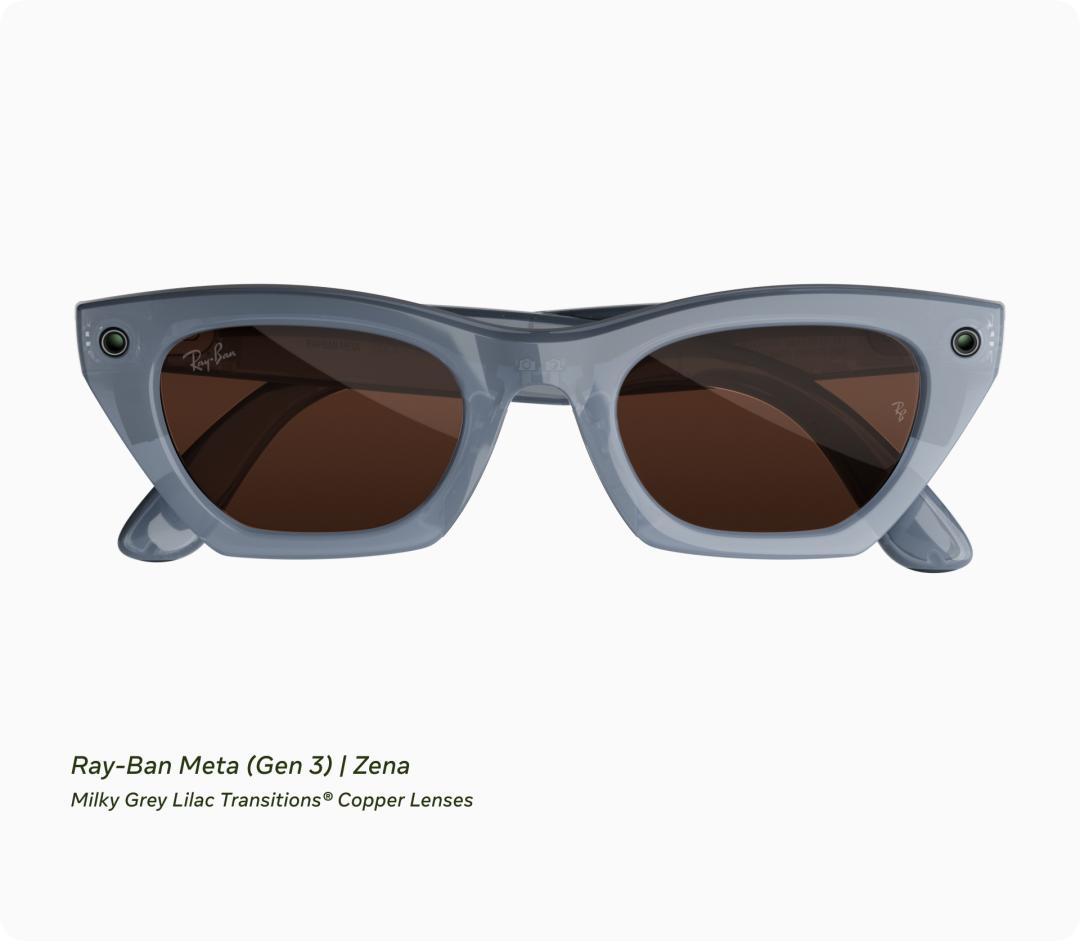
The starting price of the camera-equipped Ray-Ban Meta Gen 3 this year has risen from 379 US dollars to 449 US dollars, including the regular Wayfarer frame, the cat-eye Zena frame and the Ray-Ban commemorative Aviator frame, which can combine 27 kinds of lens/color matching. The hardware is still a 12-megapixel camera, supporting 3K video recording. The number of microphones has increased from 5 to 6, supporting Dolby spatial audio recording.
For the relatively affordable Meta Glasses own brand, the entry version of the classic Adventurer square frame has its price reduced by 50 US dollars to 249 US dollars, adding two new frame styles Capri and Nova, as well as co-branded editions with celebrities such as LISA and Kylie Jenner.

By the end of this year, Meta expects that the entire smart glasses product line will have more than 100 different options.
Clearly, rather than focusing on polishing hardware, Meta has realized that smart glasses are first and foremost a fashion item — it is not easy to make people spend thousands of dollars on a pair of glasses just for "smart functions", but if it is a pair of "good-looking" fashion glasses with additional smart features, the situation is completely different.
If the entire industry in the past was trying to define what smart glasses look like, what Meta is doing is actually going the opposite way, refusing to give a single definition.

Some people want shooting functions, some pursue fashion trends, and others just want a pair of lightweight and portable AI audio glasses.
Therefore, Meta tries to make "smart glasses" into a large category, meeting everyone's needs just like a real optician's store, so that whenever you think of getting glasses, their products will be the first thing that comes to your mind.
Meta VR Glasses: Featherweight VR that "outperforms" Vision Pro
The whole series of smart glasses are quite good, but when you see James Cameron and Draymond Green in the promotional video exclaiming while wearing a pair of VR glasses as light as ski goggles, few people will still remember the previous smart glasses.
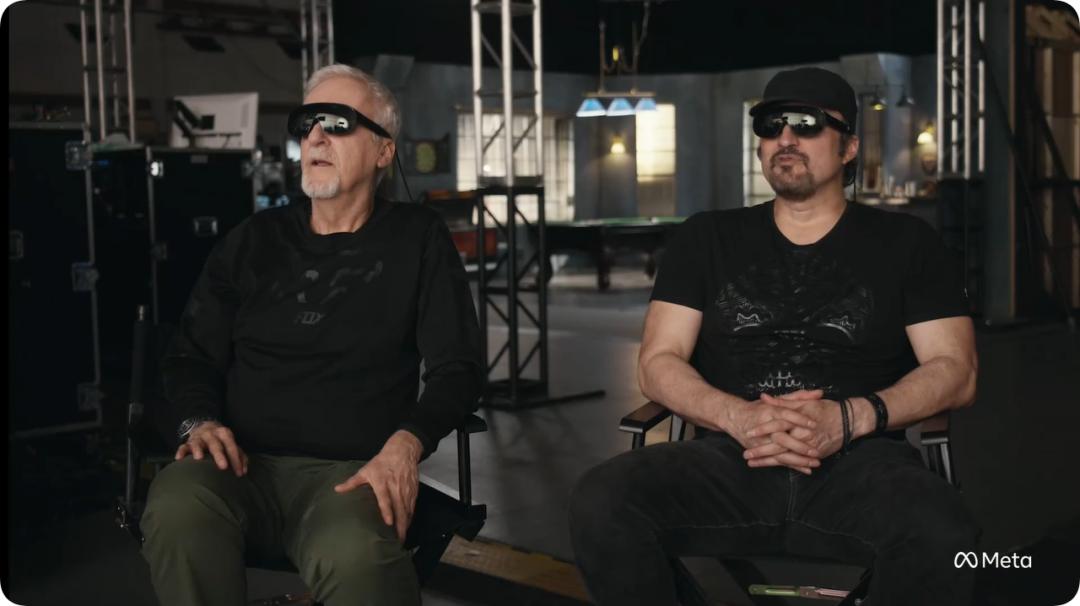
The one that steals the show is the latest VR glasses Meta VR Glasses.
In fact, when Zuckerberg was giving his speech, Meta VR Glasses had been placed on the glasses wall behind him all the time, but no one could notice it among so many glasses because it was too compact.
It weighs only about 100 grams, and the official metaphor is "the weight of a deck of playing cards".
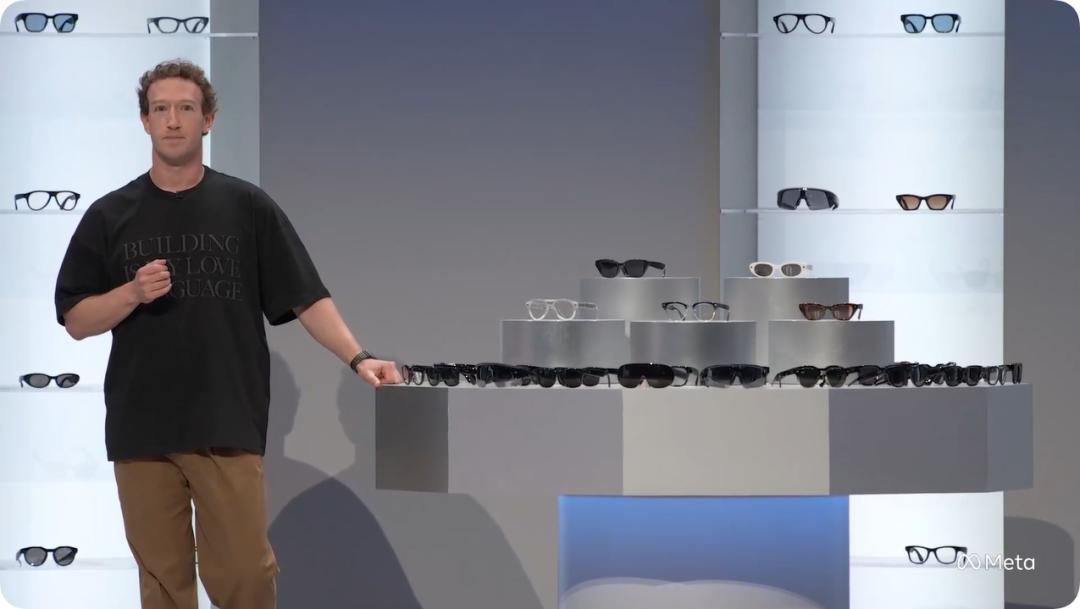
For comparison, Meta Quest 3 weighs 515 grams, while Apple Vision Pro weighs 750-800 grams. Meta VR Glasses reduces its weight by more than 80%, almost completely solving the "head-sinking" problem of VR glasses, and there is no need for an extra head strap for auxiliary fixation.
In the past few years, VR headsets have been continuously improving chips, resolution and see-through effects, but the core problem that makes most users give up using them has never been solved —
Weight.
The best example of this point is Vision Pro: Apple can make its display, interaction and chips reach the top level of the industry, but with 800 grams hanging on the head, it is destined not to become an all-day computing platform.
To solve this problem, Meta VR Glasses takes the split design to the extreme.
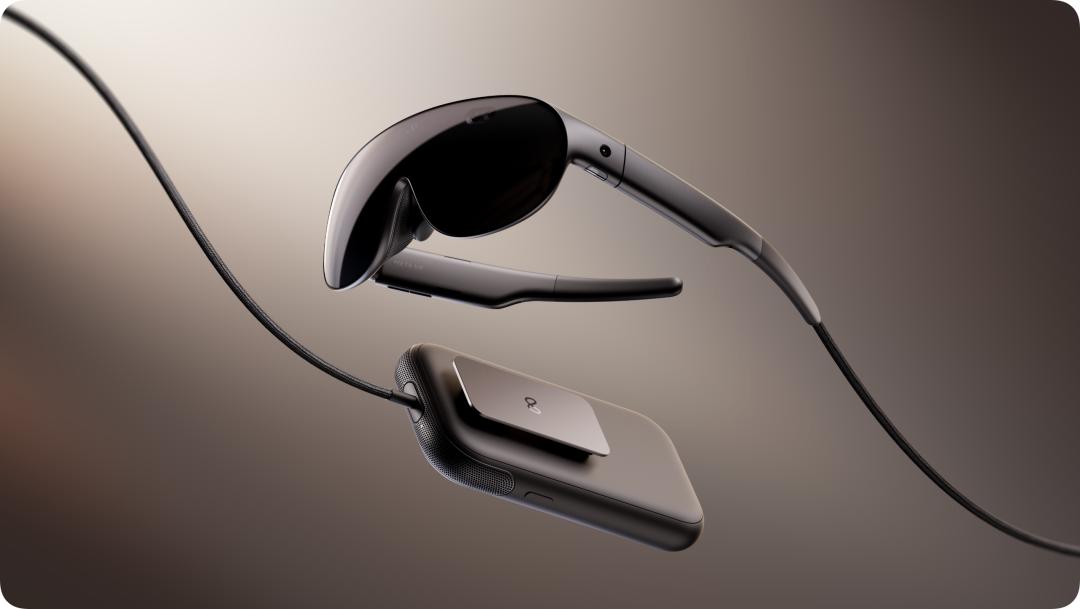
The glasses part is only responsible for sensors and display, while computing, battery and storage are all placed in the computing module connected by optical fiber. Interestingly, even so, the computing module is only about 300 grams, which is still lighter than the 353-gram external battery of Vision Pro.
According to the official website, the module is equipped with the Qualcomm Snapdragon Reality Elite chip, runs the same system as Quest 3, and is compatible with the same content.
With a much lighter weight, Meta VR Glasses does not sacrifice the visual effect.
It adopts a 5K resolution Micro-OLED screen, with a per-eye resolution of 2412×2288, a pixel density of 37 PPD, and a maximum refresh rate of 120Hz. This is also the first headset from Meta that does not use LCD since the first generation Oculus Quest.
After actual test, the reporter from Gizmodo said that the display effect is very amazing, at the same level as Vision Pro.
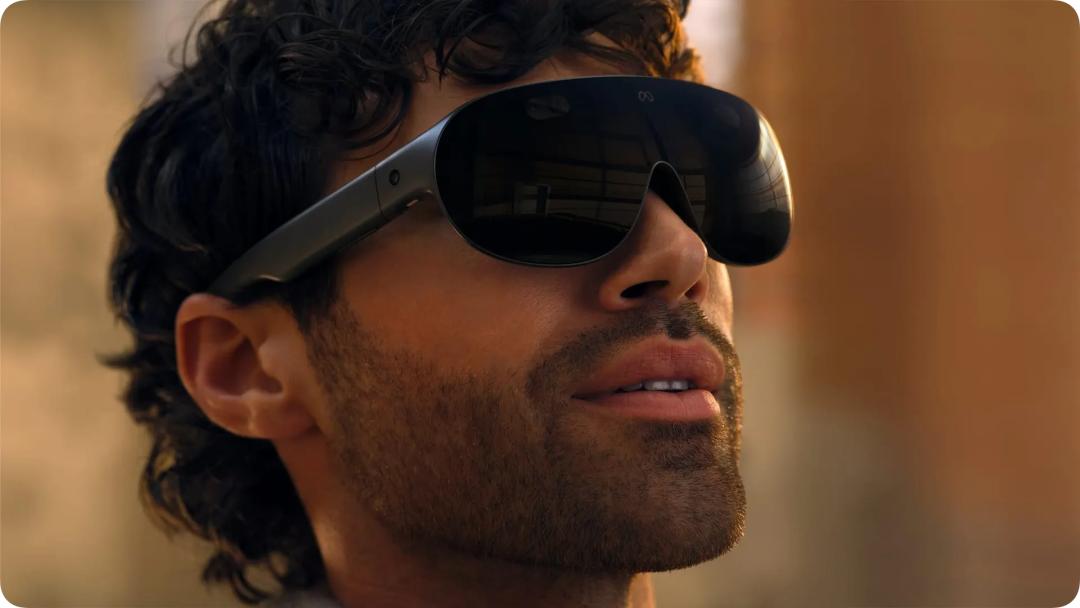
The real trade-off lies in the field of view and battery life: the field of view of Meta VR Glasses is only 70° horizontally and 66° vertically, while Quest 3 reaches 110° horizontally and 96° vertically, so the gap in immersion is quite obvious, and the full-power battery life of Meta VR Glasses is only about 3 hours.
But in front of the lightweight advantage, all shortcomings are acceptable — this directly determines whether it is a product that can be "taken out".
If we only look at its advantages, Meta VR Glasses is also the first VR device to pass the IMAX Enhanced certification, and supports Dolby Vision and Dolby Atmos spatial audio at the same time.
Of course, this does not mean that its sound pressure, absolute brightness or virtual screen size can match the top-level IMAX, but it is no problem to play movies that meet the IMAX frame, HDR and audio specifications.