400,000 AI short dramas have begun to "harm others, harm themselves, and ruin the entire industry"
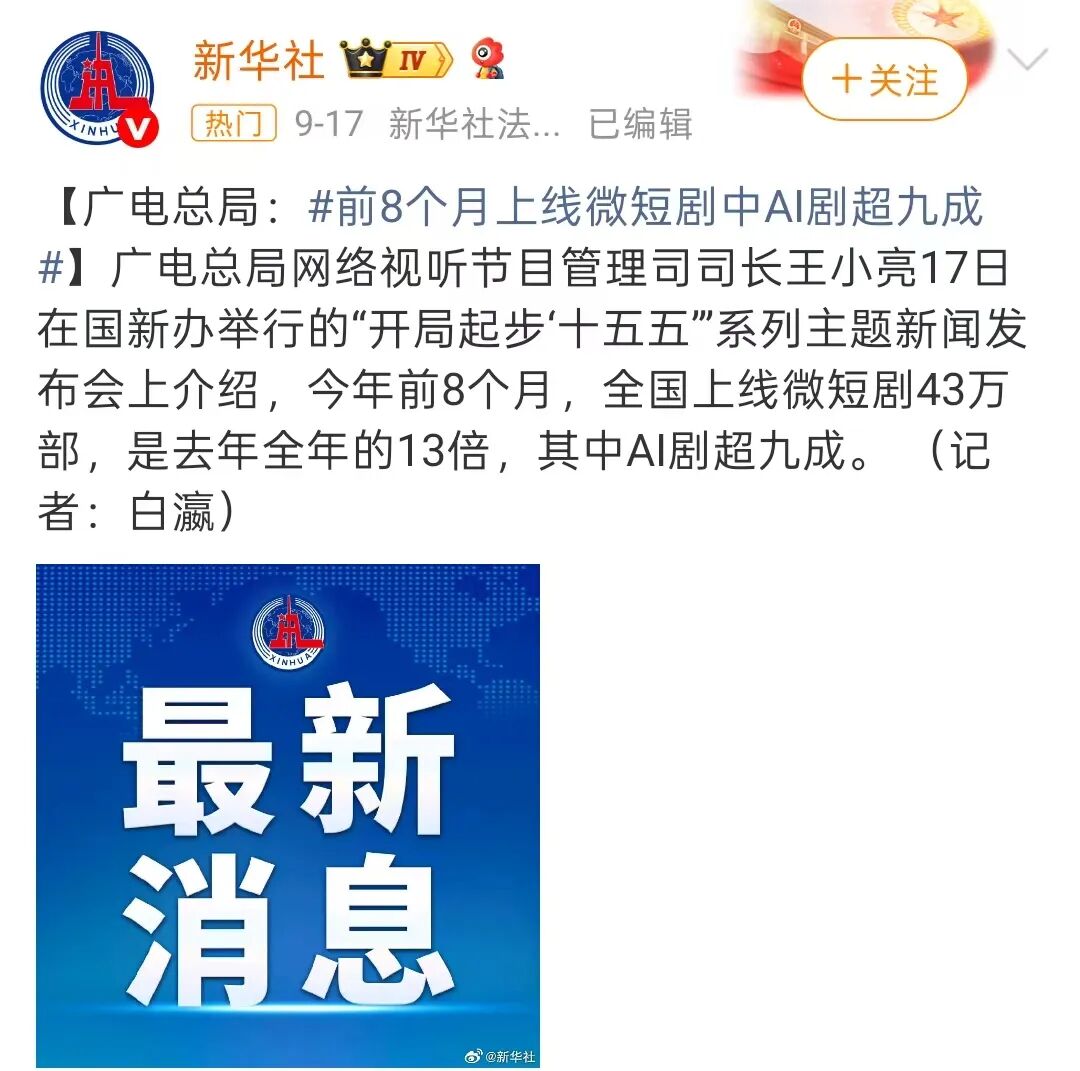
On September 17, the official released a set of rather "explosive" data.
In the first 8 months of this year, a total of 430,000 micro short dramas were launched nationwide, 13 times the total number of last year! Among them, AI-generated dramas account for more than 90%.
Corresponding to this set of figures is another number: 168 million — this is the daily active users of Hongguo Short Drama, exceeding the sum of the four long-video platforms iQiyi, Tencent Video, Youku and Mango TV.
There is no doubt that AI short dramas have achieved comprehensive explosive popularity.
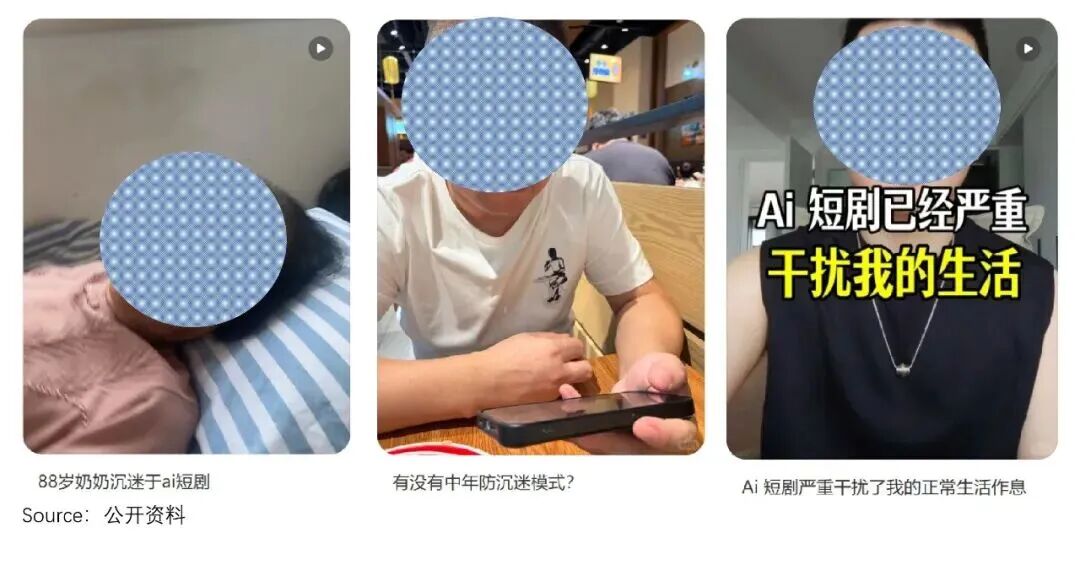
The user base of AI dramas and manhua-style dramas surged from 120 million in 2025 to over 600 million in the first half of this year, a fivefold increase within one year. Netizens' attitudes have also changed from the initial "physiological aversion to AI faces" to "I hope you can understand that AI does not need to rest".
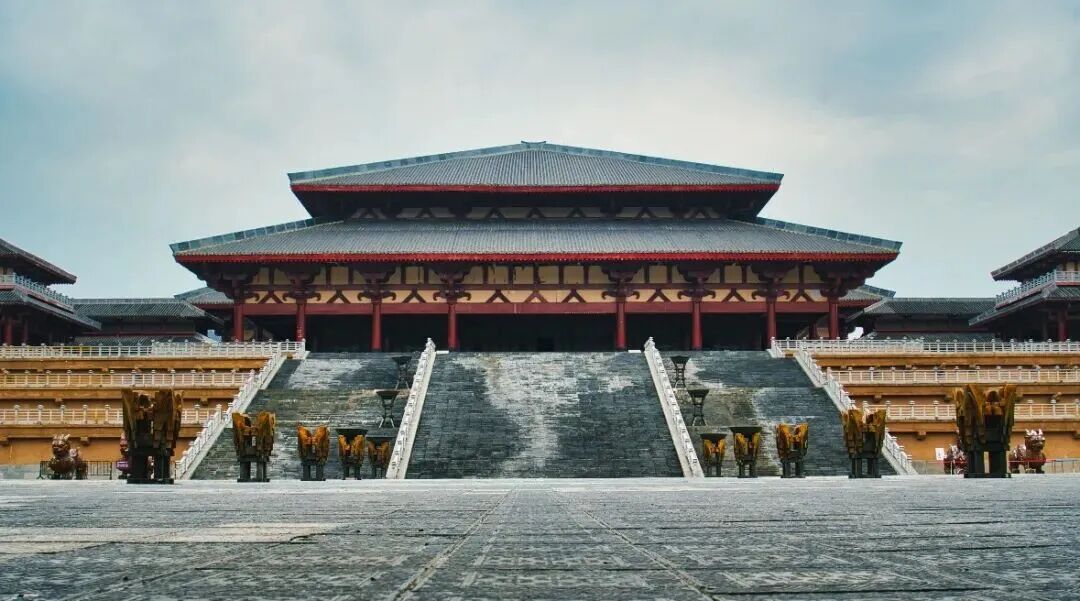
At the same time, live-action film and television has been severely impacted. The vacancy rate of studios in Hengdian World Studios is approaching 80%, and the number of short drama starts in the first quarter dropped by 3/4 year on year. Even some well-known celebrities have started to publicly seek job opportunities.
Although it seems that AI short dramas are about to dominate the whole market, in fact, they may have reached a very dangerous moment.
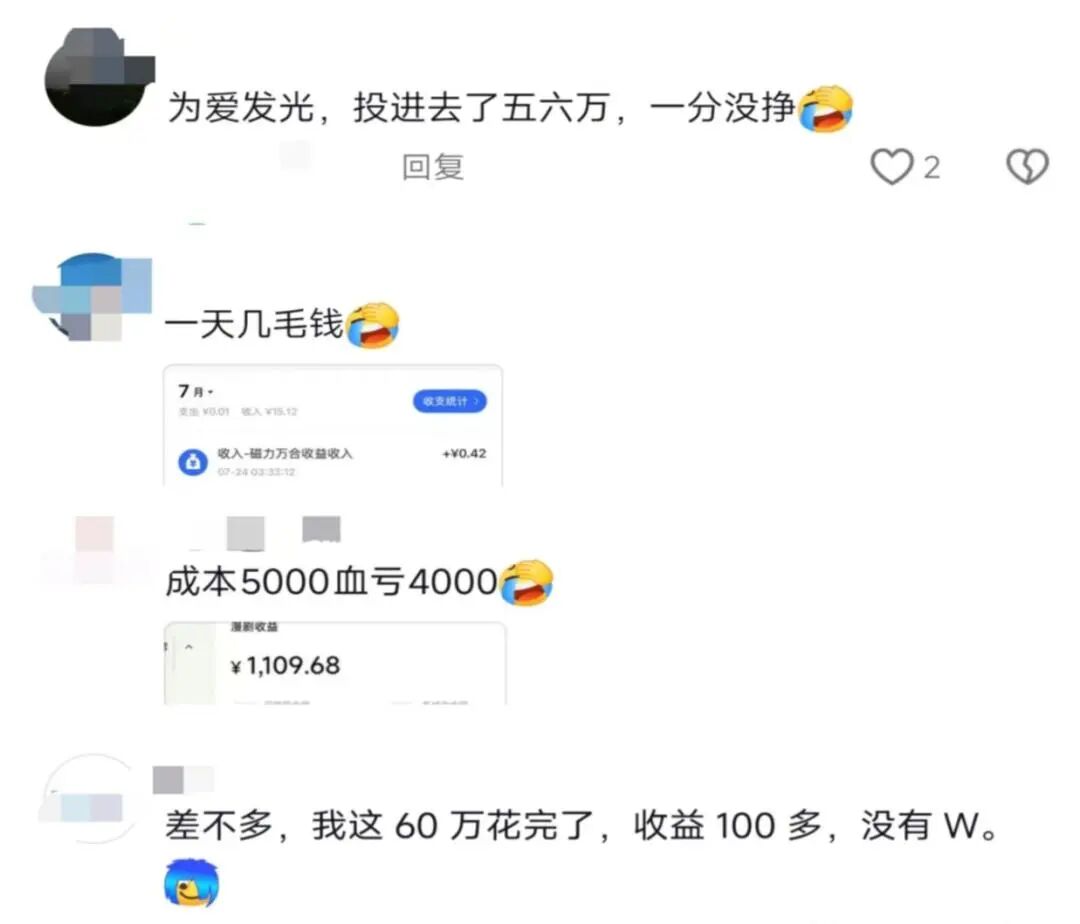
Since the beginning of this year, 68,000 illegal micro short dramas have been removed from the entire network. The revenue per 10,000 views of AI short dramas has plummeted all the way from 30 to 100 yuan last year to 5 to 10 yuan this year.
AI short dramas have gone through a path that takes others ten years to complete in just one year, and now they are about to taste the side effects of rapid, hasty development.
Wish-fulfilling Drama Comes to Reality: 3 People Earn 6 Million Yuan in Half a Year
Just half a year ago, AI short dramas were still at the bottom of the disdain chain.
Zhang Chaoyang once stated that the content produced by AI has a strong plastic texture, just like tomatoes ripened with chemical fertilizers, with no flavor at all.
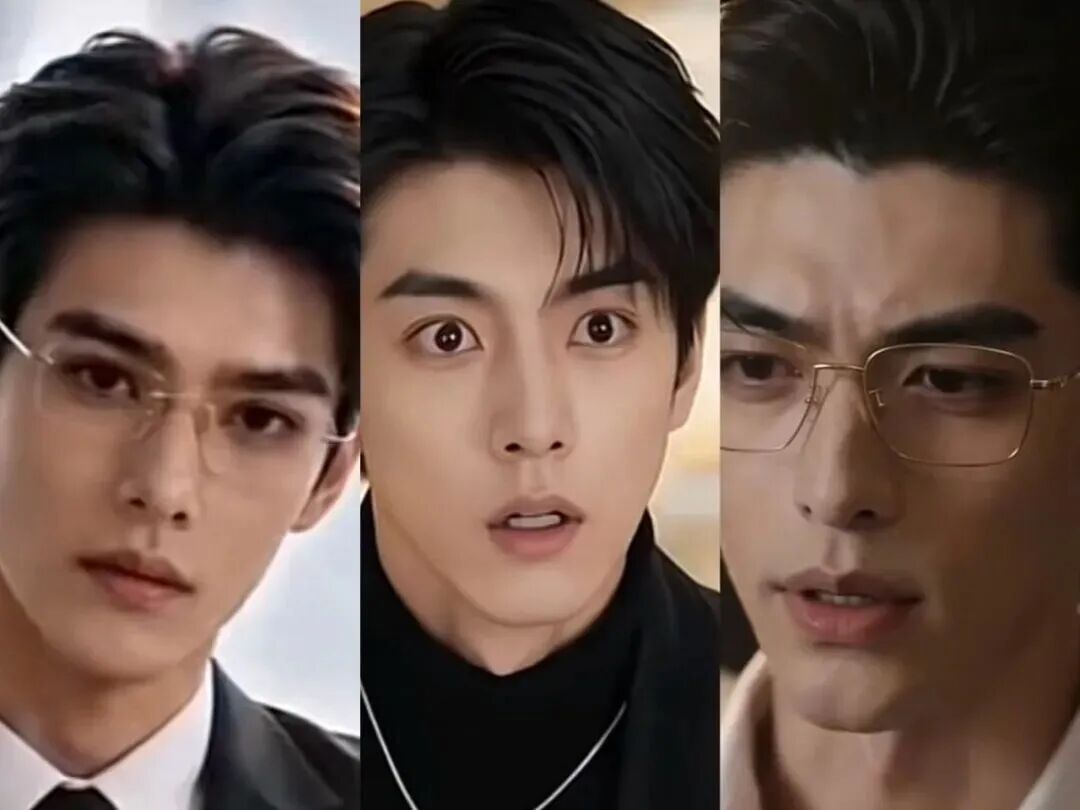
Many ordinary people's disgust is equally clear, denouncing it as "electronic swill". Even the fans of AI short dramas had to admit half a year ago that AI short dramas had many obvious flaws. For example, the male and female protagonists almost shared the same set of facial feature templates, and "AI faces" was once scolded onto the hot search list of Weibo.
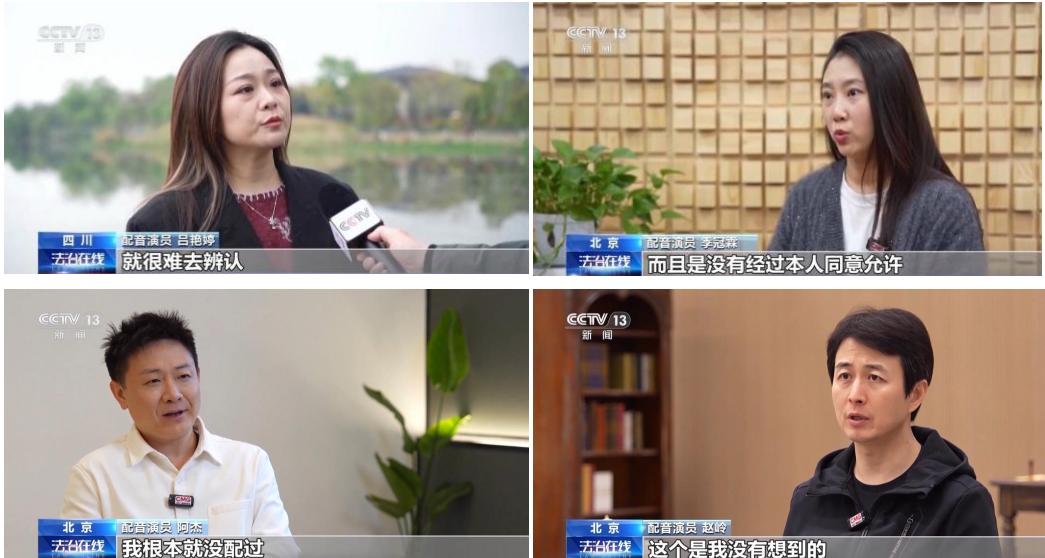
Some professionals also said they were deeply victimized, having their faces and voices "stolen" by AI short dramas. In March this year, dozens of voice actors spoke out collectively to defend their rights, demanding that unauthorized voice collection and synthesis be stopped.
No one expected that the AI short dramas that seemed to be shoddily produced and hated by everyone would turn the tables so quickly and fiercely.
Hongguo Short Drama only set up an independent entry for AI dramas at the beginning of this year. As a result, by May, AI dramas for the first time accounted for more than half of the daily TOP100 list, and rose to about 70% by August. The Must-Watch List, Hot Search List, and Collection List were all completely dominated by AI dramas.
The core reason is: it only took half a year for AI short dramas to evolve from "watchable" to "highly entertaining".
The driving force behind this is first and foremost the sharp drop in costs.
For example, the popular AI short drama Chronicle of Ten Thousand Demons has a core team of only 3 people, a registered capital of 100,000 yuan, and released 12 seasons in half a year, with a conservative estimated profit of 6 million yuan. Industry insiders revealed that producing a 100-episode live-action short drama requires a team of dozens of people and at least one week of shooting period, while the core production team of an AI short drama only needs 3 to 5 people, and the cost is only 1/10 or even lower than that of a live-action drama.
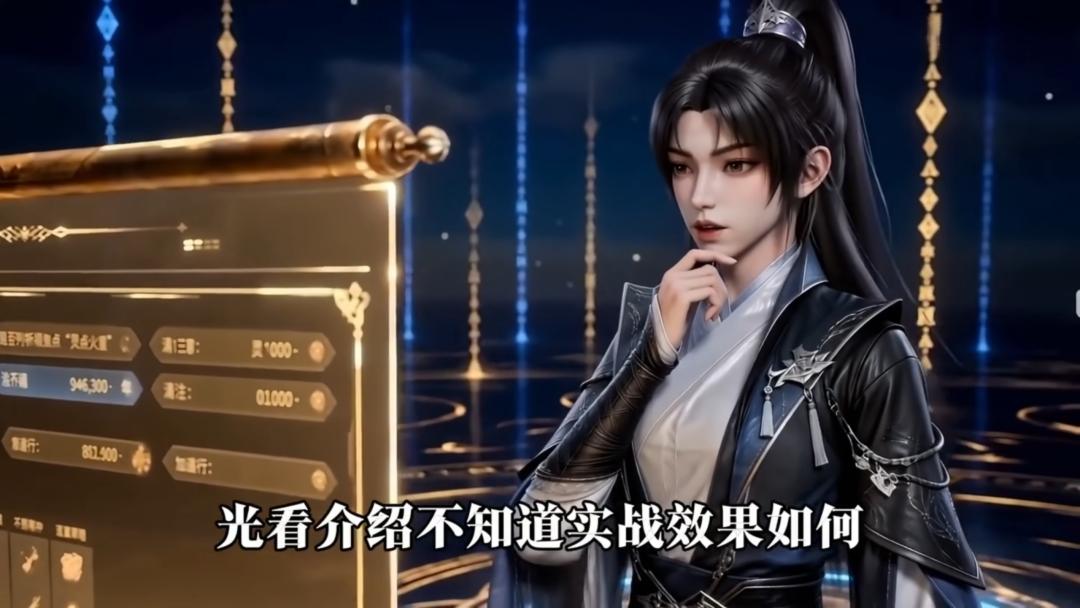
After the production threshold was lowered, "folk masters" began to emerge one after another. Although the quality is inevitably uneven, many widely recognized excellent works have come out, changing the minds of many people.
For example, a young man from Yunnan spent 10 days "handcrafting" the AI short film Zombie Scavenger at home, which became viral across the country and overseas overnight, and even attracted Hollywood producers to search for him all over the Internet.
There is also Not a Demon, created by a post-90s generation creator, who took full charge of screenwriting, production and editing. After only two episodes were launched, the number of followers of the account rose from one or two thousand to 540,000, with a total of more than 4 million likes. According to reports, in order to confirm the overall style of the whole film, he spent about 6,000 yuan on the first key image and spent four to five days on it.
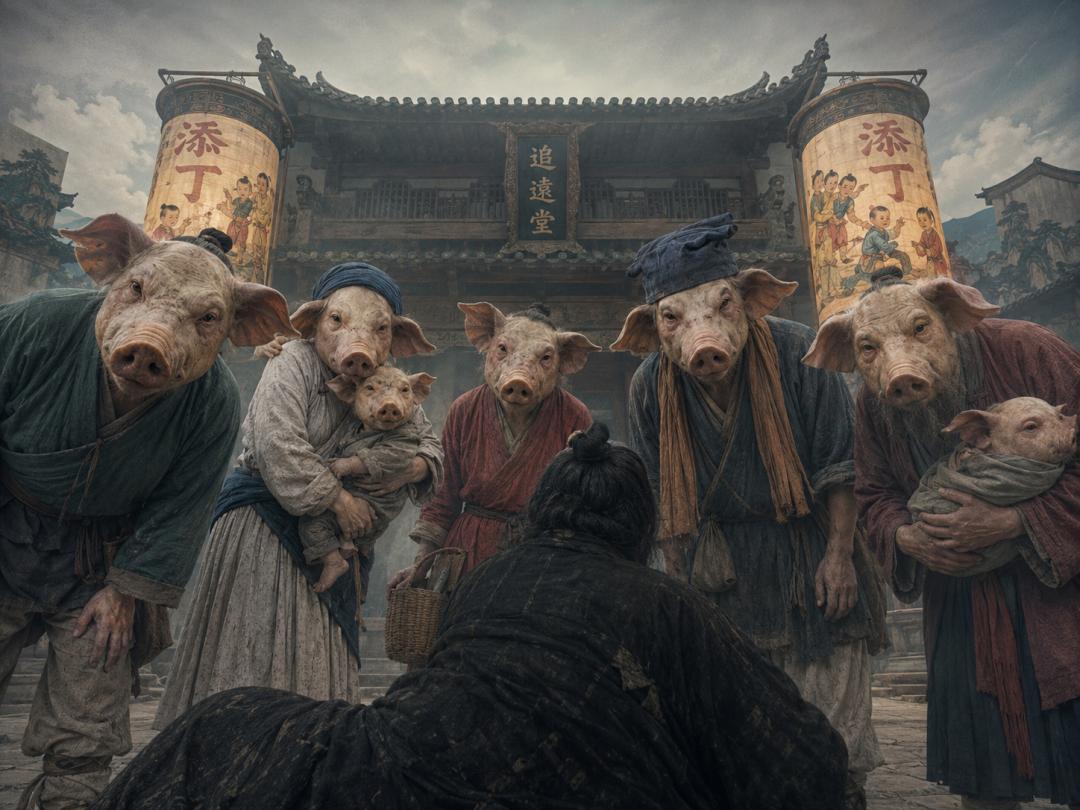
"Folk masters" have also filled the vacancies in many content types, presenting a diverse landscape that is refreshing to the audience.
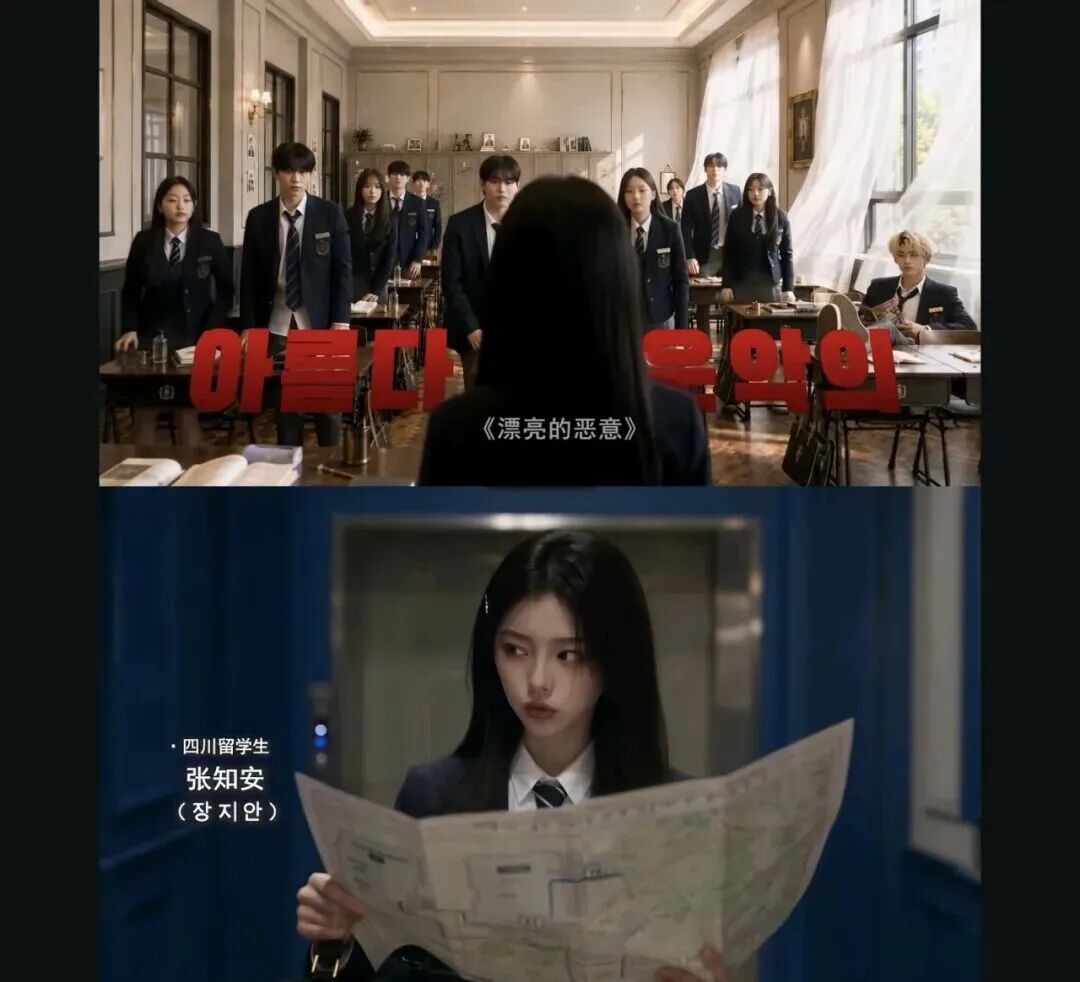
The recently viral "AI idol drama" is a very good example. While most AI short dramas are still thinking about how to create a "wish-fulfilling" experience, "AI idol dramas" choose to upgrade the appearance of characters and picture quality, drawing materials from Korean dramas, Chinese dramas, Taiwanese dramas, Japanese dramas and American dramas. Typical examples include Pretty Malice, which tells the story of a Sichuan girl in a South Korean chaebol school. Its first episode got 3.31 million likes and nearly 47 million views on Douyin; The Accident restores the American high school campus scene, with nearly 55 million views for 4 episodes; My Sister Is Not Cute made the female lead directly become the white moonlight of many netizens.
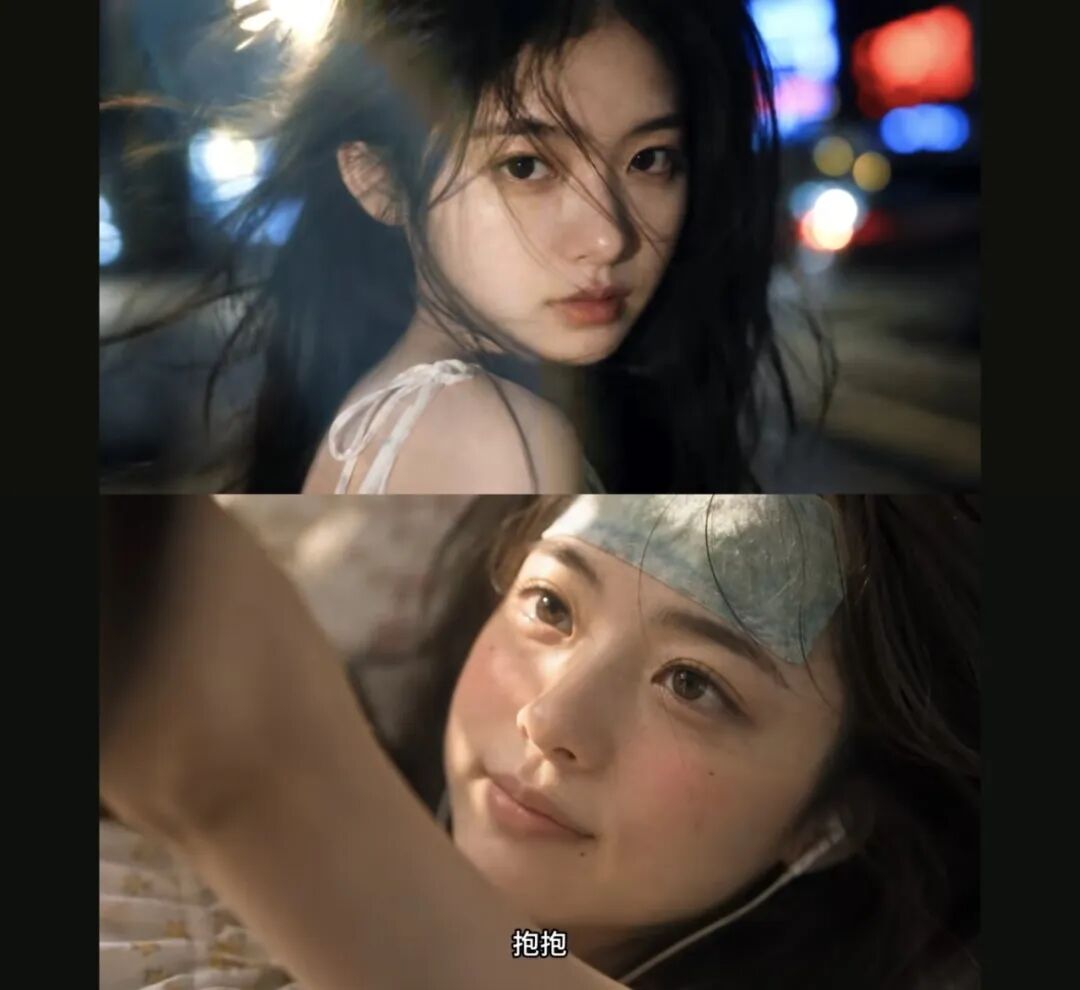
My Sister Is Not Cute
With multiple factors superimposed, more and more people are getting hooked on these dramas.
Data shows that in the first half of 2026, the market size of China's AI short drama industry exceeded 220 billion yuan, and the whole year is expected to hit 400 billion yuan, with a year-on-year increase of about 138%.
400 Billion Yuan AI Short Drama Market: One Winner's Glory Is Built on Thousands of Losers' Bones
Getting rich overnight by making AI short dramas is undoubtedly a real-life wish-fulfilling drama, but the root of the pleasure lies in its rarity. Otherwise, it will be nothing special.
The same logic applies to the AI short drama industry: the pleasure of huge profits only belongs to a very small number of people.
In the first half of the year, more than 221,900 native AI dramas were launched on Douyin alone, with an average of more than 1,200 dramas per day. Among them, only 1,055 dramas have exceeded 100 million views, with a 100-million-view rate of 0.48%. Calculated based on the break-even line of 50 million views, less than 1.3% of the works can recover their costs.
Many people who plunged into this trend with full passion have gradually recognized the reality. A practitioner told reporters that he launched 47 dramas in the first half of the year, invested nearly 300,000 yuan in total in computing power, copyright, manpower and traffic promotion, but only 3 works reached the threshold of 10 million views, and the highest revenue from revenue sharing for one work was less than 20,000 yuan, resulting in a net loss of more than 100,000 yuan in half a year.
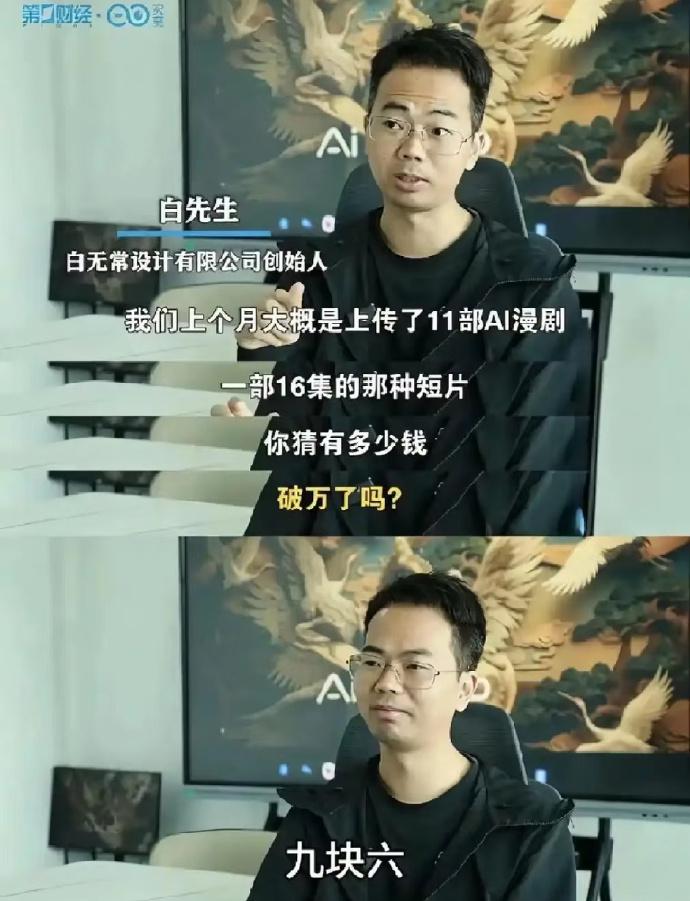
Some people even said bluntly: "More than 90% of companies making AI short dramas have gone out of business."
Why is the situation so harsh?
The primary reason is naturally the extremely fierce competition, and most works are destined to become cannon fodder.
Secondly, AI has only greatly reduced the production cost, while other costs are rising steadily.
Lin Qiwen, Vice President of DataEye Short Drama Check, gave a set of comparison data: the production cost of AI short dramas has dropped by about 90%, but the traffic promotion cost has increased by more than 100% year on year, and the industry's revenue side has shrunk by more than 50%. Traffic promotion accounts for about 70% of the total cost of the whole link, and producers usually only get 4% to 7% of the total revenue sharing.
This is even more obvious in the financial report data of listed companies. IReader Technology's revenue from short dramas and other derivative businesses reached 1.855 billion yuan last year, but its promotion fee spent 1.986 billion yuan; Kunlun Wanwei's revenue from short dramas and AI short dramas skyrocketed from 167 million yuan to 1.617 billion yuan, and its annual sales expenses also increased to 4.182 billion yuan.
More critically, from the early development stage when scarcity drives high value to the involution stage where too many people chase too few resources, the game rules are completely different.
In the early days, platforms provided guaranteed minimum revenue, so creators knew how much they could earn after finishing their works; later, the model shifted to revenue sharing, and finishing the work only got you a ticket to the game. How much you can earn depends entirely on the view count and platform traffic. For example, the guaranteed minimum revenue for S+ level projects on Hongguo has dropped from 40,000-50,000 yuan all the way to 10,000 yuan.
In the end, apart from a small number of "folk masters" who produce high-quality works, most of the people who get the dividends are still the "shovel sellers".
The biggest winners are still the platforms.
Take Hongguo as an example. It has IP reserves from Tomato Novel in the upstream, and charges for computing power through its Seedance series of models. In the midstream, it has two major distribution positions, Hongguo and Douyin. In the downstream, it has a mature advertising delivery system to undertake the traffic promotion budget. It is equivalent to earning money from computing power on one hand, earning money from advertising on the other hand, and attracting a huge number of users with its free model.
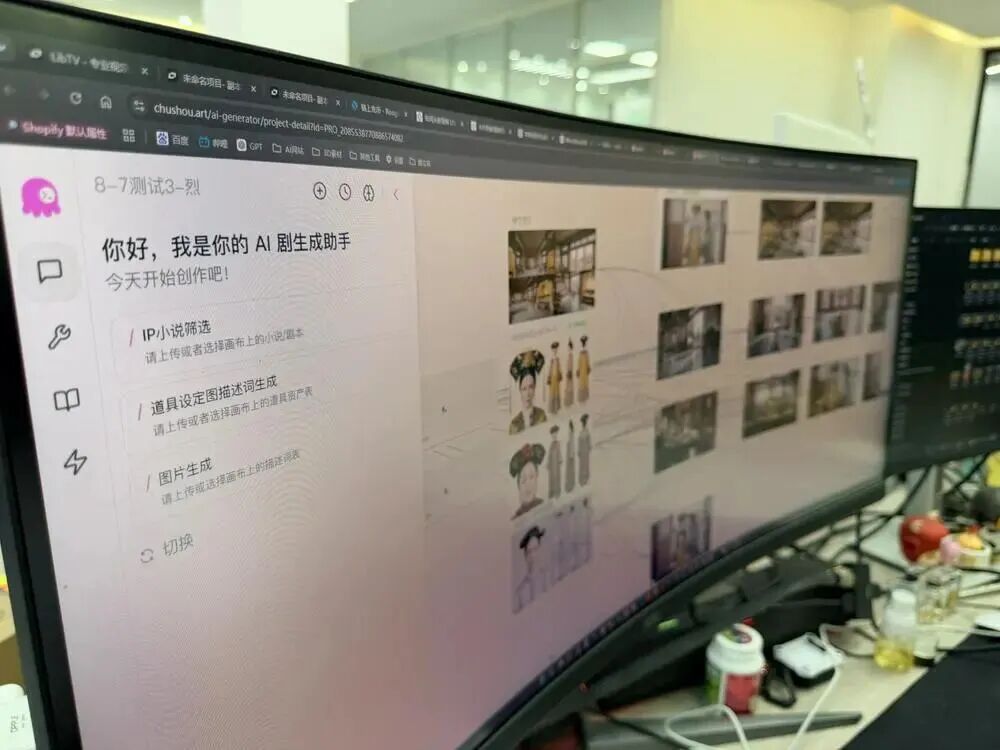
Similarly, other platforms that hold IP or computing power resources have also achieved rapid growth. For example, Yuewen's