The once "king of Android smartwatches" is back, but it needs to get through two major hurdles.
As early as November 2015, our team at 3eLife reviewed the Moto 360 (2nd Generation) smartwatch.
For many early smartwatch users, it was arguably the most perfect product on the market at that time.
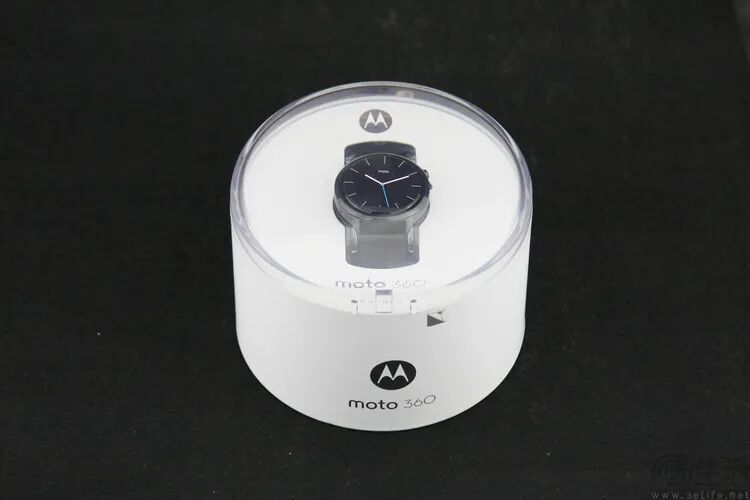
Compared with other Android smartwatches of that era, the Moto 360 (2nd Generation) featured a rare circular dial. Although the dial could not be a perfectly "full circle" at the bottom to accommodate sensors, it was far more aesthetically pleasing than the square designs adopted by other manufacturers.
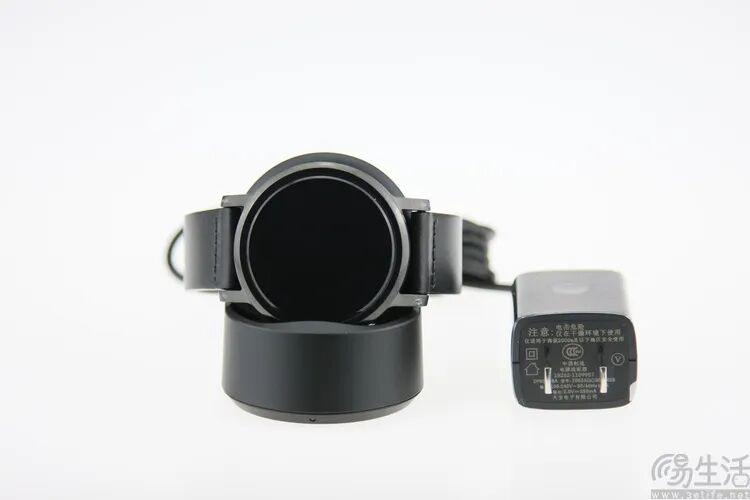
Coupled with its highly ceremonial wireless charging dock, exquisite genuine leather strap, and excellent design that balances futuristic tech style and retro aesthetics, it is no exaggeration to call it the most perfect "king of Android watches" of its era.
The former "king of Android watches" ended in failure due to multiple constraints
However, few people know what happened afterwards. On the one hand, the two generations of Moto 360 released back then were launched too early, and the hardware platforms they used were not mainstream solutions, leading to huge difficulties in subsequent system adaptation and no updates for a long time.
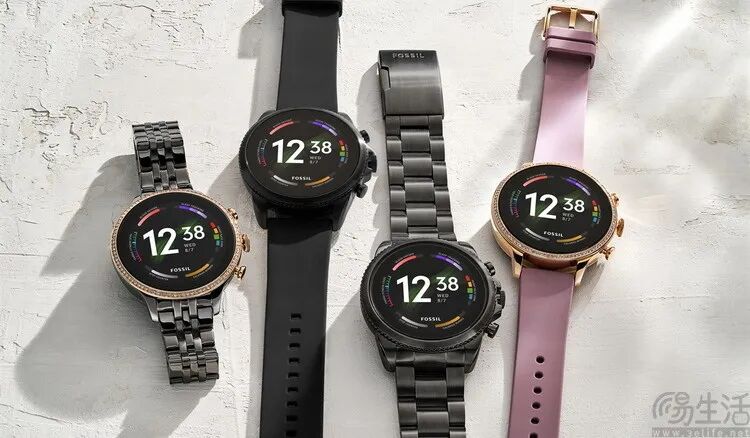
On the other hand, Google also made a major shift in its smartwatch strategy at that time, no longer taking mobile phone manufacturers as partners, but turning to cooperate with traditional luxury watch brands, which may have further widened the rift between Moto and Google.
As a result, in December 2016, Moto announced that it would no longer develop new smartwatches powered by Android Wear (now known as Wear OS), and voluntarily withdrew from the "Google Watch" camp.
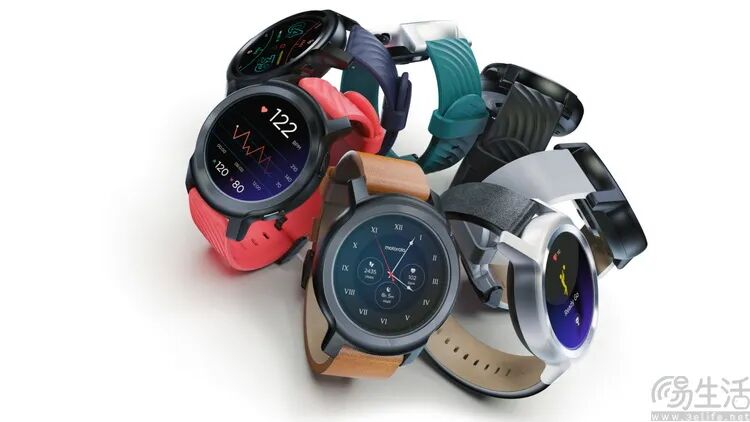
The Moto Watch 100 launched by Moto after abandoning Android Wear
After that, Moto once had its smartwatches OEM-produced by third-party manufacturers, then took back the business later, and adopted the RTOS (lightweight smartwatch) solution that focuses on light weight and long battery life.
Moto's flagship Android watch is back, but its hardware configuration is surprising
At the recently held IFA 2026, Moto released the Moto Watch Ultra, a new flagship smartwatch powered by Wear OS 6, marking its return to the Google Watch camp after 10 years.
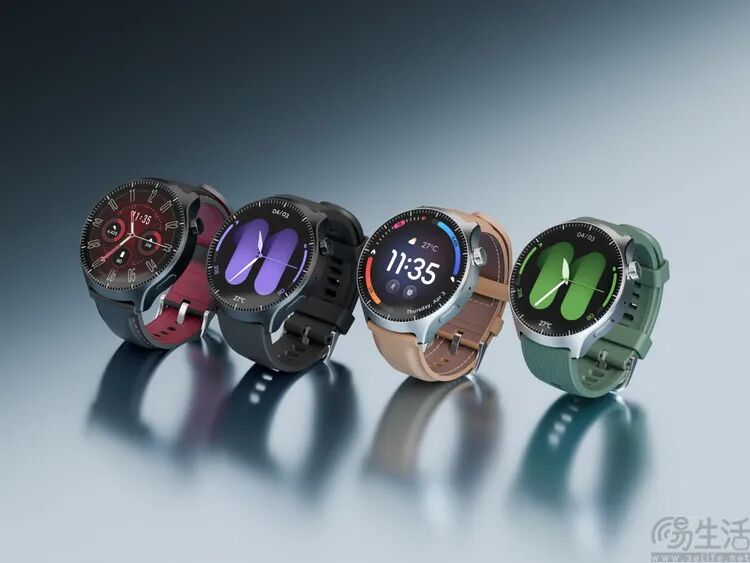
So does this mean that the "king of Android watches" that carried the fond memories of a generation of enthusiasts will make a comeback?
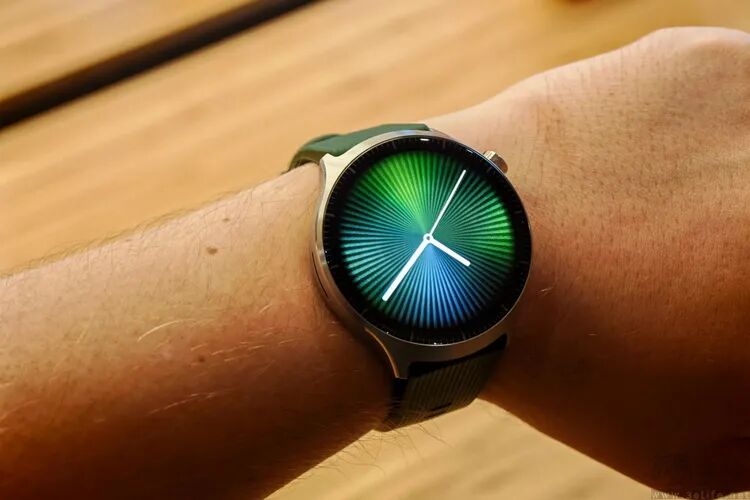
To be fair, the appearance design of the Moto Watch Ultra does show the shadow of the Moto 360 from 10 years ago. But after learning more about this product, we realized that Moto still has at least two major hurdles to overcome.
First, the hardware solution. In March this year, Qualcomm officially launched the Snapdragon Wear Platform Premium with the code name SW6100. At that time, it was stated in the official promotional materials that Moto and Samsung were listed as the first batch of partners for this new platform.
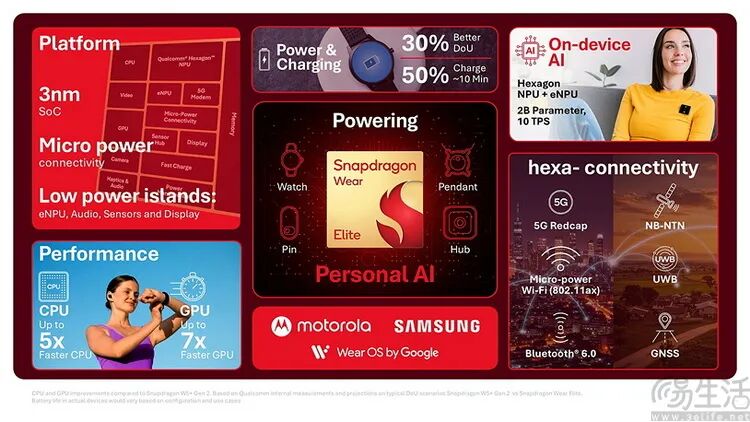
But half a year later, when the Moto Watch Ultra was officially unveiled, it did not use the new flagship platform that was previously announced, but continued to adopt the Snapdragon W5+ Gen1 released in 2022.
This is very strange, because this move will not only significantly reduce the battery life and AI computing performance of Moto's new watch compared with competitors' (Samsung's) products, but also contradict Qualcomm's promotion at the beginning of the year.
We do not know the exact reason for this. It is possible that Moto had already developed the new watch based on the old platform long ago and did not want to discard the completed solution, so it reserved the SW6100 for later higher-positioned products. It is also possible that there were supply issues with the new platform, leaving Moto no choice but to settle for a second-best option. Obviously, no matter which possibility it is, it has weakened the market competitiveness of this "Ultra" level smartwatch.
To return to the position of "king of watches", Moto still has a lot of work to do
If you have paid attention to the smartwatch market in the past two years, you may know that manufacturers including Xiaomi and OPPO have also developed full-featured smartwatches based on Qualcomm's solutions. However, they usually develop two sets of system software and supporting apps: the original Wear OS is pre-installed overseas, while a special system modified from Android is developed for the Chinese market, paired with a dedicated client app.
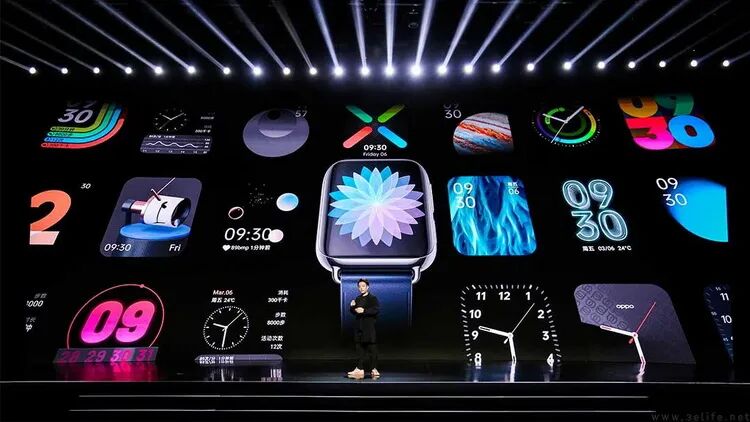
This is because the system update service of Wear OS overseas is entirely in the charge of Google, but this model obviously cannot be applied to the Chinese market. Therefore, those Chinese domestic versions of Samsung's Wear OS smartwatches are actually equipped with modified Wear OS, with Samsung taking charge of system R&D and adaptation.
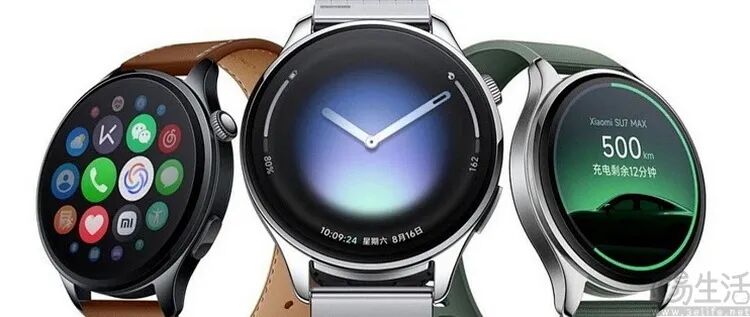
OPPO, Xiaomi and Samsung all have the capability to develop self-designed smartwatch operating systems
In other words, if Moto wants to truly return to the position of "king of Android watches", it not only needs to give consumers a satisfactory answer on the hardware solution, but also probably needs a dedicated team to develop a smartwatch operating system adapted to the needs of the Chinese market. However, according to the current public information, Moto does not seem to have relevant preparations.
Honestly, as long-time users who have used both the Moto 360 (2nd Generation) and the Moto 360 Sport, we are still very glad to see Moto finally rejoin the competition in the high-end Android smartwatch market. But precisely because of this, we hope more than many other people that they can make the product well. After all, only by truly competing for the position of the "king of watches" in the new era can the 10-year wait of many users be worthwhile.
This article is from the WeChat Official Account "3eLife" (ID: IT-3eLife), written by San Yijun, and authorized for release by 36Kr.